
The Berlin TV Tower is an iconic landmark of the German capital. It towers majestically over Alexanderplatz and attracts millions of visitors annually. With its impressive height of 368 meters, it is the tallest structure in Germany.
Construction of the Berlin Television Tower began in 1965 and was completed in 1969. It was built during the GDR era and symbolizes the technological progress of that time. The tower is not only a television transmitter but also a popular tourist attraction.
The observation deck offers a breathtaking 360-degree view of Berlin. Visitors can admire the city from a height of 203 meters. The TV Tower is a masterpiece of modern architecture from the 1960s.
The Berlin Television Tower is more than just a structure. It is a symbol of Berlin's history, culture, and identity. Its significance extends far beyond the city limits, making it an indispensable part of Berlin's attractions.
The Berlin TV Tower as a city landmark
The Berlin TV Tower is inextricably linked to the city's skyline. Since its opening, it has become a symbol of the city. Its distinctive silhouette is visible from many parts of Berlin.
The tower is more than just a technical structure. It embodies the architectural creativity of the GDR era. Its unique spherical shape is a popular photo motif.
For many tourists, the TV Tower is at the top of the list of Berlin sights. It attracts over a million visitors annually. The opportunity to see Berlin from above is a special experience.
Highlights include:
- The breathtaking panoramic view of Berlin.
- The rotating sphere that makes the visit unique.
- A restaurant that serves special food at high altitudes.
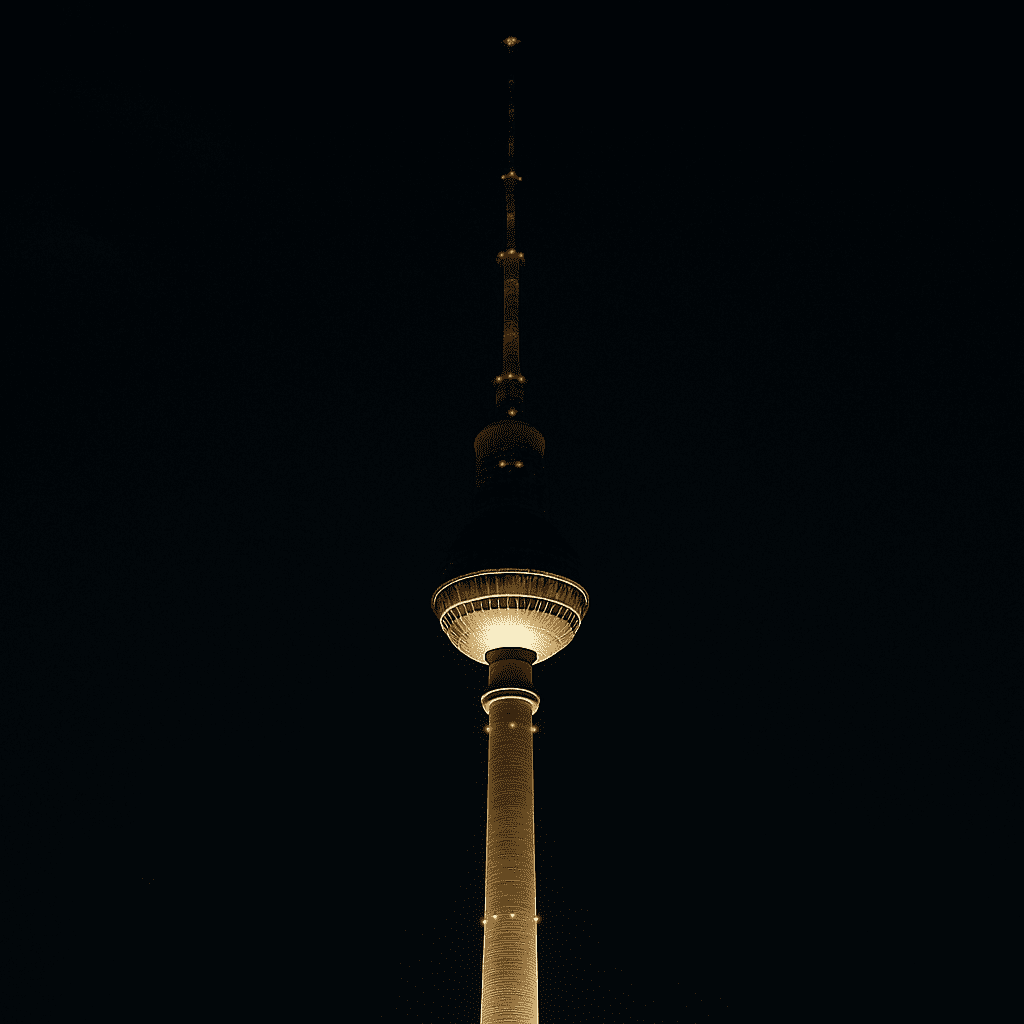
The TV tower also has symbolic value. It represents the connection between history and modernity. In a constantly changing city, it remains a reliable feature.
The history of its creation: planning and construction in the GDR
Construction of the Berlin Television Tower began in 1965. It was a prestige project of the GDR government. The tower was intended to demonstrate the technical and architectural superiority of socialism.
The architect Hermann Henselmann and engineer Jörg Streitparth were behind the planning. They designed a striking structure that is still impressive today. Their vision was to create a modern symbol for East Berlin.
The choice of location fell on Alexanderplatz, in the heart of East Berlin. This historic site ensured maximum visibility. The tower was intended to permanently shape the cityscape.
Construction lasted four years and was completed in 1969. During the construction phase, there were many challenges. However, the engineers overcame these with innovation and expertise.
Some striking features of the building are:
- The total height of 368 meters, making the tower the tallest structure in Germany.
- The spherical observation deck, unique in its construction.
- The modern transmission technology that was groundbreaking at the time.

by Annie Spratt (https://unsplash.com/@anniespratt)
The construction costs amounted to approximately 200 million East German marks. Despite the high price, the tower was a symbol of progress. It served both technical and propagandistic purposes. The Berlin television tower thus remained a symbol of GDR architecture that still fascinates visitors today.
Architecture and Technology: A Masterpiece of the 1960s
The architecture of the Berlin Television Tower embodies the modern aesthetics of the 1960s. Its design is elegant and futuristic. The tower's clean lines are a striking example of its era.
The technology behind the construction was innovative and groundbreaking. Engineers used the latest technologies at the time. The challenge was to ensure stability and functionality.
A significant feature is the sphere at a height of 203 meters. This houses both an observation deck and a restaurant. Both areas offer a fascinating view of Berlin.
In the sphere that rotates once per hour, visitors can enjoy Berlin in peace. The complexity of this construction still impresses engineers worldwide today. It is a masterpiece of precision and planning accuracy.
Further technical features include:
- An antenna spire that extends the structure to a total height of 368 meters.
- 147 meters of ropes that contribute to the tower's stability.
- 986 steps, which, in addition to the elevator, also provide access to the summit.
by Pavel Nekoranec (https://unsplash.com/@sur_le_misanthrope)
The combination of architecture and engineering makes the TV tower a landmark. It is not only functional but also a symbol of technical sophistication. Its presence in the Berlin skyline is unmistakable, testifying to the progressive approaches of the 1960s.
Symbolism and Meaning: The Television Tower as a Political Statement
The Berlin TV Tower was not only architecturally significant but also politically charged. During the GDR era, it was intended to symbolize the superiority of socialism. It served as a sign of technical progress.
The choice of location at Alexanderplatz was no coincidence. This was where it was meant to showcase the modern side of the GDR. Its presence reflected the GDR's claim to cosmopolitanism.
The TV tower was also a symbol of propaganda. It towered over the Berlin skyline to demonstrate the strength of the GDR. Its height gave it an imposing effect.
After reunification, the television tower took on new meaning. It transformed into a symbol of Berlin's unity. Its architecture connected East German past and all-German future.
The symbolic meaning at a glance:
- Represents socialist progress.
- Location choice as a political statement.
- Symbol of GDR propaganda.
- Meaning as a symbol of reunification.
- Connecting the past and the future.
The Berlin TV Tower remains a political landmark to this day. It tells of a special era in history and the transformation of Berlin. Its symbolism remains vibrant and memorable.
The TV Tower after Reunification: Change and New Role
After German reunification, the role of the Berlin Television Tower changed significantly. It became a symbol of German unity. The tower now represented a new era of coming together.
The television tower developed into a significant part of the Berlin tourism industry. Visitors from all over the world come to enjoy the view. The 360-degree view over the city is a major attraction.
At the same time, the television tower became a cultural center. Numerous events take place here. This applies to local events as well as international meetings.
The tower's architectural status has been re-evaluated. It is now considered a cultural heritage asset with historical value. Its technical legacy is also recognized and preserved.
The new role of the television tower after reunification:
- Symbol of German Unity
- Tourist attraction with a great city view
- Cultural Center for Events
- Recognized architectural and technical heritage

by Maksym Potapenko (https://unsplash.com/@potapenko)
The television tower remains a fixed part of the Berlin skyline. Its development reflects Berlin's changes. It is a living symbol of modernity and tradition.
The TV Tower Today: Tourism, Culture, and Events
Today, the Berlin Television Tower is at the center of a dynamic tourism landscape. It attracts over a million visitors annually. Its observation deck offers an unparalleled view of Berlin.
The tower is not only a sight to see but also a place of cultural importance. Art and cultural events are regularly hosted. These events emphasize its significance as a cultural monument.
Besides tourists, Berliners also use the tower as a meeting point. It is a popular destination for school classes and educational trips. The architectural history often serves as teaching material.
The sphere of the television tower offers impressive panoramic views. This also includes the revolving restaurant there, which serves dishes with a view. A special experience for visitors looking for a unique dining spot.
Tourism and cultural aspects of the television tower:
- 1 Million visitors per year
- Regular art and cultural events
- Popular destination for educational trips
- Rotating restaurant with panoramic view
The television tower remains an integral part of Berlin's identity. Its blend of history and modernity draws in young and old. A place that continuously grows and reinvents itself.
The TV Tower in the Cityscape: Architecture, Skyline, and Identity
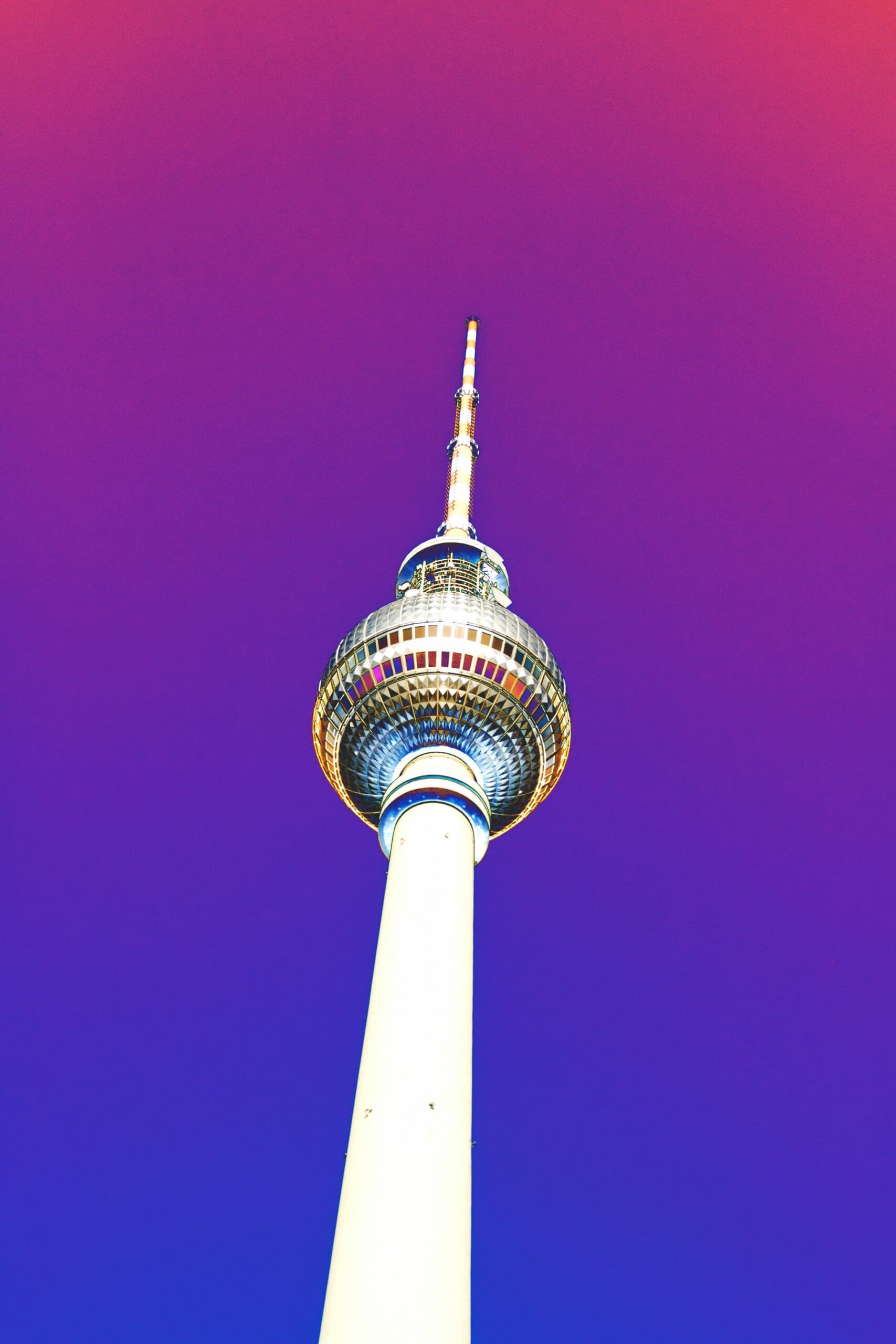
The Berlin TV Tower is more than just a structure; it is an architectural highlight. Its distinctive structure shapes the city's skyline and is visible from afar. It stands as a symbol of Berlin's ambitions.
The sphere of the tower represents the pinnacle of this architectural masterpiece. It rotates once per hour, offering a panoramic view. This detail adds dynamism to the construction.
In the cityscape, the television tower is a central point. It connects historical and modern elements. This connection is also reflected in its construction.
Significance of the TV tower in the cityscape:
- Architectural highlight
- Shapes the skyline
- Symbolic of Berlin
- Connecting history and modernity
by Foto Micha (https://unsplash.com/@fotomicha)
The iconic design and height make the tower a fixed component of Berlin's identity. It is not only a technical but also a cultural landmark. This structure combines tradition and progress.
Curious Facts and Myths About the Berlin TV Tower
The Berlin TV Tower is not only a technical masterpiece, but also surrounded by many curiosities. Numerous myths surround the structure, which stimulate people's imaginations.
A well-known phenomenon is the so-called „Pope's Bubble.“ When the sun shines, a cross forms on the sphere, which Berliners jokingly call the „Pope's Revenge.“ This is particularly noteworthy because the tower was intended to be a symbol of the GDR.
Over the years, many stories have formed. Some even claim the tower serves secret purposes. Such myths underscore the fascination the tower holds for people.
Interesting facts:
- The „Cross“ in sunshine
- „Secret“ East German Purposes
- Rotating globe as a highlight
- Strong radio and TV signals
The television tower remains a magnet for legends and fascinated visitors. The combination of fact and fiction makes it even more captivating.
Conclusion: The TV Tower as a Mirror of Berlin's History
The Berlin TV Tower is more than just a structure. It embodies the city's turbulent history. Built as a symbol of the GDR, it stands today for the unity of Berlin.
The transformation of the tower mirrors political and social change. Its role has shifted from a technical symbol to a cultural landmark.
Despite these changes, its radiance remains unbroken. The TV Tower is firmly anchored in Berlin's identity and attracts visitors from all over the world every day.
As the lynchpin of the Berlin skyline, it remains unforgettable. Its story is a fascinating chapter of the city.