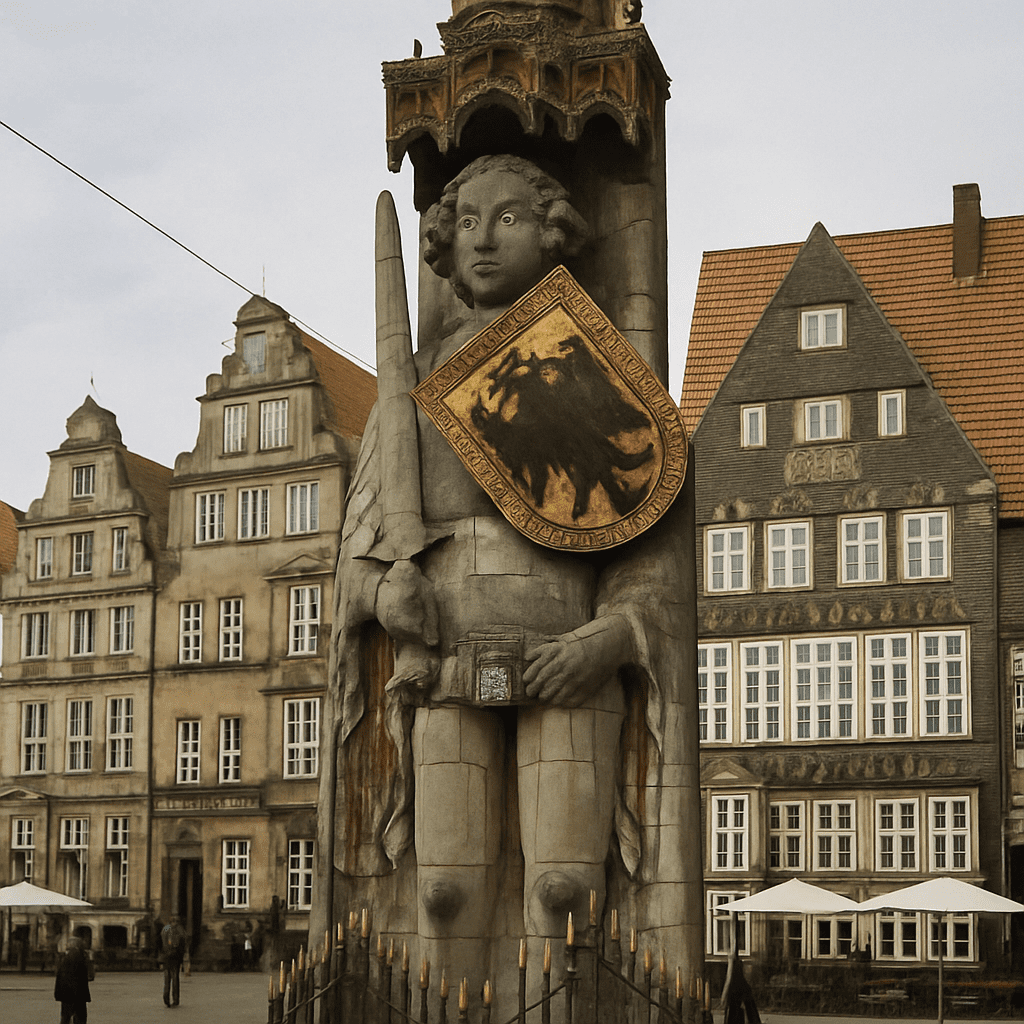
The Roland statue in Bremen is a fascinating landmark deeply rooted in the city's history. It stands proudly in Bremen's Market Square, a central point cherished by locals and tourists alike. This impressive statue is not only a symbol of the city's freedom and market rights, but also a significant example of Gothic art.
Erected in 1404, the Roland statue is one of the oldest and largest of its kind in Germany. Standing approximately 5.5 meters tall and crafted from limestone, it attracts thousands of visitors annually. The Roland, a figure from medieval literature known from the Song of Roland, embodies protection and justice. These values are symbolized by the sword and shield he holds.
The inscription on the statue's plaque refers to the freedom of the city of Bremen. This freedom and independence are central themes that shape the city's identity. The Roland statue is not only a popular photo opportunity but also an important part of city tours. It is a symbol of civic freedoms and rights in the Middle Ages.
The significance of the Roland statue extends beyond its physical presence. It is a symbol of the city's freedom of trade and independence. These aspects make it an important part of Bremen's tourism strategy. The statue is an integral part of Bremen's identity and cityscape.
The Bremen Market Square, where the statue stands, is also a UNESCO World Heritage Site. This underscores the cultural and historical significance of the Roland statue. It is an important example of medieval architecture and art. The statue survived World War II without major damage, demonstrating its robustness and durability.
The Roland statue is a symbol of the strength and courage of Bremen's citizens. It is an important part of Bremen's cultural heritage. The statue is a significant landmark of the city and attracts many tourists. It is a symbol of the defense of the city's rights and freedoms.
Overall, the Roland statue in Bremen is a fascinating example of the connection between history, art, and culture. It is an indispensable part of Bremen's sights and a must-see for any visitor to the city.
The Story of the Roland Statue in Bremen
The Roland statue in Bremen has its roots deep in the Middle Ages, an era of city building and urban freedom. It was erected in 1404, replacing an earlier wooden sculpture that was destroyed in 1366. This decision reflects the importance Bremen placed on representing its civic liberties and urban autonomy.
The Roland himself is a legendary figure known from the Song of Roland. He was a brave knight and a close follower of Charlemagne. In many German cities, he symbolically represents urban privileges and rights. In Bremen, he particularly stands for the freedom and free market rights, which were of great importance at that time.
The marketplace where the Roland statue stands was a central trading place and a meeting point for citizens and merchants. This underscores the statue's close connection to the city's economic prosperity. The Roland symbolized the defense of trading rights and the independence that were vital to Bremen.
Bremen's wealth and influence in the 15th century are reflected in the magnificent design of the statue. It was crafted from high-quality limestone, a material that offers durability and stability. The artistic attention to detail shows how important the Roland statue was to the citizens of Bremen.
Interestingly, the Roland statue was not only a representative of urban power but also a political statement. In a time when urban autonomy had to be defended against the claims of princes and emperors, the presence of the Roland was a clear sign of self-governance. Bremen could thereby underscore its status as a Free Hansa city.
Over the centuries, several restorations have been carried out to preserve the statue. These restorations were necessary to mitigate the effects of time, weather, and environmental conditions. The last major restoration took place in 1983, employing modern technologies to secure the statue.
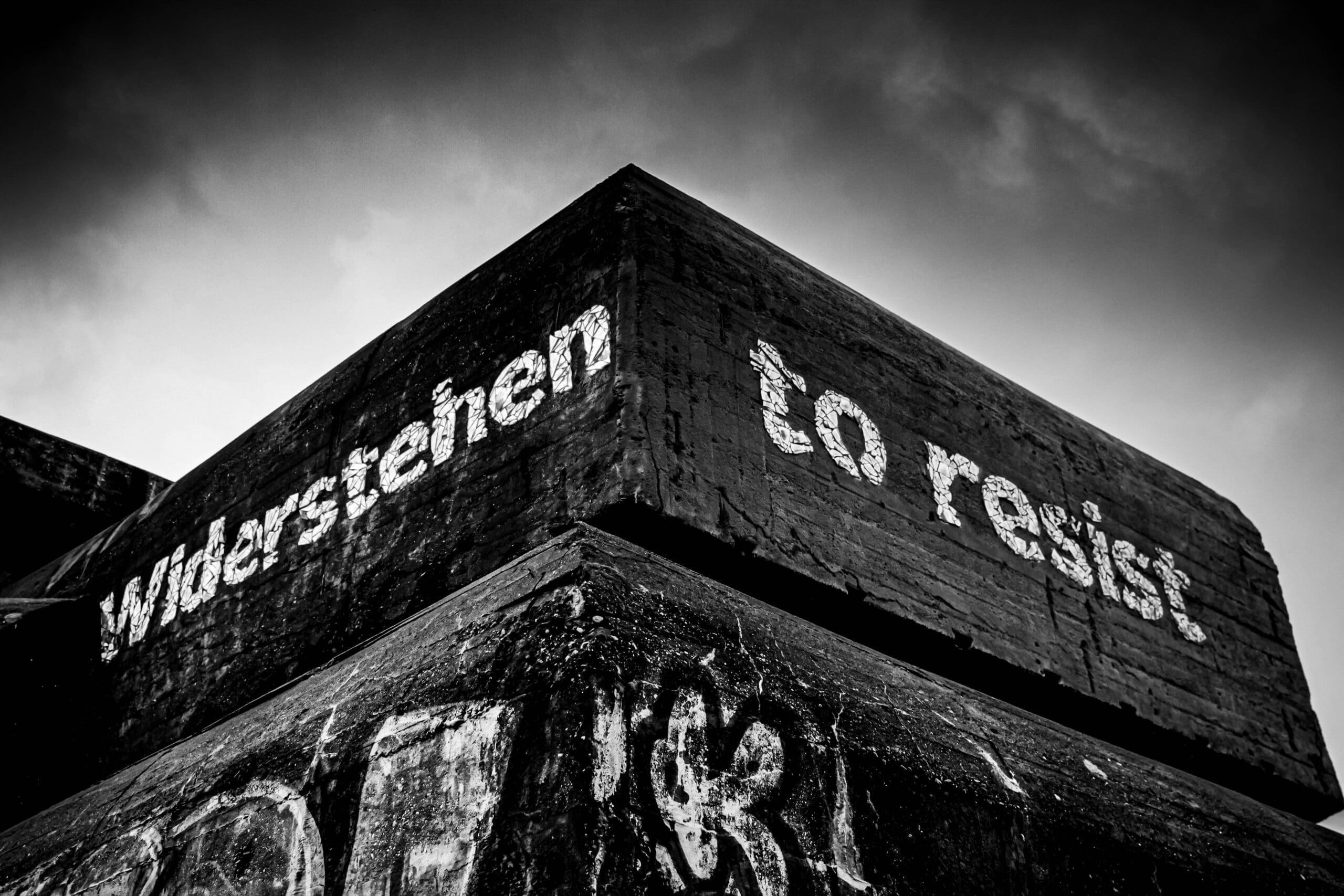
Despite its age, the Roland statue survived major historical events, including World War II, without significant damage. This survival makes the statue a testament to resilience and cultural significance within the urban context. Today, it is more than just a monument; it is a living symbol of the resistance and autonomy of a city that has endured through the centuries.
The Roland statue remains a central point in the historiography and identity of Bremen. It tells of the highs and lows of the city's history and remains a constant landmark for the values it represents: independence, justice, and freedom. Its endurance is a reflection of the continuity of the city of Bremen itself.
Symbolism and Meaning: Freedom, Rights, and Identity
The Roland statue in Bremen is far more than a monument of stone. It embodies the essential values of civic freedom and urban autonomy in the Middle Ages. In a time when many cities were under feudal rule, the Roland symbolized Bremen's precious independence.
The statue is an impressive expression of civil rights. Its presence is a reminder of the urban privileges that were central to Bremen's commercial life and economic independence. With his sword raised and shield as a symbol of justice and protection, Roland symbolically defends these rights.
In European culture, Roland is synonymous with bravery and righteousness. His name has often been invoked in connection with the defense of freedom and urban rights. The Bremen Roland Statue stands in this tradition, being viewed as a guardian of the city's market rights.
The symbolism of Roland extends far beyond local significance. He is part of a cross-regional network of Roland statues throughout Europe, all of which stand for independence and urban liberties. The Bremen Roland statue, however, is unique in its size and influence in the North German region.
The values that Roland represents are also deeply rooted in Bremen's identity. He embodies the courage and determination of the citizens of Bremen to defend their urban rights. This reflects the city's proud history as an important trading center.
A glance at Roland can reveal a list of values and symbols that he represents:
- FreedomIndependence from feudal subjugation
- RightsProtection of Market Rights and Trade Privileges
- IdentityExpression of civic pride
- JusticePreservation of City Legislation
- MotherDefense against external threats
Roland stands in Bremen's Market Square as an eternal symbol of these values. The inscription on his shield makes them visible to everyone and emphasizes the ongoing connection to the city's freedoms.
In today's world, the symbolism of the Roland statue has not lost its relevance. It continues to inspire the citizens and visitors of Bremen by serving as a reminder of the precious achievements of urban autonomy and civil rights. As a cultural heritage and urban landmark, the Roland remains an integral part of what makes Bremen unique. The statue is not just a monument of stone, but a living symbol of the city's love of freedom and historical continuity.
Architecture and artistic details of the statue
The Roland statue in Bremen is an impressive example of medieval architecture. With an imposing height of approximately 5.5 meters, it stands proudly in the market square, against the backdrop of historic facades. Crafted from robust limestone, it stands firm as a monument to history and art.
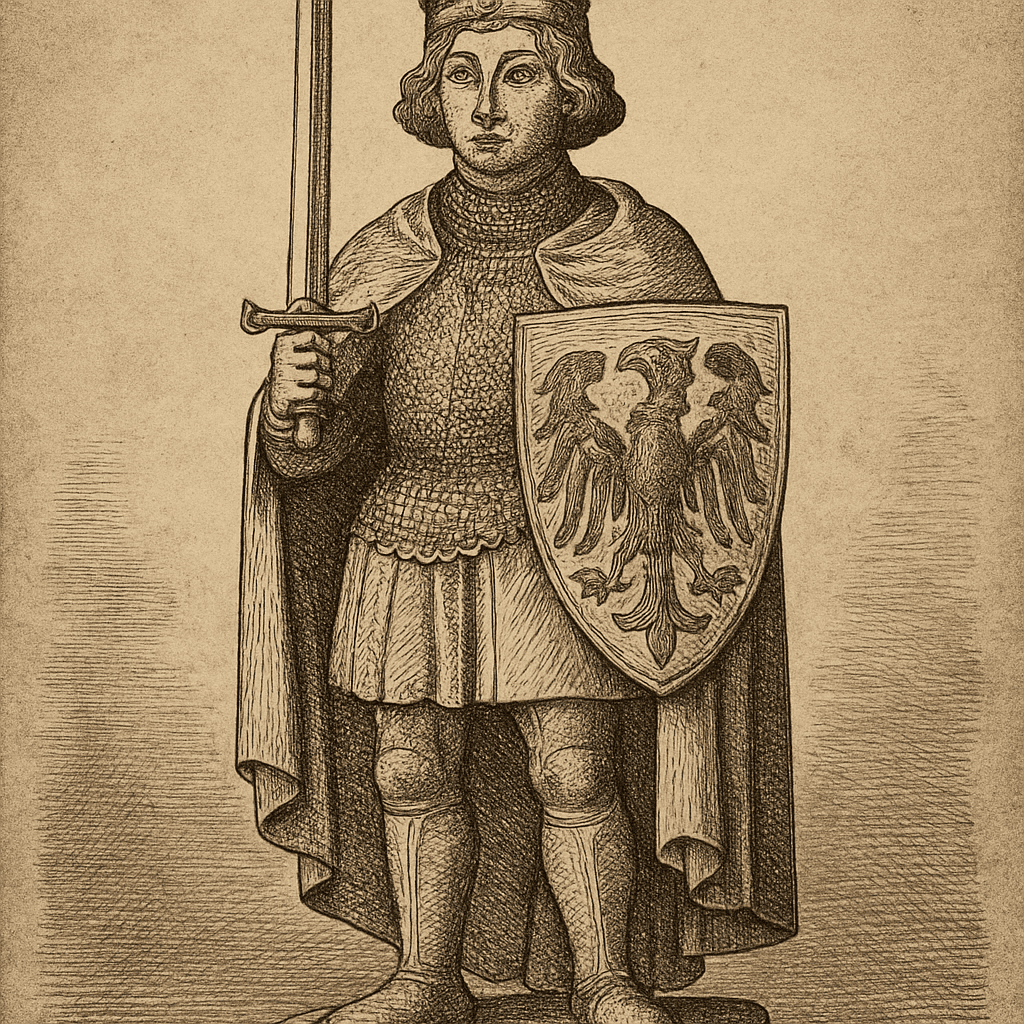
Roland is depicted in full armor, emphasizing his martial background. His large sword, a symbol of protection and power, is held securely in his right hand. In his left hand, he carries a shield, symbolizing civic rights and justice. These attributes give the statue an air of determination and strength.
The Gothic elements of the statue are noteworthy, enhancing its artistic relevance. The detailed depiction of the armor and face testifies to the high craftsmanship of medieval sculptors. The fine lines and clear structure illustrate the artistic ambition and care with which this statue was created.
In artistic design, the connection between function and aesthetics becomes clear. The Roland statue is not only an aesthetic work of art, but also a clear symbol of Bremen's political and social standing. The artistic design simultaneously conveys power and elegance, but also reflects the confidence of the citizens.
Another striking feature is the inscription on the statue's plaque. This Latin message refers to Bremen's freedom and autonomy. It is an impressive testament to the meaningful message the statue has conveyed for centuries. The promise of freedom immortalized on it has inspired the people of Bremen for generations.
Here is a list of further artistic characteristics of the Roland statue:
- Detailed armorShows medieval craftsmanship.
- Exalted SwordSymbol for protection and defense.
- ShieldEmbodies urban rights.
- Gothic ArchitectureGives the Roland its sublime aesthetic.
- Latin inscriptionPoints to independence.
The statue has withstood the centuries and is a lasting testament to the sophisticated architecture of its time. It stands not only for art and craftsmanship, but also for the cultural identity and historical consciousness of the city of Bremen. Its architectural and artistic complexity reflects the diversity and depth of its symbolic meaning, which continues to impress and be preserved to this day.
The Roland as a UNESCO World Heritage Site
The Roland statue in Bremen was added to the UNESCO World Heritage List in 2004. This distinction recognizes the statue's exceptional cultural and historical significance. It is not only a symbol of Bremen but also an important part of humanity's heritage.
The inclusion as a UNESCO World Heritage site underscores the global importance of the Roland statue. It was chosen for its role as a symbol of freedom, justice, and civic privileges. These qualities are universal values that UNESCO seeks to protect and preserve. The recognition also highlights the historical connection of the Bremen citizens to their statue and their history.
Inclusion on the UNESCO list entails certain responsibilities. Bremen is committed to meticulously maintaining the Roland statue and preserving its condition for future generations. The city has implemented measures to safeguard its architectural integrity. Regular inspections and targeted restorations ensure that the statue continues to be worthy of its cultural significance.
For many visitors, its status as a UNESCO World Heritage site is an additional incentive for their visit. It attracts history enthusiasts and culture lovers from all over the world. The statue thus becomes an educational tool that brings Bremen's rich history closer to people. It thus becomes not only a tourist attraction but also an internationally recognized landmark.
by Mathias Reding (https://unsplash.com/@matreding)
Global ties, strengthened by UNESCO recognition, are revitalizing tourism in Bremen. The city's significance is being elevated worldwide. This recognition not only promotes the preservation of the statue but also raises awareness of Bremen's cultural richness. Thus, the Bremen Roland serves as a bridge between past and future, an eternal symbol of the values that have made this city great.
The Role of the Roland Statue in Bremen Tourism
The Roland statue plays a central role in Bremen's tourism. It is not only a historical landmark but also a magnet for visitors from all over the world. Every year, thousands of tourists flock to Bremen's market square to admire the impressive figure and learn more about its history.
Tour guides often present the Roland statue as a highlight of their tours. It offers an impressive introduction to the historical and cultural journey through Bremen. The statue is not only the centerpiece of city tours but also a popular motif for souvenirs. Mugs, postcards, and miniature models of Roland remind visitors of their unforgettable stay in Bremen.
An essential aspect of Bremen's tourism is the emphasis on the symbolic meaning of the Roland statue. Visitors learn about the historical context and appreciate the value the statue represents for the city's freedom. These aspects foster a deeper understanding of Bremen's identity and history.
Main reasons Roland's stature attracts visitors:
- Historical Significance and UNESCO Status
- Symbol of freedom and urban privileges
- Central location on Bremen's Market Square
- Impressive architectural design and artistic details
- Integration into city tours and cultural events
In addition to its historical significance, the Roland statue also attracts art lovers with its architecture and aesthetic details. Photographers and painters find it a worthwhile subject that captures the essence of the city. Its majestic presence in Bremen's Market Square offers a backdrop that perfectly inspires artistic images and creative works.
The role of the Roland statue in Bremen tourism is complemented by cultural events. Special events and exhibitions surrounding the statue foster interest and participation from locals and visitors alike. Such occurrences revitalize the area, strengthen the community, and reaffirm the statue's significance as a cultural hub of the city.
Overall, the Roland statue is an essential component of Bremen's tourism. Its historical and cultural significance makes it an indispensable attraction in Bremen. With its impressive presence and versatile role, it contributes sustainably to the city's tourist appeal.
The Bremen Market Square: Setting for the Roland Statue
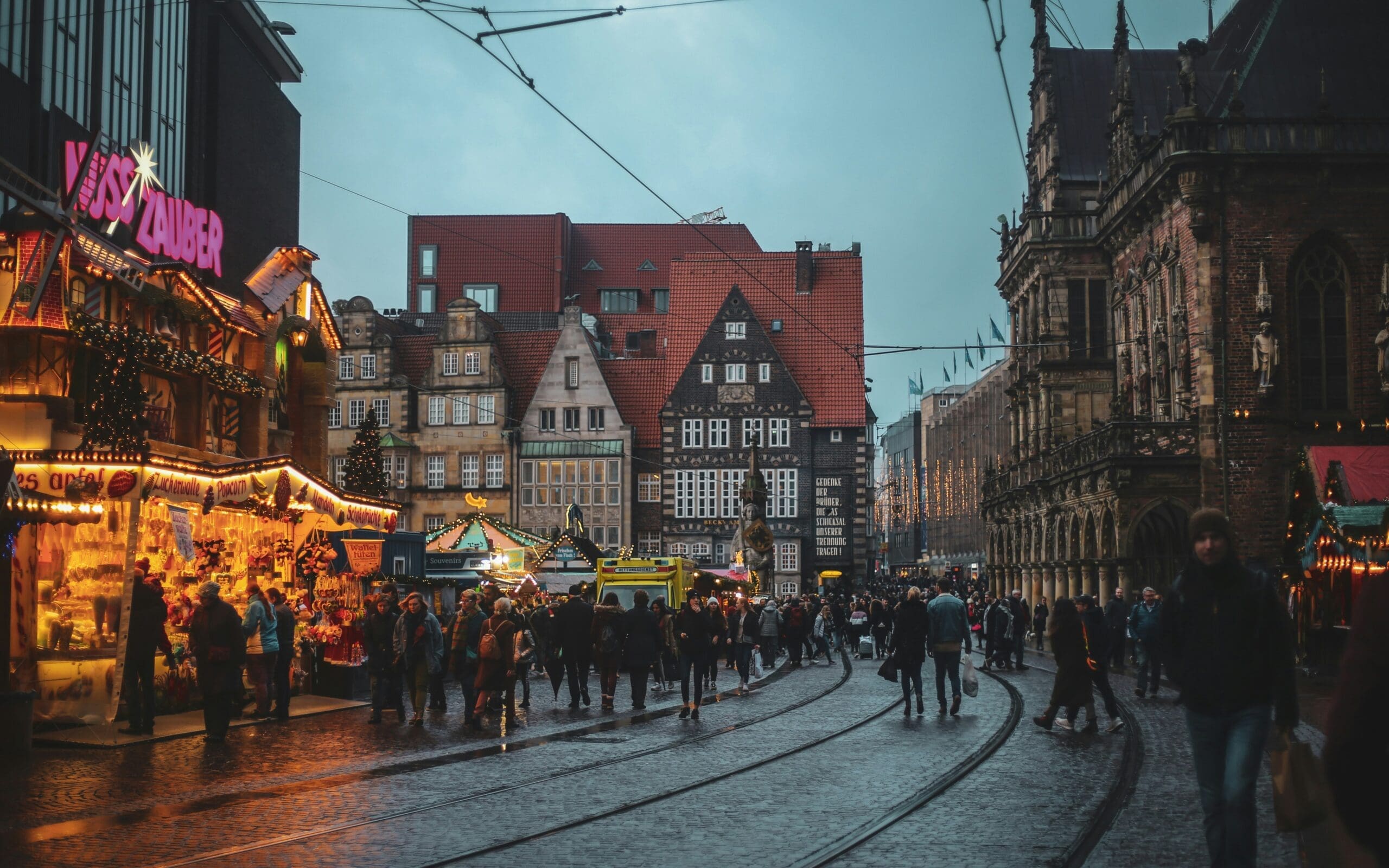
The Bremen Market Square is a central and historic location in the city of Bremen. It forms the impressive backdrop for the Roland statue. Its architecture and historical background make it one of the most beautiful squares in Germany. Visitors are drawn to the diversity of its monuments and the lively atmosphere.
Surrounded by impressive structures like the Bremen Town Hall and Bremen Cathedral, the market square offers a unique backdrop for the Roland statue. This proximity to other important sights enhances its appeal to tourists. The square's rich history is reflected in every building, offering a fascinating glimpse into the city's past.
by Dyana Wing So (https://unsplash.com/@dyanawingso)
The marketplace is not only a place of history but also a center of urban life. Weekly markets, cultural events, and festivals are held here regularly. These events enliven the surroundings and attract both locals and tourists. The square thus becomes a space for exchange and encounter.
The Roland statue, standing majestically in the market square, represents a central point of attraction for visitors. It offers not only a visual but also an emotional connection to the city's history. As part of the bustling life in Bremen's market square, the statue connects the old with the new, reinforcing the historical and cultural significance of the location.
Restoration and preservation of the Roland statue
The Roland statue in Bremen has undergone several restorations over the centuries. These measures are crucial to preserve the statue in its original splendor. A significant restoration took place in 1983, with meticulous attention paid to preserving its historical features. Such restorations are necessary to repair damage caused by weathering and pollution.
The preservation of the Roland Statue requires regular care and maintenance. Experts frequently inspect the statue to monitor its condition and respond to signs of wear in a timely manner. The limestone used to construct the statue requires special protection from damaging environmental influences. These precautions help ensure that the Roland Statue is preserved for future generations.
In addition to physical restorations, raising public awareness also plays a role in preserving the statue. Information campaigns and educational projects promote awareness of the monument's significance. This strengthens the commitment of citizens and the tourism industry, who are actively involved in preserving the Roland. The Roland statue thus remains a living heritage of the city, accessible to all.
The Roland Statue in Art, Culture, and Everyday Life
The Roland statue is far more than a mere historical monument. It holds a firm place in Bremen's art and culture. Artists from various eras have drawn inspiration from the Roland and immortalized it in their works. From paintings and sculptures to modern street art, the Roland is reflected in many artistic representations.
The Roland also plays a significant role in the everyday lives of Bremen's residents. It is a frequently used motif on postcards and souvenirs, offering visitors a lasting memory of the city. Additionally, the statue serves as a meeting point and landmark in the city center. The Roland statue is closely associated with numerous Bremen festivals and events and is often regarded as the city's symbolic patron saint.
Here are some of the important cultural aspects and depictions of Roland:
- Works of artInspired painters, sculptors, and contemporary artists.
- Everyday useFrequently depicted on postcards and souvenirs.
- EventsSymbolic participant in local festivals and celebrations.
By participating in these cultural activities, the Roland statue remains a vibrant and dynamic part of Bremen's identity. It is not merely a relic of the past, but an active component of modern urban life. This shows how deeply rooted the statue is in the city's collective consciousness and continues to be a symbol of Bremen's proud heritage.
Practical Tips for Visitors
A visit to the Roland statue in Bremen's market square is a must for anyone exploring the city. Its central location makes it easily accessible, whether you're arriving on foot, by bicycle, or using public transport. Allow plenty of time to explore the many details of the statue and its surroundings.
The statue is accessible 24/7, but the best time to visit is in the early morning or late afternoon. At these times, it is often less crowded, offering better opportunities for photos. Don't forget to include the nearby Bremen Cathedral and the historic Town Hall in your sightseeing.
Here are some practical tips to make your visit even more enjoyable:
- PhotographyEarly morning or late afternoon because of the light.
- ToursBooking of a guided tour for in-depth city history.
- ArrivalUse public transport; stops are within walking distance.
Don't forget to stop by one of the surrounding cafes to sample the local cuisine. The area around the statue offers many opportunities to enjoy regional specialties while soaking in the unique atmosphere of Bremen's Market Square.
Conclusion: The Roland Statue as the Heartpiece of Bremen
The Roland statue is more than just a monument – it is the heart of Bremen. It connects the past with the present and symbolizes the freedom and rights that have been inherent to the city for centuries. Its presence in the market square not only attracts tourists but also daily reminds the locals of the importance of independence and civic liberty.
This impressive Gothic sculpture is an undisputed landmark and an important part of Bremen's cultural identity. Whether as part of a city tour or as a silent witness to the city's history – the Bremen Roland remains unforgettable and indispensable in the cityscape.