
When people think of the Ruhr region, they probably expect mineheads instead of rainforests, but hidden in the middle of nature is an unexpected piece of South America. At Dortmund Zoo, the crown doesn't belong to the classic lion, but to a creature with a long, tubular snout and a tail like a giant duster: the giant anteater. This charismatic animal serves as an unofficial mascot and a living symbol of a much larger mission.
Indeed, reports from international conservation organizations confirm that a world-leading center for captive breeding exists here. To avoid inbreeding, the facility coordinates the European Studbook (ESB) for selected species – essentially an international pedigree that functions as a global backup for nature's genetic health. Significant species conservation projects in Westphalia originate from precisely this kind of scientific teamwork.
Every walk through Dortmund Zoo transforms into a conscious journey of discovery with this background knowledge. Amidst dense bamboo and exotic calls, an immediate Amazonian feeling arises, making global species protection suddenly tangible right on your doorstep.
Here's how to plan your visit: Prices, parking, and the best way to get there
A stress-free day at the zoo begins even before you enter. While drivers will find convenient parking spaces close to the entrance, public transportation offers the most relaxed solution. Simply get off at the Hacheney stop, and you'll be almost directly in front of the South America section's gates. Even for international guests or visitors from afar, this direct connection to the city's network is a real boon for your nerves and the environment.
Queueing at the checkout can be easily avoided with clever advance planning. Those who inform themselves beforehand about opening hours and ticket prices will not only find time-saving online tickets but also discover the so-called combined ticket system. This means: Your admission ticket for the park also serves as a valid ticket for the bus and train on the day of your visit. This concept protects your wallet and makes the sometimes tedious search for parking on busy weekends completely unnecessary.
So that you have more budget on site for ice cream or souvenirs, take a look at this handy booking checklist:
- Adults & Children Digital tickets can be scanned directly at the turnstile – you can start the experience right away.
- Families: Special group rates significantly lower costs when multiple generations go on a journey of discovery together.
- VRR Advantage Thanks to the combined ticket system, convenient travel is already covered.
Once you've got your tickets and entered the grounds, the real adventure awaits.
In the Realm of Giants: Why Dortmund Is the World Capital of Anteaters
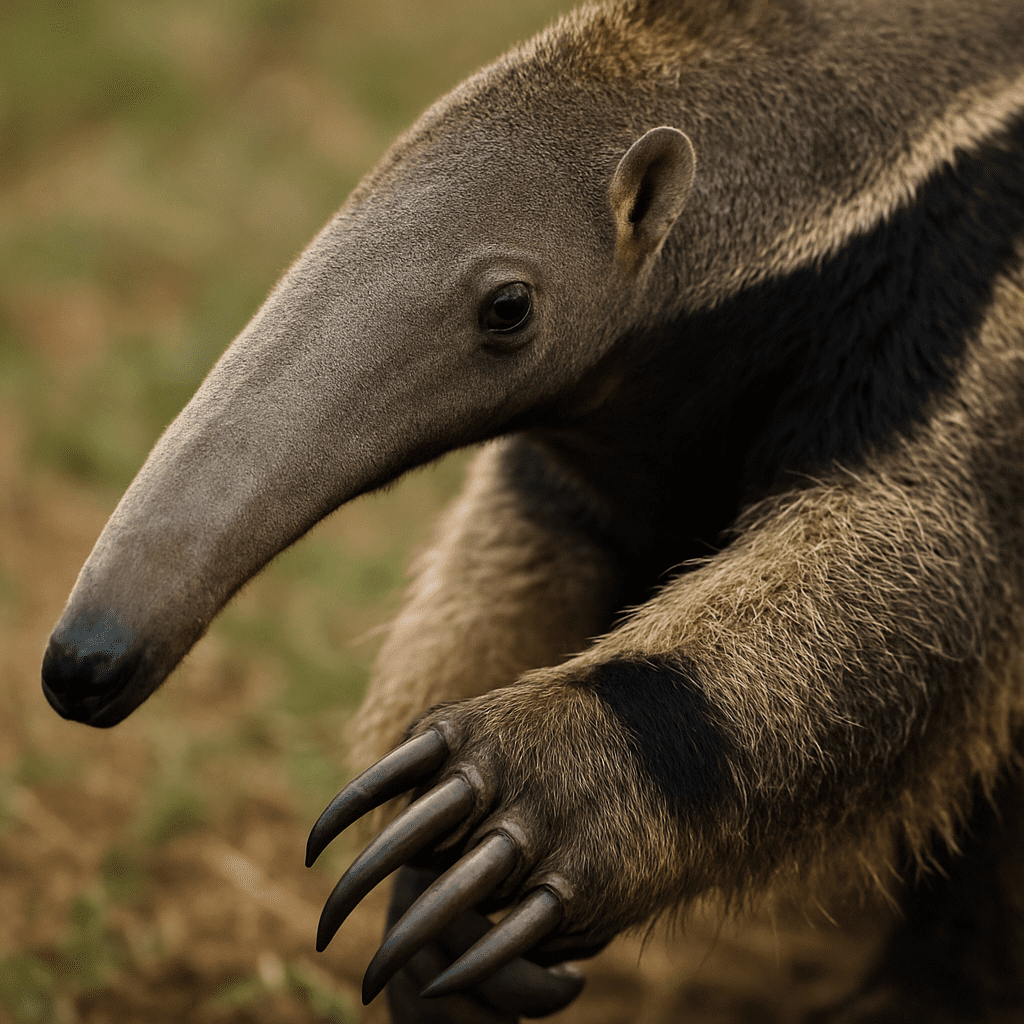
While one might expect to find roaring lions strolling through the park, here the crown belongs to a creature with an extremely long snout and a bushy tail. The giant anteater is an absolute masterpiece of adaptation to its environment. Its extremely long tongue functions like a rapid, sticky conveyor belt, while its muscular arms and powerful claws effortlessly break open even termite-hard mounds. This extraordinary animal is the undisputed star of the enclosure.
You’ll immediately sense the authentic atmosphere of a warm, humid rainforest as soon as you enter the exhibits in the South America House. The world-famous Amazon House provides the animals with an environment that closely resembles their natural South American habitat. The dense vegetation and special soil are not merely decoration for visitors, but a deliberate enhancement that helps the animals fully express their natural foraging and digging instincts.
Against this natural backdrop, Dortmund is advancing its internationally acclaimed breeding program for giant anteaters. To protect this critically endangered species in the long term, the zoo manages the aforementioned European studbook. This registry ensures that European zoos work together seamlessly to find suitable mates for their animals, thereby creating a genetically healthy reserve population for the threatened wild population.
This sense of global teamwork turns your walk into an active contribution to species conservation. Once you’ve had your fill of admiring the fascinating anteaters, the next highlight is just a few steps away.
Action in the water: Experience sea lion training and feeding times live
Splashing water and tense faces often signal the daily highlight of a zoo visit: feeding times. Those who plan their tour cleverly can experience the animals exactly when they are most active. These public animal feedings offer fascinating insights into the natural behavior of zoo inhabitants. So you don't miss any exciting moment, it's worth taking a look at this schedule:
- 11:00 a.m.: The sea lions' high-energy show.
- 2:30 PM: A small snack with the agile dwarf otters.
- 3:30 PM: The impressive predator feeding.
When California sea lions stand on their flippers for a fish, it might look like a mere show, but appearances can be deceiving. These sea lion training sessions are actually targeted „medical training.“ The animals playfully learn to hold still voluntarily so that keepers can check their teeth or perform ultrasounds without stress. At the same time, this serves as behavioral enrichment, functioning like a tricky puzzle game that keeps the intelligent marine mammals mentally fit.
Watching and marveling are at the heart of these encounters. Especially for young visitors, these guided feeding sessions turn into wonderful and educational experiences where children can see firsthand how gracefully a seal glides through the water or how a predator eats.
Stress-free with kids: From the petting zoo to stroller rental
A long day filled with animal encounters requires families to manage their energy wisely. If you don’t want to carry your kids on your shoulders the whole time, you’ll appreciate the convenient handcart rental right at the main entrance and the park’s accessibility: sturdy handcarts are available for rent here. Since nearly all paths are designed to be step-free, the cart can be easily pulled by the nimble little ones all the way to the expansive South American area.
Once their little legs are up and running again, the close-contact petting zoo area for children beckons. When children brush the coarse fur of the pygmy goats here, they experience more than just a nice photo opportunity. The zoo uses what is known as animal-assisted education in this area. Imagine this concept as a natural, hands-on empathy course: through direct, gentle touch, even the youngest learn instinctively to interact with other living beings considerately and calmly.
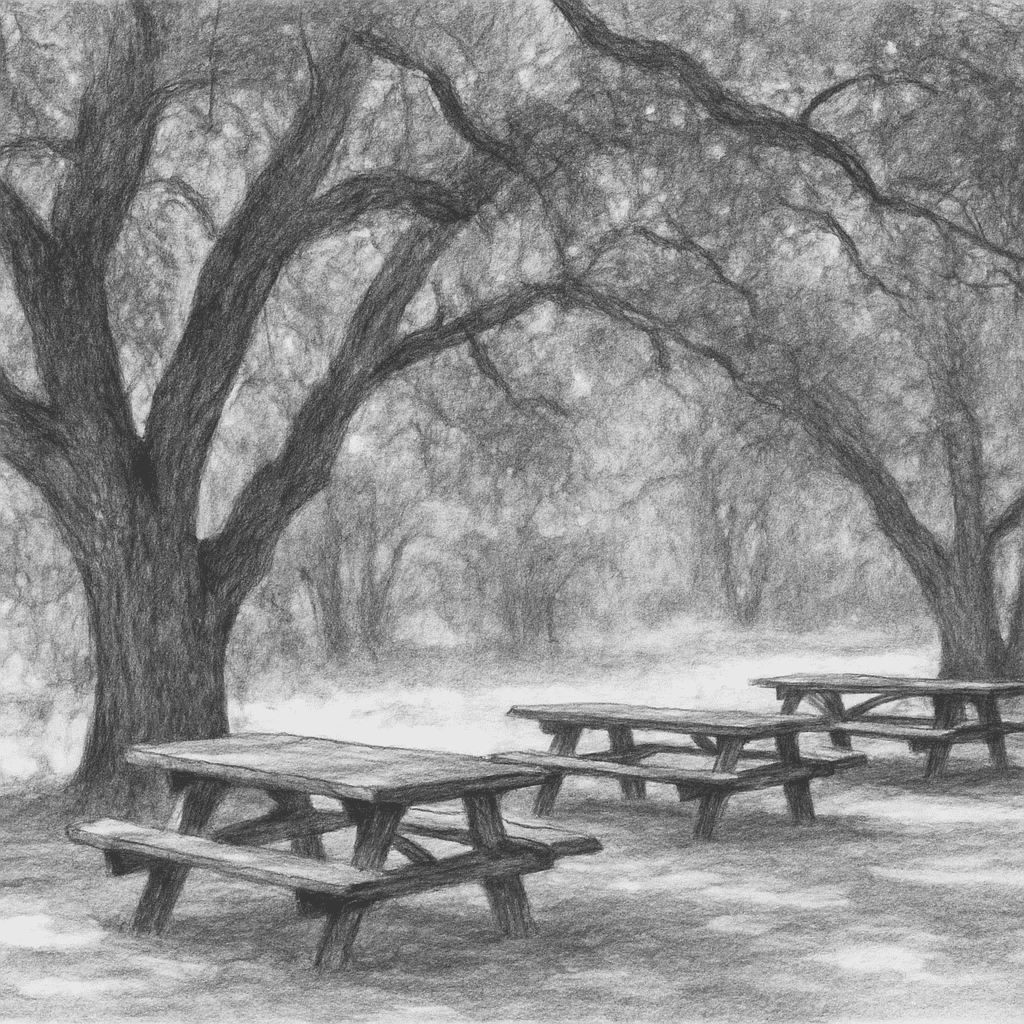
Rumblin' bellies finally signal it's time for a well-deserved break outdoors. The best picnic spots for families not only offer benches, but cleverly bundle the most important logistical needs in one place:
- Large playground at the kiosk: Here you will find shaded tables for dining and the most easily accessible, barrier-free restrooms.
- Meadow by the Amazon House: A wonderfully quiet retreat located right next to the most spacious changing rooms in the entire zoo.
More than just a trip: Supporting night expeditions and species protection
When the gates close in the evening, a whole new world comes to life in the park. On exclusive night expeditions and guided tours, you’ll swap the classic daytime excursion for a mysterious safari. By the light of a flashlight, you can observe nocturnal inhabitants such as South American tamanduas, which usually sleep hidden away during the day. Such intense, quiet encounters often awaken a completely new, deep understanding of the vulnerability of these fascinating creatures and their habitats.
This is precisely where the second major pillar of the modern zoo comes into play: the active conservation of endangered species. Experts distinguish between so-called Ex situ-species conservation (breeding in captivity, i.e., in zoos) and the In-situ- Species conservation (direct on-site rescue in the natural habitat). In addition to worldwide support for exotic species, Dortmund also supports the protection of local wetlands right on our doorstep through targeted regional projects.
However, you don’t have to be a trained biologist to join this conservation community. Through animal sponsorships, you can personally help fund the daily care of your favorite animal.
Your Roadmap to the Perfect Journey of Discovery: Summary and Checklist
You may have started your visit out of sheer curiosity, but now you’re experiencing Dortmund Zoo as a dynamic hub for species conservation. Armed with this knowledge, you’ll view the enclosures with fresh eyes and appreciate the global teamwork required to protect South America’s most fascinating species. Before you dive into the educational activities on site, pack your backpack using this essential checklist:
- Tickets: Buy them online in advance to avoid lines at the entrance.
- Battery Pack a fully charged power bank so your camera is always ready.
- Clothing Wear comfortable, weatherproof clothing in layers, adapted to the Ruhr area's climate.
- Schedule: Plan your route around the daily feeding times.
- Support Consider a small local donation or an animal sponsorship to actively support wildlife.
The next time you step through these gates, you are no longer just a passive observer of nature – you are actively supporting a vibrant building block for the conservation of global biodiversity. For a particularly intense and undisturbed experience where you can observe the animals in peace, it is recommended to plan your visit on a quiet weekday.