
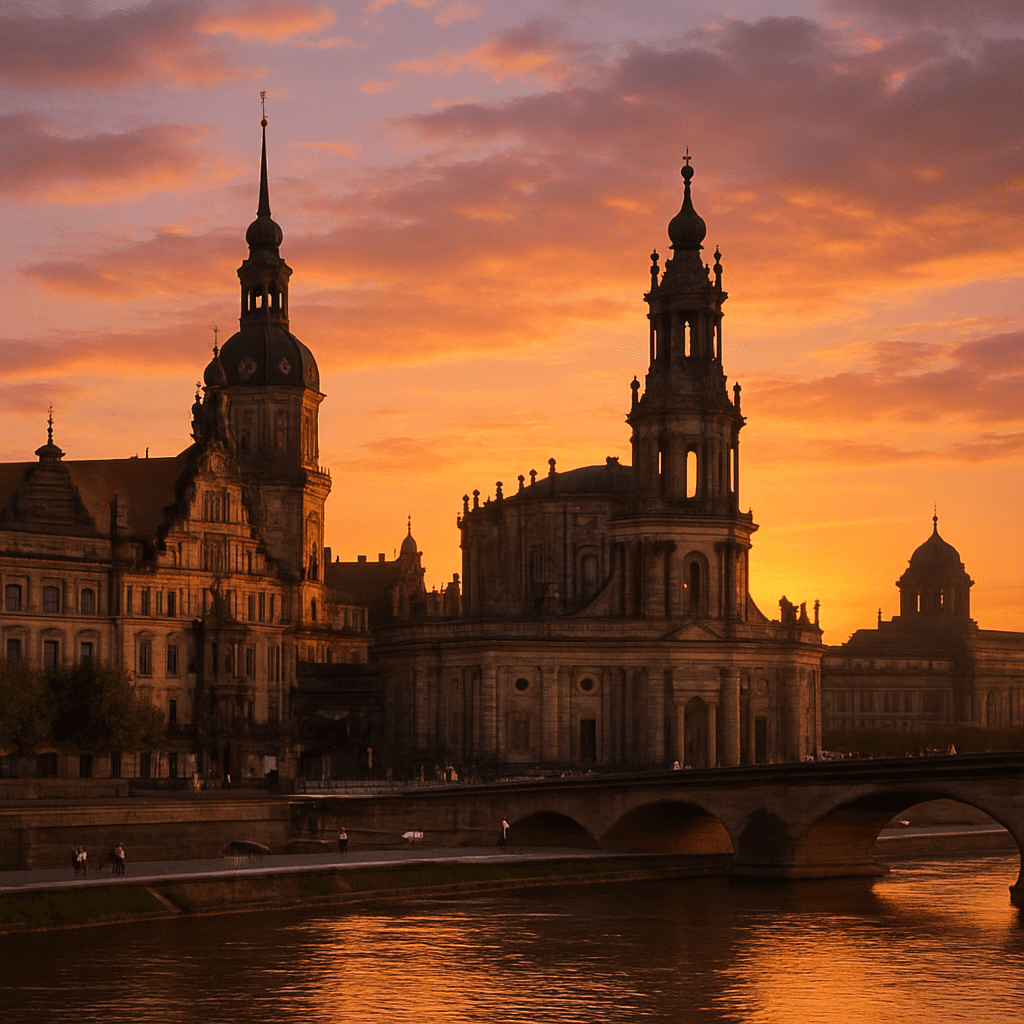
The Dresden Residenz Palace is a fascinating testament to European history. It is one of the oldest buildings in the city and a significant landmark. Its history dates back to the 13th century.
Originally built as a medieval fortress, it served as the residence of Saxon electors and kings. Over the centuries, the castle was rebuilt and expanded several times. It combines various architectural styles, including Renaissance, Baroque, and Neo-Renaissance.
August the Strong, one of the most famous Saxon rulers, significantly shaped the palace. Under his rule, the palace experienced a golden age. It became a center of power and cultural wealth.
During World War II, the castle suffered heavy damage. Reconstruction began in the 1980s and continues to this day. Today, the castle houses several museums, including the famous Green Vault.
The Residential Palace is a significant example of Saxon Renaissance architecture. It is part of the Dresden Elbe Valley UNESCO World Heritage site. Visitors from all over the world value it as one of the most important sights in Dresden.
The Beginnings: Medieval Roots and Initial Construction Phases
The history of the Residential Palace begins in the 13th century. Originally built as a defensive structure, it served to defend the city. This medieval construction formed the foundation for today's palace.
Over time, the castle underwent several transformations. In the 15th century, it was converted into a representative residence for the Saxon Electors. This first significant expansion focused on living comfort and security.
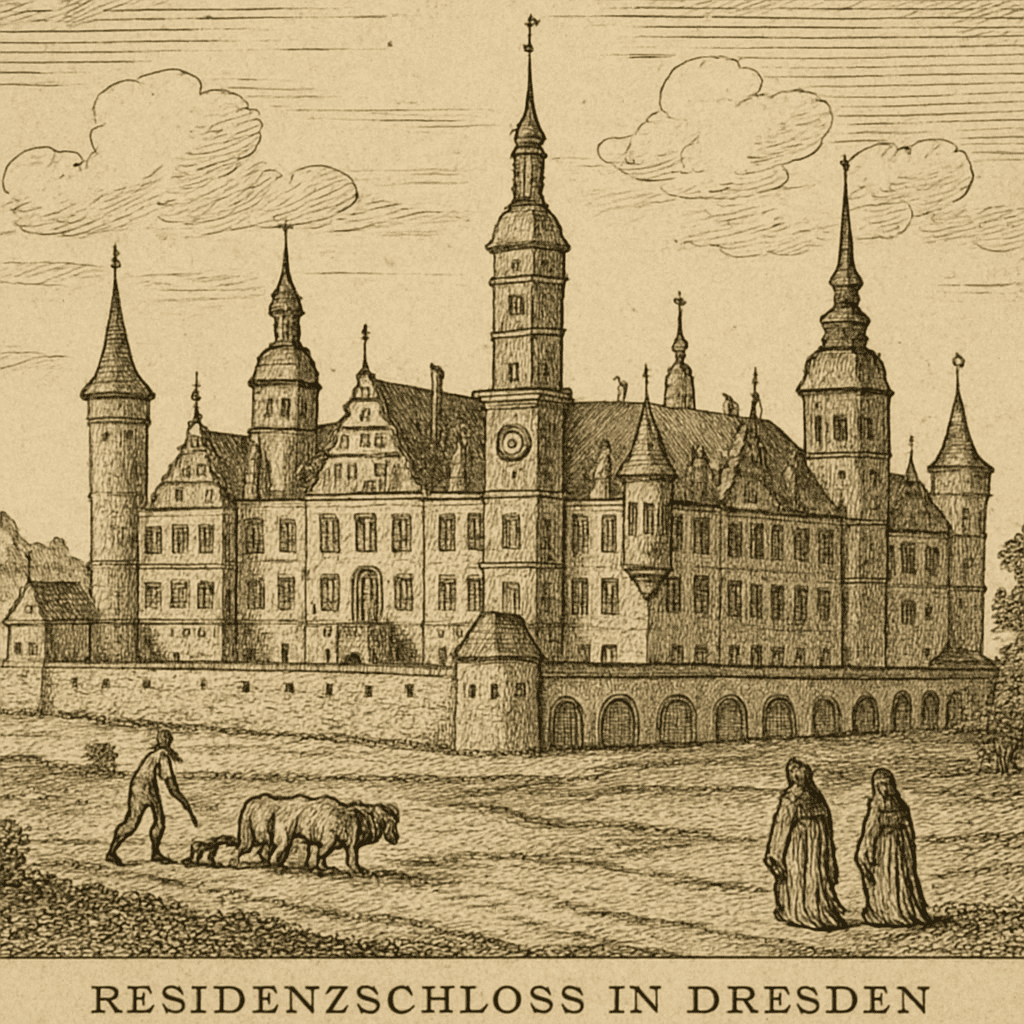
The early construction phases included:
- The construction of the first fortifications
- The conversion to the Electoral Residence
- The introduction of residential complexes and additional buildings
In the late Middle Ages, the castle reflected the growing political influence of Saxony. This influence was manifested in the increasing importance of Dresden as a cultural and political center. The impressive stonework and detailed woodwork from this period are still visible today.
The Residential Palace evolved from a simple fortress into a magnificent seat of power. This transformation marked the beginning of a chequered history that would accompany the palace through the centuries. The influence of the Wettin dynasty left clear traces in the architecture and design of the palace.
Renaissance and Baroque: The Palace as Saxony's Center of Power
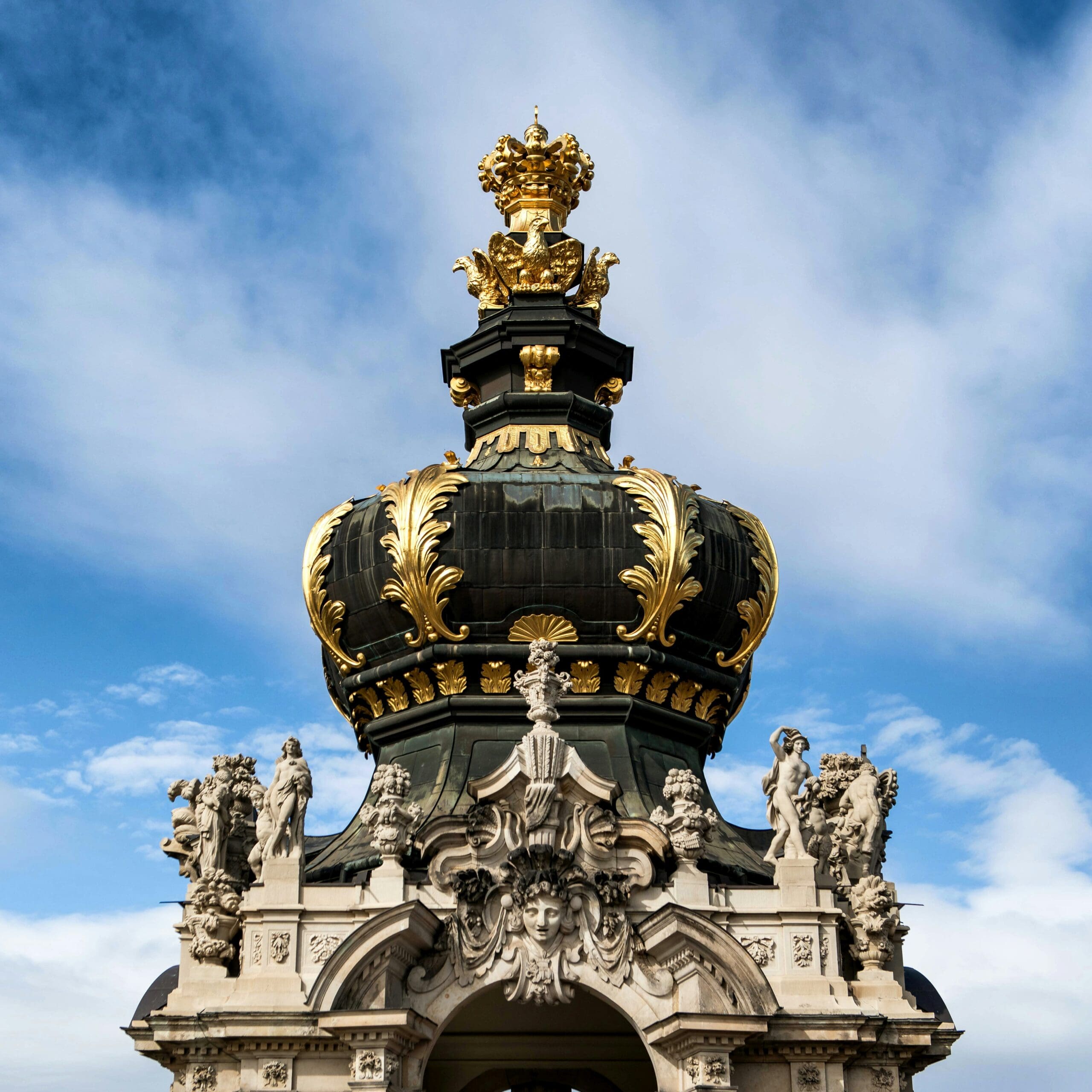
In the 16th century, the Residential Palace underwent a significant architectural transformation. It became a central point of Saxon Renaissance architecture. This era brought forth a new design concept that combined art and function.
During the Renaissance, the castle continued to flourish through significant renovations. The introduction of opulent facades and magnificent interiors emphasized its status. This phase symbolized the burgeoning influence of the Saxon court.
by Wolfgang Weiser (https://unsplash.com/@hamburgmeinefreundin)
During the Baroque period, the castle was further expanded. The following developments were the focus:
- The construction of the magnificent Great Castle Courtyard
- The expansion with baroque wings
- The construction of the impressive castle chapel
These construction phases manifested the cultural and political claims to power of the Saxon rulers. The Baroque style gave the palace a monumental presence. This made it an important center of power in Central Europe.
The magnificent style of the Renaissance and Baroque periods had a lasting impact on Dresden's architecture. The artistic quality and historical richness created during this era are still visible today. The Royal Palace is therefore considered a prime example of Saxony's architectural elegance during these golden ages.
August the Strong and the Golden Age of the Castle
August the Strong, Elector of Saxony, bestowed unparalleled splendor upon the Residential Palace. Under his rule in the 18th century, the palace experienced its most glorious phase. He was a great patron of art and architecture and left a lasting legacy.
August the Strong invested considerable resources in the expansion and beautification of the palace. Inside, opulent halls and elaborate artworks were created. These magnificent rooms served as the setting for courtly banquets and political receptions.

from Art Institute of Chicago (https://unsplash.com/@artchicago)
Particularly noteworthy is the Green Vault, which Augustus the Strong established as a treasure chamber. To this day, it is considered a mecca for art lovers. Its collections bear witness to the cultural heyday and wealth of Saxony. The influence of Augustus the Strong on the Residenzschloss is undeniable and shapes its reputation to this day.
Architecture and Art: Variety of Styles and Masterpieces
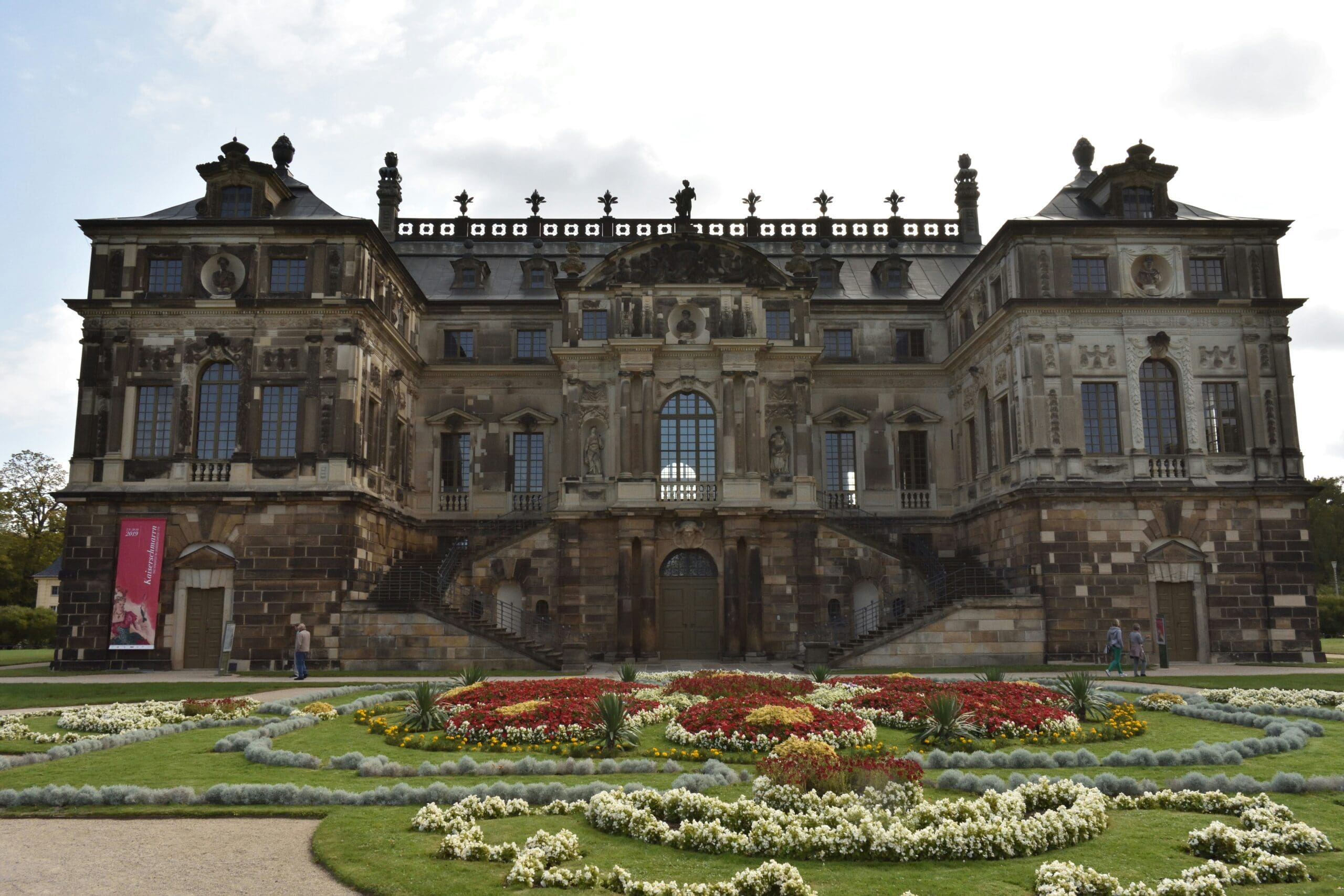
The Dresden Residenz Palace captivates with its architectural diversity. It combines elements from various stylistic eras. This fusion makes it a unique structure in Europe.
The castle's architecture reflects both Renaissance and Baroque influences. In the 19th century, Neo-Renaissance elements were added. This mixture of styles underscores the cultural significance of the house.
by Sofia Puchkova (https://unsplash.com/@soe_puchkova)
Inside the castle, numerous artworks and valuable details are fascinating. Among the most significant are:
- Elaborate frescoes on the ceilings
- Richly decorated stucco work
- Detailed sculptures and paintings
The art collections in the Residence Palace are impressive. They house masterpieces from various eras and regions. Their diversity testifies to the collecting passion of the former Saxon rulers.
The Residential Palace is not just a historical monument. It is also a living example of the harmonious fusion of art and architecture. Visitors can discover new details and stories in every room. This interplay creates a lasting impression and inspiring moments.
Destruction in World War II and decades of ruin
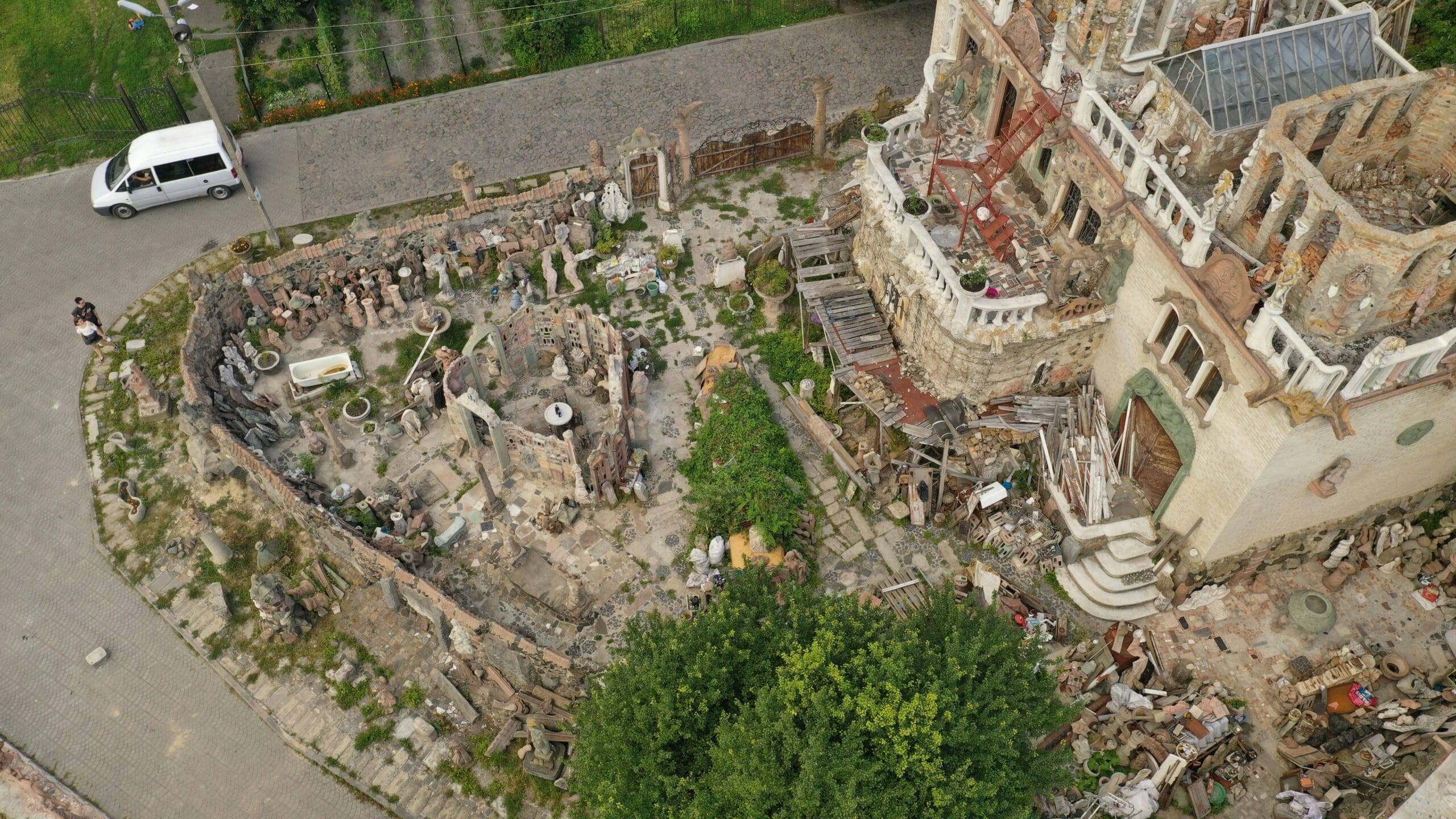
The Dresden Residence Palace experienced a tragedy during World War II. Allied bombing raids in 1945 severely damaged it. Large parts of the palace lay in ruins.
by Nazar Magellan (https://unsplash.com/@blume_)
After the war, the castle remained a ruin for many years. The burned-out remains served as a reminder of the horrors of the conflict. For decades, it was a monument to destruction and loss.
Only in the 1980s did the first reconstruction efforts begin. However, this process was also lengthy and full of challenges. The goal was to preserve the historical fabric and safeguard the cultural heritage. The Residential Palace was intended to re-emerge from its ruins and regain its significance for Dresden and Saxony.
Reconstruction and Restoration: From Memorial Site to Cultural Center
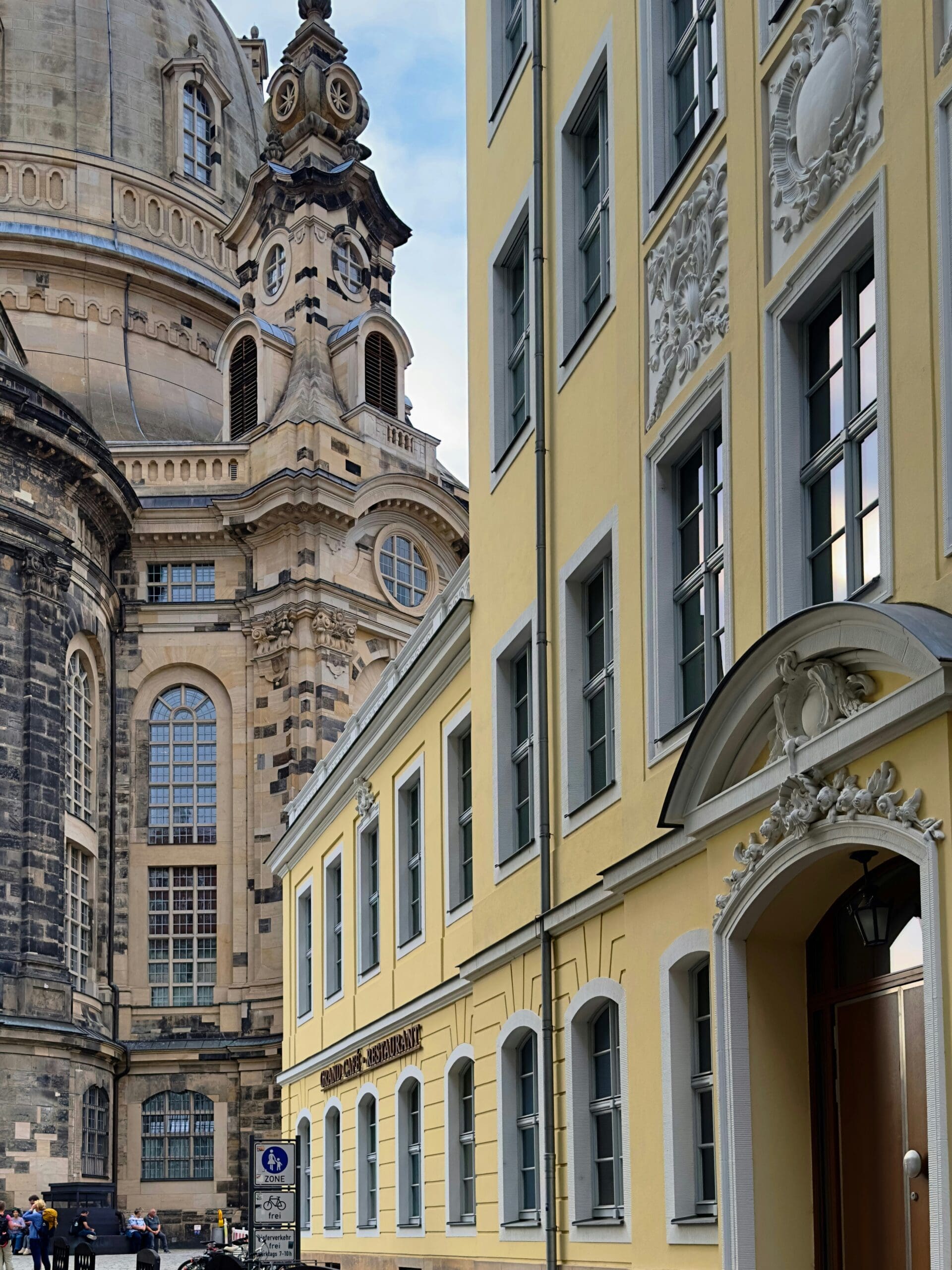
The reconstruction of the Royal Palace began in the 1980s. It symbolized Dresden's unwavering will for renewal. The restoration was a meticulous undertaking that spanned decades.
by Kantemir Kertiev (https://unsplash.com/@kkant_u)
International experts worked hand in hand with local artisans. They had to find the balance between historical details and modern requirements. Many challenges required innovative solutions and comprehensive planning.
Today, the Residential Palace shines as a vibrant cultural center. It houses renowned museums and collections. Visitors can experience the following highlights:
- The Green Vault with its art treasures
- The Turkish Chamber with Ottoman artifacts
- The magnificent armory
These facilities attract thousands of visitors annually. The palace remains a symbol of Dresden's spirit of resistance and cultural rebirth. It stands at the heart of the city, harmoniously connecting past and present.
Museums and Collections at the Residence Palace Today
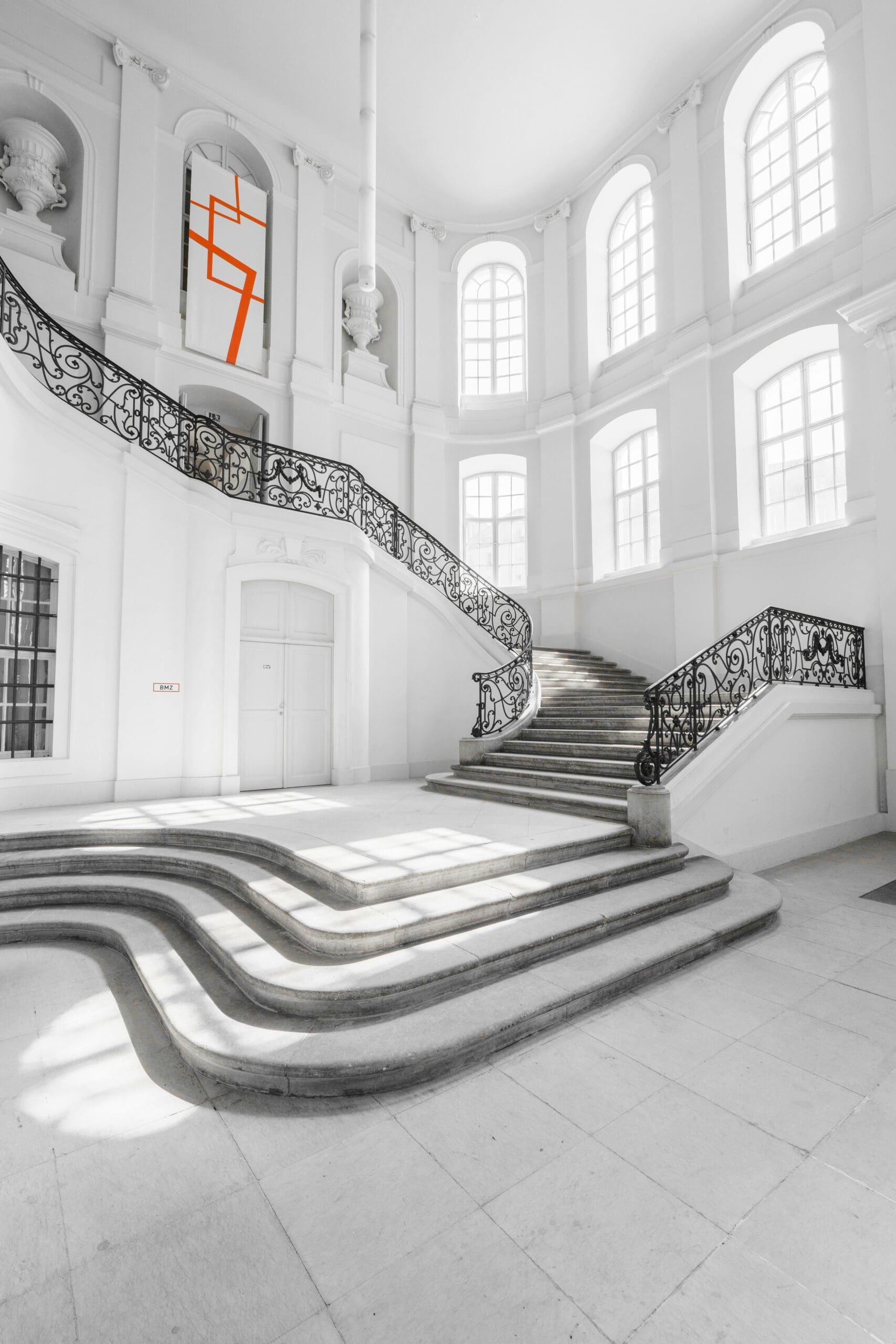
The Dresden Residential Palace today houses some of the city's most important museums. These institutions showcase the rich cultural and artistic past of Saxony. Each museum offers unique insights into different historical periods and art styles.
by Yun Xu (https://unsplash.com/@nightmare)
The most important collections include the historic Green Vault and the New Green Vault. These museums present exquisite works of art and famous jewels. Particularly noteworthy is the baroque Prince's Chamber. It offers an intimate glimpse into the luxury of days gone by.
Another highlight is the Turkish Chamber. It displays one of the largest collections of Ottoman art outside of Turkey. There is also the Armory with impressive weapons and armor. These collections make the Residenzschloss a must-see for culture-interested visitors.
- Green Vault
- Turkish Chamber
- Armory
The castle offers not only historical insights but also inspiring experiences. It shows how art and history come alive. Visitors enjoy a fascinating journey through time in the magnificent rooms of the castle.
The Residential Palace as a symbol of Dresden and Saxony
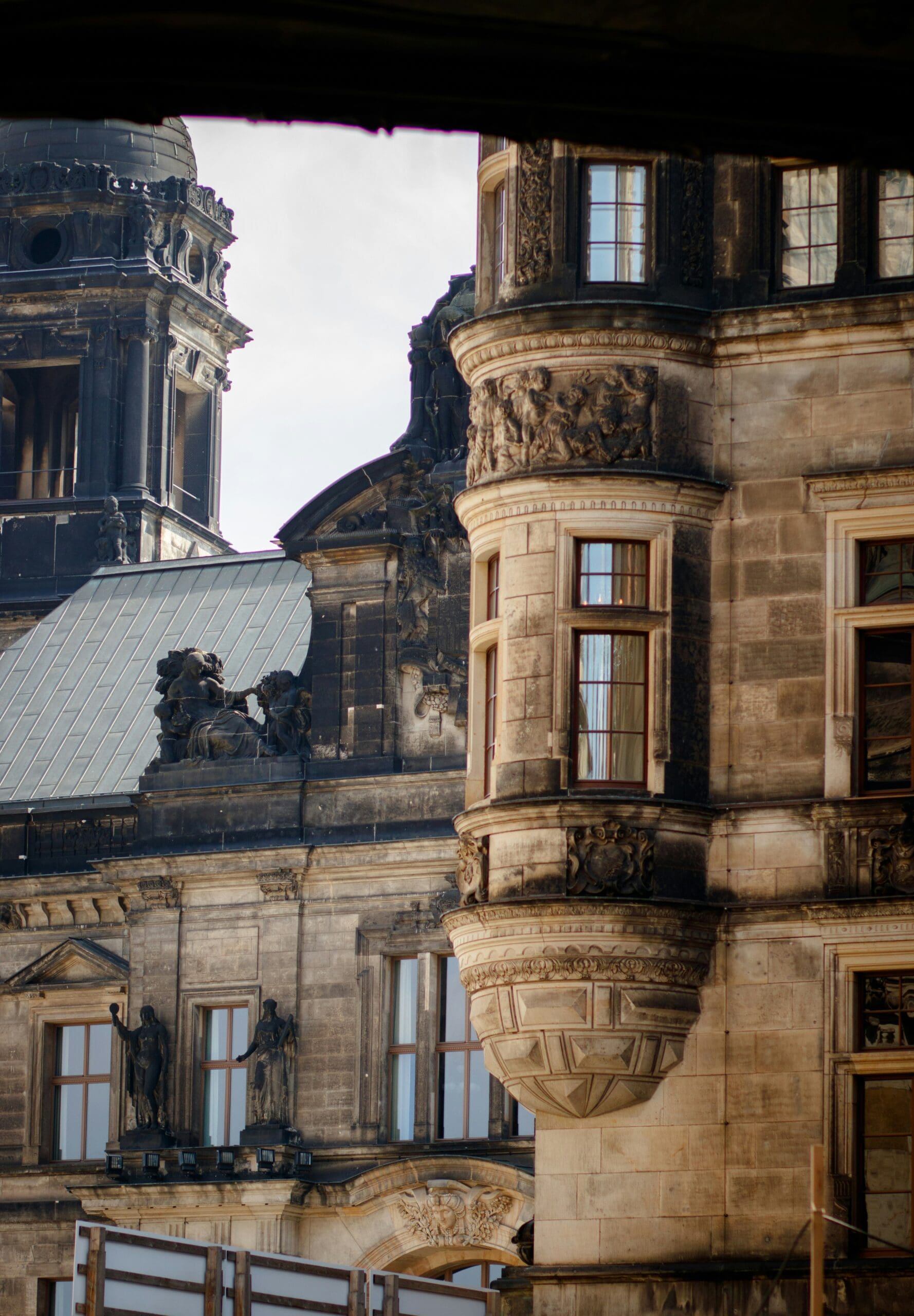
The Dresden Residenzschloss is far more than just a historical building. It symbolizes the cultural Renaissance and the city's will to rebuild. Despite its eventful history, the castle has always been perceived as a center of power and culture. It embodies the pride and resilience of the people of Dresden and Saxony.
by Polina Podlesnaya (https://unsplash.com/@methenniel)
For centuries, the castle has been a prominent witness to Saxon history and its political development. Today, it serves as a living museum and event venue, attracting millions of visitors. Its rich history and artistic diversity inspire and connect people across generations.
Practical Tips for Visitors and Cultural Events
A visit to the Dresden Residenzschloss is a must for any history and culture enthusiast. The palace complex is open year-round and regularly hosts rotating exhibitions and events.
Visitors should inform themselves in advance about opening hours and ticket prices. Here are some highlights you shouldn't miss:
- Visit to the world-famous Green Vault
- Panoramic view from Hausmann Tower
- Participate in a guided tour of the castle
The palace is located in the heart of Dresden and is easily accessible by public transport.
Conclusion: A living testament to European history
The Dresden Residenzschloss is more than a building; it is a testament to Europe's rich history. Its changing architectural styles tell the story of the eras that shaped the castle.
From its medieval origins to its modern rebirth, the castle reflects Dresden's cultural resilience. It remains a vibrant place where history, art, and culture merge, fascinating visitors from all over the world.