
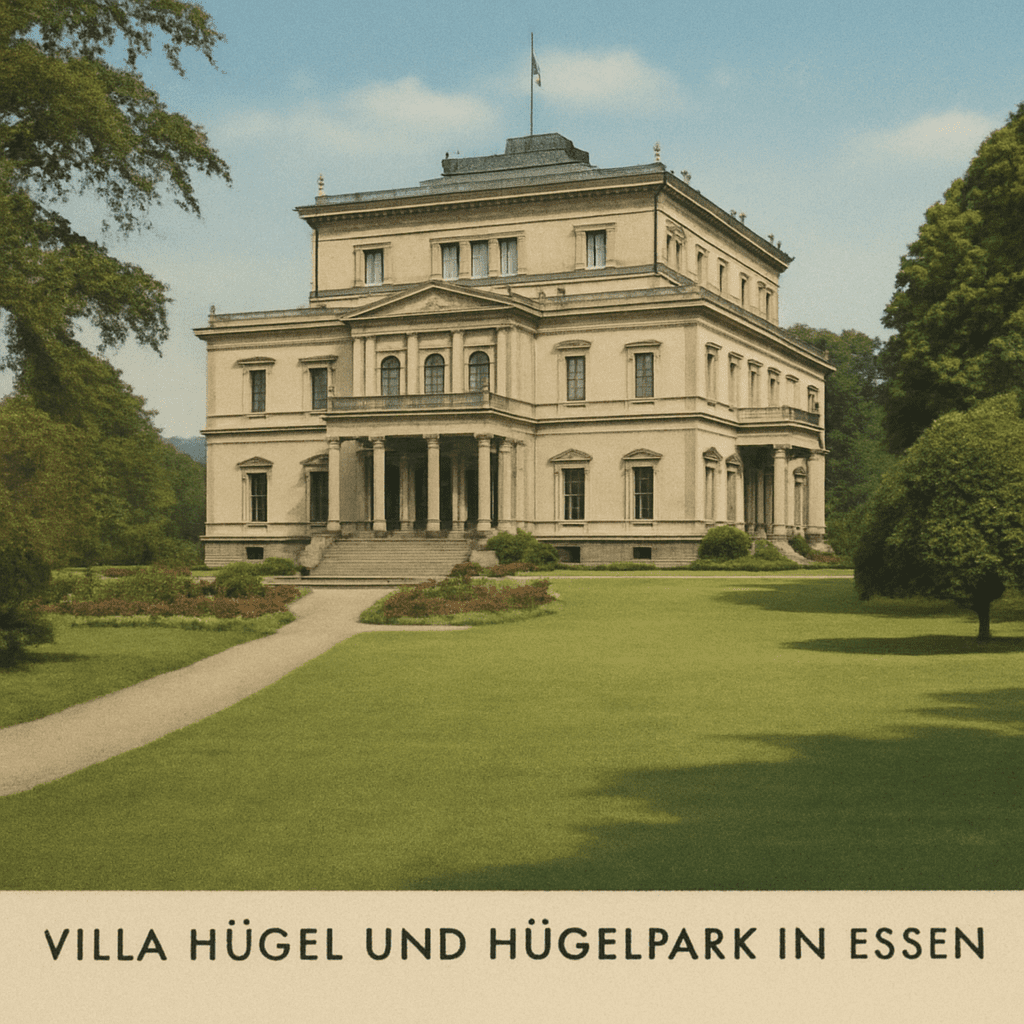
The Villa Hügel and Hügelpark in Essen are true treasures of German industrial culture. This impressive villa was built by the famous Krupp family. It is a symbol of industrialization in the Ruhr region.
The villa, built between 1870 and 1873, comprises 269 rooms. It once served as the residence of the influential Krupp dynasty. Today, it is a museum and event venue that attracts visitors from all over the world.
The adjacent hill park covers 28 hectares and offers a variety of plant species. It is a place for recreation and relaxation. The park is open year-round and invites you for walks.
Visitors can enjoy guided tours of Villa Hügel. These offer fascinating insights into the history and architecture of the estate.
History of Villa Hügel & Hügelpark
The history of Villa Hügel is closely linked to the industrial Krupp family. As a significant symbol of industrialization, the villa was built between 1870 and 1873. From the very beginning, it served as the residence for the Krupp family.
With its 269 rooms, the villa is one of the largest private buildings of the 19th century in Germany. The villa showcases the wealth and influence of the Krupp dynasty during this era. In its time, it was also a venue for social events and political meetings.
Beyond the villa itself, the Hill Park offers a history of design beauty. The park, laid out in the English landscape style, is a testament to the garden art of the time. It covers 28 hectares and offers visitors a harmonious connection between nature and architecture.
The villa and park have played important roles in history. Here is a brief overview of the main events:
- Establishment: 1870-1873
- ResidenceKrupp family
- RenovationMuseum and Event Venue
- Important MeetingsPolitical and social
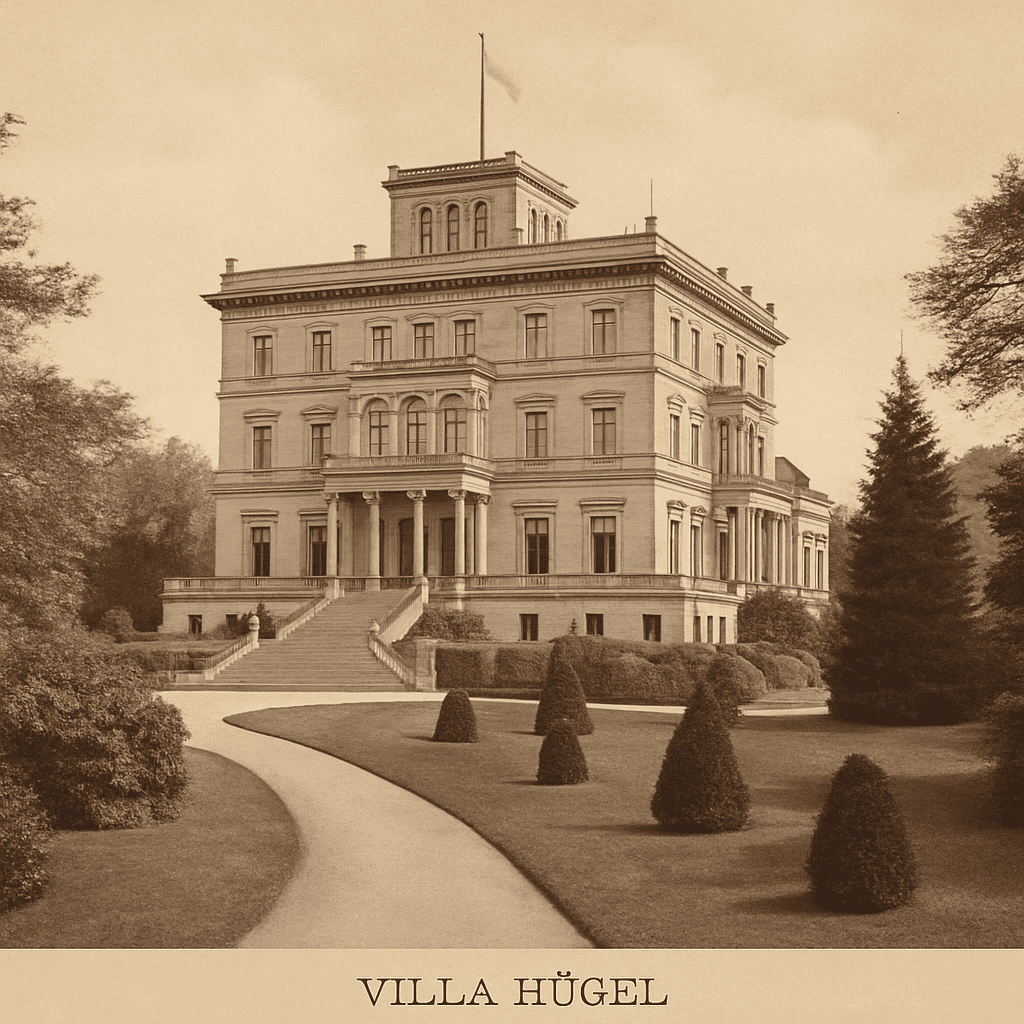
Today, Villa Hügel tells its rich history through exhibitions and guided tours. Visitors can experience the magnificent past and the architectural masterpieces up close.
Architecture and Interior Design of Villa Hügel
The architecture of Villa Hügel is an outstanding example of Historicism. This style is characterized by a combination of various historical elements. Special features include the representative facades and elegant interiors, which reflect the wealth of the Krupp family.
The interior of the villa is both opulent and functional. With elaborate decorations and exquisite furnishings, it creates a luxurious atmosphere. The rooms were specifically designed for social events and the family's private retreat.
Some of the notable architectural and design highlights include:
- State roomsUsed for receptions and balls
- LibraryCollection of significant historical documents
- Works of artImpressive collection and decoration
- Viewing terracesOverlooking Lake Baldeney
The villa's buildings are also technically remarkable. For their time, they were equipped with the most modern amenities. These include heating systems and electric lighting systems, which greatly raised the living standard of the residents.

by Nicolas Görmer (https://unsplash.com/@niiico_)
Overall, the architecture of Villa Hügel offers a unique glimpse into the residential culture and architectural art of the late 19th century. Visitors can experience the splendor and sophistication of past eras in today's museum.
The Krupp Family and Their Significance
The Krupp family is one of Germany's most influential industrial families. Its rise began in the 19th century, when Alfred Krupp headed the Essen Cast Steel Works. Under his leadership, the company became a global leader in heavy industry.
The Krupps played a central role in the German and international economy. Their influence extended far beyond their corporate boundaries, and they decisively shaped the industrialization of the Ruhr region. Their manufacturing innovations in steel and armaments were of global importance.
However, the Krupps’ role was not limited to economic power. The family was also involved in social projects and the promotion of culture. They invested in education and the arts, which further underscored their importance as social leaders. Today, Villa Hügel serves as a museum commemorating their legacy and their influence on industrial history.
The Hill Park: Nature, Recreation, and Landscape Architecture
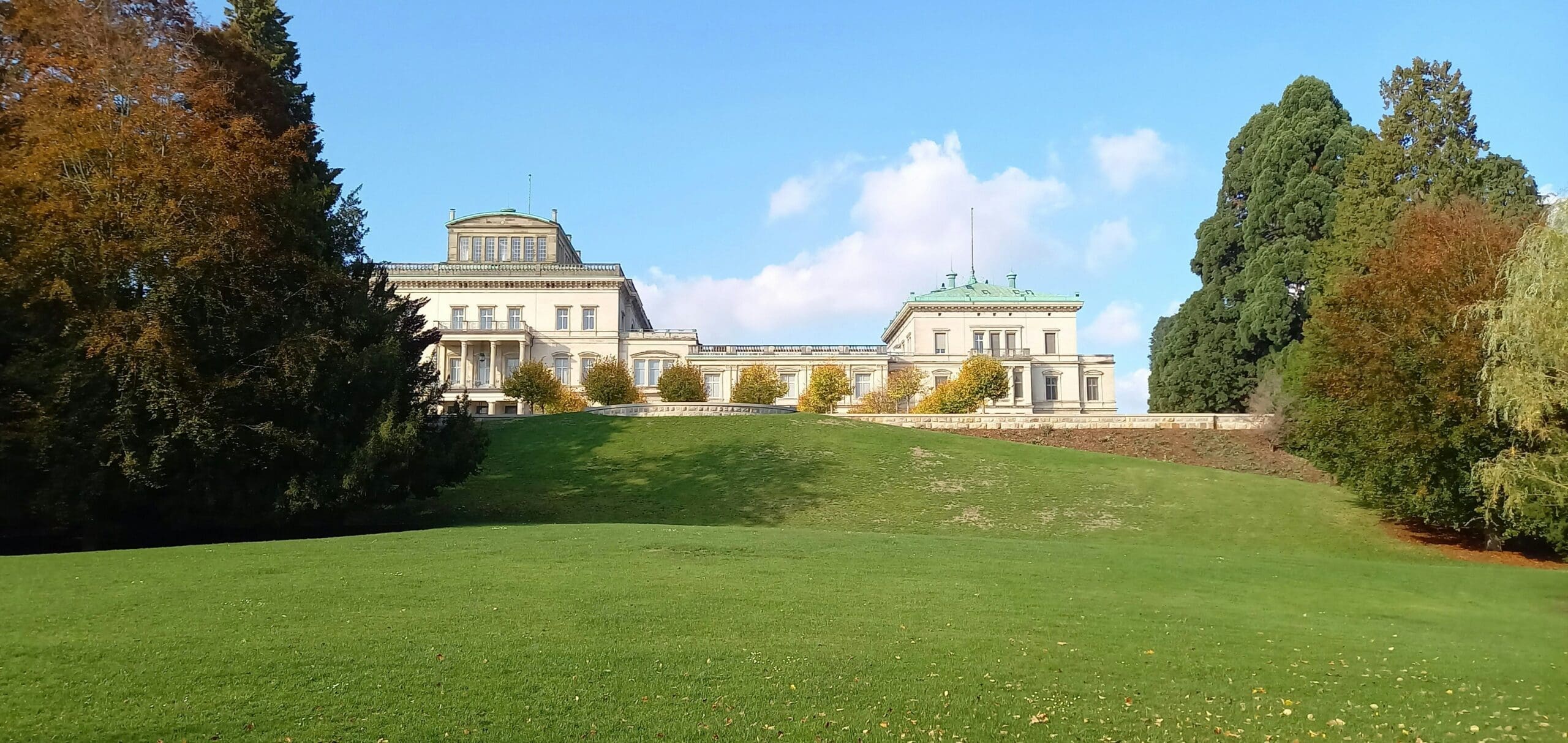
Hügelpark covers an impressive 28 hectares and offers a green oasis in the heart of Essen. Designed in the style of an English landscape park, it combines natural beauty with landscaped architecture. Visitors can stroll along gently winding paths and across wide meadows.
The diversity of the flora in Hügelpark is remarkable. There are many rare tree species that delight botanists. The arrangement of the plants offers a different spectacle in every season. Especially in spring, numerous flowers bloom, creating a vibrant display of color.
The park is not only a visual marvel, but also a place of relaxation for walkers and nature lovers. The paths are ideal for leisurely strolls or physical activities. Numerous lookouts offer panoramic views of the picturesque landscape.
Highlights of the Hill Park:
- A wide variety of tree and plant species
- Viewpoints with panoramic views
- Gently curving paths for walks
- Plenty of space for recreational activities
The park is a popular spot for photographers looking to capture the harmonious blend of nature and architecture. For anyone who appreciates peace and beauty, the hilltop park is the perfect retreat from the hustle and bustle of the city.
Tours of Villa Hügel: Offers and Tips
A visit to Villa Hügel is only half as exciting without an informative guided tour. These tours offer interesting insights into the lives of the Krupp family and the significance of the villa in German history. Historical details and fascinating anecdotes make the tours particularly lively.
Tours are available in multiple languages. They generally last about 90 minutes and offer a rich experience for both individuals and groups. Special tours are also available for school classes and families.
When planning your visit, be sure to book in advance. Demand can be high, especially during the summer months. Remember to arrive on time so you don’t lose your seats.
Tips for your tour:
- Online booking recommended
- Arrive on time
- Guided tours available in different languages
- Special offers for groups
By participating in a guided tour, you'll not only gain access to the impressive premises but also to hidden stories that illuminate the historical context of the villa. Let yourself be enchanted by the unique atmosphere of Villa Hügel.
Exhibitions, Events, and Cultural Program
Villa Hügel is not only a historic building but also a vibrant cultural center. Regularly changing exhibitions attract visitors from all over the world. These exhibitions offer exciting insights into various thematic areas and encourage engagement with art and history.
In addition to exhibitions, cultural events are regularly held at Villa Hügel. Concerts, readings, and lectures bring the historic rooms to life and create a unique atmosphere. These events offer a platform for artists, musicians, and writers and promote cultural exchange.
Current and Upcoming Events
- Contemporary Art Exhibitions
- Classical Concerts
- Author readings
- Thematic Lectures
by Frank Weichelt (https://unsplash.com/@frankweichelt)
The diverse program makes Villa Hügel an important destination for culture enthusiasts and tourists. It connects history with modern art, creating a unique symbiosis. A visit is worthwhile at any time of year to experience and enjoy the various cultural facets.
Culinary: Villa Hügel Menu & Café Experience
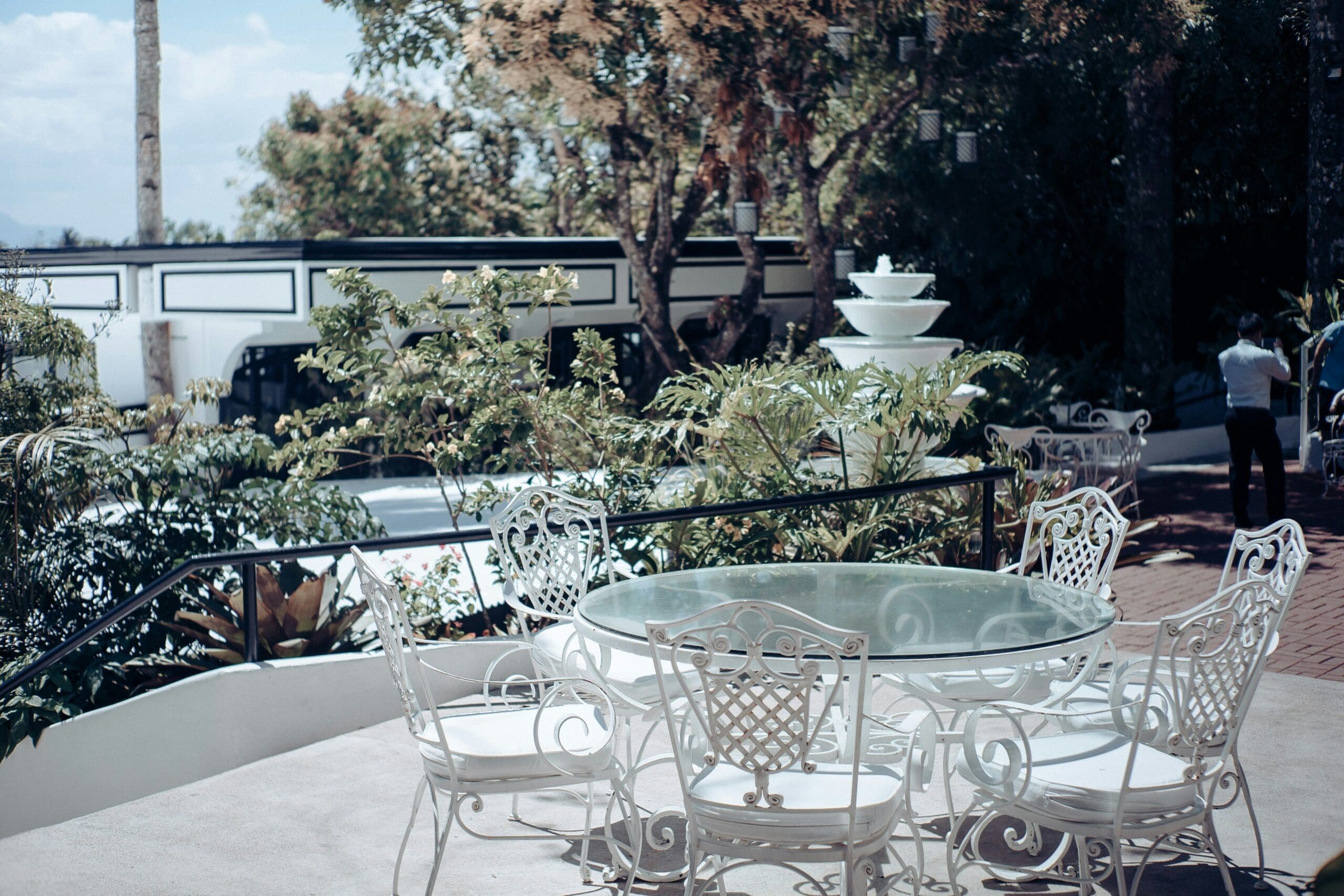
A visit to Villa Hügel would be incomplete without a break at the cozy café. The café is an ideal place to relax after a tour of the opulent rooms. Visitors can enjoy the impressive view of Hügelpark here.
The menu at Villa Hügel offers a selection of regional specialties and seasonal delicacies. The focus is on fresh ingredients and careful preparation. The culinary offerings complement the cultural experience and provide a treat for the palate.
Menu highlights:
- Traditional German Cakes
- Seasonal Salads and Soups
- Exquisite tea and coffee specialties
by Kristian Angelo (https://unsplash.com/@kgadia87)
The villa's café is not only a place to relax, but also a gathering spot for connoisseurs. Tourists and locals alike come here to enjoy the peace and beauty of the surroundings. A culinary highlight of every visit.
Practical Information for Visitors
Villa Hügel and Hügelpark are open to visitors year-round. A variety of guided tours are available, offering fascinating insights into the history and architecture of the site. Tours are available for both individuals and groups.
It is advisable to book tickets in advance, especially during peak season. This helps you avoid waiting times and ensures that you get your preferred tour. Please note that some areas are not wheelchair accessible.
Visitor Tips:
- Opening hours: daily 10:00 AM – 6:00 PM
- Admission price: varies depending on the tour
- There is plenty of parking available

by Thomas Scheidegger (https://unsplash.com/@tomswisspics)
In addition to the guided tours, Hügelpark is a wonderful place to relax and enjoy nature. Visitors should wear comfortable shoes so they can explore the park’s extensive paths. A day at Villa Hügel offers a blend of education, culture, and nature.
Villa Hügel & Hügelpark as a part of the Ruhr Area's industrial heritage
Villa Hügel and its adjacent park stand as testaments to industrialization in the Ruhr area. They reflect the power and influence of the Krupp dynasty. The villa is part of the Route of Industrial Heritage, which connects significant sites of industrial history.
The magnificent architecture of the villa and the lush design of the park are testaments to the prosperity brought by industrialization. Visitors can not only experience the history of the region here but also admire the interplay of nature and industrial architecture. This site is a living testament to the cultural development in the Ruhr area.
Conclusion: A place for the meeting of history, culture, and nature
Villa Hügel and Hügelpark offer a unique blend of history, culture, and nature. Here, visitors can experience the splendor of the Wilhelminian era and the architectural mastery of the industrial age. The site bridges the past and the present and inspires future generations.
Whether through a guided tour, a leisurely stroll in the park, or savoring regional specialties in the café—Villa Hügel offers enriching experiences for everyone. As a significant cultural landmark, it remains an unforgettable destination and an important part of the Ruhr region’s industrial heritage. It invites visitors to discover the region’s historical and cultural diversity.