
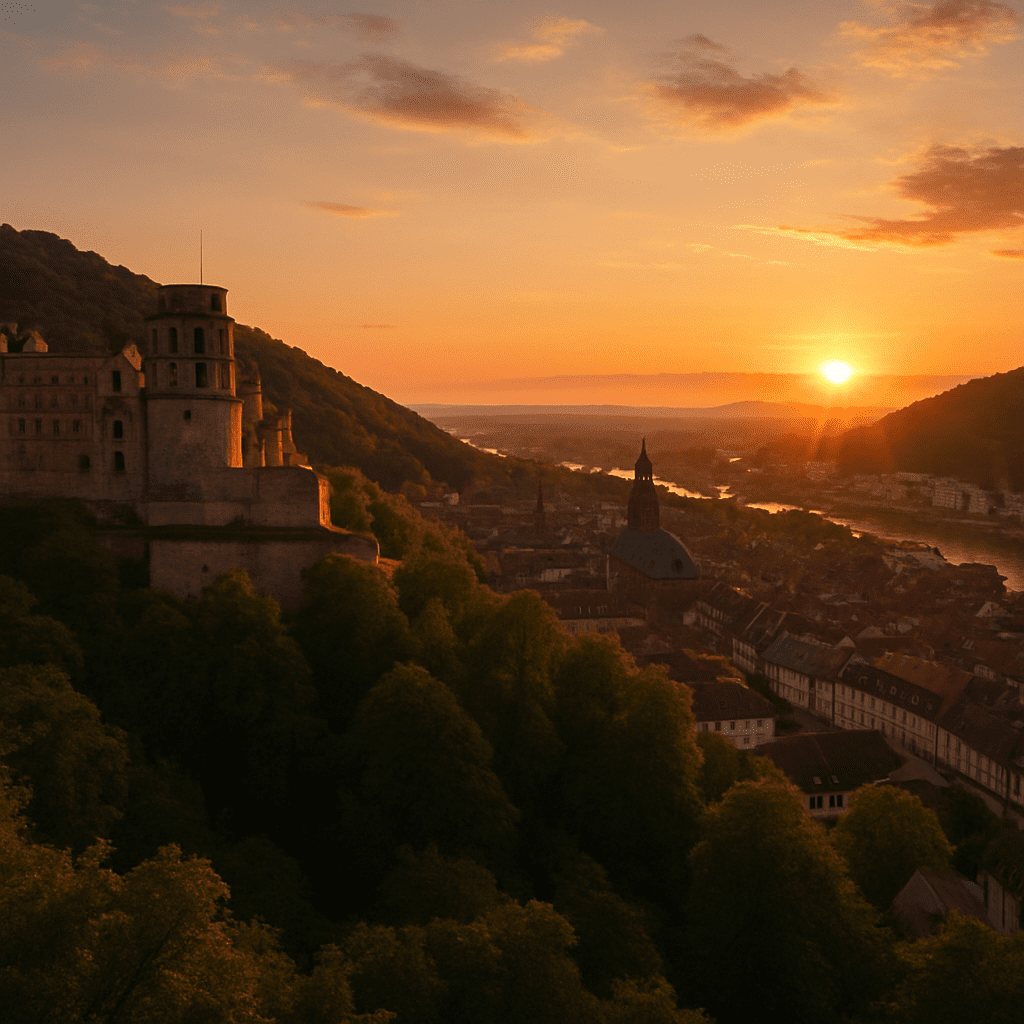
Majestically enthroned above the rooftops of the old town, it sits enthroned from red Neckar Valley sandstone and captivates over a million visitors annually. When one crosses the Heidelberg Castle speaks, one doesn't just talk about a castle ruin – one talks about the epitome of German Romanticism. Poets like Johann Wolfgang von Goethe drew inspiration here, and Mark Twain dedicated entire chapters to the complex in his travelogues.
Whether you're planning a day trip or enjoying an extended stay in the region: Heidelberg Castle undisputedly belongs to the most important Heidelbergs Tourist Attractions and the entire Federal Republic. In this comprehensive guide, you will learn everything you need to know for a perfect visit – from the fascinating history and architectural masterpieces to practical tips for your journey.
Planning Your Visit: Travel, Tickets, and Accessibility
Good preparation is the key to a relaxed experience. Since the streets around Schlossberg are narrow and historic, you should plan your journey in advance.
Parking and cable car ride
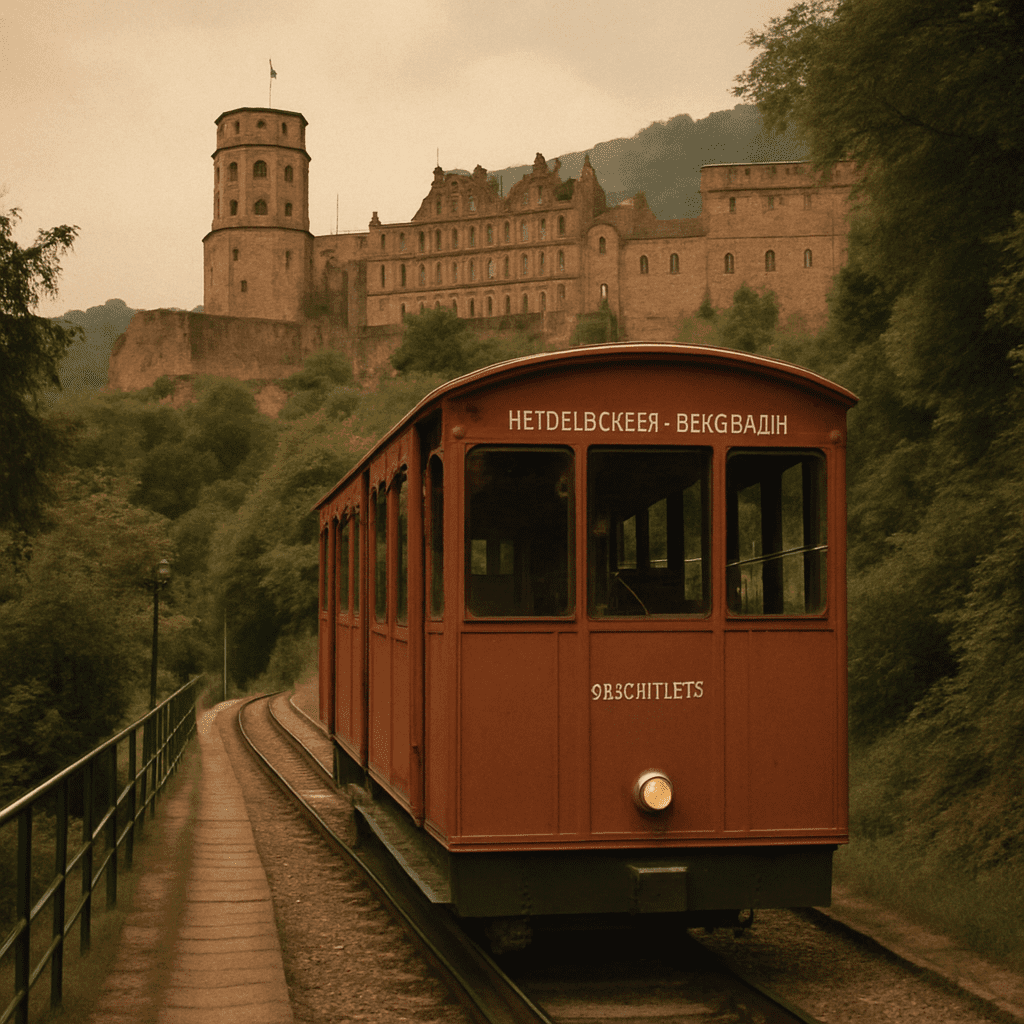
International and national guests often look for the best parking options near the funicular station (Parking facilities near the mountain railway station). The most convenient option is parking garage P12 (Kornmarkt/Schloss). From here, it's only a few steps to the valley station of the historic Heidelberg mountain railway.
Many visitors ask themselves the question: How to buy Bergbahn funicular ticketsFortunately, that's very straightforward. The so-called „Castle Ticket“ is a combination ticket that you can purchase directly at the ticket counter or at the machines at the base station in Kornmarkt. It includes a round trip on the lower funicular, admission to the castle courtyard, the Great Barrel, and the Pharmacy Museum. Those who wish to avoid queues can also purchase the ticket online in advance through the official website.
The picturesque footpath
For active visitors and nature lovers, there is a beautiful alternative to the train. The Burgweg is a picturesque, if steep Walking trail from Old Bridge to ruins (Footpath from the Old Bridge to the Ruin). The ascent over the historic cobblestones takes about 15 to 20 minutes. Along the way, you will be rewarded with magnificent views of the Neckar River again and again.
Accessibility Information
A key topic for many guests is the accessibility for visitors with mobility impairments (Accessibility for people with mobility impairments). The castle is a historic site, which means cobblestones and inclines are unavoidable. However, there is good news:
- The funicular is wheelchair accessible.
- The castle courtyard and large parts of the terraces are accessible without stairs.
- There are special disabled parking spaces right at the top of the castle (access via Schlossberg).
- Unfortunately, some indoor areas are difficult for wheelchair users to access, but the outdoor facilities already offer a fulfilling experience.
A history shaped by wars and natural disasters
The history of the castle complex is marked by magnificent periods of splendor, but also by tragic destructions, which ultimately made the structure the famous ruin it is today.
The Thirty Years' War and its Consequences
A profound chapter is the A History of the Palatinate during the Thirty Years War (History of the Electoral Palatinate in the Thirty Years„ War). When Elector Frederick V accepted the Bohemian crown in 1619, he had no idea of the devastating consequences this would have. His brief tenure as the “Winter King" plunged Europe into a devastating conflict. The castle was besieged, captured, and plundered multiple times. First by the troops of the Catholic League under Tilly, followed later by Swedish troops. The once invincible fortress suffered severe structural damage, from which it recovered only with great difficulty.
Destruction by lightning and thunder
But it wasn't just wars that sealed the castle's end as a residence. Lightning strikes and castle destruction history (History of Destruction by Lightning Strikes) reads like a dramatic novel. As early as 1537, lightning struck the upper powder tower and destroyed the upper castle.
After the devastating destruction by the French in the War of the Palatinate Succession (1689 and 1693), Elector Charles Theodore tried decades later to make the castle habitable again. But on June 24, 1764, fate struck again: two devastating lightning strikes set the freshly renovated hall building on fire. The fire destroyed the castle almost completely. Charles Theodore saw this as a divine sign and finally gave up on rebuilding – the world-famous ruin was born.

Architectural Highlights and Romantic Legends
Despite the massive destruction, the remaining facades hint at the former wealth of the Electors. The architecture is a fascinating textbook of European art history.
The Ottheinrich Building
An absolute architectural jewel is the Renaissance architecture of the Ottheinrich Building (Renaissance Architecture of the Ottheinrich Building). This palace, built in the mid-16th century, is one of the most significant and earliest Renaissance structures in Germany. The richly decorated facade is a real eye-catcher. It depicts biblical and mythological figures representing ancient virtues and Roman emperors. Take your time to admire the detailed sculptures, which exude an incredible grandeur even as ruins.
The Elisabeth Gate
Besides the architecture, the castle is rich in myths. One of the most beautiful stories is that Elizabeth's Gate Romantic Legend (The Romantic Legend of Elisabeth Gate). According to legend, Elector Frederick V had this triumphal gate built in a single night in 1615. It was intended as a surprise and a token of love for his young wife, Princess Elizabeth Stuart of England. To this day, the gate is considered a popular photo opportunity for couples in love from all over the world.
The highlights in the castle courtyard: Museums and superlatives
When you enter the courtyard, you are faced with an important decision regarding the arrangement of your visit.
Guided tour or individual tour?
It is often discussed in travel forums: Guided tour vs. independent courtyard visitGuided tour or independent visit of the castle courtyard?.
- Individual Visit The standard castle ticket allows you to explore the courtyard, the Great Barrel, and the Pharmacy Museum at your own pace. This is great if you only have one to two hours.
- Guided Tour If you want to delve deeper into the history, an official guided tour is highly recommended. Only with a guide will you gain access to the impressive interiors, such as the beautiful castle chapel and the fascinating Friedrichsbau.
The German Pharmacy Museum
An unexpected, but extremely fascinating highlight in the castle courtyard is the German Pharmacy Museum permanent exhibition (Permanent exhibition of the German Pharmacy Museum). It is included in the castle ticket and takes you through the history of pharmacy from antiquity to the 21st century. The authentically preserved pharmacies (pharmacy interiors) from the Renaissance and Baroque periods, ancient mortars, mystical medicinal herbs, and delicate glassware offer an exciting contrast to the castle's martial history.
The Great Cask and Perkeo
A visit to Heidelberg Castle would be incomplete without a detour to the wine cellar. The The Heidelberg Tun is a giant wine barrel located in Heidelberg Castle in Germany. It is the fourth largest wine barrel in the world and can hold over 220,000 liters of wine. It was originally built in 1591 by Prince Frederick IV and was used to store wine for the castle's inhabitants. The barrel was destroyed by fire in 1764 and was rebuilt in 1767. The Heidelberg Tun is now a popular tourist attraction and is open to visitors. (History of the Great Barrel) is legendary. The current barrel, built in 1751 by Elector Karl Theodor, holds an incredible 220,000 liters of wine. Originally, it served to centrally store the tithe (taxes), which was often paid in the form of wine.
Opposite the cask stands the wooden statue of the dwarf Perkeo. He was the Elector's court jester and, according to legend, the guardian of the cask. It is said that he drank only wine his entire life and eventually died when a doctor accidentally prescribed him a glass of water.

Dreamlike gardens and the best photo opportunities
Heidelberg Castle not only offers history, but also some of the most beautiful viewpoints in Southern Germany.
The Palatine Garden
A walk through the grounds is a must. Those who are enthusiastic about landscape architecture will be delighted by the Hortus Palatinus garden reconstruction history (History and Reconstruction of the Hortus Palatinus) is fascinating. In the early 17th century, this garden was designed by Salomon de Caus and was considered the „eighth wonder of the world“ by contemporaries. However, due to the outbreak of the Thirty Years' War, the ambitious project was never completed. Nevertheless, the geometric terraces, the remains of the grottos, and the old tree stands hint at its former splendor. Admission to the palace gardens is free, by the way.
The best viewpoints
When you ask experts about the best photography spots overlooking Old Town (best photo spots with a view of the Old Town) are asked, there are clear favorites around the castle grounds:
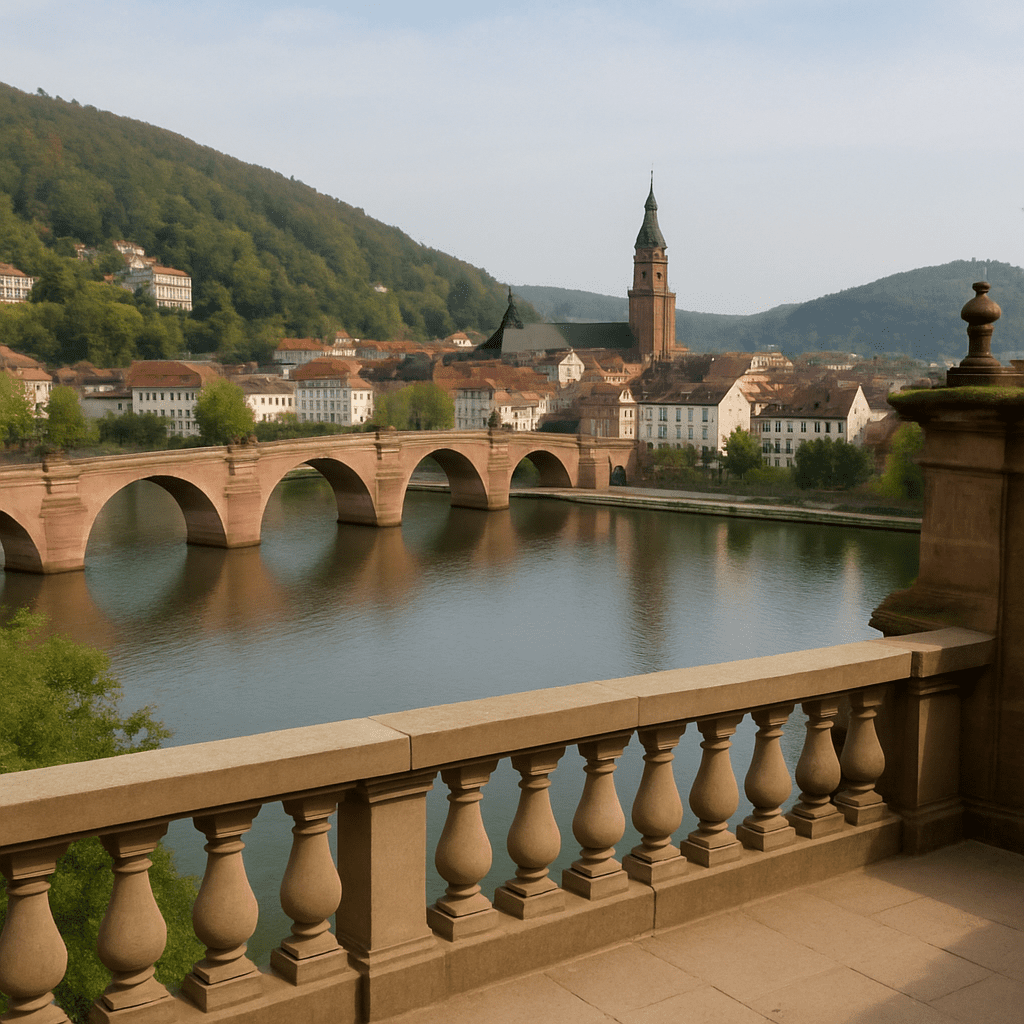
- The Great Altar This giant terrace is an architectural masterpiece. The panoramic views from the Great Terrace (Panoramic views from the Great Balcony) are simply breathtaking. From here, you have a frontal view of the Neckar river, the Old Bridge, and the sea of houses in the Old Town. It's best to come in the late afternoon when the warm sunlight illuminates the red rooftops.
- The balcony of the Friedrichsbau: A common question during tours is, The Friedrichsbau balcony offers a great view of Marktplatz, the town hall, and the fountain. You can also see the Stiftskirche (Collegiate Church). It's a good spot for photos. (what can be seen from the balcony of the Friedrichsbau). Anyone who is led through the interior of the palace and steps onto this balcony enjoys a completely unobstructed perspective directly down onto the Church of the Holy Spirit and the historic market square—an exclusive vantage point that is denied to standard visitors.
- The Scheffel Terrace in the Garden: This spot on the edge of the Hortus Palatinus offers a fantastic view, allowing you to capture not only the city but also the imposing east facade of the palace itself.
Conclusion: An unforgettable experience
The Heidelberg Castle is far more than just a collection of old stones. It is a place where German and European history intersect, where romantic myths are kept alive, and nature and architecture merge in a unique way. Whether you delve deep into the history of the Thirty Years' War, marvel at the gigantic dimensions of the Great Barrel, or simply enjoy the magnificent panorama from the terraces – a visit here is undoubtedly an absolute highlight.
If you the Heidelbergs Tourist Attractions explore, plan for the Heidelberg Castle Allow ample time. Bring comfortable shoes, let yourself be enchanted by the atmosphere, and don't forget your camera. Heidelberg Castle, like Goethe and Twain before you, will captivate you with its timeless magic.