

The Council of Constance was a significant event in the history of the Catholic Church. It took place from 1414 to 1418 in the city of Constance on Lake Constance. This council was convened to end the Western Schism, during which three popes simultaneously claimed the papal throne.
The religious conflicts of that era threatened the unity of the Church. The Council aimed to overcome this division and consolidate the authority of the Church. It was an attempt to strengthen the moral and spiritual authority of the Church.
The negotiations and decisions of the council lasted over four years. Emperor Sigismund played a crucial role in the convening and success of the council. The city of Constance benefited economically from this major event.
The Council of Constance was a turning point in church history. It laid the groundwork for later reform movements within the church. The council's decisions had far-reaching political and religious consequences.
The starting point: Church and Europe before the Council
At the beginning of the 15th century, the Catholic Church was in a deep crisis. The Western Schism tore apart the unity of Christendom. At the same time, political and military conflicts dominated Europe, further weakening trust in the church leadership.
In this unstable environment, three popes stood in opposition to each other. Each pope claimed the rightful claim to the throne. Pope John XXIII, Pope Gregory XII, and Pope Benedict XIII were embroiled in rivalries. This situation led to confusion and disunity among the faithful.
The need for a council became increasingly apparent. Emperor Sigismund recognized the urgency to end this schism in faith. The main goals of the council were:
- Resolution of the Schism and Restoration of Church Unity
- Church reforms to combat corruption
- Handling theological and disciplinary issues
The city of Konstanz, a center of trade, provided an ideal setting for these meetings. It became a diplomatic hub where religious and political leaders convened. In these days of turmoil, Europe longed for a solution to its problems.
The Western Schism and the Necessity of a Council
The Western Schism was one of the greatest crises in the history of the Catholic Church. It began in 1378 and divided Christendom, as rival popes reigned in Avignon and Rome. This divided authority fueled instability and a loss of the Church's credibility.
The situation worsened in the early 15th century when a third pope was elected in Pisa. Confusion among the faithful grew. Church authority reached its lowest point, revealing the need for a comprehensive solution. The faithful, nobles, and clergy pushed for reforms to stabilize the church and restore moral authority.
Some clerics realized that only an ecumenical council could resolve this difficult situation. This would not only reform the papacy but also restore the unity of the Church. The Council of Constance was finally convened in 1414 to address this urgent need. Under the leadership of Emperor Sigismund, it brought together significant figures of leadership to finally establish peace.
Convening and Proceedings of the Council of Constance
The Council of Constance was convened by Emperor Sigismund and played a crucial role in the Christian world. Emperor Sigismund was determined to end the schism within the Church and restore the institution's authority. This move was bold and necessary to unite Christendom.
In 1414, clerics, scholars, and political leaders from all over Europe gathered in the city of Constance. The choice of this city on Lake Constance was not accidental. Constance was politically neutral and offered sufficient accommodation for the numerous delegates and participants.
Main goals of the council:
- End of the Western Schism
- Church reform and disciplinary issues
- Resolution of faith questions and disputes
The first sessions dealt with the legitimacy of the popes. One of the main points was the deposition of the rival popes to make way for a new, universally recognized pope. This process was complicated and required diplomatic skill.
The council lasted for four long years and was characterized by intense debates. Participants passionately discussed theology, matters of power, and reforms. The negotiations ended with the election of Martin V in 1417, which finally ended the schism.

The main players: Popes, Emperors, and Reformers
The Council of Constance was an international power struggle shaped by several key players. At its head was Emperor Sigismund, who convened the council. His role as patron was crucial, as he emphasized the urgency of resolving the church's conflicts. His position lent the council the necessary authority.
Three popes were at the center of this theological drama. John XXIII, Gregory XII, and Benedict XIII simultaneously claimed the throne. This triple reign led to chaos and unrest within the Church. Their competing claims were one of the main causes of the Western Schism that the council sought to end.
Jan Hus, a prominent Czech reformer, also played a key role. He advocated for church reforms and openly criticized corruption within the church. His courageous stance at the council ultimately led to his condemnation and execution, which in turn ignited later protests and wars.
Not to be forgotten are the scholars and cardinals who participated in the discussions. They brought theological knowledge and political experience that were indispensable for resolving the complex issues. Their expertise shaped many of the council's important decisions.
Key themes and debates: Church reform and questions of faith
The Council of Constance served as a platform for in-depth discussions on the reform of the Church. Many participants felt the need to address moral and disciplinary abuses. Corruption within the clergy was a primary concern. These discussions were complex and often controversial, as they challenged the fundamental structure and authority of the Church.
Another central theme was the debate surrounding church doctrine. There was an intense exchange about heretical ideas and the need for clear guidelines of faith. The condemnation of Jan Hus was particularly significant in this context. His views offered a critical perspective on the existing doctrines of the church.
Among the many questions discussed, some stood out particularly:
- The necessity of a comprehensive church reform
- The Role of the Pope in Relation to Councils
- The treatment and identification of heresy
These debates were crucial for the participants, as they were decisive for the future of the church. They offered the chance to address deeply rooted problems and find new ways for church practice.
The Case of Jan Hus and its Consequences for Europe
The trial of Jan Hus was a central event of the Council of Constance. Hus, a well-known Czech reformer, was primarily accused of his sharp criticism of the church. His teachings were considered heretical because they questioned the authority of the Pope and the practices of the church.
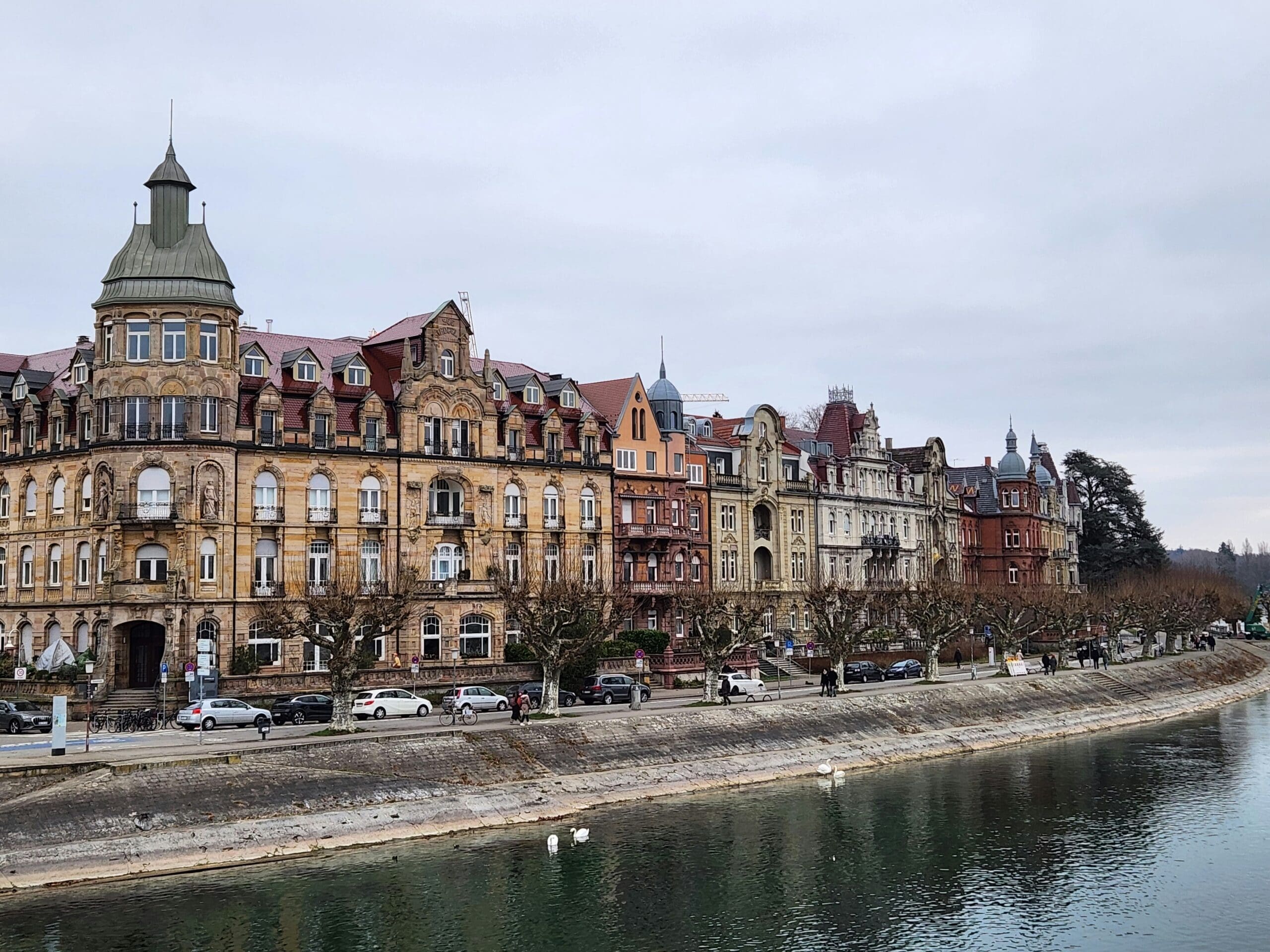
by Rubina Ajdary (https://unsplash.com/@rubinaajdary)
Hus traveled to Constance with a guarantee of safe passage. Nevertheless, he was arrested and ultimately convicted. Disagreement over the freedom of teaching led to his condemnation. On July 6, 1415, Hus was burned at the stake, an act that provoked widespread outrage. For many in Bohemia, Hus became a martyr, further intensifying tensions.
The execution of Jan Hus had profound effects on Europe. It contributed to the outbreak of the Hussite Wars, which fueled religious conflicts in Bohemia. These events underscored the growing rifts within Christendom. The life and death of Hus were seminal for later reform movements and left a lasting impact on Europe's religious landscape.
The End of the Schism: Election of Martin V and its Significance
The election of Pope Martin V in 1417 marked the end of the Western Schism. After years of discussions and political negotiations, a consensus was finally reached. Martin V was recognized as the legitimate Pope of the Catholic Church.
This decision was crucial for restoring church unity. The three rival popes were deposed or resigned, allowing for a fresh start for the church. With unification under a single pope, the church could begin to regain lost trust in its leadership.
The end of the schism had long-term effects on the ecclesiastical and political landscape of Europe. It consolidated the authority of the papacy, strengthened the central church administration, and paved the way for future reforms. The election of Martin V was thus a significant event for both the Catholic Church and its faithful.
Effects on Church, Politics, and Society
The Council of Constance had far-reaching effects on the Church. It strengthened papal authority and reduced the danger of further schisms. Furthermore, it created a foundation for future Church reforms.
Politically, the council profoundly influenced relations between church and state. The role of Emperor Sigismund demonstrated the power of secular rulers in ecclesiastical affairs. This reinforced the concept of cooperation between the church and secular powers.
Society was also affected by the council's decisions. The reorganization of the church hierarchy and the efforts at church reform improved the moral credibility of the church. The church council brought about an unprecedented movement of people and ideas:
- Increase in economic activities in Constance
- Strengthening of trade due to diplomatic delegations
- Promoting university debate and teaching
These changes had a lasting impact on both religious and social life in medieval Europe.
The Legacy of the Council of Constance: Significance for Church History
The Council of Constance marked a significant turning point in church history. It succeeded in ending the urgent Western Schism, which restored the unity of the church. The election of Martin V as Pope underscored the renewed stability.
Furthermore, the council laid an important foundation for future reforms within the church. By addressing central questions of church policy and doctrine, it significantly influenced subsequent ecclesiastical developments. These decisions had a lasting impact on the church's structure and function and promoted a spiritual renewal that accompanied Europe for a long time.
Conclusion: The Council of Constance as a Turning Point
The Council of Constance was crucial for the medieval Church. It ended the schism, strengthened church unity, and initiated reforms. These events permanently altered the ecclesiastical landscape and laid the groundwork for future developments in European religious history.