
Marienplatz in Munich is the vibrant heart of the Bavarian capital. It is a central meeting point for locals and tourists alike. The square is surrounded by impressive architecture and historic buildings.
Since the Middle Ages, Marienplatz has played an important role in Munich's history. It is named after the Mariensäule (Mary's Column), which was erected in 1638. This column is a symbol of gratitude for the averted Swedish occupation.
The New Town Hall dominates the square with its impressive Neo-Gothic architecture. It attracts many visitors daily who come to admire the famous Glockenspiel. This depicts scenes from Bavarian history and is a highlight for tourists.
Marienplatz is also an ideal starting point for city tours through Munich. Nearby are other attractions such as the Frauenkirche (Church of Our Lady) and the Viktualienmarkt (food market). These places are only a few minutes' walk away and offer an insight into Bavarian culture.
The square is an important transportation hub with subway and commuter rail connections. This makes it easily accessible and a central point for visitors. Marienplatz is also a popular venue for public events and festivals.
Surrounded by shops, cafes, and restaurants, Marienplatz offers a variety of opportunities for shopping and enjoyment. Here, you can sample Bavarian cuisine and experience the lively atmosphere. The square is a symbol of Munich's history and culture.
Marienplatz is an ideal place to explore the city's architecture and history. It is a popular spot for photos and selfies as it captures the essence of Munich. A visit here is a must for anyone wanting to experience the Bavarian way of life.
History and Significance of Marienplatz
Marienplatz has a rich history that dates back to the 12th century. It originally served as a marketplace and was the center of medieval Munich. Tournaments, markets, and festivities took place here, shaping city life.
In the 17th century, the square received its name from the Marian column. This was erected by Elector Maximilian I after the Thirty Years' War. The column symbolized gratitude for Munich's protection from destruction by Swedish troops.
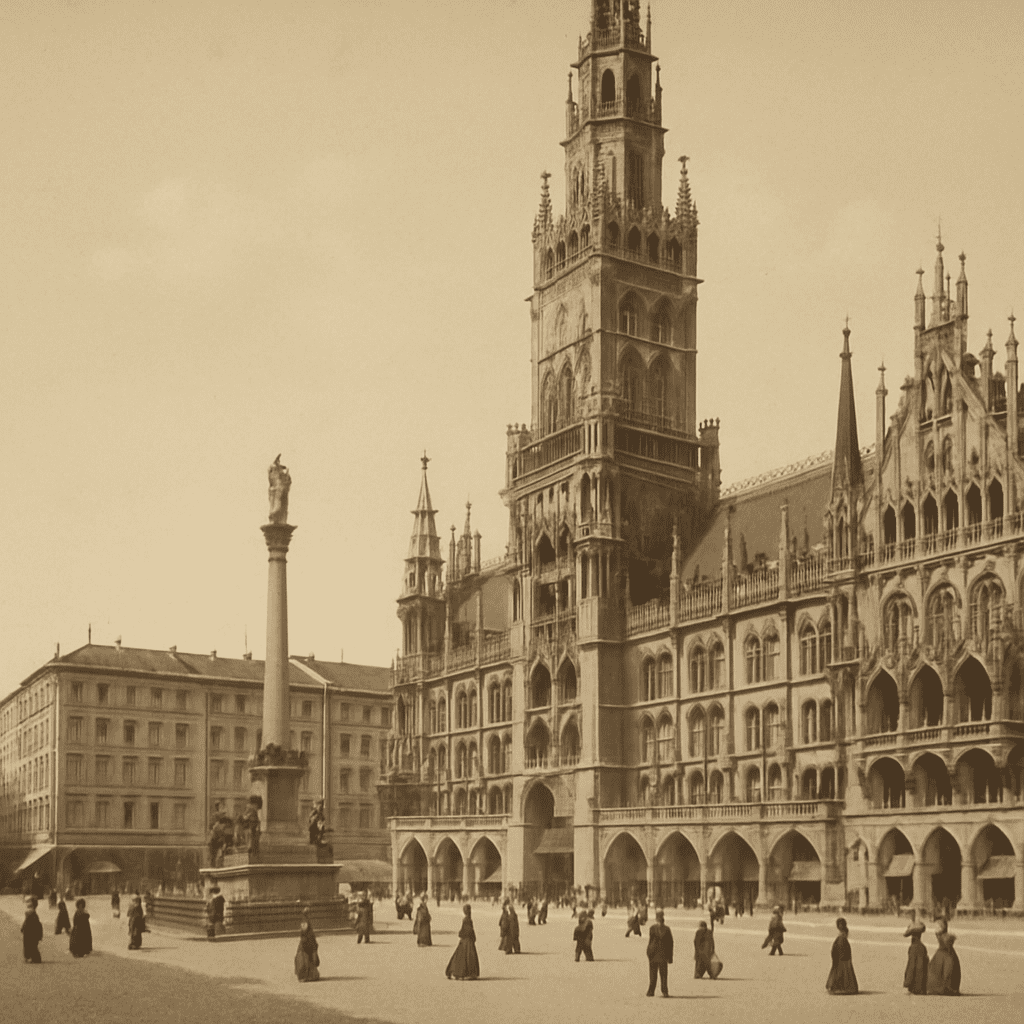
Next to St. Mary's Column stands the impressive New Town Hall. It was built in the late 19th century and has shaped the appearance of Marienplatz ever since. With its rich decoration and striking facade, it attracts the attention of many visitors.
Marienplatz has also been the scene of important political events. Rallies that influenced Bavarian and German history took place here. The square is a constant symbol of the city's change and tradition.
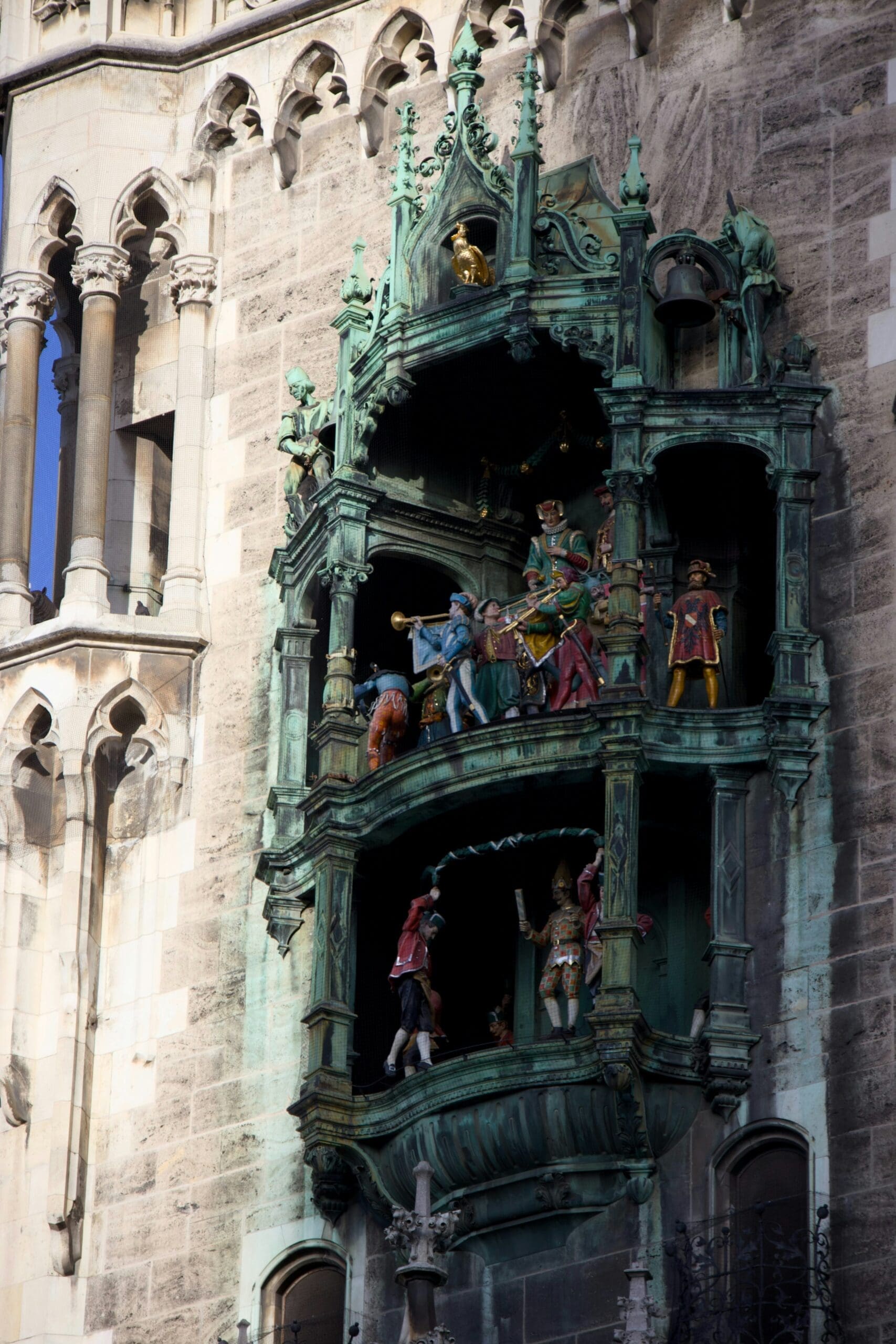
A significant feature of Marienplatz is the Glockenspiel. It was installed in the tower of the New Town Hall in 1908. Twice a day, it amazes spectators while recounting Munich's past.
Today, Marienplatz is one of the city's most distinctive landmarks. It represents history, culture, and the vibrant pulse of Munich. Its significance remains unsurpassed, both as a tourist attraction and as the heart of the Bavarian metropolis.
The Marian Column – The Square's Landmark
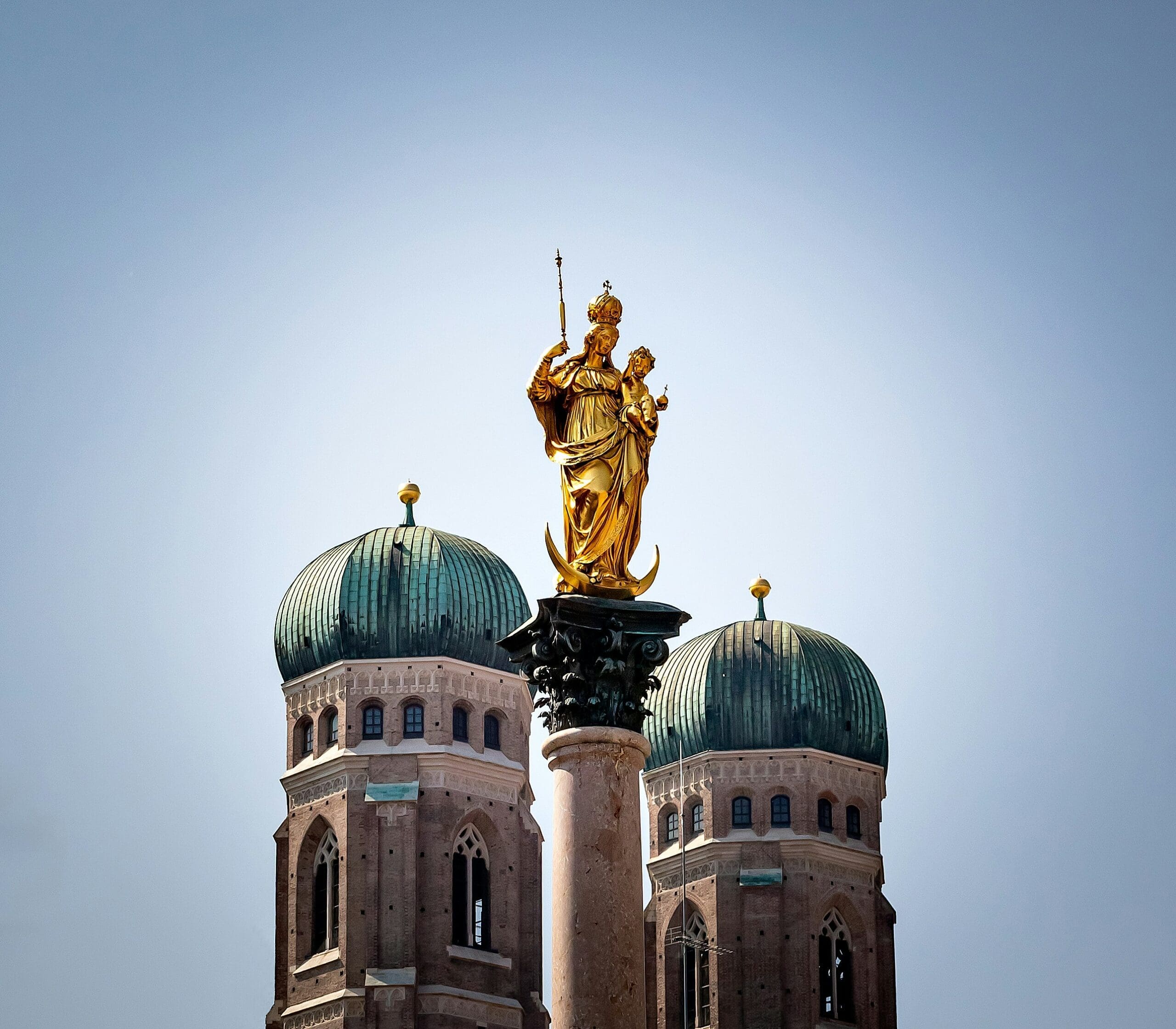
The Marian Column is not only a central landmark of Marienplatz but also a symbol of peace and hope. Erected in 1638 by Elector Maximilian I, it stands in the heart of the square. Its construction was a thank you for the successful defense against Swedish troops during the Thirty Years' War.
by Luis Fernando Felipe Alves (https://unsplash.com/@lnandofelipe)
The column is made of red-gold marble and is crowned by a gilded statue of the Virgin Mary. Mary, the patron saint of Bavaria, holds the Christ Child in her arms and stands on a globe, which symbolically represents dominion over evil. This artfully designed column captivates visitors daily.
At the base of the column, four putti-like angels are depicted, conquering various threats to humanity: war, plague, hunger, and heresy. These representations recall the concerns of the time and underscore the hope for lasting well-being. The Marian Column stands as a lasting testament to Bavarian faith, culture, and history.
The New City Hall: Architecture and Carillon
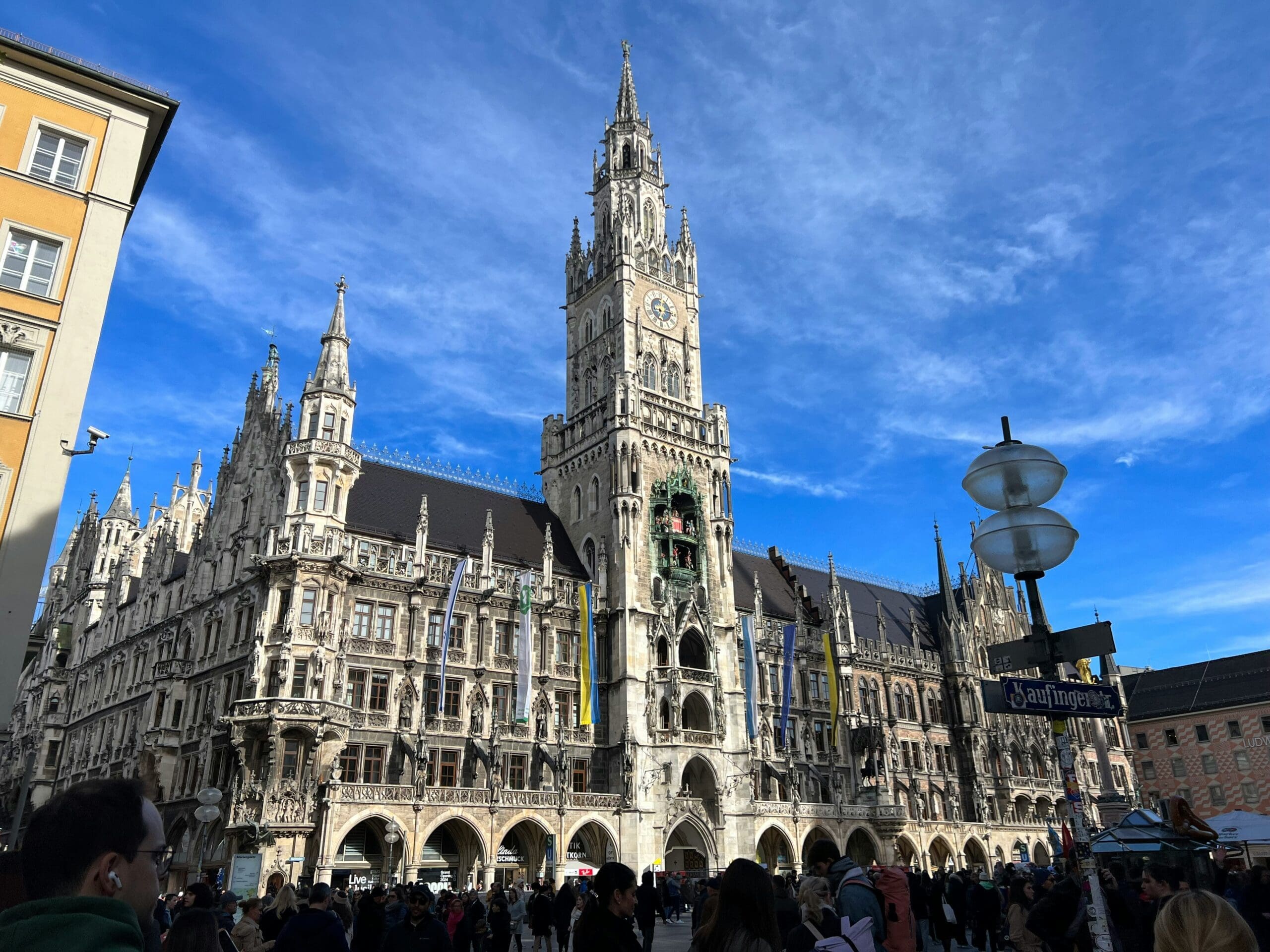
The New Town Hall on Marienplatz is a masterpiece of Neo-Gothic architecture. Completed in 1909, it is considered a prime example of Munich's architectural splendor. The limestone facade stretches over 100 meters and is adorned with countless ornaments.
by Natalie Gottsmann (https://unsplash.com/@natalie0908)
Particularly impressive are the detailed sculptures and figures. These depict Bavarian rulers and scenes from Munich's history. The central clock tower and the glockenspiel above it attract many onlookers daily. The bells chime twice a day at 11 am and 12 pm. From March to October, there is an additional performance at 5 pm.
The carillon consists of 43 bells and 32 figures. It tells stories from Bavaria's past. Particularly famous is the tournament that took place to celebrate the wedding of Duke Wilhelm V. and Renata of Lorraine. This multimedia presentation never fails to thrill not only tourists but also locals.
Interesting facts about the glockenspiel:
- Number of bells: 43
- Number of figures: 32
- Main Story: Duke Wilhelm V.’s Wedding Tournament
- Highlight: The dancer who delivers the final flourish
The building houses not only city administration offices but also rooms for official receptions. Visitors can climb the town hall tower. From there, you can enjoy a breathtaking view of the city. On clear days, the view extends to the Alps.
The New Town Hall also serves as a venue for important political and cultural events. This places it at the center of city life and symbolizes the connection between tradition and modernity. Visitors can take guided tours to learn more about the history and architecture of the building. A tour through the New Town Hall offers unforgettable insights into the city's history and its significance.
The Old Town Hall and the Toy Museum
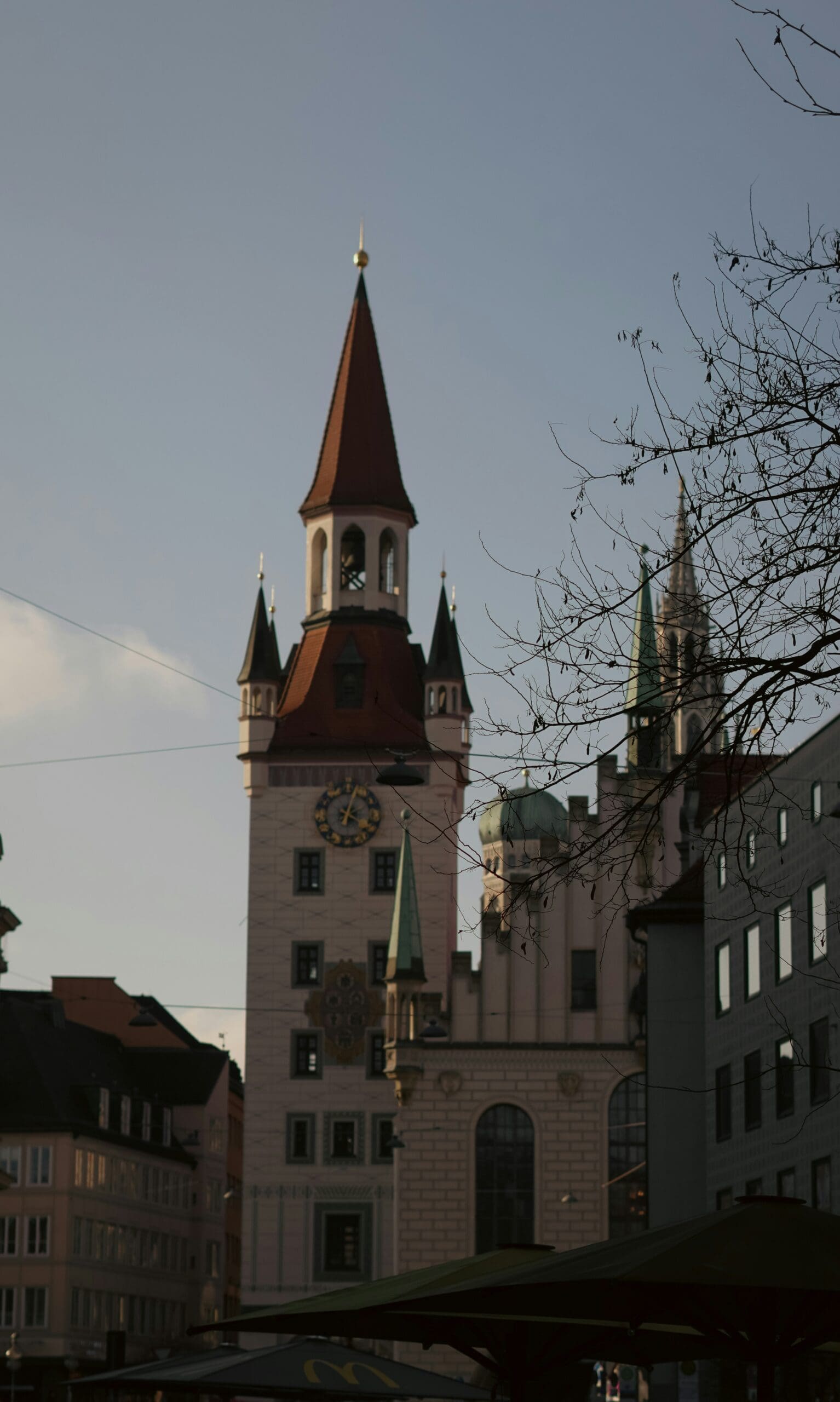
The Old Town Hall is another remarkable building on Munich's Marienplatz. Built in Gothic style, it was first mentioned in 1392. It is older than the New Town Hall and offers a fascinating glimpse into medieval architecture.
by Pedro Correia (https://unsplash.com/@pvcsilva)
Originally used as a meeting place for the Munich City Council, the Old Town Hall now serves a different purpose. Its premises house the charming Toy Museum. This museum is dedicated to the history of toys. On several floors, it displays an impressive collection of dolls, tin toys, and model railways.
A visit to the toy museum is a special experience, especially for families. Here, children and adults can immerse themselves in the world of past games. The museum attracts not only toy lovers but also visitors who want to indulge in nostalgic memories. Looking at the collection shows how toys have developed over the centuries.
The Old Town Hall not only represents historical architecture but is also a vibrant part of the modern cityscape. It connects the past with the present. With its prime location on Marienplatz, it enriches Munich's cultural offerings and attracts thousands of curious visitors from all over the world each year.
Attractions around Marienplatz
Munich's Marienplatz is surrounded by remarkable sights worth visiting. Each offers a unique glimpse into the city's history and culture. Just a short walk from Marienplatz is the impressive Frauenkirche. This Gothic cathedral is Munich's landmark and captivates with its onion domes.
Not far away, you'll come across the Viktualienmarkt, a vibrant market full of freshness and color. Here you can find regional specialties and international delicacies. The market is the perfect place to experience Bavaria's culinary delights and enjoy the atmosphere.
Another highlight is the Kunstareal Munich, a complex of several outstanding museums. From ancient sculptures to contemporary masterpieces, there's something here for every art lover. The museums offer deep insights into the different eras of art history.
Must-see nearby places
- Church of Our LadyA Munich landmark with impressive Gothic architecture.
- ViktualienmarktA vibrant market with regional and international specialties.
- Munich Art DistrictA center for art lovers with diverse museums.
- HofbräuhausA traditional inn, known for its beer culture.
- Munich ResidenceFormer royal residence with richly furnished state rooms.
Another significant place is the Hofbräuhaus, a historic beer hall with a long brewing tradition. It offers an authentic Bavarian atmosphere and invites you to have a "Maß" (a liter of beer). Locals and tourists alike come together here to enjoy traditional Munich beer.
The Munich Residenz, just a few minutes' walk from Marienplatz, is a former palace of the Bavarian kings. Its sumptuously furnished rooms and impressive halls offer insights into the royal life of past times. A visit to the Residenz offers not only historical treasures but also a glimpse into the power and splendor of past monarchies.
These sights around Marienplatz make the area a cultural and historical center. Visitors can deeply immerse themselves in the history and traditions of the Bavarian metropolis here, while also feeling the modern vibrancy of the city.
Marienplatz as the center of Munich life
Marienplatz is undoubtedly the heart of Munich, a vibrant city center that attracts people from all walks of life. During the day, locals and tourists flock to the square, enjoying the Bavarian architecture and experiencing the bustling atmosphere.
This central location serves as a popular meeting spot for friends and families. Especially during the warmer months, Marienplatz attracts musicians and street performers who showcase their talents here. These performances give the square a dynamic and lively atmosphere that fascinates visitors.
by Dima (https://unsplash.com/@dsk1306)
The central location of Marienplatz makes it an ideal starting point for exploring the city. From here, many of Munich's most important attractions are easily reachable on foot. Whether it's the start of an extensive shopping spree or a cultural exploration, Marienplatz is the perfect starting point.
In addition, the square houses numerous shops, cafes, and restaurants, offering visitors a wide variety of options. This diversity makes Marienplatz a popular place to spend time, not only during the day but also in the evening. People of all ages enjoy the urban liveliness and the versatile offerings here.
Marienplatz also plays a significant role in the city's public transportation system. With its excellent connections to the subway and suburban train lines, it is easily accessible and connects different city districts and regions. This transportation hub contributes to the square's appeal as Munich's urban center and underscores its importance for the daily lives of Munich's residents.
Overall, Marienplatz embodies the vibrant life and cultural diversity of Munich. Its central role in the city's daily life and its rich history make it an indispensable part of the Bavarian capital that no visitor should miss.
Events and Festivals at Marienplatz
Marienplatz in Munich is the venue for a variety of events and festivals year-round. These events give the square a special energy and attract both Munich residents and tourists. From major festivities to smaller, cultural events, the square plays a central role in the social life of the city.
A highlight of the event calendar is the traditional Christmas market, which takes place every year during Advent. The festively decorated stalls, the scent of mulled wine, and the sound of Christmas music transform Marienplatz into a winter wonderland. Visitors can buy handmade gifts or sample Bavarian delicacies here.
In addition to traditional events, there are also themed events that enrich the cultural calendar:
- October: Oktoberfest celebrations with mini-events.
- Summer: Open-air concerts and neighborhood festivals.
- Spring: Fashion shows and art installations.
These events not only provide entertainment but also foster a sense of community and the city's traditions. Marienplatz is always a central place where Munich's culture and Bavarian joie de vivre come alive. No matter the season you visit the square, there is always something new and exciting to experience.
Shopping, dining, and the Bavarian way of life
Marienplatz in Munich is not only a historical center but also a shopping paradise. Surrounded by a variety of shops, it offers everything from souvenir shops to designer boutiques. Visitors can easily spend a whole day exploring the shopping streets and discovering the latest trends.
In addition to shopping, Marienplatz offers a wealth of culinary experiences. Numerous restaurants and cafés invite you to linger and enjoy Bavarian cuisine. Here you can sample typical specialties such as white sausage, pretzels, or a cold beer from the region. Each establishment offers a taste of the warm and welcoming Bavarian hospitality.
To authentically experience the Bavarian way of life, visitors should not miss the following:
- Enjoy a coffee in one of the traditional Munich coffee houses.
- Try a typical Bavarian breakfast with pretzels and Obatzda.
- Browse the Viktualienmarkt and sample regional products.
Marienplatz is the perfect place to soak up the atmosphere of Munich. It offers a unique blend of history, culture, and modern life, making a visit there an unforgettable experience.
Practical Tips for Visitors
A visit to Munich's Marienplatz can be an unforgettable experience if you are well-prepared. It's best to arrive early in the day to avoid the crowds and enjoy the atmosphere in peace. In the morning, sights like the Glockenspiel at the New Town Hall are not yet overcrowded.
As you plan your visit, be sure to check the local weather forecast. Munich can be unpredictable weather-wise. An umbrella or a sun hat may prove useful. In rainy weather, the surrounding cafes offer a cozy refuge to watch the goings-on in the square.
Here are a few practical tips to make your visit even more enjoyable:
- Use a guide book or an app to understand the historical background.
- Choose comfortable shoes for a day of exploring.
- Take photos near the Marian column to capture a piece of history.
By following these tips, you will maximize the enjoyment and comfort of your visit to Marienplatz. This will allow you to fully experience not only the sights but also Munich's rich cultural offerings.
Directions and Transport Links
Marienplatz is well connected to Munich’s public transportation network, making it easy to reach. The city’s main subway and commuter rail lines intersect here, allowing you to get there quickly from any direction. Its central location also makes it easy to reach other attractions from here.
For visitors exploring the city by car, several parking garages are available nearby. However, parking is often expensive and spaces are limited. An environmentally friendly and stress-free alternative is therefore public transportation.
Here are some practical traffic tips:
- S-Bahn lines: S1 to S8 stop directly at Marienplatz.
- Subway lines: The U3 and U6 will take you here from other parts of the city.
- Bus tickets are available from ticket machines and online.
Frequently Asked Questions About Marienplatz in Munich
What attractions are located right on Marienplatz?
Marienplatz is surrounded by notable buildings. The New Town Hall, with its famous glockenspiel, attracts visitors every day. The Marian Column and the Old Town Hall are also prominent landmarks on the square.
When does the carillon concert take place?
The carillon at the New City Hall plays twice a day. Visitors can hear it at 11:00 a.m. and 12:00 p.m. During the summer months, there is also an additional performance at 5:00 p.m.
Are there restaurants near Marienplatz?
Yes, there are numerous restaurants and cafes around Marienplatz. Here you can enjoy typical Bavarian cuisine or international dishes. Everything is represented, from rustic breweries to chic cafes.
How much time should you plan for Marienplatz?
One to two hours is enough to get a first impression. If you’d also like to visit nearby attractions such as the Frauenkirche or the Viktualienmarkt, you should plan on spending more time there.
Are there guided tours from Marienplatz?
Yes, Marienplatz is a popular starting point for city tours in Munich. Various providers offer walking or cycling tours, which usually start at Marienplatz.
Yes, Marienplatz is accessible to people with disabilities.
The Marienplatz is generally easily accessible. However, some areas are paved, which can be a challenge for wheelchair users. Public transport, on the other hand, is barrier-free and offers access for all visitors.
Conclusion: Why Marienplatz is a must-see
Marienplatz is an essential part of any visit to Munich. With its central location and surrounded by historical and cultural sights, it offers a unique insight into Bavarian culture. Visitors can enjoy the lively atmosphere and admire the impressive architecture.
It's not just a historical site, but also a vibrant center of Munich's everyday life. Locals and tourists meet here to experience the city's diversity. Whether for a short visit or an extended stroll, Marienplatz offers unforgettable impressions.
Thanks to its perfect public transport connections, it is easily accessible to everyone. It not only invites you to go sightseeing, but also to enjoy Bavarian cuisine and go shopping. This combination of history, culture, and liveliness makes Marienplatz an unforgettable experience in Munich.