
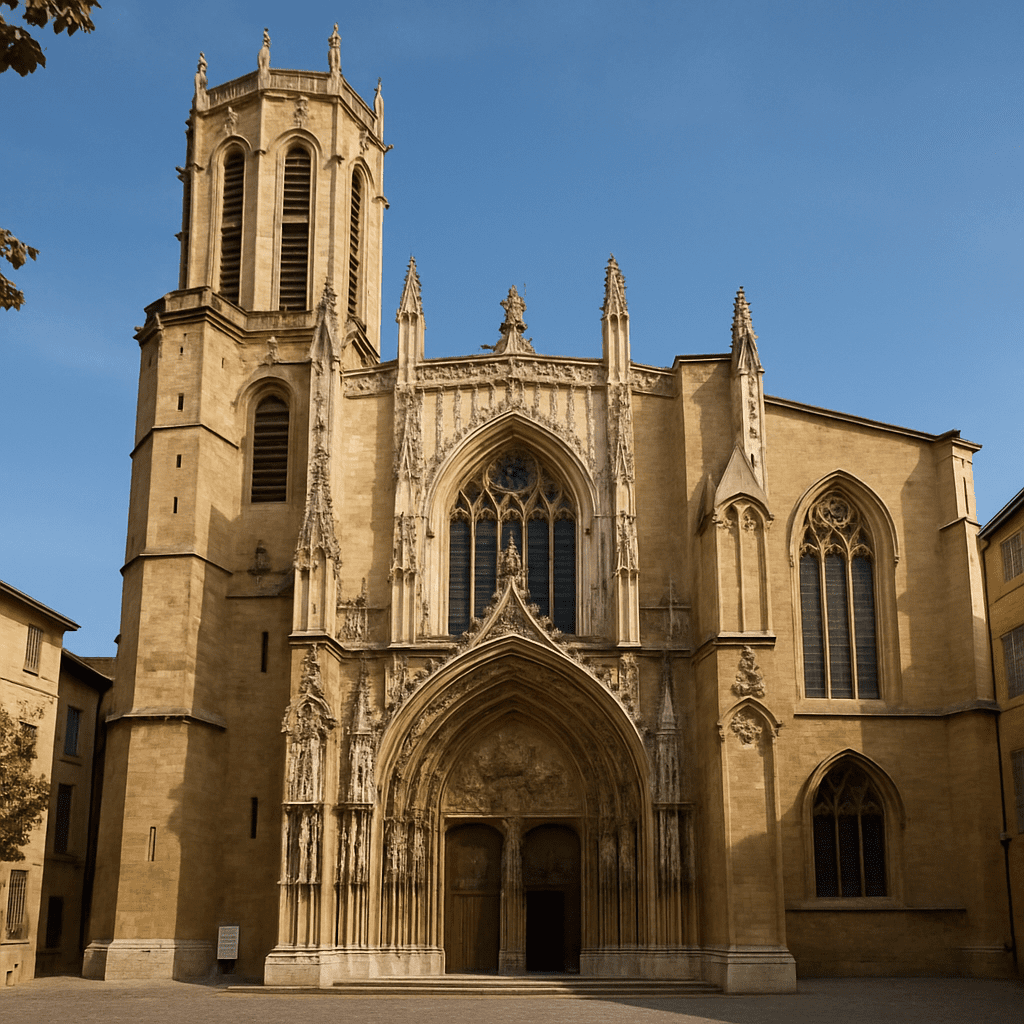
St-Sauveur Cathedral is an architectural gem in Aix-en-Provence. It combines various architectural styles that have evolved over centuries. This cathedral is a living testament to the history and culture of the region.
Construction began in the 5th century and lasted until the 18th century. The cathedral stands on the remains of a Roman temple. Its facade is impressive with Gothic elements and intricate sculptures.
Inside, you'll find significant artworks and a 6th-century baptistery. The cloister offers a peaceful retreat and showcases Romanesque architecture.
The Cathedral of Saint-Sauveur is an active place of worship and a national monument. It attracts tourists and pilgrims alike. A visit offers insights into medieval religious art and architecture.
The History of St-Sauveur Cathedral
The history of Cathédrale St-Sauveur is long and fascinating. Founded in the 5th century, it began over a Roman temple. This historic site shows the deep roots of the place.
Every architectural style found in the cathedral tells its own story. Romanesque influences are just as visible as Gothic and Baroque. Each era left its own mark on the structure.
In the Middle Ages, Aix-en-Provence became politically important. The cathedral grew into an essential religious center of the region. It was a symbol of power and faith.
The construction phases spanned a thousand years. This made the cathedral a stage for historical events. Every stone is a witness to significant moments in contemporary history.
In the 16th century, the cathedral received Gothic elements. However, Baroque accents were still added in the 18th century. A fascinating interplay of styles emerged.
The cathedral served not only spiritual purposes. It was also a place of protection and refuge in troubled times. Numerous legends and stories are woven around it.
Today, the Cathédrale St-Sauveur is an important cultural heritage site in France. Its rich history attracts numerous visitors. It offers insight into the development of the city and the region.
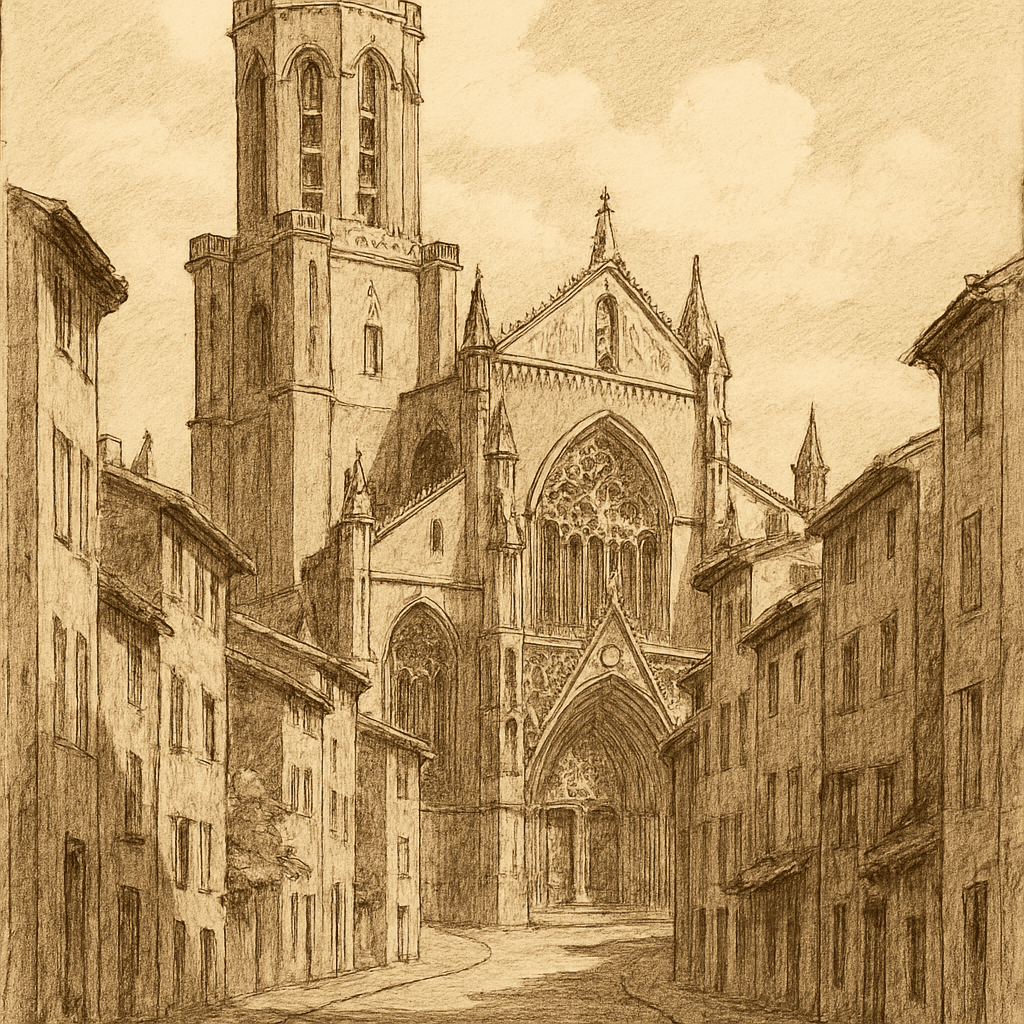
Architecture and Building Styles: A Mirror of the Centuries
The Cathédrale St-Sauveur impresses with its diverse architectural styles. It displays an exceptional blend of Romanesque, Gothic, and Baroque elements. This interplay makes it unique in Europe.
Every architectural style reflects the era in which it originated. Romanesque round arches and massive structures suggest the strength of past times. They embody steadfastness and tradition.
The cathedral's Gothic architecture is equally remarkable. Here, pointed arches and delicate ornamentation dominate. These elements exude elegance and grandeur, typical of their era.
During the Baroque period, additional decorative details were added. These artistic subtleties lend the cathedral a special splendor. They complement the earlier simplicity with opulent beauty.
A walk through the cathedral is a journey through the ages. Each part reveals different architectural subtleties. The diversity offers the viewer a rich visual experience.
Architectural Highlights:
- Romanesque Baptistery
- Gothic nave
- Baroque side chapels
This heritage makes the Cathédrale St-Sauveur a must-see. It is a living museum of architectural history. Visitors are invited to explore and admire its impressive architecture.
by Sona Petrossian (https://unsplash.com/@soloca)
The facade and the main portal
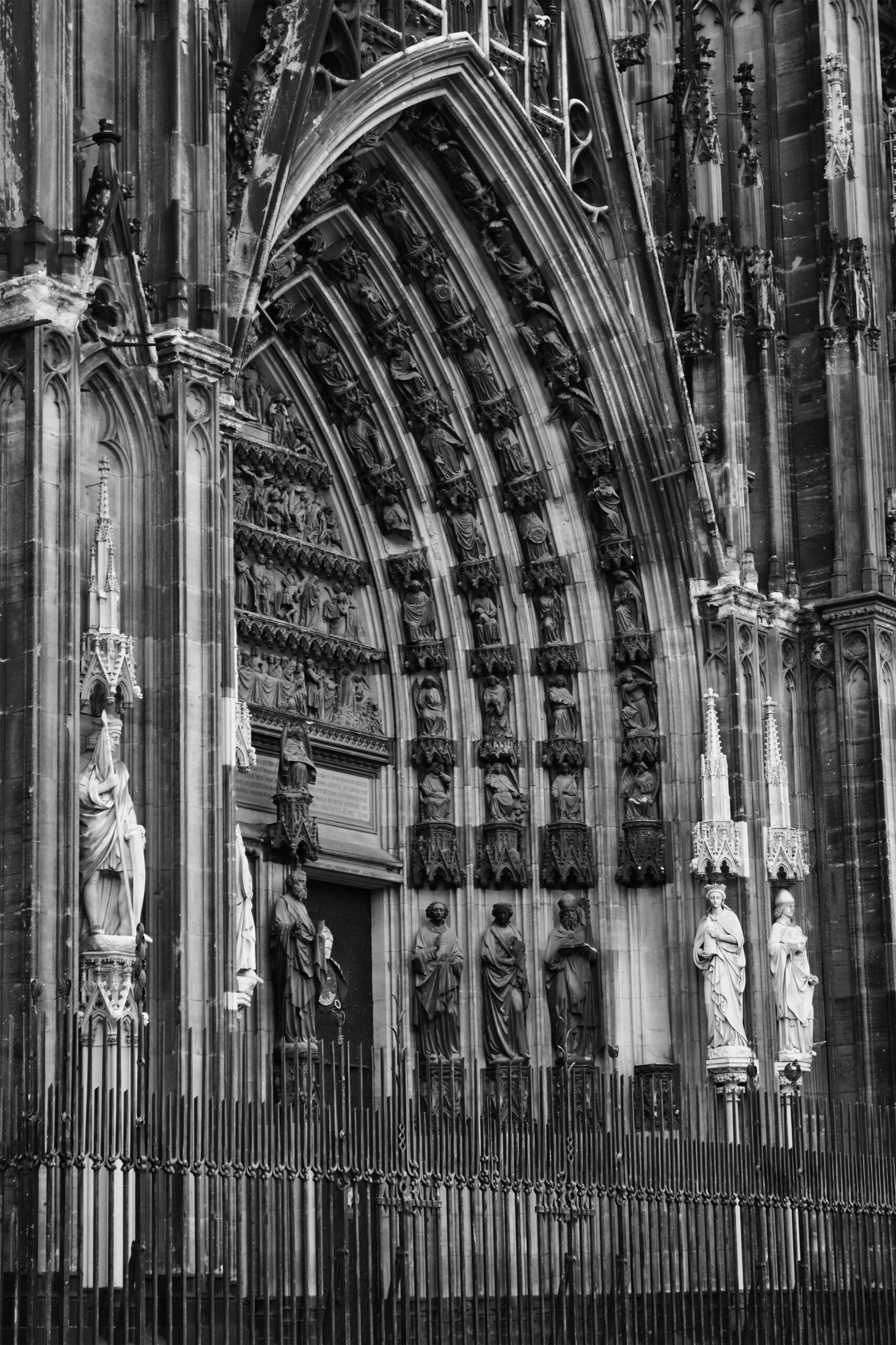
The facade of Cathédrale St-Sauveur is a masterpiece of Gothic architecture. It rises majestically and draws all eyes. Its intricate details tell of craftsmanship.
Impressive sculptures adorn the facade and are rich in symbolism. They depict scenes from the Bible that encourage contemplation. These figures are not only decorative but also educational.
The main portal is a central focal point of the cathedral. Its imposing doors invite visitors to discover the inner beauty of the church. The carved decorations are a testament to the artistic competence of the era.
Visitors can linger here for hours, admiring the details. The facade provides a first impression of the richness of art and history that the cathedral conceals. Every visit is worthwhile for the curious and art lovers.
The Interior of the Cathedral: Art and Spirituality
Upon entering Cathédrale St-Sauveur, a world of art and spirituality unfolds. The atmosphere is both sublime and contemplative.
The high vaults draw the gaze upward toward heavenly heights. They create space for reflection and prayer. The architecture itself invites contemplation.
Inside, you'll discover numerous art treasures. Impressive paintings and sculptures adorn the walls. Each room tells its own story.
Among the most significant works of art is the triptych of the Burning Bush. This painting attracts many art lovers. It is a poignant example of religious painting.
The stained glass windows of the cathedral are another highlight. They bathe the room in colorful light. They unfold their full splendor especially when the sun shines.
Significant works of art inside:
- Triptych of the Burning Bush
- Gothic sculptures
- artful stained glass windows
The spiritual significance of the cathedral is palpable. Here, past and present meet in harmonious accord. Visitors often find peace and inspiration.
The Baptistery: A Relic from Early Times
The baptistery of St-Sauveur Cathedral is a fascinating relic. It dates back to the 6th century, making it one of the oldest parts of the cathedral.
The room exudes an impressive simplicity. Plain walls and simple decorations highlight its original character. It is reminiscent of early Christian times and their architectural austerity.
For centuries, believers have been baptized here. This chapel served as a spiritual source and landmark of faith. It is a symbol of new beginnings and confessions of faith.
The simple elegance gives the chapel a special charm. It is precisely this authenticity that impresses many visitors and historians. The baptistery is a testament to early Christian history.

by Wolfgang Weiser (https://unsplash.com/@hamburgmeinefreundin)
The Cloister: Tranquility and Romanesque Beauty
The cloister of Cathédrale St-Sauveur is a peaceful retreat. It offers visitors a place for reflection away from city life.
Its architecture captivates with Romanesque elegance. With rows of columns and embellishments, it reflects an art that has endured for centuries. The craftsmanship is impressive.
The quiet atmosphere of the cloister attracts many people. Here, visitors can enjoy the silence and let the history sink in. It is an ideal place for spiritual reflection.
Many find the cloister an oasis of tranquility. The harmony between stone and nature is palpable. Special moments of reflection are almost guaranteed here.

by Ben Kupke (https://unsplash.com/@benkupke)
The Organ and Musical Traditions
The organ in Cathédrale St-Sauveur is an impressive instrument. It fills the space with majestic sounds and elevates ceremonies to a special experience.
Regular organ concerts take place here. They attract music lovers from near and far. The tradition dates back centuries and is an integral part of cultural life.
The musical performances are an expression of the cathedral's rich heritage. They offer an opportunity to experience the spiritual atmosphere through music and to admire the sonic splendor of the instrument.
by Matthijs van Heerikhuize (https://unsplash.com/@heerikhuize)
Significant artworks and stained glass windows
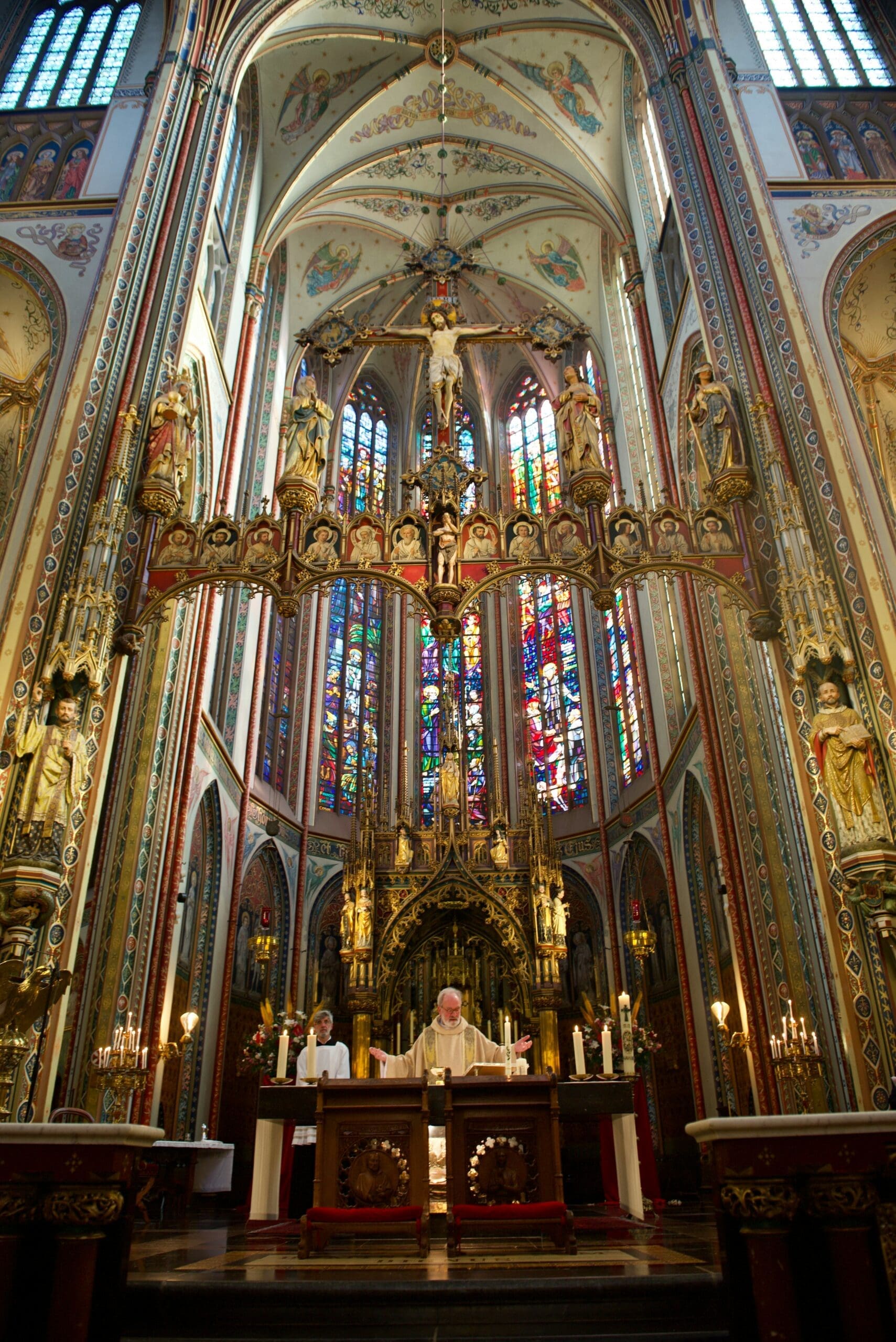
St-Sauveur Cathedral houses numerous works of art of great importance. Visitors can enjoy the diversity and beauty of the works.
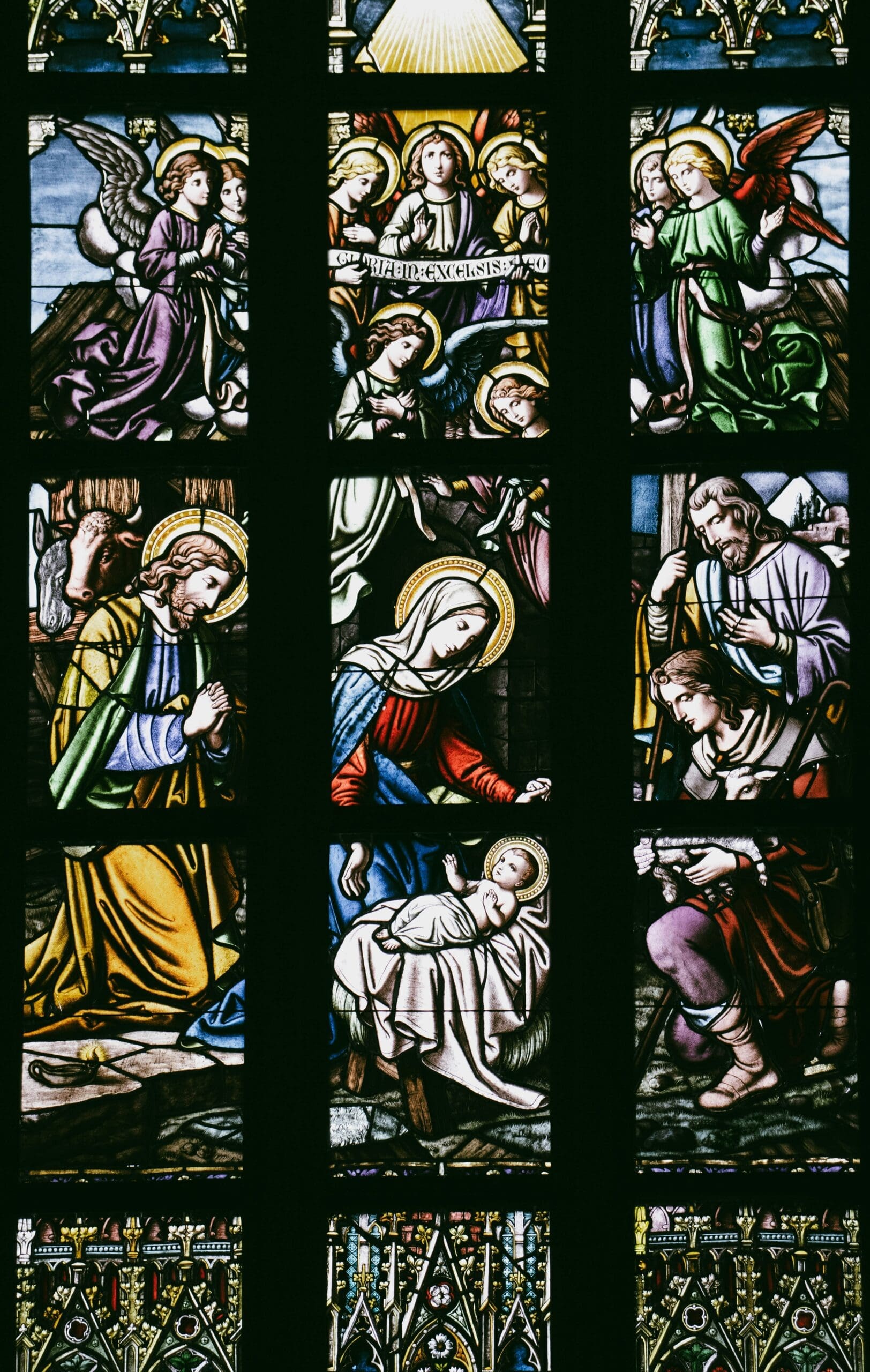
The cathedral's stained glass windows are particularly impressive. They cast colorful plays of light on the interior and create a sublime atmosphere.
Among the most significant artworks is the Burning Bush triptych. It attracts many art lovers and is a testament to masterful craftsmanship.
Other notable artworks in the cathedral include:
- Sculptures flanking the entrance
- Religious paintings in the chapels
- Ornate altars and choir stalls
by Andrey Volk (https://unsplash.com/@a_al_volk)
The Role of the Cathedral in the History of Aix-en-Provence
The Cathédrale Saint-Sauveur is closely linked to the development of Aix-en-Provence. It played a central role in the religious and cultural history of the city.
Over the centuries, the cathedral has been an important center for church and community. It has been a place for important religious events and ceremonies.
Today, the cathedral symbolizes the cultural heritage of Aix-en-Provence. It stands as a testament to past times and is a place of contemplation and faith.
Practical Information for Visitors
Cathédrale St-Sauveur is open year-round. Visitors can both explore the interior and admire the impressive architecture.
Admission times may vary seasonally, so it is recommended to check in advance. Admission is generally free, but donations are welcome.
Important information for visitors:
- Opening hours: Open daily
- Admission: Free, donations welcome
- Location: In the heart of Aix-en-Provence
Tips for visiting and guided tours
Visiting the Cathédrale St-Sauveur can be enriched by a guided tour. The tours offer in-depth insights into the history and architecture.
It is recommended to come early in the day to avoid crowds. Tours are available in multiple languages and can be booked in advance.
Tips for your visit:
- Arrive early to enjoy the quiet
- Book a guided tour
- Check opening hours in advance
A visit is worthwhile at any time of year. Remember to wear appropriate clothing in the cathedral.
Conclusion: A must-see for every visitor to Aix-en-Provence
The Cathedral of St. Savior is far more than just a historical monument. It stands as a symbol of the region's cultural and spiritual identity. Visitors experience an impressive connection of history, architecture, and art here.
A stay in Aix-en-Provence is incomplete without a visit to this iconic cathedral. Its diverse architectural styles offer unique insights into centuries of European building history.
Whether you are a creditor, history buff, or architecture enthusiast, the Cathédrale St-Sauveur is an essential part of your journey. It will give you experiences that will resonate. Visit it and be inspired!