
The Unterlinden Museum in Colmar is a true cultural gem. It attracts art lovers and history enthusiasts from all over the world. This museum offers a fascinating journey through European art history.
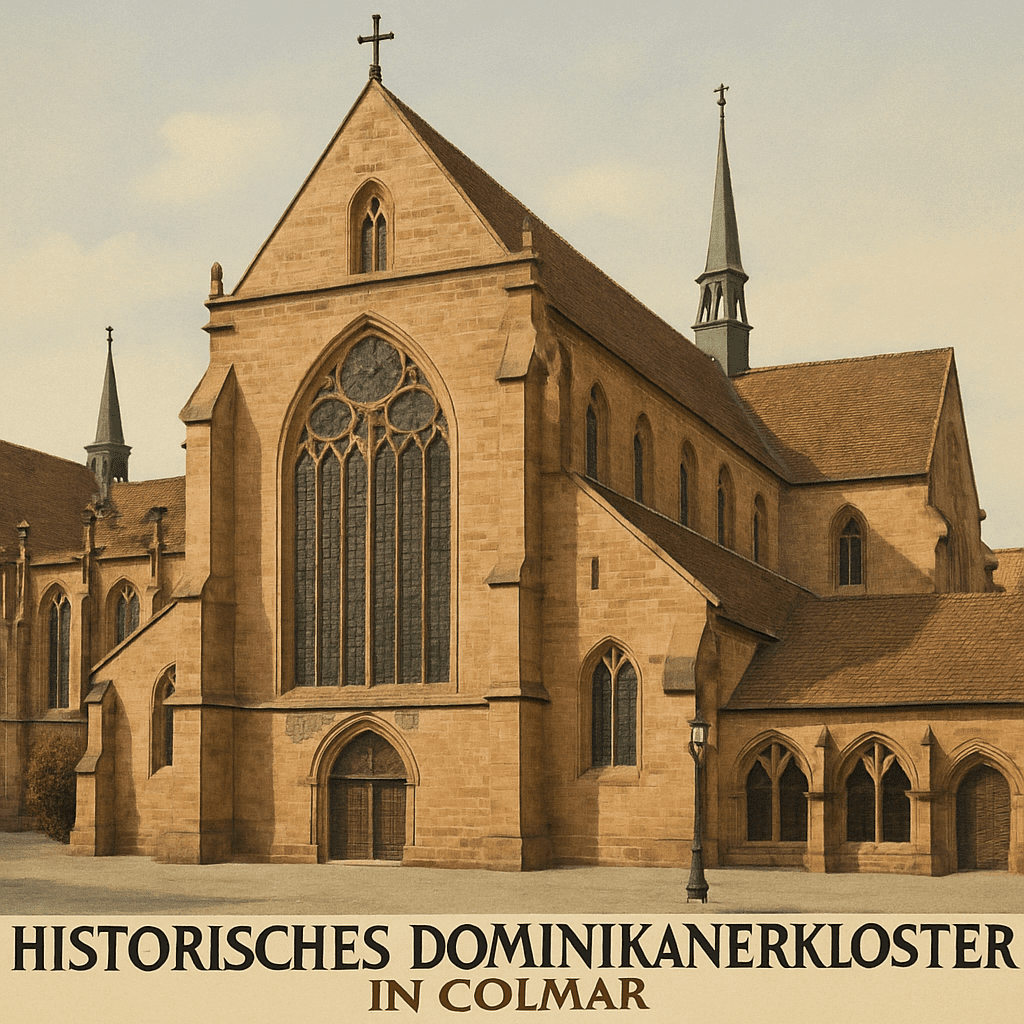
Located in the heart of Colmar, the museum is easily accessible. It is housed in a former 13th-century Dominican monastery. This historic setting lends the museum a special charm.
The Unterlinden Museum is known for its impressive collection. It houses artworks from various eras, from antiquity to modern times. The famous Isenheim Altarpiece by Matthias Grünewald is the centerpiece of the collection.
In addition to medieval and Renaissance art, the museum also offers modern and contemporary works. The diversity of the displayed artworks is impressive. Visitors can experience the evolution of art throughout the centuries.
The museum was comprehensively renovated and expanded in 2015. The renovation was carried out by the renowned architectural firm Herzog & de Meuron. The architecture harmoniously combines historical and modern elements.
The Unterlinden Museum is more than just an art museum. It is a place of inspiration and learning. Visitors can take guided tours and learn more about the exhibited works.
The museum also offers special programs for children and families. There are interactive exhibits and workshops that are particularly interesting for younger visitors. The Unterlinden Museum is a lively place that constantly offers new exhibitions and programs.
The Unterlinden Museum in Colmar: An Overview
The Unterlinden Museum in Colmar is one of the most important museums in France outside of Paris. Its unique location in a former convent creates a special atmosphere. This historic setting enhances the cultural experience.
The museum's collections are diverse and span several centuries. Visitors can discover works from antiquity to the modern era. The exhibition impressively showcases the development of art.
A highlight is the collection of medieval and Renaissance art. Modern and contemporary artworks are also on display. This diversity makes the museum a must-see for art lovers.
The museum is divided into various departments:
- Medieval and Renaissance Art
- Modern and Contemporary Art
- Archaeological finds
- Decorative Art and Folk Art
Another plus point is the well-designed exhibitions. They allow visitors to experience artworks in a historical context. This makes the museum a place of discovery and inspiration.
In addition to the art, the Unterlinden Museum also offers a beautiful courtyard. It invites visitors to linger and complements the cultural experience. A café and a museum shop provide further amenities for visitors.
The history of the museum and its architecture
The Unterlinden Museum boasts a long and fascinating history. It is housed in a former Dominican convent dating back to the 13th century. This historical setting lends the museum a special charm.

by Wolfgang Weiser (https://unsplash.com/@hamburgmeinefreundin)
Originally, the monastery was a religious retreat. Over the centuries, it transformed into a place for art preservation. This transformation reflects the region's cultural change.
The monastery building itself is a remarkable example of Gothic architecture. The thick stone walls and high vaults exude a sublime tranquility. They are reminiscent of the spiritual past of the place.
In 1853, the building opened as a museum. It began with a collection of regional artworks. Since then, the museum has steadily expanded its collection and gained international significance.
A significant renovation took place in 2015. The renowned architecture firm Herzog & de Meuron led the modernization. The renovation skillfully blends historical and modern elements without losing the original flair.
The new architecture blends harmoniously with the historical structures. This successful combination makes the museum an architectural masterpiece. It is not only a temple of art but also an architectural gem.
The Isenheim Altarpiece: The Centerpiece of the Collection
The famous Isenheim Altarpiece is undoubtedly the centerpiece of the Unterlinden Museum. This masterpiece by Matthias Grünewald attracts visitors from all over the world. The altarpiece impresses with its powerful expressiveness and rich symbolism.
The altar was originally created for the Antonine convent in Isenheim. It was intended to bring comfort to suffering patients. With its dramatic depiction of suffering and salvation, it still fulfills this role today.
Multiple panels and scenes make the altarpiece a complex work of art. They depict well-known biblical scenes, including the Crucifixion and Resurrection. Each panel is a masterpiece in itself.
The main features of the altar:
- Grünewald's impressive painting techniqueLively colors and dynamic figures.
- Possibility of transformationThe altar can be opened and closed to show different scenes.
- Diverse symbolic messagesEvery figure and every color has a deeper meaning.
Visitors are often overwhelmed by the emotional intensity of the altar. The somber beauty of Grünewald's paintings remains unforgettable. His ability to depict the human experience in all its complexity is remarkable.
The Isenheim Altarpiece is also an important historical document. It reflects the religious practices and artistic innovations of its time. Its state of preservation attests to careful maintenance over centuries.
This collection at the Unterlinden Museum invites reflection. It encourages visitors to ponder the significance of art and spirituality. The altarpiece remains a shining example of art's power.
Further highlights: Middle Ages, Renaissance, and Modern Era
The Unterlinden Museum in Colmar offers more than just the Isenheim Altar. Its collection includes works from the Middle Ages, the Renaissance, and modern art. Each artwork tells its own story and provides insight into past eras.
by Snap Wander (https://unsplash.com/@passimage)
The medieval collection is particularly impressive. It features sculptures and paintings that reflect the spiritual and artistic depth of their time. These works attract visitors interested in the Middle Ages.
The Renaissance department displays works of European significance. These artworks show the transition to new perspectives and techniques. They illustrate the spirit of rebirth and discovery.
Highlights of the collection:
- Medieval SculpturesExpression of religious devotion and artistic craftsmanship.
- Renaissance paintingInnovation in form and color, typical of this era.
- Modern artworksVariety of styles that illustrate the development of art in the 19th and 20th centuries.
The modern art in the museum showcases the artistic changes of the past centuries. This section includes works from both well-known and emerging artists. It offers insights into the ever-changing art world.
The diversity of artworks at the Unterlinden Museum offers a rich experience. Visitors can experience art across eras and styles and closely follow the development of art history. The collection is an inspiring guide through the centuries.
Modern expansion and innovative architecture
The Unterlinden Museum in Colmar underwent an impressive transformation in 2015. The renovation was led by the renowned architects Herzog & de Meuron. They combined historical and modern elements to expand and enrich the museum space.
The expansion provides space for new exhibition rooms and public areas. These adjustments allow for more flexible use of the museum. Visitors can now enjoy a wider selection of artworks.
The innovative architecture creates a seamless connection between old and new. Glass transitions and open spaces enhance the visitor experience. Light-filled galleries provide an open and inviting atmosphere.
Herzog & de Meuron created an architectural masterpiece that combines tradition and modernity. The new design enhances the museum's appeal and functionality. It shows how modern architecture can honor the heritage of the past.
Practical Information for Visitors
A visit to the Unterlinden Museum in Colmar is both simple and enriching. The museum is centrally located in the city and is easily accessible by public transport. Visitors can reach it with a short walk from Colmar's main train station.

by Andreas Weilguny (https://unsplash.com/@aweilguny)
The museum is open daily, with the exception of certain holidays. The opening hours offer flexibility for visitors planning their stay in Colmar. The admission price is moderate, and there are discounts for certain groups of people, such as students and seniors.
For those who want to learn more about the exhibited works, audio guides are available in several languages. This provision helps to make the museum visit informative and accessible. Information brochures are also useful for initial orientation.
The museum features a welcoming café and a museum shop. Both offer ideal opportunities for breaks and souvenir shopping. The museum's courtyard is a peaceful place to enjoy the beauty of the surroundings.
Visitors can choose from various tours to explore the museum. Whether a guided tour or an individual walk-through, the variety allows for individual preferences. The museum is accessible for people with disabilities, thus enabling access for everyone.
Offers for families, children, and groups
The Unterlinden Museum in Colmar is ideal for family visits. It offers special programs that are both educational and entertaining. Children are introduced to a world of art that inspires discovery and fun.
For schools and groups, there are customized tours. These tours adapt to different age groups and interests. They offer an engaging way to experience art and history.
The museum offers workshops that promote creativity and learning. Families can participate in activities together that spark the imagination. These experiences are a great way to discover art in an interactive way.
For special interests, there are exclusive guided tours. They offer a deeper insight into the museum's diverse collections. These tours can be booked in advance.
- Workshops and family programs
- Customized tours for schools
- Exclusive Group Tours
- Interactive Activities for Children and Families
Events, Workshops, and temporary exhibitions
The Unterlinden Museum is a vibrant cultural center with a diverse program. Regular events liven up the cultural scene in Colmar. Concerts and lectures broaden visitors' cultural understanding.
Exciting workshops offer creative opportunities to experience art and get hands-on. These workshops are designed for all age groups. They provide a unique chance to directly try out techniques and art styles.
Temporary exhibitions bring a breath of fresh air to the museum. They present new perspectives on art and culture. Visitors can therefore discover new treasures time and time again.
- Regular Events
- Creative Workshops
- Temporary Exhibitions
Tips for the perfect museum visit in Colmar
To make the most of your museum visit in Colmar, it's advisable to keep a few practical tips in mind. Arriving early will help you avoid crowds and enjoy the artworks at your leisure.
Take your time exploring the museum and its impressive collections. Plan in advance which exhibitions interest you most.
Here are some useful tips:
- Arrive early
- Book tours
- Schedule breaks
These tips will make your visit an unforgettable cultural experience.
Conclusion: A cultural gem in Alsace
The Unterlinden Museum in Colmar is an essential destination for any art and culture enthusiast. Its blend of ancient and modern art fascinates visitors from all over the world.
The museum offers not only an impressive collection of artworks but also a rich history and a unique architectural experience. The innovative design of the spaces creates a connection between past and present.
A visit to the Unterlinden Museum is more than just a tour – it's a cultural journey through time. The museum is a symbol of Alsace's creative energy and a place of discovery.