
The Louvre Museum is a place full of secrets and wonders. It is the largest art museum in the world and attracts millions of visitors annually. Located in the heart of Paris, it is a must-see for any art lover or history buff.
Originally built as a royal palace, the Louvre Museum has a rich history. It opened as a museum in 1793 during the French Revolution. Today, it houses over 380,000 objects, including some of the world's most famous works of art.
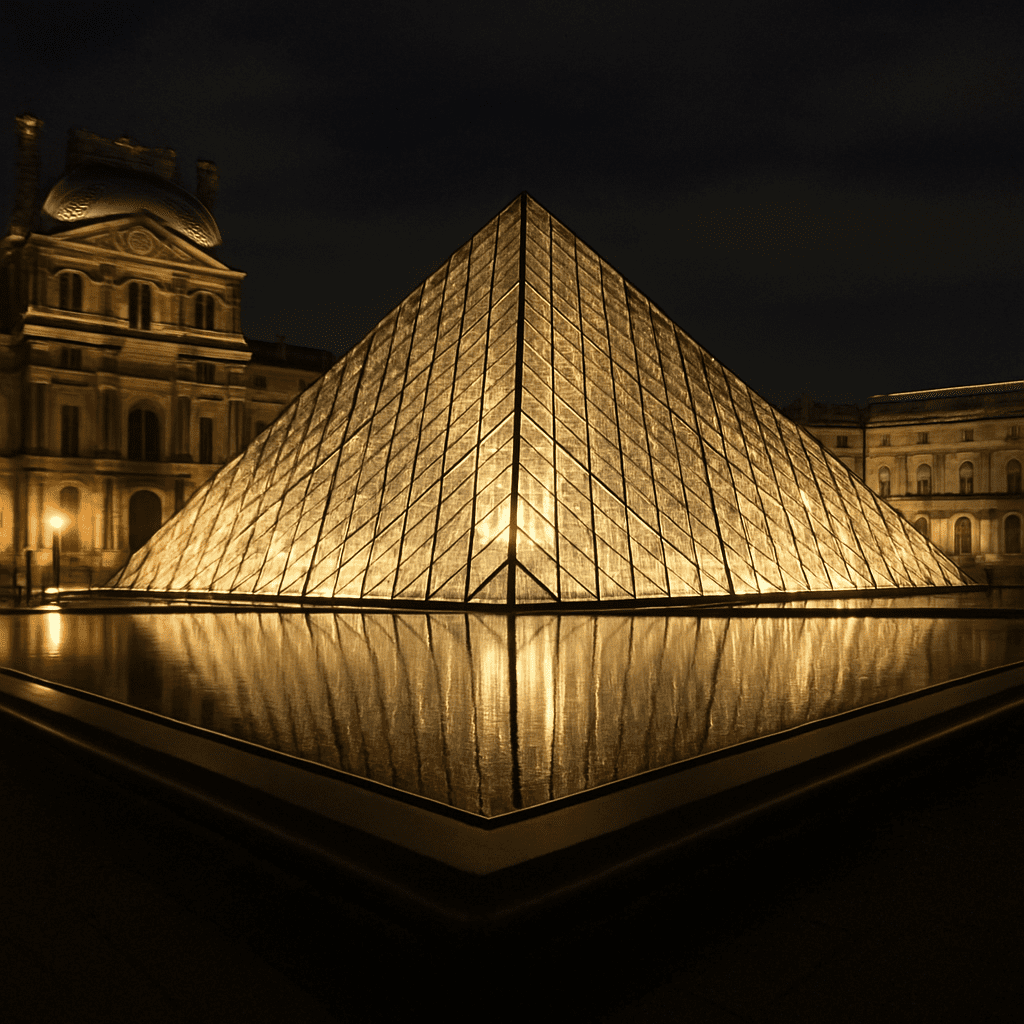
The iconic glass pyramid at the entrance, designed by I. M. Pei, is a modern landmark. It connects the historic architecture of the palace with the contemporary world. This blend of old and new makes the Louvre a unique experience.
A visit to the Louvre can be overwhelming, but with the right tips, it will be unforgettable. The Louvre Museum Pass allows for skip-the-line entry. Tickets can also be purchased online in advance to avoid long waits.
The museum is divided into eight departments, ranging from Egyptian antiquities to Islamic art. The collections cover art and artifacts from antiquity to the 19th century. There is so much to discover that a single visit is often not enough.
Whether you want to see Leonardo da Vinci's Mona Lisa or the Venus de Milo, the Louvre has something for everyone. It is a place of discovery, education, and inspiration. A visit to the Louvre Museum is more than just a trip to the past; it is a journey into the world of art and culture.
The Louvre Museum at a Glance: History and Architecture
The Louvre Museum is a testament to France's rich history. Originally built as a fortress in the 12th century, it later served as a royal palace. Its transformation into a public museum occurred in 1793, during the turmoil of the French Revolution. This evolution reflects the changing significance of the building within French society.
The architecture of the Louvre unites various stylistic periods. Medieval structures meet Renaissance expansions and Baroque decorations. This architectural diversity makes the Louvre a fascinating subject of study. The integration of modernist elements is also remarkable. The iconic glass pyramid, designed by I. M. Pei in 1989, stands as a symbol of the dialogue between past and present.
The Louvre's role as a palace ended with the Revolution, but its importance as a cultural site continues to grow. In the 19th century, additional wings were added and extensive renovations were carried out. Its development reflects efforts to make art and culture accessible to a broad public.
Today, the Louvre building covers an area of over 72,000 square meters. The permanent collections are housed in three main wings: Denon, Richelieu, and Sully. Each wing offers a unique perspective on art history. This vast space allows for a diverse and in-depth exploration of various art forms and eras.
The Louvre's aim has always been to create a universal collection representing art and artifacts from all over the world. This approach has made it a center for international cultural exchange. Partnerships with international museums and regular acquisitions continuously expand the collection.
Overview of the Architectural Elements of the Louvre:
- Medieval fortress Originating from the 12th century.
- Royal Palace Transformation during the Renaissance.
- Baroque Additions: Extensions during the 17th century.
- Modern Architecture: Glass pyramid as a central element.
- Three main wings: Denon, Richelieu, and Sully for permanent exhibitions.
This multifaceted architecture of the Louvre Museum makes it one of the most significant sights in the world. It is a place that showcases not only art, but also history and architecture in its most complex form. The Louvre is a living museum that is constantly evolving and reflecting.
The most famous artworks in the Louvre
The Louvre is home to many famous works of art that attract visitors from all over the world. Foremost among them is Leonardo da Vinci's Mona Lisa, a masterpiece of the Renaissance. Her enigmatic smile captivates and sparks endless discussions among art lovers and visitors alike. The painting is a focal point of the museum, drawing crowds daily.
Another icon in the Louvre is the Venus de Milo. This ancient Greek sculpture depicts Aphrodite, the goddess of love and beauty. Her graceful form and mysterious origins make her a highlight of the collection. The sculpture demonstrates the influence of ancient Greek art on later European styles.
Another jewel in the Louvre is Liberty Leading the People by Eugène Delacroix. This painting reflects the revolutionary ideals of France and is a powerful symbol of the struggle for freedom. With its dynamic composition and vibrant colors, it impresses viewers and remains unforgettable.
In addition to paintings and sculptures, the Louvre also houses remarkable artifacts such as the Code of Hammurabi. This Babylonian stele is one of the oldest known legal documents. It offers valuable insights into ancient life and jurisprudence. The code is a historical and cultural document of immeasurable value.
Another significant work is *The Coronation of Napoleon* by Jacques-Louis David. This monumental painting depicts the pomp and ceremony of Napoleon's coronation in the 19th century. The attention to detail and the display of power politics make it a compelling glimpse into history.
Michelangelo's Slave Awakening can also be found in the Louvre's collection. This sculpture conveys human emotions and the artist's mastery of sculpture. Its moving depiction of rest and vitality is both impressive and poignant.
Some of the most famous artworks in the Louvre include:
- Mona Lisa by Leonardo da Vinci
- Venus de Milo, a Greek sculpture
- Liberty Leading the People by Eugène Delacroix
- The Code of Hammurabi, an ancient Babylonian legal document
- The Coronation of Napoleon by Jacques-Louis David
- Slave in death sleep by Michelangelo
With these remarkable works, the Louvre impressively asserts its status as the world's leading art museum. Each of these pieces tells its own story and contributes to the rich tapestry of art appreciation. Visitors can spend hours exploring the details and history behind each artwork, continuously keeping the fascination for the Louvre alive.
The Collections and Departments: A Tour of the Louvre
The Louvre, the world's largest art museum, houses impressive collections spanning millennia. These collections are divided into eight main departments, each offering its own fascinating history and special artifacts. From Egyptian antiquities to Islamic art, every art lover will find something to excite them here.
A special highlight is the Egyptian Antiquities Department. This collection showcases artifacts from the time of the pharaohs to the Roman rule over Egypt. Visitors can admire ancient sculptures, jewelry, and mummies here. These artifacts offer insights into the culture and religious practices of ancient Egypt.
The Department of Greek, Etruscan, and Roman Antiquities is also of particular interest. Here you can find the famous Venus de Milo and the Winged Victory of Samothrace. These collections showcase the achievements of classical antiquity in all aspects of art, architecture, and civilization. The ancient sculptures demonstrate the skill and creativity of the artists of that time.
The Department of Islamic Art at the Louvre is unique, featuring artifacts from the Middle East, North Africa, and Spain. This collection reflects the diversity and richness of Islamic cultures. Visitors can admire intricately decorated calligraphies, ceramics, and glassware that showcase the technological and artistic innovation of the Islamic world.
One of the Louvre's most extensive collections is dedicated to its painting department. From the Italian Renaissance to 19th-century French masterpieces, the collection offers a panorama of Western painting tradition. The Mona Lisa hangs here, but there are many other masterpieces to discover, such as works by Rembrandt and Vermeer.
The Louvre also houses an impressive sculpture department. It spans two buildings and includes works from the Gothic period to the 19th century. Here, you can find works by Michelangelo and other masters that showcase the evolution of sculpture over centuries. Each sculpture tells its own story and reflects the craftsmanship of the sculptors.
The eight main departments of the Louvre include:
- Egyptian AntiquitiesArtifacts from different phases of ancient Egypt.
- Greek, Etruscan, and Roman AntiquitiesClassical sculptures and artifacts.
- Islamic artTreasures from Islamic cultures worldwide.
- PaintingWorks from the Renaissance to the 19th century.
- SculpturesSculptures from the Middle Ages to the Modern Era.
- Art objectsDecorative art pieces from various eras.
- Graphic ArtsDrawings and prints by well-known artists.
- Oriental AntiquesArtifacts from the Middle East and Asia.
A tour through these departments offers not only a journey through art history but also an opportunity to better understand different cultures. The Louvre is a testament to human creativity and offers a rich palette of experiences that can inspire and captivate every visitor.
Practical Tips for Your Visit: Tickets, Louvre Museum Pass & Opening Hours
Visiting the Louvre Museum requires some planning to make the experience optimal. Key aspects include acquiring tickets and understanding opening hours.
Tickets for the Louvre Museum can be conveniently purchased online in advance. This saves time and guarantees entry on your desired day. Tickets sell out quickly, especially during peak season. It is advisable to plan ahead and secure your tickets before your trip.
With the Louvre Museum Pass, you can enjoy skip-the-line admission. This pass is particularly useful as it also grants access to other museums and attractions in Paris. Available in two- to six-day options, it's ideal for culture enthusiasts planning to visit multiple cultural sites in a short amount of time.
The Louvre's regular opening hours are from 9:00 AM to 6:00 PM, except on Tuesdays when the museum is closed. To avoid crowds, it is advisable to visit in the early morning or late afternoon. On certain evenings, the museum stays open later, allowing for a more tranquil experience exploring the artworks.
Special discounts for admission to the Louvre Museum are available for students, seniors, and the unemployed. These discounts are a great way to make access to world art history easier. It is worth having the necessary documents ready to take advantage of these benefits.
The museum also offers a variety of special guided tours. Audioguides in multiple languages are available to enhance the experience. These tours offer a different perspective on the exhibited works and often lead to hidden treasures.
Navigating the Louvre can be a challenge, but free maps and the official Louvre app can help. These resources are especially useful for quickly finding your way through the museum's vast wings and reaching your desired departments.
Useful tips for your Louvre visit:
- Buy tickets onlineAvoid long queues.
- Use the Louvre Museum PassFor several sights in Paris.
- Plan an early arrivalAvoid crowds.
- Take advantage of special discountsDiscounts for students and seniors.
- Audioguides and Guided ToursDeeper insights into the collections.
- Using digital resourcesUse maps and the app.
- Flexibility in timesTake advantage of evening openings to explore at your leisure.
These practical tips ensure a pleasant and stress-free museum experience. They help you make the most of your day at the Louvre and focus on the art and history that the world-renowned museum has to offer.
The best routes and highlights for first-time visitors
A visit to the Louvre Museum can be overwhelming, especially for first-time visitors. With over 72,000 square meters of exhibition space, careful planning is necessary to see the highlights.
For first-time visitors, it is advisable to focus on the most famous works of art. Begin your tour in the Denon Wing, where the Mona Lisa awaits you. This painting attracts many visitors, so it is worth seeing it early. The surrounding works by Italian masters offer an inspiring introduction to the collection.
The next stop should be the Venus de Milo in the Sully Wing. This iconic sculpture of Greek antiquity is a must-see. It offers a fascinating glimpse into classical art and captivates visitors with its timeless beauty.
If you continue, don't miss the Galerie d’Apollon in the same wing. This magnificent gallery houses the French Crown Jewels. Its ornate ceiling and luxurious ambiance are an impressive testament to French splendor.
Another highlight is the Nike of Samothrace, which is displayed in the Richelieu wing. This impressive sculpture overlooks the grand staircase and embodies power and movement. Its dramatic presentation makes it a visual spectacle.
For a balanced viewing experience, visit the Médicis Gallery. It displays a series of 24 paintings by Rubens depicting the life of Maria de' Medici. The paintings are magnificent and full of dramatic scenes from the life of this impressive queen.
To complete your tour, finish with the Egyptian Antiquities. Located in the Denon Wing, this section features fascinating artifacts, including mummies and ancient Egyptian art. This collection offers a deeper understanding of the history and culture of this ancient civilization.
Must-See Artworks and Routes
- Mona Lisa: Located in the Denon wing.
- Venus de MiloAdmire in the Sully Wing.
- Gallery of ApolloWith the French Crown Jewels.
- Winged Victory of SamothraceIt is exhibited in the Richelieu wing.
- Medici GalleryRubens‘ painting of Mary de' Medici.
- Egyptian AntiquitiesDiscover mummies and artifacts in the Denon Wing.
This route is ideal for covering the highlights of the Louvre in a single visit, giving you a comprehensive impression of the incredible diversity and importance of its collections.
Tours, audio guides, and digital offerings
The Louvre Museum offers a variety of ways to provide visitors with deeper knowledge and a unique experience. Guided tours are an excellent way to explore the museum with expert accompaniment. They are led by experienced art historians who explain the history and significance of the works. These tours offer a valuable perspective and help to unlock the richness of the collection.
Alternatively, audio guides offer a flexible option for individual visitors. These devices are available in multiple languages and cover the main artworks. Equipped with maps, audio guides lead visitors through the different wings and departments. They offer the freedom to set your own pace while providing informative explanations of artworks.
For tech-savvy visitors, there are digital offerings and virtual tours. The Louvre app is a powerful tool for interactively exploring the collections. It contains exclusive content, including videos and detailed background stories about famous works of art. The app can also be used as an interactive catalog, enhancing the learning process when visiting the museum.
Digital Experiences at the Louvre:
- Guided toursWith art historians through the museum.
- Audio guidesFlexible exploration with audio support.
- Louvre AppInteractive experiences and exclusive content.
- Virtual ToursExplore the collections from home.
- Interactive MapsNavigation assistance for your museum visit.
These offers greatly enrich the visitor experience and provide deeper insights into the artworks and their historical context. They are ideal for getting the most out of a visit to the Louvre and allow artworks to be viewed from different perspectives.
Families, Accessibility, and Special Programs
The Louvre Museum is an exciting destination not only for art lovers but also for families. Children can enjoy special programs designed for their age groups. These programs include workshops that spark the curiosity of the youngest ones with creative activities and engaging stories. Playful discoveries throughout the museum help foster an interest in art and history from a young age.
For visitors with special needs, the Louvre Museum offers a comprehensively accessible experience. There are numerous access options for wheelchair users and specialized tours for visitors with visual and hearing impairments. Audio guides with induction loops and tactile experiences are available. The staff is trained to support all visitors, ensuring that everyone can enjoy the artworks regardless of their physical abilities.
Special programs and events further contribute to the Louvre's diversity. There are regular workshops for aspiring artists and specialized tours that offer insights into areas not normally accessible. These events attract visitors who not only want to admire artworks but also want to engage in artistic activities themselves. Such programs foster creative exchange and provide an opportunity to experience art more deeply.
Special Offers at the Louvre:
- Family programsCreative workshops and interactive tours for children.
- AccessibilityAccess, specialized tours, and support for all needs.
- Artistic WorkshopsFor aspiring and experienced artists.
- Exclusive ToursInsights into special and normally inaccessible areas.
- Promoting creative exchangePrograms for art and cultural experiences.
These special offers and initiatives make the Louvre Museum a place that is open to all visitors and offers the opportunity to experience art and culture in diverse ways. Whether young or old, with or without special needs – the Louvre welcomes everyone who wishes to be inspired.
Cafés, Restaurants, and Services at the Louvre
In addition to its impressive art, the Louvre Museum offers a variety of cafés and restaurants that invite visitors to linger. These places offer more than just a break from enjoying art. Visitors can indulge in a diverse culinary selection, ranging from quick snacks to fine dining menus. In stylish spaces, often artistically designed themselves, every visit becomes a double experience of art and cuisine. Some of these establishments also offer wonderful views of Parisian landmarks, further enhancing the enjoyment.
The service offerings at the Louvre Museum are extensive and designed to make visitors' stays as pleasant as possible. From practical amenities like a cloakroom and a visitor center to information desks that assist with questions or problems, the Louvre ensures that a visit is not only inspiring but also comfortable. Additionally, audio and video guides are available in multiple languages to make individual tours an informative experience.
The Louvre Museum also offers special services that further enrich the visit. These include high-quality gift shops where visitors can purchase art books and replicas of famous works. These small mementos allow visitors to take a piece of the impressive collection home with them and keep the treasures of the Louvre Museum in their memory for longer. With these services, the Louvre demonstrates that it is not only a place of wonder, but also of comfort and enjoyment.
Offers at the Louvre:
- Diversity of GastronomyCafés and restaurants for every taste, from snacks to fine dining.
- FacilitiesCloakrooms, visitor center, and multilingual guided tour media for visitor comfort.
- Souvenir ShopsArt books, replicas, and unique souvenirs from your museum visit.
These elements make visiting the Louvre not only an artistic but also a culturally enriching experience. Whether you're taking a break at the cafe, finding assistance in the museum's services, or selecting a special souvenir, the Louvre offers numerous ways to make your day in Paris unforgettable.
Events, Special Exhibitions, and Memberships
The Louvre is known not only for its permanent collections but also for its exciting special exhibitions. These exhibitions offer deeper insights into various artistic periods and themes. They often feature rare pieces or loans from other renowned institutions worldwide. Visitors have the opportunity to discover new perspectives on familiar subjects. These rotating exhibitions bring dynamism to the museum and attract repeat visitors.
The Louvre Museum also hosts a variety of events that further enhance the artistic experience. From lectures and workshops to evening concerts, the museum's event calendar is designed to be diverse. These events offer visitors the opportunity to actively engage with art and culture and discuss their significance in the modern world. Such events enrich the artistic offerings and allow for a deeper, interactive approach to art history.
A special offer from the Louvre is its memberships, which hold a variety of benefits for art lovers. Members not only receive unlimited access to the collections and exhibitions but also exclusive invitations to previews and special events. These memberships foster a sense of belonging to the global art community. Through exclusive insights and special experiences, members get to experience the Louvre Museum in a personal and privileged setting.
Highlights at the Louvre:
- Special exhibitionsDeeper insights and rare works from around the world.
- EventsLectures, workshops, and concerts for cultural interaction.
- MembershipsExclusive access and special privileges for loyal art lovers.
These aspects make the Louvre Museum a vibrant place of cultural exchange and continuous learning. The combination of temporary exhibitions, diverse events, and an exclusive membership program ensures that the Louvre always offers new and exciting experiences for its visitors.
Conclusion: Why the Louvre Museum is a must-see in Paris
The Louvre Museum is not just a tourist magnet; it is a cultural centerpiece of Paris. With an impressive collection of over 380,000 objects, it offers an unparalleled glimpse into art and human history. Visitors have the chance to experience masterpieces like the Mona Lisa and the Venus de Milo up close. These iconic works are not merely artworks, but testaments to the past, telling stories and revealing secrets of bygone eras.
Nestled within the picturesque surroundings of Paris, the Louvre Museum is also an architectural gem. The striking combination of medieval and modern elements, particularly I.M. Pei's glass pyramid, is an attraction in itself. The building, once a royal palace, embodies the rich history and historical transformation of French culture and architecture. A visit to the Louvre is therefore not only a glimpse into remarkable art, but also into architectural development and the history of France.
The Louvre Museum is also a center of education and inspiration. It offers programs and experiences that not only convey art, but also open up interactive and innovative approaches. Whether through guided tours, audio guides or workshops, the museum enables visitors of all ages to develop a deeper connection with art. This variety of offerings makes the Louvre a vibrant place of discovery and wonder that should be at the top of every Paris itinerary.