

The Notre-Dame Cathedral in Reims is a masterpiece of Gothic architecture. It attracts millions of visitors annually. Its impressive facade and intricate stained-glass windows are world-renowned.
This cathedral is not just an architectural wonder. It is also an important symbol of French history. Numerous French kings were crowned here.
Construction began in 1211 and lasted until 1275. Despite its destruction in World War I, it shines in all its former glory today. The restoration in the 1920s was a triumph of reconstruction.
Since 1991, the cathedral has been a UNESCO World Heritage site. It is a living testament to French culture and identity. Its significance extends far beyond the borders of France.
The History of Notre-Dame Cathedral in Reims
The history of Notre-Dame Cathedral in Reims begins in the early 13th century. The foundation stone was laid in 1211. Architect Jean d’Orbais supervised the initial construction phases.
The cathedral was intended to embody the power and glory of the French monarchy. Even before that, Reims had been the coronation site of French kings. A bastion of religious and royal tradition.
Over the years, many master builders worked on this structure. Jean-le-Loup, Gaucher de Reims, and Bernard de Soissons made significant contributions to its completion. Their collective work shaped the character of the cathedral.
Construction continued until 1275. Artists and craftsmen had worked on it for over six decades. The result was a magnificent example of High Gothic architecture.
The cathedral stood on the remains of an older church. Even this predecessor church was an important place of worship. The new cathedral was intended to be even more magnificent.
In the following centuries, the cathedral was the setting for many historical events. Primarily, the coronations of the French kings made it famous. Many facets of French history are reflected in its history.
During World War I, the cathedral was severely damaged. Yet, hope remained, and restoration work soon began. This work continued into the 1920s, giving the cathedral new life.
Architecture and the Art of Building: A Masterpiece of Gothic
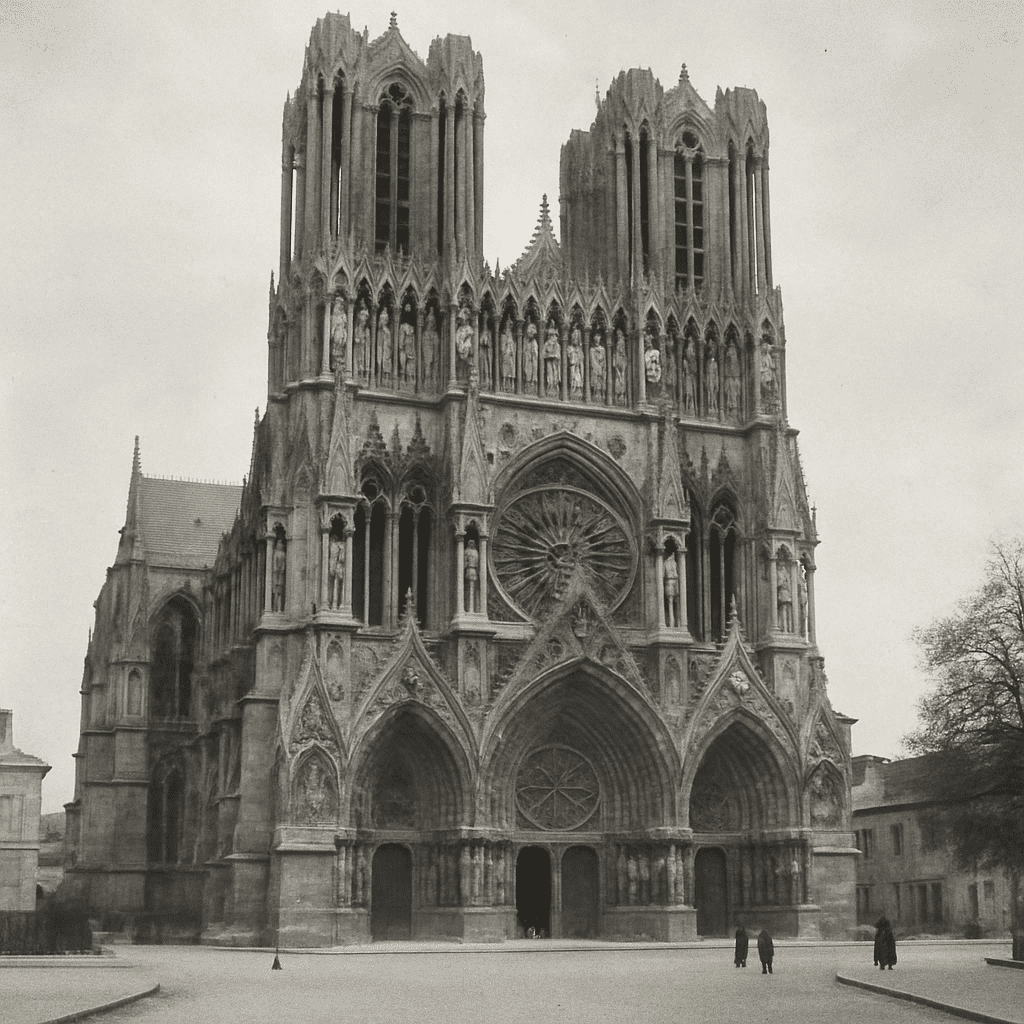
The Notre-Dame Cathedral in Reims is considered a masterpiece of Gothic architecture. Its proportions and details are carefully thought out. Every angle speaks of elegance and sophistication.
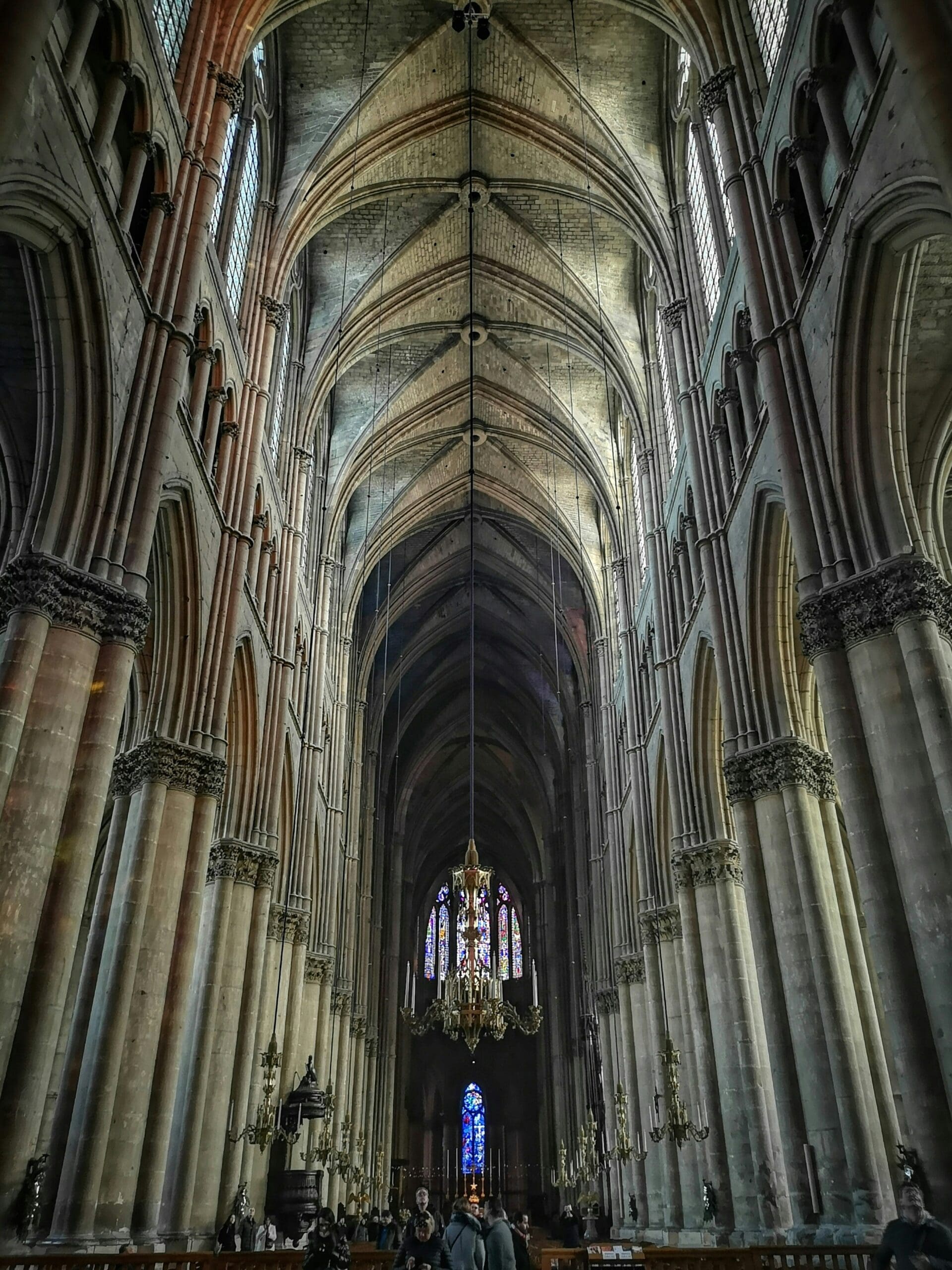
This impressive structure has a length of 149.17 meters. Its nave soars 38 meters into the sky. The two towers reach a height of 81 meters.
The west facade of the cathedral is particularly noteworthy. It is adorned with three large portals and a rose window. Over 2300 sculptures decorate the facade, including the famous „Smiling Angel.“.
Architectural innovations characterize the cathedral. These include the skillful use of flying buttresses, which support the massive walls. These structures allowed for higher ceilings and larger windows.
A list of notable architectural features includes:
- Flying buttresses
- Three large portals
- Rosette
- Over 2300 sculptures
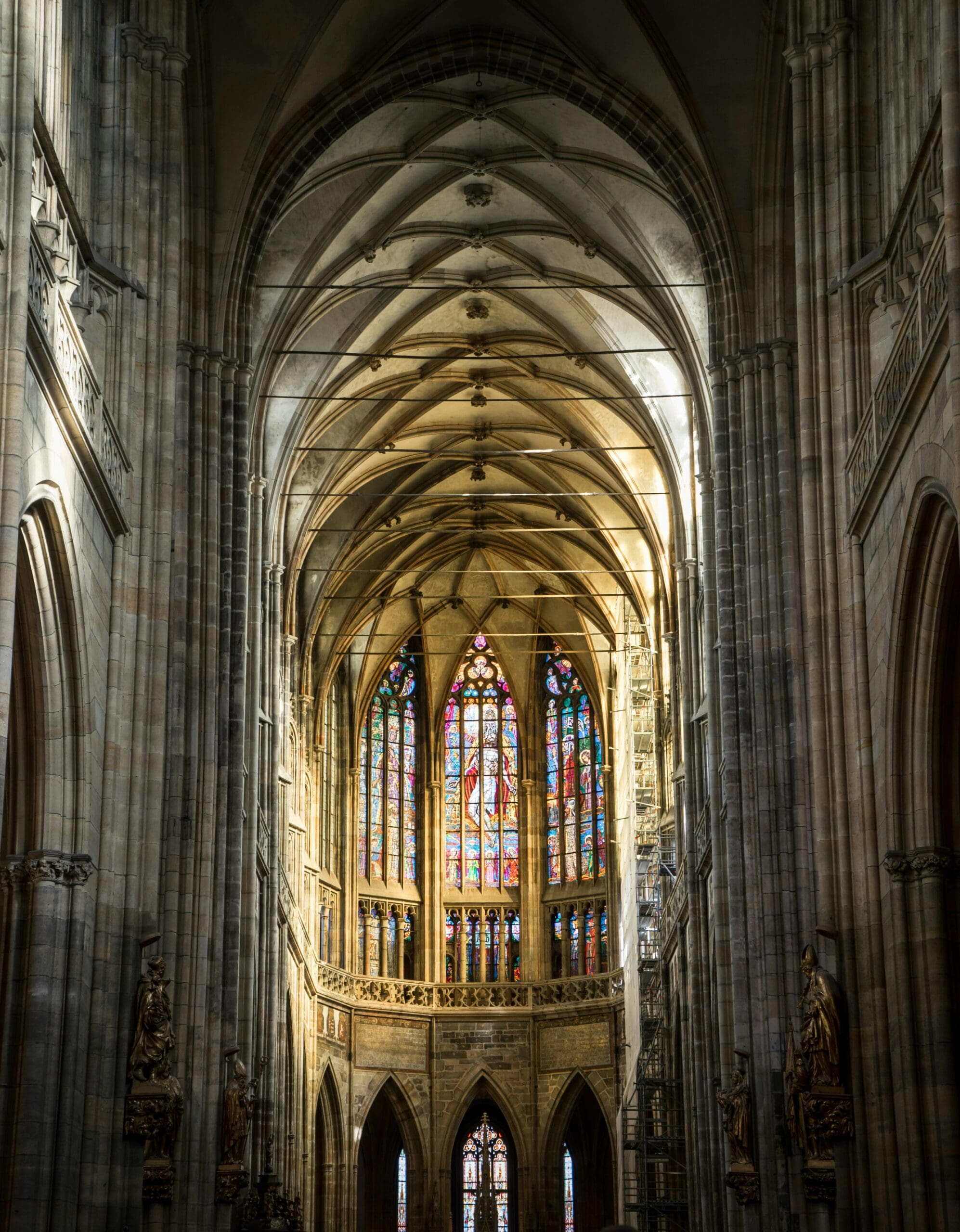
Natural light plays a central role in architecture. Huge glass windows make the space shine in vibrant colors. This was a revolutionary approach to Gothic architecture.
The harmonious proportions of the cathedral influenced many European churches. Its influence extended far beyond the borders of France. It remains an example of medieval cooperation and artistry.
Artists and artisans worked closely together to create this artwork. Their common goal: a cathedral of overwhelming beauty and spiritual power.
by Leonhard Niederwimmer
The Coronations of the French Kings
The Notre-Dame Cathedral in Reims is closely linked to the French monarchy. For many centuries, it served as the stage for the coronations of French kings. This tradition began in 1027 with the coronation of Henry I.
Reims was chosen as the coronation site due to its historical and religious significance. The Holy Ampulla, used in coronations, played a central role. This vessel contained the holy oil, which was allegedly delivered by a holy dove.
The coronation ceremonies in the cathedral were opulent and magnificent events. They symbolized the divine right and legitimacy of the monarchs. Nobility and clergy came together to witness these significant rituals.
Unforgettable moments in history were written here. For example, Charles VII was crowned in Reims during the Hundred Years' War. This coronation strengthened his reign and was a turning point in the war.
Today, the cathedral recalls the glorious days of the French kings. Visitors can still feel the legacy of these centuries-old traditions. Every corner of the building tells of the former splendor of the coronation ceremonies.

by Pascal Bernardon (https://unsplash.com/@pbernardon)
The Cathedral in World War I and the Reconstruction
World War I left its mark all over Europe, including on the Notre-Dame Cathedral in Reims. During the war, Reims was at the center of fierce fighting. The city suffered heavy damage from continuous shelling.
In 1914, shells heavily damaged the cathedral. The roof structure caught fire, and the wooden scaffolding burned down. The magnificent stained-glass windows shattered from the force of the explosions. A great cultural heritage seemed lost.
After the war, the elaborate reconstruction of the cathedral began. Under the direction of Henri Deneux, an ambitious restoration project was launched. Modern techniques helped to rebuild the structure.
The restoration work ensured that the cathedral regained its historical splendor. By the mid-1920s, it shone anew, welcoming tourists and pilgrims once more. The reconstruction symbolized hope and renewal after the destruction of the war.
by Tomás Robertson (https://unsplash.com/@tomasrobertson)
Significant artworks and sculptures
The Notre-Dame Cathedral in Reims is famous for its rich collection of sculptures. Over 2300 sculptures adorn its facades, each a masterpiece of medieval art. These figures tell stories from the Bible and French history.
An outstanding example is the „Smiling Angel“ statue, which enchants visitors with its friendly expression. It embodies the charm of Gothic sculpture and has become an iconic symbol of the cathedral.
The sculptures also depict numerous kings, saints, and angels. They embody divine order and the significance of monarchy. These depictions are not only artistic masterpieces but also historical documents.
The interior features impressive High Gothic reliefs and figures. Each room is richly decorated and offers a visual feast for the eyes. Visitors can marvel at the attention to detail and the sculptural refinement.
These artworks make the cathedral a significant center of artistic and religious culture. The union of craftsmanship and creativity is palpable in every sculpture.
- „Smiling Angels“
- King figures
- Biblical Reliefs
- Figures of the Saints
- Ornaments of High Gothic
The Stained-Glass Windows: Splendor of Color and Symbolism
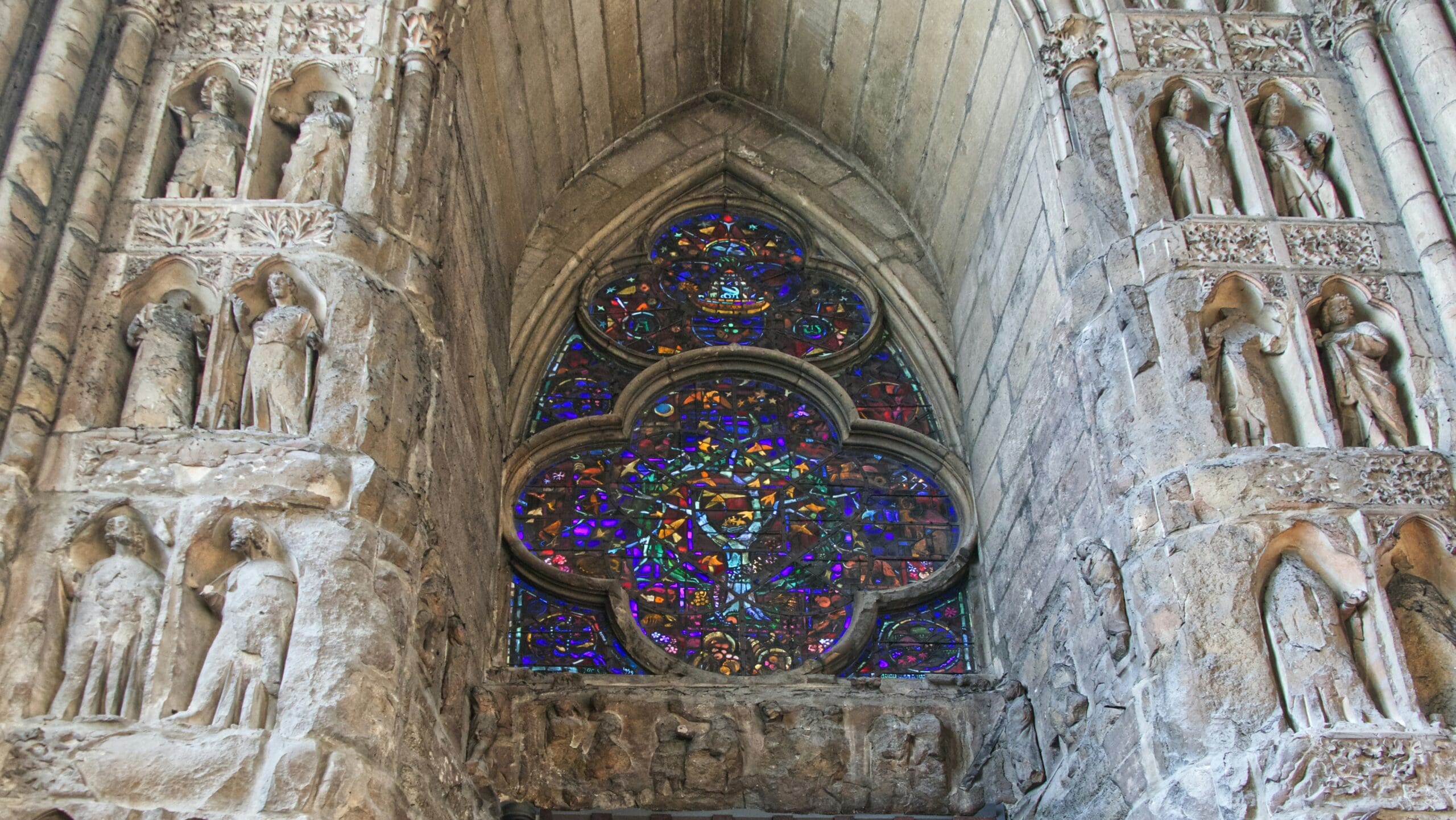
The stained-glass windows of Notre Dame Cathedral in Reims are a prime example of Gothic art. They lend light and color to the interior. These works of art tell biblical stories and holy legends.
The windows are known for their vibrant colors. The light that falls through the panes creates a magical play of light and shadow. This effect enhances the spiritual atmosphere of the cathedral.
Many windows still date from the 13th century. They are testaments to the high craftsmanship of medieval artisans. Their symbolism is deeply rooted in Christian tradition and tells universal human stories.
Each section of the stained glass windows is a small work of art. From the nave to the chapels, they convey religious messages in vibrant colors. A visit is a feast for the senses and the mind.
by Pascal Bernardon (https://unsplash.com/@pbernardon)
The Reims Cathedral Notre-Dame as a UNESCO World Heritage Site
Since 1991, Notre-Dame Cathedral in Reims has been a UNESCO World Heritage site. It owes this status to its exceptional importance. It is a masterpiece of High Gothic architecture and a historical center for France's monarchy.
The recognition underscores its universal value. Worldwide, it is exemplary of Gothic architecture. Its role in the coronations of French kings is unforgettable.
As a World Heritage site, it attracts many visitors. People from all over the world come to experience its beauty and history. This contributes to the preservation and promotion of its cultural significance.
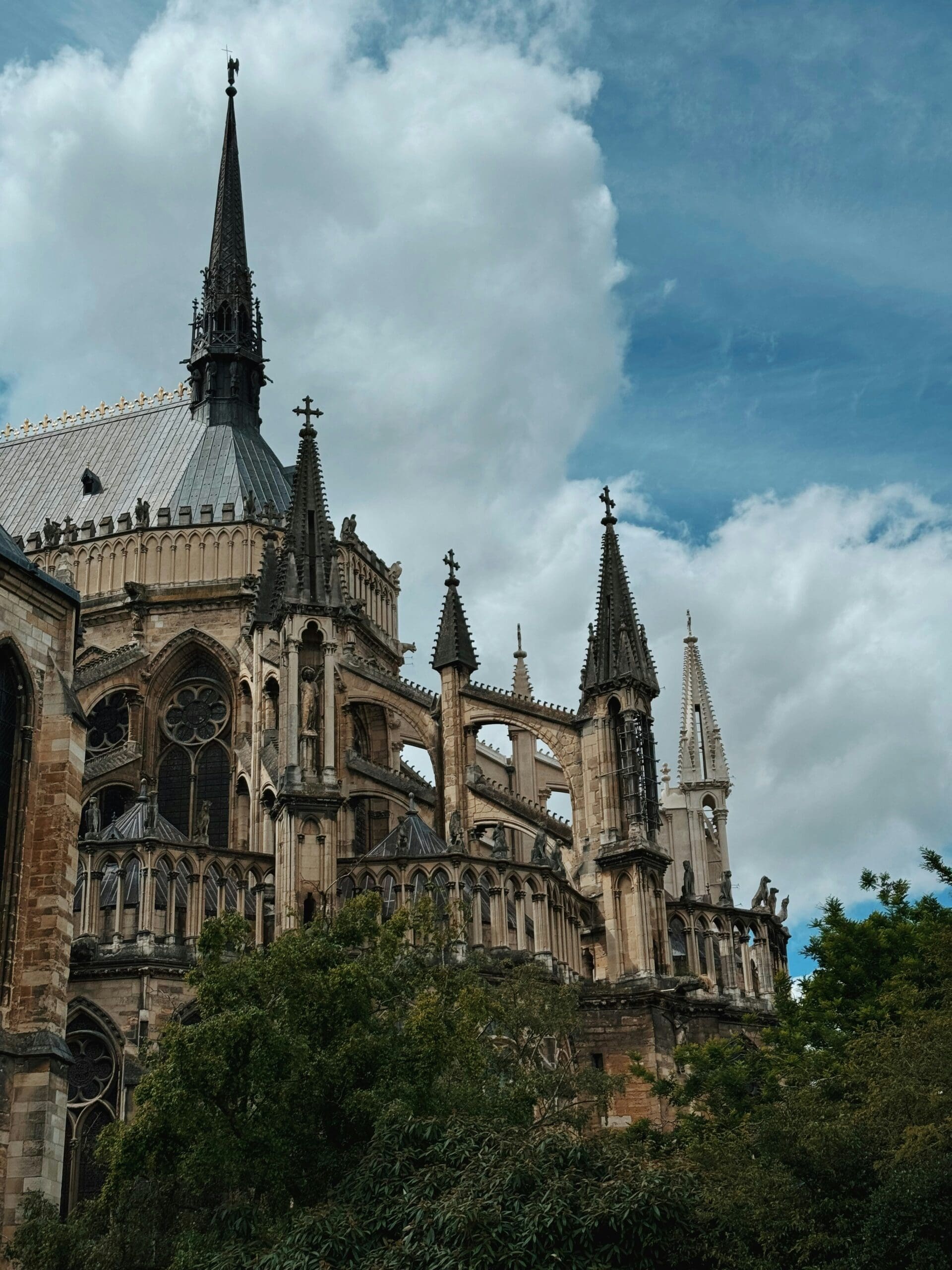
by Megan Majocha (https://unsplash.com/@meganmajocha)
The Cathedral Today: Significance, Events, and Tourism
The Notre-Dame Cathedral in Reims remains an active center of religious and cultural significance. It attracts millions of visitors annually. These people flock here from various parts of the world.
Reims Cathedral is not just a monument but also a venue. Concerts, exhibitions, and religious ceremonies enliven its historic walls. Such events enhance its cultural resonance.
For tourists, the cathedral offers an unforgettable experience. Special guided tours are often available, bringing its history and architecture closer. Visitors enjoy the view of the magnificent architecture and the spiritual atmosphere.
Current events and offers include:
- Guided tours of the cathedral
- Regular Masses and Liturgical Celebrations
- Concerts and cultural events
The significance of Notre-Dame Cathedral in Reims today goes beyond architectural beauty. It remains an important place for gathering and cultural exchange.
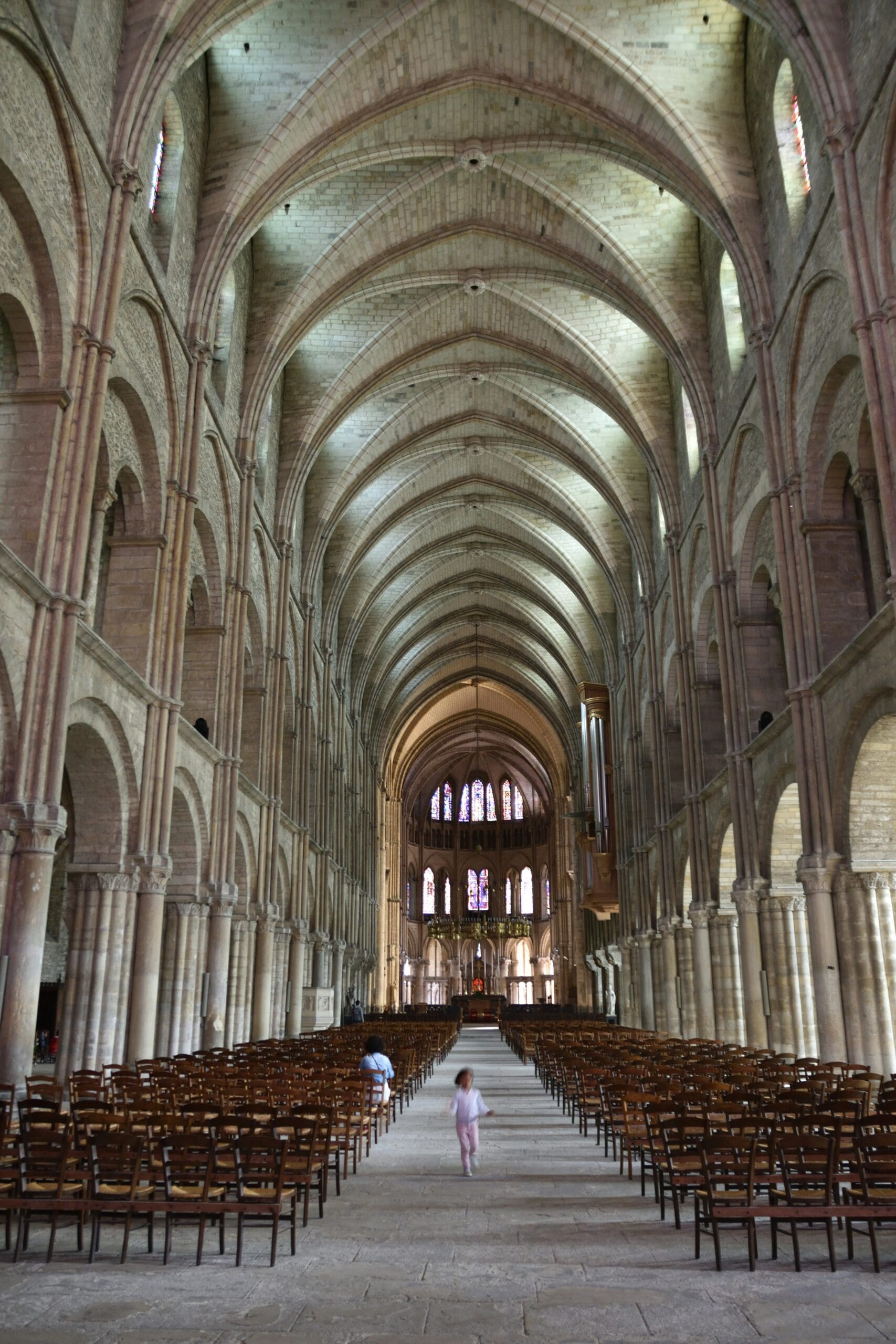
by Bertrand Borie (https://unsplash.com/@bertrand1212)
Practical Information for Visitors
The Notre-Dame Cathedral in Reims is open all year round. Visitors should check the current opening hours as they may vary seasonally.
Admission is free, however donations are appreciated. Fees may apply for special guided tours, which offer detailed insights into the cathedral. Early booking is recommended.
Useful tips for your visit:
- Address: Place du Cardinal Luçon, 51100 Reims, France
- Opening hours: Vary depending on the season
- Recommended visiting hours: Avoid crowds in the early morning or late afternoon.
Good planning makes the visit even more enriching and unforgettable.
Conclusion: A symbol of French history and culture
The Notre-Dame Cathedral in Reims is more than an architectural gem. It embodies the rich history and culture of France.
Through the centuries, it has witnessed significant historical events. In particular, the coronations of French kings have strengthened its importance.
Today, the cathedral continues to attract people from all over the world. It remains a living symbol of continuity, faith, and artistic mastery.