
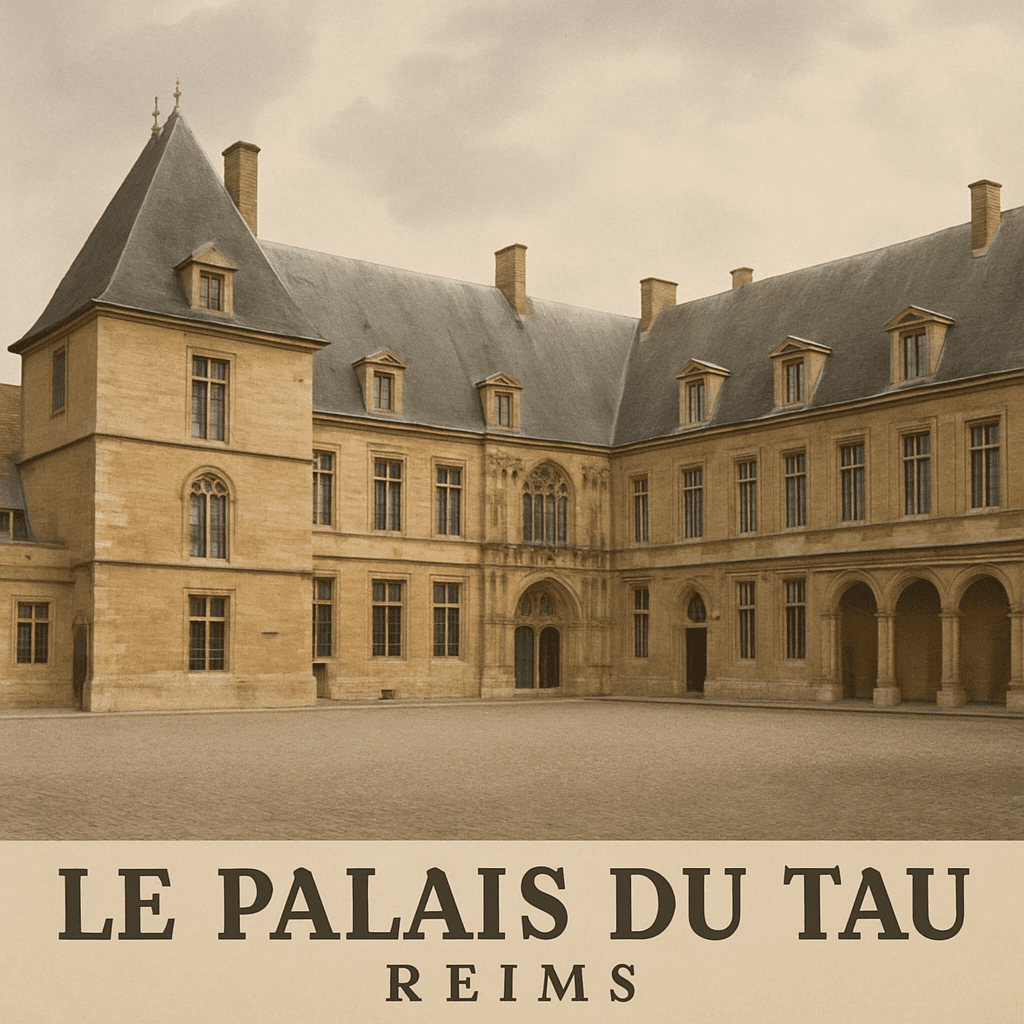
The Tau Palace in Reims is a fascinating destination for history and culture enthusiasts. This historic palace, once the residence of the Archbishops of Reims, offers a deep insight into French history. It is not only an architectural masterpiece but also a significant symbol of the Church's power and influence in France.
The palace is located in the immediate vicinity of the famous Reims Cathedral. This proximity highlights its historical significance, as it played a central role in the coronation ceremonies of French kings. The name „Tau“ derives from its T-shaped structure, which was rebuilt in the Baroque style in the 17th century. This architectural feature makes it a unique example of French Baroque architecture.
Today, the palace houses the Musée de l’Œuvre, which exhibits an impressive collection of cathedral treasures. Visitors can admire medieval sculptures, tapestries, and other valuable exhibits. This collection offers a fascinating insight into the art and culture of the Middle Ages, making the palace an important place of education and learning.
The Palace of Tau is part of UNESCO World Heritage and attracts numerous tourists annually. Its rich history and architectural splendor make it a must-see for any visitor to Reims. The palace is a place where history comes alive and the splendor of past times can be experienced.
A visit to the Palais du Tau offers not only insight into French monarchical history but also into the architectural development of Reims. The richly decorated facades and impressive interiors are a testament to the artistry and style of the Ancien Régime. The palace is a place of inspiration for artists and historians alike.
The palace is open to visitors year-round and offers guided tours that delve into the history and significance of this unique site. These tours are an excellent opportunity to learn more about the palace's role in the coronations of French kings. They also provide panoramic views of Reims Cathedral, highlighting the connection between these two historical landmarks.
The Tau Palace is not only an architectural masterpiece but also an important part of Reims' cultural heritage. It is a symbol of the city's significance as the coronation city of French kings and as France's religious center. A visit to the Tau Palace is a journey into the past that brings France's rich history and culture to life.
History and Significance of the Palais du Tau
The Palace of Tau has a long and significant history that dates back to antiquity. It once served as the site for Roman provincial governors. Over the centuries, the palace developed into a center of religious and monarchical power. It eventually became the residence of the powerful Archbishops of Reims.
Through its close connection with the Cathedral of Reims, which served as the coronation church for French kings, the palace gained immense symbolic significance. This site witnessed numerous coronation ceremonies where French monarchs were introduced to their roles. These ceremonies underscored the importance of Reims and the palace within the French monarchy.
The name „Tau“ was chosen due to the building's T-shape, which evolved over centuries. Although its current appearance dates back to renovations in the 17th century, the palace's origins can be traced back to the Middle Ages. The 17th-century Baroque architecture shapes the building's present-day image and fits into the history of the French Ancien Régime.
A list of significant historical events at the Palais du Tau:
- Royal CoronationsMore than 25 French kings were crowned in Reims Cathedral and used the palace during these ceremonies.
- French RevolutionAfter the revolution, the palace was declared national property and used for other purposes in the meantime.
- Restoration work in the 20th centuryAfter many years of neglect, the palace was extensively restored and its historical significance rediscovered.
The palace served not only as a residence, but also as an administrative center for the Archbishops of Reims. This role reflected the power of the Church in France, which was able to unite political and spiritual power in one place.
Inside the palace are many impressive halls, including the Salle du Tau. This room displays Gothic elements and is an excellent example of the architecture of the time. This mix of Gothic and Baroque makes the palace unique and fascinating.
Throughout the centuries, the palace served not only religious but also political purposes. The archbishops held great power and influence and were often closely connected to the crown. This close link between church and state is particularly present in the Palais du Tau.
After years of neglect, the palace was restored in the 20th century to preserve its historical significance. These restoration efforts were crucial for the palace to be recognized as a UNESCO World Heritage site. Today, it is counted among France's most valuable cultural treasures.
The Tau Palace is a vibrant museum that makes France's eventful past tangible. Visitors not only experience the architecture of past eras but also immerse themselves in a world of power, religion, and art. The palace remains a symbol of the connection between the Church of Reims and the French crown.
In summary, the Palais du Tau is not only an architectural masterpiece but also a historical jewel. Its history is closely interwoven with the history of France, offering insights into the evolution of power and religion over the centuries. A visit to this palace is a journey into the rich and diverse history of France.
Architecture and Special Features
The Palais du Tau is an outstanding example of the creative fusion of different architectural styles. Today's structure is the result of several architectural redesigns, primarily carried out in the 17th century. The building combines Gothic and Baroque elements, enhancing its aesthetic appeal and consistently astonishing visitors.
The palace's facade is impressive with its richly decorated details and ornate forms. Baroque embellishments dominate the appearance, lending the building a majestic aura reminiscent of the golden age of French architecture. The flowing lines and finely crafted sculptures contribute to the splendor of the view, while also reflecting the symbolic weight of the palace's royal functions.
Inside the palace, this architectural diversity continues. The various rooms are a reflection of the respective construction methods and art historical influences. Particularly noteworthy is the chapel, which captivates with its Gothic details and highlights the spiritual heritage of the place. This chapel was a significant site in the religious life of the archbishops and served as a quiet refuge amidst the power politics.
Another highlight of the Palais du Tau is the royal apartments, which were once available to the kings during their coronations. These rooms are furnished with magnificent tapestries and furniture that reflect the grandeur of the monarchy. Here, visitors can get a glimpse into the luxurious lives of the rulers of that time.
The architectural peculiarities of the palace offer a rich spectrum of design details, ranging from Gothic architecture to Baroque splendor. This diversity is what makes the palace a distinctive object in art history. The charm and appeal of the building lie in this harmonious combination of architectural styles.
The halls once used for official occasions also deserve special attention. Among the most famous is the Salle du Tau, a room that impresses with its size and majestic proportions. The Gothic windows and vaulted ceiling emphasize its medieval aura, while the Baroque decorations adorn the space with royal elegance.
The list of architectural highlights includes:
- The T-shaped structureA characteristic feature that inspired the name.
- The richly ornamented Baroque facadeIt shapes the palace's exterior appearance.
- The Gothic ChapelA place of quiet contemplation with remarkable architectural details.
- The Royal ChambersWith precious tapestries and luxurious furnishings.
- The Hall of the TauAn imposing hall with Gothic elements and Baroque splendor.
Every room and architectural decision in Le Palais du Tau tells a story of power, art, and religion. This mix is not only a visual delight but also an insight into the rich and complex history of Reims and France as a whole.
In conclusion, the architecture of the Palais du Tau is far more than just an example of outstanding craftsmanship. It is a homage to pan-European architectural history and a testament to the cultural golden ages that France experienced throughout the centuries. Visitors to the palace can admire the elegance of past eras and experience firsthand how these masterpieces of architectural art have lost none of their splendor even today.
The role in the coronations of French kings
The Palais du Tau played a central role in the coronation celebrations of the French kings. Since the Middle Ages, Reims had been the traditional coronation city for monarchs. These ceremonies were of great political and symbolic importance and took place in the neighboring Reims Cathedral. The Palais du Tau served as the residence for the kings and their entourage during the festivities.
Coronations in the Middle Ages were more than mere religious ceremonies. They represented the divine legitimation of rulers and strengthened the bond between the church and the kingdom. The palace was the place where kings prepared for the sacred rituals and where the opulent festivities took place. These events attracted dignitaries and nobility from across Europe.
Within the Palais du Tau, the coronation chambers were prepared with the utmost care. Here, the newly crowned kings held court and received envoys and congratulators. These rooms were also the scene of banquets and festivities that celebrated the center of power in France. The solemn occasions took place in the representative ambiance of the Salle du Tau, which was specifically designed for such events.

Another significant element of coronations was the solemn procession that led from the Palais du Tau to the cathedral. This ceremony possessed a unique splendor and symbolized the path to power. The procession offered an impressive spectacle to the gathered crowds, emphasizing the importance of the monarchy and illustrating the connection between church and state.
The coronations solidified Reims' status as a religious center and the symbolic heart of France. The coronations' influence on national identity was immense. The royal ceremonies at the Palais du Tau played a crucial role in articulating and projecting royal power. They helped to cement Reims' historical prestige as a prestigious coronation city.
Overall, the Palais du Tau was far more than just accommodation for the kings. It was an integral part of the coronation ceremonies and a symbolic place of the union of secular and spiritual authority. The palace's majestic atmosphere and historical significance continue to contribute to France's cultural richness today. The memory of past coronations is alive in every corner of this venerable building, inviting visitors to relive France's royal past.
The Musée de l'Œuvre and its treasures
The Musée de l'Œuvre in the Palais du Tau is a veritable treasure trove of art and cultural history. It houses an impressive collection that brings to life the past of Reims and the French monarchy. Visitors gain a striking insight into the sacred and secular art of France here.
Among the museum's highlights are the treasures of Reims Cathedral. Here, visitors can admire medieval sculptures, valuable church furnishings, and majestic crown jewels. Each exhibit tells its own story of the royal and religious significance of this place. These artifacts bear witness to a glorious era in French history.
Another exciting part of the collection are the 15th-century tapestries. They depict biblical and historical scenes with remarkable attention to detail. These works of art are not only visually impressive but also reveal a great deal about medieval iconography and symbolism. The elaborate craftsmanship that went into their creation continues to fascinate viewers to this day.
A special exhibit at the museum is the Statue of Charlemagne, a masterpiece of Gothic sculpture. This sculpture is among the oldest pieces in the collection and is a highlight for history enthusiasts. The statue illustrates the importance of this legendary emperor for the French monarchy and European history in general.
The Musée de l'Œuvre's collection also includes a number of significant manuscripts. These documents offer a unique glimpse into medieval intellectual life. They bear witness to the literary and religious interests of the Archbishops of Reims. Through the careful preservation of these manuscripts, visitors are granted access to a precious piece of French literary history.
In addition to the permanent exhibitions, the museum regularly organizes special exhibitions. These are dedicated to various themes in art and history. Visitors have the opportunity to delve deeper into specific aspects of French culture and history. The diversity of the exhibits makes every visit a unique experience.
List of significant exhibits in the Musée de l'Œuvre:
- Medieval Sculptures: Witnesses to the artistic splendor of the Middle Ages.
- Wall tapestries Impressive depictions of religious and historical scenes.
- Statue of Charlemagne An important symbolic artifact of the French monarchy.
- Royal Crown Jewels: Relics of royal rule in France.
- Rare Manuscripts: Documents that document the intellectual heritage of the Middle Ages.
The museum is open to visitors year-round and offers guided tours that provide further insight into the exhibited treasures. These tours are ideal for anyone who wants to delve deeper into the history and art of the Palais du Tau. The treasures of the Musée de l’Œuvre make the Palais du Tau a must-see for any visitor to Reims with a passion for art and history.
In summary, the Musée de l’Œuvre not only tells the story of the Palais du Tau and the Cathedral of Reims but also reveals the rich cultural past of France. The impressive collection is a reflection of the glorious history and the significant role of Reims within the French monarchy. Here, visitors can experience firsthand the splendor and historical depth of one of France's most fascinating eras.
The Palace of Tau as a UNESCO World Heritage Site
The Tau Palace in Reims is not only an architectural masterpiece but also part of the UNESCO World Heritage. Its inclusion on the prestigious list highlights its historical and cultural significance to humanity. Together with the adjacent Reims Cathedral and the former Abbey of Saint-Remi, the palace forms an impressive ensemble that represents a key chapter in European history.
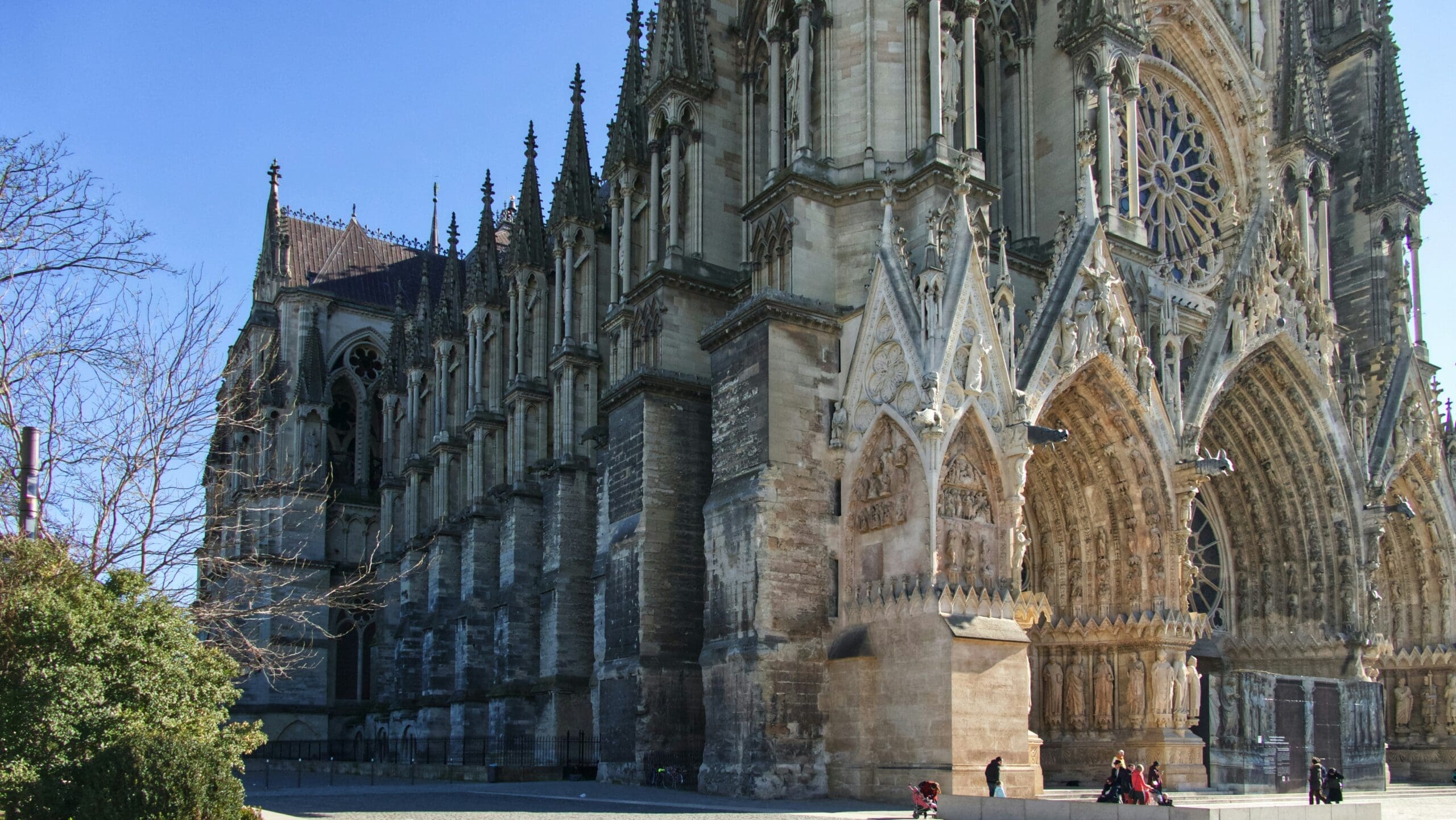
by Pascal Bernardon (https://unsplash.com/@pbernardon)
Its status as a UNESCO World Heritage site attracts numerous tourists from around the world each year. This makes the Palais du Tau one of the most significant attractions in Reims. This designation is not only a recognition of its historical importance but also serves to protect and preserve this remarkable building. It ensures its survival for future generations.
The UNESCO praises the Palais du Tau for its architectural sophistication and its role in French royal history. The palace was once the epicenter of power and religion, serving as the coronation site and residence of the archbishops. These functions give it a prominent position among France's historical sites, making it a symbol of the unity of church and monarchy.
Protection as a UNESCO World Heritage site enables the palace to be preserved through restoration and conservation efforts. This ensures that its historical integrity is maintained. Such measures are crucial for keeping the cultural heritage of France and Europe alive for future generations. International recognition contributes to the funding and support of this important work.
The Palace of Tau is a living testament to the rich cultural and historical past of Reims and France. Its status as a UNESCO World Heritage site enhances the attractiveness of this unique place, which breathes both history and art. A visit to the Palace of Tau offers the opportunity to discover the deep roots of European history and the timeless beauty of French culture.
Practical Information for Visitors
The Tau Palace in Reims offers an impressive experience for tourists. It is open year-round and provides a variety of sights and activities. Visitors have the opportunity to immerse themselves in the palace's rich history and admire its magnificent architecture.
To plan your visit optimally, tourists should check the opening hours and admission prices in advance. The palace usually opens in the morning and closes around late afternoon. Times may vary on holidays and weekends, so it is advisable to check beforehand.
The entrance fee usually includes access to all publicly accessible areas of the palace, including the museum. Reduced rates are often available for children and young people. Group tours are also available, offering a more in-depth look at the history and secrets of the Palais du Tau.
A guided tour can be particularly helpful for better understanding the building's complex history and architecture. Such tours are often available in multiple languages, including English and French. These tours are very popular, so it is advisable to book in advance.
The palace is designed to be barrier-free, ensuring easy access for visitors with limited mobility. Wheelchair-accessible facilities and elevators are available. There are also seating areas to take breaks during the visit, making the experience more comfortable.
For a truly memorable visit, travelers should also explore the area surrounding the palace. Numerous cafes and restaurants offering local specialties are located in the immediate vicinity. A visit to the Reims Cathedral, just a few steps away, should also be on your list.
Important tips for your visit:
- Operating hoursCheck current times before your visit.
- Admission PricesInquire about discounts for children and groups.
- ToursBook guided tours in advance to learn more.
- AccessibilityUtilize the wheelchair-accessible entrances and facilities.
- EnvironmentTry local cuisine at nearby restaurants.
- ClothingWear comfortable shoes for walking long distances.
A visit to the Palace of Tau in Reims is an unforgettable experience that brings history and culture to life. Good preparation and a little planning will help make your stay as smooth as possible. Remember to bring your camera to capture the impressive sights!
Tips for Visiting and Other Reims Attractions
Reims, known as a historical center of France, offers much more than just the impressive Palais du Tau. A well-planned visit can help you make the most of your time in this charming city. Here are some tips and sights you shouldn't miss.
First, it is advisable to allow ample time for your visit to the Palais du Tau. Plan for at least two hours to explore the impressive rooms and the Musée de l’Œuvre at your leisure. Start your visit early to avoid crowds and fully enjoy the atmosphere.
After your tour of the palace, be sure to visit the neighboring Reims Cathedral. This majestic cathedral is also a UNESCO World Heritage site and a masterpiece of Gothic architecture. Its impressive stained-glass windows and intricate sculptures are a must-see for any culture enthusiast.
In the vicinity, there are many other attractions you shouldn't miss. The Reims Museum of Fine Arts houses an impressive collection of paintings and sculptures from various eras. A visit there offers a wonderful addition to your cultural excursion.
Reims is also known for its champagne houses. Take a tour of one of the famous wineries and learn more about the production of this sparkling drink. Tasting champagne in its birthplace is an unparalleled experience.
For a relaxing break, a stroll through the Parc de Champagne is recommended. This large, green park is ideal for unwinding, and its well-tended paths and gardens offer a peaceful oasis in the heart of the city. Here, you can enjoy a moment of tranquility and admire the natural beauty of your surroundings.
To conclude your visit to Reims, you should try some of the local culinary specialties. Visit one of the many bistros to enjoy French delicacies. The city offers a rich selection of restaurants where you can discover typical regional dishes.
Attractions in Reims:
- Reims CathedralUNESCO World Heritage site, impressive Gothic architecture.
- Museum of Fine ArtsOffers a collection of artworks from different eras.
- Champagne housesTours and tastings available.
- Champagne ParkLarge park for relaxation and walks.
- Local bistrosEnjoy French cuisine and regional specialties.
Reims is a city full of history, culture, and culinary experiences just waiting to be explored. By planning your trip thoughtfully and using these tips, you can fully experience the riches Reims has to offer. Whether you are a history buff, art lover, or a connoisseur of fine tastes, Reims will captivate you.
Conclusion: Why the Palais du Tau is a Must-See in Reims
The Palace of Tau in Reims is more than just a historical site. It's a place where history comes alive, making France's rich past tangible. Its significance as the former residence of the Archbishops of Reims and as the setting for coronation ceremonies makes it a unique testament to French history. During a visit, one can admire the majestic architecture, which combines both Gothic and Baroque styles.
Another highlight of the Palais is its collection of valuable artworks in the Musée de l'Œuvre. The medieval sculptures and tapestries on display offer fascinating insights into the artistic heyday of the Middle Ages. These treasures are not only impressive to look at but also tell stories of power, religion, and craftsmanship that shaped the cultural development of France.
Additionally, the Palais du Tau stands out as part of the UNESCO World Heritage. This recognition underscores its cultural and historical significance far beyond France. As a UNESCO site, the Palais contributes to the preservation of global heritage and attracts visitors from all over the world. It is a place where one can feel the worldwide recognition and respect for French history and culture.
For every visitor to Reims, the Palais du Tau is an unforgettable experience. It offers a rare blend of architectural beauty, historical significance, and artistic enrichment. Whether you are interested in history, art, or architecture, the Palais du Tau will exceed your expectations. A visit there is a journey into the past that will open your eyes to the splendor and heritage of France.