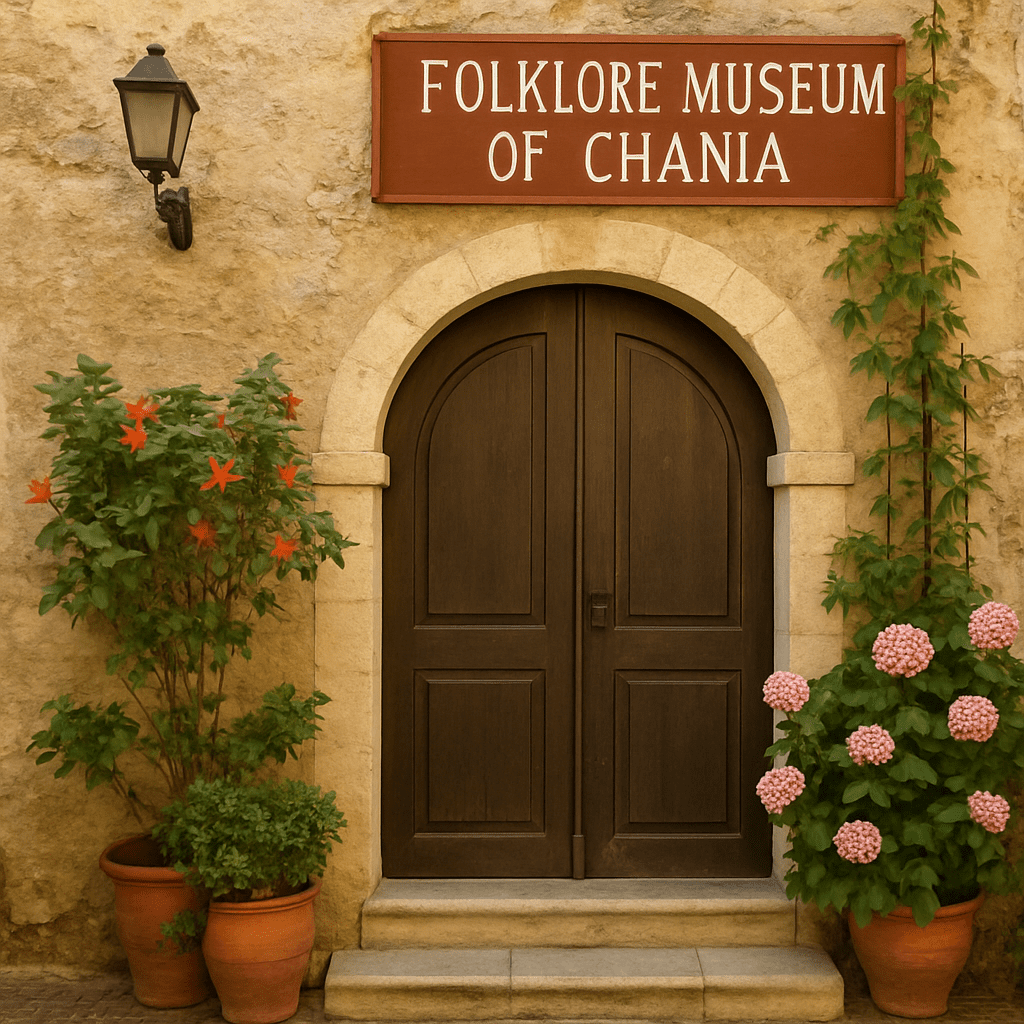
The Folklore Museum of Chania is a hidden gem in the heart of the old town. It offers a fascinating glimpse into Cretan culture and traditions. Visitors can discover the rich history and heritage of Chania here.
The museum houses an impressive collection of traditional costumes, textiles, and handicrafts. These exhibits tell stories from past centuries. They offer a unique perspective on daily life in Crete.
A visit to the Folklore Museum in Chania is a journey into the past. The exhibits are well-labeled and provide informative explanations. They allow visitors to appreciate the diversity of Cretan folklore.
The museum is not only interesting for tourists. Locals also find valuable insights into their own culture here. It is a place of education and cultural exchange.
The intimate atmosphere of the museum invites you to view the exhibits up close. It is a place where the past comes alive. Visitors can feel the connection between the past and the present.
The historic building housing the museum is itself of architectural interest. It contributes to an authentic experience. A visit to the Folklore Museum of Chania is a must for anyone wishing to experience authentic Cretan culture.

The Folklore Museum of Chania: An Overview
In the heart of Chania lies the Folklore Museum, a place full of stories and traditions. This museum offers insights into the Cretan way of life. It is a treasure for history buffs and culture enthusiasts.
The museum's collection is astonishingly diverse. From handmade embroidery to everyday household items, a lot is on offer. Every corner of the museum tells its own story.
The atmosphere is inviting and calm, ideal for a tour of discovery. Visitors are often amazed by the diversity of the exhibits on display. The visit allows for reflection on life in a past era.
In addition to the permanent exhibits, cultural events are occasionally organized. These bring Cretan traditions closer and enrich the experience. A visit to the Folklore Museum is both educational and inspiring.
Location and Directions: In the heart of the old town
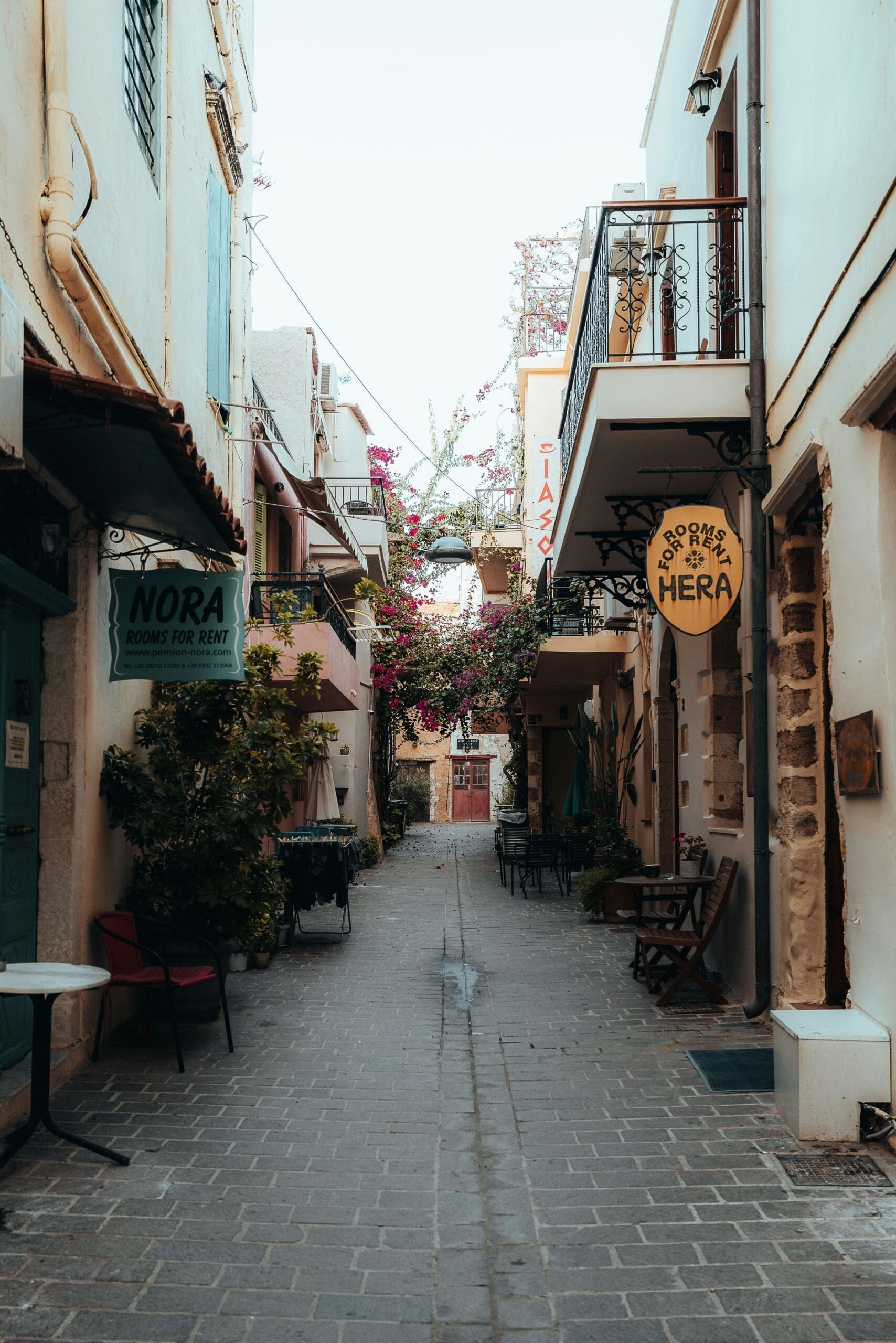
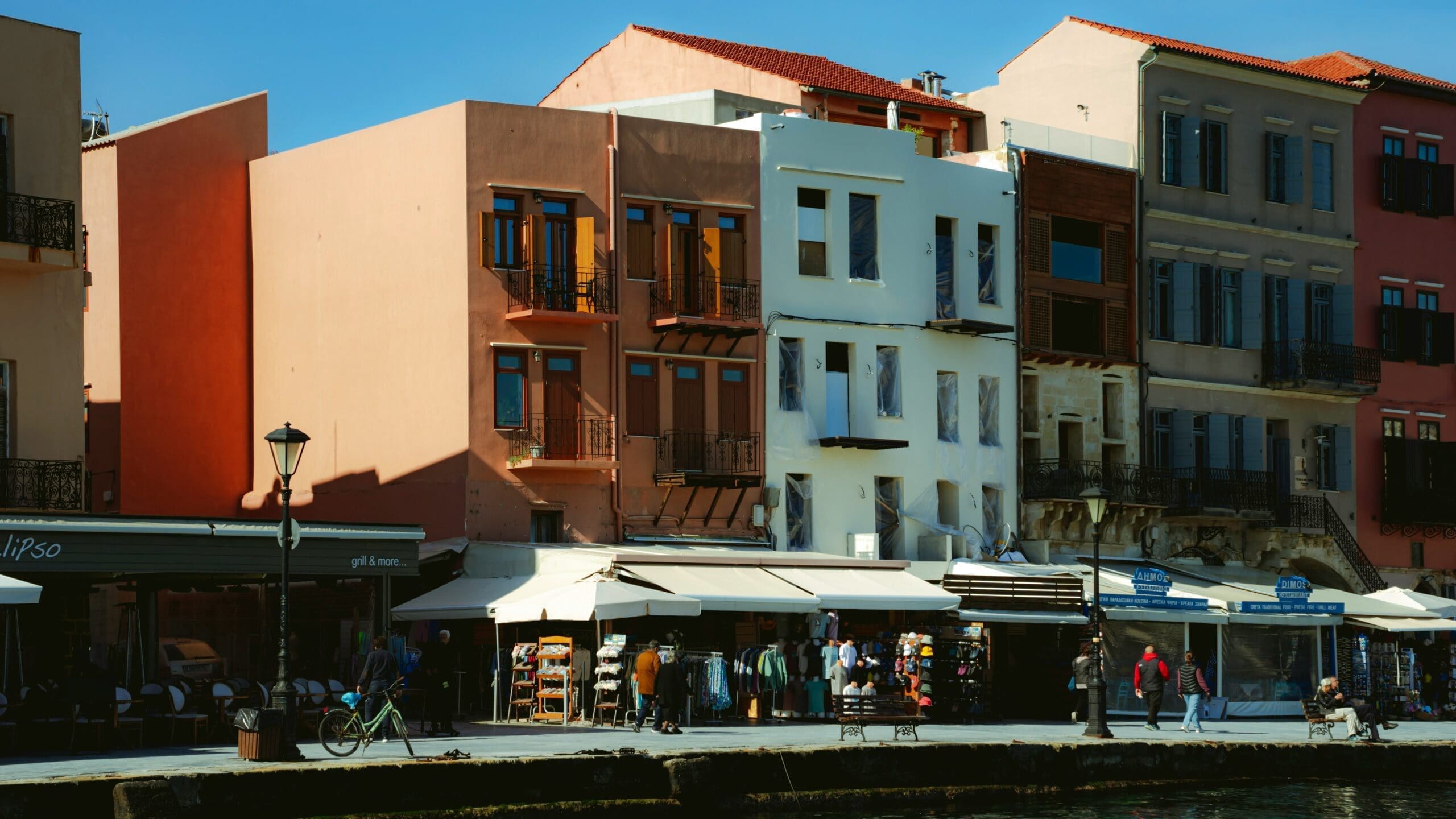
The Folklore Museum Chania is located in the picturesque Old Town of Chania. This location makes it an easily accessible destination for tourists and locals alike. Historic buildings frame the museum, creating an atmospheric backdrop.
Getting to the museum is easy and convenient. Several modes of transport are available to visitors. Whether you arrive on foot, by bus, or by car, the way is well signposted.
Travel tips:
- On foot Explore the old town and discover the museum.
- Bus Line buses offer regular connections.
- Car Parking is available nearby.
The central location of the museum makes it easy to visit other Chania sights. A day in Chania can therefore be perfectly rounded off with a museum visit.
by Birk Enwald (https://unsplash.com/@birkenwald)
History and Significance of the Museum
The Folklore Museum of Chania was founded with the vision of preserving Cretan culture and traditions. It is housed in a historic building, which is itself an example of the region's architecture. This setting enhances the authenticity of the collections on display.
The museum's significance lies in its function as a cultural archive. It documents the daily lives of past generations. This facet makes it a valuable resource for researchers and those interested in Cretan history.
The museum is actively involved in preserving local traditions. It offers visitors the opportunity to immerse themselves in the past and gain a deeper understanding of the Cretan way of life. This makes it an indispensable place for cultural education.
A visit to the museum is more than just a tour of exhibits. It is a journey through the centuries, showing how Cretan identities have been shaped and preserved.
by Jeffrey Zhang (https://unsplash.com/@jeffreyzhang_920)
The Collections: A Window into Cretan Culture
The Museum of Folklore in Chania unfolds rich Cretan culture in fascinating collections. These exhibits offer a deep insight into the daily lives of past centuries. Visitors can experience the diversity and complexity of this culture firsthand.
An impressive part of the collection is the meticulously preserved Cretan traditional costumes. These garments illustrate not only fashion but also artistic craftsmanship. Each piece of clothing tells a unique story of the region.
In addition to clothing, there is a wide variety of historical household items. These objects bear witness to the former way of life and artistic skills of the residents. From kitchen utensils to furniture—every exhibit demonstrates a meticulous attention to detail.
The agricultural equipment and tools offer further insights. They show how closely Cretan culture was tied to agriculture. These exhibits demonstrate the importance of agricultural traditions on the island.
A tour of the museum also reveals religious artifacts. These showcase the spiritual aspect of Cretan life. Such collections offer an overall view of Crete's cultural facets.
- Cretan traditional costumes
- Household items and furniture
- Agricultural machinery
- Religious Artifacts

by Marcel Strauß (https://unsplash.com/@martzzl)

by Snap Wander (https://unsplash.com/@passimage)
Traditional craftsmanship and everyday life
The Folklore Museum of Chania displays the remarkable craftsmanship of the Cretan people. This craftsmanship reflects skill and creativity that have been passed down through generations. The exhibited works are vibrant testaments to the island's heritage.
Visitors can discover ancient tools and craft techniques. From weaving to pottery, these objects convey a sense of past times. They represent the connection between ancient knowledge and modern techniques.
The everyday objects in the museum tell stories of daily life. Pots, jugs, and cutlery are not just functional objects; they are expressions of cultural identity. Each object reveals aspects of social life and traditions.
Some objects display the decorative art with which they are adorned. These details indicate the aesthetic sense of their creators. The ornaments combine functionality with elegance, which is typical of Cretan art.
- Tools and Technology
- Weaving
- Pottery
- Ornamental art
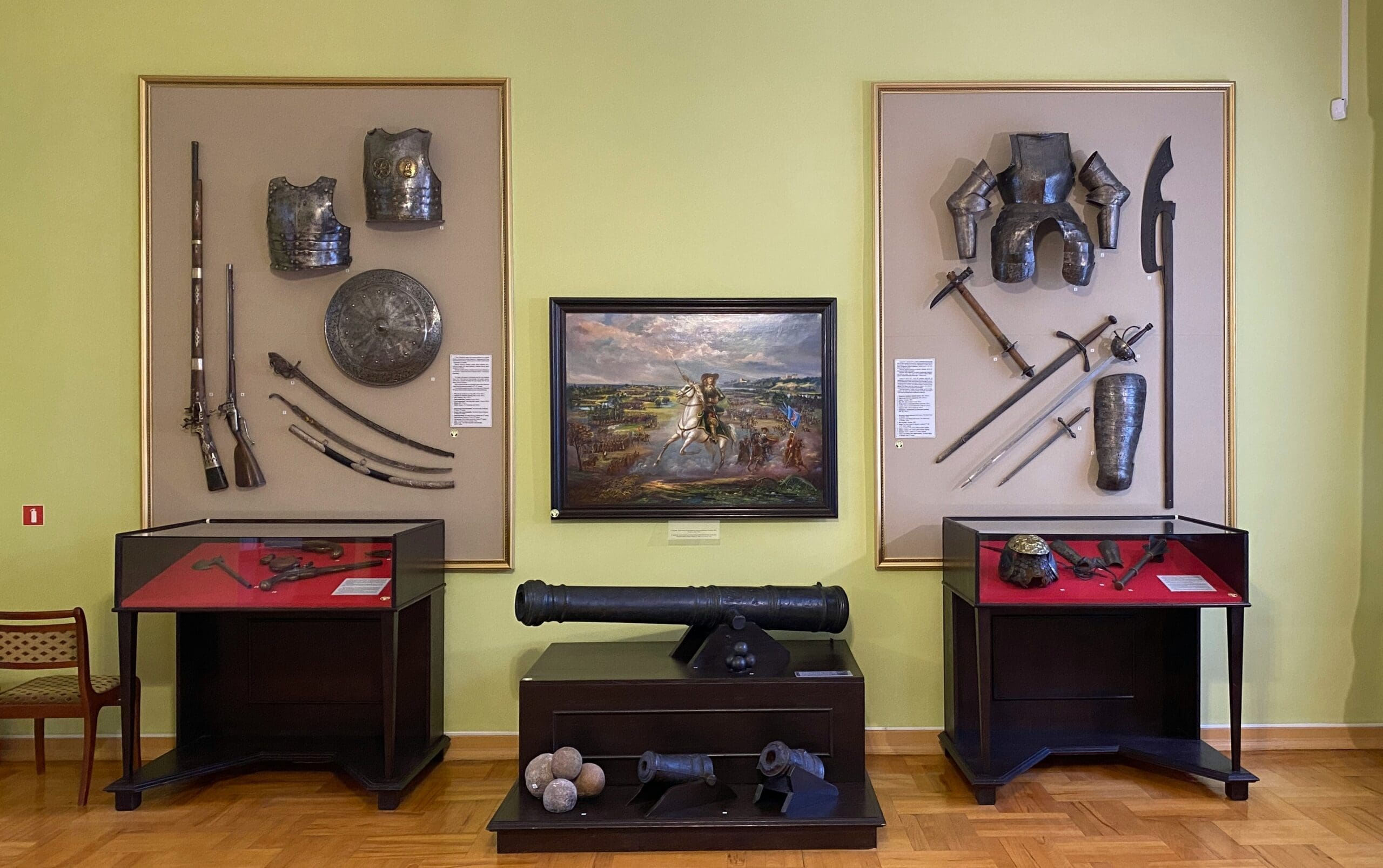
by Stacy (https://unsplash.com/@stacysuxx)
Cretan Traditional Costumes, Textiles, and Musical Instruments
At the Folklore Museum in Chania, visitors will find an impressive collection of traditional Cretan costumes. These costumes offer a deep insight into the island’s cultural diversity and historical richness. Colorful patterns and intricate embroidery reflect the ingenuity of the artisans.
Textiles are also a significant part of the exhibition. They are artfully displayed and tell stories of economic and social aspects of the past. The use of natural materials and traditional techniques lends these textiles their uniqueness.
A special highlight of the collection is the traditional Cretan musical instruments. These instruments are not only testaments to musical traditions, but also symbols of the island's cultural identity.
- Traditional costumes
- Handmade textiles
- Musical instruments

by Ethan (https://unsplash.com/@ethanrysanek)
Historic living spaces and agricultural tools
Another fascinating aspect of the Folklore Museum of Chania is the detailed depictions of historical living spaces. These exhibitions provide a vivid impression of what daily life looked like in Crete centuries ago. Authentic furniture and everyday objects bring the rooms to life and make them relatable.
In addition to the living quarters, the museum displays a variety of agricultural tools. These tools tell the story of the island's agricultural history and the techniques used over generations. The exhibits illustrate the challenges and ingenuity of Cretan farmers.
This gives the visitor a comprehensive impression of traditional life in Crete. The combination of living space and agricultural exhibitions illustrates the close relationship between household and agriculture in Cretan culture.

by Magic Fan (https://unsplash.com/@magicunsplash)
Religious customs and festivals in Crete
The religious customs and festivals in Crete are deeply rooted in the region's history and culture. The Folklore Museum of Chania offers insights into these spiritual traditions. It displays exhibits related to Cretan festivals and rituals.
Visitors can see a variety of religious artifacts. These objects illustrate the importance of faith in the daily lives of the people of Crete. The pieces on display include icons, altar decorations, and religious vestments.
Important religious festivals on Crete:
- Easter: The biggest festival in Crete with processions and celebrations.
- Epiphany: Celebration of Christ's baptism, during which the water is blessed.
- Feast days: Every town honors its patron saint with festivals and ceremonies.
Through these exhibitions, visitors experience the spiritual dimension of Cretan culture.

by Artem Beliaikin (https://unsplash.com/@belart84)
Workshops, Events, and Education
The Folklore Museum of Chania is not just a place for exhibition, but also for active learning. It regularly organizes workshops that offer deeper insights into Cretan culture. These events are ideal for visitors of all ages.
The workshops cover a variety of topics. These include traditional crafts, Cretan cooking classes, and musical instrument making. Such activities allow participants to gain practical knowledge and develop their creativity.
Popular Workshop Topics:
- Traditional embroidery and weaving
- Cretan cuisine with local ingredients
- Manufacturing traditional Cretan musical instruments
These events promote cultural exchange and make the museum a dynamic educational venue.
by Gabriela (https://unsplash.com/@gabigi)
Visitor Tips: Opening Hours, Admission, and Surroundings
A visit to the Folklore Museum of Chania is both educational and entertaining. The museum is open year-round, with some seasonal changes to operating hours. Tickets are available at affordable prices, making it easily accessible.
Plan your visit in advance to avoid crowds. The museum attracts many tourists, especially during the summer months. The surrounding area also offers numerous other attractions and culinary experiences.
Useful information:
- Operating hoursDaily from 10:00 AM to 6:00 PM
- Admission PricesAdults €5, children free
- LocationNear the Venetian harbor
The nearby attractions make it easy to combine your visit to the museum with a stroll through the old town.
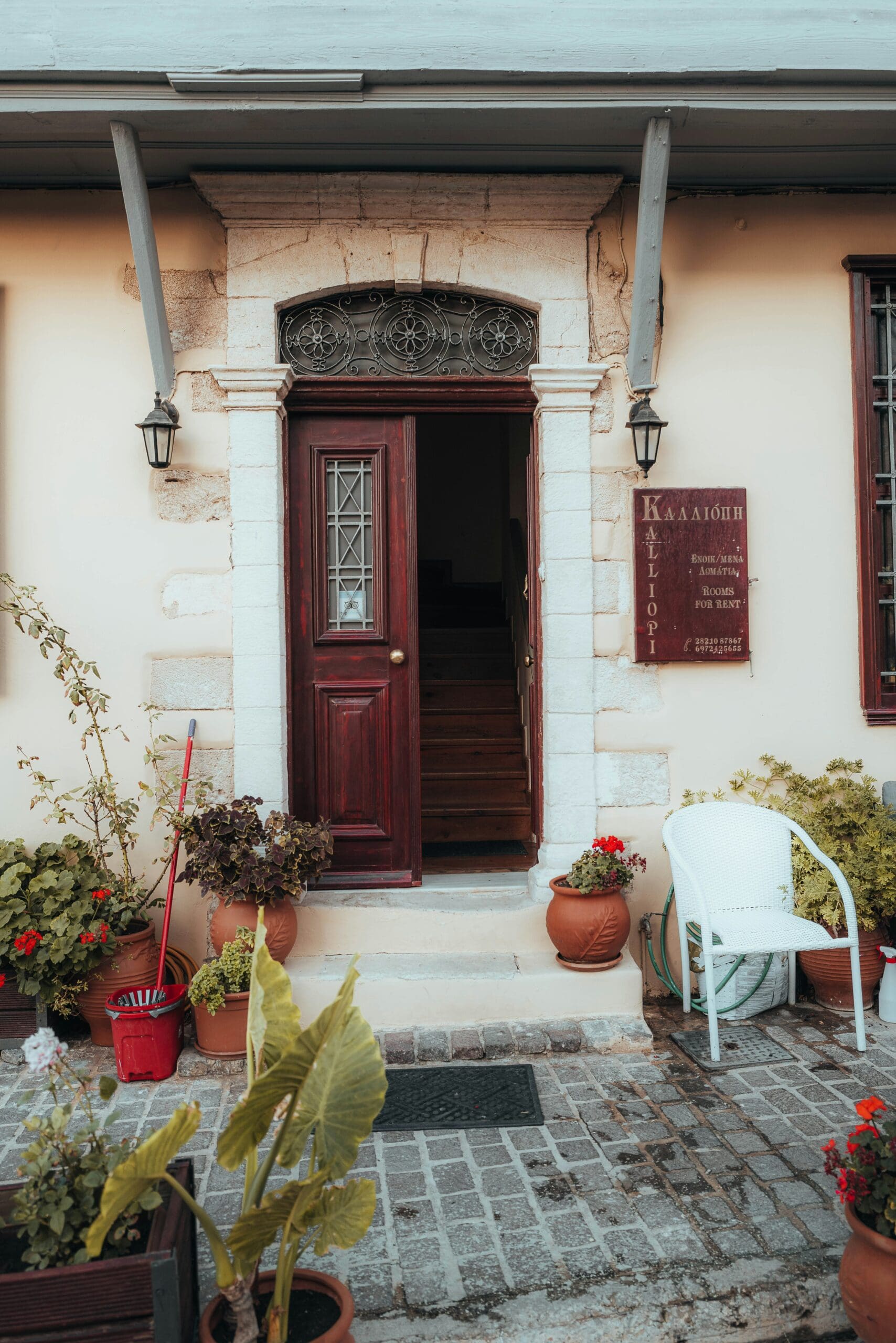
by Birk Enwald (https://unsplash.com/@birkenwald)
Why the Folklore Museum of Chania is a must-visit
The Folklore Museum of Chania offers a deep insight into Cretan culture. It is an ideal place to understand the historical roots of the region. Visitors particularly appreciate the authentic presentation of the exhibits.
The museum's carefully restored room transports guests to another time. This experience makes the visit unforgettable. The diversity of the exhibits showcases Crete's rich history and traditions.
For those interested in culture and history enthusiasts, the museum is an indispensable part of any trip to Chania. Here, the past comes alive and inspires future generations.
Conclusion: A living legacy for all generations
The Chania Folklore Museum is more than just a collection of ancient artifacts. It is a place of living history that appeals to visitors of all ages. The carefully curated exhibits offer deep insights into the Cretan way of life and promote an understanding of cultural origins.
A visit to the museum is a journey through time, showcasing the rich cultural diversity of Crete. It inspires respect and preservation of traditions. The museum is undoubtedly a treasure for Chania and a significant heritage for the coming generations.