
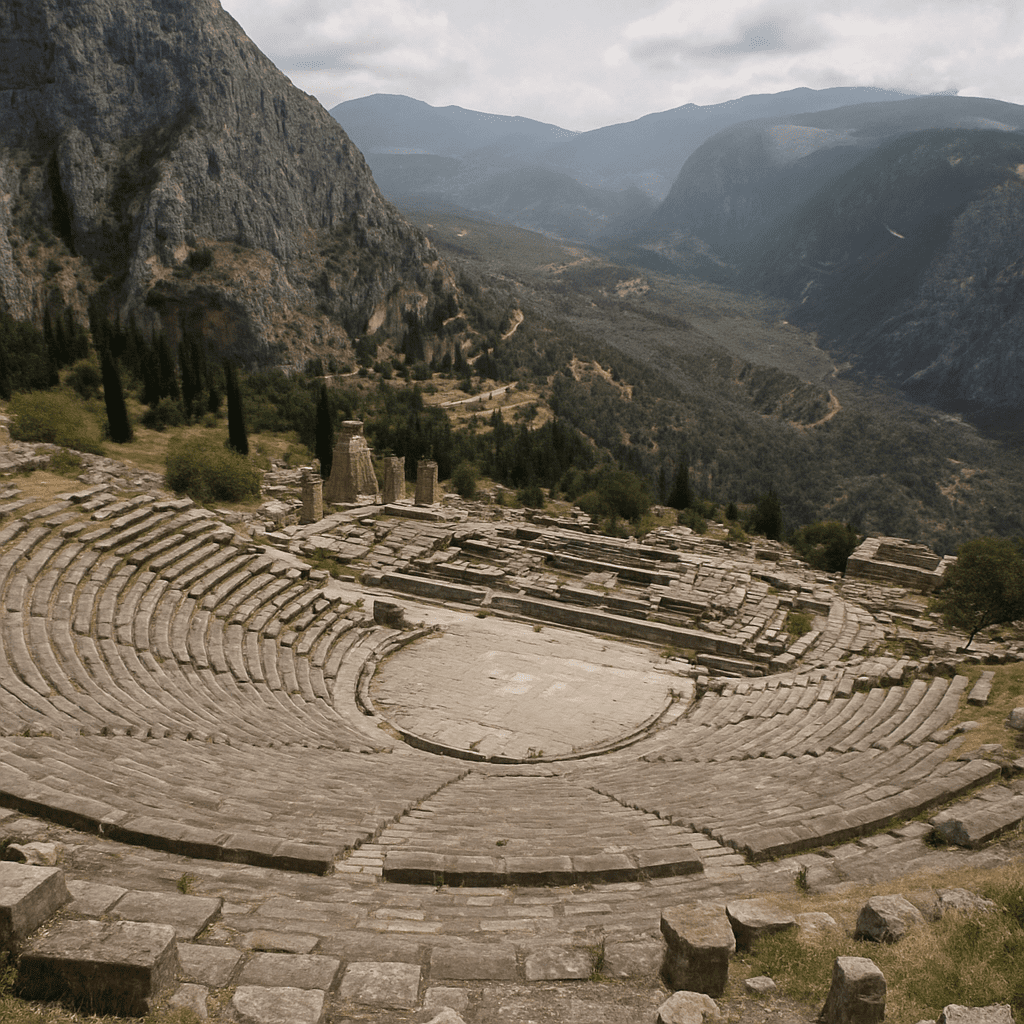
The ancient theater of Delphi is a fascinating testament to Greek culture. It is nestled in the picturesque landscape of the Parnassus Mountains. This historic site attracts thousands of visitors annually.
Delphi was once the spiritual heart of ancient Greece. It was known for its oracle, which was famous throughout the ancient world. The Theater of Delphi played a central role in this cultural center.
The theater was built in the 4th century BC. It could seat about 5,000 spectators. They came to experience dramatic performances and religious festivals.
The architecture of the theater is impressive. It was built from local limestone and offers a breathtaking view of the valley. The acoustics are designed so that even quiet voices can be heard in the back rows.
The theater was not just a place of entertainment. It was also a place for education and social exchange. Important issues of the time were discussed here, and cultural values were conveyed.
The significance of the Theater of Delphi extends beyond its architectural beauty. It was a place where art and religion merged. Performances were often part of religious ceremonies and festivals.
Today, the ancient theater of Delphi is one of Greece's most important attractions. It draws history buffs and tourists alike. The ruins tell stories of a time when art and culture flourished.
The legacy of the Delphi theatre lives on. It inspires architects, historians, and artists worldwide. It reminds us of Greece's rich cultural past and the importance of art in society.
Delphi as a Cultural Center of Antiquity
Delphi is a name that exuded both power and mystery in ancient times. It was not only a religious center but also a focal point for art and politics. Travelers from all parts of the known world came here to consult the oracle or participate in the Pythian Games. These events were an important part of Greek culture, comparable to the Olympic Games.
The geographical location of Delphi significantly contributed to its importance. Situated in the heart of Greece, it was easily accessible to travelers and pilgrims. The majestic backdrop of Mount Parnassus, overlooking the city, provided the ideal setting for spiritual and cultural activities. This natural beauty and spiritual aura made Delphi a unique place of attraction.
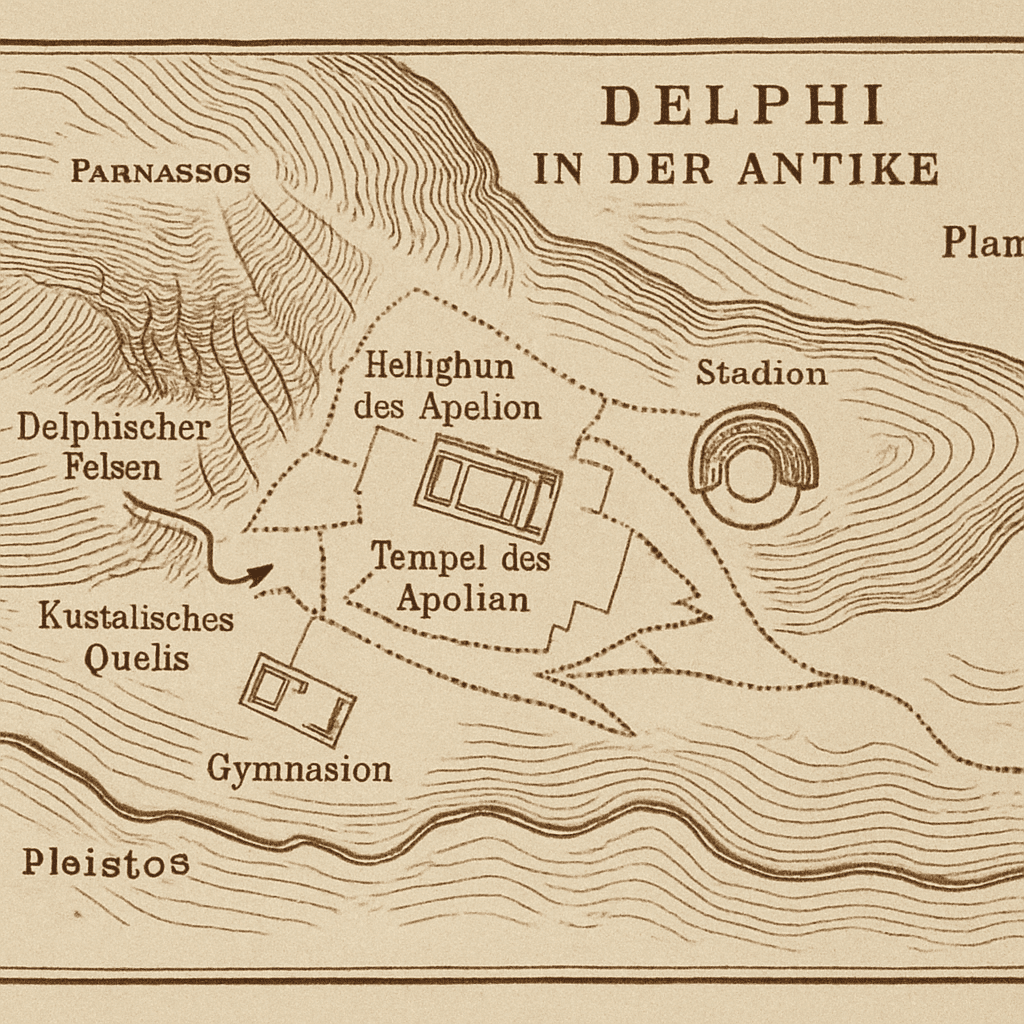
The political significance of Delphi should not be underestimated. City-states like Athens and Sparta vied to win over the oracle to their side. A positive oracle could decide wars and seal alliances. Delphi was thus a center of power, promising deep insights into the future, and still stands today as a testament to the political influence of antiquity.
Culturally, Delphi was a place of innovation. Art and architecture flourished here, encouraged by the rich donations from the Greek world. The Pythia, the oracle's priestess, inspired poets, philosophers, and thinkers. It was a place where knowledge was gathered, shared, and celebrated. The treasures amassed here were a reflection of the cultural and religious diversity that shaped Delphi, making it the cradle of Greek culture.
History and Construction of the Ancient Theater of Delphi
The Ancient Theatre of Delphi is an outstanding example of ancient Greek architectural mastery. It was built in the 4th century BC and renovated several times to meet the growing demands of its visitors. Originally constructed from limestone, it could accommodate approximately 5,000 spectators, underscoring its significant role in the social and cultural life of the region.
The construction of the theater itself reflects the skill of the builders of that era. It was built on a steep slope, cleverly utilizing the natural topography to optimize acoustics. This allowed even those in the furthest rows to hear the performances clearly. This construction method was typical of Greek theaters and demonstrates the architects' deep understanding of natural conditions.
A remarkable aspect of the theater at Delphi is its adornment with various statues and inscriptions. These artworks were both decorative and functional, as they told stories from mythology and enhanced the prestige of the site. The statues mostly depicted gods and heroes deeply rooted in the religious and cultural identity of the Greeks.
Over the centuries, the theater has changed considerably. Renovations and reconstructions were necessary to meet new demands. During the Roman period, marble decorations and new seating rows were added, which modernized the theater and increased its capacity. These adjustments made the theater a continuous focal point of Greek culture, even in Roman times.
The following summarizes some of the most important phases and characteristics of theater construction:
- Initial construction in the 4th century BC: Construction of limestone with excellent acoustics.
- Expansions during the Hellenistic period: Capacity expansion through additional rows of seats.
- Roman Renovations: Introduction of marble detailing and other luxurious touches.
- Functional renovations in subsequent centuries: Adjustments for different cultural and religious requirements.
The construction of the ancient theater of Delphi is an impressive testament to the connection between architecture and religion in ancient Greece. It was not just a place of entertainment, but also a sacred site where the gods were honored. This theater was more than just a structure – it was a living part of the spiritual and cultural landscape of that era.
Architecture and Peculiarities of the Greek Theater
The architecture of the Greek theater is an impressive blend of function and aesthetics. The construction was designed to offer optimal acoustics, allowing spectators to follow performances without modern technology. Typically, the theater was divided into three main sections: the orchestra, the stage, and the seating area.
The Orchestra The central element was a circular or semicircular area where the performers presented their plays. Surrounding it was the theatron, the area where the audience sat. The rows of seats were arranged like a large bowl, which not only amplified the sound but also offered an impressive view of the stage and the surrounding landscape.
Another notable feature is Skene, a structure behind the stage that served as a backdrop. It was often richly decorated and also served as a dressing room for the actors. This structure evolved over time and became an integral part of theatrical performance, as it could also be used for scene changes.
The special characteristics of Greek theater architecture can be summarized as follows:
- TheatronRows of seats, often made of stone or marble, arranged in a semicircle.
- OrchestraThe central performance area, often circular.
- SkeneBackground structure for stage sets and scene changes.
- Acoustic optimizationsUsing natural landscapes and shaping to amplify sound.
- Landscape integrationUsing the natural terrain for construction to create a harmonious overall appearance.
In addition to functional architecture, aesthetic design was a primary focus. The Greeks placed great importance on adorning their architectural heritage with intricate details and symbolic figures. These embellishments not only beautified the space but also clarified the cultural and religious context. Thus, the sight of a theater was not merely a visit to a performance, but also an entrance into a world of mythological narratives and divine stories.
By merging art, geometry, and nature, each Greek theater was unique. Every element of the design had its own meaning and function, ensuring a seamless integration of acoustics, landscape, and visual spectacle. These works of art bear witness to the high level of engineering and aesthetic understanding of ancient society and continue to inspire modern architects and designers today.
Inscriptions and archaeological finds
The ancient theater of Delphi has gained importance not only through its architecture, but also through its inscriptions and archaeological finds. These discoveries offer invaluable insights into the cultural and social life of that era. The inscriptions, discovered on marble tablets and stones, tell of religious rites, political events, and famous personalities who visited the theater.
Among the outstanding archaeological finds are diverse artifacts. These include statues, pottery, and everyday objects that were unearthed during the excavations. Particularly insightful, however, are the votive inscriptions, which were often dedicated to document important events or the favor of gods. They serve as valuable historical sources that help to better understand life at the time and the role of theater at the center of Greek culture.
The most important discoveries at the ancient theater of Delphi include:
- Spoons with dedicatory inscriptionsYou document religious and political events.
- SculpturesRepresent deities and important people of the era.
- CeramicsOffers insights into daily life, crafts, and trade relations.
- CoinsTo help decipher the economic aspects and trade routes of the ancient world.
- Tools and WeaponsReflects the craftsmanship and military technologies of the time.
These archaeological findings are more than just ancient remains; they are windows into a world where art and everyday life formed an inseparable connection with religion and society. The artifacts allow historians and archaeologists to explore the functions and influence of theater more deeply, while simultaneously depicting the cultural practices and daily lives of the people of that era.
Thanks to these discoveries, we have a comprehensive picture of Delphi as a cultural center that played a leading role in the ancient world due to its religious, political, and artistic significance. These findings prove that the theater of Delphi was far more than just a venue for performances; it was an integral part of a complex society, with influences reaching into our civilization today.
The theater as a stage for festivals and competitions
The ancient theater of Delphi was far more than just a place of entertainment. It served as a central stage for important festivals and competitions deeply embedded in the religious and cultural practices of ancient Greece. The Pythian Games, considered the second most important sporting event of antiquity after the Olympic Games, were particularly notable.
The Pythian Games were dedicated to the god Apollo and included both athletic and musical competitions. The theatrical performances encompassed tragedies and comedies, attracting spectators from all over the Greek world. These events offered artists a prestigious stage to showcase their skills. The appeal of these events was enormous, and they fostered cultural exchange and competitiveness among the city-states.
The festivities and competitions that took place in the theater of Delphi included:
- Musical CompetitionsPerformances of songs and instrumental pieces honoring the legacy of the Apollonian cult.
- Theater performancesTragedies and comedies that reflected social and religious themes.
- Athletic competitionsIncluded running, discus throw, and other athletic disciplines.
- Poetry and Rhetoric CompetitionsThey fostered the art of words and speech in the name of the god Apollo.
These events were not just ceremonial occasions, but they also played an important role in strengthening social bonds and the sense of community. They gave citizens and visitors the opportunity to gather, to further educate themselves culturally, and to increase the glory of their city-state through victories. The theater contributed significantly to establishing Delphi as a central place of worship and culture.
The festivals and competitions in the ancient theater of Delphi not only highlighted the importance of theater and sport in Greek society. They also served as a platform for political and diplomatic relations. Politicians and influential figures used these occasions to forge alliances and demonstrate their power. The theater was thus a place of encounter, competition, and worship, which decisively shaped and formed the social and political life of antiquity.
Meaning for Religion and Society
The ancient theater of Delphi was far more than an architectural masterpiece; it was a significant religious and social center. At the heart of the ancient Greek world, it served as a hub for religious ceremonies, primarily dedicated to the god Apollo. The priests and oracles who operated in Delphi were highly respected. They provided prophecies that influenced the decisions of both individuals and entire city-states.

by Thanos Gkirinis (https://unsplash.com/@unicorneto)
Religious rites in the theater fostered unity among the city-states. The arrival of pilgrims from all parts of Greece gave Delphi an atmosphere of spirituality and a sense of community. These pilgrimages also offered opportunities for social and cultural exchange. Visitors made offerings and participated in processions, demonstrating their belief in the favor of the gods. Such practices strengthened the social cohesion and collective identity of the participants.
The Theater of Delphi was not only a religious hub, but also a place of social integration and education. Events combining art, music, and poetry served to disseminate the cultural values and knowledge of society. The architecture of the theater was designed to maximize both acoustics and visibility, thereby ensuring effective transmission of cultural content. As a result, visitors experienced art and culture at a high level, which broadened their intellectual horizons.
Socially, the theater was a meeting place for people from various social classes and backgrounds. It facilitated direct interaction between different social groups, which helped to break down social barriers. Attendees could immerse themselves in the roles and stories on stage, which often reflected moral and ethical dilemmas. These performances sparked discussions about societal issues and fostered collective awareness and dialogue within the community.
The Ancient Theatre of Delphi Today: A Tourist Attraction and Heritage Site
The ancient theater of Delphi remains a fascinating destination even today. Visitors can experience its remarkable architecture and impressive history. This site, nestled in the picturesque landscape of Greece, attracts tourists and history enthusiasts from all over the world. The sight of the theater, carved into the slope of the sacred Mount Parnassus, offers a breathtaking panoramic view of the valley. It is this view that makes the theater a highlight among the sights of Delphi.
A visit to the theater offers more than just the sight of old stones; it is a journey into the past. The atmosphere on-site brings to life the ancient times when the theater was a thriving stage for dramatic arts and religious rites. The well-preserved seating rows and the size of the complex testify to its former importance. Visitors can reflect on the history and cultural influence of the theater, immersing themselves in the roles of spectators from thousands of years ago.
The archaeological value of the theater of Delphi should not be underestimated. It serves as an important source for understanding ancient Greek culture and its architectural capabilities. Regular maintenance work preserves the condition of this historical site, offering a window to the past for future generations. In addition to the theater itself, numerous discoveries and artifacts can be found in the archaeological museum of Delphi, providing insights into the era.
Visitors who tour the ancient theater of Delphi can have a complete experience. Here are some of the experiences not to be missed:
- Exploring the spectacular architecture and acoustics of the theater
- Enjoying the panoramic views of the Delphi valley
- Visit to the nearby Oracle Temple and Museum
- Participation in guided tours that explain the history and significance of the location
Today, the significance of the theater extends beyond archaeological relevance. It remains a symbol of the cultural roots of Western civilization. This connection to the past keeps Greek theater alive and relevant. Delphi embodies Greece's rich history, serving as a cultural and spiritual heritage that bridges the past and present.
Conclusion: The Legacy of the Ancient Theater of Delphi
The ancient theater of Delphi remains a significant symbol of the cultural golden age of ancient Greece. Its impressive architecture and historical importance contribute to its unique standing in world history. As a center for artistic performances and religious ceremonies, the theater played an essential role in the lives of the people of that time. It created a space where art, religion, and community harmoniously blended. These aspects make the theater a valuable heritage for today's society.
The influence of theater spans millennia, inspiring the evolution of stage and drama into modern times. The understanding and appreciation that today's visitors gain from experiencing theater highlight its enduring relevance. It not only offers a glimpse into the past but also encourages reflection on the origins and evolution of human expression. As a part of Delphi's heritage, it prompts recognition of history's significance and the appreciation of diverse facets of human creativity. Thus, the ancient theater of Delphi remains an inspiring wellspring of cultural heritage, continuing to influence and inspire generations worldwide.