
The Basilica of San Nicola is an impressive structure in Bari, Italy. It attracts thousands of visitors annually. This basilica is not only an architectural masterpiece but also a significant religious center.
Bari, the capital of the Puglia region, is known for its rich history and culture. The Basilica di San Nicola is one of the most outstanding sights in the city. It is a must-see for anyone visiting Bari.
The basilica was built in the 11th century. Its purpose was to house the relics of Saint Nicholas of Myra. These relics make the basilica an important pilgrimage site for Christians worldwide.
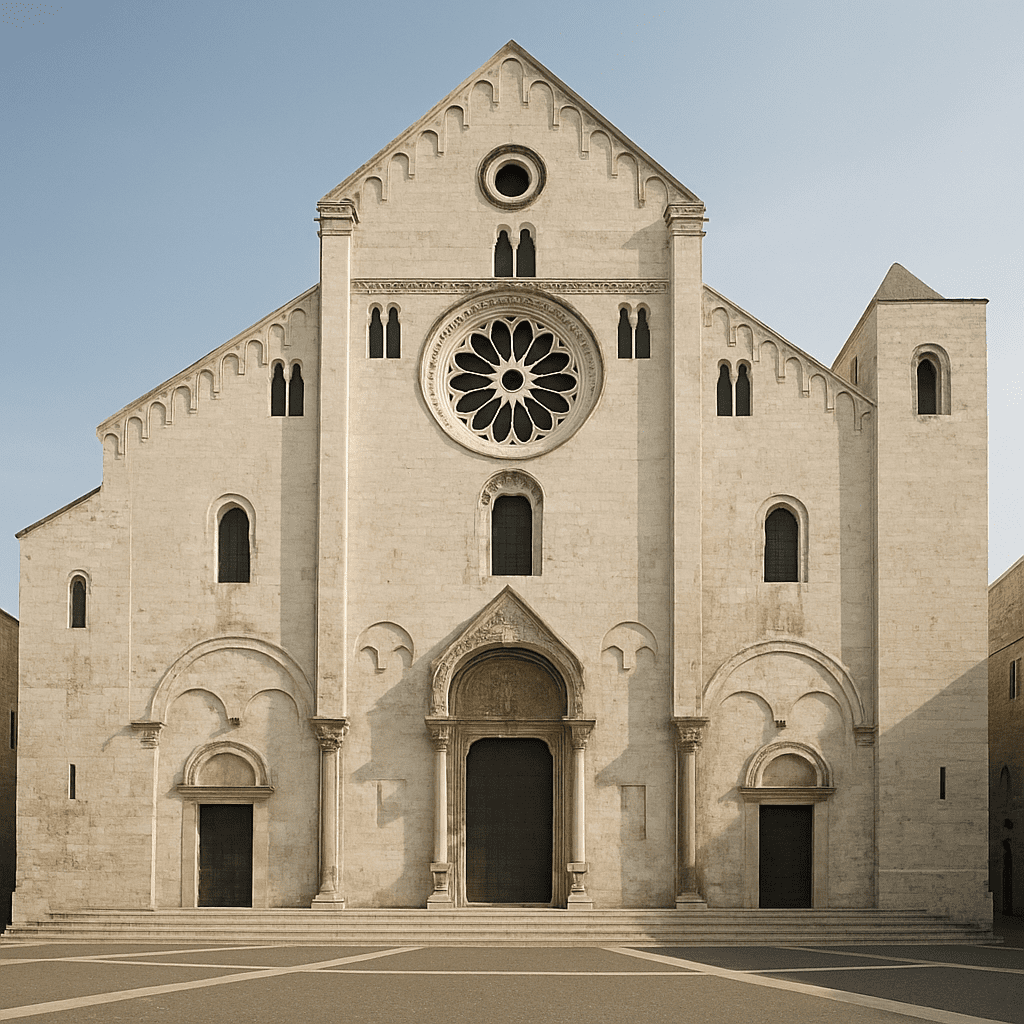
The architecture of the Basilica of San Nicola is an outstanding example of Romanesque art. It combines Byzantine and Norman influences. The simple yet impressive facade with its three portals and large rose window is a real eye-catcher.
Inside the basilica, visitors will find valuable artworks and mosaics. The crypt houses the relics of Saint Nicholas. These are a significant attraction for pilgrims and tourists alike.
Annually, festivities in honor of Saint Nicholas take place in the basilica. These attract many believers and visitors. The basilica is a symbol of the religious and cultural connection between East and West.
The Basilica of San Nicola is not just a religious site. It is also a cultural center that regularly hosts concerts and events. Its impressive acoustics make it a popular venue for musical performances.
A visit to the Basilica of San Nicola offers a deep insight into the history and significance of Bari. It is a place where history comes alive and the spiritual atmosphere of the city can be felt.
The Basilica of San Nicola: A Landmark of Bari
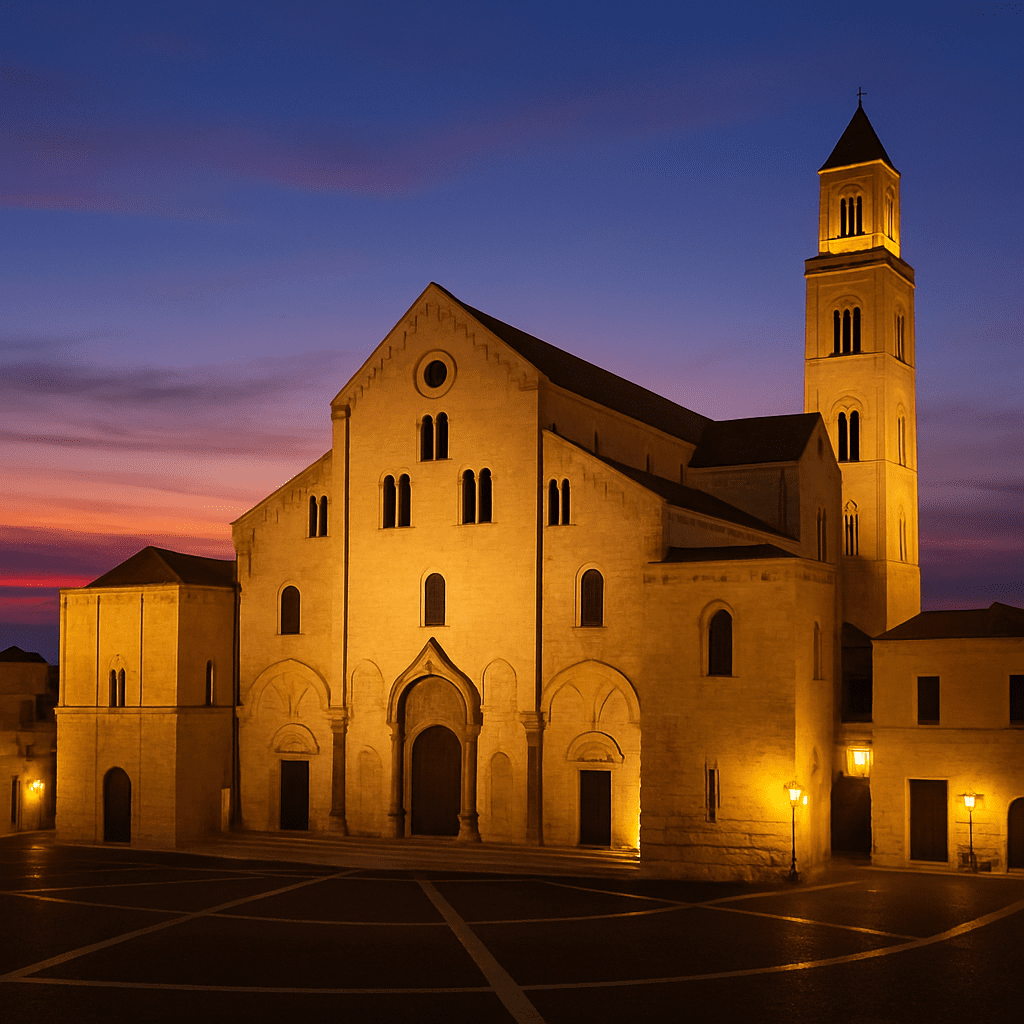
The Basilica of San Nicola is more than just a building; it is the heart of Bari. This majestic church stands as a symbol of the city's deep-rooted history. Since its construction in the 11th century, it has drawn pilgrims and tourists from all over the world to Bari.
The construction of the basilica began to house the relics of Saint Nicholas. These relics give the city a special spiritual significance. Saint Nicholas himself is known as the patron saint of the city of Bari. His story and veneration have made Bari a firm fixture on the pilgrimage map.
Architecturally, the basilica reflects the influences of various cultures. The architecture incorporates elements from Byzantine and Norman styles. This blend of styles makes the basilica a unique example of Romanesque architecture in Italy.
The facade of the basilica is remarkably simple, yet impressive. It features three massive portals and an intricate rose window. This window is not only a masterpiece of stonemasonry but also a symbol of the light that the basilica brings to the city of Bari.
The Basilica of San Nicola is not only known for its architecture. Inside, it houses numerous art treasures and religious artifacts. These bear witness to the rich history and cultural heritage of the Apulia region. Visitors can not only admire the beauty of Romanesque art here but also experience the spiritual atmosphere that makes this place so special.
History of the Basilica of San Nicola
The history of the Basilica of San Nicola is rich with legends and historical events. Its construction in the 11th century was a significant undertaking, closely intertwined with the entire region of Puglia. The basilica was built to house the relics of Saint Nicholas of Myra, which were brought to Bari in 1087.
This transfer of relics was not a simple act. A group of daring sailors from Bari undertook an expedition to Myra, modern-day Demre in Turkey, to secure the remains. They did this to strengthen the veneration of the saint and to give the city of Bari significant religious importance. This action not only helped the city assert itself against Constantinople but also boosted Bari's reputation as an important pilgrimage site in the Middle Ages.
Construction of the basilica began soon after the arrival of the relics. It lasted for several decades and was completed in 1197. This long construction period reflected the complexity and ambition of the project. The basilica was intended not only to serve as a home for the relics but also as a symbolic place of spiritual and cultural connection between East and West.
Key historical milestones of the Basilica:
- 1087Arrival of the relics of Saint Nicholas in Bari.
- Early 12th centuryConstruction work on the basilica begins.
- 1197Completion of construction and official consecration of the Basilica.
- Middle AgesDevelopment of the Basilica as a Central Pilgrimage Site.
- Modern timesMaintenance and restoration work ensure the preservation of the basilica.
During the Middle Ages, the basilica became a meeting point for pilgrims from various parts of the Christian world. The influence of Saint Nicholas spread far and wide, giving the basilica a significance that is still palpable today. It is the call for miraculous healings and divine protection that continues to draw people in.
Over the centuries, the basilica has undergone several restorations and conservation efforts. These measures ensure its continued status as a historic and religious icon. The basilica's transformation and adaptation over time also reflect the changing eras and influences that have shaped Bari as a city and cultural hub.
Today, the history of the Basilica of San Nicola is a vibrant part of Bari's heritage. It is more than just a recollection of the past; it is a living testament to the enduring significance of Saint Nicholas and the city of Bari as a major religious and cultural focal point. The basilica's historical depth is inextricably linked to the identity of the Puglia region.
Architecture and Art Treasures of the Basilica
The Basilica of San Nicola is an outstanding example of Romanesque architecture. It displays clean lines and impressive structures. The style is characteristic of the architecture of Apulia and stands out due to its simple, yet powerful aesthetic.
From the outside, the basilica appears rather simple. The facade is characterized by three portals and a majestic rose window. This window is a particular eye-catcher. Despite its simple design, the facade conveys a sublime and imposing aura.
The church has three naves. The interior is surprisingly spacious. It is supported by numerous columns and arcades, creating a sense of width and height. This structure gives the basilica impressive acoustics, which are often used for concerts.
A highlight of the basilica are the richly decorated capitals of the columns. These feature a wealth of details that combine Byzantine and Norman influences. The stylistic mix reflects the region's cultural connections.
Art Treasures of the Basilica of San Nicola:
- FrescoImpressive murals depicting biblical scenes.
- MosaicElaborate floors from the 11th century.
- SculpturesFrom the late Middle Ages, often with religious motifs.
- AltarRich decorations honoring Saint Nicholas.
- CryptPlace where the relics of Saint Nicholas rest.
Inside, you'll find impressive frescoes and mosaics. These artworks are valuable testaments to their era. They depict biblical scenes and lend the basilica a spiritual depth.
Particularly noteworthy is the magnificent marble altar. It is elaborately decorated and forms the spiritual center of the church. The crypt beneath the altar is where the relics of Saint Nicholas are kept and attracts pilgrims from all over the world.
The Basilica of San Nicola is more than an architectural masterpiece. It is a living museum of art history. This site uniquely combines culture and spirituality. A visit offers a journey through time, providing deep insights into Bari's rich history and heritage.
The Relics of Saint Nicholas
The relics of Saint Nicholas are the centerpiece of the Basilica of San Nicola in Bari. These treasures have attracted believers and pilgrims from all over the world for centuries. The history of the relics dates back to 1087, when they were brought to Bari from Myra (modern-day Turkey) by a group of sailors. This spectacular acquisition was a significant moment for the city, bestowing religious and economic importance upon it.
Nicholas of Myra, also known as Nicholas the Wonderworker, is a central figure in Christian tradition. He is especially venerated in the Orthodox and Catholic Churches. His relics have been a source of inspiration and faith since their arrival in Bari. The basilica's crypt, where his bones are kept, is a place of deep devotion and prayer. Services and processions in honor of the saint are regularly held here.
The presence of the relics has made Bari an important pilgrimage destination. Every year in May, celebrations are held in honor of Saint Nicholas, drawing thousands of faithful to the city. These festivals are characterized by processions, religious ceremonies, and traditional festivities. Such events strengthen the sense of community and are a moving expression of cultural and religious heritage.
The relics themselves are displayed in an artfully designed reliquary shrine. This shrine is not only an object of worship but also a work of art with historical significance. For many visitors, encountering the relics is a spiritual experience that brings connection and peace. Beyond their religious significance, the relics and their history have made Bari a center of encounter between East and West, emphasizing the cultural and religious connections that have always shaped the city.
Significance as a pilgrimage site and religious center
The Basilica of San Nicola in Bari is not only an impressive architectural feat but also a significant religious center. As a pilgrimage site of international renown, it attracts thousands of visitors annually. The reason for this lies both in its architectural beauty and its spiritual significance. This combination makes the basilica a unique place where faith and history converge.
For many believers, the basilica is more than just a building. It is a place where one can find a deeper connection to Saint Nicholas and religious traditions. The basilica holds a special significance, particularly for Orthodox Christians, as Nicholas is one of their most revered saints. The regular Orthodox services held there foster interfaith dialogue and ecumenical understanding.
The basilica's role as a religious center extends beyond the borders of Italy. It is a meeting place for people of different cultures and faiths. Religious life at the basilica is evident in numerous activities and celebrations held throughout the year. These events are not only an expression of faith but also cultural highlights that enrich the local community.
A short list of the most significant events and aspects that characterize the Basilica of San Nicola as a place of pilgrimage and a religious center:
- Annual celebrations in honor of Saint Nicholas in May
- Regular services for Catholic and Orthodox believers
- Interreligious events and ecumenical dialogues
- Spiritual Retreats and Pilgrimages
- Cultural Events and Concerts in the Basilica
These diverse activities make the Basilica of San Nicola a vibrant center of faith and culture. Every visit offers an opportunity to delve deeply into the rich religious tradition and history of Bari and Puglia. Thus, the basilica serves not only as a spiritual anchor but also as a cultural meeting place that has inspired and connected people for centuries.
The Basilica of San Nicola as a symbol of Bari and Apulia
The Basilica of San Nicola is far more than just an architectural masterpiece; it is a living symbol of the city of Bari and the entire Puglia region. Its presence testifies to a rich historical and cultural past. As one of the first buildings of its size to be erected in the Romanesque style, the Basilica marks a turning point in Italy's architectural and religious landscape. It blends various cultural influences and reflects Bari's importance as a center of trade and culture.
Located in the heart of the old town, the Basilica embodies the identity and pride of Bari's residents. It is an integral part of the cityscape and plays a central role in local culture. The fact that Saint Nicholas is the patron saint of Bari makes the connection to the Basilica all the more meaningful. Every year, the celebrations in honor of Saint Nicholas are a highlight for locals and an impressive spectacle for visitors.
In the broader perspective, the Basilica of San Nicola also represents the historical connection between East and West. Its role as a pilgrimage site attracts not only Catholics but also Orthodox Christians, fostering intercultural exchange. This function as a bridge between cultures makes the Basilica a unique landmark of Apulia and an unforgettable destination for anyone visiting the region.
Visiting the Basilica: Tips and Practical Information
A visit to the Basilica of San Nicola in Bari is an experience that delights history buffs and architecture enthusiasts alike. The basilica is open daily to visitors, and admission is usually free. However, it is advisable to consider a guided tour. These tours offer deeper insights into the history and significance of this impressive building. Please check the schedules in advance, as guided tours are not always available.
Upon entering the basilica, you will be greeted by a peaceful and respectful atmosphere. It is advisable to dress appropriately to show respect for religious customs. It is also recommended to check the times of worship services, especially if you also wish to attend cultural events or concerts. These events are particularly worth attending due to the basilica's impressive acoustics.
Exploring the Basilica can be complemented by the surrounding attractions, all within easy walking distance. When preparing for a visit, consider the various ways to round out your stay. Beyond the Basilica itself, the old town boasts many other highlights waiting to be discovered. Its proximity to other cultural points makes exploring the Basilica part of a richer visiting experience in Bari.
For a pleasant and well-informed tour, please find a handy checklist below:
- Check the opening hours and service schedules.
- Consider a guided tour.
- Dress appropriately.
- Find out about current cultural events.
- Explore the surroundings for more attractions.
- Plan enough time for your visit to fully enjoy the entire experience.
A well-planned visit to the Basilica of San Nicola offers a unique opportunity to experience the history, culture, and spirituality of Bari. By considering these practical tips, you will maximize your enjoyment and understanding of this architectural jewel in Puglia.
The Basilica in the Context of the Old Town of Bari
The Basilica of San Nicola is not just a religious monument, but also an essential part of Bari's historic old town. This area, known as Bari Vecchia, is a labyrinth of narrow alleys and charming squares. It conveys the authentic flair of an Italian city. Strolling here is like a journey into the past, and the basilica stands proudly as a shining example of medieval architecture.
The old town itself offers a variety of attractions to enrich your visit. These include the Norman-Swabian Castle, an imposing Norman castle, and the Cathedral of San Sabino. All these places are within walking distance. Therefore, it is easy to fill a day exploring this cultural richness. Bari's old town is known for its lively atmosphere, especially during the evening hours when locals and visitors fill the vibrant streets and squares.
A walk through the old town allows you to experience the harmonious connection between architecture and everyday life. While you marvel at the various historical buildings, you will also have the opportunity to stop in small cafes and restaurants offering local specialties. Thus, your exploration tour through Bari Vecchia becomes a comprehensive experience that satisfies not only the cultural appetite but also the culinary one.
Conclusion: A must-see among Bari attractions
The Basilica of San Nicola is undoubtedly one of the highlights of any trip to Bari. Its historical significance and impressive architecture make it a must-see stop. Travelers will be fascinated by the beauty of its Romanesque construction and the rich art within. The basilica is not only an architectural gem but also a spiritual sanctuary, attracting both pilgrims and tourists.
Besides its religious significance, the Basilica of San Nicola functions as a cultural link between East and West. It offers a unique insight into the connection between architecture, history, and spirituality. These aspects make it an essential landmark in Puglia. Visiting the Basilica is more than just a tourist activity. It is a journey through time that brings to life the legacy of Saint Nicholas and the multifaceted nature of European history.