
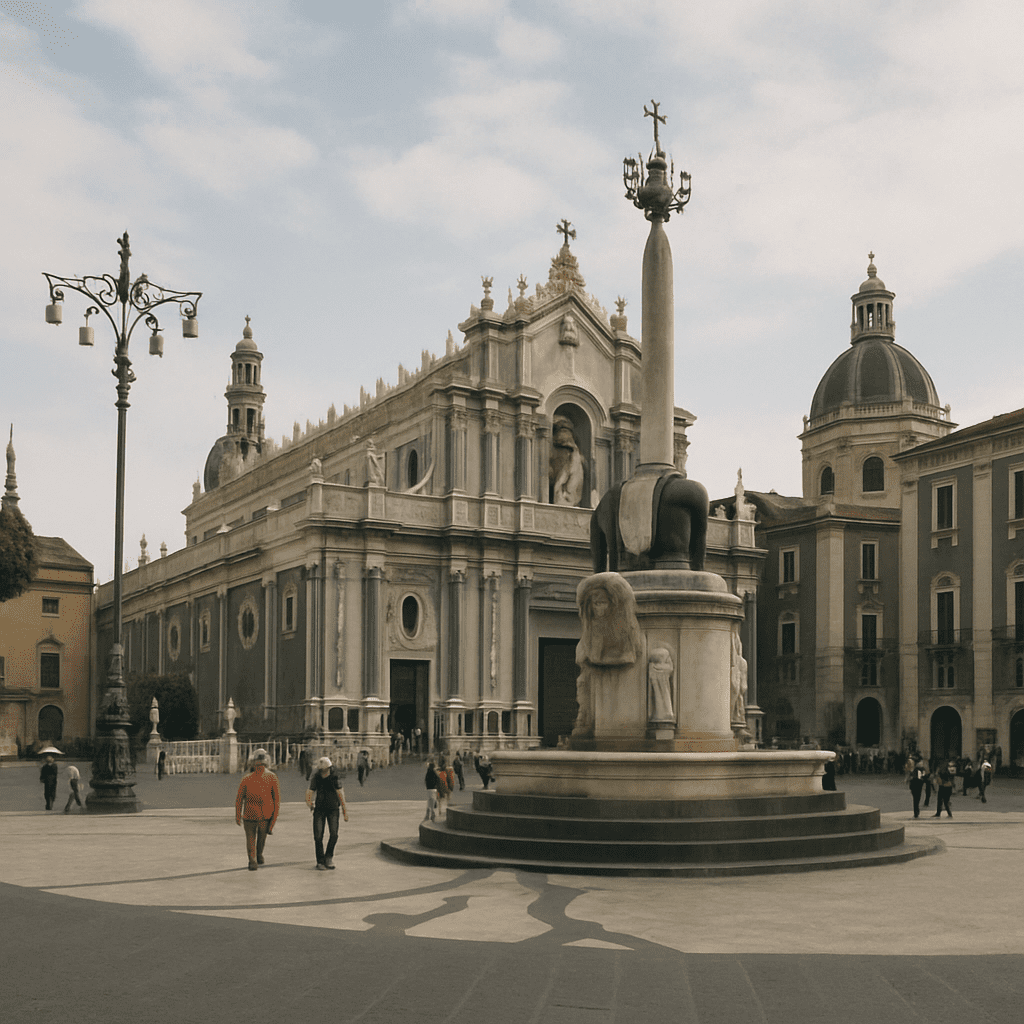
Catania's Cathedral Square, also known as Piazza del Duomo, is the vibrant heart of this Sicilian city. It is not only an architectural masterpiece but also a cultural center. The square attracts visitors from all over the world who wish to experience its beauty and history.
Catania, a city full of life and history, offers numerous attractions. The Cathedral Square is undoubtedly one of the most impressive. It is a prime example of Baroque architecture that emerged after the devastating earthquake of 1693. This architecture lends the square a unique elegance and charm.
The Cathedral of Catania, dedicated to Saint Agatha, dominates the square. It was built in the 11th century and rebuilt after several earthquakes. Its impressive facade and rich history make it a must-see for every visitor.
Another iconic landmark in the Cathedral Square is the Elephant Fountain, also known as Fontana dell’Elefante. The lavastone elephant symbolizes the city of Catania and is a popular photo opportunity. The fountain is a vibrant example of the integration of art and architecture.
The Cathedral Square is not only a place steeped in history but also a vibrant meeting point. Locals and tourists alike enjoy the lively atmosphere emanating from the surrounding cafes and restaurants. Here, you can savor local Sicilian cuisine and experience the hospitality of the residents.
The area around the Cathedral Square offers numerous shopping opportunities and cultural events. The square is often the scene of festivals and cultural events that reflect the rich culture of Sicily. These events attract people from all over the world and make the square an important social hub.
The Cathedral Square is also an ideal starting point for exploring Catania's old town. From here, you can admire the beauty and elegance of Baroque architecture. The impressive view of Etna, the active volcano near Catania, is another highlight.
Overall, Catania's Cathedral Square is a place where history and modernity meet. It is a symbol of the city's strength and resilience in the face of natural disasters. A visit to Piazza del Duomo is an unforgettable experience that allows you to experience Catania's rich history and culture up close.
History and Significance of Cathedral Square
Catania's Cathedral Square has a fascinating history that dates back to antiquity. Originally, it was a central location in the ancient city of Catanae. Over the centuries, it developed into an important cultural and social center. Today, this historic square is a significant landmark of Catania.
After the devastating earthquake of 1693, the Cathedral Square, like much of Catania, was redesigned in the Baroque style. This reconstruction shapes the city's current appearance and highlights the cultural resilience of its inhabitants. The redesign of the square symbolizes the beginning of a new era for the city.
Besides the impressive architecture, historical events play a central role in the history of Cathedral Square. The square was the scene of important celebrations and events. This history is reflected in the most varied facets of the square, from architecture to social dynamics.
The significance of the Cathedral Square extends beyond its architectural features. It serves as a melting pot of cultures where locals and visitors come together. This interaction strengthens Catania's cultural awareness and identity. The square has thus become a symbol of Sicily's cultural heritage.
Among the elements that make up the history of Cathedral Square are:
- The dominance of Baroque architecture as a result of reconstruction.
- The role as a central place for cultural and social events.
- The symbolic meaning as a sign of resilience and rebirth.
- The function as an integral part of urban identity.
- The incorporation into UNESCO World Heritage status.
The Cathedral Square not only plays a historical role but is also a living testament to Catania's development. Its significance today lies in the connection between past and present. Thus, the Cathedral Square remains a central point of urban and cultural life, inviting people to become part of this rich history.
The Cathedral of Catania: Heart of the Piazza del Duomo
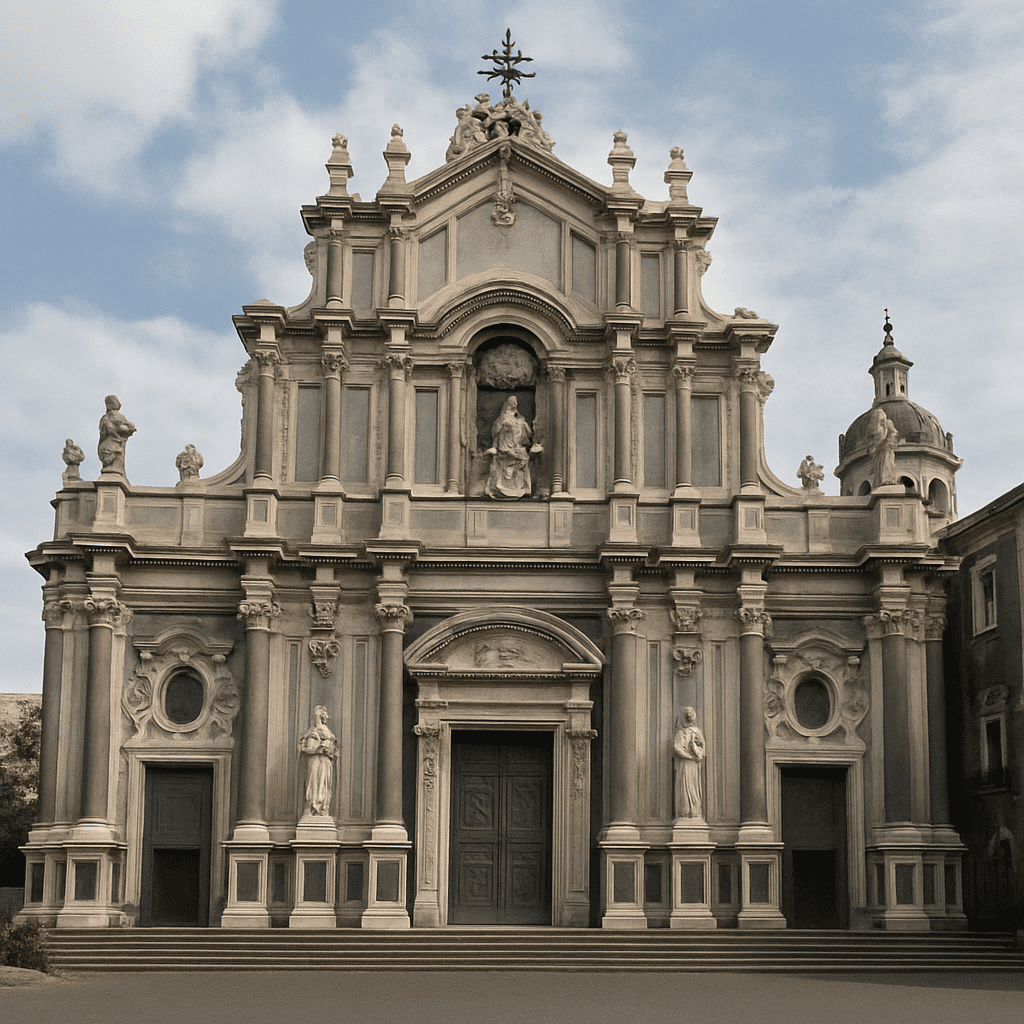
The Cathedral of Catania, dedicated to Saint Agatha, is the centerpiece of Piazza del Duomo. It rises majestically in the center of the square and immediately draws attention. Its impressive facade is an example of Baroque splendor and is in harmony with the architecture of the Cathedral Square.
Built in the 11th century, the cathedral has experienced numerous earthquakes and destructions. It has been rebuilt several times, with the reconstruction after the earthquake of 1693 being particularly significant. These reconstructions have contributed to its current appearance, which combines Baroque and Norman elements.
Inside the cathedral is the tomb of Vincenzo Bellini, a famous composer from Catania. The cathedral also houses the relics of Saint Agatha, the city's patron saint, who is venerated annually by pilgrims from all over the world. These relics are a central element of the festivities in her honor.
A remarkable aspect of the cathedral is its artistic design. Frescoes, statues, and elaborate altars adorn the interior. These works of art offer insights into the region's culture and history, inviting visitors to immerse themselves in the spiritual and historical atmosphere.
The Catania Cathedral is more than just a building; it is a symbol of the resilience and faith of the city's inhabitants. It stands as a majestic testament to Catania's ability to overcome adversity while preserving its religious and cultural traditions. This vibrant combination of history, art, and spirituality makes the Cathedral an essential destination for any traveler on the Piazza del Duomo.
The Elephant Fountain: Symbol of the City
The Elephant Fountain, or Fontana dell’Elefante, is an iconic landmark in Catania's Cathedral Square. This fascinating monument was designed in the 18th century by architect Giovanni Battista Vaccarini. It attracts both tourists and locals and is often used as a meeting point.
The fountain is made up of a lava stone elephant proudly carrying an ancient obelisk of Egyptian granite on its back. The elephant, known as „u Liotru,“ is a symbol of the city of Catania and is surrounded by many legends. This statue is crafted from local lava rock, thus highlighting the city's geological connection to Mount Etna.
One of the most famous myths says that „u Liotru“ was created by a magician who wanted to bring the statue to life. Other stories describe the elephant as the city's guardian spirit. These tales give the fountain a mystical aura and make it an important cultural symbol.
Important details about the Elephant Fountain:
- Time of originBuilt in the 18th century by Giovanni Battista Vaccarini.
- MaterialsCrafted from lava stone with an obelisk made of Egyptian granite.
- MythologySurrounded by legends and myths that portray the elephant as a symbol of protection.
- City tree motifRepresents Catania's connection to Etna and its resilient identity.
The fountain's placement in the center of the Cathedral square makes it a natural focal point. It reflects both the city's artistic creativity and its historical significance. The combination of robust lava stone and an exotic obelisk underscores Catania's cultural diversity and its rich historical roots.
This blend of architecture and mythology lends the Elephant Fountain its special charm. Visitors are often fascinated by its complex symbolism and elegant integration into the cityscape. This makes the fountain one of the most significant sights on the Piazza del Duomo and in Catania.
Baroque architecture and cityscape
The Cathedral Square in Catania is a prime example of Sicily's opulent Baroque architecture. This architectural style was significantly reshaped after the devastating earthquake of 1693. The reconstruction led to the creation of fascinating structures that characterize the square today and offer visitors an impressive panorama.
The square is surrounded by majestic Baroque buildings, all gleaming in shades of white and gray. These materials and colors were chosen due to the proximity of Mount Etna. The volcano provided lava stone, which contributes a characteristic gray hue to the architecture. This unique color contrast further enhances the architectural beauty and testifies to the residents' creative adaptation to natural conditions.
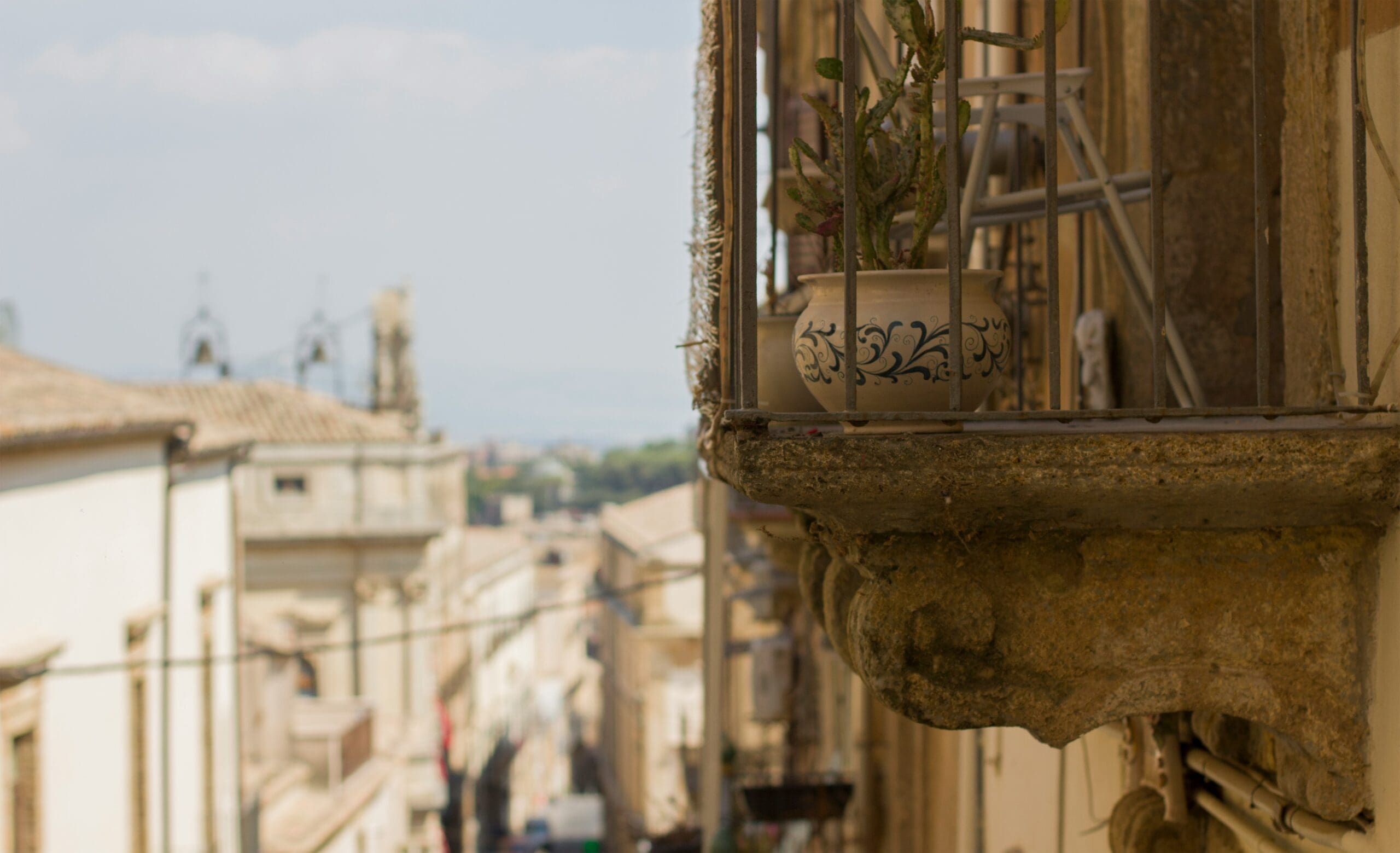
by Antonino Cicero (https://unsplash.com/@antoninocicero)
An outstanding example of Baroque architecture is the Palazzo degli Elefanti. This magnificent building now serves as the city hall and impresses with its artfully decorated facade. The complex design of the windows and balconies reflects the Baroque style, in which ornate details dominate. The city hall is not only an administrative center but also a historical monument that symbolizes the resilience and creativity of the residents of Catania.
Another architectural treasure on Cathedral Square is the Badia di Sant’Agata. This impressive church is dedicated to Saint Agatha and features an opulent facade. The church is a masterpiece of Baroque architecture and attracts many admirers. Its imposing doors and intricately crafted statues bear witness to the skill of the artisans of that era.
The Cathedral Square and its Baroque architecture are more than just impressive structures. They embody the city's history and culture, offering insights into the resilience of its people after natural disasters. These buildings tell stories of the past and reconstruction, which are fascinating for visitors and residents alike. They invite you to delve into the multifaceted history of Sicily and experience the artistic sophistication of this era firsthand.
More attractions on Cathedral Square
Catania's Cathedral Square is a cultural hub offering much more than just the impressive cathedral. The area surrounding the square is brimming with historical and architectural treasures. These sights make it an essential part of any city tour.
The Fontana dell’Amenano is another fascinating attraction in the Cathedral Square. This fountain is known for its flowing water, resembling a river, which reveals the underground Amenano stream. It's a popular spot for photos and adds a touch of refreshing naturalness to the square. Legend has it that the fountain's water brings good luck, making it particularly popular with tourists.
Directly adjacent to the Catania Cathedral is the Church of San Benedetto. This church is known for its magnificent interior and its famous ceiling frescoes. The splendid staircase leading to the church is another example of the Baroque elegance that permeates the entire city. Its intricate details and harmonious blend of art and architecture make it a jewel of the Piazza del Duomo.
For those seeking a deeper understanding of Catania's history and culture, there is the Museo Diocesano. This museum offers insights into the region's religious art and artifacts. From imposing paintings to valuable sacred objects, it is a place where visitors can connect with Sicily's deeply rooted religious tradition.
Here is a list of other noteworthy sights surrounding Cathedral Square:
- Biscari PalaceOne of the most famous Baroque buildings in Catania.
- Ursino CastleA medieval castle that today houses a museum.
- University SquareA place known for its harmonious architecture.
- Via EtneaCatania's best-known shopping street, leading directly to Cathedral Square.
These fascinating places enrich Cathedral Square not only architecturally but also culturally. They offer visitors the opportunity to immerse themselves in the rich history and tradition of the city. Whether you love art, appreciate history, or simply want to enjoy the atmosphere, Cathedral Square and its surroundings have something for everyone.
Life and atmosphere on the Piazza del Duomo
The Cathedral Square in Catania, also known as Piazza del Duomo, is the vibrant heart of the city. It attracts locals and tourists alike to enjoy its lively atmosphere. Visitors experience a fascinating blend of history, culture, and the Italian way of life here.
A stroll through Cathedral Square offers a unique experience. The surrounding cafes and restaurants invite you to linger and offer the opportunity to try authentic Sicilian cuisine. The outdoor seating provides a great view of the impressive baroque architecture and allows guests to observe the bustling activity around them.
The square is particularly popular with street performers and musicians, who contribute to the atmosphere with their acts. Whether it's the melodic sounds of a street guitarist or captivating fire juggling – such performances offer entertainment for young and old alike.
Here is a list of experiences that enhance the lively atmosphere of Cathedral Square:
- Street musicianDaily performances of a wide variety of music genres.
- Artisan marketsLocal artists offer their handmade goods.
- Festivals and eventsRegular cultural festivals bring even more life to the square.
- Meeting point for conversationsA popular spot for locals to meet and chat.
After dark, the Cathedral Square takes on a special magic. The illuminated facades of the buildings and the cathedral lend it an enchanting atmosphere. Catania's pleasant climate makes it enjoyable to stroll through the square even in the evening and enjoy the refreshing breeze.
Piazza del Duomo embodies the essence of the city of Catania: a rich history, cultural diversity, and the warm hospitality of its residents. It is a place where one can experience both the hustle and bustle of the city and moments of tranquility. Whether by day or by night, the vibrant atmosphere of Cathedral Square captivates every visitor.
Tips for Visitors: Experience, Enjoy, Photograph
A visit to the Piazza del Duomo in Catania offers numerous experiences that fascinate both vacationers and locals. The square is not just a meeting point, but a cultural center waiting to be discovered.
For lovers of history and architecture, Piazza del Duomo is an ideal destination. The Cathedral of Catania, with its magnificent facade and elaborate details, is a must-see. A tour of the church offers a deep insight into the history of the city and its patron saint, Saint Agatha.
Photography enthusiasts will get their fill on Cathedral Square. With its Baroque splendor, the square offers countless photo opportunities. The elephant fountain, made of lava stone, is a particularly iconic symbol of the city and a popular subject. The best lighting conditions can be found early in the morning or during sunset.
Here is a list of tips to help you make the most of your visit:
- Plan enough timeTake at least half a day to explore the square and its sights.
- Comfortable shoes: Since a lot will be explored on foot, comfortable shoes are a must.
- Keep the camera readyThe impressive architecture offers many photo opportunities.
- Try local foodTake the time to sit down at one of the surrounding restaurants and sample authentic Sicilian delicacies.
- Time to relaxDon't rush, enjoy the atmosphere with a cup of coffee.
Experiencing the Cathedral Square goes beyond mere sightseeing. Take your time to feel the flair and hospitality of Catania. Sit at a cafe, people-watch, and immerse yourself in the city's history and culture.
A little-known tip for visitors is to take a guided city tour. This way, you gain deeper insights into the history and architecture of the square and hear interesting anecdotes from local experts.
Special experiences also include the regular cultural events and festivals in Cathedral Square. They offer a perfect opportunity to experience the traditions and cheerful atmosphere of the city. This often also provides a chance to taste regional delicacies and local wines. A visit here promises to create memories that will last long after your vacation.
Conclusion: Why Catania Cathedral Square is a must-visit
Piazza del Duomo in Catania is more than just an architectural masterpiece; it is the vibrant heart of the city and a symbol of its rich culture and history. The Piazza del Duomo harmoniously blends impressive Baroque architecture with lively Sicilian lifestyle, offering visitors the opportunity to deeply immerse themselves in the city's historical and social fabric. The presence of the majestic Catania Cathedral, dedicated to Saint Agatha, and the iconic Elephant Fountain lend the square its distinctive identity. These landmarks are not only visually striking but also tell the story of Catania's resilience and artistic heritage.
Another reason why the Cathedral Square is a must-see for any traveler is its central role as a social and cultural hub. Here, the hustle and bustle of the city blends with a relaxed atmosphere, inviting visitors to experience the vibrant culture of Sicily. Whether it's lingering in one of the many surrounding cafes, watching locals interact in their daily lives, or participating in one of the numerous festivals and events, the Cathedral Square is the perfect place to experience authentic Sicilian life.
Finally, the location of Piazza del Duomo makes it an ideal starting point for exploring other sights of Catania. The proximity to other historical and cultural sites allows visitors to make the most of their stay and gain a deeper insight into the fascinating heritage of the city. Piazza del Duomo is not just a place to visit, but also a meeting point where history, culture, and modern dynamics blend harmoniously. For all these reasons, no visitor to Catania should end their stay without experiencing this special part of the city.