
We all know Pablo Picasso for his distorted faces that forever changed modern art. But anyone who enters the Picasso Museum Barcelona is initially in for a real shock: Hanging here are masterpieces by a 14-year-old boy who painted with the precision of a Renaissance artist. Instead of abstract forms, his astonishing early work reveals that he had perfectly mastered the strict rules of painting before he decided to deliberately break them.
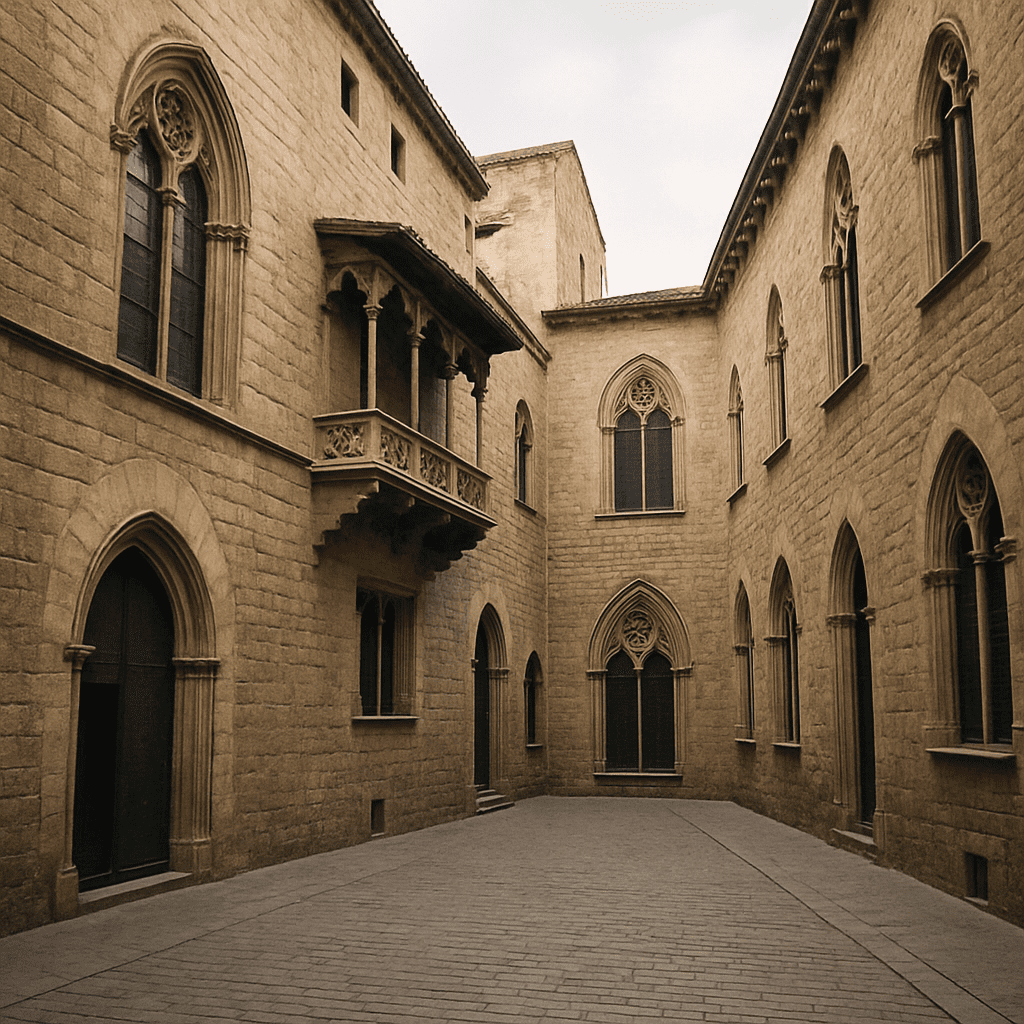
Hidden within five medieval stone palaces in the atmospheric El Born district, this place tells a story far beyond just color. As historical records attest, the Catalan capital was the undisputed soul of his creative development. That this highlight among Barcelona's attractions even exists is largely thanks to his private secretary, Jaume Sabartés, who donated his own collection to fulfill Picasso's deep desire for a museum in his home city.
But how does a classical child prodigy become the most radical pioneer of his time? Wandering through the galleries, you trace exactly this fascinating transformation, which culminates in his famous „Las Meninas“ series – a brilliant remix in which he deconstructed a classical painting like a modern musician. This tour impressively demonstrates why you must see Picasso's traditional roots to understand his later path.
The Shock of Realism: Why a 14-Year-Old Painted Like an Old Master
Before Picasso turned the art world upside down, he underwent rigorous training in academic painting – a traditional school of thought that demanded perfect proportions and absolute fidelity to detail. His father, José Ruiz Blasco, himself an ambitious art teacher, tirelessly drilled his son's immense talent. Under this strict guidance, young Pablo mastered realism at an age when other children were just learning the basics of drawing.
Looking closely at the permanent collection of early works in the museum, an almost uncanny maturity is immediately apparent. Particularly captivating is his masterful use of light in his realism: he instinctively understood how shadows fall gently on a face or how pale light dramatizes a scene. This surgical precision on the canvas did not come from an old master, but from a fresh-faced teenager.
An undisputed highlight of this early period is the monumental painting „Science and Charity,“ which he created at the age of 15. It depicts a doctor—for whom his father posed—and a nun at a sickbed. Anyone standing before this work immediately senses the cool, clinical atmosphere of the room and recognizes that the boy was not just copying, but making deep human compassion palpable.
This early perfection perhaps reveals the artist's greatest secret: Cubism was a conscious choice, not a technical failing. After being able to flawlessly depict reality, the familiar bored him. He sought radical ways to express invisible internal states. The next logical step in this quest was inevitably dark and deeply emotional: The Blue Period – and with it, the answer to the question of how to see grief on a canvas.
The Blue Period: How to See Grief on a Canvas
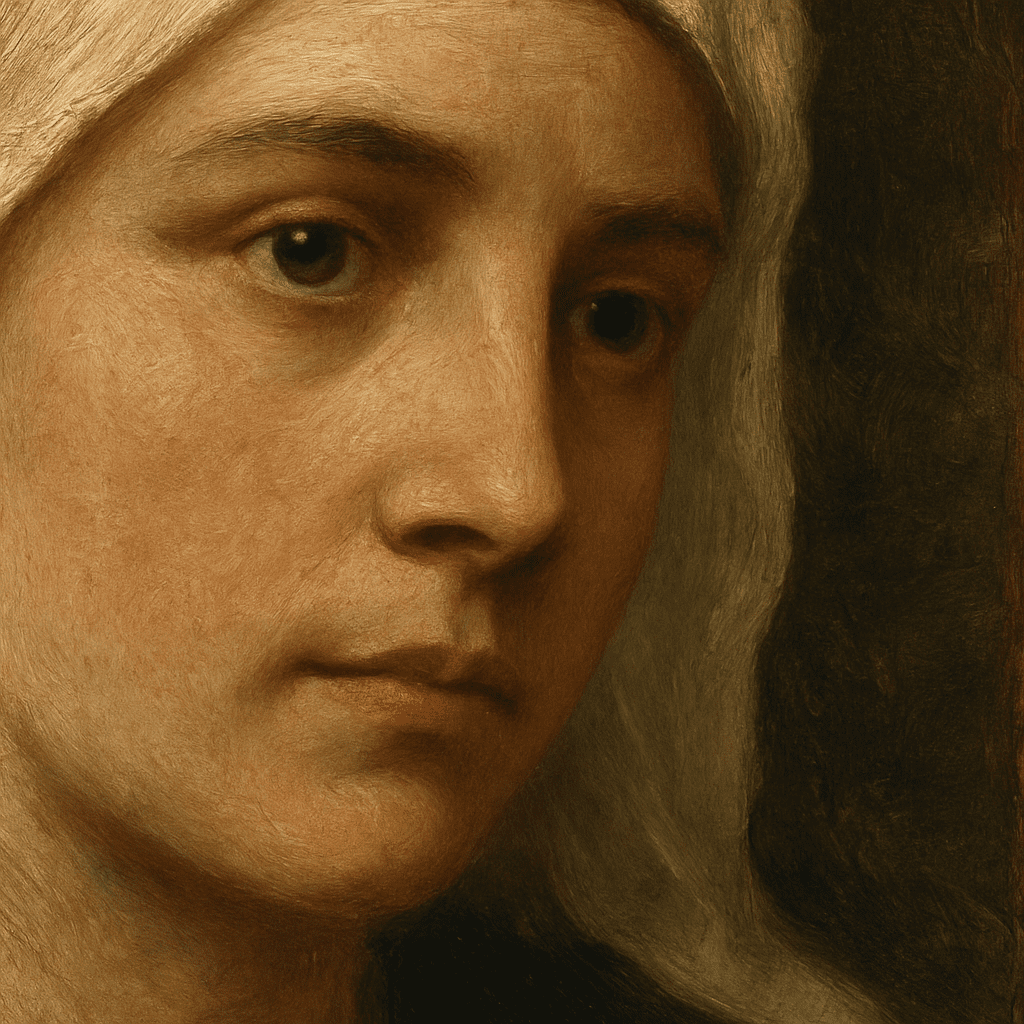
In the spring of 1901, Picasso's world changed abruptly when his best friend, Carles Casagemas, took his own life. This tragic influence of Casagemas led the young artist to depict not visible reality, but his own inner emptiness. He retreated into monochrome – a technique where the image is dominated by a single color. When you stand before these canvases in the museum, look for three characteristics of the Blue Period:
- Cool color tones (Prussian blue) that visually suck all warmth out of the room.
- Topics such as poverty and loneliness, which focus on outsiders.
- Elongated limbs that enhance feelings of weakness and vulnerability.
Looking at works like „The Bowing Girl,“ the development of the Blue Period can be felt up close. The somber influences from the impoverished alleys of Barcelona merged with his personal grief to form early milestones of modern art. Blue was not just a color, but a filter for pain.
To avoid artistic stagnation, years later he turned to seemingly untouchable role models. This eventually led to his most radical step: the deconstruction of Velázquez's masterpiece.
Picasso's „Remix“ of Las Meninas: The Shattering of Tradition
Imagine a modern musician completely remixing the biggest hit of the 17th century. That's precisely what the artist did in 1957 with Velázquez's royal masterpiece. In an incredible creative frenzy, he created the famous *Las Meninas* series – a total of 58 breathtaking variations – in just five months. This was simultaneously a reverent homage to his role model and a radical rebellion of modern art.
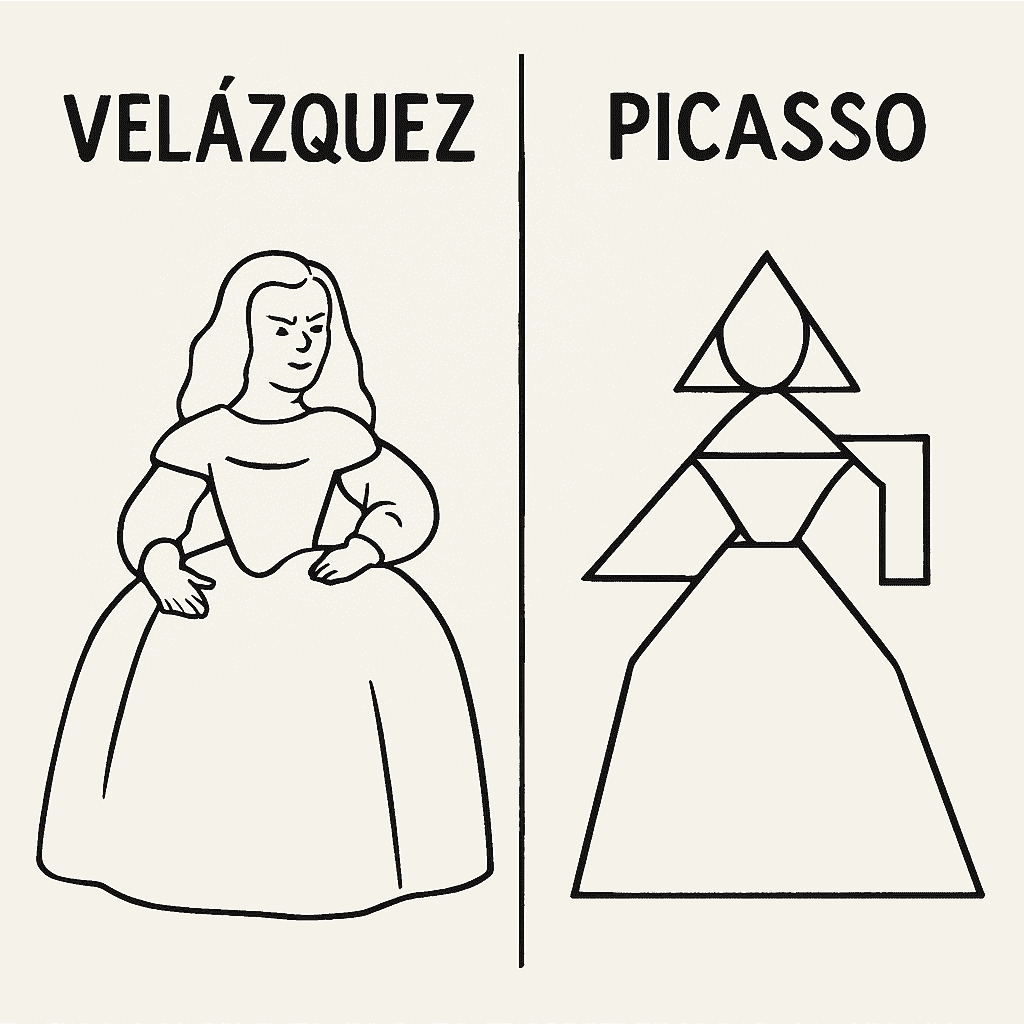
Instead of simply drawing the historical scene, he applied the so-called Cubist perspective. He virtually deconstructed the royal family: he broke down the bodies into their individual parts and reassembled them like a flat puzzle from different angles. This trick suddenly created dynamic movement out of rigid poses.
To avoid being overwhelmed by the abundance of paintings in the museum, these steps for analyzing a "Las Meninas" work of art will help:
- Find the Infanta (the little princess in the center).
- Beware of the dog (Picasso often replaced the royal mastiff with his own dachshund).
- Observe the geometric decomposition of the figures.
Each of these canvas experiments proves his absolute artistic freedom in old age—he no longer had to please anyone, but masterfully played with the rules of art. Strategic planning of the visit allows one to fully absorb this fascinating visual play on site in peace and quiet.
Stress-Free Planning: How to Secure Skip-the-Line Tickets and Find the Best Time to Visit
Hidden within the winding labyrinth of the El Born district, Picasso's early works are spread across five medieval city palaces. However, this beautiful setting has a practical downside: the museum is extremely popular and often completely sold out. Those who book skip-the-line tickets in advance through the official website can turn potential vacation frustration into a relaxed stroll directly into the impressive exhibition halls.
Clever timing avoids long queues during peak hours and also saves money. A special highlight for culture lovers is free admission on Thursday afternoons from 4 PM. To ensure everything runs smoothly at the entrance, here's a compact checklist for your visit:
- Use the official website
- Thursday evening for free entry (limited!)
- Book audioguide in German/English
After the fascinating paintings, the building releases you back into the charming streets of El Born, where small tapas bars offer the perfect end to your visit. Over a café con leche, another appealing question often arises about your ongoing stay in Barcelona.
Picasso or Miró? Which museum suits your taste?
Anyone looking for art in Barcelona faces a wonderfully difficult choice. The Museu Picasso is charmingly hidden among the art galleries in the Gothic Quarter and El Born, making it ideal for a compact two-hour visit. In contrast, the Fundació Joan Miró sits brightly and spaciously atop Montjuïc hill, which the journey and gardens lend themselves more to an extended half-day trip.
The artistic contrast when directly comparing the Picasso Museum and the Fundació Joan Miró is huge. In the medieval palaces, Picasso shows you his craftsman roots—you experience firsthand how a child prodigy mastered perfect reality before breaking the rules of art. Miró, on the other hand, draws you straight into Surrealism. This art movement functions like a colorful, visual dream journal: Instead of meticulously painting the real world, Miró used floating lines and vibrant symbols to make the unconscious and free imagination tangible.
So, your final decision depends entirely on the desired mood. If you want to unravel the emotional and artisanal development of a once-in-a-century genius, stay in the old town alleys; if you seek weightless dream worlds, head up the mountain.
Your takeaway from the museum visit: From spectator to insider
You no longer see just a painter of distorted faces, but grasp the incredible journey from youthful prodigy to modern pioneer. When you stand before these canvases, pay close attention to the brushstrokes in the corners: here, the careful technique of a boy gives way to brilliant, rule-breaking emotionality.
This perspective also enriches the viewing of the ceramic and copperplate engraving collection. In these works, the same rebellious energy manifests itself, masterfully shaped in clay. As the walk from Plaça de Catalunya to El Born is a short, picturesque stroll, you will arrive refreshed and ready to discover these hidden details for yourself.
With this sharpened eye for Picasso's visual diary, Barcelona's creative spirit can be experienced anew. A stroll through the contemporary art galleries in the Gothic Quarter is the ideal next step. There, you'll see how today's local artists continue to bend reality – inspired by the genius who once called these streets home.