

The Casa Batlló building is an architectural gem in the heart of Barcelona. Designed by Antoni Gaudí, it is a prime example of Modernist architecture. It attracts millions of visitors annually.
Casa Batlló is located on the famous Passeig de Gràcia. This street is known for its luxury shops and impressive buildings. Its location makes it a must-see for any visitor to Barcelona.
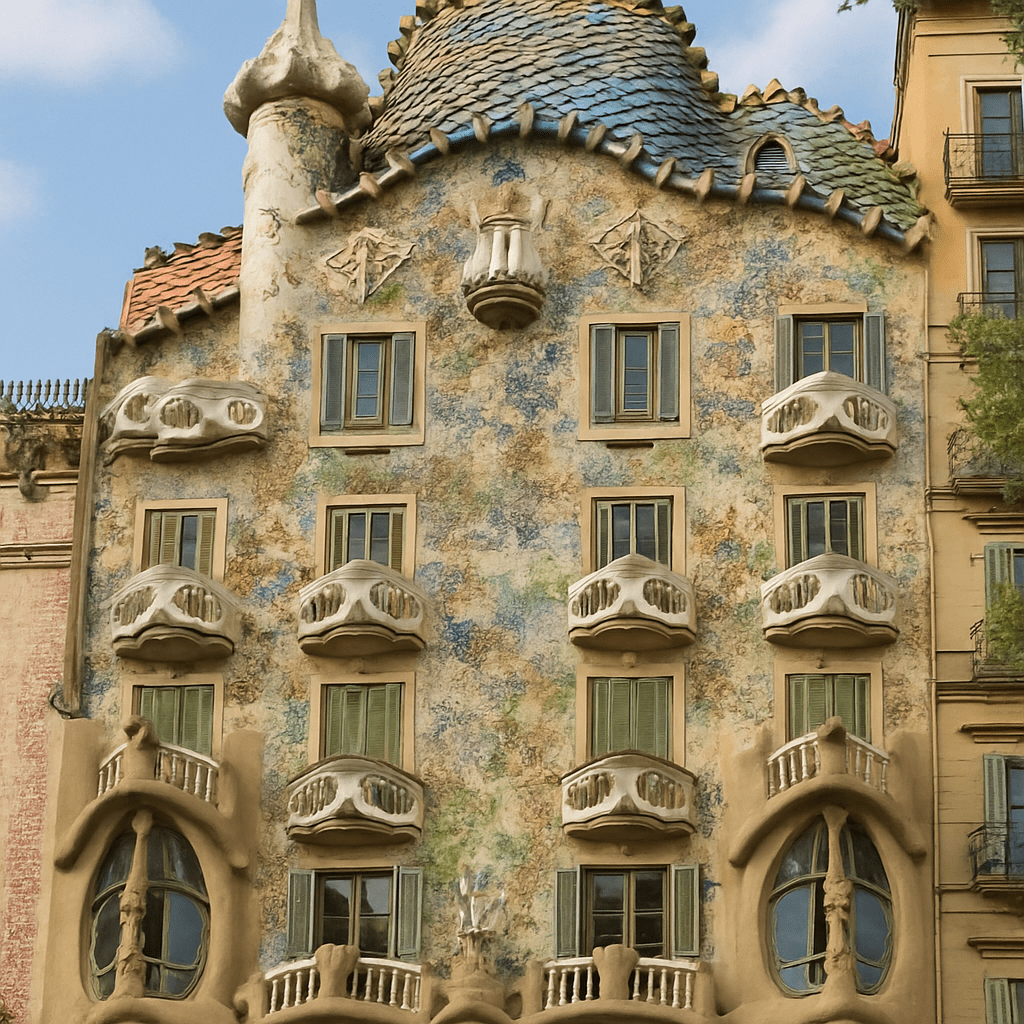
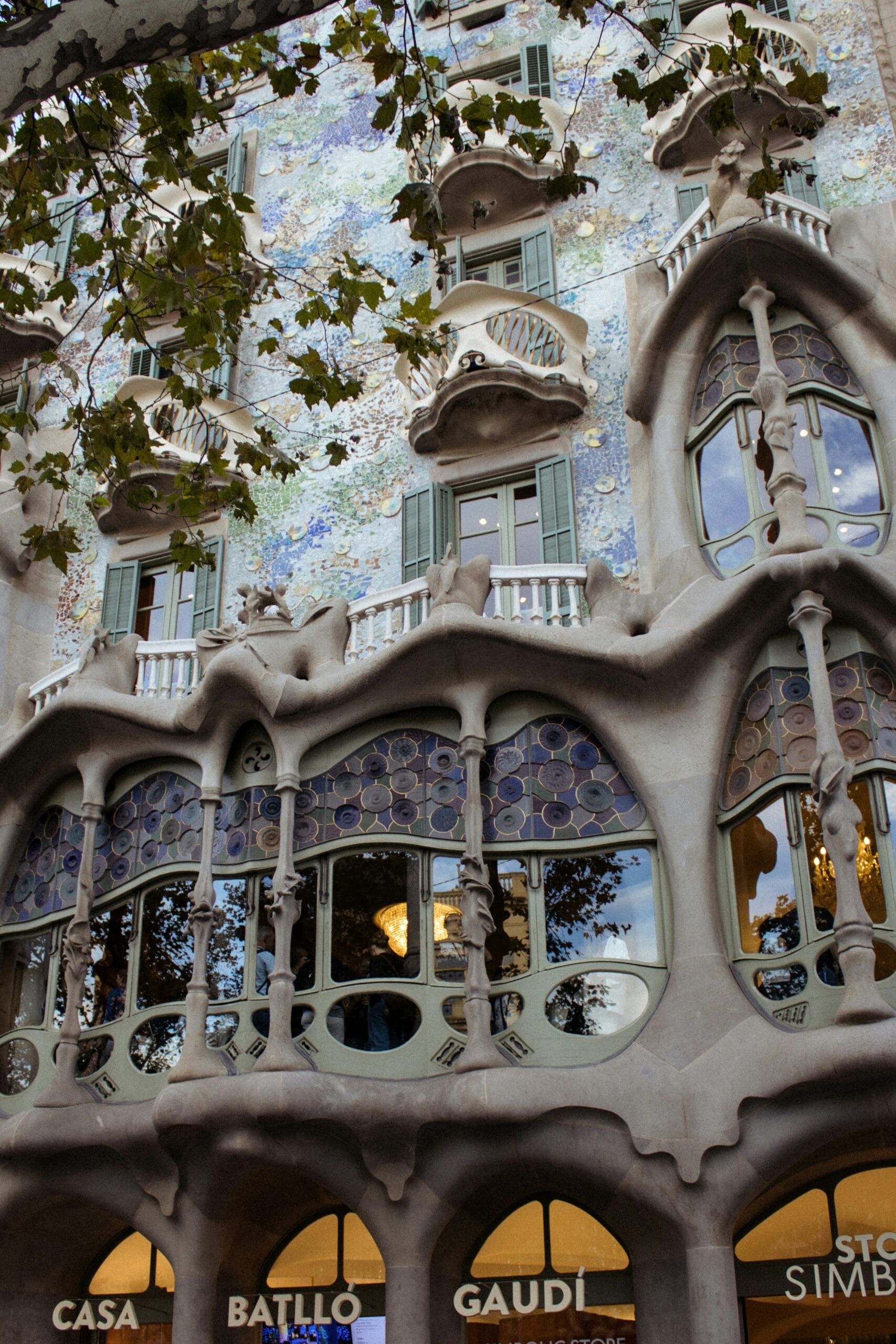
The building's facade is a true work of art. It is known for its wavy shapes and colorful mosaics. These elements reflect Gaudí's love for nature.
Gaudí was inspired by the legend of Saint George. The roof resembles the back of a dragon. This symbolism gives the building a mystical aura.
Casa Batlló is also known as the „House of Bones.“ The skeleton-like balconies contribute to this nickname. They are another example of Gaudí's creative style.
Inside the building, the magic continues. Curved lines and innovative lighting solutions characterize the spaces. Visitors can experience an interactive tour with augmented reality.
Casa Batlló is part of UNESCO World Heritage. It is a symbol of Barcelona's cultural golden age. Gaudí's masterpiece uniquely combines functionality and aesthetics.
The Story of Casa Batlló
The history of Casa Batlló is closely linked to the Batlló family. Josep Batlló originally acquired the property in 1900. He wanted to transform the existing building into something extraordinary.
Antoni Gaudí was commissioned with the project in 1904. He was given complete artistic freedom to redesign the building. Within just two years, between 1904 and 1906, Gaudí completely transformed the house.
Gaudí worked closely with artisans and artists. His team utilized innovative materials and techniques. The use of ceramics, glass, and wrought iron continues to shape the building to this day.
During the renovation phase, the entire building was overhauled. New floors were added, and the facade got its iconic look. Internally, the house also underwent a complete redesign.
The Batlló family used the house as their residence until the 1950s. Afterward, it was converted into office buildings. In the 1990s, a restoration phase began to preserve its original splendor.

Casa Batlló received its UNESCO World Heritage status in 2005. This highlights the building's importance as a cultural landmark. Today, it is one of Barcelona's most visited attractions.

by Alessandra Verre (https://unsplash.com/@mahbahblaph)
Antoni Gaudí and Modernism
Antoni Gaudí is known as one of the most important architects of the Modernisme movement. This movement, particularly in Catalonia, sought a new, expressive language of form. Gaudí's work embodies the pursuit of freedom in architecture.
Gaudí was heavily inspired by nature. He incorporated organic shapes and vibrant colors into his designs. His work on Casa Batlló is a prime example of these principles.
Modernism also meant a fusion of art and architecture. Gaudí used artistic techniques to combine functionality with beauty. His buildings, including Casa Batlló, are living works of art.
Gaudí's influence extends far beyond Barcelona. His vision of architecture as an expression of culture and identity remains relevant. Casa Batlló is one of his masterpieces that is still admired today.
The Architecture of Casa Batlló
Casa Batlló embodies Gaudí's unique architectural vision. The building impresses with its organic aesthetic and symbolic design. It is a milestone of modernist architecture in Barcelona.
Gaudí used innovative materials and techniques. He creatively employed ceramic tiles, glass, and wrought iron. These materials contribute to the house's unusual structure.
A standout feature is the undulating facade. It's made of a shimmer of colorful mosaics, known as Trencadís. This innovative design reflects Gaudí's love for nature.
Inside the Casa Batlló, an equally imaginative approach is reflected. Curved lines and organic forms dominate the space. Gaudí optimized the lighting conditions to create a harmonious atmosphere.
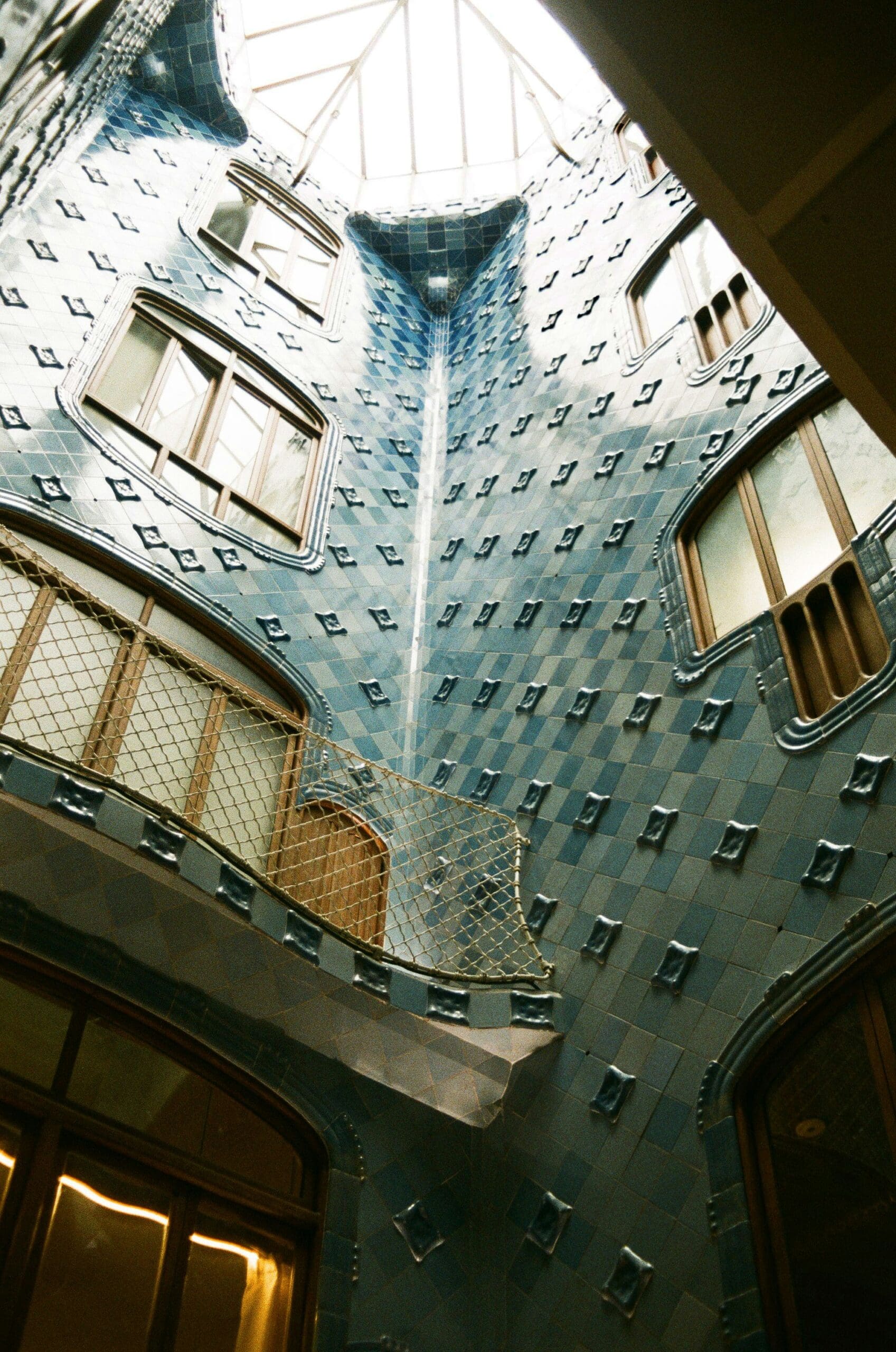
Another fascinating detail is the central staircase. It resembles the spine of an animal, emphasizing the connection to nature. At the same time, it provides an elegant connection between the different floors.
Gaudí's architecture combines functionality and beauty. This connection is evident in the building's details. Some characteristic elements of Casa Batlló are:
- Curved balconies reminiscent of ribs
- Large windows that utilize natural light
- A roof that looks like the back of a dragon
Each of these elements contributes to the uniqueness of Casa Batlló. Furthermore, it demonstrates Gaudí's ability to unite art and architecture. Casa Batlló is not just a building, but a living work of art.
The influence of Gaudí's designs is also evident in their functionality. Ventilation and lighting are designed to optimally suit natural conditions. These features illustrate an innovative use of space and light.
The Facade: Colors, Forms, and Symbolism
The facade of Casa Batlló is a masterpiece of symbolism. It draws attention with its vibrant colors and extraordinary forms. Antoni Gaudí created it as a tribute to nature.
The wavy surface of the facade is reminiscent of ocean waves. Gaudí used mosaics in blue and green tones to enhance this image. This choice of colors symbolizes water and gives the structure a calming effect.

by Marian Florinel Condruz (https://unsplash.com/@gottapics)
The balconies of Casa Batlló are also uniquely designed. They have a skeletal form that brings to mind animal bones. This design contributes to the nicknames „House of Bones.“ The balconies give the building an organic, lively appearance.
A particularly striking feature is the roof of Casa Batlló. It resembles the back of a dragon and alludes to the Catalan legend of Sant Jordi. The tiles of the roof resemble scales, which further transform it. This symbolism links local culture with Gaudí's artistic creation.

by Jose Manalo (https://unsplash.com/@jkmnlonyc)
Overall, the facade of Casa Batlló is more than just decorative. It is a narrative of colors and shapes that combines Gaudí's love for nature with his unparalleled creativity. It encourages visitors to discover the subtle meanings and stories behind its design.
The Interior of Casa Batlló: Rooms and Details
The interior of Casa Batlló is another highlight of Gaudí's masterpiece. The architect brought his vision to life with organic shapes and innovative techniques. Each room tells its own story.
Upon entering Casa Batlló, you enter a world of curves and wavy lines. The central staircase extends through the building like a spine. This curved structure gives the architecture a fluid movement.
Some of the most impressive features are the innovative lighting solutions. Gaudí designed windows and skylights to make the most of natural light. This permeability makes the rooms shine and creates a warm atmosphere.
by Barbare Kacharava (https://unsplash.com/@babikacharava)
The interiors also present a variety of materials. Polished wood, ceramics, and colorful mosaics are ubiquitous. Gaudí harmoniously integrated these materials into his design. This diversity of textures enhances the artistic effect of the building.
A list of notable interior details:
- The walls covered with ceramic mosaics
- Stained glass windows with floral motifs
- Spiral ventilation elements in the ceilings
- Doorways in wave design
In conclusion, the interior of Casa Batlló is an impressive example of Gaudí's innovation and creativity. Each space, from the living areas to the hallways, showcases Gaudí's genius. The fusion of form, function, and art is unparalleled. Casa Batlló leaves a lasting impression on all who enter.
Rooftop terrace and special features
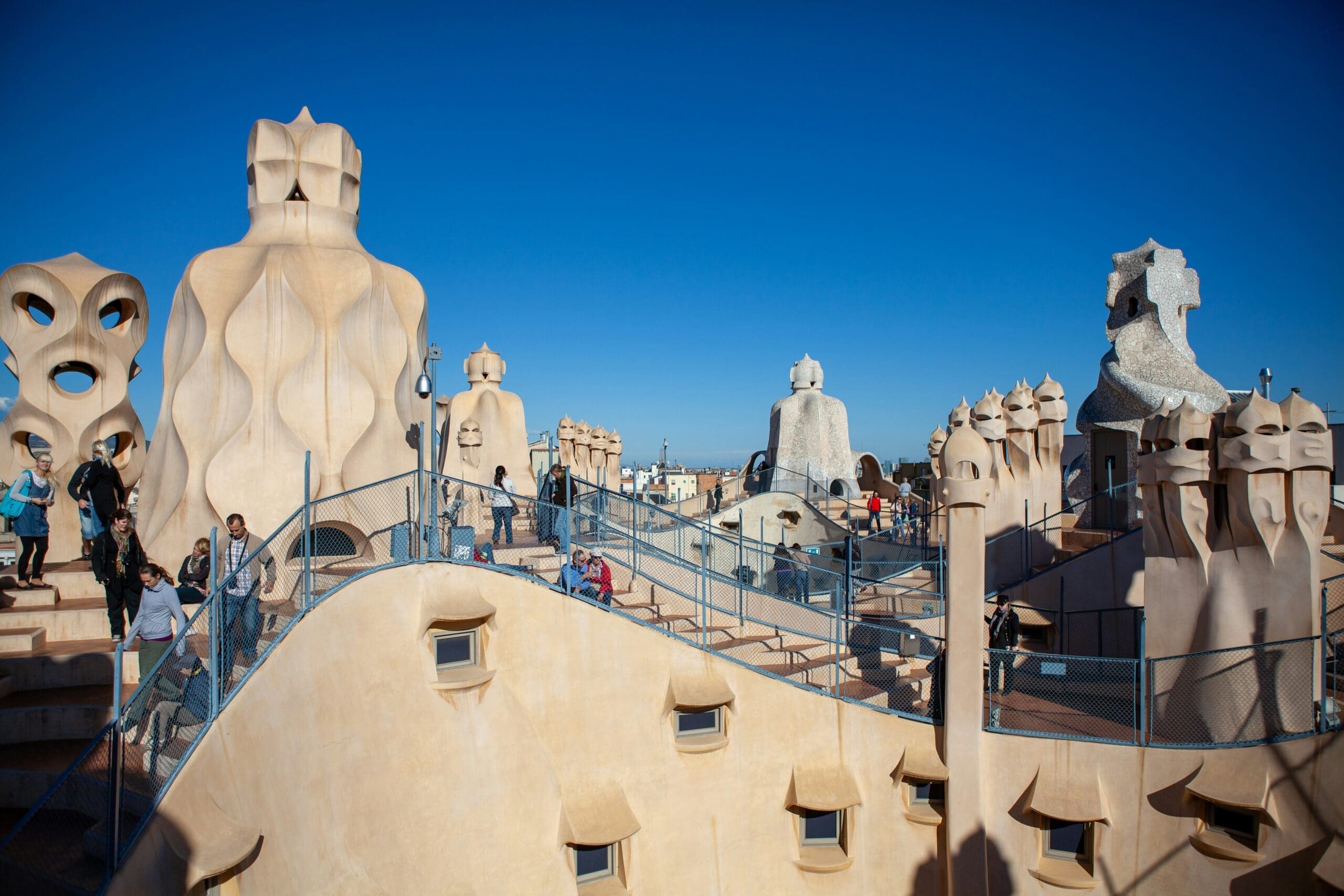
The rooftop terrace of Casa Batlló is another example of Gaudí's extraordinary ingenuity. It is famous for its undulating structure, reminiscent of a dragon's back. This design is a tribute to the legend of Sant Jordi, the patron saint of Catalonia.
On the rooftop terrace, there is a series of artfully designed chimneys. Each chimney is not only functional but also a work of art in itself. The chimneys are adorned with colorful ceramics, contributing to the unique aesthetic. These elements showcase Gaudí's ability to meld art and practicality.
by Sung Shin (https://unsplash.com/@ironstagram)
Furthermore, the rooftop terrace offers a spectacular view over Barcelona. Visitors can enjoy the city's fascinating skyline and experience the interplay of history and modernity in the surrounding architecture. Visiting the terrace is the crowning glory of an impressive tour through Casa Batlló, leaving a lasting impression.
Casa Batlló a UNESCO World Heritage Site
Casa Batlló was inscribed as a UNESCO World Heritage Site in 2005 as part of the „Works of Antoni Gaudí.“ This recognition highlights the architectural significance and cultural value of the building. UNESCO acknowledges Gaudí's innovative style and his contribution to architectural history.

by Theodor Vasile (https://unsplash.com/@theodorrr)
The building is one of the most famous examples of Gaudí's artistic creations and modernist architecture in Barcelona. Its designation as a UNESCO World Heritage site guarantees the protection and preservation of this masterpiece for future generations. As a result, Casa Batlló remains an important symbol of Catalonia's cultural identity.
Restoration and Preservation
The restoration of Casa Batlló is an ongoing process aimed at preserving the building's original splendor. These efforts are crucial to keeping Gaudí's vision alive for future generations. Experts employ state-of-the-art techniques to ensure the building's structural integrity.
Gaudí's use of innovative materials and technologies requires careful maintenance. Restorers place great importance on historical accuracy and aesthetic authenticity. Every detail is handled with special care to preserve the original beauty of the house.

by Alessandra Verre (https://unsplash.com/@mahbahblaph)
Special attention is also paid to the facade, which is regularly cleaned and preserved. The preservation of the colorful mosaics and organic forms is of crucial importance. These continuous efforts ensure that the building shines in all its splendor and continues to be an inspiring legacy of the Modernisme movement.
Visiting Casa Batlló: Tips and Information
A visit to Casa Batlló is an unforgettable experience that should be carefully planned. The building is centrally located on Passeig de Gràcia. It is easily accessible by public transport. This makes it convenient for visitors from all over the world.
To make the most of your visit, it is recommended to book tickets online in advance. This will help you avoid long queues and enjoy your visit stress-free. Opening hours vary, so it is advisable to check the current times on the official website.
During the visit, guests have access to an interactive tour equipped with augmented reality technology. This provides deep insight into Gaudí's creative processes and innovative designs. The tour conveys a rich history and the cultural context of the building.
Useful tips for your visit:
- Book tickets online, to avoid waiting times.
- Check the hours of operation on the website in advance.
- Avoid rush hour, to have a more pleasant experience.
- Take the interactive tour, to find out all the details.
by Isabel Castro (https://unsplash.com/@iscas)
Casa Batlló also offers special events and night tours that cast the building in a different light. Inquire about these options to make your visit even more unique.
Events and Experiences at Casa Batlló
Casa Batlló offers a variety of events that promise unforgettable experiences for visitors. Special nighttime tours allow the building to shine in a new light. These events are particularly popular during the summer months, when Barcelona's mild nights invite an evening visit.
In addition, cultural events are regularly held that celebrate Gaudí's works and Catalan traditions. These events combine art, music, and light installations to enhance the unique atmosphere of the building. They offer visitors a wonderful opportunity to explore Casa Batlló in a vibrant and interactive way and discover Gaudí's creative world in a new light.
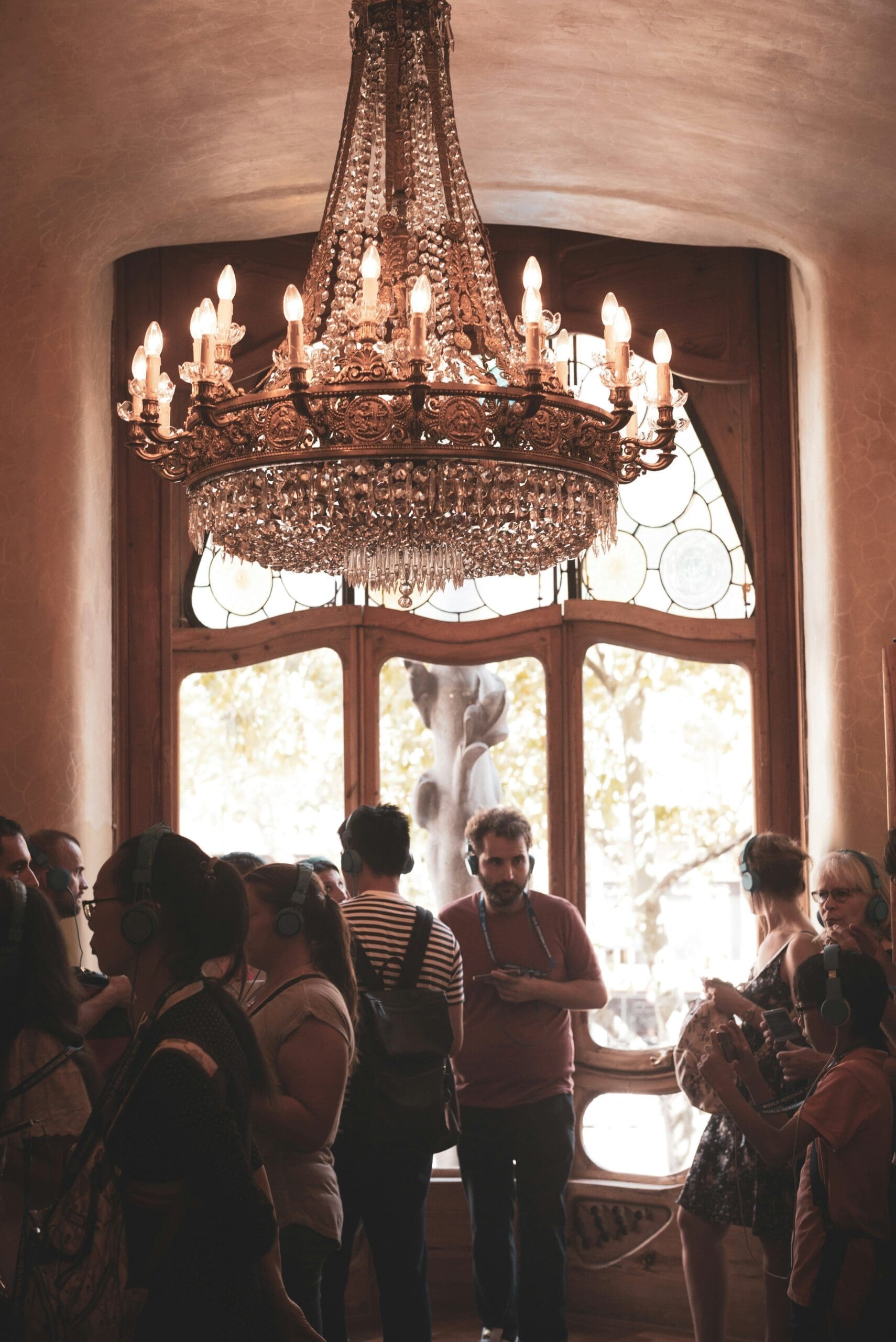
by Michael Lee (https://unsplash.com/@guoshiwushuang)
Casa Batlló compared to other Gaudí houses
Casa Batlló is very different from Gaudí’s other famous works. While Casa Milà, also known as La Pedrera, impresses with its sturdy stone facade, Casa Batlló features a colorful, undulating facade adorned with expressive mosaics. Both buildings showcase Gaudí’s distinctive style, but Casa Batlló is considered the more whimsical and imaginative of his works.
Another significant work, Park Güell, also stands out with its nature-inspired style. Nevertheless, Casa Batlló is unique for its sculptural, almost surreal facade. This reflects a creative expression that is clearly visible in Gaudí's work, but nowhere else is it realized so vibrantly.

by Alexis Presa (https://unsplash.com/@alexispresa)
Conclusion: A masterpiece of Modernism
Casa Batlló remains an unparalleled example of Modernisme and Gaudí's artistic brilliance. The building embodies the creative freedom and artistic expression of the era. With its innovative forms and colors, it fascinates visitors from all over the world and remains a popular destination for art lovers and tourists.
Antoni Gaudí created more than just an architectural masterpiece with Casa Batlló; he designed a vibrant connection between humans, art, and nature. The harmonious fusion of aesthetics and functionality reflects Gaudí's vision and preserves a significant heritage in Barcelona's cultural landscape. Casa Batlló continues to inspire generations, testifying to Gaudí's endless innovative power.