
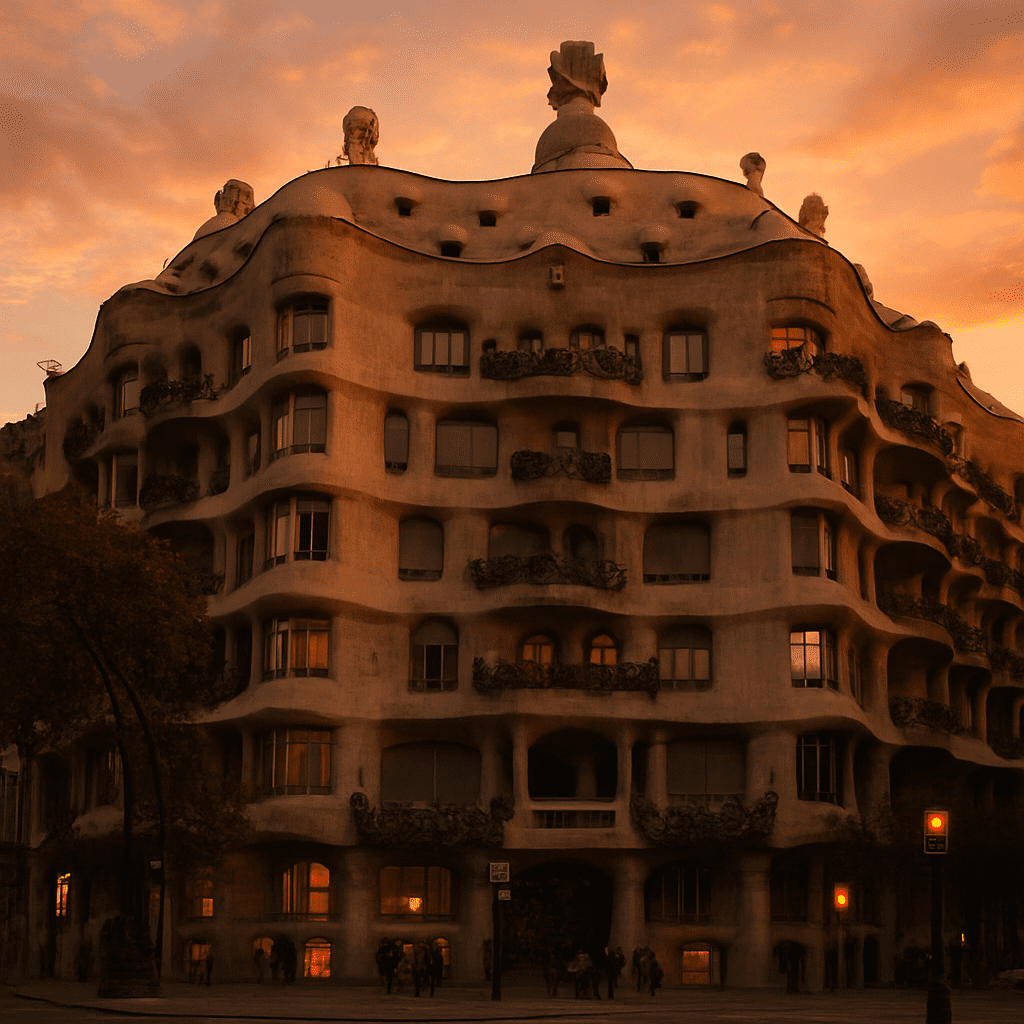
Casa Milà, also known as La Pedrera, is an architectural gem in Barcelona, Spain. Designed by Antoni Gaudí, it attracts thousands of visitors annually. This iconic building is located on the famous Passeig de Gràcia.
La Pedrera, which means „the quarry,“ got its nickname due to its stony facade. Construction lasted from 1906 to 1912. Originally designed as a residence for the Milà family, it is now a museum.
The architecture of Casa Milà is a prime example of Catalan Modernism. Gaudí's design is inspired by nature, which is reflected in the undulating facades. The rooftop terrace is famous for its sculptural chimneys.
Casa Milà was declared a UNESCO World Heritage Site in 1984. It is a symbol of Barcelona's cultural boom in the early 20th century. Visitors can explore the interior, the rooftop terrace, and temporary exhibitions.
A visit to Casa Milà offers insights into Gaudí's creative genius. It is a must for architecture and art lovers. Discover the harmonious connection of art and functionality in this masterpiece.
The History of Casa Milà: From Idea to Landmark
The story of Casa Milà begins with the vision of Antoni Gaudí and the Milà family. The family, wealthy industrialists in the textile sector, commissioned the famous architect in the early 20th century. They desired a magnificent residential building that would reflect their social standing.
Between 1906 and 1912, Gaudí realized his bold ideas. The construction work led to numerous innovative solutions. A striking feature is the construction without load-bearing walls. This allows for flexible interiors. The construction did not proceed without challenges.
During its construction, Gaudí encountered political and social resistance. Nevertheless, he remained true to his vision. His commitment and determination paid off. Casa Milà was completed in 1912 and soon garnered international attention.
The decades after its completion were marked by use and change. Originally designed as a residential building, it went through several restoration phases. These were intended to preserve Gaudí's masterpiece. Additionally, the building developed into a cultural landmark.
In 1984, UNESCO recognized the importance of Casa Milà. It declared the building a World Heritage Site. Today, it is considered a vibrant link between history and modernity. It captivates history buffs and tourists alike.
- Construction period: 1906–1912
- Architect: Antoni Gaudí
- Client: Milà Family
- Status: UNESCO World Heritage Site since 1984
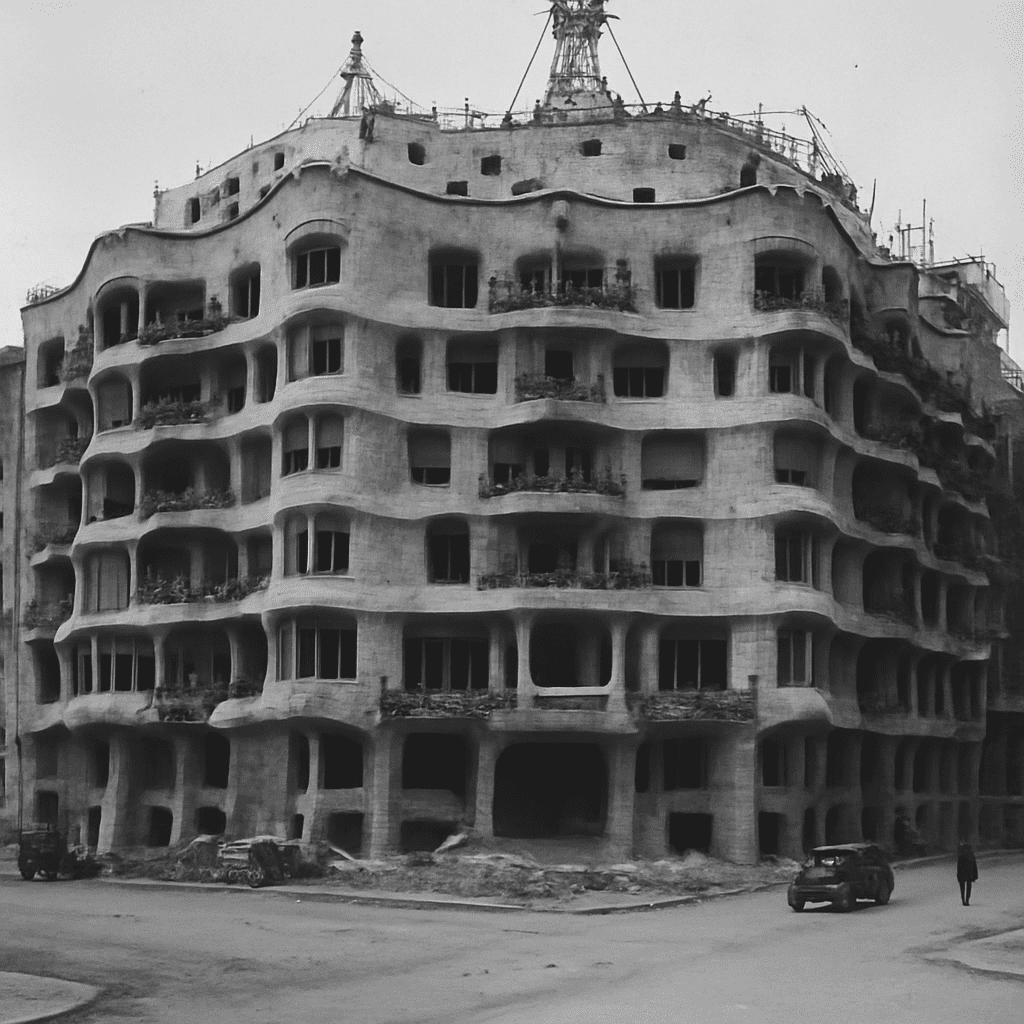
Architecture and Design: Gaudí's Masterpiece in Detail
Casa Milà, better known as La Pedrera, is a masterpiece of architecture. Gaudí united functionality and art in a unique way. Its design is characterized by unconventional forms and innovative techniques.
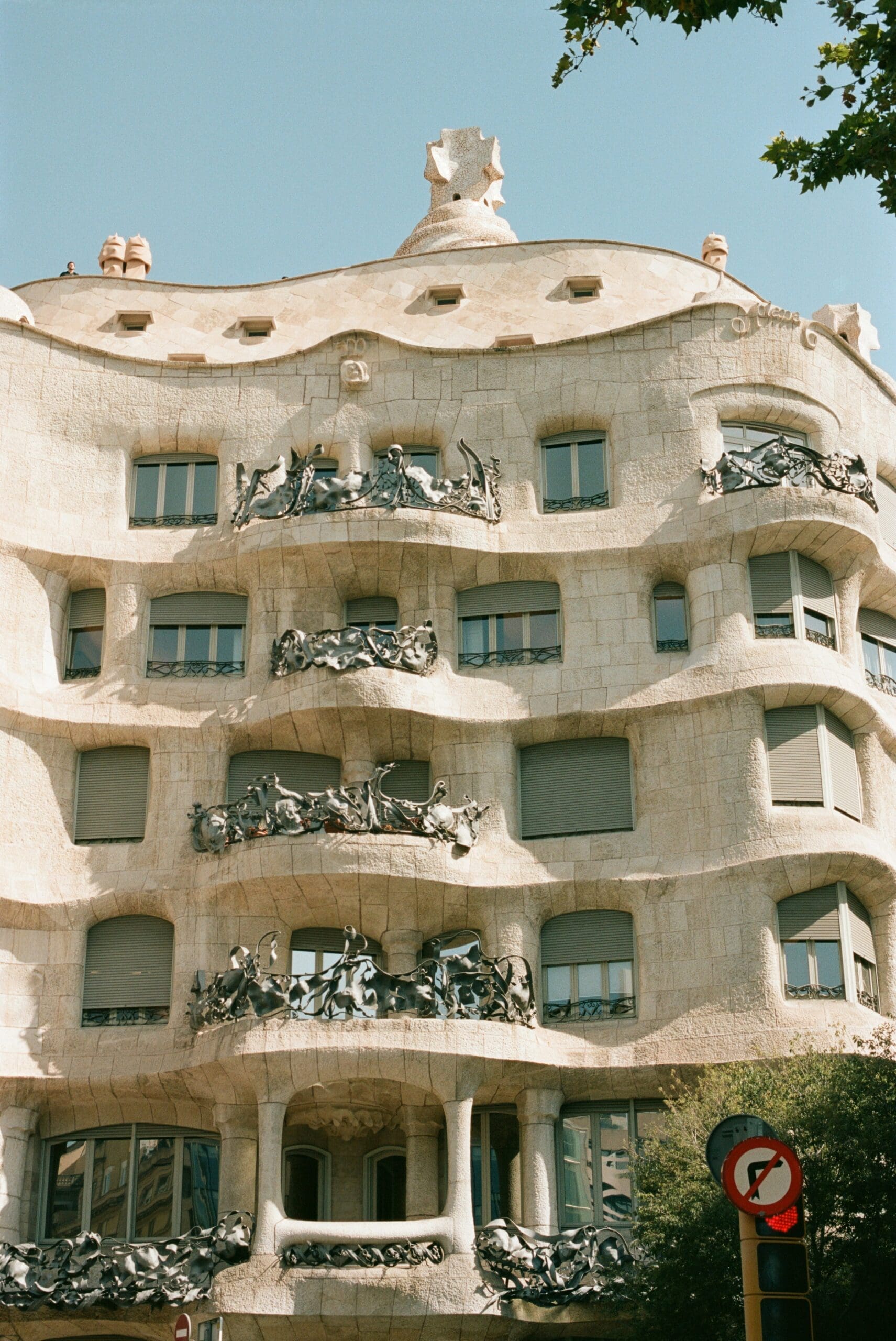
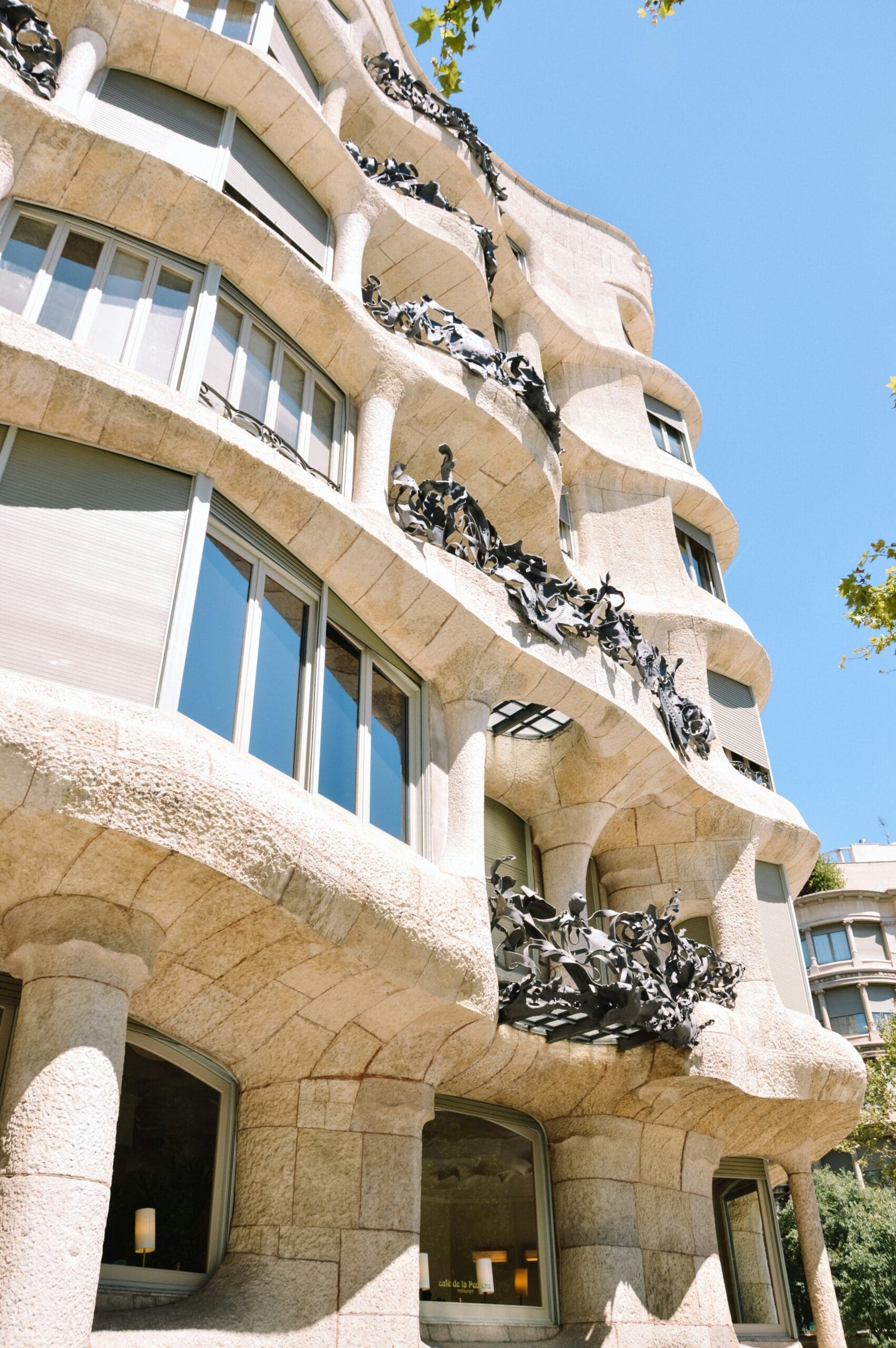
A central element of the architecture is the wave-shaped facade. Made of robust limestone, it appears like solidified waves. This design reflects Gaudí's inspiration from nature. In addition to the facade, the wrought-iron balconies are also very striking.
Another notable feature is the rooftop terrace. Here stand sculptural chimneys, often referred to as „warriors.“ They give the building a dramatic silhouette. These chimneys are not just decorative, but also designed to be functional.
Gaudí used a steel frame construction to ensure flexibility. The absence of load-bearing walls allows for free design of interior spaces. This was revolutionary at the time of construction and demonstrates Gaudí's engineering skill.
An important detail is the building's ventilation and lighting. Gaudí integrated light-filled courtyards. These provide natural ventilation and brightness in all rooms.
- Wavy facade
- Sculptural chimneys
- Steel frame construction
- Sunlit courtyards
Another fascinating element is the asymmetry in the design. Gaudí avoided symmetrical structures to create a dynamic appearance. This approach is characteristic of his style.
The connection of form and function in Casa Milà is groundbreaking. Gaudí's work here shows a harmony between aesthetics and practicality. His creative use of space continues to set standards.
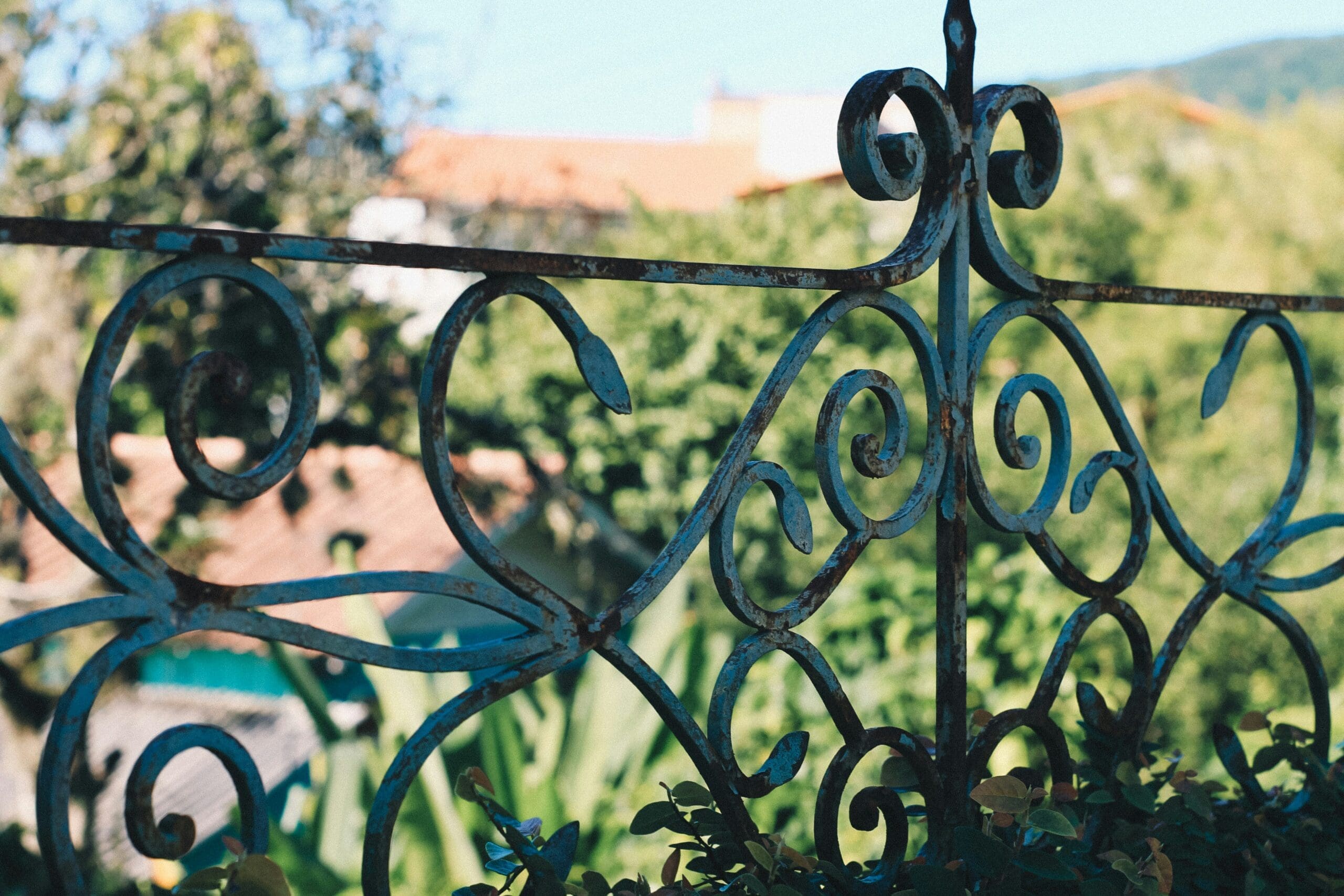
by William F. Santos (https://unsplash.com/@youwwwill)
The facade and the roof: Iconic elements of La Pedrera
The facade of Casa Milà is one of its most outstanding features. With its flowing lines, it resembles a stone landscape. This form is not only aesthetic but also functional.
Gaudí used limestone, which gave the facade its characteristic texture. The iron balconies look like algae emerging from the sea. These organic forms are typical of Gaudí's inspiration from nature.
The roof of La Pedrera is equally impressive. It houses artistic chimneys that are unique in their form. These elements make the roof an architectural highlight.
The chimneys and ventilation towers are not only functional but also sculptural. Their symbolism and form attract visitors' attention. Their design contributes to the building's striking silhouette.
- Limestone facade with flowing lines
- Balconies made of artfully wrought iron
- Sculptural chimneys and ventilation towers
- Functional and aesthetic symbiosis
The rooftop also offers a magnificent view of Barcelona. Visitors can experience the city from a new perspective. Gaudí's play of light and shadow is particularly impressive on the rooftop.
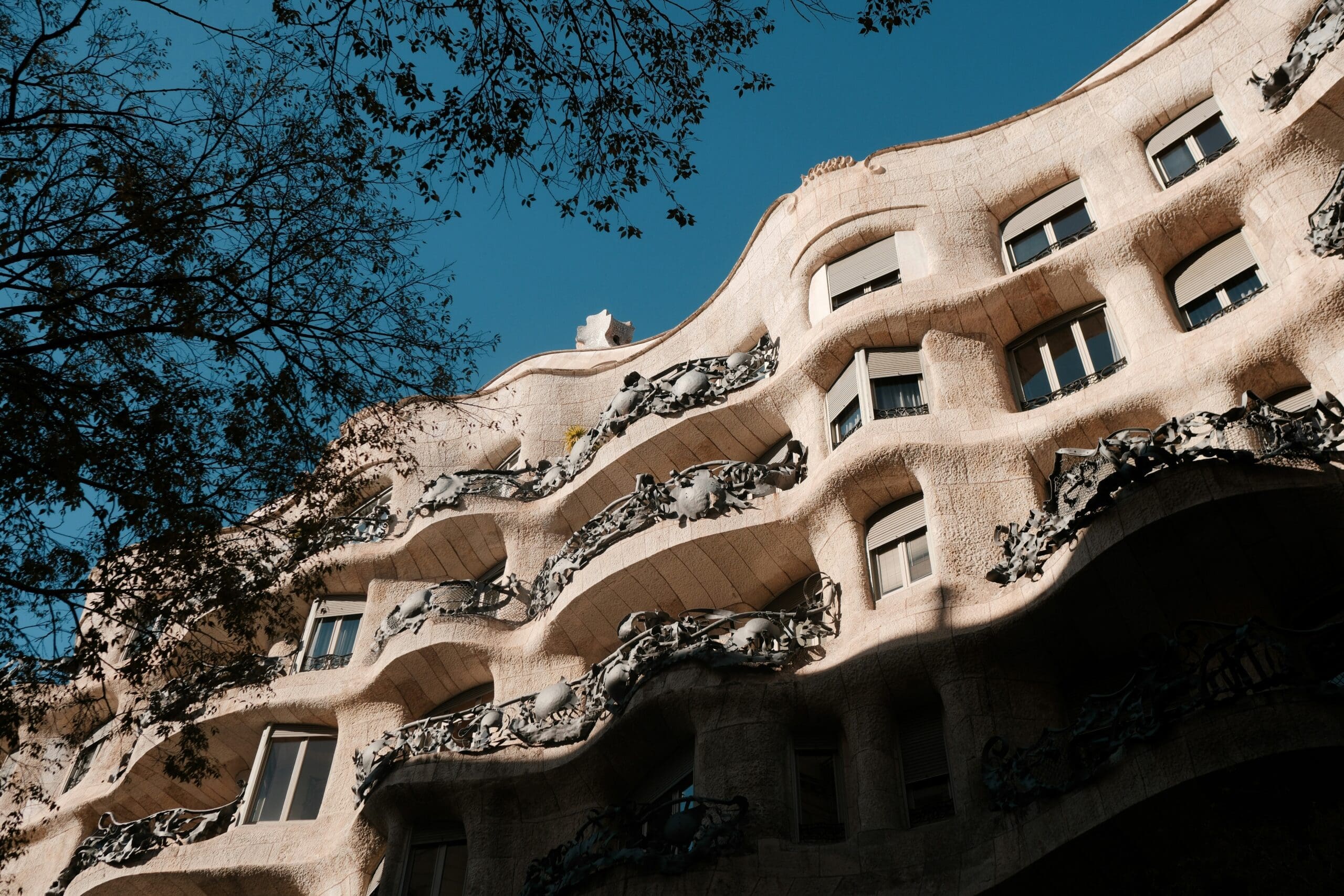
by Adam Wilson (https://unsplash.com/@fourcolourblack)
by Nan Zhou (https://unsplash.com/@zzzzzzn)
Interior Design and Furnishings: Where Art and Functionality Unite
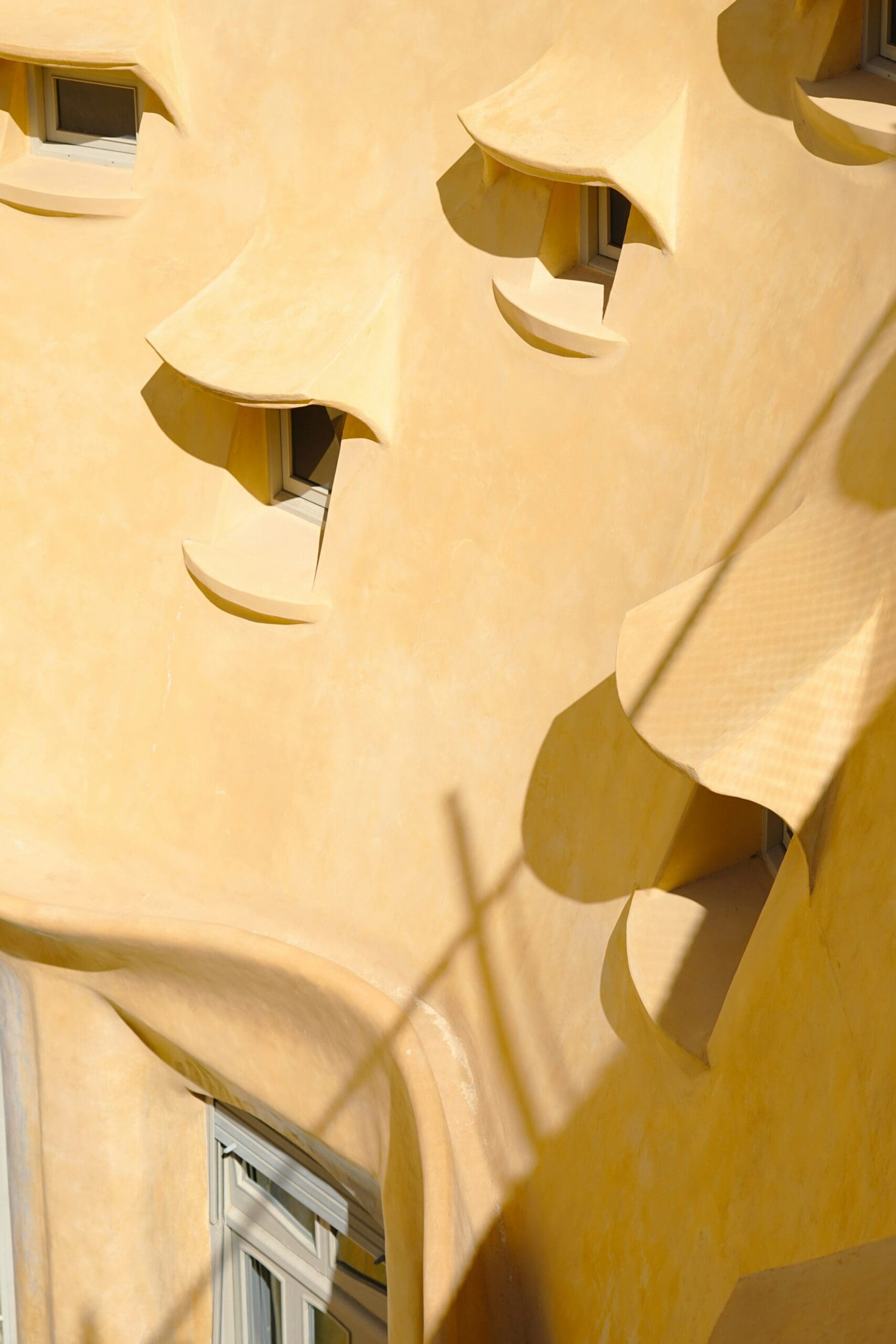
The interiors of Casa Milà are another prime example of Gaudí's visionary design. Here, art and functionality merge in an extraordinary way.
Gaudí designed custom furniture for Casa Milà. Each piece reflects the architect's style and philosophy. The furniture harmonizes perfectly with the curved walls and ceilings.
The courtyards are flooded with light and ensure natural ventilation. This innovative design was revolutionary for its time. It shows Gaudí's understanding of nature's influence on architecture.
A remarkable feature is the ornate ceilings. These are richly decorated and contribute to the atmosphere of the rooms. The ceilings show that details played a major role for Gaudí.
- Custom Furniture by Gaudí
- Sunlit courtyards
- Artful and detailed ceilings
- Innovative use of light and space
Each room is a testament to Gaudí's unconventional approach to interior design. Visitors can admire and experience the symbiosis of aesthetics and function.
by Marco D’Abramo (https://unsplash.com/@mdabrown)
Casa Milà as a UNESCO World Heritage Site and Symbol of Barcelona
In 1984, Casa Milà was recognized by UNESCO as a World Heritage Site. This award highlights the building as a masterpiece of human creativity. It is a testament to Gaudí's innovative architecture.
The designation as a UNESCO World Heritage Site underscores the cultural significance of Casa Milà. It is an integral part of Barcelona's architectural heritage. The building also holds immense value for Catalonia.
Casa Milà stands as a symbol of the golden age of Modernisme in Barcelona. It is a tribute to the fusion of art and function. The architecture bears witness to Gaudí's boundless creativity.
Today, Casa Milà is a vibrant city landmark. It attracts visitors from all over the world. This historic building continues to inspire artists and architects.
by Nana (https://unsplash.com/@easterthere)
Visiting Casa Milà: Opening Hours, Tickets and Tips
A visit to Casa Milà offers a fascinating journey into Gaudí's vision. The opening hours vary depending on the season. The building is usually open from 9:00 AM to 8:30 PM.
It is recommended to buy tickets online in advance. This avoids long queues at the ticket counters. Various ticket options offer access to different areas of the building.
A list of useful tips for visiting:
- Plan at least two hours for your visit.
- Bring comfortable shoes for exploring the rooftop terrace.
- Use the audio guide for in-depth information.
- Photograph the unique chimneys and facades.
- Visit the building outside of peak hours to avoid crowds.
For the full experience, an early morning visit is recommended. This way, you can enjoy the tranquility and the unparalleled atmosphere. Afterwards, a stroll along Passeig de Gràcia is worthwhile.
Casa Milà in Pictures: Impressions and Photo Opportunities
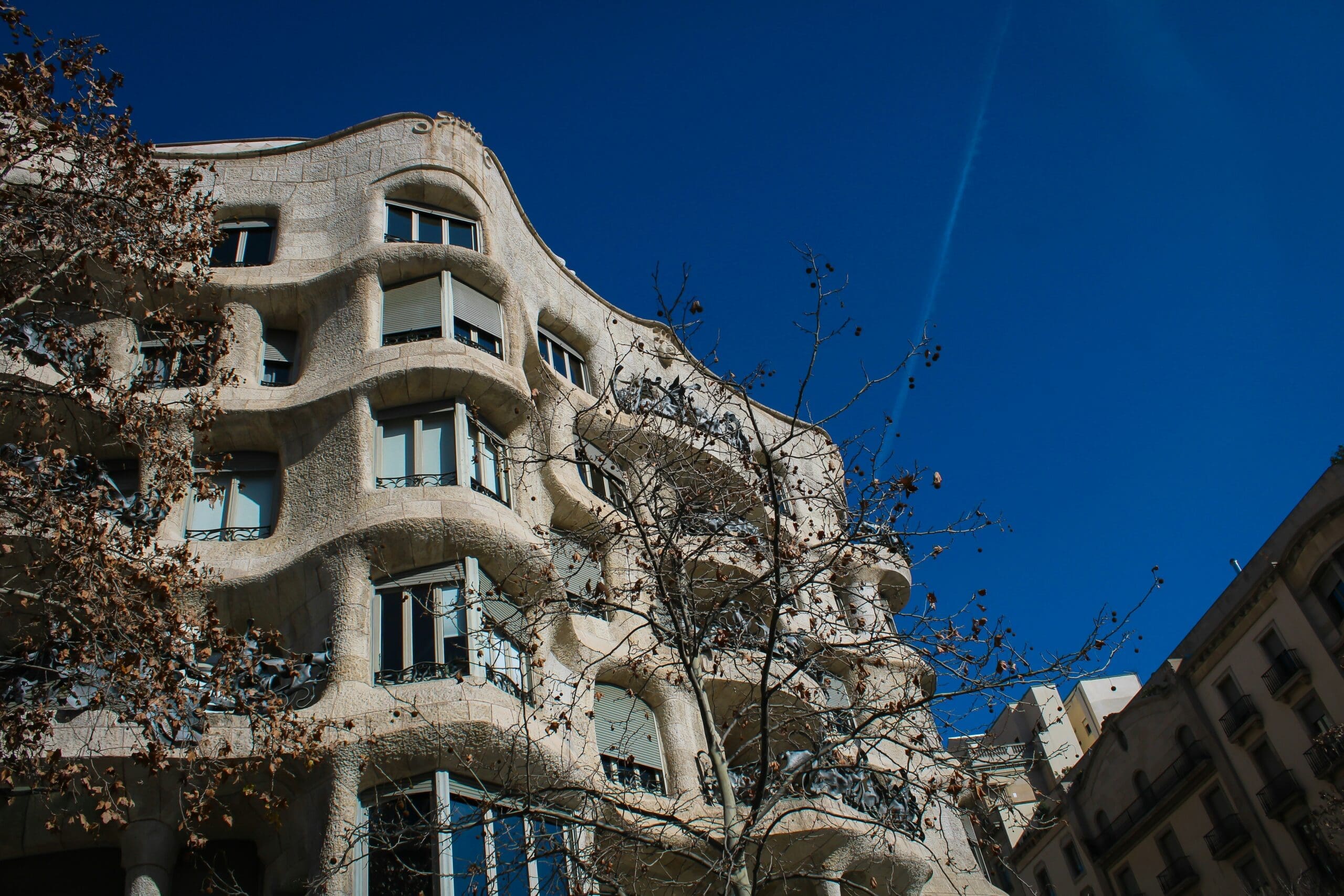
Casa Milà is a photographer's paradise. The unique architecture offers countless photographic opportunities. Every corner reveals new perspectives and details.
The iconic chimneys are particularly impressive. They lend the rooftop terrace a sculptural elegance. The undulating facade also captivates with its dynamism.
A list of the best photo opportunities:
- The wavy facade from Passeig de Gràcia.
- The ornate iron balconies from different angles.
- The surreal chimneys on the rooftop terrace.
by Stevo (https://unsplash.com/@stevopsd)

by Julian Rösner (https://unsplash.com/@kipfarl)
These motifs make Casa Milà a preferred destination for photography enthusiasts. Every visitor can discover their own creative side here. The visit thus becomes an unforgettable experience.
Meaning and Influence: Casa Milà in Architectural History
Casa Milà holds immense significance in the world of architecture. It remarkably unites creativity and functionality. Gaudí's masterful use of light and space set new standards.
The building is an outstanding example of Catalan Modernism. It demonstrates the fusion of art and architecture. Gaudí's vision continues to inspire architects worldwide to this day.
Casa Milà is more than just a masterpiece by Gaudí. It is a symbol of Barcelona's cultural golden age. It represents the creative freedom and artistic expression of that era.
The influence of Casa Milà is undeniable. It continues to inspire new generations of artists and architects. The significance of La Pedrera remains timeless and far-reaching.
Conclusion: Why a visit to Casa Milà is unforgettable
A visit to Casa Milà offers far more than just architectural wonders. Visitors immerse themselves in Gaudí's artistic world and experience his vision up close. The combination of design and history makes the place unique.
The breathtaking rooftop terrace with its sculptural chimneys offers an unforgettable view over Barcelona. Such panoramas are long-lasting. Every step through the building reveals new details and artistic expressions.
Casa Milà is not just an architectural masterpiece. It is a living testament to Catalonia's cultural and artistic innovation. A visit here will delight architecture enthusiasts and history buffs alike.