

The Gran Teatre del Liceu opera house is a jewel in Barcelona's cultural crown. Located on the famous La Rambla, it attracts visitors from all over the world. Since its opening in 1847, it has established itself as one of the most prestigious opera houses in Europe.
The Liceu is known for its impressive architecture and rich history. Despite two devastating fires, in 1861 and 1994, it was rebuilt time and again. Today, it combines neoclassical and modern elements in its design.
With over 2,000 seats, the opera house offers excellent acoustics. It is a central venue for opera, ballet, and concerts. The Gran Teatre del Liceu is not only a cultural landmark but also a symbol of Barcelona's resilience and cultural pride.
History of the Gran Teatre del Liceu
The history of the Gran Teatre del Liceu begins in 1847 with its opening as one of Europe's most important opera houses. From the very beginning, it was a magnificent venue for musical performances. However, fate would have it that the Teatro Liceu faced significant challenges multiple times.
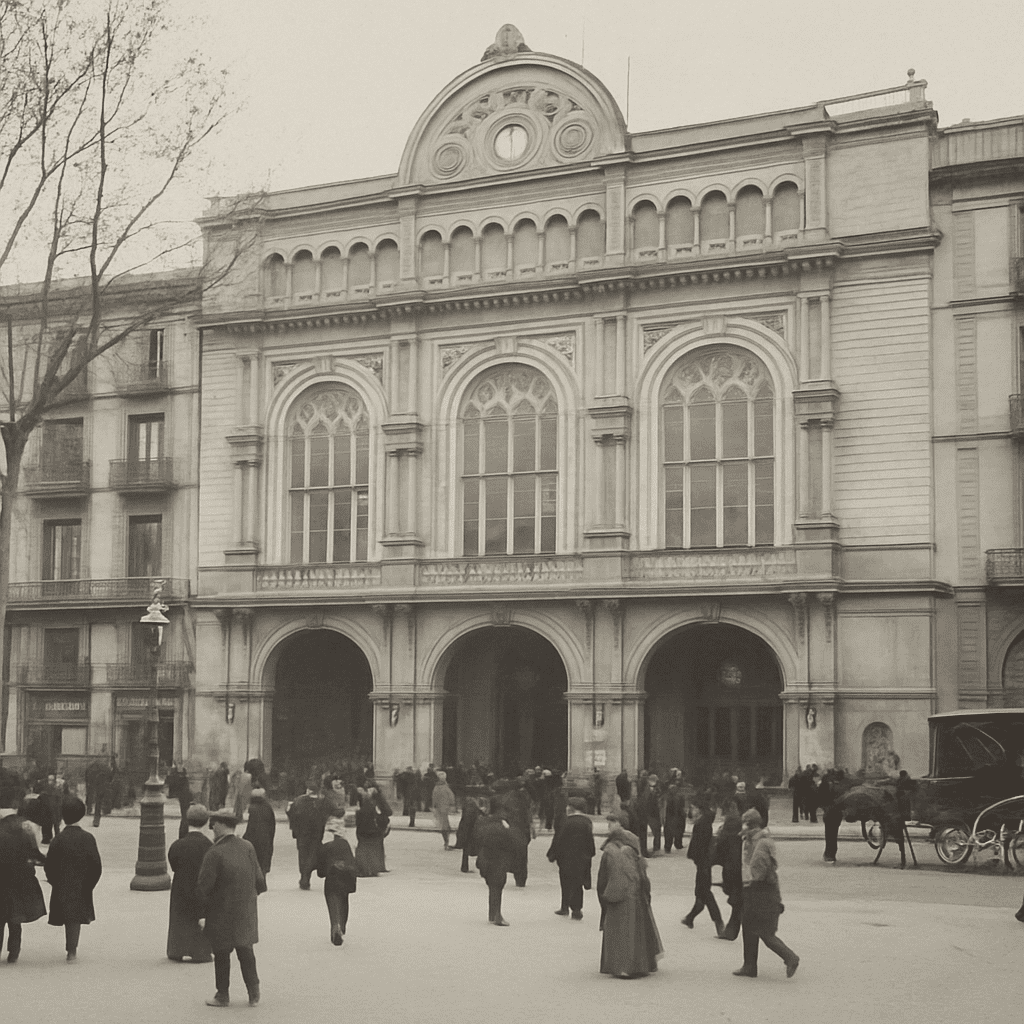
In 1861, a fire devastated the opera house for the first time. Thanks to a joint effort by the citizens, it was quickly rebuilt. The reconstruction was a proud accomplishment of the community and a triumph of culture over adversity.
In 1994, fate struck again when the Liceu was ravaged by another devastating fire. The public mobilized once more to restore the iconic building to its former glory. The reconstruction, led by Ignasi de Solà-Morales, was successfully completed in 1999.
The restorations allowed the Liceu to resume its role as a leader in the opera world. As a symbol of Catalan identity and cultural renewal, the Liceu reflects the indomitable spirit of Barcelona. Of great historical significance, the Liceu has witnessed many important opera performances.
The Gran Teatre del Liceu opera house is not just a building. It is a testament to human perseverance and creative effort. The history of the Liceu is intimately interwoven with the development of the city and its people. This close connection contributes to its enduring prestige.
Architecture and Interior Design
The architecture of the Gran Teatre del Liceu combines neoclassical elegance with modern details. This fusion creates an impressive structure that attracts visitors from all over the world. The facade is a prime example of Catalan Modernism.
Upon entering the foyer, a world of intricate ornamentation and tasteful details is revealed. The interior of the opera house impresses with its magnificent furnishings, which include materials conducive to acoustics. The grand main hall can accommodate over 2,000 spectators. Every seat has been designed with optimal sound and comfort in mind.
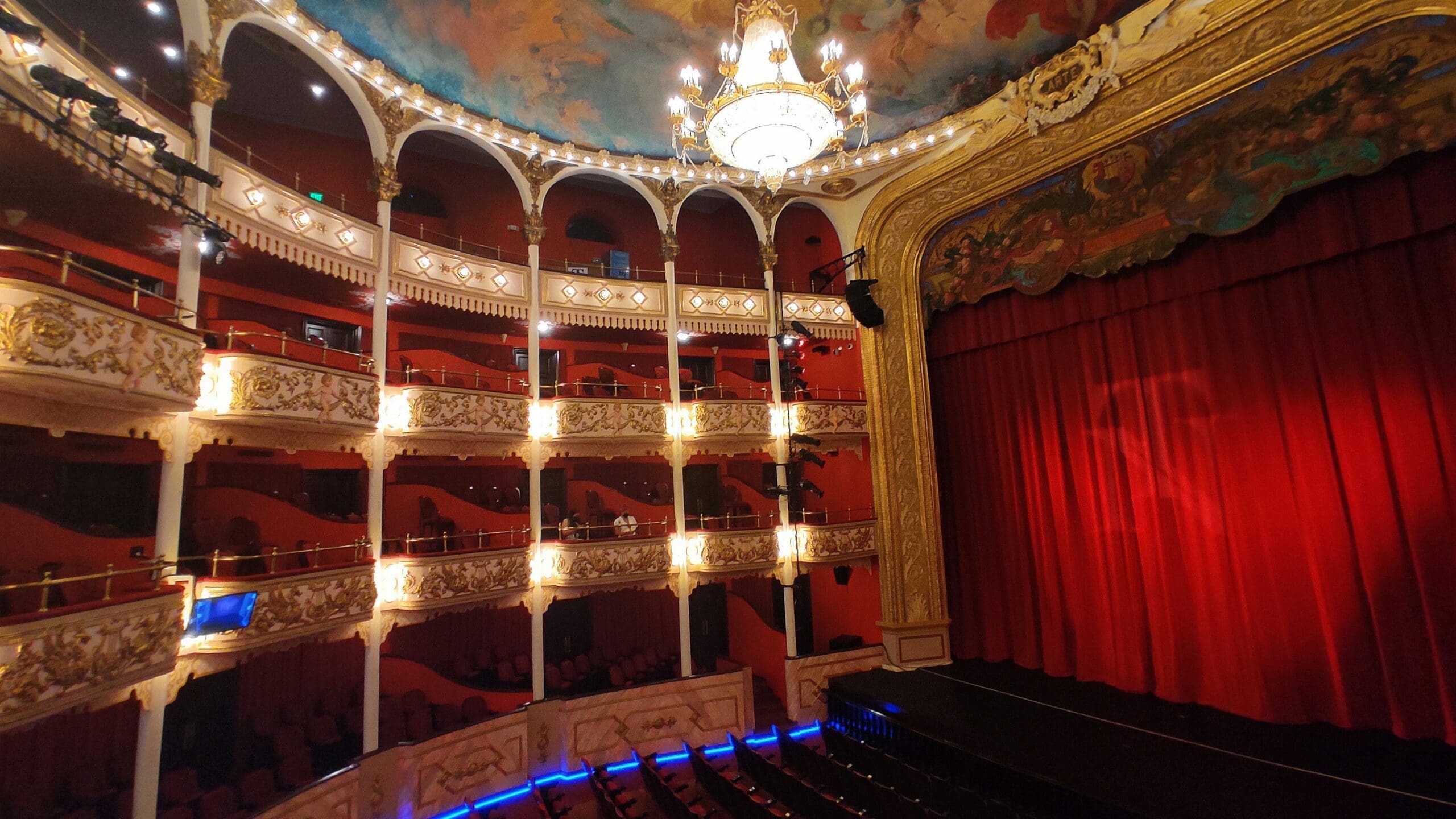
by Ahmed Rangel (https://unsplash.com/@ahmedrangel)
Particularly noteworthy is the remarkable ceiling of the main hall. It is adorned with a spectacular fresco that reflects the importance and aspirations of the institution. Furthermore, impressive chandeliers provide atmospheric lighting. The interior of the Liceu impresses with both historical details and careful restorations.
Some architectural features of the Gran Teatre del Liceu:
- Stylish blend of Neoclassicism and Modernity
- Elaborate frescoes and decorations
- Excellent acoustics thanks to thoughtful design

by Raúl Mermans García (https://unsplash.com/@raulmermans)
The entire architecture testifies to the high artistic skill of the builders and restorers. It underscores the goal of offering opera lovers an unforgettable experience. This interplay of history and modernity makes the Liceu an incomparable architectural jewel in Barcelona.
Cultural significance and role in Barcelona
The Gran Teatre del Liceu is more than just an opera house. It is a symbol of Barcelona's cultural revival in the 19th century. Since its opening in 1847, it has played a central role in the cultural life of the city and Catalonia.
As a major opera house, Liceu has significantly contributed to the promotion of Catalan music and language. Its strong connection to Catalan identity is underscored by the regular performance of works by local composers. Liceu is considered a cultural beacon, preserving and celebrating local traditions.
Over the years, the Liceu has presented numerous world premieres and significant operatic performances. This tradition highlights its importance within the international opera community.
Some aspects of the cultural significance of the Gran Teatre del Liceu:
- Promotion of Catalan music and art
- Platform for international artists and premieres
- Symbol of Barcelona's cultural identity

by Armando Brenlha (https://unsplash.com/@abrenlha)
The opera house is also a significant part of Barcelona's tourist infrastructure. It attracts thousands of visitors annually. They come to experience its rich history and impressive performances. This appeal underscores the Liceu as a cultural center of global importance.
The Opera Program: Performances and Events
The Gran Teatre del Liceu offers a versatile and extensive opera program. It combines classical masterpieces with modern productions. The programs are designed to appeal to both long-time opera fans and new visitors.
In addition to the classic opera performances, the program also includes ballet and concerts. International artists and renowned conductors are regular guests on the stage of the Liceu. This diversity makes the Liceu a vibrant cultural center in Barcelona.
The opera house also organizes special events that highlight the cultural significance of the Liceu. These include performances geared towards a younger audience, as well as special programs for families. These initiatives foster the next generation of opera lovers and broaden the audience.
An overview of the diverse program:
- Classical and contemporary operas
- Ballets and concerts
- Events for Children and Families
- Guest appearances by international artists
Through all these activities, the Liceu remains a vibrant center for the performing arts. It not only enriches the cultural life of Barcelona but also contributes to international opera culture.
Tours and Visitor Information
The Gran Teatre del Liceu offers exciting guided tours that provide insights into the opera house's rich history and breathtaking architecture. These tours are suitable for anyone who wants to learn more about this iconic building in Barcelona. They allow guests to discover hidden corners and the impressive design of the interiors.
Visitors can take a tour of the magnificent main hall, the luxurious foyers, and the impressive stage area. The guided tours are offered in multiple languages to accommodate international guests. They are a wonderful opportunity to learn more about the Liceu's traditions and innovations.
In addition to the regular guided tours, there are also thematic tours. These focus on special aspects such as the architecture or the house's most famous performances. Such thematic excursions are particularly interesting for gaining deeper insights into the world of opera.
Here is some information for visitors:
- Duration of tours: approx. 1 hour
- Multilingual tours available
- Tickets can be booked in advance.
- Special thematic tours on selected dates

by Verena Hehn (https://unsplash.com/@verenacreates)
For an optimal visit, it is advisable to book tickets in advance. This will ensure that you can fully enjoy the fascinating details of the opera house.
Education, youth development, and social programs
The Gran Teatre del Liceu plays a significant role in the training of young opera talents. The Liceu's own opera school nurtures aspiring singers and musicians. This focus on developing young talent secures the future of opera in Spain.
In addition to classical training, the Liceu also offers a wide range of educational programs. These programs are designed to inspire students and young people in the world of opera. Interactive workshops and special events for young adults deepen cultural understanding.
Social programs are also an essential part of the Liceu's commitment. These initiatives aim to break down barriers and facilitate access to opera for diverse population groups. This keeps the opera an inclusive and accessible cultural space.
A selection of educational and social programs includes:
- Workshops for students and youth
- Social Inclusion Initiatives
- Special family programs
- Educational seminars

by Daria Trofimova (https://unsplash.com/@da161)
The Liceu's commitment to education and social responsibility underscores its role as a cultural beacon in Barcelona. It not only fosters artistic talent but also strengthens the community's connection to opera.
Cooperations, international significance, and innovation
The Gran Teatre del Liceu is renowned far beyond the borders of Spain. It regularly collaborates with prestigious international artists and conductors. These partnerships help to ensure that the Liceu remains a center of international opera culture.
The Liceu's significance in the opera world is evident in its numerous international collaborations. These include festivals and competitions, where it regularly participates in international exchange programs. Through this collaboration, the Liceu enriches its repertoire and brings fresh and modern interpretations of classic works to the stage.
Innovation is an essential part of the opera house. It employs new technologies and creative stagings to attract a broad and diverse audience. These advanced approaches make the Liceu a pioneer in the opera world.
Some highlights of the Liceu's international and innovative collaborations include:
- Participation in European opera networks
- Collaboration with international festivals
- Support for contemporary operas
- Use of new technical stage solutions
Practical Tips for Your Visit
The Gran Teatre del Liceu opera house is located in the heart of Barcelona, right on the famous La Rambla. This location makes it easily accessible for both residents and tourists. Visitors can reach it easily using public transportation such as the metro or buses.
To make the visit optimal, it is recommended to book tickets in advance. This is especially important for popular performances that sell out quickly. When visiting, guests should arrive a bit earlier to admire the magnificent architecture and interior design.
Here are some important tips for your visit to the Gran Teatre del Liceu:
- Public transportUse the Liceu metro station on line 3.
- Dress codeElegant casual wear is generally expected.
- PhotosPhotography is permitted in certain areas, but not during performances.
- CateringEnjoy a coffee at the Opera Café before or after the performance.
by Armando Brenlha (https://unsplash.com/@abrenlha)
Conclusion: The Gran Teatre del Liceu as a Symbol of Barcelona
The Gran Teatre del Liceu is more than an opera house. It embodies the cultural soul of Barcelona, reflecting the city's rich artistic history. Its ability to rise again after disasters demonstrates an unwavering will to renewal.
Through its deep-rooted connections to Catalan culture, the Liceu significantly contributes to the region's identity. The combination of tradition and innovation makes it a central meeting point for locals and visitors alike. Here, local and international influences blend harmoniously.
The opera house also plays a crucial role in promoting art and education. It provides a stage for local talent and educates the next generation of artists. Thus, the Gran Teatre del Liceu remains a cornerstone of cultural life in Barcelona.