
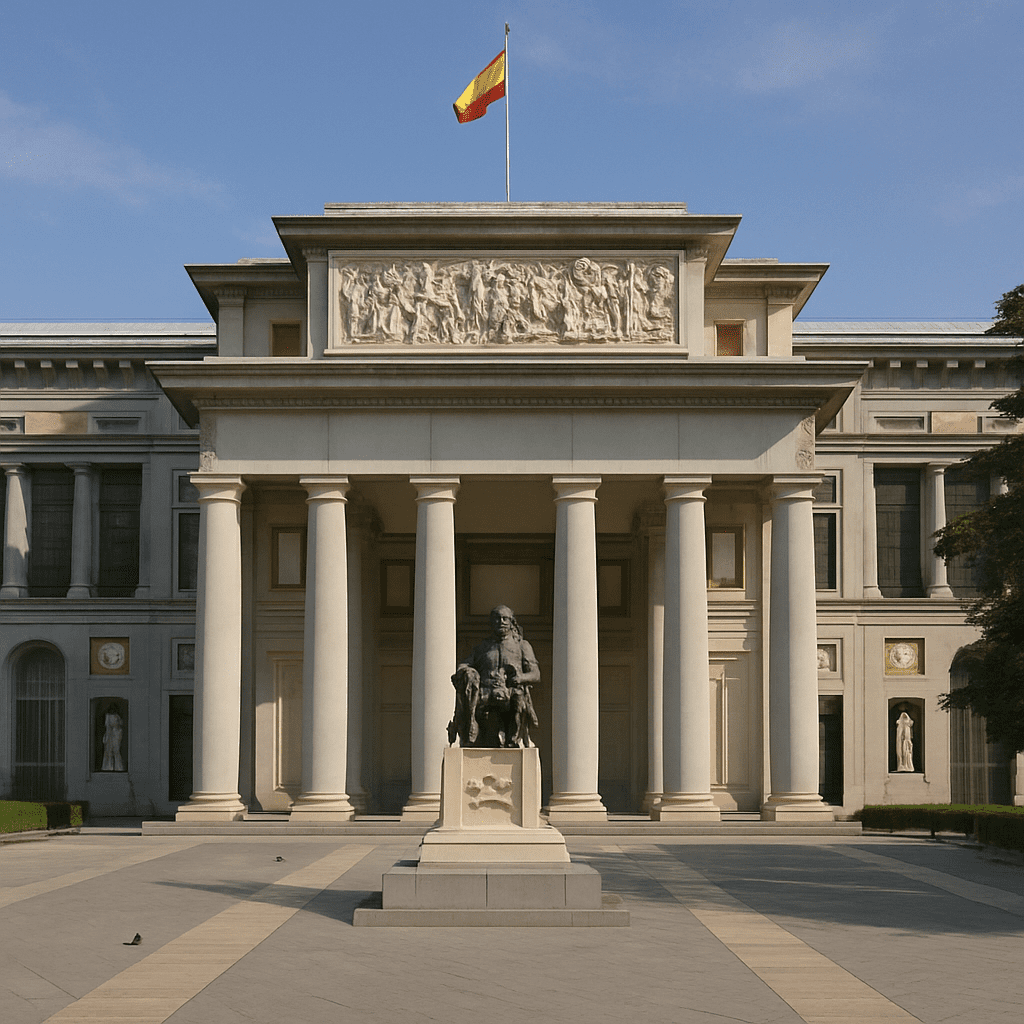
The Prado National Museum is a jewel of the art world. Located in the heart of Madrid, it attracts millions of visitors annually. Its impressive collection includes works by Velázquez, Goya, and El Greco.
Since its opening in 1819, the museum has delighted art lovers from all over the world. It is known for its well-preserved and restored works of art. The collection ranges from the 12th to the early 20th century.
The Prado Museum houses over 8,000 paintings, of which about 1,500 are on display. Among the most famous paintings are Velázquez's „Las Meninas“ and Goya's „The Naked Maja.“ These masterpieces are a must-see for any art lover.
The museum is not only a place of art, but also a symbol of Spanish culture. It offers a rich history and is a testament to the Spanish art tradition. The Prado is an important cultural attraction in Madrid.
Visitors can explore the magnificent galleries and exhibition spaces. The museum offers guided tours and audio guides in multiple languages. It is accessible and offers special programs for people with disabilities.
The Prado is a place of inspiration and creativity. It's a must-see for anyone visiting Madrid. Discover the masterpieces of the Prado National Museum and let yourself be enchanted by the art.
The Prado National Museum: History and Significance
The Prado National Museum has a fascinating history that dates back to the 18th century. The building was originally intended to serve as a natural history museum. The architect Juan de Villanueva designed the impressive building.
It was King Ferdinand VII who opened the museum in 1819. In the beginning, the Prado primarily displayed artworks from the royal collection. These early collections laid the foundation for what the Prado is today.
Over the years, the museum has expanded considerably. Today, it is considered one of the most important art museums in the world. This development is a testament to its continuous cultural significance.
The Prado's collection is particularly known for Spanish art. However, it also features significant works by international artists. This diversity makes the Prado a unique place in the art world.
Important facts about the Prado National Museum:
- Located in Madrid, Spain.
- Opened in 1819.
- Over 8,000 paintings in the collection.
- Part of the „Golden Triangle of Art.“.
The museum is also a UNESCO World Heritage Site. It stands as a symbol of Spain's cultural identity. The Prado is an essential visit for art lovers and historians.
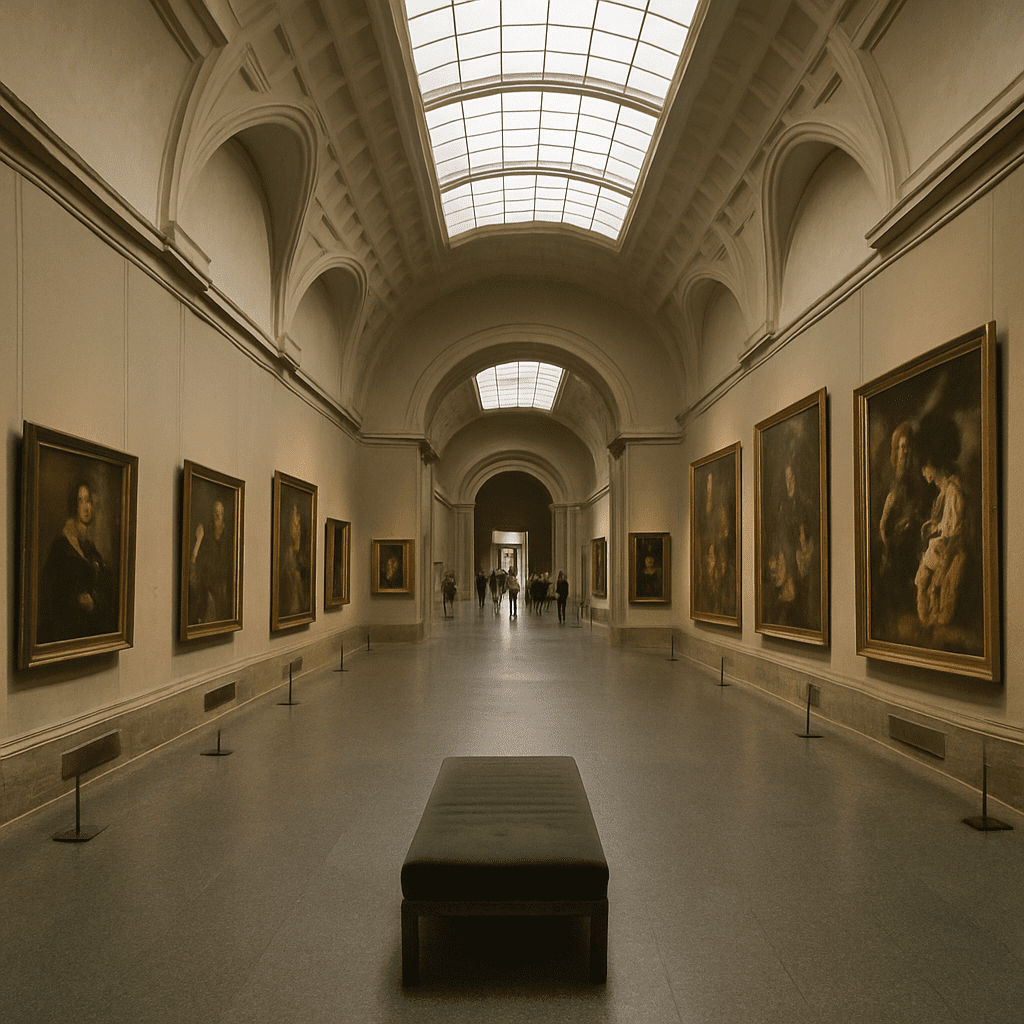
The most famous paintings in the Museo del Prado
The Prado Museum houses some of the most famous paintings in art history. These masterpieces attract millions of visitors annually. Each room in the museum tells its own story through its artworks.
Among the most famous exhibits is Velázquez's „Las Meninas.“ This painting fascinates with its complex composition. It depicts the Spanish royal family in a very intimate way.
Another highlight is Goya's „The Nude Maja.“ This work impresses with its openness and grace. Goya also created the „Clothed Maja,“ which is exhibited in the same room.
El Greco's „The Annunciation“ is also of great significance. His unique color palette and design fascinate viewers. El Greco is often admired for his expressive style.
Furthermore, Hieronymus Bosch's „The Garden of Earthly Delights“ is a crowd-pleaser. This triptych captivates with its surreal and detailed depictions. It encourages reflection on human morality and sin.
More significant works in the Museo del Prado:
- Titian's „Danaë and the Golden Rain“
- Rubens‘ „The Three Graces“
- Rembrandt's „Artemisia“
The museum also offers works by artists such as Rubens and Titian. These international masterpieces wonderfully complement the Spanish collection. They demonstrate the museum's far-reaching influence.
Visitors can discover countless art movements in the magnificent galleries. Each floor reveals new aspects of painting. The Prado Museum is a true treasure for any art lover.
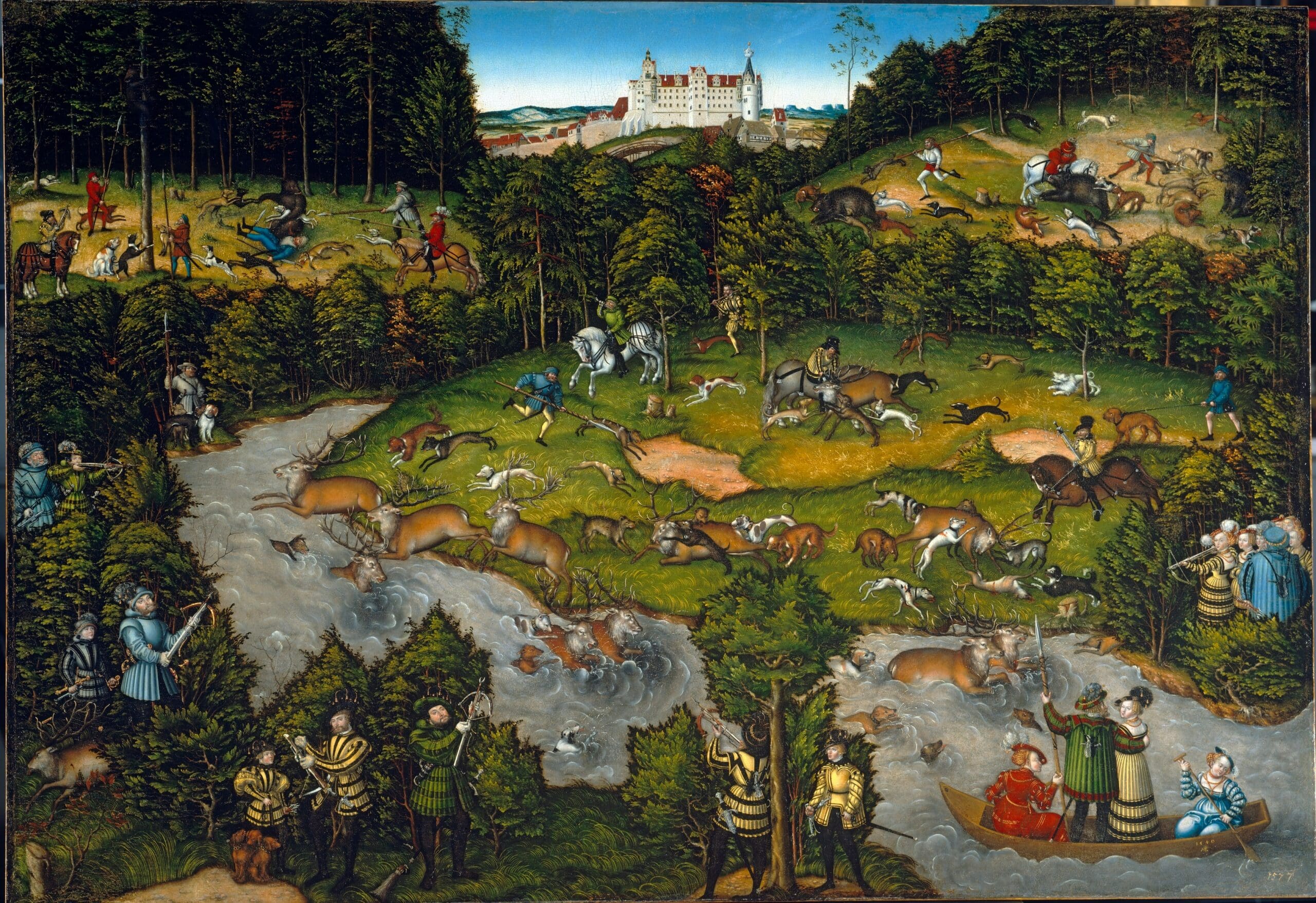
from The Cleveland Museum of Art (https://unsplash.com/@clevelandart)
Spanish Masters: Velázquez, Goya, and El Greco
The Prado National Museum is famous for its Spanish art collection. Three artists stand out in particular: Velázquez, Goya, and El Greco. Their works significantly shape the museum's heritage.
Diego Velázquez is celebrated as a pioneer of portraiture. His paintings often feature the Spanish royal family. His work „Las Meninas“ is world-famous and intricately designed.
Francisco Goya is known for his diverse themes. He captured the highs and lows of human existence. Goya's „The Nude Maja“ is a prime example of his daring approach.
El Greco, actually Domenikos Theotokopoulos, brought Byzantine influence to Spain. His unconventional style fascinated his contemporaries. His work „The Annunciation“ is considered a masterpiece of religious art.
The masterpieces of these artists are not limited to individual pieces:
- Velázquez: „The Triumph of Bacchus“
- Goya: „The Colossus“
- El Greco: „The Noble Donor“
The collaboration of these artists at the Prado offers a deep insight into Spanish art. Their paintings show the evolution of artistic style across different eras. They attract art lovers from all over the world.
Art students find inexhaustible inspiration here. The works offer much to discover for both laypeople and experts. They serve as objects of study and sources of inspiration for future generations.
The exhibition of these Spanish masterpieces fills visitors with awe. Their works offer an emotional depth that is hard to describe. A visit to the Prado remains unforgettable.
European Masterpieces and International Highlights
The Prado National Museum houses an impressive collection of European art. This includes works by great masters from different eras. Their paintings offer visitors a deep insight into the diversity of European art styles.
Titian, an Italian Renaissance painter, is represented by masterful portraits. His works are known for their vibrant colors and refined compositions. The influence of his art is still felt today.
Flemish painter Peter Paul Rubens offers a different perspective. He is famous for his dynamic and vibrant paintings. Rubens‘ works in the Prado are rich in mythological and biblical themes.
Hieronymus Bosch is also part of this remarkable collection. His work „The Garden of Earthly Delights“ captivates many. The surreal details challenge the imagination of viewers.
The Prado collection also includes works by Rembrandt and Van Dyck:
- Rembrandt: „Artemis“
- Van Dyck: „Portrait of a Child“
from The Cleveland Museum of Art (https://unsplash.com/@clevelandart)
These international masterpieces wonderfully complement the Spanish art collection. They offer an excellent cross-section of European art traditions. The Prado is a true treasure trove of art.
The Diversity of the Collection: From Sculptures to Tapestries
The Prado Museum impresses not only with paintings. It also offers a wide range of other artworks. These include sculptures, which are displayed in various galleries.
The sculpture collection displays artworks from various eras. Here you will find classical works from antiquity. You will also find modern sculptures that reflect the diversity of styles.
Besides sculptures, tapestries are a highlight of the museum. These textile artworks impress with their complex patterns and colors. Tapestries often tell stories and offer insights into the lives of past eras.
Additionally, the museum also houses other decorative arts:
- Ceramics
- Furniture
- Enamel work
- Glassworks
The diversity of the collections demonstrates the breadth and depth of art history. Visitors can experience art forms beyond painting here. The Prado thus remains an inexhaustible source of inspiration.
Practical Tips for Visiting the Prado National Museum
A visit to the Prado National Museum requires some planning. The vast collection can be overwhelming. Therefore, it's advisable to have a strategy.
Visiting the museum early is recommended. It's often less crowded at that time. This way, you can enjoy the paintings at your leisure.
The museum offers guided tours and audio guides in various languages. These are helpful for learning more about the artworks. Use them to enrich your experience.
Here are some useful tips:
- Book tickets in advance Avoid long queues.
- Highlight Tours Focus on the most famous paintings.
- Comfortable shoes The museum is large, and you will walk a lot.
- Discounted tickets: In the afternoon, there are often discounts.
- Souvenir Shop Plan: Spend some time here to conclude.
Don't forget to take breaks and enjoy the relaxed atmosphere. A visit to the Prado is more than just a museum visit; it's an unforgettable experience full of discoveries.
The Prado as a center for education, research, and innovation
The Prado Museum offers more than just art appreciation. It is an important center for education and research. Museums like the Prado promote lifelong learning.
The museum organizes numerous educational programs. These are aimed at both students and adults. Visitors can participate in interactive workshops.
Some of the initiatives include:
- School Programs Educational tours for students.
- Workshops: For different age groups and interests.
- Research Projects: Cooperation with universities.
- Lectures Experts share their knowledge.
The Prado also supports technological innovations. Virtual tours and digital archives make the collection more accessible. These innovations contribute to the advancement of art education.
Conclusion: A must-see for art lovers and visitors to Madrid
The Prado National Museum is unparalleled. Its collection brings together famous paintings and masterpieces of art history. Every art lover will find inspiration and wonder here.
A visit to the Prado not only offers artistic enjoyment but also a cultural insight into Spanish history. It is an unforgettable experience and an essential stop on any trip to Madrid.