

The buildings Casa de la Villa and Casa de Cisneros are two of Madrid's most significant historical landmarks. They are located in the picturesque Plaza de la Villa, one of the oldest squares in the city. These architectural masterpieces tell the story of Madrid through their impressive facades and rich interiors.
The Casa de la Villa, a prime example of Spanish Baroque architecture, was built in the 17th century. It originally served as Madrid's city hall and was the seat of the City Council until 2007. Its design is attributed to Juan Gómez de Mora, one of the most renowned architects of his time.
The Casa de Cisneros, on the other hand, was built in the Renaissance style in 1537. It was commissioned by Benito Jiménez de Cisneros, a nephew of the famous Cardinal Cisneros. This building originally served as a residential home and is an excellent example of Spanish Renaissance architecture.
Both buildings are not only architectural gems but also witnesses to the political and social changes in Madrid. The Casa de la Villa is known for its decorative facade with coats of arms and Baroque elements. The Casa de Cisneros impresses with its interior design, which features Renaissance elements.
The Plaza de la Villa, where these buildings are located, was once a central place for public gatherings and events. Today, the Casa de la Villa and Casa de Cisneros are popular photo spots for tourists and a must-see for any visitor to Madrid. They are part of the tourist route through the historic center of the city.
The Casa de la Villa and Casa de Cisneros are symbols of Madrid's historical and cultural identity. They are important subjects of study for historians and architects, offering valuable insights into the evolution of urban architecture. Both buildings are part of the cultural heritage of Madrid and Spain.
These historic villas are not only architectural masterpieces but also significant cultural resources for the city. They are examples of the preservation and restoration of historic buildings and demonstrate the importance of heritage conservation. The Casa de la Villa and Casa de Cisneros are living testaments to Madrid's rich history and culture.
The Location: Plaza de la Villa as Madrid's Historic Center
Plaza de la Villa is one of Madrid's most significant historical sites. Located in the heart of the old town, it reflects the city's cultural diversity and history. Surrounded by fascinating buildings, the square has endured numerous eras and stands as a living testament to Madrid's transformation.
This square was once a central point for social and political activity. Royal processions, public gatherings, and important city celebrations took place here. Its strategic location made it a vibrant hub of the city for centuries.
The architecture around Plaza de la Villa is diverse and impressive. Visitors can admire buildings from different eras that showcase the evolution of urban architecture. Particularly outstanding are the Casa de la Villa and the Casa de Cisneros, which captivate with their distinct architectural styles.
The central location of the square allows tourists and locals to conveniently explore other Madrid attractions from here. A visit to Plaza de la Villa offers a perfect opportunity to experience the historic atmosphere of the city.
Sights at the Plaza de la Villa:
- House of the VillaFormer City Hall, example of Baroque architecture.
- House of CisnerosRenaissance building with impressive interior design.
- Torre de los LujanesOne of the oldest buildings in Madrid.
- Chapel of San Antonio de los AlemanesFamous for its frescoes and oval floor plan.
The Plaza de la Villa is not only an architectural highlight but also a vibrant center of Madrid. Its historical significance and cultural diversity make it a must-see for every visitor. The atmosphere here is unique, and visitors can experience the history of Madrid through the impressive buildings.
The square serves as an ideal starting point to explore the picturesque alleys of Madrid's Old Town. Here, tradition meets modernity, offering a unique experience for history buffs and travelers alike. With its rich history and architectural diversity, the Plaza de la Villa remains one of Madrid's most fascinating places.
Casa de la Villa: History and Significance
The Casa de la Villa is one of the most impressive buildings on Plaza de la Villa and a significant example of Spanish Baroque architecture. Originally built as Madrid's City Hall in the 17th century, it symbolizes the city's political power and cultural golden age. Construction began in 1644, and the renowned architect Juan Gómez de Mora was responsible for the design.
Until 2007, the building served as the seat of the Madrid City Council and played a central role in the city's administration. Its long history as a center of political decisions makes it an important place for Madrid's historical developments. For centuries, significant urban and political decisions were made here.
The facade of the Casa de la Villa is a masterpiece of Baroque architecture. It is adorned with elaborate decorative elements and coats of arms that impress visitors. A characteristic clock in the tower gives the building its distinctive silhouette and is a well-known landmark of the Plaza de la Villa.
Inside the building, a magnificent entrance hall is adorned with historical paintings. These artworks offer a glimpse into the city's rich cultural past and are a testament to the artistic mastery of the era. Visitors who are permitted to explore the interior will be impressed by the abundance of intricate details.
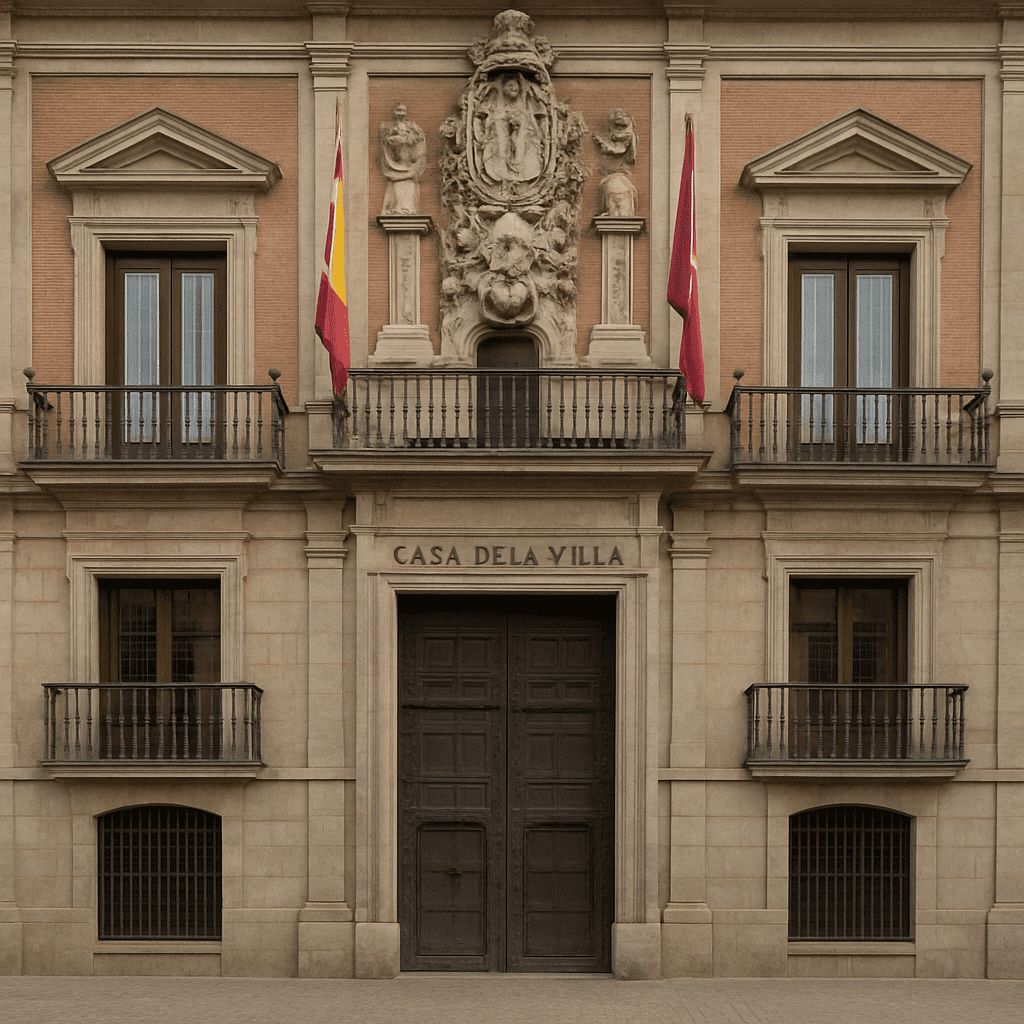
The Casa de la Villa was not only a center of political power but also a venue for cultural events and exhibitions. In addition to its political functions, the building served as a space for art exhibitions and other cultural happenings, reinforcing its significance as a cultural epicenter.
With its recognition as a national heritage site of Spain, the Casa de la Villa plays an important role in the awareness of Madrid's residents. It is a symbol of the city's historical identity and a popular destination for tourists wishing to explore Madrid's history and architecture. The mix of political, cultural, and historical influences makes the Casa de la Villa a unique and significant complex of buildings.
Today, the Casa de la Villa is an integral part of the tourist route through Madrid's historic center. It attracts history buffs, architecture enthusiasts, and curious travelers from all over the world. Its imposing architecture and rich history make it a must-see on any trip through the Spanish capital.
Architecture of the Casa de la Villa: Baroque Splendor and Details
The Casa de la Villa represents 17th-century Baroque architecture with unparalleled precision. The design brilliance of Juan Gómez de Mora is evident in every detail of its facade. It is richly decorated and includes numerous elements typical of the Baroque style. This architecture reflects the aesthetic preferences of the elite of that time and stands out significantly from other urban buildings of that era.
One of the most striking architectural features of the Casa de la Villa is its distinctive tower. This houses the iconic clock, which elegantly displays the time. The clock not only serves a practical purpose but is also an integral part of the building's visual appeal. The dynamic effect of the tower's vertical lines immediately draws the viewer's eye, lending the building a majestic appearance.
A special architectural highlight is the central entrance hall. It impresses with an excellent combination of space and decoration. The hall is adorned with historical murals depicting scenes from the history of Madrid. These paintings are not only decorative works of art but also offer a deep insight into the history and culture of the city.
Decorative elements include ornate coats of arms and symbolism that liven up the facade. These symbols represent the political and cultural significance of the building throughout the centuries. Such elements evoke the rich history of the Casa de la Villa and reinforce its status as a symbol of the city of Madrid.
Special architectural details of the Casa de la Villa:
- Baroque facade designElaborately decorated facades with symbolic coats of arms.
- Clock towerAn impressive feature that serves both aesthetic and practical functions.
- Central lobbyArtfully painted walls depicting historical events.
- Spatial EleganceThe combination of spatial proportion and decoration creates a harmonious overall impression.
The Casa de la Villa is not only known for its exceptional exterior design. The interiors also reflect the splendor of the Baroque period. Materials such as marble and finely carved wood dominate the interior decoration. They lend the rooms a luxurious atmosphere that carries the brilliance of the 17th century into modernity.
Overall, the architecture of the Casa de la Villa is a fascinating testament to Baroque architecture in Madrid. It not only embodies the architectural boldness of its era but also remains a prime example of the sophisticated combination of aesthetics and functionality today. This building stands as a monument to Baroque engineering and a vibrant part of Spain's cultural landscape.
Casa de Cisneros: Renaissance Architecture and Its Origins
The Casa de Cisneros is a shining example of Renaissance architecture in Madrid, built in 1537. Its creation dates back to Benito Jiménez de Cisneros, a nephew of the renowned Cardinal Francisco Jiménez de Cisneros. This historic building was originally intended as a residence for the Cisneros family, highlighting its familial and aristocratic origins.
In contrast to the Casa de la Villa, the Casa de Cisneros captivates with its rather simple, yet elegant Renaissance facade. The architecture of this era is characterized by geometric shapes and a clear, functional aesthetic. With its harmonious symmetry and classical proportions, the building is a prime example of Renaissance influences in Spain.
The Casa de Cisneros houses impressive details that exude subtle elegance and significance. Inside, you'll find elaborately decorated wooden ceilings and decorative elements that bear the hallmark of the Renaissance. These details are a testament to the exceptional craftsmanship of the era and lend the rooms a timeless dignity.
The building has adapted to modern requirements over the centuries. In the 20th century, it underwent a careful restoration, during which it was connected to the Casa de la Villa. This connection was not only architecturally significant but also symbolized a cultural bridge between different eras and styles.
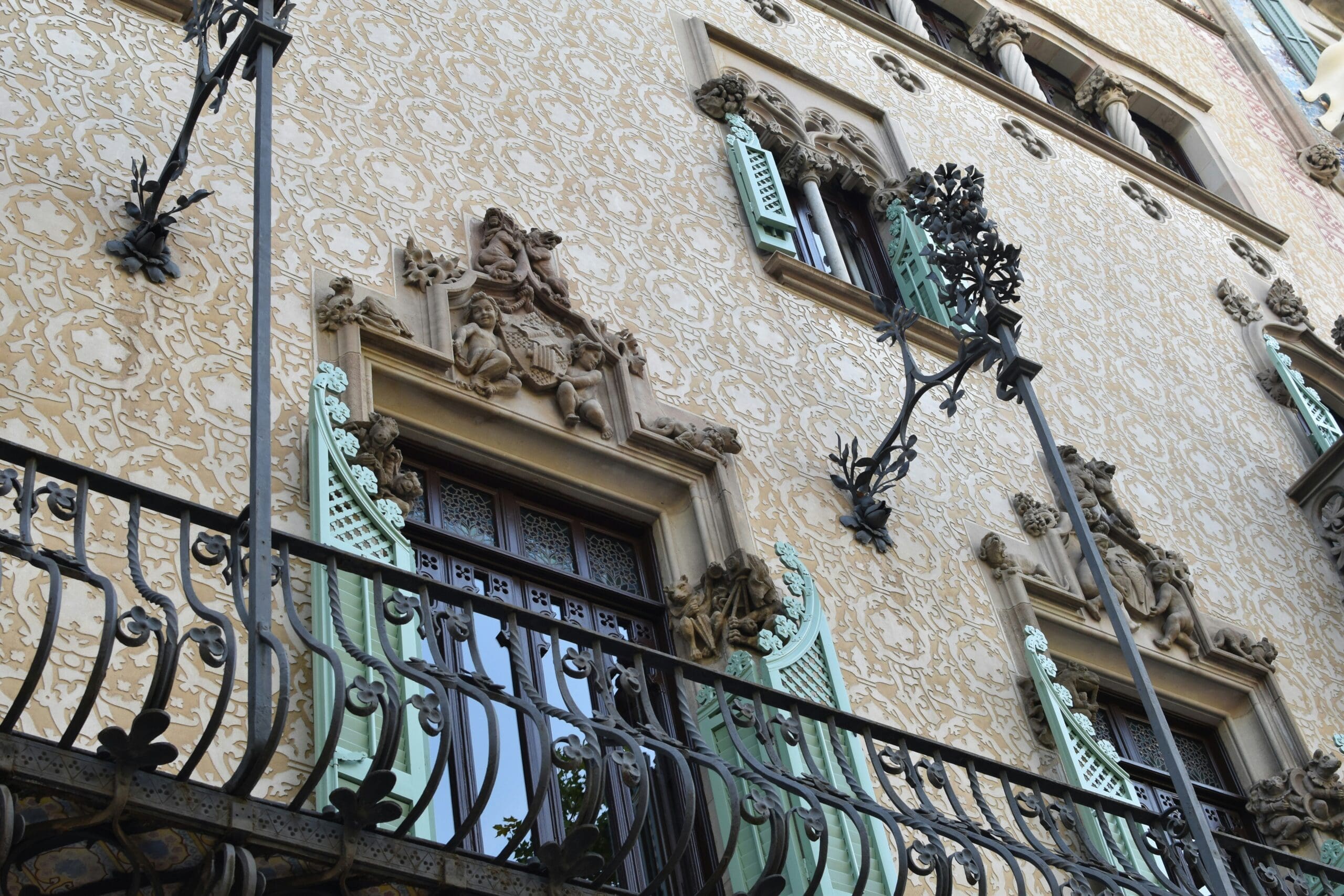
by Ioana C (https://unsplash.com/@december_elegy)
Another outstanding feature of the Casa de Cisneros is its impressive interior decoration. Although the building is not open to the public today, it houses valuable works of art and historical artifacts. These collections are invaluable to art historians and contribute to the cultural significance of the building.
The Casa de Cisneros is more than just an architectural gem. It is a living testament to Spanish history and the social changes that have shaped Madrid. As an integral part of the city's architectural heritage, it represents the Renaissance tradition amidst urban development and remains an important reference point for the study of Spain's art and cultural history.
The connection of the two buildings: Change and Restoration
The Casa de la Villa and the Casa de Cisneros together form a remarkable ensemble in the heart of Madrid. Initially, the two buildings were separate architectural entities, but their history and functionality have become intertwined over time. This connection reflects the city's architectural and historical development.
In the 20th century, a fundamental restoration and connection of the two structures was undertaken. This merger aimed to preserve the historical integrity of both buildings while increasing their functional utility. The architectural intervention allowed for a unified use that highlighted the political and cultural significance of the buildings.
The connection of the buildings is a remarkable example of heritage preservation and the adaptation of historical architecture to modern needs. During the restoration, innovative techniques were used to preserve the original splendor of the buildings. These measures not only secure the architectural heritage but also the historical authenticity of the buildings.
The restoration and connection of the Casa de la Villa and the Casa de Cisneros include:
- Preservation of historic facades: Original elements were restored to preserve the original character.
- Integration of modern infrastructure: Modern facilities have been harmoniously integrated into the historic architecture.
- Use for urban purposes: Both buildings serve as city administration offices and are a central venue for cultural events.
- Historical Representation The connection offers insights into the evolution of urban architecture in Madrid.
This development has made the buildings an integral part of Madrid's architectural and cultural heritage. Today, they are not only symbols of historical grandeur but also testaments to how old structures can be integrated into the modern urban landscape. The Casa de la Villa and the Casa de Cisneros offer a striking example of how architectural masterpieces can be preserved and utilized to remain invaluable to society.
Interiors and Art Treasures: Glimpses into the Past
The interiors of the Casa de la Villa and the Casa de Cisneros are true journeys back in time in Madrid. Each room tells its own story, reflecting the cultural and political significance of the buildings. The richly decorated furnishings and historical artworks allow visitors to feel the atmosphere of past centuries.
A special highlight of the Casa de la Villa is its magnificent entrance hall. It impresses with a grandiose ceiling and Baroque wall paintings depicting scenes from Madrid's history. Such works of art bear witness to the city's cultural golden age and the decisive events that took place here.
The Casa de Cisneros, in turn, houses impressive elements of Renaissance architecture. Its interiors are furnished with antique furniture and elegant wood paneling. This decor reflects the splendor and prosperity of the Renaissance era, when the building served as a residence for the Cisneros family.
Numerous historical artifacts were discovered in both buildings, offering insight into the daily lives and political upheavals of the time. Treasures such as old documents, intricate sculptures, and original furniture pieces make the buildings a true gem for history enthusiasts and art lovers.
Another fascinating aspect is the attention to detail with which the interiors were restored. Historical colors, materials, and techniques were used to revive their original splendor. This meticulous work has transformed the buildings into a living museum that transports visitors to times long past.
The interiors of the Casa de la Villa and the Casa de Cisneros are not only architecturally significant but also symbols of Madrid's cultural heritage. They offer fascinating glimpses into the city's history and illustrate the artistic and political development of Spain. Anyone who enters these spaces will inevitably be captivated by the history that becomes vivid and palpable here.
Political and Cultural Significance Through the Ages
The Casa de la Villa and the Casa de Cisneros are not only architectural masterpieces but also significant witnesses to the political and cultural developments in Madrid. For centuries, they were the setting for important political decisions that shaped the city and the country.
The Casa de la Villa served as Madrid's City Hall until 2007. Within its walls, many decisions were made that influenced Madrid's growth and modernization. These walls have witnessed numerous mayors and their administrations, who worked towards the city's political and cultural objectives.
In contrast, the Casa de Cisneros was originally a private residence that later acquired an administrative function. Its transformation reflects the adaptation of buildings to changing times and needs. Today, it houses various offices but is not open to the public.
The cultural significance of both buildings can be summarized in a few key points:
- The Seat of Political Decisions That Shape Madrid's History
- Venue for cultural events and exhibitions
- Symbol for the transition from private to public use
- Testimony to architectural and social developments
- Part of the tourist route through the historic center
Both buildings have adapted their roles over time without losing their historical significance. This shows how architectural structures can change to meet cultural and administrative demands, while simultaneously remaining important symbols of Madrid's and Spain's historical identity. They are places where past and present meet, making them indispensable stops on any historical exploration of the city.
Buildings Today: Usage, Historic Preservation, and Tourism
Today, the Casa de la Villa and the Casa de Cisneros play an important role in Madrid's urban fabric. Both are integral components of the cultural heritage and attract many visitors. Their use has changed over time, with the focus now on their preservation and accessibility for tourists.
The Casa de la Villa, once the heart of municipal administration, now serves as a venue for various cultural events. Its historical significance attracts many history enthusiasts and architecture lovers. The magnificent building is a prime example of successful heritage preservation, aiming to conserve historical structures for future generations.
Likewise, the Casa de Cisneros will be given a new use. Although it is not open to the public, its impressive facade is a popular photo opportunity for tourists. This Renaissance building is regularly maintained to protect its architecture and enrich the urban landscape.
This preservation and use in today's context can be summarized as follows:
- Casa de la Villa as a venue for cultural events
- Tourist interest in the architecture of both buildings
- Regular restoration work to protect the structures
- Commitment to the preservation of monuments in Madrid
- Significance as cultural attractions for tourists and locals
The integration of these historical structures into Madrid's modern urban landscape serves as a model for urban heritage preservation. They are not merely relics of the past but active participants in contemporary city life. Tourists from all over the world arrive to admire these architectural gems, while conservationists ensure they are maintained in their full splendor.
Tips for Visitors: Photo Spots, Tours, and Surroundings
A visit to the Casa de la Villa and the Casa de Cisneros is a must for any history and architecture lover in Madrid. These iconic buildings offer numerous opportunities for impressive photos. The best photo spot for the Casa de la Villa is the Plaza de la Villa itself. From here, you have a perfect view of the building's impressive facade and characteristic tower. The Casa de Cisneros also offers interesting perspectives, especially from the narrow streets around the square.
Guided tours are an excellent way to learn more about the history and architecture of these remarkable sites. Local guides offer valuable insights into the stories these walls tell. Many tour operators in Madrid include these buildings in their routes through the historic center, giving you the opportunity to discover other attractions in the surrounding area as well.
Besides the buildings themselves, there are numerous attractions in the surrounding area that are worth exploring:
- Plaza de la Villa: Historic main square with magnificent views.
- Mercado de San Miguel: Popular Market for Culinary Delights.
- Almudena Cathedral: Famous cathedral with impressive architecture.
- Royal Palace of Madrid: One of the largest palaces in Europe.
- Main Street: Historic street with charming shops and cafes.
Plan your visit carefully to best experience the wealth of culture and history in this area. Whether through photos, guided tours, or a leisurely stroll, the surroundings of Casa de la Villa and Casa de Cisneros offer something special for every visitor.
Conclusion: Symbols of Madrid's History and Identity
The Casa de la Villa and Casa de Cisneros stand as impressive testaments to Madrid's rich architectural heritage. These buildings not only reflect the city's historical development and political changes but also the cultural diversity of Spain. Both structures combine elements of Baroque splendor and Renaissance simplicity, symbolizing architectural evolution over centuries.
For residents and tourists alike, Casa de la Villa and Casa de Cisneros offer a profound glimpse into Madrid's past. They stand not only as significant historical landmarks but also as vibrant symbols of the city's cultural identity and enduring historical relevance. These remarkable buildings contribute to solidifying Madrid's image as a city of heritage and tradition, yet one that remains continually open to modern influences.