
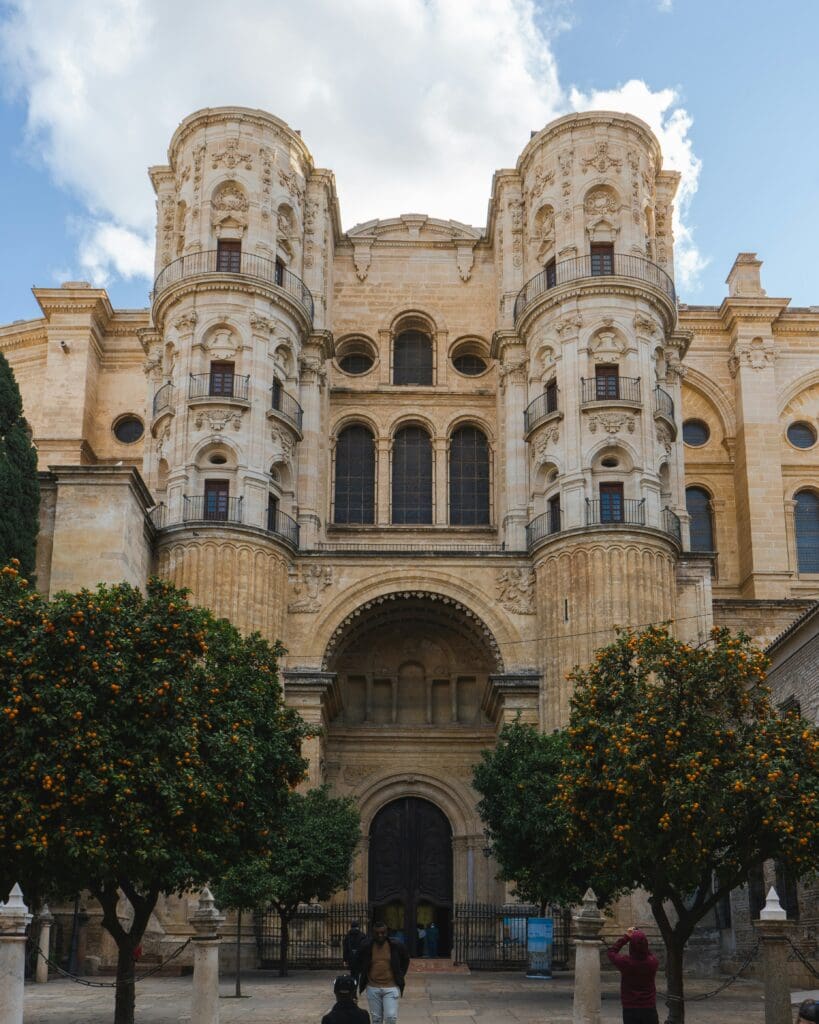
The Roman Theatre of Málaga is a fascinating relic from antiquity. It is located in the heart of the city and attracts visitors from all over the world. This historical monument is a must-see for anyone visiting Málaga.
Built in the 1st century BC, it is one of the oldest structures in the city. It testifies to the Roman presence and their influence in the region. The architecture of the theater is impressive and an example of Roman engineering.
The theater was rediscovered in 1951. It lay buried under rubble for centuries. Today, it is a symbol of Málaga's Roman past.

The Roman Theatre of Malaga is not just a historical monument. It is also a vibrant place where cultural events take place. Visitors can experience the impressive acoustics of the theatre.
Admission is free, making it a popular attraction. There are informative signs explaining the theater's history. A visitor center offers additional information and exhibits.
The theater is easily accessible and located in the historic center of Málaga. It is a place where history comes alive. A visit is worthwhile for history buffs and culture enthusiasts alike.
History of the Roman Theater of Málaga
The Roman Theatre of Malaga has a rich and remarkable history. It dates back to the Roman Empire, when Spain was part of the mighty empire. Construction of the theatre began in the 1st century BC under the reign of Emperor Augustus.
Over time, the theater served as the main entertainment venue for the Roman population in Málaga. The theater was in use until the 3rd century AD. After that, its importance was gradually overshadowed by other structures.
After the decline of the Roman Empire, theater fell into obscurity. For centuries, it lay hidden under rubble and earth. It didn't come to light again until the mid-20th century.
The rediscovery of the theater in 1951 was a significant archaeological event. It occurred by chance during construction work on the city's cultural center. As a result of the discovery, the cultural center was ultimately not built.
The theater's restoration began in the 1990s. These efforts were careful and aimed at preserving the historical structures. The restoration significantly increased interest in this old site.
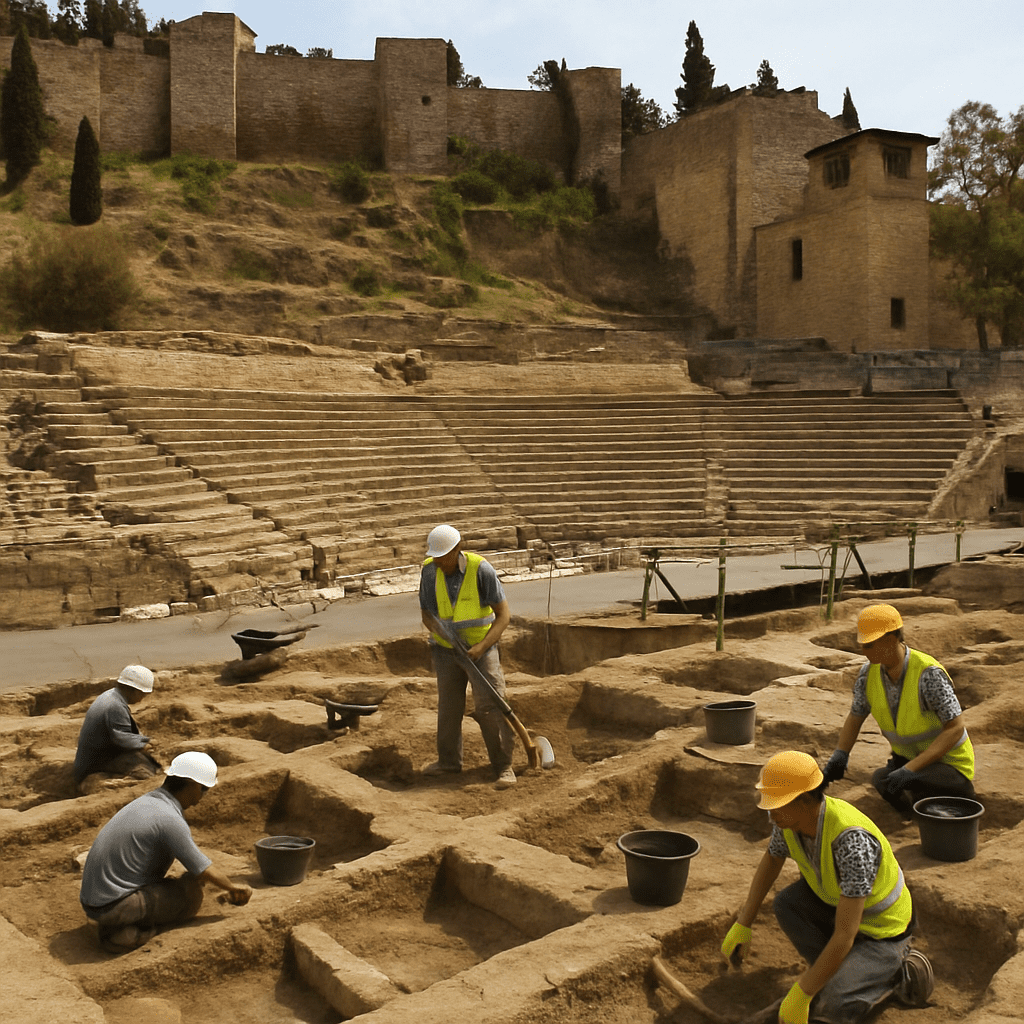
The history of the theater shows the legacy of the Romans in Spain and their architectural brilliance. Nowadays, visitors from all over the world appreciate its historical significance. The list of significant eras for the theater includes:
- Roman Era: Construction and Use
- The Middle Ages: Hidden and Forgotten
- Century: Rediscovery and Restoration
This rich heritage makes Málaga's Roman Theatre a remarkable attraction. The history the theatre tells inextricably links the past with the present.
Architecture and Structure of the Theater
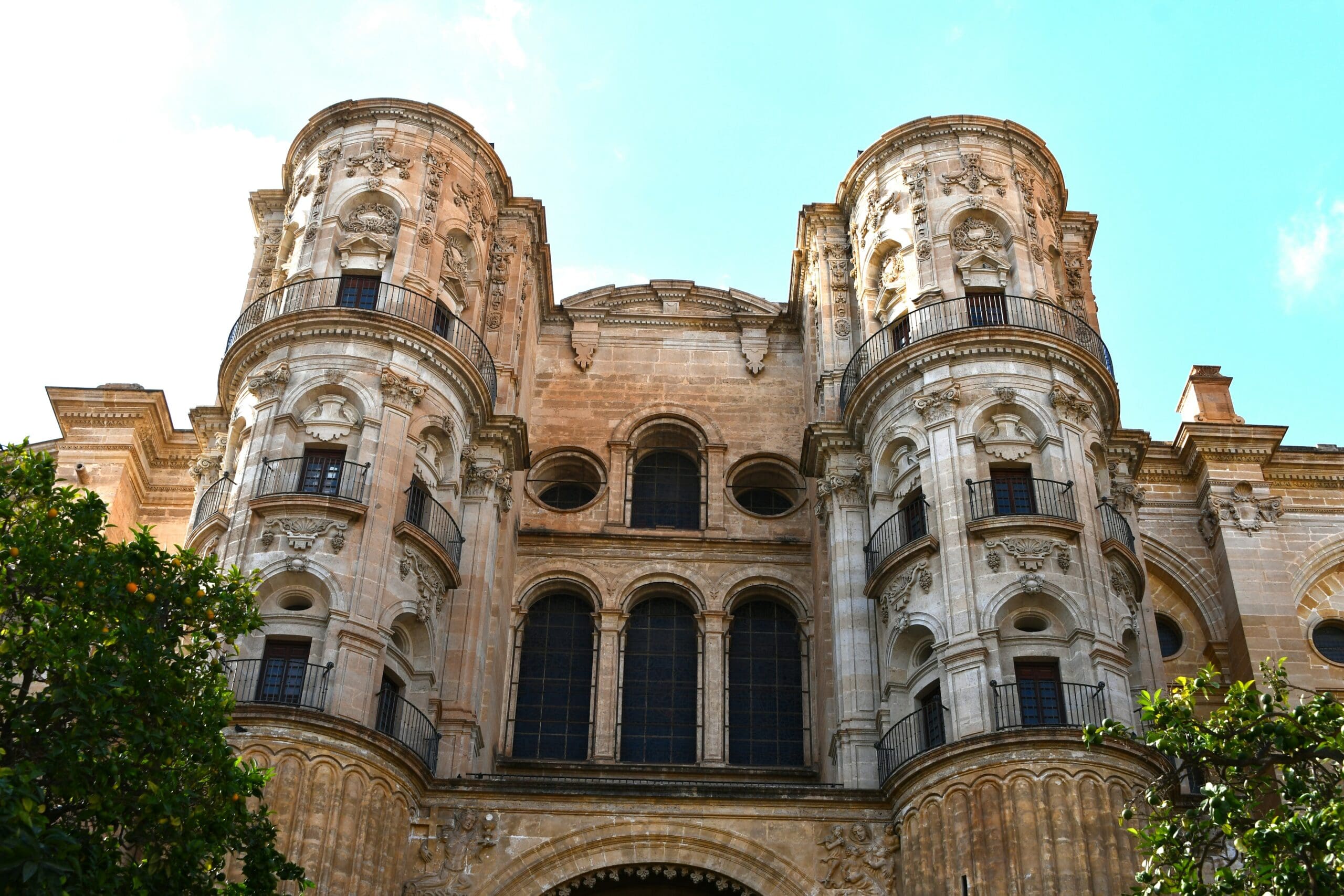
The architecture of the Roman Theatre of Málaga is a testament to the Romans' engineering prowess. It was built using local limestone, which gives it its robust structure. Its placement at the foot of the Alcazaba provides an impressive backdrop.
The theater is divided into three main parts. The cavea, the seating area, was once divided into sections organized by social status. These sections could accommodate approximately 220 spectators.
The orchestra pit, the stage area, served as the center of the performances. Dramatic performances took place here to entertain the audience. The acoustics in this area are still impressive today.
The scaenae frons, the stage background, is an artfully designed element of Roman architecture. This area lent a magnificent setting to the performances. It also demonstrates the Romans' love for aesthetic details.
Another remarkable feature of the theater is its integration into the urban landscape. It is a prime example of how ancient structures can coexist with modern environments. Visitors can experience the ancient steps up close.
by ALEJANDRO POHLENZ (https://unsplash.com/@apohlenz)
Here are the three main components summarized:
- Cave Seating area
- Orchestra Stage area
- Stage Front Stage backdrop
The theater's sophisticated construction and design highlight the importance of Roman architecture. Architectural details like these make it a fascinating subject of study for history enthusiasts.
The rediscovery and restoration
The Roman Theatre of Málaga lay hidden for many centuries. It was only accidentally discovered in 1951 when construction work for a cultural center began. The discovery surprised many and sparked great interest.
Since its rediscovery, a comprehensive restoration has been necessary. The measures began in the 1990s. The goal was to restore and preserve the original form of the theater.
Archaeologists and historians worked together to restore the theater to its former glory. The challenge was to reconstruct it as accurately as possible without distorting its historical aspects. Modern restoration techniques played a key role.
Today, one can admire the impressive work of the restorers. The preservation of ancient sites like this is crucial for cultural identity. Such restorations make it possible to secure heritage for future generations.

By Carlos M. (https://unsplash.com/@carlosdemiguel)
Through these efforts, the theater has become a cultural treasure of Malaga. It demonstrates the importance of preserving historical sites. Visitors can now experience the past with their own eyes and feel history up close.
Significance for Malaga and Andalusia
The Roman Theatre of Malaga contributes significantly to the cultural identity of the city and the region. It symbolizes Roman presence and historical influence in Andalusia. The ancient site showcases the rich heritage and cultural diversity of the region.
Thanks to its impressive architecture, the theater attracts numerous visitors. It boosts tourism in Malaga and strengthens the city's economy. Tourists and locals alike appreciate this glimpse into the past.
Additionally, the theater serves as an important educational venue. It offers insights into the lives of the Romans and their architectural achievements. Students and history enthusiasts learn a great deal about ancient culture and architecture.
The theater is also part of the Route of Roman Cities in Andalusia. This list promotes cultural exchange and interest in ancient history.
- Symbol of Roman presence in Andalusia
- Important contribution to tourism
- Place of education for Roman history
- Part of the Roman Cities Route
- Symbol for cultural diversity and heritage
Overall, the Roman Theater underscores its importance through history, culture, and education in the region. These aspects make it indispensable for today's Malaga.
The Theater Today: Usage and Events
The Roman Theatre of Málaga is not just a historical site but also a vibrant venue. It is regularly used for cultural events that immerse visitors in the ancient atmosphere. These events range from theatrical performances to musical concerts.
Thanks to the theater's impressive acoustics, visitors can experience performances with outstanding sound quality. The events attract both locals and tourists, offering a unique experience. Artists love performing in this historic setting.
The theater offers a connection between the past and present through its events. These activities contribute to maintaining cultural traditions by bringing together ancient and modern elements. This fusion of old and new captivates visitors of all ages.
- Theater Performances and Concerts
- High-quality acoustics
- Attraction for locals and tourists
- Keep cultural traditions alive
Through its role as a venue, the Roman Theater remains an important cultural center. It not only offers insights into Roman history but also into the city's current cultural life.
Visiting the Roman Theatre of Malaga: Tips & Info
A visit to the Roman Theatre of Malaga is a must for any culture enthusiast. The theatre is centrally located and easy to get to. It is situated in the heart of Malaga's historic center.
Admission to the Roman Theater is free of charge. This generosity allows visitors to experience Malaga's Roman history up close. However, visitors should be aware of the opening hours to ensure access.
A well-equipped visitor center offers additional information and exhibitions. These resources help to deepen the understanding of Roman architecture and history. Along the paths, signs provide information on important details.
The theater is well-signposted and accessible. Travelers can easily navigate through the historic part of the city. Additionally, guided tours offer exciting insights and stories about the theater.
To ensure a successful visit, bringing a camera is recommended. Numerous photo opportunities present themselves against the impressive backdrop of the theater. The proximity to the Alcazaba, another major attraction, makes the visit even more appealing.
- Admission: free
- Opening hours: please note
- Camera: Take with
- Leadership: Recommended

by Hongbin (https://unsplash.com/@hbsun2013)
When visiting the Roman Theatre of Malaga, travelers can explore a unique archaeological site. They will also learn about the region's significant Roman history. This cultural experience is not to be missed.
The Roman Theatre and the Alcazaba: Two Highlights in One Go
The Roman Theatre of Malaga is conveniently located at the foot of the Alcazaba. This 11th-century Moorish fort stands out majestically. Together, they offer a fascinating glimpse into different eras of Malaga.
Visiting both sites is a journey through time and architecture. While the Roman Theatre showcases Roman artistry, the Alcazaba embodies Islamic architectural design. This combination attracts history enthusiasts and tourists alike.
Besides their historical significance, both sites offer fantastic photo opportunities. The view from the Alcazaba encompasses the theater and the vibrant city. This synergy makes a trip here an unforgettable experience.

by Alex (https://unsplash.com/@shevenionov)
Conclusion: Why the Roman Theatre of Malaga is a must-see
The Roman Theatre of Malaga unites history, culture, and architecture in a remarkable site. It offers a deep insight into the city's Roman past and provides a spectacular backdrop that makes history tangible.
As one of Málaga's most important attractions, the theater draws both tourists and locals. It offers not only knowledge but also an impressive place to relax and enjoy the surroundings.
It's worth a visit to explore the vibrant history and artistic value. It's an essential part of any trip to Málaga, creating unforgettable memories and revealing the beauty of the ancient world.