
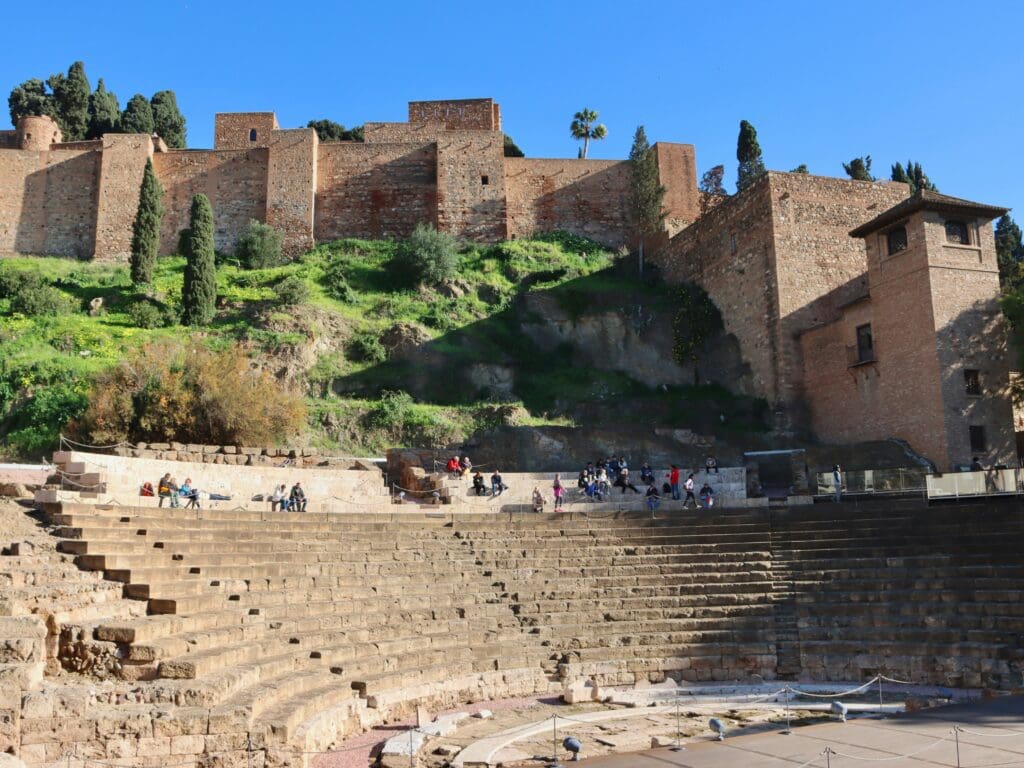
The collection of the Russian Museum in Málaga is a cultural gem. It offers a fascinating journey through the history of Russian art. Visitors can admire masterpieces spanning several centuries here.
The museum is a branch of the famous Russian Museum in St. Petersburg. It is located in the historic Tabacalera, a former tobacco factory. This impressive setting blends history with modern architecture.
Since its opening in 2015, the museum has attracted art lovers from all over the world. It is the first Russian museum in Western Europe. The collection includes works from the 15th to the 20th centuries.
Significant artists like Kandinsky, Chagall, and Repin are represented here. The collection shows the development of Russian art over centuries. It includes paintings, sculptures, icons, and more.
In addition to the permanent exhibition, there are also temporary exhibitions. These change annually and always offer new insights. The museum promotes cultural exchange between Russia and Spain.
Educational programs and workshops complement the offerings. They provide a deeper engagement with Russian art. The museum is an important cultural attraction in Malaga.
History and Background of the Museum
The Russian Museum's collection in Málaga originated from collaboration between Spain and Russia. The idea stemmed from a desire to make Russian art accessible outside of Russia. The city of Málaga was chosen for its cultural significance and international appeal.
In 2015, the museum opened its doors to the public. Since then, it has offered a platform to showcase the rich history and diversity of Russian art. The opening was celebrated as a cultural milestone in both countries. This highlights the importance of international artistic collaboration.
The close partnership with the Russian Museum in St. Petersburg makes it possible to continuously bring impressive works to Malaga. This connection is a sign of the cultural friendship between Russia and Spain. Artworks travel regularly between the two cities, keeping the collections vibrant and exciting.
Another important aspect is the museum's integration into local cultural life. It acts not only as a gallery but also as an active contributor in the art and education sectors. This makes it an indispensable part of Málaga's cultural identity.
The museum has since built a bridge between East and West. It fosters a vibrant cultural dialogue and increases mutual understanding. In its function, it contributes to the diversity of cultural offerings in Europe.

The Building: The Tabacalera and its Architecture
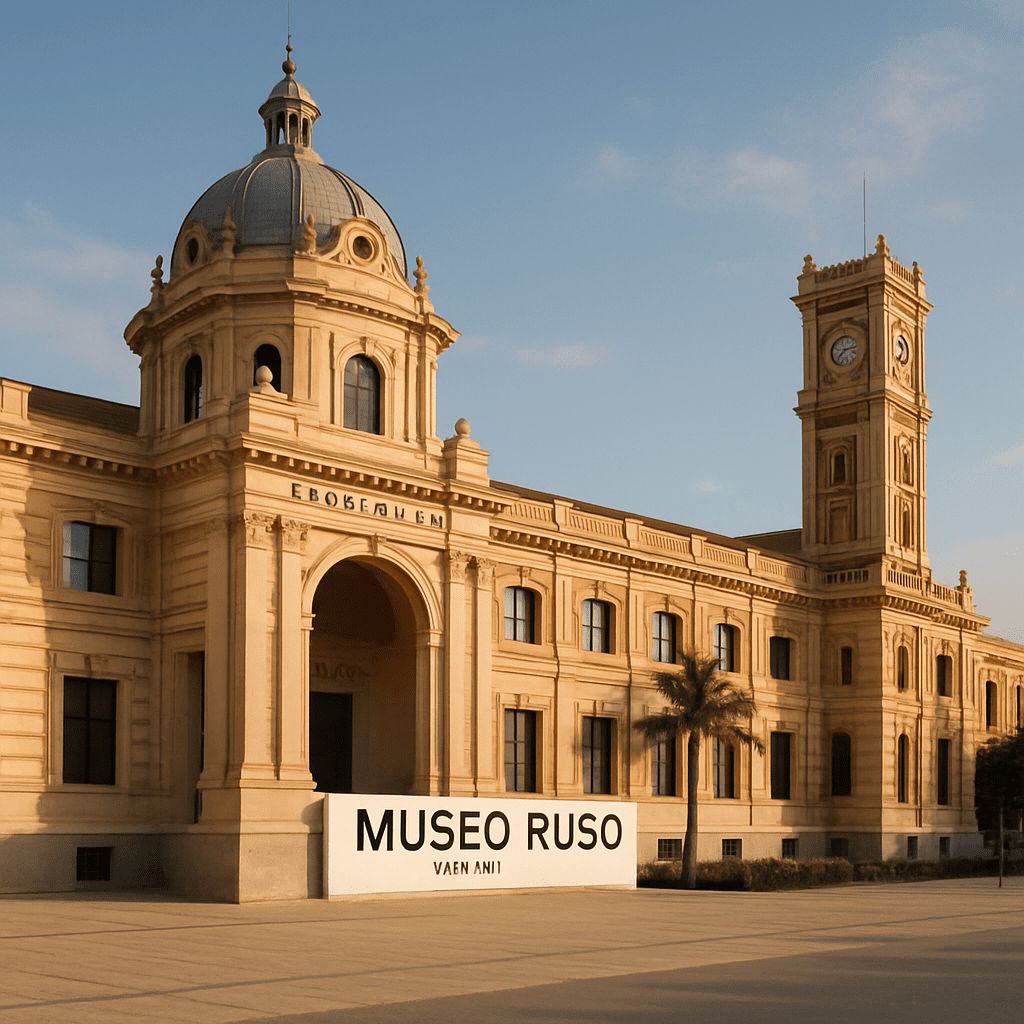
The Russian Museum in Malaga is housed in an iconic building, the Tabacalera. It formerly served as a tobacco factory and is a historic part of the city. This building harmoniously combines the past and the present.
The architecture of the Tabacalera is a remarkable example of early 20th-century industrial construction. Its facade, characterized by clean lines and classical ornamentation, exudes elegance. Inside, it has been carefully modernized to meet both aesthetic and functional demands.
The renovation of the Tabacalera into a modern art museum is a prime example of the successful repurposing of historic structures. It provides a fitting setting for the artworks, combining tradition and modernity. The building itself thus becomes part of the artistic experience.

by Harrison S (https://unsplash.com/@harrisunsdz)
The Collection: Experiencing Russian Art in Málaga
The collection at the Russian Museum in Málaga offers a comprehensive overview of rich Russian art history. Visitors can discover works from the 15th to the 20th century here. This diversity provides insights into the development of Russian art over many centuries.
The museum houses a remarkable selection of paintings, sculptures, and icons. Works of Socialist Realism and the avant-garde are also represented. Thus, the collection offers a multifaceted insight into Russia's artistic diversity.
Well-known artists such as Wassily Kandinsky and Marc Chagall are represented with significant works. In addition to these icons, lesser-known but equally impressive artists can also be discovered. The collection invites you to find new favorites.
Special highlights of the collection include:
- Iconic Russian Icons from the 16th Century
- Impressionist paintings from the early 20th century
- Works of the Russian Avant-garde
from The New York Public Library (https://unsplash.com/@nypl)

by Boudewijn Huysmans (https://unsplash.com/@boudewijn_huysmans)
New artworks are continuously integrated to keep the collection current. This dynamic addition allows the museum to offer new perspectives on Russian art. This keeps the exhibition exciting and diverse.
This collection makes Málaga a cultural hub for Russian art. Visitors can experience Russia's cultural diversity and artistic development up close. The collection fulfills the sophisticated dialogue between tradition and innovation.
Significant Russian Artworks and Artists
The collection of the Russian Museum in Malaga is a melting pot of significant Russian works of art. Icons of Russian painting are displayed here alongside groundbreaking modern artworks. This diversity highlights the richness and depth of Russian art history.
Among the central figures of the collection are renowned artists such as Ilya Repin. His realistic portraits and historical paintings fascinate with their richness of detail. Repin's works are examples of the masterful craftsmanship of Russian painting.
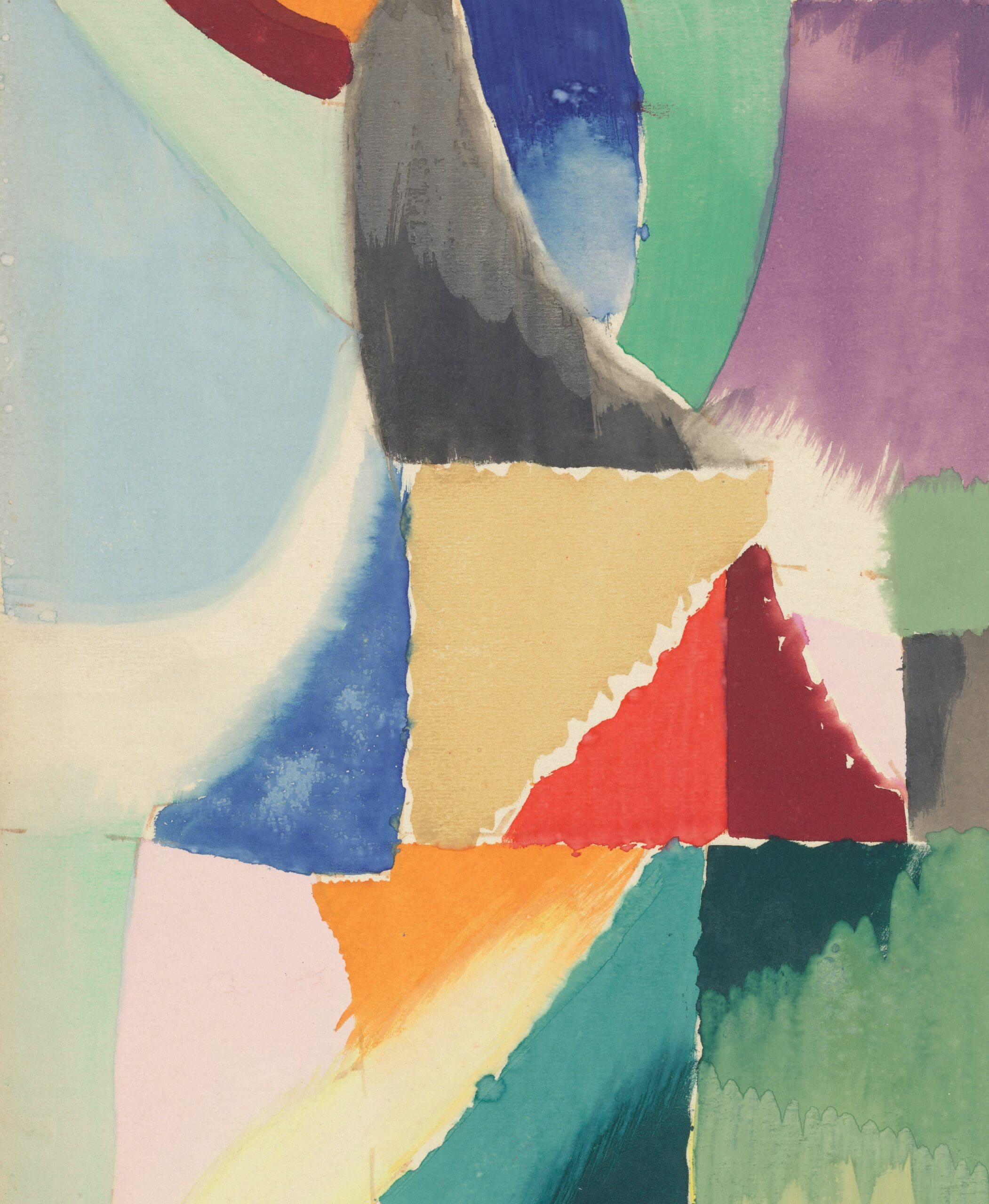
Another masterpiece in the collection is the works of Wassily Kandinsky. He is considered a pioneer of abstract art. His colorful compositions and expressive forms are a central attraction in the museum.
The list of notable artists and their works includes:
- Ilya Repin: „Barge Haulers on the Volga“
- Marc Chagall: „The Circus“
- Wassily Kandinsky: „Composition VII“
- Kazimir Malevich: „Black Square“

by Egor Myznik (https://unsplash.com/@vonshnauzer)

by Smithsonian (https://unsplash.com/@smithsonian)
In addition to the well-known masterpieces, the collection also features works by lesser-known artists. These discoveries enrich the understanding of the development of Russian art. This, in turn, broadens visitors' cultural awareness.
The exhibition thus creates a space for dialogue between artists and art enthusiasts. This ensures that Russian art lives on and inspires new generations. With each visit, a new world of perspectives and artistic creations unfolds.
Permanent and temporary exhibitions
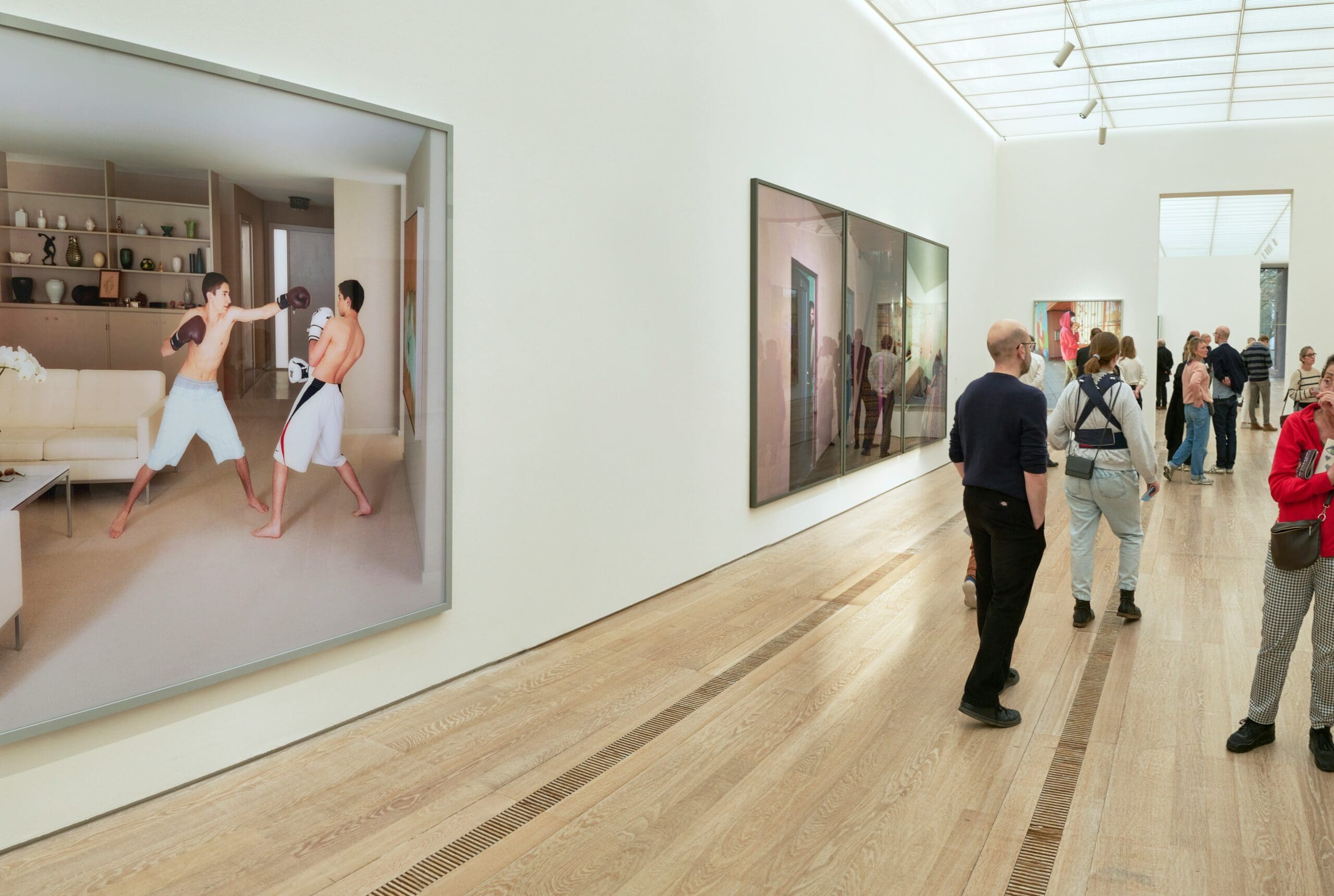
The Russian Museum Collection in Málaga offers both permanent and temporary exhibitions. These exhibitions provide a comprehensive overview of Russian art across centuries. The permanent collection showcases masterpieces from the 15th to the 20th century.
The temporary exhibitions are updated annually. They offer fresh perspectives and exciting themes. This allows visitors to continually discover new facets of Russian art. This diversity keeps the museum experience vibrant and engaging.
The changing exhibitions include thematic collections and solo presentations of significant artists. These include:
- Seasonal Thematic Exhibitions
- Presentations of contemporary Russian art
- Retrospectives of great Russian masters
- Special exhibitions on the Russian avant-garde
by Xavier von Erlach (https://unsplash.com/@xavier_von_erlach)
The temporary exhibitions foster cultural exchange and provide space for innovation. They attract not only art enthusiasts but also a broad audience. This dynamic mix of exhibitions ensures continued interest in Russian art and enriches Málaga's cultural landscape. By combining permanent and temporary exhibitions, the museum remains an exciting journey of discovery.
Educational Programs, Workshops, and Events
The Russian Museum in Malaga is strongly committed to educational initiatives. It offers numerous programs for different target audiences. These form an essential part of the museum's mission.
The educational offerings include interactive workshops. These are aimed at pupils, students, and adults. They promote the understanding and appreciation of Russian art.
The museum regularly organizes exciting events. These include lectures, seminars, and art competitions. These events promote intercultural dialogue and learning.
A selection of the programs offered includes:
- Art workshops for different age groups
- Guided tours specifically for schools
- Cultural Exchange Seminars
- Children's events on Russian art
These programs offer valuable educational experiences. They contribute to enriching the cultural life in Malaga. Visitors can immerse themselves more deeply in the Russian art world and enjoy a wide variety of events.
Cultural Significance and International Cooperation
The Russian Museum's collection in Málaga strengthens cultural ties between Russia and Spain. It promotes a better understanding and appreciation of Russian art and culture. This cultural bridge is of great importance for the exchange between the two countries.
Through its rich collection, the museum contributes to the international art scene. The exhibited works offer a comprehensive overview of Russian art movements, making the collection a valuable resource for art historians and art lovers worldwide.
The museum in Malaga works closely with international museums. These collaborations enable the exchange of artworks and exhibitions. Such initiatives promote cultural dialogue and broaden visitors' horizons.
International cooperation also strengthens tourism in Málaga. Visitors from all over the world come to experience the diverse exhibitions. This contributes to the economic and cultural enrichment of the region.
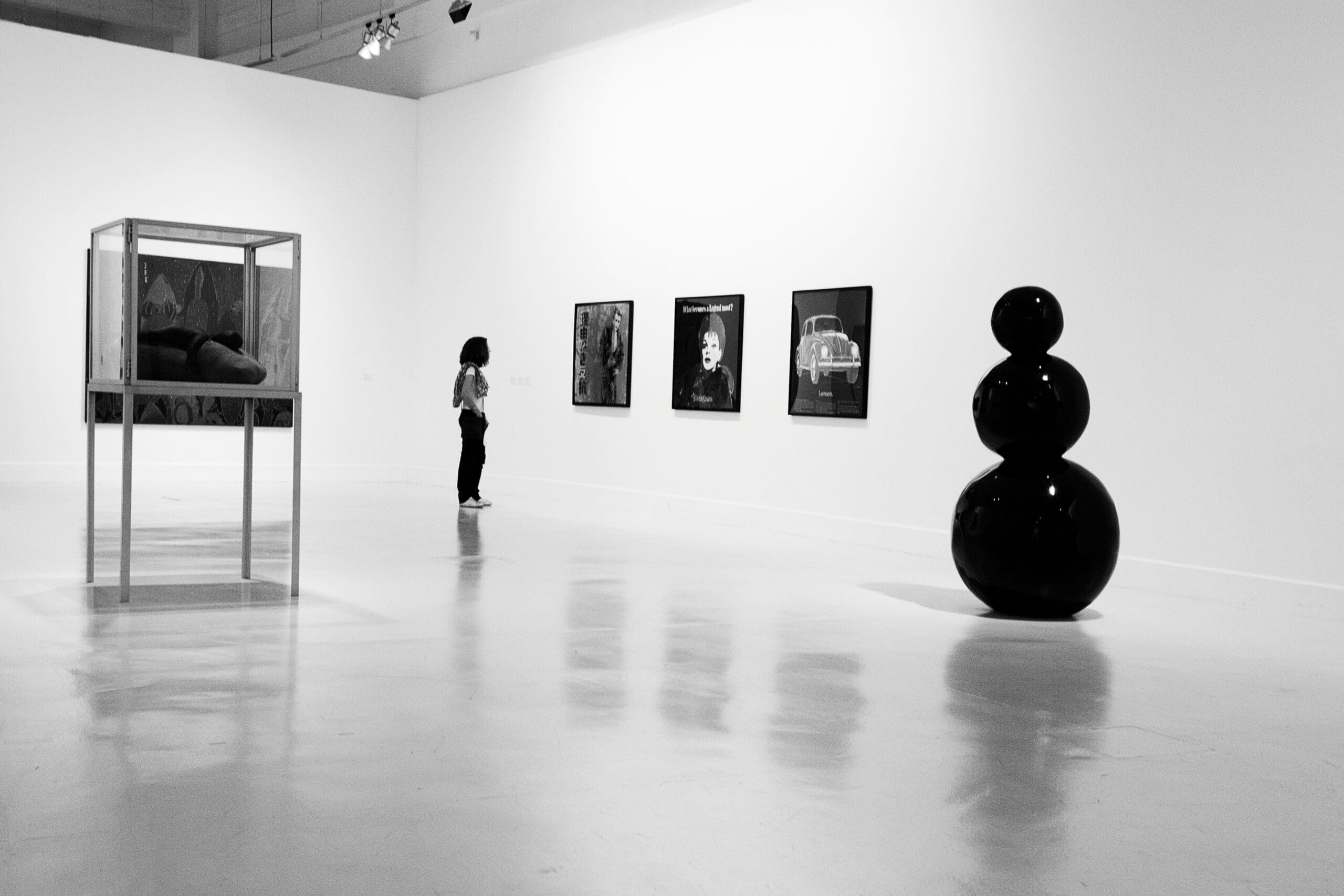
by Quino Al (https://unsplash.com/@quinoal)
Visitor Experience: Offers, Service, and Accessibility
The Russian Museum in Malaga offers a diverse visitor experience. A highlight is the use of audio guides in multiple languages. These allow for a deeper understanding of the exhibited works.
The museum's accessibility is exemplary. All exhibition rooms are designed to be wheelchair accessible, making it easier for all visitors to access them. Special programs for people with disabilities complete the offerings.
Visitors can also look forward to first-class facilities. These include a cozy café and a well-stocked museum shop. Further service highlights include:
- Educational tours for schools
- Interactive Workshops
- Guided tours for tourists
The museum strives to provide every guest with an unforgettable experience.

by Hongbin (https://unsplash.com/@hbsun2013)
Practical Information for Visitors
A visit to the Russian Museum Collection in Malaga is both inspiring and informative. The museum is open daily, except on Mondays, allowing for flexible planning. Tickets can be purchased online in advance or directly at the venue.
The museum offers special discounts for various visitor groups. Both students and seniors receive reduced prices. Families can benefit from special family packages.
Before your visit, you should check the official opening hours. Here is a summary of important information:
- Opening hours: Tuesday to Sunday
- Discounts: Students, Seniors, Families
- Tickets: Available online or on-site
Plan your visit to make the most of Russian art in Málaga.
Conclusion: The Russian Museum Collection as a Cultural Highlight in Malaga
The collection at the Russian Museum in Málaga offers an exceptional opportunity to discover Russian art beyond its geographical origins. With works spanning centuries, it is a must-visit for art enthusiasts and lovers of Russian culture.
Besides art, the museum serves as a meeting point for cultures. It fosters dialogue between Russia and Spain and contributes to cultural diversity in Málaga. It is undoubtedly a cultural highlight that offers visitors both education and enjoyment.