
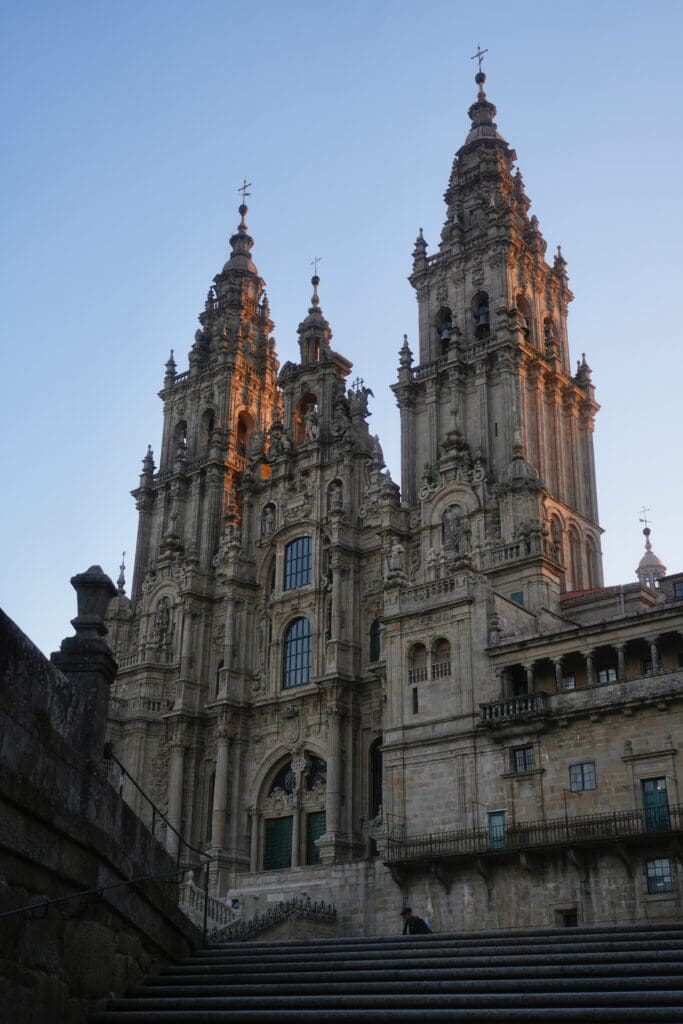
The Cathedral of Santiago de Compostela is an architectural gem. It attracts millions of visitors annually. This impressive cathedral is located in the heart of Galicia, in northwestern Spain.
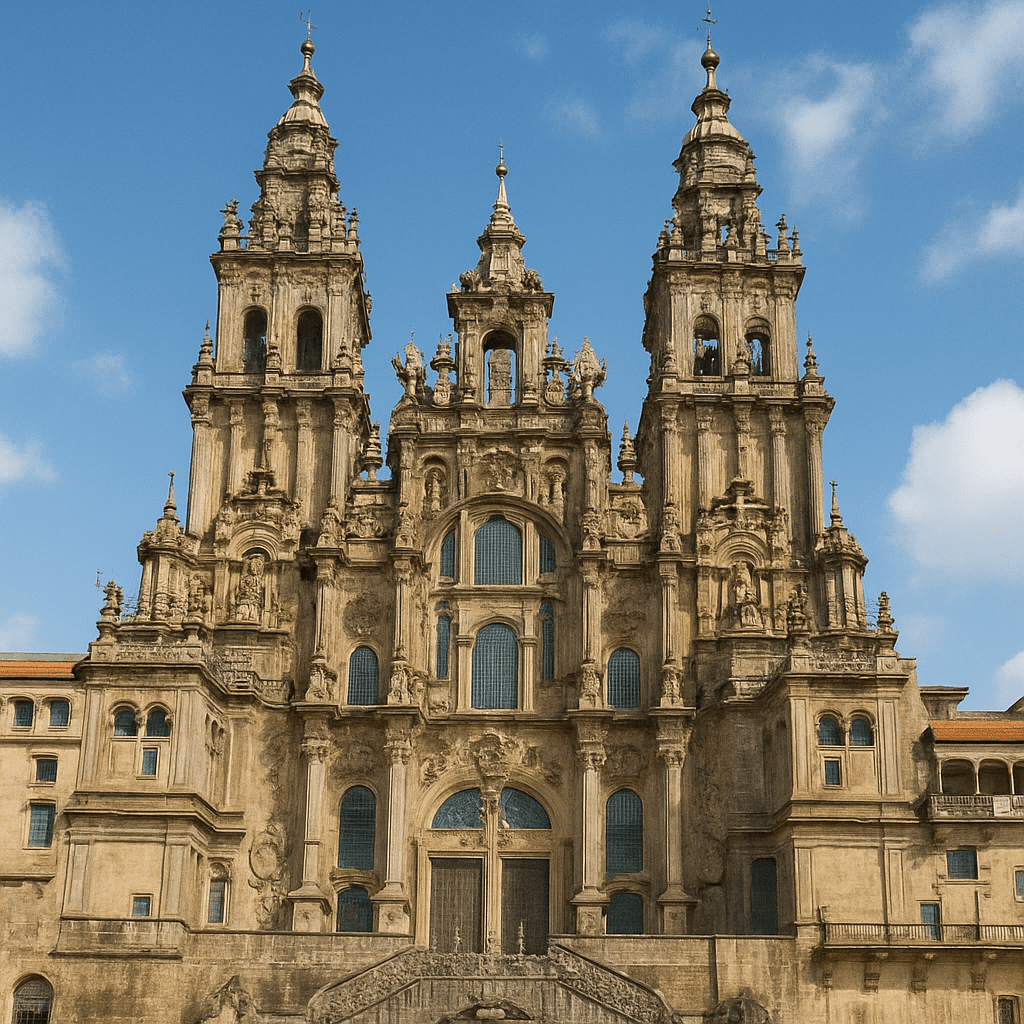
The cathedral is the destination of the famous Way of St. James. Pilgrims from all over the world end their spiritual journey here. The cathedral is an important example of Romanesque architecture.
Gothic and baroque elements complement the structure. The cathedral was declared a UNESCO World Heritage Site in 1985. Its construction began in 1075 and continued into the 12th century.
Inside the cathedral is the tomb of the Apostle James. He was one of Jesus' twelve apostles. The cathedral is an important pilgrimage site for Christians worldwide.
The Pórtico da Gloria, the facade of the cathedral, is a masterpiece of Romanesque sculpture. The Botafumeiro, a giant censer, is one of the most famous attractions. The cathedral is a symbol of Galicia's cultural and religious identity.
The Significance of the Cathedral of Santiago de Compostela
The Cathedral of Santiago de Compostela holds immense cultural and religious significance. It is not only an architectural masterpiece but also a spiritual center. People from all over the world pilgrimage here to celebrate their faith.
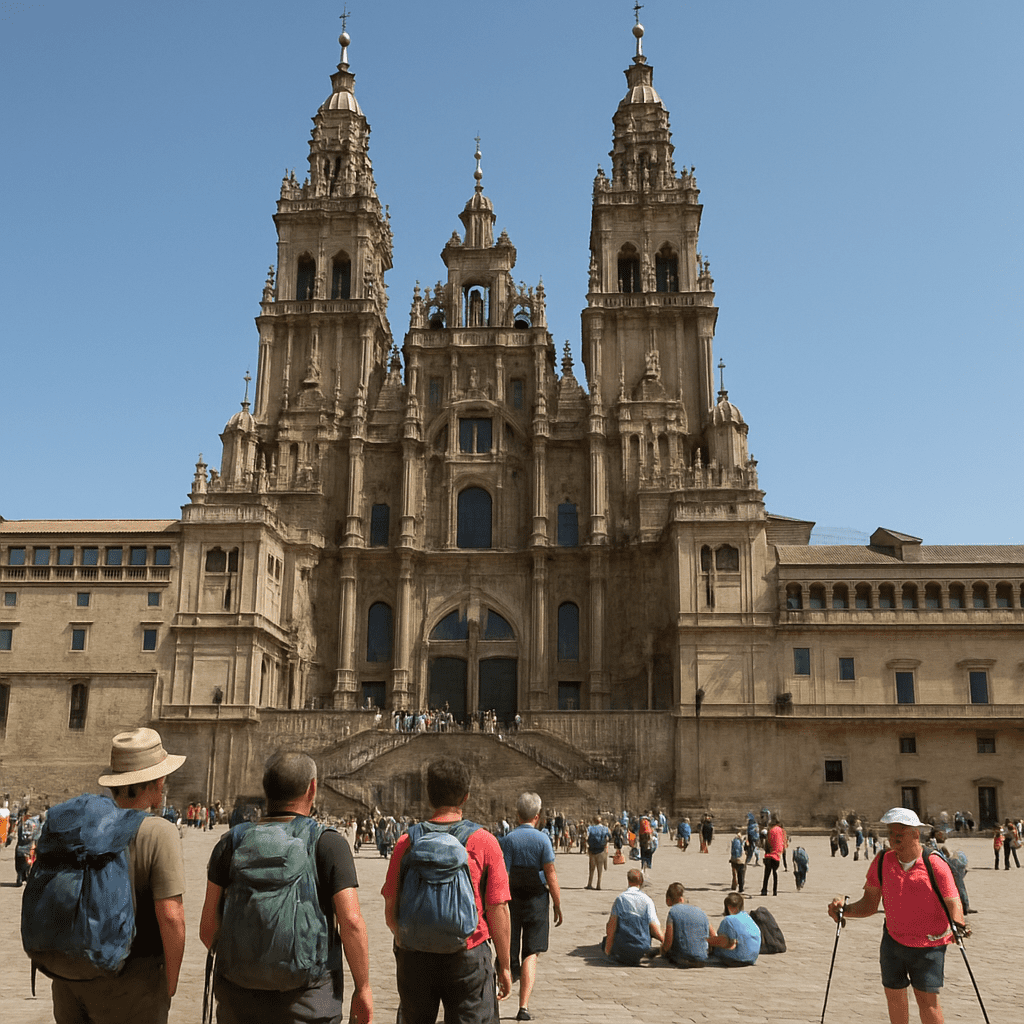
This cathedral is a symbol of unity and faith. It connects pilgrims from different cultures and denominations. The Camino de Santiago ends here, marking the destination of what is often a months-long pilgrimage.
Some reasons for the importance of the cathedral:
- The goal of the famous Camino de Santiago
- Home of the Apostle's Tomb
- Religious and cultural symbol of Galicia
The cathedral is not only a place of prayer but also of reflection and renewal. Many visitors find solace and inspiration here. The impressive architecture and historical significance make it a unique destination. The cathedral plays a central role in the cultural heritage of Spain and Europe.
History of the Cathedral: From its Beginnings to the Present Day
The history of the Cathedral of Santiago de Compostela is closely linked to the destiny of the Apostle James. His remains were discovered here as early as the 9th century. Construction of the cathedral began in 1075 under the patronage of Bishop Diego Peláez.
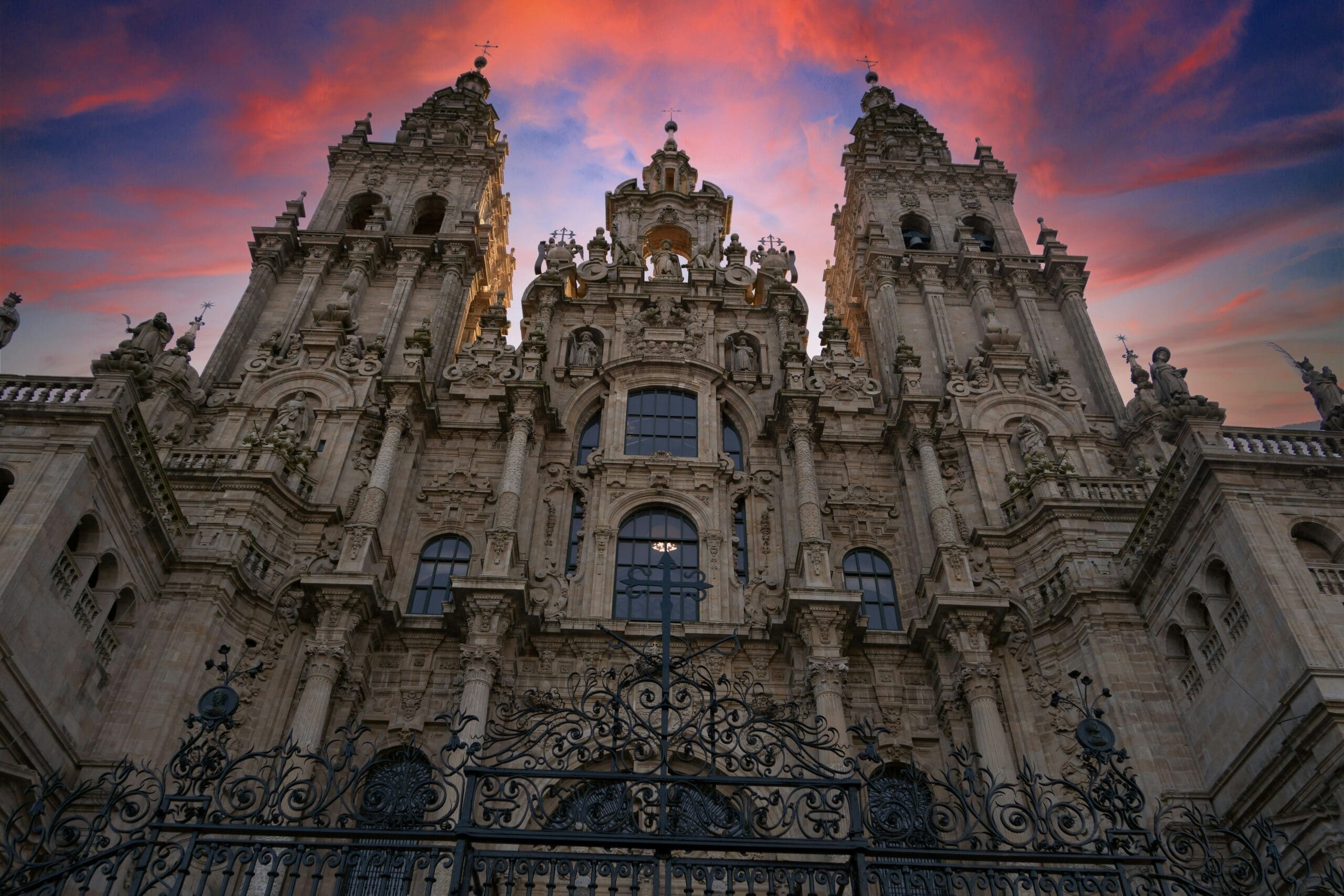
by Snap Wander (https://unsplash.com/@passimage)
In the 12th century, the cathedral reached its architectural completion. It combined Romanesque architecture with early Gothic elements. In the Baroque period, it was redesigned and expanded, particularly the magnificent facade.
The centuries brought many restorations. These were necessary to maintain the cathedral's stability and splendor. Each change added a new layer of cultural significance to the structure.
Through the centuries, the cathedral has remained a pilgrimage site. Millions of pilgrims have made the long journey since the discovery of the tomb of James. It has remained a place of faith and hope.
Its designation as a UNESCO World Heritage site in 1985 underscored its international significance. Today, the cathedral is not only a sanctuary but also a living museum of history. It remains a beacon of European religion and culture.
Architecture and Building Styles: Romanesque, Gothic, and Baroque United
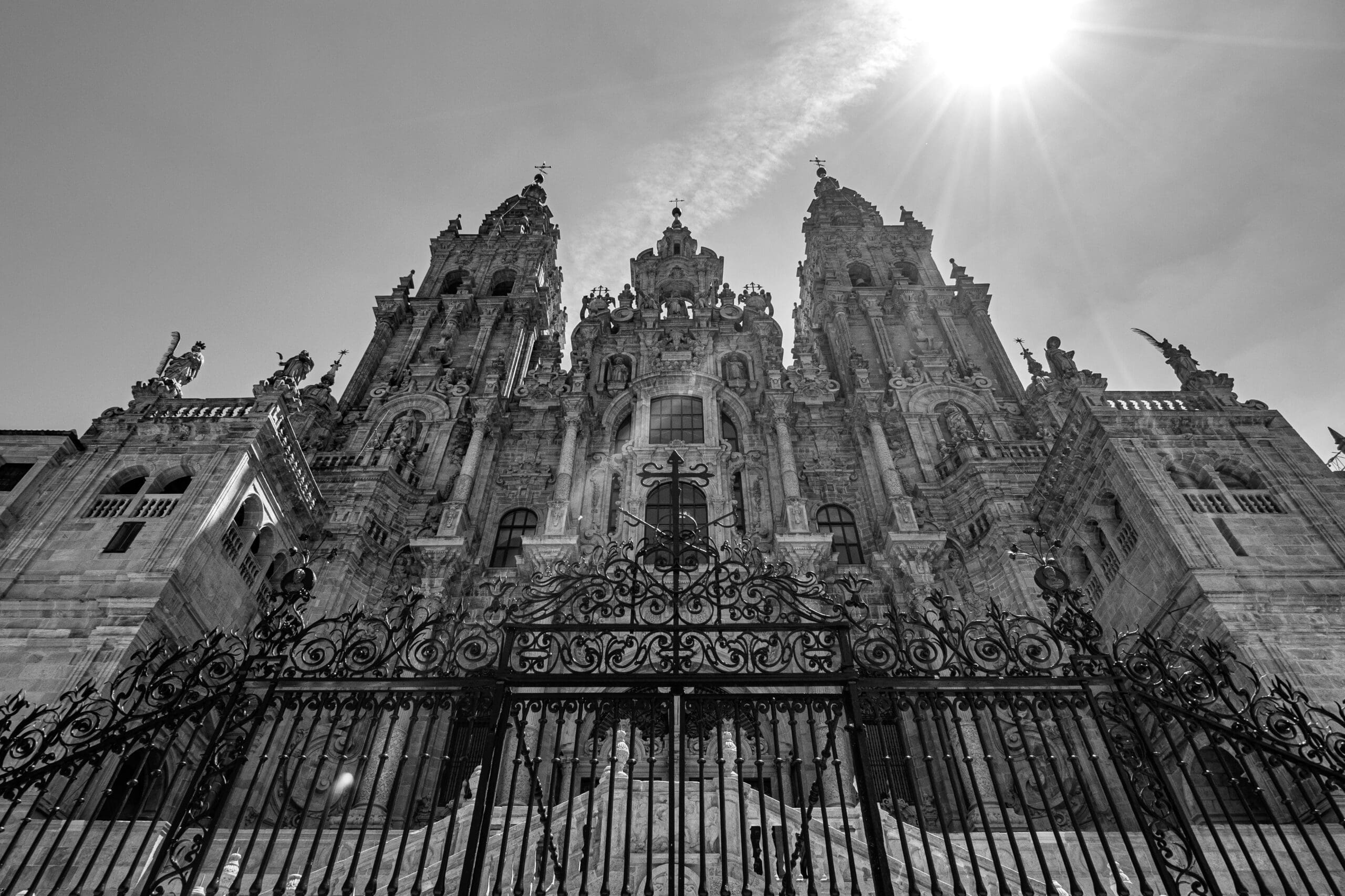
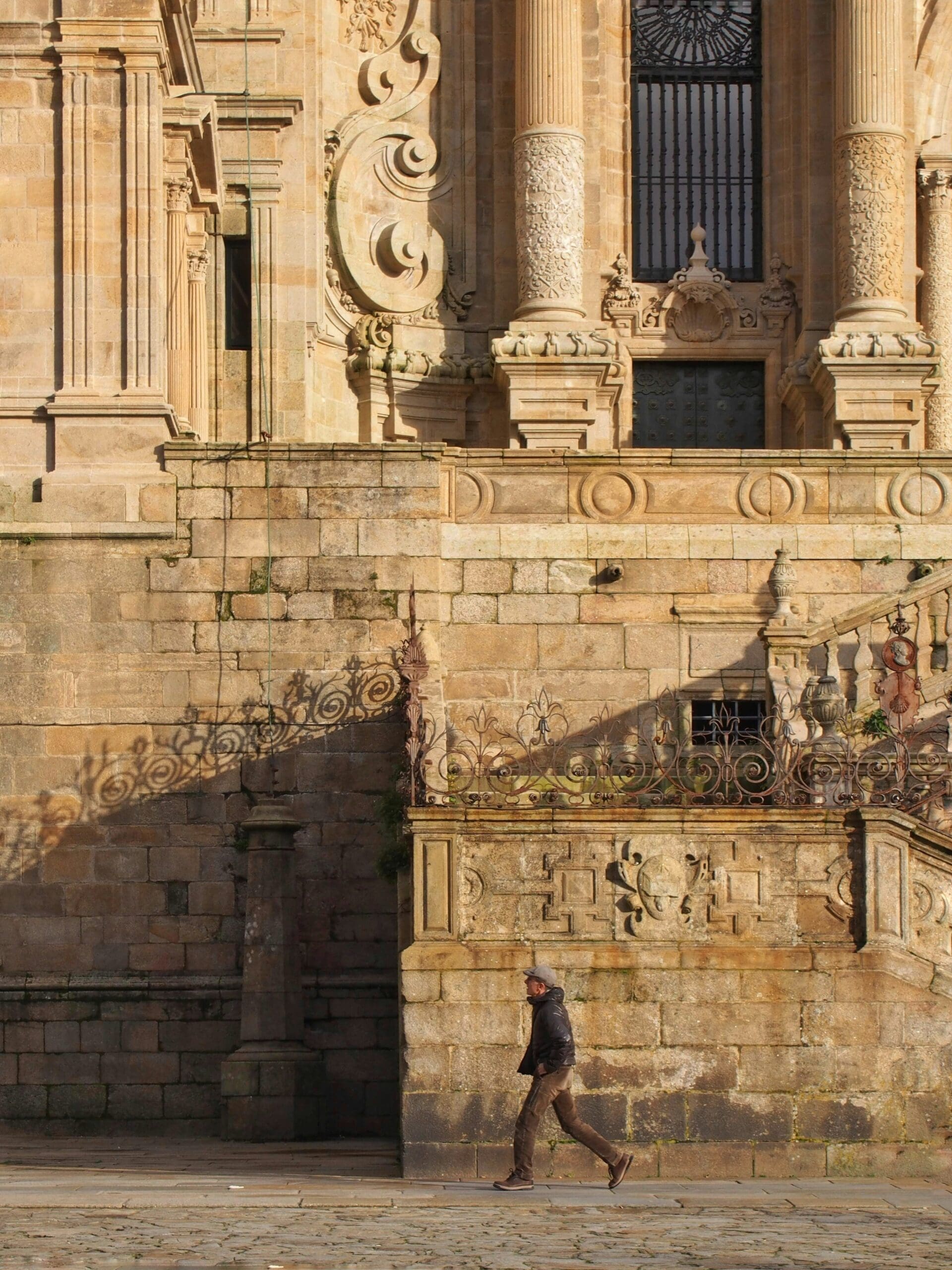
The Cathedral of Santiago de Compostela is a work of art combining various architectural styles. Its architecture harmoniously blends Romanesque, Gothic, and Baroque elements. The original structure is an excellent example of Romanesque architecture, evident in its massive walls and rounded arches.
by Juan Gomez (https://unsplash.com/@nosoylasonia)
Later, Gothic architecture was added, which is reflected in the intricate windows. These Gothic elements lend a special airiness to the interior. They allow light to stream in and illuminate the majestic interior design.
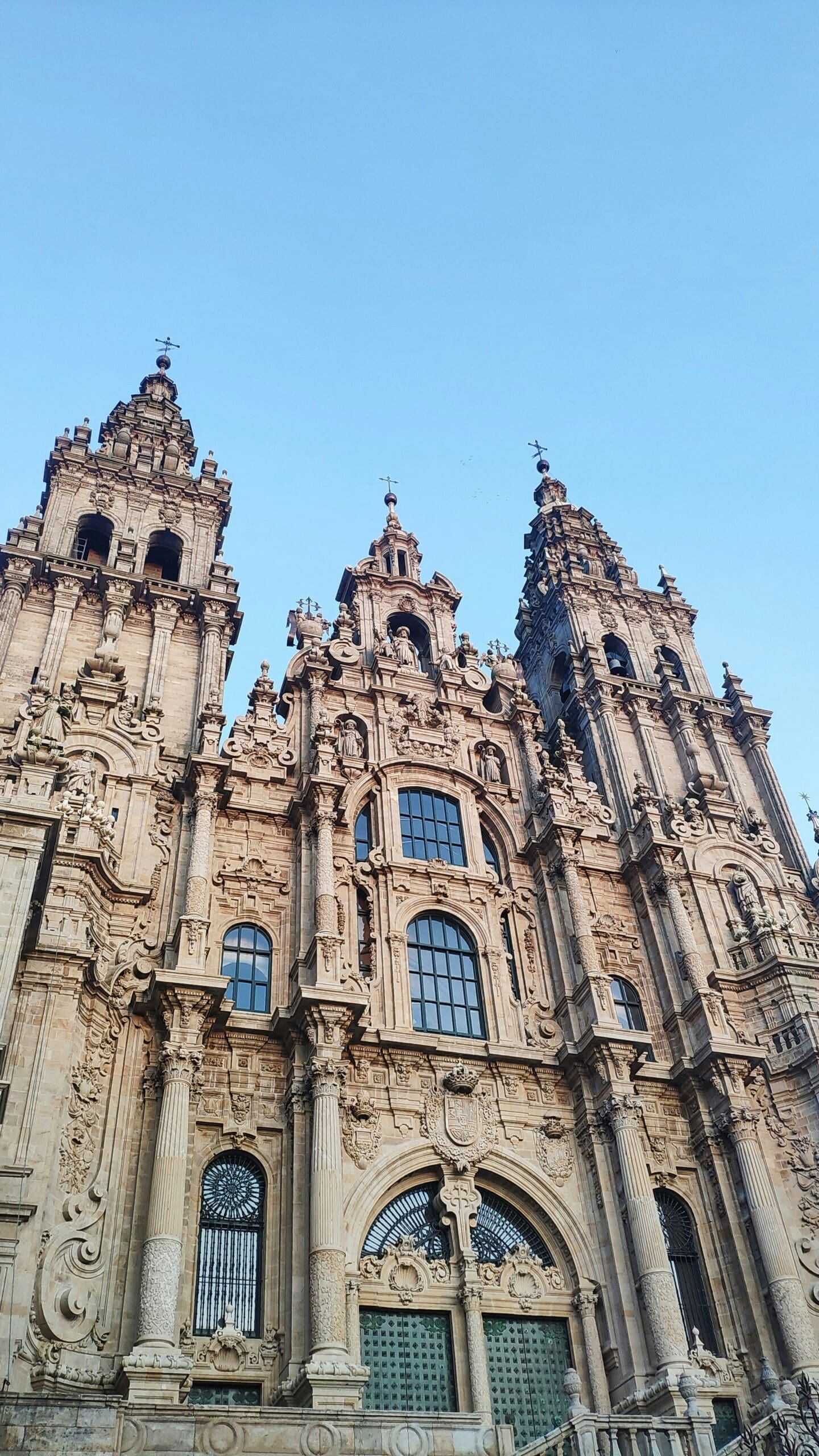
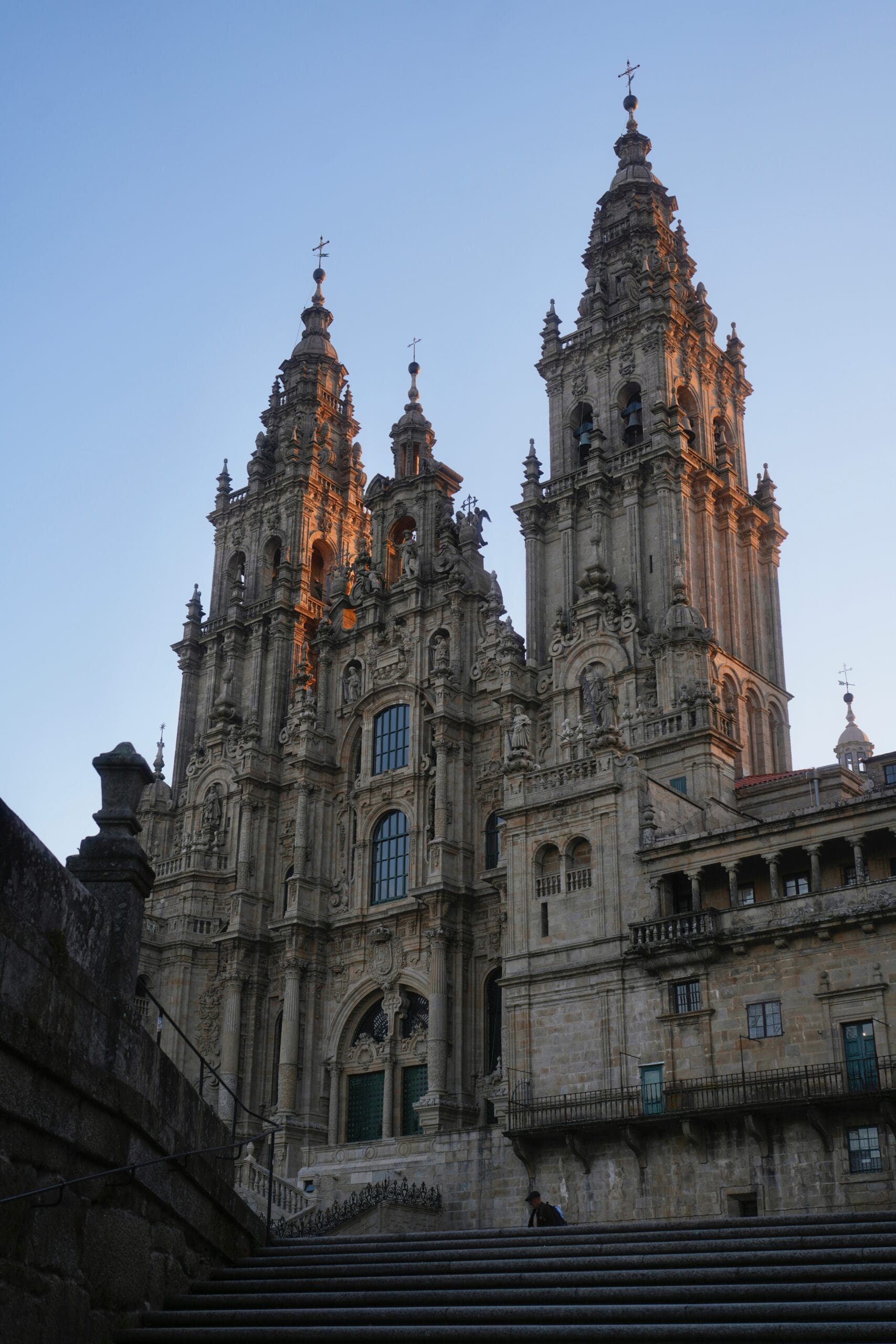
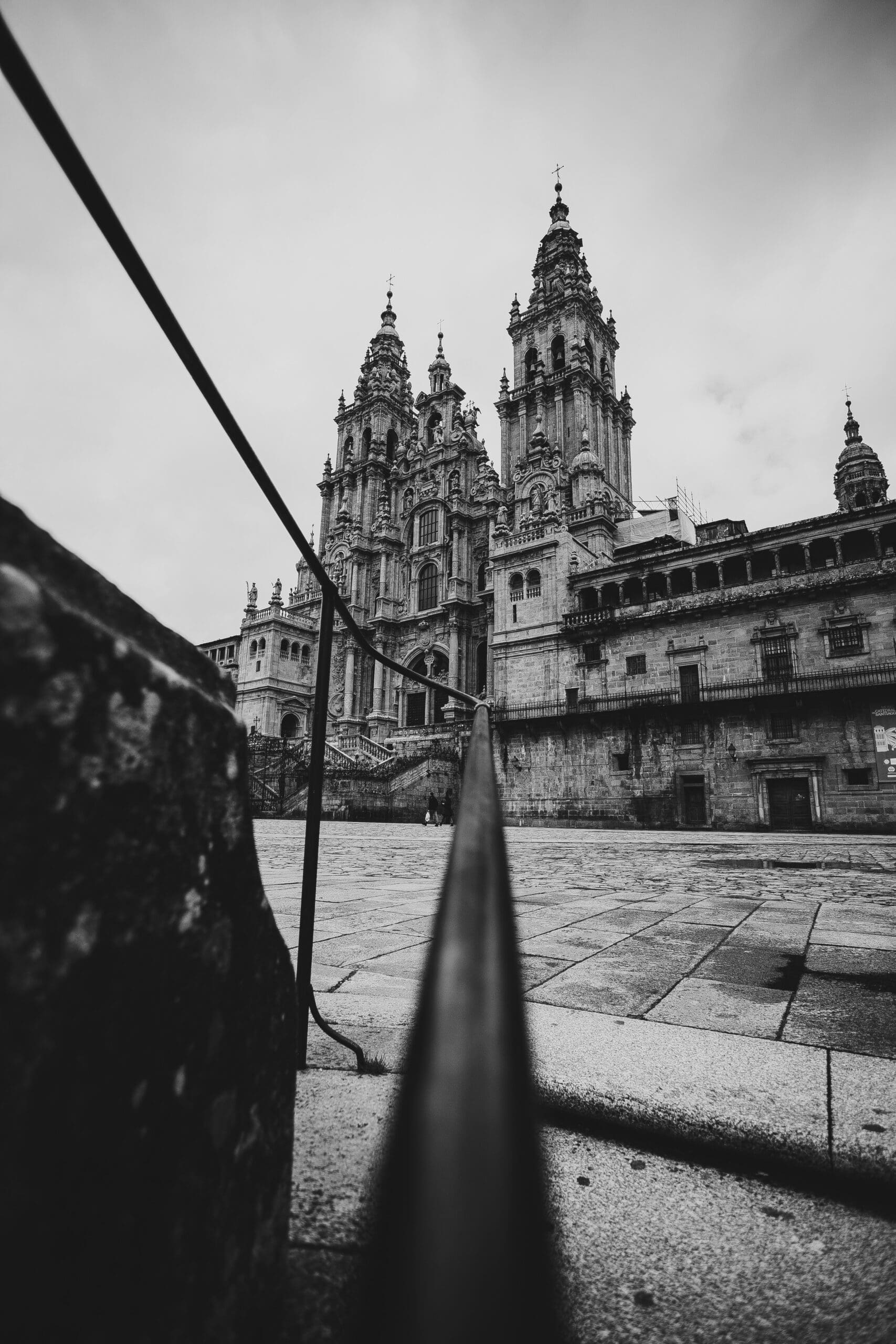
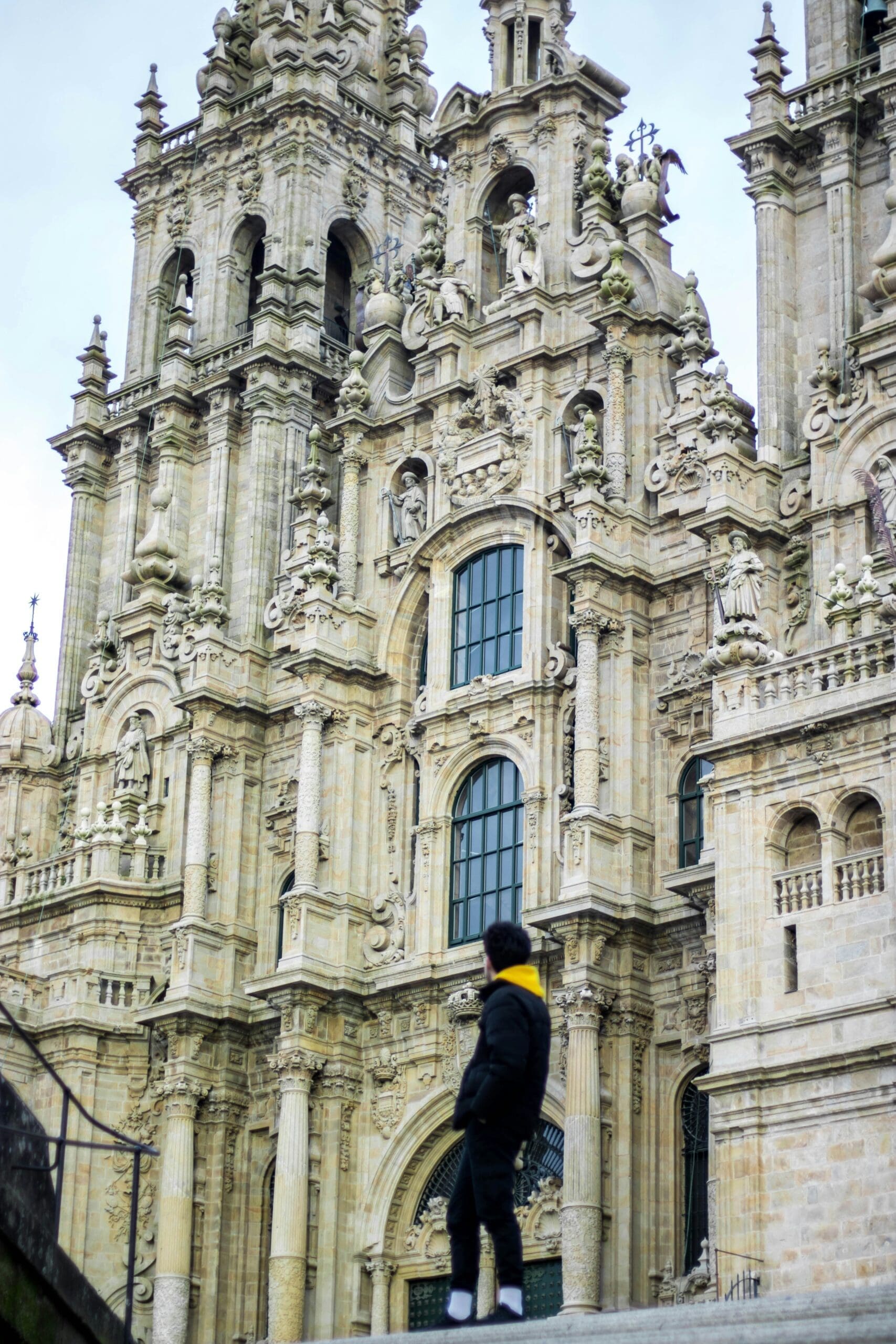
The Baroque style finally enriched the cathedral with opulent decorations. The imposing facade, which was created during the Baroque period, is striking. It gives the structure its magnificent external appearance.
The cathedral offers a unique architectural journey through the centuries. Architectural highlights include:
- Romanesque round arches and massive structures
- Gothic windows and elegant details
- Baroque facade and opulent decorations
Every element of the cathedral tells its own story. They reflect the evolution of artistic expression through the centuries. Visitors can marvel at the facets of this architectural diversity.
The most important sights of the cathedral
The Cathedral of Santiago de Compostela houses numerous attractions that are world-famous. These highlights draw pilgrims and tourists alike. Every detail tells stories from centuries past.
by Rafael Furtado (https://unsplash.com/@rpbfurtado)
Particularly noteworthy is the high altar. It is richly adorned with gold and elaborate details. Here pilgrims find the famous tomb of the Apostle James.
In the crypt, visitors can marvel at the saint's relics. These are a central attraction for believers. They make the cathedral a spiritual focal point.
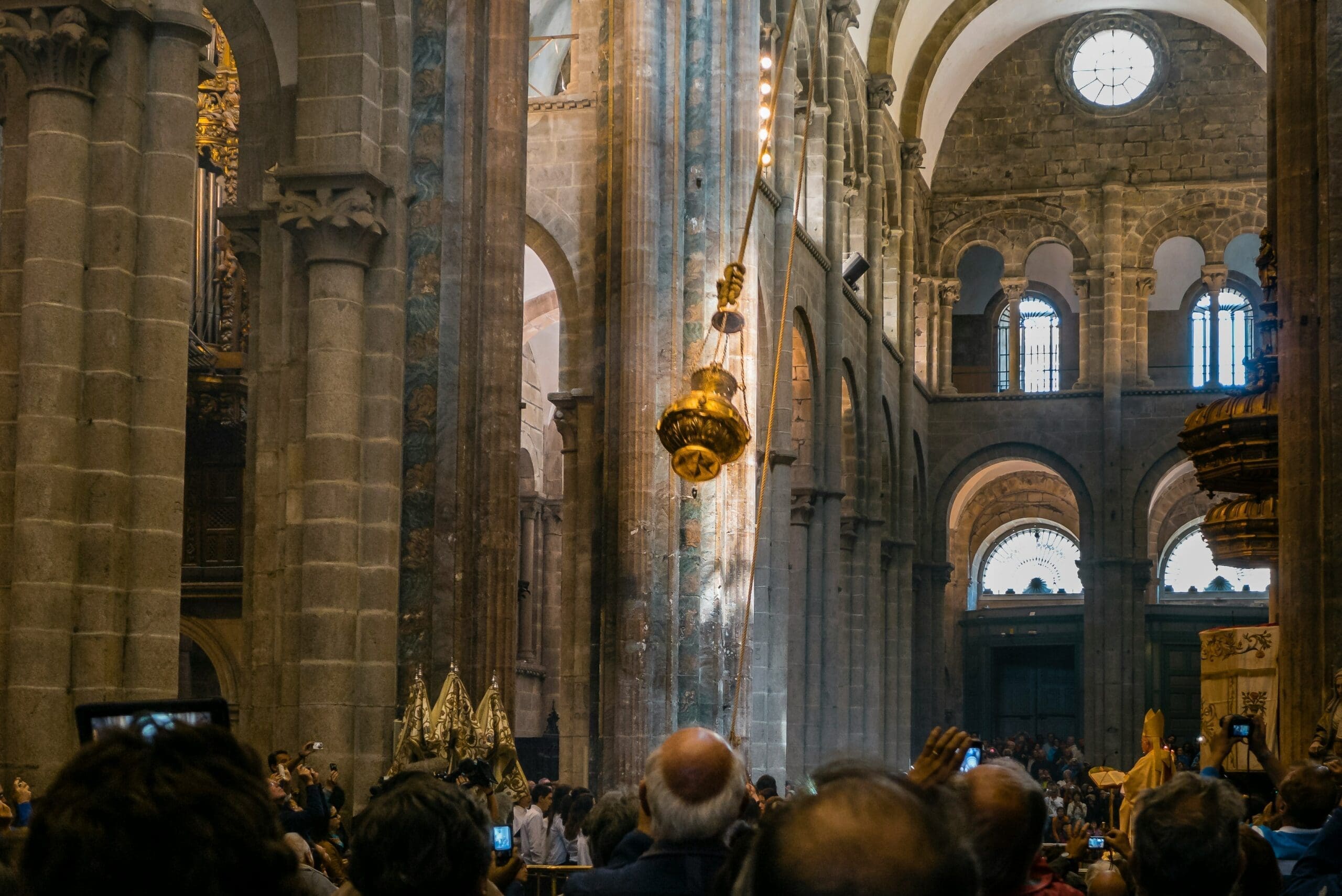
The Botafumeiro is another iconic element. This giant censer swings imposingly through the interior during Masses.
The Pórtico da Gloria is considered a masterpiece of Romanesque sculpture. It displays impressive depictions of heavenly scenes.
Particularly noteworthy areas also include:
- The magnificent high altar
- The atmospheric crypt
- The majestic Botafumeiro
- The masterful Pórtico da Glória
- The artful chapels and the meditative cloister
Together, these sights create an unparalleled experience. The cathedral thus becomes a place that touches the soul.
The High Altar and the Tomb of the Apostle James
The high altar of the cathedral is a true gem. It impresses with its gilded splendor. Pilgrims from all over the world gather here to pay their respects.
by Laszlo Oveges (https://unsplash.com/@laszlooveges)
Below the high altar rests the tomb of the Apostle James. It is a holy place for Christianity. This spot marks the destination of a long pilgrimage.
The crypt and the relics
The cathedral's crypt houses significant relics. It is located directly beneath the high altar. In the crypt's simple surroundings, devotion comes alive.
The relics of the Apostle James are priceless. They attract believers from all parts of the world. The crypt is a place of peace and introspection.
The Botafumeiro: The World's Largest Thuriable
The Botafumeiro impresses with its size and movement. It is among the largest thuribles in the world. During Mass, it swings majestically through the transept arch.
by Jonny Gios (https://unsplash.com/@supergios)
The sight of the swinging botafumeiro is an unforgettable experience. The vessel is not only visually impressive but also symbolically significant.
The Pórtico da Glória: Masterpiece of Romanesque Sculpture
The Pórtico da Glória is a monumental work of art. This portal facade features finely crafted sculptures. It is considered the pinnacle of Romanesque sculpture.
by Alexander Schimmeck (https://unsplash.com/@alschim)
Scenes from the Apocalypse and heavenly realms are depicted. It fascinates visitors with its detailed representation. This art attracts not only believers but also art lovers.
The chapels and the cloister
The cathedral houses numerous impressive chapels. Each chapel radiates its own atmosphere. They offer places of rest for prayer and contemplation.
by A. C. (https://unsplash.com/@3tnik)
The cloister is an architectural jewel. Its meditative tranquility attracts many visitors. Particularly impressive features of the cloister and chapels are:
- Finely crafted altars
- Peaceful prayer nooks
These elements invite reflection and inner renewal. Visitors leave the cathedral with a strengthened spirit and new insights.
The Cathedral as the destination of the Camino de Santiago
The Cathedral of Santiago de Compostela stands at the end of the famous Camino de Santiago. This pilgrimage route has deep historical and religious roots. It attracts millions of pilgrims from all over the world each year.
by Andrea Fontalvo (https://unsplash.com/@andreafontalvo)
For many pilgrims, arrival signifies a deep sense of fulfillment. The path offers a unique opportunity for spiritual reflection and self-discovery. The cathedral crowns this journey as a significant destination.
Pilgrims reach the city via various routes, all of which lead to the cathedral. The most popular routes include:
- The French Way
- The Portuguese Way
- The coastal path
Each of these paths leads through impressive landscapes. The diversity of routes reflects the international significance of the Way of St. James. The cathedral thus serves as a place of celebration and gratitude for all who have completed their pilgrimage. It unites people from all over the world in a shared spiritual experience.
Practical Tips for Visitors
A visit to the Santiago de Compostela Cathedral requires some planning. Entry into the main church is free, however, fees may apply for certain areas. Therefore, it is advisable to check admission prices and opening hours in advance.
by Jimmy Fotografía (https://unsplash.com/@jimmyfotografia77)
The visit can be enriched by a guided tour. Tours offer valuable insights into the cathedral's architecture and history. They are available in several languages and are worthwhile to better understand its rich history.
A few helpful tips for a smooth visit:
- Visit the cathedral early in the morning.
- Wear comfortable shoes.
- Take your time to explore the surroundings.
Once on site, it is recommended to visit the nearby Plaza del Obradoiro. Here visitors can admire the impressive facade of the cathedral in its full glory.
The Cathedral in the life of Santiago de Compostela and Galicia
The cathedral plays a central role in the life of Santiago de Compostela. It is not only a religious but also a cultural center. Its presence attracts both believers and tourists, who dynamically enliven the city.
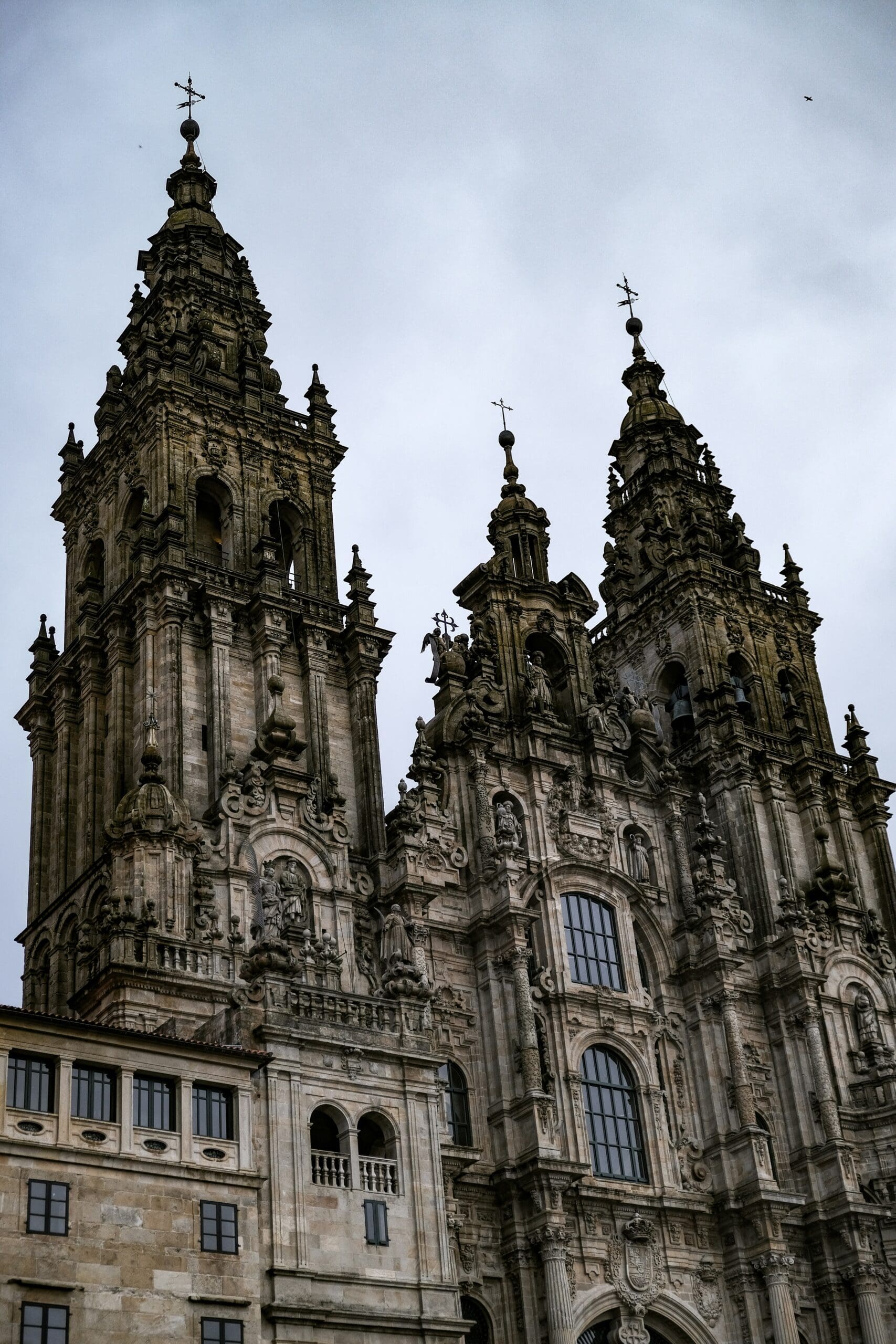
by Paolo Milesi (https://unsplash.com/@paolomilesi)
In Galicia, the cathedral is a symbol of regional identity. It represents the rich history and cultural traditions of the region. Many festivals and celebrations center around the cathedral, emphasizing its importance in the community.
For the people of Santiago de Compostela, the cathedral is more than just a building. It is a place of meeting and exchange that strengthens the social fabric. The cathedral is thus an integral part of daily and spiritual life.
Conclusion: A world-class venue
The Cathedral of Santiago de Compostela is far more than an architectural masterpiece. It serves as a spiritual center and unites people from all over the world. Its uniqueness and importance are undisputed.
Its influence extends beyond religious boundaries, making it an indispensable part of Europe's cultural heritage. The cathedral inspires, moves, and connects. A visit leaves lasting impressions and an understanding of human history.