
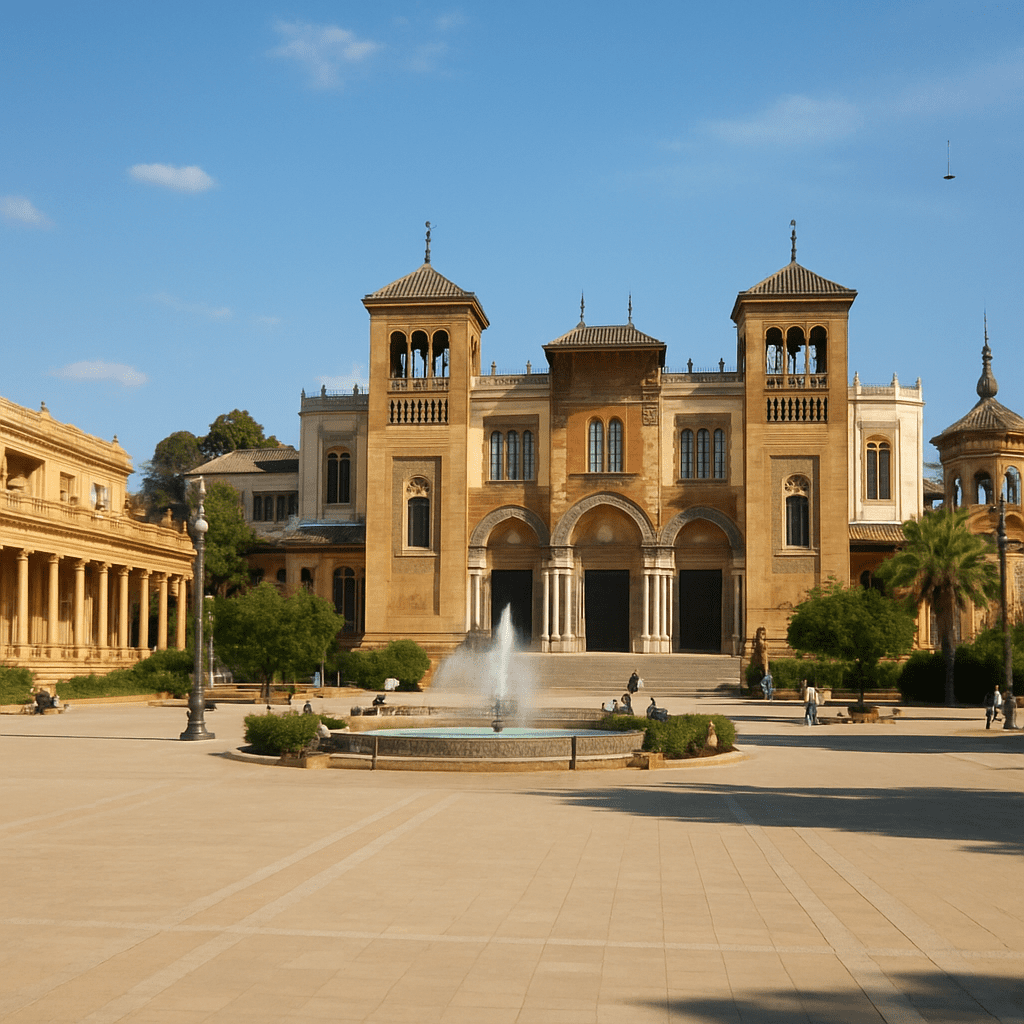
The Plaza de España in Seville is a fascinating place that combines history, culture, and architecture. It is located in the heart of the Parque de María Luisa, one of the largest and most beautiful parks in the city. This square is a must-see for anyone visiting Seville and wanting to experience the diversity of Spanish culture.
The square was originally designed for the Ibero-American Exposition of 1929. This exposition was a significant event that celebrated the cultural connections between Spain and Latin America. The architect Aníbal González played a central role in the design of the square and its surrounding buildings.
América Square is surrounded by three impressive buildings: the Archaeological Museum, the Museum of Arts and Popular Customs, and the Royal Pavilion. Each of these buildings showcases a unique blend of Gothic, Moorish, and Renaissance styles. This architectural diversity makes the square a popular destination for architecture students and enthusiasts.
The architecture of the square is an excellent example of the regionalism style that was popular in Seville in the early 20th century. This style combines traditional Spanish elements with modern influences. The buildings and the square itself are a symbol of the fusion of art and nature.
Plaza de América is not only an architectural masterpiece but also a vibrant cultural hub. It often hosts events and festivals that attract both locals and tourists. These events offer a great opportunity to experience Spanish culture and traditions firsthand.
The square is easily accessible by public transport and offers numerous photo opportunities. The impressive architecture and well-maintained gardens make it a popular spot for photographers and artists. Visitors can admire the beauty of Spanish architecture here and enjoy the tranquility of the park.
América Square is an ideal starting point for exploring the surrounding attractions. María Luisa Park offers many more attractions, including picturesque walking paths and historical monuments. The square is a place of tranquility and relaxation in the heart of the vibrant city.
Overall, Plaza de América is an important part of Seville's history and culture. It offers a unique opportunity to experience the diversity of Spanish architecture and culture. Whether you are a history buff, an architecture enthusiast, or simply a traveler looking to discover the beauty of Seville, Plaza de América is an essential destination.
Overview: Plaza de América as a Seville Plaza
América Square is a significant point in the Parque de María Luisa neighborhood in Seville. Its location within this historic park makes it an essential destination for any visitor to Seville. The harmonious blend of nature and architecture gives the square a special charm.
The square is deeply rooted in Seville's history. It originated from the desire to showcase the city's cultural and architectural highlights. Seville presented its historical ties to Latin American countries during the 1929 Ibero-American Exposition. This event marked a significant phase of urban renewal and modernization.

Today, Plaza de América serves as a cultural meeting point and a popular tourist attraction. The influence of Aníbal González, the main architect, can be felt in the details of the surrounding buildings. His work on the plaza is an impressive example of Regionalist architecture. This style combines classical, Gothic, and Moorish elements into a harmonious overall work of art.
In addition to its architectural significance, the square also plays a central role culturally. Concerts, exhibitions, and events are regularly held here, attracting visitors from all over the world. The creativity and cultural heritage of Seville are celebrated and honored on these occasions.
The surrounding landscape contributes to the square's appeal. The well-maintained green spaces and shady trees invite visitors to linger and relax. In combination with the impressive architecture, the surroundings create an atmosphere that is both inspiring and soothing. América Square is therefore not just a place to discover, but also to enjoy and experience.
History of the Plaza de América in Seville
Plaza de América is deeply rooted in the history of Seville and its urban development. It was specifically designed for the Ibero-American Exposition of 1929. This exposition was a significant event that celebrated the cultural ties between Spain and the Latin American countries. Seville used this opportunity to showcase its architectural splendor on the international stage.
Aníbal González, the visionary architect behind the project, was commissioned to create an impressive area that would combine both functionality and aesthetic appeal. His work represented a fusion of various architectural styles that reflected the history and richness of Spanish culture. Under González's direction, Plaza de América emerged as an outstanding example of Regionalist architecture.
The planning and construction of the square presented an immense logistical challenge. It required close collaboration between architects, engineers, and urban planners. This cooperation ultimately led to the creation of a place that was not only a meeting point but also a symbol of unity and diversity.
The most important phases of America Square
- Pre-war periodPlanning and Construction for the Ibero-American Exposition of 1929.
- Post-war periodAdaptation and integration into the urban context as a place for recreation and social interaction.
- Today's useCultural center and attraction for locals and tourists.
After the exhibition, the square continued to play an important role in the urban community. It served as a venue for many cultural and social events. Thanks to its central location and impressive architecture, it developed into a focal point for tourists and locals alike.
Over the years, numerous renovations and maintenance efforts have taken place to preserve the historical integrity of the buildings and the square. These efforts underscore the importance of the square as cultural heritage and its ongoing role as an urban jewel. Every restored stone, every maintenance, every improvement testifies to the significance that América Square holds for Seville.
Today, América Square features significant buildings such as the Museo Arqueológico and the Museo de Artes y Costumbres Populares. These institutions attest to the square's historical importance and contribute to the preservation of Spanish and Latin American culture. The three main buildings function as vibrant centers, immersing visitors in the city's rich past and lively present.
Architecture and Design: A Masterpiece of Regionalism
The architecture of the Plaza de América in Seville is a prime example of the Regionalist style. This architectural movement combines different influences that reflect the identity and heritage of the region. Aníbal González, the lead architect, integrated Gothic, Moorish, and Renaissance elements. This diversity creates a harmonious interplay that impresses and fascinates visitors.
González was known for his ability to integrate different styles into cohesive designs. He masterfully achieved this at Plaza de América. He utilized traditional materials such as brick, ceramic, and plaster to create a visual connection to Andalusia's culture and history. This choice of materials reinforced the plaza's link to regional identity. The plaza is a true masterpiece of its time, embodying an aesthetic that is both timeless and regionally rooted.
The central fountain in the square is a striking feature and symbolizes the source of life. It connects the architectural structures with the surrounding nature. This harmonious interplay of architecture and nature is characteristic of regionalist architecture. It shows how art and nature can exist in a symbiotic relationship.
Architectural features of America Square:
- MaterialsUse of brick, ceramic, and plaster.
- Style elementsGothic, Moorish, Renaissance.
- Core FeaturesA majestic fountain as the centerpiece.
- Integration with NatureSeamless integration of structures and the natural environment.
Another noteworthy element of América Square is the sophisticated interplay of light and shadow. The buildings are designed to capture and reflect light differently at various times of the day. These dynamic lighting conditions add an extra aesthetic dimension to the square. Visitors, therefore, experience a constant interplay between architecture and the natural environment.
The design of the square also places great emphasis on functionality. Each building is not only visually appealing but also cleverly integrated into the use of the square. Visitor flows are guided by the architecture, allowing visitors to have a pleasant and intuitive experience. This well-thought-out planning and design makes the square a vibrant center that has retained its appeal to this day.
In summary, Plaza de España is an outstanding example of regionalism in architecture. This approach combines the best of various architectural traditions with a deep connection to the surrounding environment. With his vision, González has not only created an architectural masterpiece but also a place that consistently represents the cultural heritage of Seville.
The three main buildings at America Square
On America Square in Seville, there are three impressive buildings that are not only architecturally significant but also house cultural treasures. Each of these structures has its own history and use, making it an indispensable part of the square. Their architectural splendor and historical relevance attract visitors from all over the world.
Archaeological Museum
The Archaeological Museum, one of the main buildings, is a gem for history and archaeology enthusiasts. Originally designed as a pavilion for the 1929 Ibero-American Exposition, it now houses one of Spain's most comprehensive archaeological collections. The exhibition ranges from prehistory to the Spanish Romanesque period, including Roman mosaics and Moorish pottery. The building itself showcases a masterful blend of neoclassical and regional style elements that harmonize beautifully.
Museum of Popular Arts and Traditions
The Museum of Arts and Popular Customs, another striking building, is dedicated to the preservation of Andalusian folk art and traditions. Visitors can gain insights into the daily life and cultural practices of the region here, through exhibits of costumes, textiles, or everyday objects. The building is an excellent example of Mudéjar architecture, characterized by its decorative tiles and intricate woodwork. This cultural treasure trove offers both tourists and locals a deeper connection to Andalusia's rich history and culture.
Royal Pavilion
The Pabellón Real is the third building in the square and impresses with its majestic appearance. This structure was also built for the 1929 exhibition and originally served as the royal pavilion. Today, it is used for temporary exhibitions and cultural events. The architecture of the Pabellón Real is characterized by decorative balconies, fine stucco work, and elaborate facades that emphasize royal influence. This pavilion is a brilliant example of Aníbal González's ability to blend different styles into an elegant ensemble.
Cultural significance of the buildings
These three buildings are not only architectural masterpieces, but also important cultural institutions. They offer visitors the opportunity to immerse themselves deeply in the history and traditions of Seville. The interplay of architecture and exhibition makes each of these buildings a unique experience. Whether you are interested in ancient artifacts, traditional Spanish customs, or modern art, the diversity of the exhibitions invites a enriching visit.
Summary of main buildings:
- Archaeological MuseumComprehensive archaeological collection, neoclassical and regional architecture.
- Museum of Popular Arts and TraditionsFocus on Andalusian folk art, Mudejar style.
- Royal PavilionRoyal residence, current venue, elegant architecture.
These buildings in Plaza de América are symbols of Seville's cultural and historical connection with the Ibero-American world. They represent the city's ability to merge its rich history with modern cultural practices. Visiting these architectural gems offers not only aesthetic pleasure but also deeper insights into Seville's cultural DNA. Whether you are an architecture, history, or culture enthusiast, these three main buildings offer unforgettable experiences that will enrich your visit to Seville.
The Plaza de América in María Luisa Park
America Square is nestled within the idyllic Maria Luisa Park, one of Seville's largest and most magnificent parks. This park is a true paradise for nature lovers, offering a delightful setting for walks and relaxation. The contrast between the lush vegetation and the monumental architecture of America Square makes this place a unique experience.
Parque de María Luisa was originally opened to the public in 1914. It was designed by the French landscape architect Jean-Claude Nicolas Forestier. His skilled hand in shaping the park is evident in the harmonious blend of native plant species, picturesque water features, and charming sculptures. These elements not only provide cool refreshment during the hot Andalusian summer but also enhance the park's romantic atmosphere.
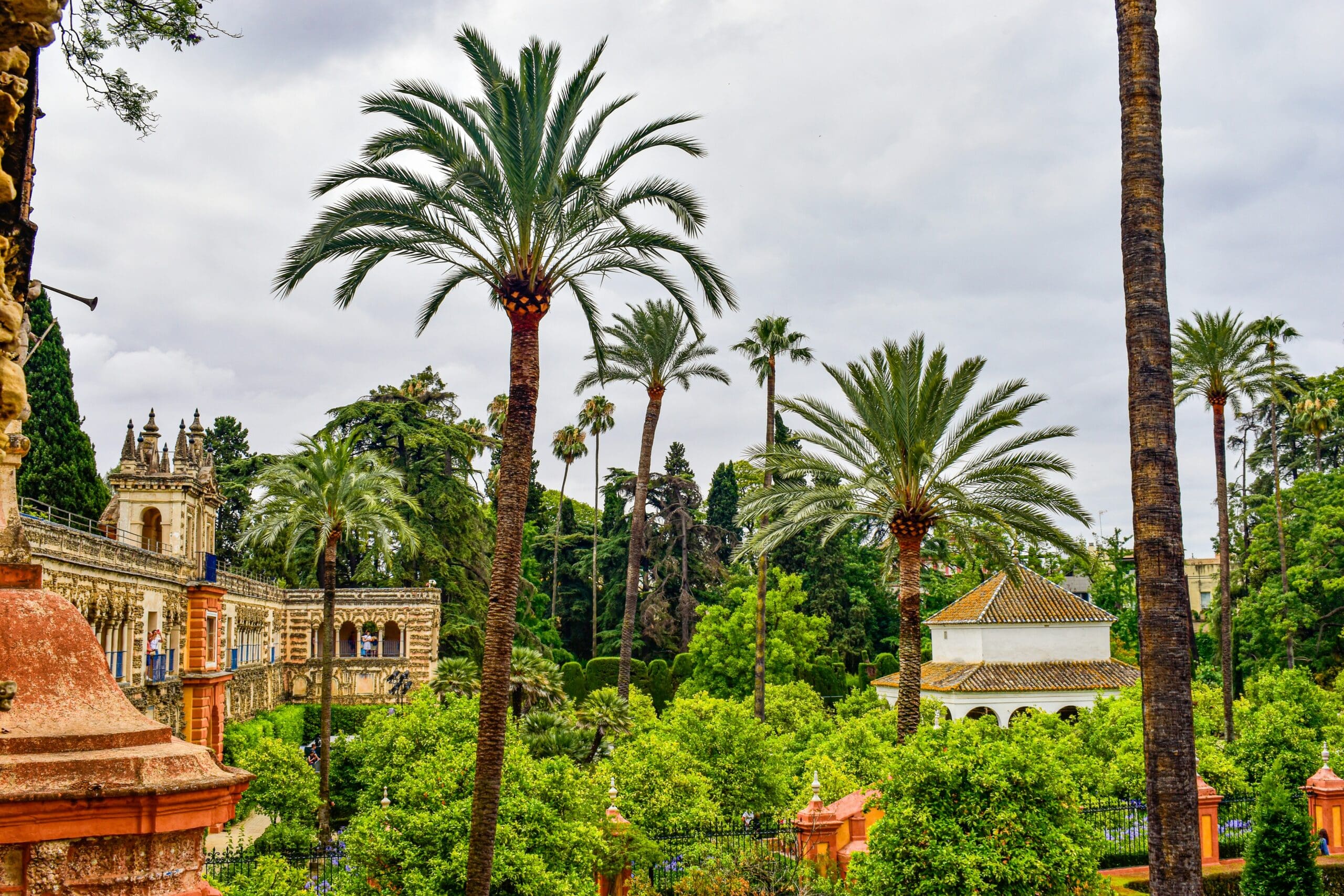
by Alex (https://unsplash.com/@junypr)
Within the park, an impressive view of the Plaza de América opens up. The symbiosis between architecture and nature is particularly fascinating: majestic buildings rise from a green sea of trees and flowers. This harmonious blend captivates both local visitors and tourists. The park is thus not only a retreat but also a starting point for exploring the history and culture of Seville. For many visitors, a stroll through María Luisa Park is the perfect prelude or conclusion to a visit to the Plaza de América.
On weekends and holidays, the park comes alive, filled with the voices of locals picnicking and enjoying nature. Children play around while tourists relax on benches or admire the magnificent buildings of Plaza de América. Thus, the square is not only a tourist highlight but also an integral part of urban life in Seville. Its location in the Parque de María Luisa significantly contributes to its appeal, offering both cultural and natural richness.
In summary, the Plaza de España in María Luisa Park is more than just an architectural gem. It is a magical place where history, culture, and nature have formed a harmonious alliance. Visitors are encouraged to explore the park in all its facets, experiencing the enchanting transition from urban architecture to natural beauty. This plaza within the park is a testament to Seville's ability to blend tradition and modernity, as well as city and nature.
Cultural significance and events
Plaza de América in Seville is not only an architectural masterpiece but also a vital cultural hub. Its connection to historical events like the Ibero-American Exposition of 1929 underscores its cultural depth. This exposition not only strengthened economic and cultural ties between Spain and Latin America but also left behind enduring architectural treasures in the heart of Seville.
The square today serves as a vibrant venue for numerous cultural events. Festivals, art exhibitions, and musical performances take place here throughout the year. These events attract both locals and visitors, reinforcing the square's role as a center of cultural interaction. Especially during the warmer months, América Square fills the city's creative calendar, offering a stage for artistic performances of all kinds.
One of the most notable cultural uses of the square is its role as a venue for traditional celebrations. Particularly popular are:
- The April Fair, which celebrates spring in Seville.
- Open-air concerts taking place under the stars.
- International art and craft fairs showcasing creative talent.
These events make the square a vibrant center of social life, offering unique insights into the lively Andalusian culture. Visitors have the opportunity to experience authentic Spanish traditions and become part of the local community. This reinforces the importance of América Square as a place for cultural encounters and exchange.
Furthermore, such events foster cultural dialogue and understanding between different communities. The square is not only a silent witness to history but also a lively participant in Seville's urban present. The regular cultural events help to keep Seville's rich cultural heritage alive and pass it on. Visiting Plaza de América during such an event offers an unforgettable opportunity to discover the soul of Seville in all its diversity.
Visitor Tips: Travel, Opening Hours & Recommendations
A visit to Plaza de América in Seville should be well-prepared to make the most of the experience. Its central location within María Luisa Park makes the plaza easily accessible, whether you arrive on foot, by bicycle, or using public transport. The nearest tram stop, Prado de San Sebastián, is just a short walk away and provides a direct connection to the rest of the city.
The square is accessible year-round, and while there are no set opening hours, visiting during the day is most rewarding. The architecture is best appreciated in natural light, offering stunning photographic opportunities. Furthermore, the museums and main buildings surrounding the square are typically open Tuesday through Sunday, providing ample time for exploration during a daytime visit.
Visitors should also take the time to stroll through the surrounding Parque de María Luisa. The park offers tranquility and is an ideal spot for a picnic or a brief moment of rest between explorations. For a comprehensive experience of the surroundings and the plaza, consider the following tips:
- Early morning or late afternoon are the best times to visit to avoid the crowds.
- A travel guide or audio guide can be helpful for learning more about the history and architecture.
- Comfortable shoes are recommended as there is a lot to explore on foot.
The local cuisine should not be neglected. There are numerous cafes and restaurants nearby that offer traditional Andalusian dishes. A typical Spanish breakfast or tapas in the evening are the perfect end to a visit to América Square. It is worth experiencing the vibrant local culture through the culinary offerings, which are synonymous with the city's rich history and culture.
Finally, it is advisable to allow ample time for your visit. Plaza de América offers not only sights but also glimpses into the city's life. The square's charm lies in its blend of history, architecture, and vibrant public life, making it one of Seville's most important attractions.
Photo spots and activities around America Square
Plaza de España in Seville is not only an architectural gem but also a photographer's paradise. The impressive buildings and the lush landscape of the Parque de María Luisa offer countless opportunities for stunning shots. The facades of the three main buildings with their decorative elements and stylistic details are particularly ideal subjects for photos. The contrast between the colorful tiles and the blue Seville sky makes for spectacular images.
In addition to the architecture, visitors should also consider the natural elements of the surroundings. The park offers a wealth of plants and flowers that vary depending on the season. These blooming backdrops are perfect for capturing the splendor of Andalusian nature and taking authentic snapshots of Seville. Also noteworthy are the fountains and statues, which add artistic accents and underscore the historical depth of the area.
For those who want to do more than just take photos, there are numerous activities that can enhance a visit to América Square. A walk through the park offers not only insights into local flora and fauna but also the opportunity to participate in yoga classes or have a picnic in the generous green space. Many visitors also enjoy the on-site cultural offerings, such as exhibitions or small-scale performances, which regularly take place in the various pavilions.
Recommended activities at America Square:
- Photographing the impressive architecture
- Participation in guided tours
- Enjoying outdoor music or theater performances
- Walks and bike rides through María Luisa Park
- Relaxing at a picnic in the countryside
Plaza de España has something for everyone, whether you're an art lover, a nature enthusiast, or a history buff. The variety of photo opportunities and activities makes it a vibrant hub, ensuring every visit is a unique experience. It's this blend of cultural richness and natural beauty that makes the plaza an outstanding landmark in Seville.
Conclusion: Why the Plaza de América is one of Seville's most important sights
Seville's Plaza de España is undoubtedly one of the city's most outstanding attractions. Its significance extends beyond its impressive architecture. It embodies the cultural diversity and historical richness that make Seville so special. The harmonious blend of Gothic, Moorish, and Renaissance styles speaks volumes about the city's long history and its influence on architecture. Aníbal González's visionary work exemplifies the uniqueness of the Regionalist style and attracts architecture enthusiasts from all over the world.
But the square is not just a feast for the eyes. It serves as a link between Spain's history and its rich relationship with Latin America. This cultural connection is highlighted by the three museums on the square, which house important artworks and artifacts. For visitors, América Square is more than just a tourist destination – it is a place of learning and discovery. The surrounding Parque de María Luisa enhances the experience with its natural beauty, offering an oasis of peace and relaxation. This combination of culture, architecture, and nature makes América Square an essential stop on any trip to Seville.