
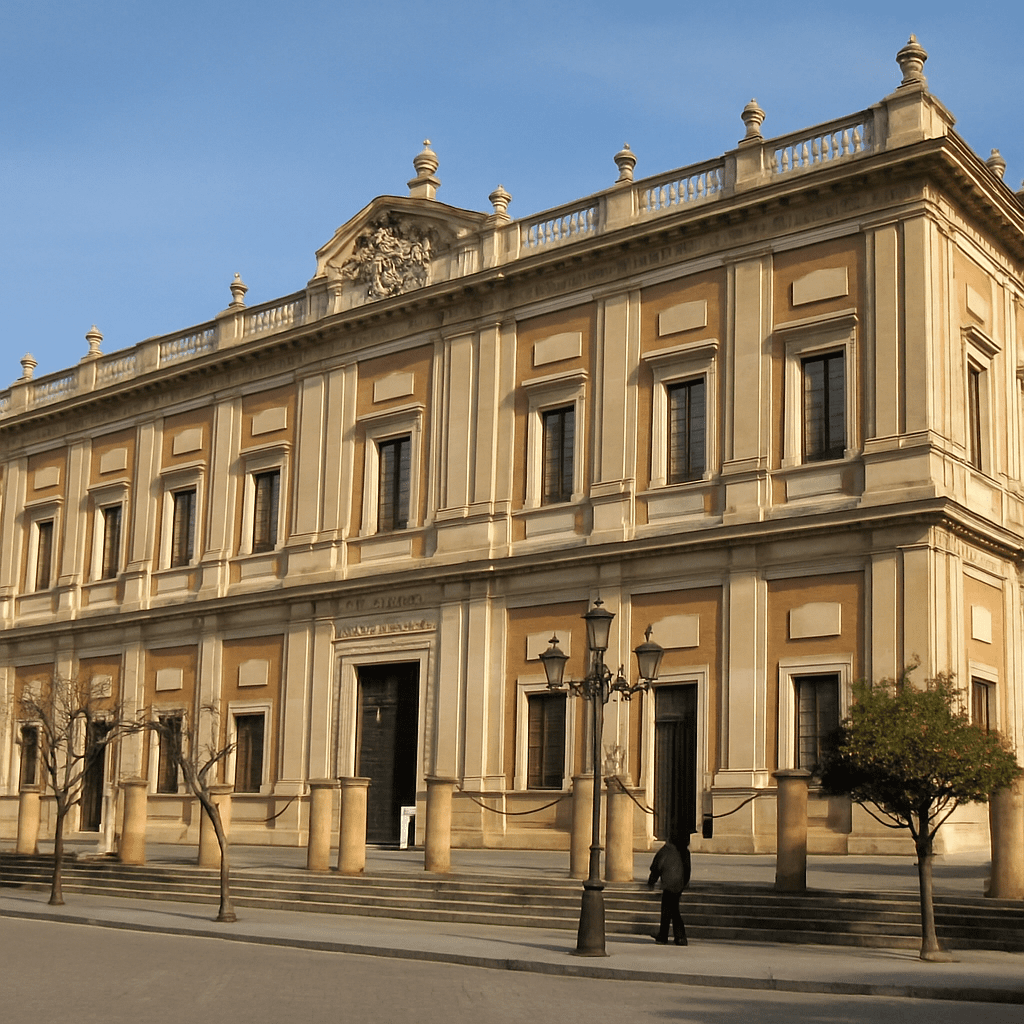
The General Archive of the Indies is a jewel of Spanish history. It is located in the heart of Seville. This archive is a significant testament to Spanish colonial history.
Founded in 1785 by King Charles III, it houses an impressive collection. Over 43,000 volumes and 80 million pages document Spanish colonial administration. These documents offer valuable insights into the past.
The building itself is a masterpiece of Renaissance architecture. Originally designed as the Seville Stock Exchange, it was later rebuilt as an archive. It is a symbol of the power and influence of the Spanish Empire.
Since 1987, the General Archive of the Indies has been a UNESCO World Heritage Site. Together with the Cathedral of Seville and the Alcázar, it forms a cultural triangle. These sites are a must-see for any history enthusiast.
The archive is not just a place for preservation, but also for research. Historians from all over the world use it as a valuable resource. It is a living example of the connection between the past and the present.
Tourists and heritage enthusiasts visit it to experience Spanish history. Guided tours and educational programs make it a vibrant learning space. The General Archive of the Indies is an essential part of Spain's cultural identity.
The General Archive of the Indies in Seville: An Overview
The General Archive of the Indies in Seville is a landmark of historical documentation. It is located in the historic heart of Seville. The archive is an outstanding example of heritage preservation.
This archive houses the most significant documents of Spanish colonial history. Its collection spans over three centuries of history. Among them are valuable maps, plans, and reports.
Some notable documents include:
- The Treaties of Tordesillas and Zaragoza
- Reports from explorers like Hernán Cortés
- Administrative documents of the Spanish colonial empire
It offers valuable insights into the world of Spanish colonial administration. Many documents show trade relations and the administration of colonies. They are crucial for understanding Spanish expansion.
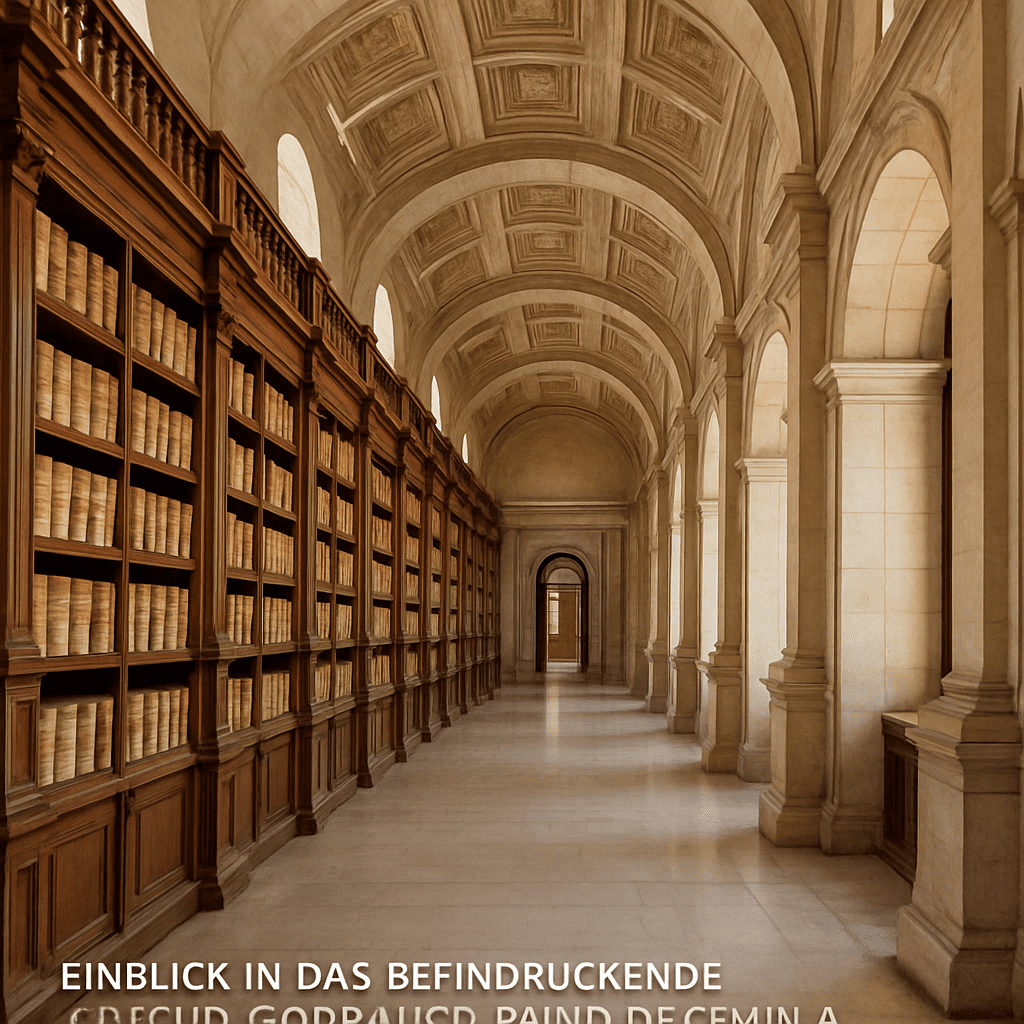
The role of the archive goes beyond preservation. It serves as a significant research center for science. Researchers from all over the world discover new historical insights here.
The General Archive of the Indies in Seville is a place of learning and discovery. It inspires historians and history enthusiasts alike. Here, the past and present connect in a vibrant way.
History and Founding of the Archive
The General Archive of the Indies was founded in 1785 by King Charles III. This was a crucial step towards centralizing colonial documents. Previously, they were scattered across various archives.
The king recognized the need for a central repository. This was intended to benefit the administration of the Spanish colonies. The collection of all essential documents in one place was innovative.
The building itself has an even older history. Originally, it was the Seville Stock Exchange. This was designed in the 16th century by Juan de Herrera.
The transformation of the building into an archive was a clever use. Thus, the stock exchange found a new purpose. It combined the requirements of architecture and archival needs.
The founding set a new standard in archiving. The archive soon became a model for other nations. Its organization and preservation techniques were revolutionary.
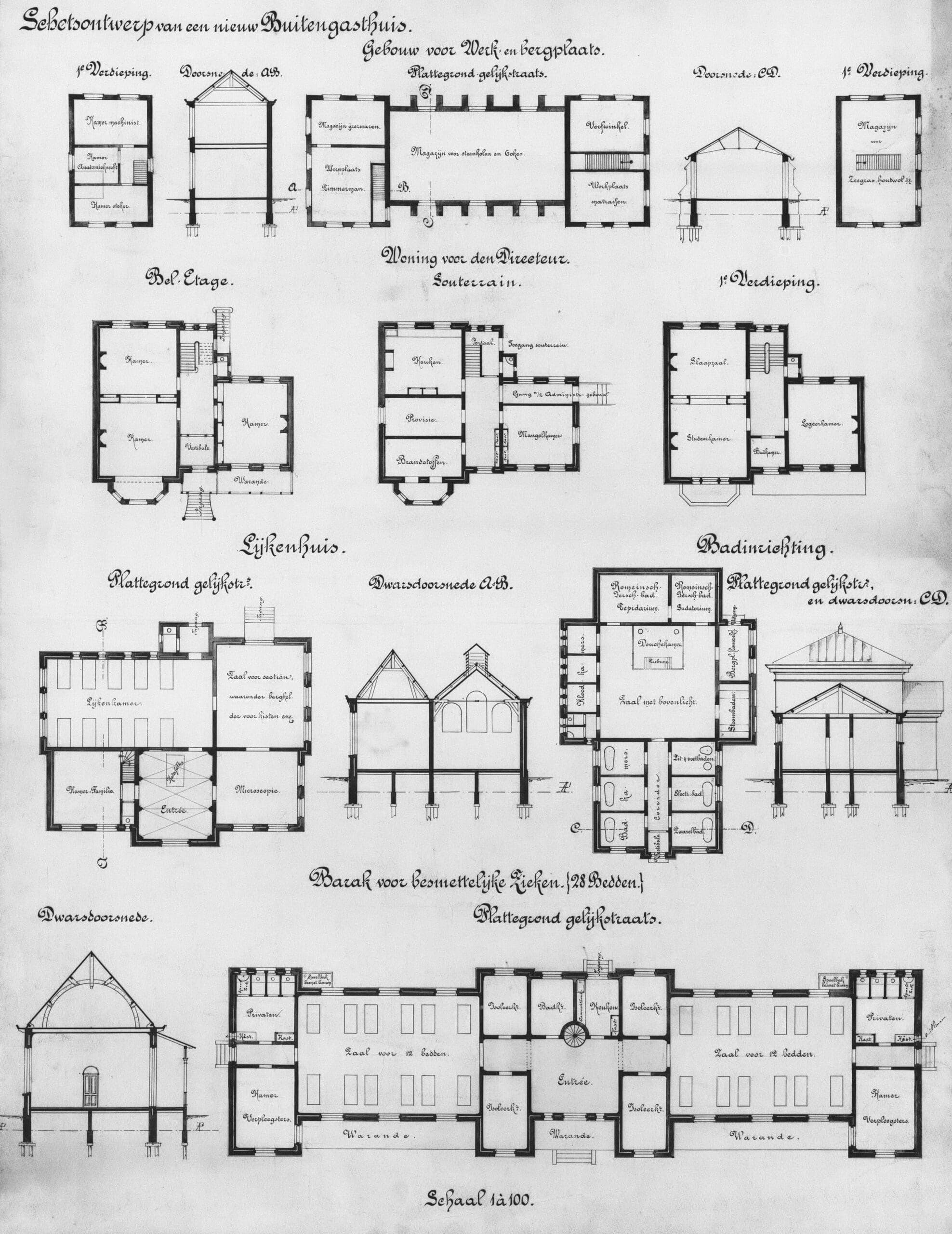
from Amsterdam City Archives (https://unsplash.com/@amsterdamcityarchives)
The General Archive of the Indies is more than a storage place. It is a symbol of the power and influence of the Spanish Empire. Today, it represents the preservation of an entire era.
Architecture and the building in Seville
The General Archive of the Indies impresses with its architecture. It is an outstanding example of the Spanish Renaissance. This is reflected in the elegance and functionality of the building.
The original design is by Juan de Herrera. He was an influential architect of the time. The Seville Stock Exchange was one of his masterpieces.
After being converted into an archive, the architectural heritage was preserved. The blend of aesthetics and functionality remained unchanged. The building was thus perfectly adapted to the new requirements.
Key architectural features:
- A majestic entrance gate.
- Large, sunlit halls.
- Spacious hallways for documentation.

by Julia Cheperis (https://unsplash.com/@inception)
The interior of the building offers a dazzling lightness. High ceilings and elegant columns are characteristic. These promote an inspiring atmosphere for researchers and visitors.
The harmonic integration of architecture and archiving is remarkable. It shows how building art and science can come together. The building is not just a landmark, but also a tribute to history.
The Collections: Scope and Significant Documents
The General Archive of the Indies houses an impressive collection. More than 43,000 volumes and 80 million pages are archived there. These documents are of invaluable historical worth.
The collection includes many different types of documents. These include maps, drawings, and reports. They are from explorers and colonial officials of the colonial era.
A special highlight is the Treaty of Tordesillas. This significant treaty divided the world between Spain and Portugal. It laid the foundation for Spanish colonial power.
Besides the Treaty of Tordesillas, there are other important documents:
- Treaty of Zaragoza
- Writings of Christopher Columbus
- Reports on the discovery of America
The variety of documents offers a comprehensive overview of colonial history. They provide insights into Spanish administration and trade relations. Therefore, they are of great interest to researchers.
The archives are systematically organized. This allows for efficient access to specific topics. The care and preservation of these documents are of crucial importance.
The archive is a living testament to the colonial past. It offers a valuable resource for researching history. Experts and interested parties will find a rich treasure trove of knowledge here.
Significance for Spanish and Latin American History
The General Archive of the Indies is an indispensable archive for historians. It documents Spanish rule and its influence in the New World. These documents are essential for understanding colonial history.
For Spanish history, the archive offers profound insights. It shows Spain's economic and political strategies. These significantly influenced the development of the country and its colonies.
In Latin America, the archive plays a central role. It illuminates the cultural and social changes in the colonial territories. It also documents the contacts between colonizers and indigenous peoples.
These collections make it possible to analyze the development of colonial policy. They show how Spain managed its colonies and which resources it exploited. Thus, the archive contributes to the understanding of the effects of colonialism.
Furthermore, the General Archive of the Indies promotes cultural exchange. It is a bridge between the past and the present. This exchange is important for the cultural identity of both regions.
Another essential feature is the promotion of historical awareness. The collection keeps memories of important historical events alive. It inspires future generations to continue exploring this history.
The General Archive of the Indies as a UNESCO World Heritage Site
The General Archive of the Indies has been recognized as a UNESCO World Heritage Site since 1987. This accreditation underscores its significance to global history. It is a symbol of Spain's cultural influence during the colonial era.
The designation as a World Heritage site was made due to the extensive and well-preserved collections. These offer a unique window into the past of the Spanish colonies. The documents illustrate the economic and political relationships within the colonial empire.
As part of a prestigious cultural triangle in Seville, the archive contributes to the city's World Heritage status. Together with the Seville Cathedral and the Alcázar, it showcases the diversity and splendor of historical architecture. This ensemble attracts numerous tourists, thus promoting cultural exchange.
The UNESCO designation protects the archive and its valuable holdings. It ensures that future generations have access to these resources. These protective measures ensure that the heritage of colonial history is preserved.
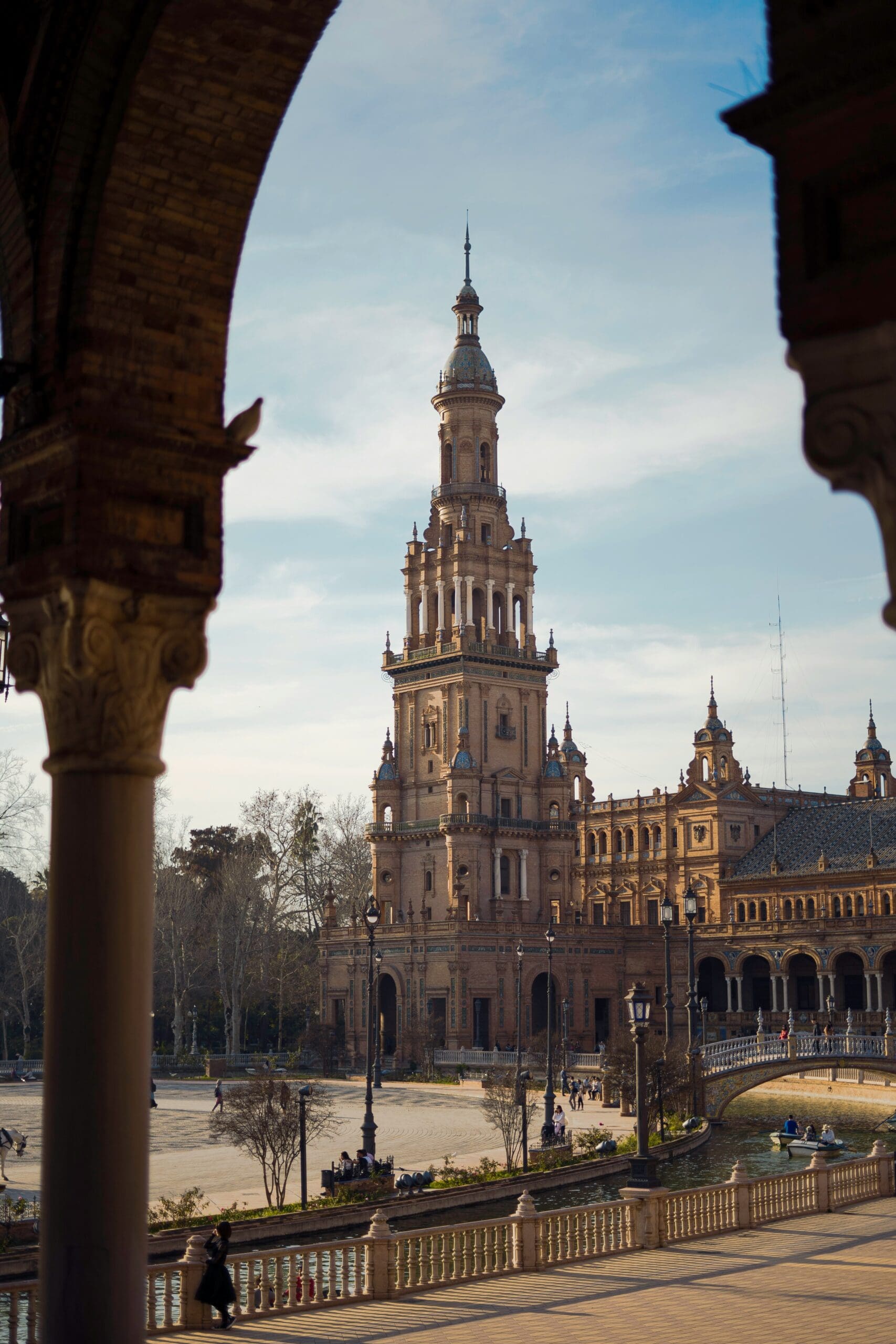
by VENUS MAJOR (https://unsplash.com/@venusmajor)
Research, education, and digital innovations
The General Archive of the Indies plays a central role in historical research. Researchers from all over the world use its extensive collections to study Spanish colonial history. The primary sources in the archive are indispensable for historians.
In addition to research, the archive offers educational programs. It organizes workshops and tours for schools and universities. These programs promote historical awareness among young people.
An important development is the digitalization of the collections. The archive has set up an online platform that facilitates access to the documents. This initiative makes it possible to reach the holdings worldwide.
The digital innovations at the General Archive of the Indies include:
- Developing a user-friendly digital library
- Providing online resources for researchers and students
- Promotion of online courses and webinars on colonial history
These steps demonstrate the archive's commitment to improving education and access to knowledge. This will keep heritage alive and accessible for future generations.
The Archive as a Tourist and Cultural Highlight in Seville
The General Archive of the Indies is an essential part of Seville's tourist landscape. Tourists flock to explore its rich history.
The location in the heart of Seville makes it easily accessible. Visitors can tour the archive along with other UNESCO sites such as the Cathedral and the Alcázar.
Guided tours of the archive offer fascinating insights into its collections. These tours are particularly popular with history buffs and cultural tourists.
In addition to its historical significance, the archive serves as a vibrant cultural space. It inspires artists, writers, and visitors from around the world.
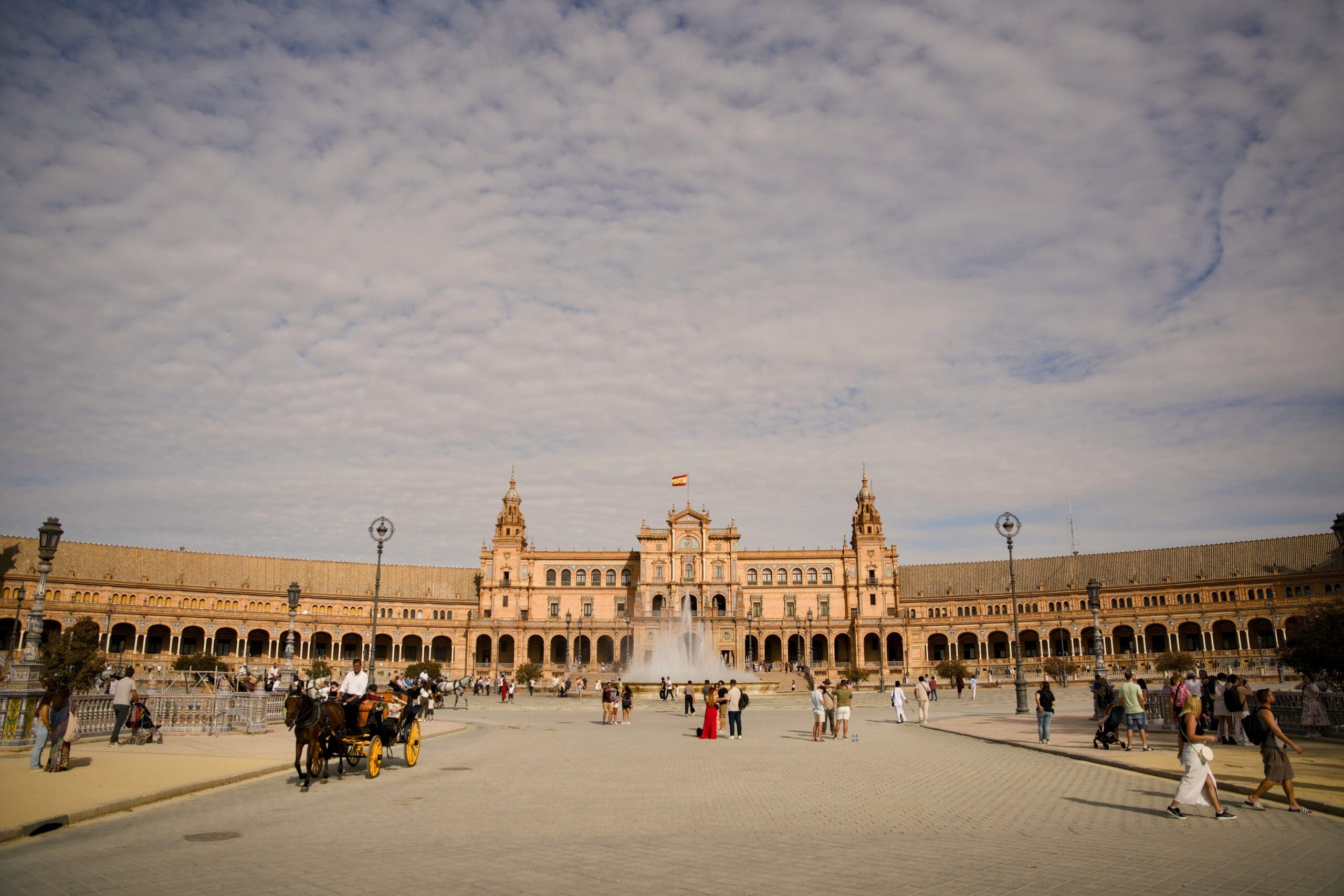
from GV Chana (https://unsplash.com/@gvchana)
Conclusion: A Living Legacy for the Future
The General Archive of the Indies plays an indispensable role in preserving history. It connects the past with the present and fosters historical awareness.
The archive houses countless valuable documents. These provide insight into the complex history of the Spanish colonial period and contribute to cultural identity.
Through its innovative educational programs, the archive reaches young people and inspires future historians. Its digital platform facilitates global access to its treasures.
Furthermore, the General Archive of the Indies serves as a model for other cultural institutions. It demonstrates how historical documentation can enrich society.
This rich institution contributes to promoting intercultural dialogue and remains a symbol of cultural diversity. This also makes it a living heritage for the future.