
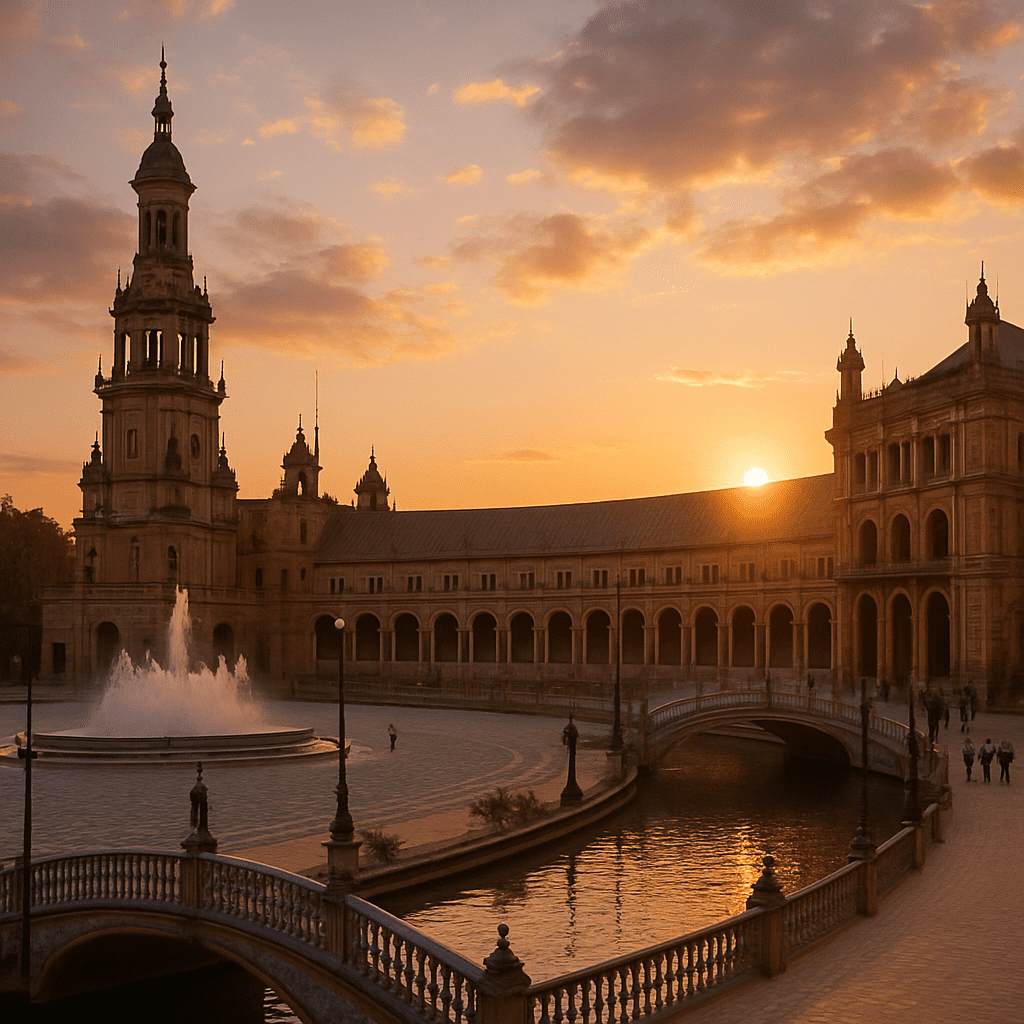
The Plaza de España in Seville is an architectural masterpiece. It attracts visitors from all over the world. Its history is as fascinating as its beauty.
Built for the 1929 Ibero-American Exposition, it is a symbol of Seville. Architect Aníbal González created a masterpiece that combines tradition and modernity. The Plaza de España is a prime example of architectural regionalism.
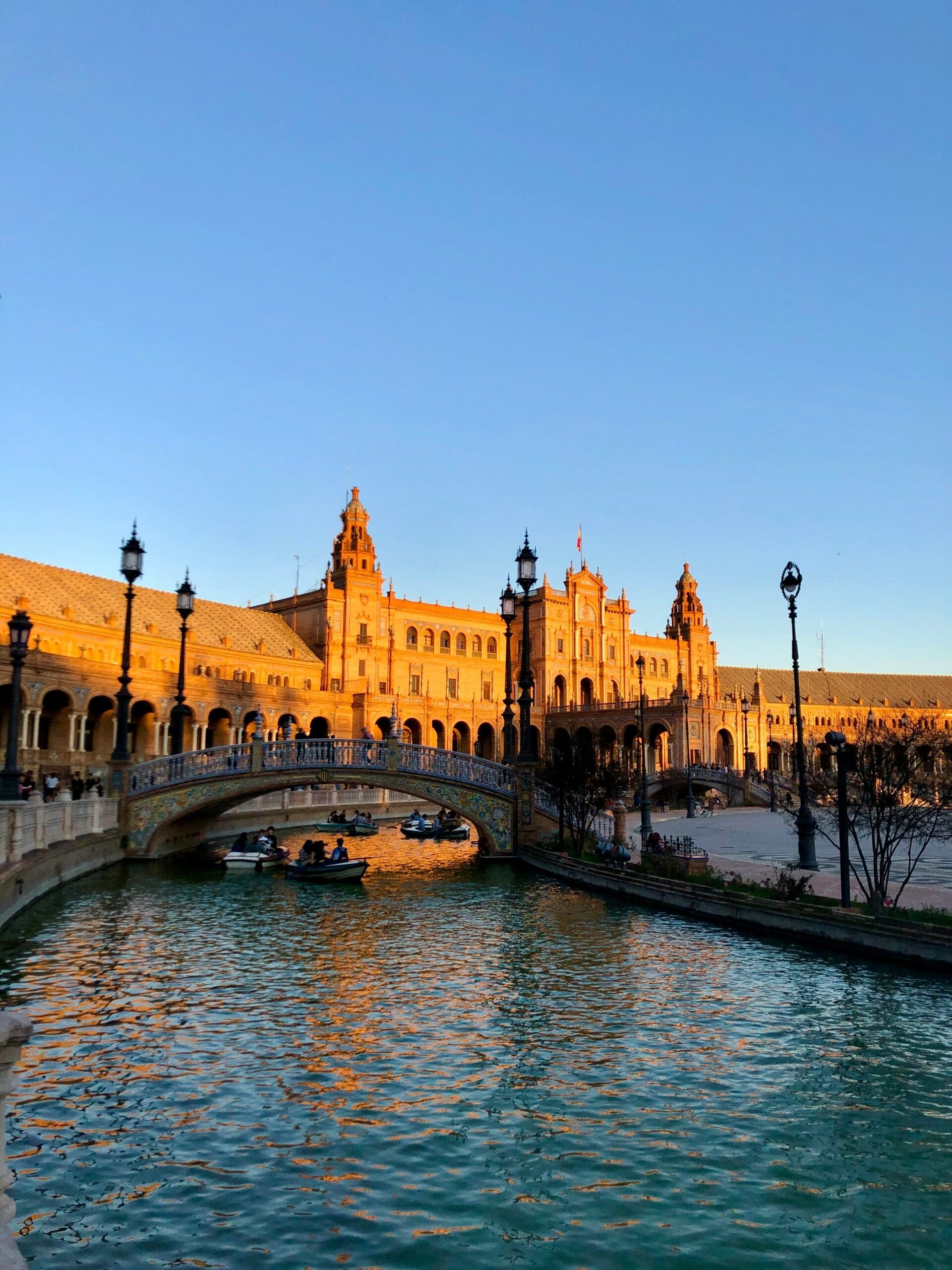
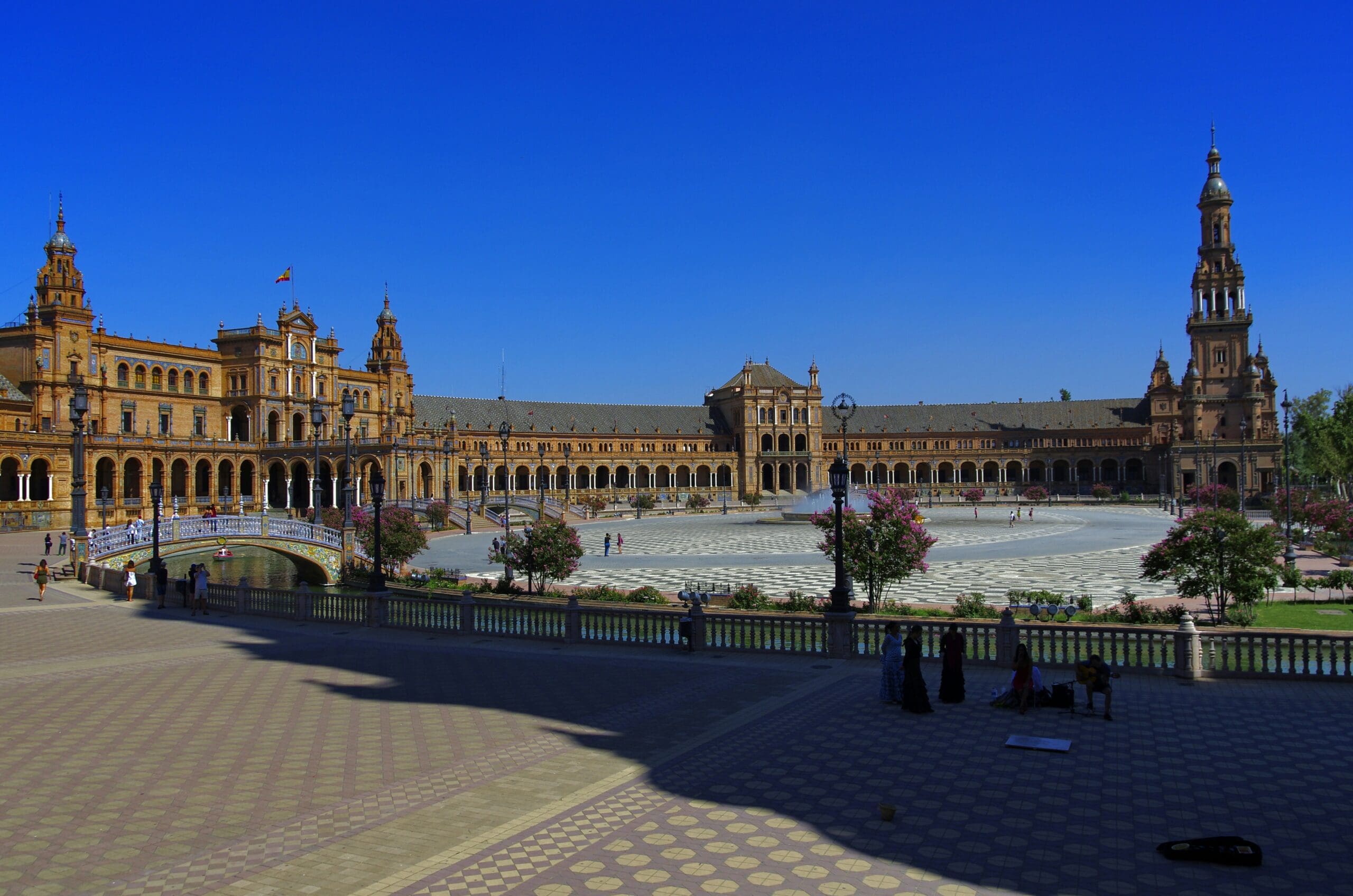
The semi-circular structure symbolizes the embrace of Spain's former colonies. A canal surrounds the square, often referred to as the „Venice of Seville.“ Four bridges cross the canal, representing Spain's ancient kingdoms.
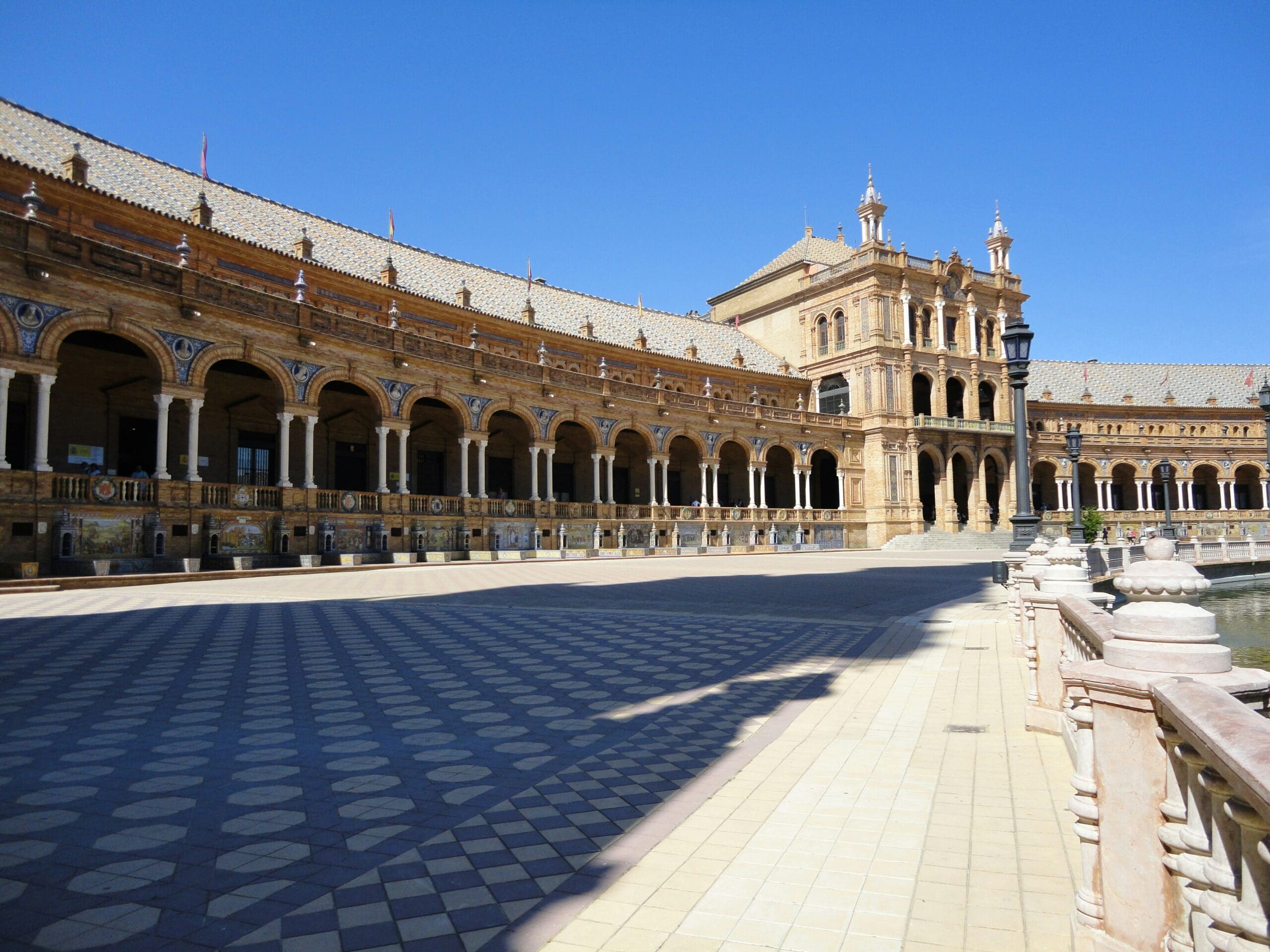
Colorful tiles, known as azulejos, adorn the plaza. They depict historical scenes from Spain's provinces. These artistic details make the square a vibrant history book.
The Plaza de España is not only an architectural gem. It is also a popular filming location for movies. Classics such as „Lawrence of Arabia“ and „Star Wars: Episode II“ were shot here.
Today, the plaza is a vibrant center of culture and society. It is a popular venue for events and concerts. Tourists and locals alike enjoy its splendor.
The Plaza de España is a symbol of the rebirth of Spanish culture. It represents the cultural exchange between Spain and Latin America. A visit here is a journey through history and architecture.
The Creation of the Plaza de España: A Symbol for Seville
The idea for the Plaza de España arose during a time of change. The early 20th century was characterized by social renewal in Spain. The city of Seville wanted to present itself on an international level.
The Ibero-American Exposition of 1929 presented the perfect opportunity. The goal was to strengthen relations between Spain and Latin America. The Plaza de España was intended to be the centerpiece of the exposition.
Aníbal González, a renowned Spanish architect, was commissioned for the design. He was known for his ability to blend tradition and modernity. With the Plaza de España, he created an architectural icon.
Construction began in 1914 and lasted 15 years. Its completion in 1928 was a major success for González. The construction demonstrated Spain's architectural progress and artistic diversity.
The Plaza de España is a masterpiece of Regionalism. This style was very popular in Seville. It combines elements of Renaissance and Mudéjar architecture, reflecting the rich Andalusian culture.
Besides its impressive architecture, the Plaza de España also holds emotional significance. It stands as a symbol of Spain's historical ties to its former colonies. This is powerfully represented by its semicircular shape.
The canal surrounding the plaza is more than an aesthetic detail. It evokes the old world of explorers and colonial powers. The bridges symbolize Spain's historical unity and diversity.

The creation of the Plaza de España is a testament to innovation and pride. It shows how history, culture, and architecture intertwine. Today, it is an indispensable part of Seville's urban fabric.
Architectural Features and Symbolism
The Plaza de España impresses with its architectural diversity. The construction utilizes local materials and traditional craftsmanship. The combination of Renaissance and Mudejar elements is striking.
A central aspect of the plaza is its semicircular shape. This shape symbolizes the embrace of the Spanish colonies. It conveys a feeling of unity and friendship.
The plaza is surrounded by a picturesque canal. This canal is often referred to as the „Venice of Seville.“ It adds a romantic touch to the architecture.
Four impressive bridges span the canal. Each bridge represents one of the ancient kingdoms of Spain. They symbolize the historical unity of the nation.
Another remarkable feature is the colorful azulejos. These tiles are typical of Andalusia. They depict scenes from all 50 provinces of Spain.
- Scenes from Spain's History
- Presentation of the Cultural Heritage of the Provinces
- Using traditional Andalusian techniques
- Symbolism of Spanish Unity
- Color variety and artistic detail
- Reproduction of political and cultural events
- Plasticity and three-dimensional effect of the tiles
The central fountain is another jewel of the square. The fountain was designed by Vicente Traver. It gives the Plaza de España a majestic appearance.
The buildings of the plaza are also remarkable. They feature ornate arcades. These arcades offer both shelter and space for encounters.
Numerous symbolic details are integrated into the construction. These tell of Spain's rich past. The architecture invites you to experience history.
The Plaza de España is not only aesthetically pleasing. It also serves as a functional space. Government buildings today occupy the structures surrounding the plaza.
Visitors can enjoy artfully designed details. These elements highlight the cultural significance of the Plaza. The architecture reflects the history and identity of Spain.
The plaza is more than just an architectural masterpiece. It is a symbol of the connection between past and present. Its symbolism remains relevant and inspiring in the modern world.
The Plaza de España Through the Ages: Usage and Significance
Since its construction, the Plaza de España has served many roles. Originally built for the Ibero-American Exposition of 1929, it represents an era of cultural exchange. This exposition offered Spain an opportunity to renew its relationship with its former colonies.
After the exhibition, the use of the Plaza took a turn. The large buildings were soon repurposed for government purposes. Today, they house various agencies and ministries.
Besides its administrative use, the square also holds symbolic significance. It is considered a place of national pride. Its architecture and symbolism express Spain's cultural identity.
Over the years, the Plaza de España has also served as a social gathering place. Residents and tourists enjoy the atmosphere for strolls or photos. The Plaza has thus established itself as a social and cultural center.
by Reiseuhu (https://unsplash.com/@reiseuhu)
Furthermore, the plaza is a popular venue. Cultural events and concerts are regularly held here. These events enrich Seville's cultural landscape.
The Plaza de España has continuously evolved over time. It remains not only an architectural masterpiece but also a living testament to history. Its significance extends far beyond its function as a simple public space, as it is a symbol of the change and permanence of a culture.
The Plaza de España as a cultural and social center
The Plaza de España is more than an architectural marvel. It has become a significant cultural and social center. Its impressive architecture attracts people from all over the world.
The square is a place of meeting and exchange. Residents and tourists gather here to enjoy the beauty and atmosphere. The plaza offers a peaceful backdrop for walks and get-togethers.
by Marisa Cornelsen (https://unsplash.com/@macornelsen)
The Plaza de España also plays a central role in Seville's cultural scene. Concerts and performances are regularly held here. Such events underscore the city's vibrant culture.
Furthermore, the plaza is a popular location for markets and festivals. These events promote community and social interaction. They offer opportunities to directly experience local culture.
Finally, the Plaza de España is a symbol of Spanish identity and pride. It represents Spain's rich history and cultural diversity. These aspects make it an essential part of the city of Seville.
The Plaza de España in Film and Pop Culture
The Plaza de España has become a popular filming location for filmmakers from all over the world. Its majestic appearance and unique architecture provide an impressive backdrop. These features attract film producers and directors.
Various well-known films have used the Plaza de España as a filming location. It offers an atmospheric setting that allows for both historical and futuristic scenes. Some famous examples impressively demonstrate this.
Movies featuring the Plaza de España:
- „Lawrence of Arabia (1962)Scenes were shot in the square to depict Cairo.
- „Star Wars: Episode II – Attack of the Clones (2002)The Plaza served as the backdrop for the planet Naboo.
- „The Dictator (2012)Parts of the film were staged here.
Furthermore, the Plaza de España inspires numerous artists and photographers. Its striking architecture and historical charm make it a popular subject. The Plaza creates a connection between Seville and the international entertainment world.
Restoration, Preservation, and UNESCO World Heritage
The Plaza de España is not only an architectural gem but also a place of great cultural value. After its construction in 1928 and its use for the Ibero-American Exposition in 1929, it eventually required a thorough restoration. In 1986, significant preservation work began to restore its original splendor.
This restoration aimed to renew damaged tilework and ornamentation. Skilled artisans ensured that historical details were carefully preserved. Thanks to these efforts, the Plaza de España now shines in its full splendor once more.
by Lothar Boris Piltz (https://unsplash.com/@lotharborispiltz)
Another significant milestone for the Plaza de España was its inclusion as a UNESCO World Heritage site. This distinction highlights the cultural and historical importance of the structure. The recognition reflects the commitment to preserving this valuable heritage for future generations.
The preservation of the Plaza de España encompasses not only structural aspects but also the sustainable use of the space. Today, the buildings house various government offices. These uses help to keep the Plaza vibrant and relevant.
The UNESCO status helps to raise awareness of the Plaza de España and attract tourists. This promotes cultural exchange and appreciation for the history and beauty of this iconic site. Thus, the Plaza de España remains not only a testament to the past but also a vibrant center of Andalusian culture.
The Plaza de España Today: Tourism, Events, and Experiences
The Plaza de España is one of the most important tourist attractions in Seville. Year after year, it attracts millions of visitors from all over the world. Its impressive architecture and rich history fascinate tourists and locals alike.
A walk along the canal surrounding the plaza offers a unique perspective. Many compare this waterway to a miniature version of Venice. Visitors can also take rides in small boats, which is a special experience.
The Plaza de España is also a venue for many cultural events. Concerts, festivals, and exhibitions bring locals and tourists together. The place thrives on the rich Andalusian culture that it proudly showcases.
Once a year, the popular Feria de Abril takes place here. This event attracts both locals and tourists and transforms the plaza into a colorful festival ground. It reflects the vibrant culture and tradition of Andalusia.
For history and architecture lovers, the Plaza de España is a paradise. The detailed tilework tells Spanish history. It offers visual access to Spain's provinces.
To discover the versatility of the Plaza, there are various activities:
- Boat trips on the canal
- Cultural events and concerts
- Photographing the impressive architecture
The Plaza de España has established itself as a vibrant meeting point, uniting history, culture, and modern tourism. It remains an indispensable part of Seville's attractions, offering something for everyone. Whether you're an art lover, a history buff, or simply curious, everyone will find their own experience here.
Conclusion: The Plaza de España as a Living Monument
The Plaza de España in Seville is more than just an architectural marvel. It symbolizes a cultural rebirth and the pride of an entire region. Its impressive beauty and historical significance make it a living monument.
The harmonious blend of Renaissance and Mudéjar architecture reflects Spain's rich cultural diversity. This diversity is not only present in the architecture but also in the artistic depictions on the Plaza's azulejos. They tell the stories of the various Spanish provinces and their contributions to national identity.
But the Plaza de España is not just a place that honors the past. It is also a vibrant meeting place where people come together. Cultural events, concerts, and community celebrations regularly liven up this historic site. This ensures that the Plaza de España remains an indispensable part of Seville's urban life and cultural scene.
Finally, the Plaza de España demonstrates how architecture can bridge the past and present. It invites every visitor to explore Spain's history while simultaneously experiencing today's vibrant culture. A visit there leaves a lasting impression and inspires reflection on the importance of heritage and community. The Plaza de España remains a symbol of the unity and diversity that define Spain as a nation.