
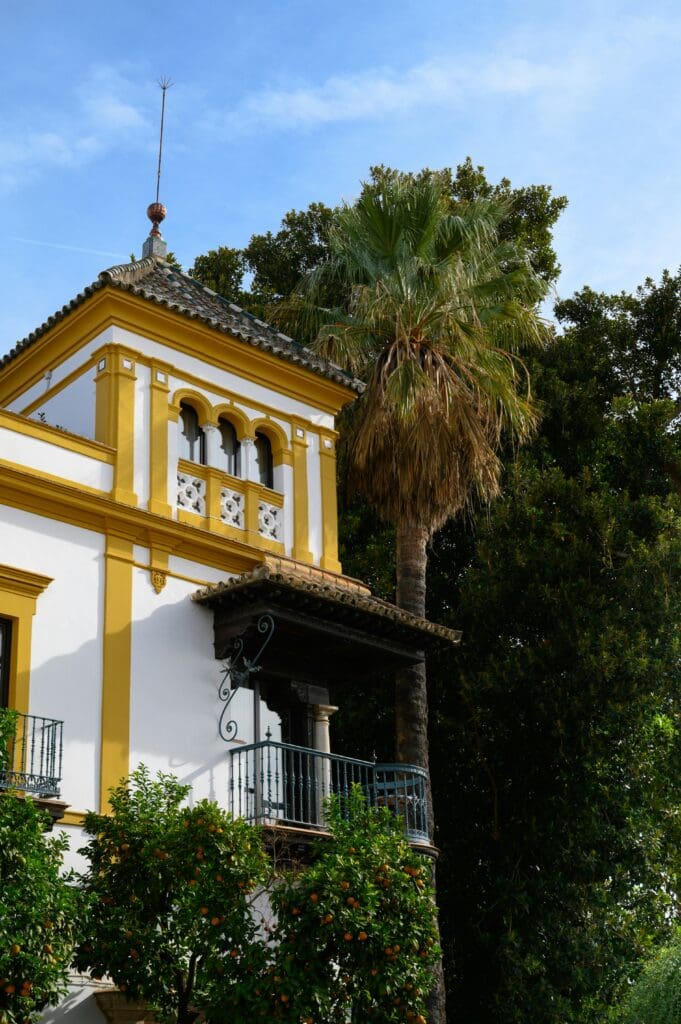
The Casa de Pilatos is an architectural gem in the heart of Seville. This impressive building combines Gothic, Mudéjar, and Renaissance elements. It is an outstanding example of Andalusian architecture and attracts numerous visitors annually.
Built in the 16th century, the Casa de Pilatos is the traditional seat of the Dukes of Medinaceli. The name derives from a replica of Pilate's statue. This connection to biblical history lends the building a special historical depth.
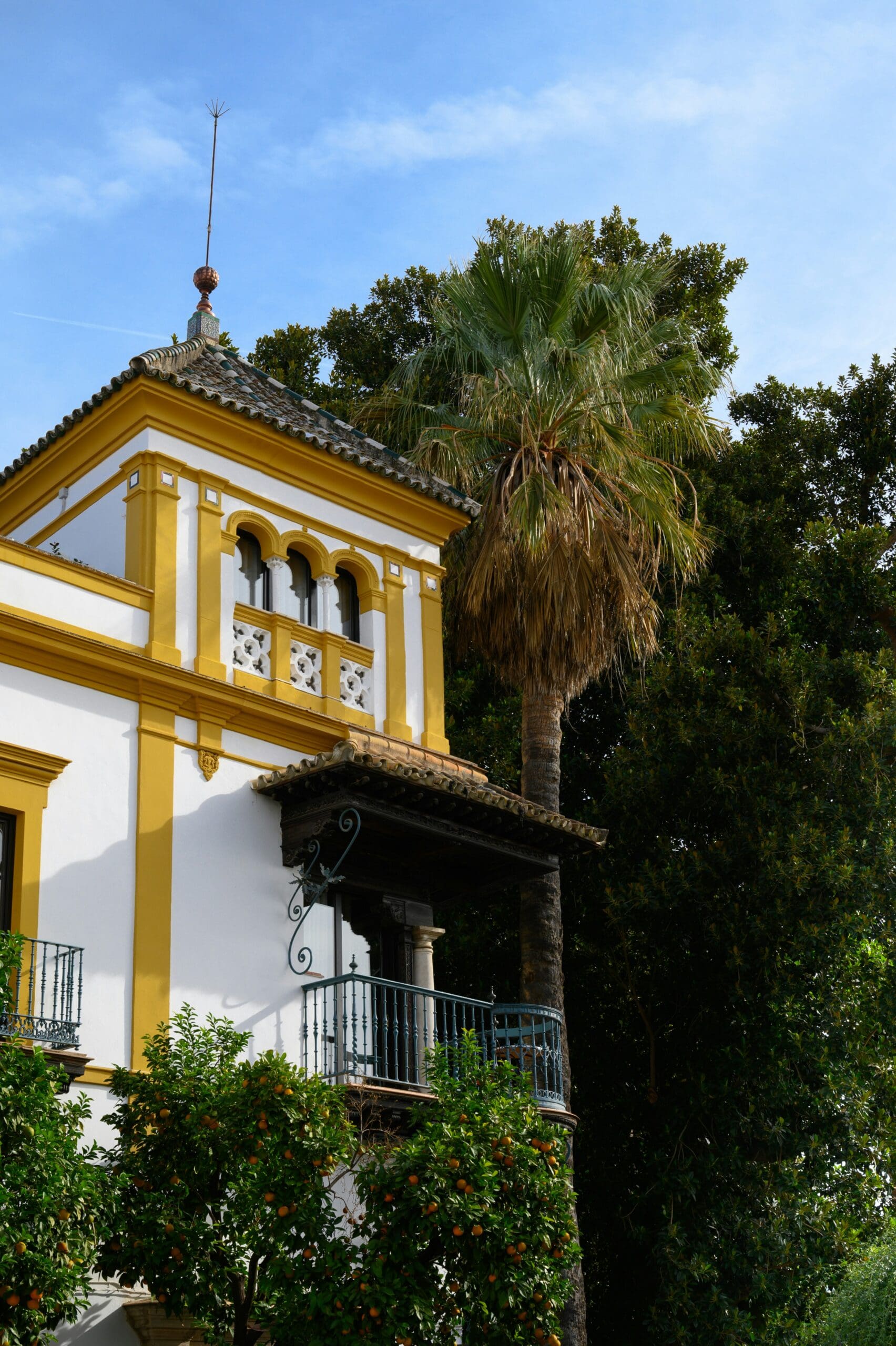
by Matteo del Piano (https://unsplash.com/@matteodelpiano)
The courtyards of the Casa de Pilatos are decorated with beautiful azulejos. These ceramic tiles are a hallmark of Spanish art. They give the courtyards a vibrant and colorful atmosphere.
Another highlight is the impressive gardens of the Casa de Pilatos. These oases of tranquility offer visitors a retreat from the hustle and bustle of the city. The gardens are meticulously maintained and invite you to linger.
Inside the building, you'll find ancient Roman sculptures. This collection is a testament to the rich history and cultural exchange between Spain and Italy. The Casa de Pilatos is a place where art and history come alive.
The Casa de Pilatos also served as a filming location for several films, including „Lawrence of Arabia.“ This cinematic connection has made the building internationally known. It is a popular venue for film productions and events.
Visitors can take guided tours of the Casa de Pilatos. These offer an in-depth look at the building's history and architecture. The Casa de Pilatos is a National Monument of Spain and a must-see for any Seville guidebook.
The Casa de Pilatos is more than just a building. It is a symbol of the wealth and power of Seville's noble families. A visit offers the opportunity to experience the beauty and elegance of the Spanish Renaissance.
History of the Casa de Pilatos
The Casa de Pilatos began its construction in the year 1483. Its construction was commissioned by Pedro Enríquez de Quiñones and his wife Catalina de Ribera. Originally, the building was intended to serve as their family residence.
The couple had the desire to build a palace that reflected the cultural influences of the Spanish Renaissance. However, the construction was not completed until the 16th century. During this time, there was an architectural fusion of numerous styles.
The Casa de Pilatos was named after Fadrique Enríquez de Ribera's multiple journeys to Jerusalem. He undertook these travels in the early 16th century. Fadrique was inspired by his impressions of the Holy City and created a replica of Pilate's statue.
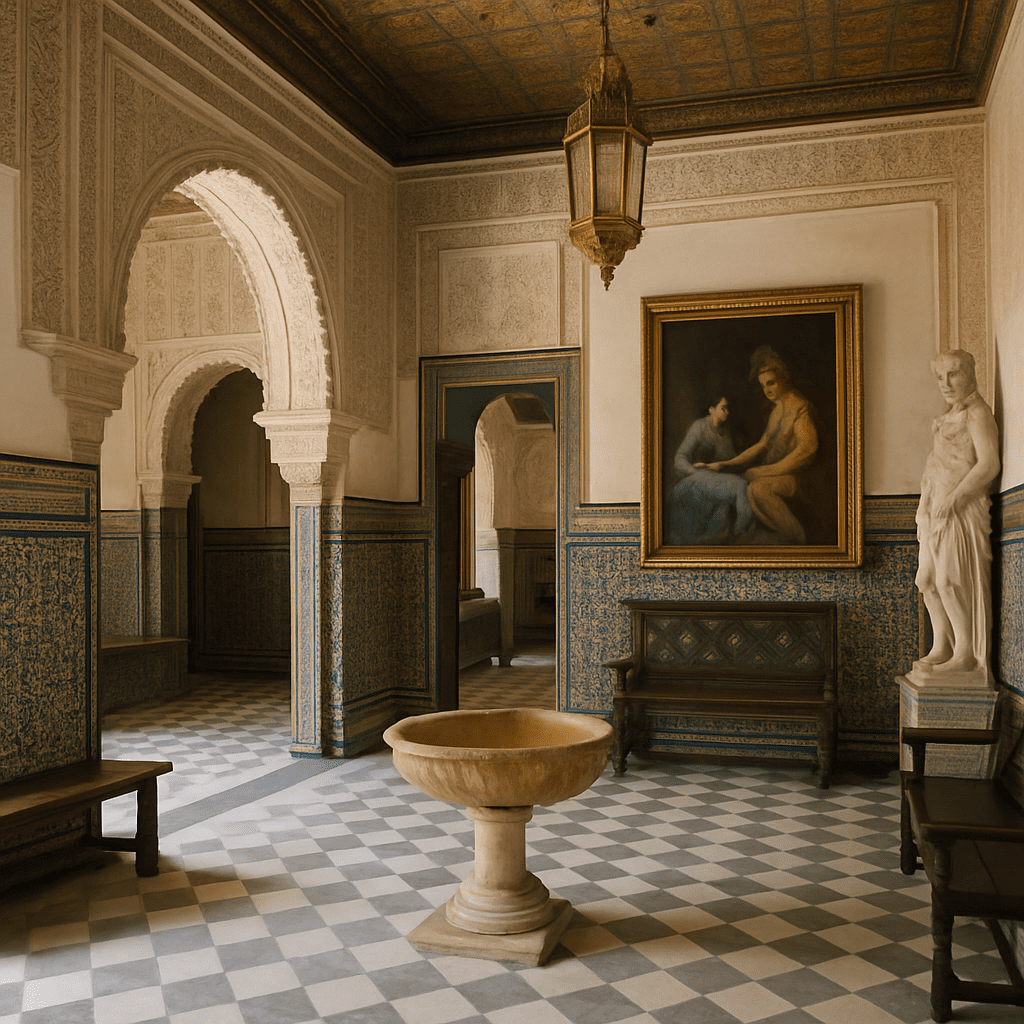
The designation „Casa de Pilatos“ is thus a testament to the history of the Crusaders. This historical connection enhances the building's appeal to visitors. It is a unique place that combines religious and secular elements.
Through the centuries, the building remained in the possession of the noble family. The Dukes of Medinaceli used the Casa de Pilatos as one of their main residences. Thus, the building became a symbol of the power and influence of this family in Seville.
Casa de Pilatos played a significant role in the history of Spain. It was not only a residence but also a stage for political and social events. Over the centuries, many notable personalities have visited Casa de Pilatos.
Today, the Casa de Pilatos is a national monument. It represents the cultural and artistic richness of the region. Visitors can immerse themselves in its history and feel the centuries that this impressive structure has witnessed.
Architecture and Architectural Styles: A Unique Blend in Seville
The architecture of the Casa de Pilatos reflects an impressive fusion of different styles. This mix makes the building a unique example of Andalusian architecture. Visitors will be fascinated by the harmonious combination of diverse elements.
A distinguishing feature is the blend of Gothic, Mudéjar, and Renaissance elements. This mix of styles exemplifies the architectural exchange of the 16th century. The combination of Christian and Muslim stylistic elements, in particular, gives the Casa de Pilatos its special charm.
The building's facade displays richly decorated details. The influence of the Italian Renaissance is particularly unmistakable here. The intricate latticework and ornaments adorn the exterior walls and emphasize the elegance of the Casa de Pilatos.
A special highlight is the magnificent marble staircase inside the palace. It is considered one of the most beautiful examples of its kind from the Spanish Renaissance. Visitors should also admire the ornate woodwork of the ceilings, which are both delicate and impressive.
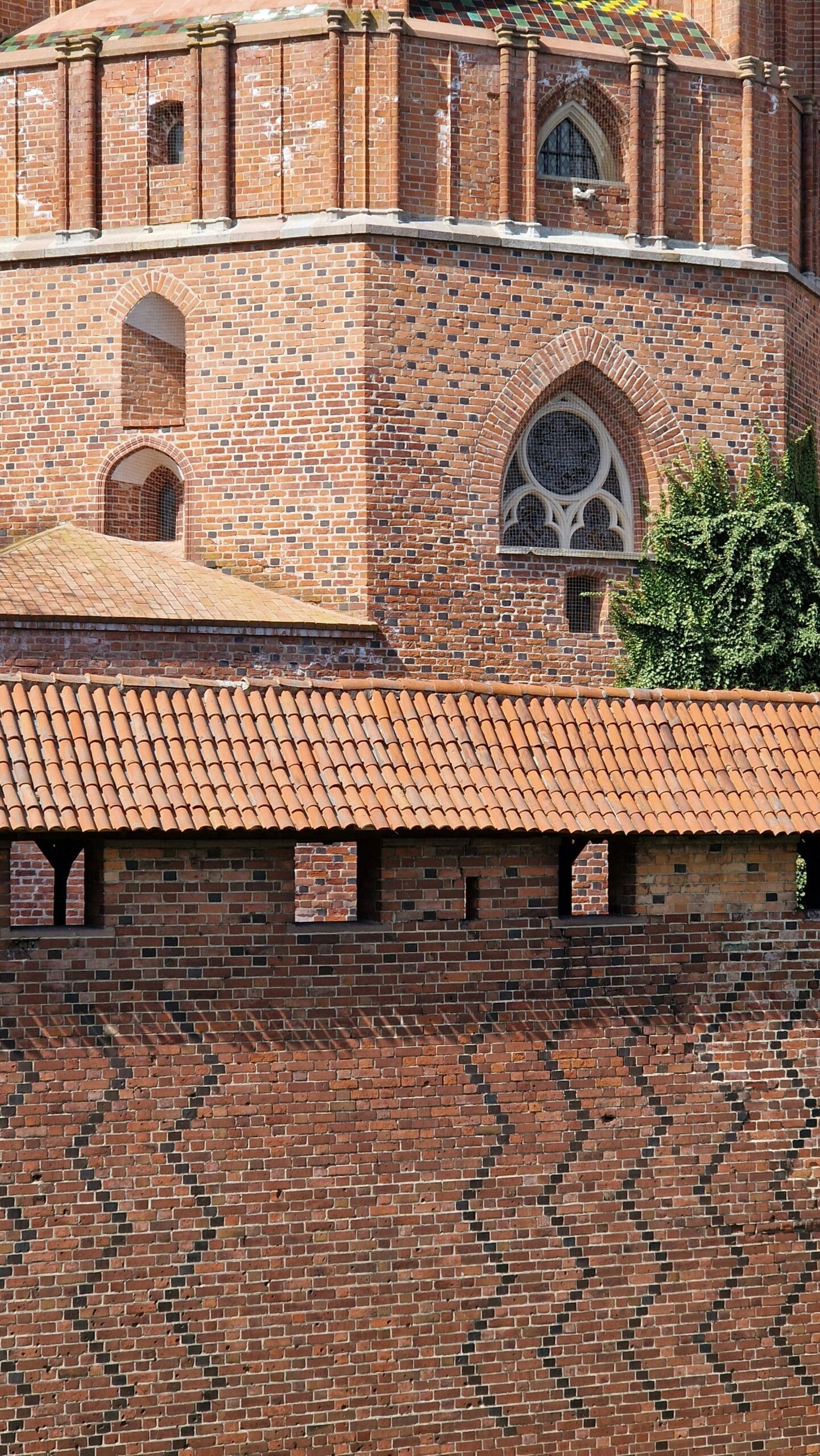
by Olha (https://unsplash.com/@rudenochek)
In the courtyard, artful azulejos (ceramic tiles) add colorful accents. These tiles display detailed patterns and colors. They are typical of Mudejar architecture and lend the courtyard a Mediterranean flair.
The list of architectural features includes:
- Gothic pointed arches that lend elegance and height
- Mudejar azulejos with vibrant patterns
- Renaissance stucco work that exudes attention to detail
- Italian marble columns that offer stability and class
- Open courtyards that create airiness and tranquility
The influence of different architectural styles makes the Casa de Pilatos an architectural masterpiece. This harmonious combination is found nowhere else in Seville. The fusion of styles manifests the cultural diversity of the city.
The cultural exchange between Spain and Italy is palpable in every room of the palace. Artists and architects from both nations worked closely together to design the Casa de Pilatos. This heritage lives on within the palace walls and continues to fascinate to this day.
In summary, the architecture of the Casa de Pilatos is a shining example of Spain's rich artistic influences. Visitors are transported back in time, experiencing the brilliance of 16th-century master builders. The palace remains a monument to the cultural interactions and artistic achievements of its era.
The courtyards and gardens: oases of tranquility
The Casa de Pilatos offers its visitors an amazing experience through its tranquil courtyards and magnificent gardens. These areas are true oases of peace in the bustling heart of Seville. Here, visitors can leave the hustle and bustle of the city behind and enjoy the harmonious blend of nature and architecture.
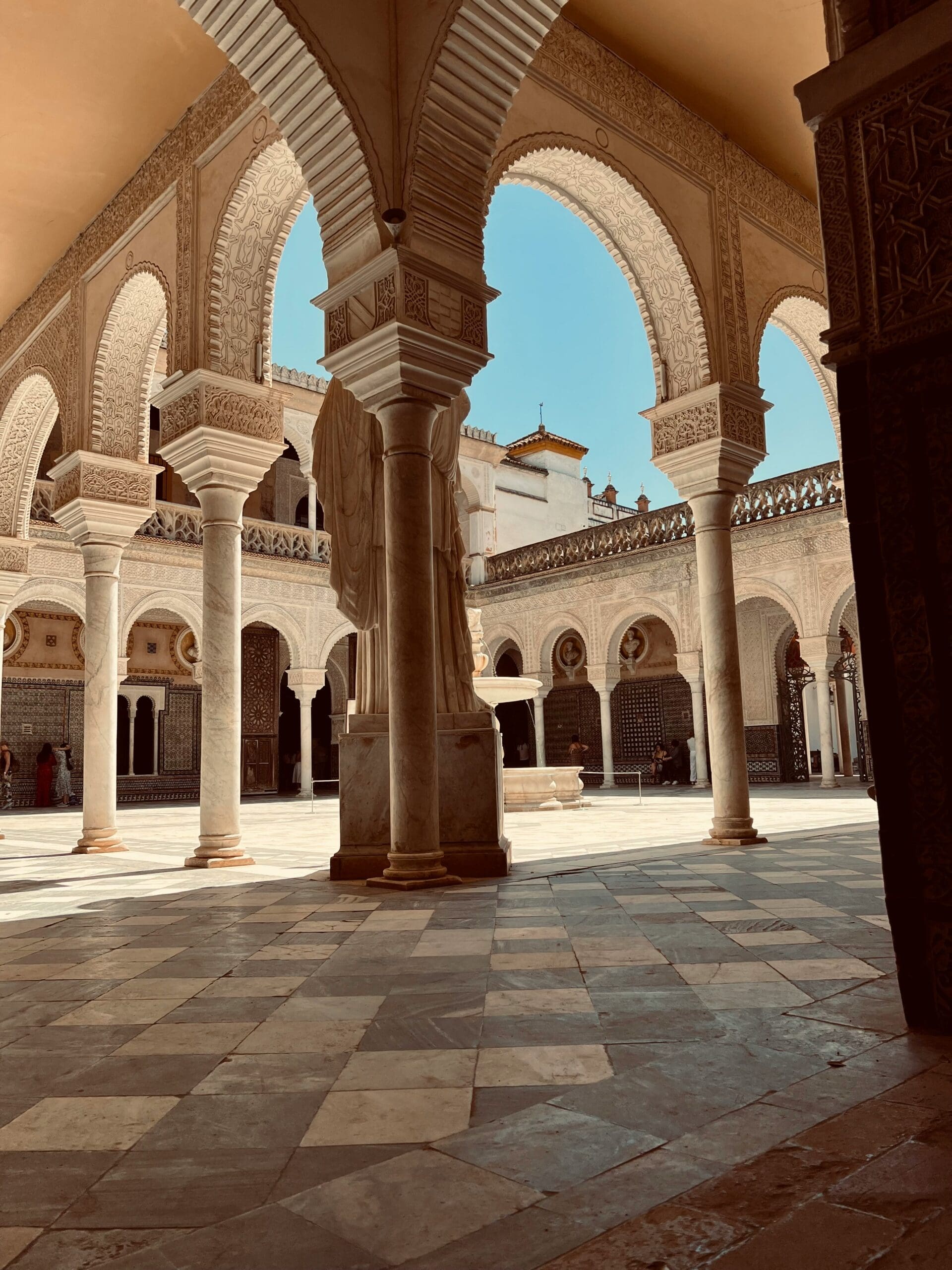
The inner courtyards are masterfully designed, bearing witness to the skillful craftsmanship of their builders. They are adorned with colorful azulejos that display fascinating patterns and colors. These ceramic tiles are characteristic of Mudéjar architecture and lend the courtyards a unique flair.
by Raffaele Mainini (https://unsplash.com/@raffi96)
An impressive highlight is the central courtyard, surrounded by elegant marble columns. This sophisticated architecture conveys a sense of elegance and grace. The clean lines and symmetrical arrangement enhance the tranquility that the courtyard exudes.
The gardens of the Casa de Pilatos are just as enchanting, with lush vegetation and a meticulously planned layout. Visitors can stroll among orange trees and fragrant flowerbeds. These gardens offer a touch of paradise and invite you to linger.
A special feature of the gardens is the subtle incorporation of water into the design. Small fountains and streams create a refreshing and relaxing atmosphere. These elements reflect the traditional Moorish approach to garden design.
The calm, meditative atmosphere of the courtyards and gardens offers a perfect setting for relaxation and reflection. They exemplify the fusion of art and nature that has been so impressively achieved in the palace. These areas are not only a retreat but also a feast for the senses.
Visitors to the Casa de Pilatos will be enchanted by the beauty and tranquility of these oases. The skillful integration of art and nature impressively demonstrates how Andalusian architecture combines the best of both worlds. It becomes clear why the palace is an indispensable destination in any Seville travel guide.
Works of art, sculptures, and collections
Casa de Pilatos houses a remarkable collection of artworks and sculptures that will amaze visitors. These collections reflect the rich artistic and cultural tradition that is nurtured in Seville. The palace is a true treasure trove for art lovers and history enthusiasts alike.
Upon entering the Casa de Pilatos, guests are greeted by ancient Roman sculptures, meticulously collected over the years. These sculptures showcase the craftsmanship and artistic genius of the old masters. They bear witness to the great importance the Medinaceli family placed on art.
A particularly impressive element of the collections is the paintings adorning the palace walls. These paintings include works by masters of the Spanish Renaissance and offer insight into the artistic currents of the time. The diversity of styles in the collection illustrates the wide range of influences that shaped the art of the era.
The Casa de Pilatos is also known for its magnificent ceiling paintings and woodwork. These ornate details are a testament to a skill passed down through generations. The artisans who created these works left a legacy of fine design and craftsmanship.
Collection Highlights:
- Ancient Roman SculpturesPieces that reflect the history and power of antiquity.
- Paintings of the Spanish RenaissanceWorks that combine artistic mastery and historical significance.
- WoodworkingElaborate ceiling decorations that celebrate the art of wood carving.
- Wallpaper and textilesFinely crafted fabrics that highlight the elegance of the past.
The collection at Casa de Pilatos is not just a presentation of artworks, but also a window into history. It offers visitors the opportunity to experience Seville's cultural and artistic golden age firsthand. These remarkable pieces tell stories of power, beauty, and a deep understanding of art. The interplay of sculpture, painting, and intricate details makes a visit to Casa de Pilatos an unforgettable experience.
The Casa de Pilatos as a Film Location and Venue
The Casa de Pilatos has not only established itself as a significant sight in Seville but also as a popular film location. Its impressive architecture and rich history make it an ideal backdrop for many historical films. The combination of Gothic, Mudéjar, and Renaissance elements creates a unique atmosphere.
Several famous films were shot here, including the renowned classic „Lawrence of Arabia.“ This film used the magnificent rooms and gardens of the Casa de Pilatos to depict exotic locations. The architectural details and authentic atmosphere lend authenticity and depth to these productions.
In addition to its role in the film industry, the Casa de Pilatos is also a sought-after venue. Its elegant ambiance provides the perfect setting for weddings, cultural events, and exhibitions. The palace is renowned for its ornate courtyards and gardens, which create a romantic and luxurious atmosphere.
By being used as a film set and event venue, the Casa de Pilatos is not only kept alive but also reaches a wider audience. This versatile use contributes to the preservation of the historical structure, showcasing the timeless appeal of the location. Events and filming here are not just a cultural treat, but also a way to bring history to life.
Visitor Experience: Tips for the Tour
A visit to the Casa de Pilatos in Seville is a journey through time. Each room in the palace tells its own story, offering unique insights into the Spanish Renaissance and Andalusian architecture. The tour often begins in the magnificent main courtyard, from which visitors can move to various wings of the palace.
For the optimal visitor experience, it is recommended to arrive early to avoid large crowds. The best times are right at opening or later in the afternoon, when most tourists have already left the premises. This way, you can explore the impressive structures and gardens in peace.
from mana5280 (https://unsplash.com/@mana5280)
Allow enough time to visit all areas of the palace. The Casa de Pilatos offers not only architectural wonders but also impressive art collections. A guided tour can provide additional insights and historical information that enrich the visit.
An important point is to wear comfortable shoes. The facility is extensive, and many paths and walkways can be uneven. Additionally, coolness inside and sun in the garden create changing temperatures, making layered clothing advisable.
The artfully tiled courtyards and the marble staircase leading to the upper floors deserve special attention. These areas offer fascinating photo opportunities and are symbols of the artistic splendor of the era. Visitors should always be mindful not to use flash photography to protect the delicate surfaces.
Here are some tips to make the most of your visit:
- Appear early Best right at opening or later in the afternoon.
- Dress comfortably: Wear comfortable shoes and dress in layers.
- Photography Use natural light and avoid flash photography.
- Participate in leadership: Guided tours offer valuable insights and historical backgrounds.
- Schedule time Take your time to explore all the areas.
During the tour, visitors should also enjoy the tranquil gardens, which offer a welcome respite from the urban hustle and bustle. The gardens are meticulously maintained and offer numerous nooks for enjoying the peace and admiring the beauty of the surroundings.
A final visit to the small museum at Casa de Pilatos can complete the experience. Here, visitors will find interesting exhibitions and documentation that delve deeper into the history of the palace. A tour through Casa de Pilatos is therefore not only a trip into the past, but also an inspiring experience for all the senses.
Practical Information for Visitors
A visit to the Casa de Pilatos should be well-planned to make the experience optimal. The palace's opening hours vary depending on the season, so it is advisable to check the current times in advance. There are both regular and reduced admission prices, which differ depending on age group and nationality.
The accessibility of the Casa de Pilatos is another important aspect. It is located in the heart of Seville and is easily accessible by public transport. Visitors can use public buses or trams to get to the palace without any problems. Alternatively, taxis and bicycle rentals are also a practical option.
There are no food and beverage services within the Casa de Pilatos, so visitors should plan ahead for dining. However, numerous cafes and restaurants can be found in the surrounding area, offering a wide variety of culinary options.
For a stress-free visit to the Casa de Pilatos, please consider the following tips:
- Tickets: Purchase your tickets in advance online.
- Arrival Use public transport or other sustainable travel options.
- Catering Plan meals at nearby establishments.
- Photography: Please observe the palace's photography rules.
- Accessibility: Find out about the facility's accessibility.
It is important to note that the palace does not have special provisions for people with limited mobility. Unfortunately, the historical structures limit access to some areas. Visitors with specific needs should inquire in advance and request assistance if necessary. Helpful staff on site can provide additional information and support.
The Casa de Pilatos is an outstanding destination for culturally interested travelers. With the right preparation, a visit to this attraction in Seville will be an unforgettable experience. Good planning allows you to fully enjoy the architectural beauty and rich history of the palace.
Casa de Pilatos in the context of Seville attractions
Seville is rich in culture and history, and the Casa de Pilatos plays a central role here. It is a magnificent example of Andalusian architecture, reflecting the influence of the Spanish Renaissance. Amidst palaces, cathedrals, and gardens, the Casa de Pilatos seamlessly fits into Seville's list of top attractions.
The palace offers more than just architectural splendor. It provides insights into the lifestyle of the 16th-century Spanish aristocracy. In addition to its impressive design, the palace's historical significance is another highlight for tourists. Historians and architecture enthusiasts alike will find plenty to appreciate here.
Near Casa de Pilatos, numerous other attractions can be found. These include the famous Seville Cathedral, the Royal Alcázar, and the Plaza de España. This combination of historical and cultural attractions makes Seville a fascinating city for explorers.
Here is a short list of nearby attractions in Seville that can complement your visit:
- Seville Cathedral An impressive example of Gothic architecture.
- Alcázar of Seville A magnificent royal palace complex.
- Plaza de España Famous for its breathtaking architecture and picturesque walks.
- Metropol Parasol: A modern architectural approach in a historical context.
The Casa de Pilatos offers an ideal complement to these attractions. It allows travelers to experience the versatility of the city of Seville in a compact yet comprehensive visit. The combination of history, architecture, and art makes it an indispensable part of any trip to Seville. The Casa de Pilatos is not just a palace but also a focal point in the city's rich cultural tapestry.
Conclusion: Why the Casa de Pilatos is a must-see
The Casa de Pilatos is more than a historic palace; it is a window into Seville's rich and diverse past. Its architecture is unique, reflecting a harmonious blend of Gothic, Mudejar, and Renaissance styles. This architectural diversity makes the palace a remarkable example of Andalusian construction.
A visit to the Casa de Pilatos is also an immersion into the world of Spanish aristocracy. It provides insight into the lives of the Dukes of Medinaceli, whose influence and prosperity are evident in every corner of the palace. The magnificent courtyards and artful gardens invite a stroll through history and culture, offering moments of tranquility amidst the city.
Furthermore, the impressive collection of artworks and ancient sculptures enriches the cultural experience. Visitors can intimately experience the beauty of the Spanish Renaissance and appreciate the country's artistic heritage. Regular cultural events also help to keep the Casa de Pilatos vibrant and relevant.
The central location in the historic center of Seville makes Casa de Pilatos easily accessible. For anyone visiting Seville, the palace offers an unparalleled blend of architecture, history, and art. Casa de Pilatos is undoubtedly a must-see for all those who wish to discover the cultural and historical depth of Andalusia.