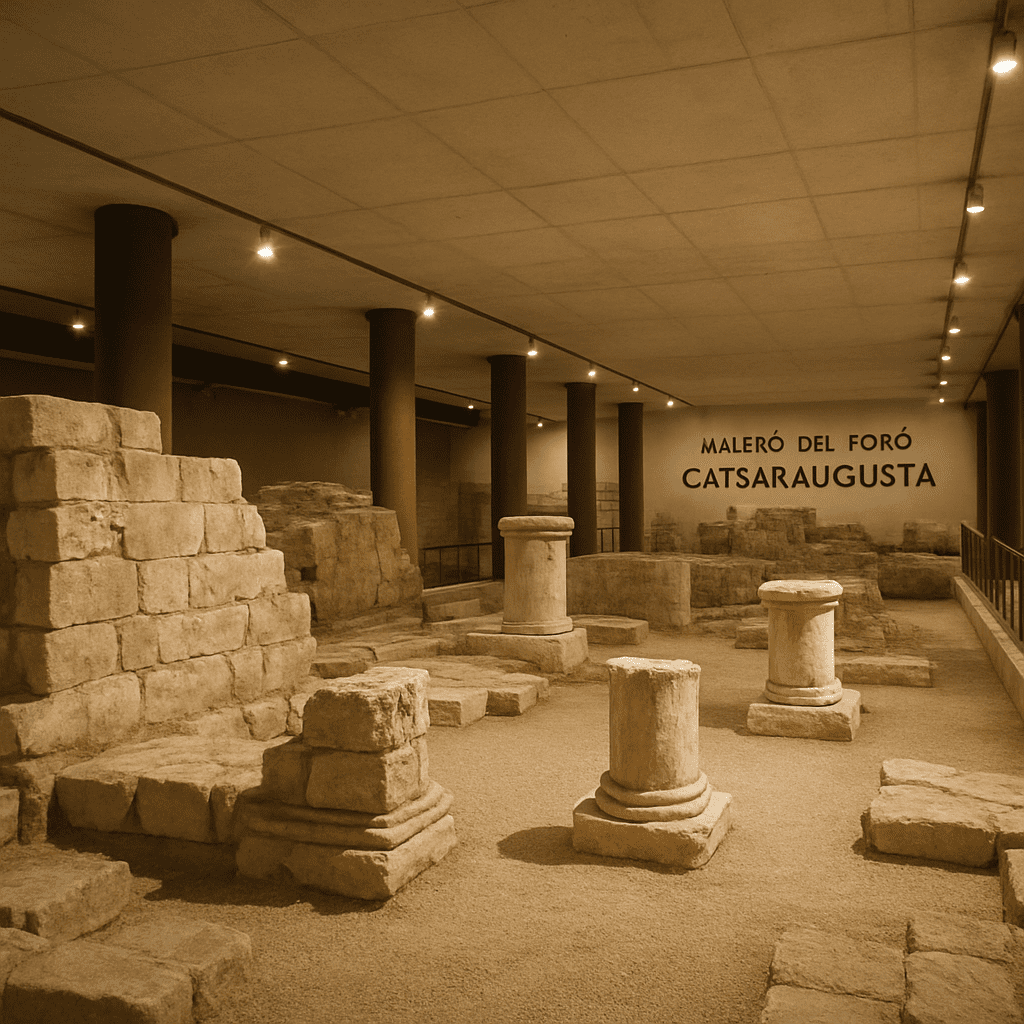
The Museum of the Forum Caesaraugusta is a fascinating place that delves deep into Roman history. Located in the heart of Zaragoza, Spain, it stands as a significant piece of the city's cultural heritage. This museum offers a unique opportunity to explore the remnants of a Roman colony and learn about life in ancient times.
Zaragoza, once known as Caesaraugusta, was a thriving Roman city. The Forum was the center of political and economic life. Today, visitors can marvel at the impressive Roman ruins, which bear witness to its former glory. Foundations, streets, and buildings tell stories from a time long past.
The Museum of the Forum of Caesaraugusta is part of a network of museums that highlight the Roman history of the region. It not only displays archaeological finds but also offers interactive exhibits and audiovisual presentations. These modern elements help bring the past to life and deepen the understanding of Roman culture.
Archaeological finds such as coins, ceramics, and sculptures are exhibited in the museum. They offer insights into the daily lives of Roman citizens. These artifacts are not only of historical value but also of artistic significance. They demonstrate the craftsmanship and aesthetic sense of the Romans.
The museum is an example of the successful integration of modern architecture into historical sites. It is accessible and offers guided tours in multiple languages. This accessibility makes it a popular destination for tourists and locals alike. It is a place of education and cultural exchange.
Visitors can learn more about Roman religion, culture, and legal systems. The museum offers special programs and workshops for schools and children. These educational offerings foster an awareness of the importance of cultural heritage and inspire the next generation of history and archaeology enthusiasts.
The Museum of the Forum of Caesaraugusta is a significant site for understanding the Roman presence in Spain. It is a model for sustainable tourism and heritage preservation. The conservation and presentation of these ancient sites are invaluable to the cultural identity of Zaragoza.
The museum collaborates with international institutions for archaeological research. This collaboration promotes the exchange of knowledge and research findings. There are regular special exhibitions that highlight different aspects of Roman history. These events attract history enthusiasts from all over the world.
Overall, the Museum of the Forum of Caesaraugusta is a place of discovery and learning. It offers a platform for intercultural dialogue and promotes cultural diversity. Visitors can not only explore the Roman past but also trace the development of the city of Zaragoza from antiquity to the present day.
History and Significance of the Forum of Caesaraugusta
The forum of Caesaraugusta plays a central role in the history of the city of Zaragoza. This Roman colony was founded in the 1st century BC, in honor of Emperor Augustus. The city became a thriving center of the Roman world, which is reflected in the magnificent architecture of its forum. The forum served as the heart of the city, acting as both its political and economic center.
In Roman city planning, the forum was the place where public assemblies took place. It was also the place where important urban buildings were erected. These included temples, basilicas, and administrative buildings, which demonstrated the power and influence of the Roman Empire. It also served as a marketplace where merchants and residents gathered to exchange goods.
The Forum of Caesaraugusta is a symbol of Roman engineering and urban planning. The remains, visible today in the museum, bear witness to the sophisticated construction methods of the Romans. The architecture of the forum was characterized by large open spaces, colonnades, and magnificent buildings. These structures not only reflect the aesthetic preferences of the Romans but also their technical skills in construction.
Key aspects of the Forum of Caesaraugusta:
- Political centerPlace for Senate meetings and political decisions.
- MarketplaceTrading post for goods from various regions.
- Religious centerTemples for the worship of Roman gods and deities.
- Cultural exchangeMeeting point for citizens from different backgrounds.
- Community CenterScene of public speeches and celebrations.
The significance of the forum extended beyond its physical structures. It also represented the social and cultural fabric of Roman society in Caesaraugusta. The forum was a meeting place where people not only conducted business but also exchanged ideas and maintained cultural practices.
Thanks to extensive archaeological research, historians have gained valuable insights into daily life in ancient Caesaraugusta. The ruins preserved in the museum offer evidence of the city's craftsmanship, art, and economic activities. Coin discoveries and inscriptions tell of the Roman administration and the legal system that provided structure and order to its citizens.
The research and conservation of the Forum was an international effort, involving experts from around the world. These endeavors aim to preserve the Forum for future generations and utilize it as an educational resource. The structure and condition of these sites offer researchers the opportunity to test and validate hypotheses about the Roman Empire.
The Forum of Caesaraugusta is more than just a historical ruin; it is a living testament to Roman civilization in Spain. Its preservation allows us to paint a more comprehensive picture of the cultural and political landscape of ancient Rome. With its rich history and archaeological significance, the Forum remains a central point in the study of Roman history.
The Roman Ruins: Insights into Ancient Zaragoza
The Roman ruins displayed in the Museum of the Forum of Caesaraugusta offer fascinating insights into life in the ancient city. These remnants are more than just old stones; they are windows into a time when Caesaraugusta was a thriving Roman colony. The ruins tell stories of daily life, architecture, and the rich social fabric that shaped the city.
A particularly noteworthy aspect of the ruins is the preservation of foundations and road structures. They show how the city was planned and organized. The architecture reflects the Roman fondness for magnificent public buildings. The preserved structures reveal the extent of urban planning and the importance of public spaces for the citizens.
The ruins include foundations of buildings used for various functions. For instance, remains of commercial buildings are found, emphasizing the forum's role as an economic center. These buildings provided space for markets where merchants offered exotic goods from different parts of the Roman Empire. Such trade activities contributed to Caesaraugusta's thriving economy.
Remarkable Aspects of the Roman Ruins:
- Road structuresWell-preserved paving that represents traffic routes.
- Building foundationsWitnesses of commercial, residential, and administrative buildings.
- Public spacesSpaces for meetings and social events.
- Aqueduct foundationsEvidence of Roman water infrastructure.
- Colonnades and archesThey show architectural refinement and Roman building style.
The ruins also offer insights into the social life and cultural practices of Roman citizens. Festivities and ceremonies took place in the public squares, where the community gathered. Religious rituals were also held there, which illustrates the central role of the forum in public and religious life.
The preservation of these ruins was the result of extensive archaeological work. Experts have recovered numerous findings that contribute to the understanding of the Roman presence in Spain. The integration of modern techniques into conservation practices has made it possible to preserve and make these treasures of antiquity accessible. Such efforts secure cultural heritage for future generations.
For museum visitors, the ruins are a living lesson in Roman history and architecture. They offer a unique access to the past and allow visitors to imagine the city during the time of the Romans. The condition of the ruins and the way they are presented set standards in archaeological museum practice. Visitors can not only admire the physical structures but also understand the complex interplay of culture, economy, and religion that shaped ancient Caesaraugusta.
Archaeological Finds and Their Significance
The archaeological finds in the Museum of the Forum of Caesaraugusta are invaluable for understanding the Roman presence in Spain. These findings come from various areas of the ancient forum and include everyday objects, works of art, and religious artifacts. Each of these items tells a unique story about life in the ancient colony, now known as Zaragoza.
A significant find includes numerous coins that shed light on the Roman economy and trade in Caesaraugusta. These coins, often minted with the likeness of Emperor Augustus and other rulers, bear witness to the political power structure of the time and the far-reaching trade relations. They also demonstrate how the city was embedded within the larger Roman Empire and benefited from its economic strength.
In addition to the coins, the collection includes a rich variety of ceramics. These artifacts offer insights into the daily lives of Roman citizens. From simple household items to decorated serving ware, they reflect both the functional and aesthetic tastes of the time. These ceramics are often intricately designed and provide clues about the culinary habits and social life of the inhabitants.
Important archaeological discoveries:
- CoinsShow trade, economy, and political structures.
- CeramicsEveryday objects that offer insight into Roman life.
- SculpturesArtistic expressions reflecting religious and cultural influences.
- InscriptionsLatin texts that provide information on administration and law.
- RelicsReligious artifacts documenting the spiritual practices of the Romans.
Sculptures and inscriptions are also crucial finds that the museum offers. Some sculptures depict gods and mythological scenes, highlighting the importance of religion and mythology in Roman culture. Inscriptions, often in Latin, provide valuable insights into the administrative organization and legal system of the city.
The diversity of these findings illustrates the complex nature of Roman society in Caesaraugusta. Each artifact has contributed to the reconstruction of a picture encompassing both everyday practices and significant events. The ability to travel through these discoveries allows us to bring to life past structures, norms, and ways of life.
The significance of these finds goes beyond mere historical curiosity. They make a substantial contribution to our understanding of Roman history and serve as valuable educational resources. The Museum of the Forum of Caesaraugusta makes these rich finds accessible and promotes a deeper understanding of the ancient world. Through exhibitions and educational programs, the museum ensures that these treasures are not only preserved but also actively incorporated into ongoing research on Roman culture.
The Caesaraugusta Museum: Architecture and Modern Presentation
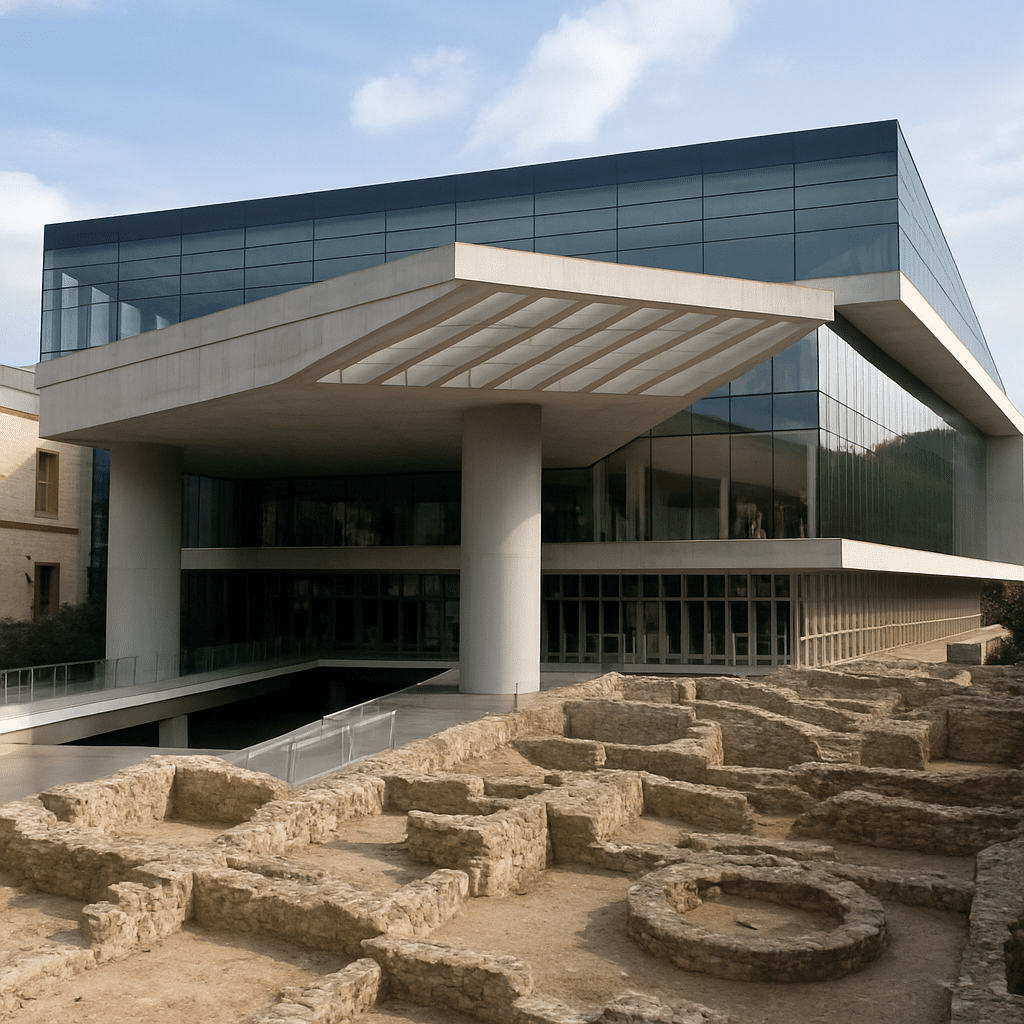
The Museum of the Forum of Caesaraugusta is not only a place of historical discovery but also an outstanding example of modern architecture. It was designed to integrate the ancient ruins without compromising their historical integrity. The combination of glass, steel, and concrete creates an appealing environment that gives precedence to the archaeological finds while meeting modern aesthetic standards. This architecture allows for a respectful presentation of Roman heritage, while offering visitors a sense of continuity between the past and the present.
A central aspect of the museum's presentation is the use of cutting-edge technology. Interactive screens and audiovisual aids bring Roman history to life in a vivid way. Visitors can experience virtual reconstructions of the ancient forum and access detailed information about each exhibited object. Such technologies bring the past to life and offer an immersive experience that is both educational and entertaining. This fusion of old and new makes the museum a place that celebrates technology as a means to enhance its historical heritage.
Access to the ruins is facilitated by a carefully designed walking tour. The path guides visitors through various sections of the ancient forum and draws their attention to important architectural and historical details. Transparent platforms and bridge structures allow visitors to literally walk over the ruins and view them from every angle. This innovative design fosters a deeper understanding of Roman architecture and urban planning. It enables guests to lose themselves in a kind of journey through time, where they can grasp the scale and influence of Roman civilization on modern-day Zaragoza.
The museum has set itself the goal of conveying knowledge not only through exhibits but also through its environment. The architecture itself communicates the connection between past and present. Visitors experience a journey that not only transports them back to Roman times but also brings them closer to the lasting significance of this era for the modern world. Every corner of the museum tells a story, inviting visitors to ask questions and learn more about their cultural origins. The Museum of the Forum of Caesaraugusta is more than a collection of ancient stones; it is a vibrant center of learning and discovery.
Interactive Exhibitions and Educational Programs
The Museum of the Forum of Caesaraugusta offers a remarkable array of interactive exhibitions, providing visitors of all ages with a profound understanding of Roman history. These exhibitions incorporate cutting-edge technologies to make learning engaging and captivating. Visitors are given the opportunity to delve deep into ancient life through interactive screens, experiencing themselves as part of the Roman community of Caesaraugusta. Virtual tours, 3D reconstructions, and interactive maps make these journeys into the past both exciting and educational.
Another outstanding feature of the museum is its wide range of educational programs. Specially designed workshops and guided tours are aimed at students, teachers, families, and history enthusiasts. These programs are designed to foster curiosity and answer deeper questions about Roman times and their influence on the present. The museum's experts are always available to provide educational support and offer visitors rich context on daily life in antiquity. This opportunity to receive direct, firsthand information enhances the museum visitor's experience and understanding.
The following is a list of some of the museum’s key educational programs:
- School workshopsWith special programs for different age groups.
- Family toursGames and activities that are exciting for both children and adults.
- Student coursesAdvanced study programs for universities and other educational institutions.
- Public Lectures: Regular events on various topics in Roman history.
- Online ResourcesInteractive platforms and e-learning modules for distance learners.
In addition to these formal educational programs, the museum promotes the importance of informal learning through its engaging exhibitions and resources. It offers visitors the freedom to explore and learn at their own pace. With the availability of multimedia materials and educational apps, visitors can further personalize their experience. Whether it’s learning more about Roman customs, architecture, or social structure, the museum ensures that every visit is informative and inspiring. The museum’s commitment to making knowledge accessible and entertaining underscores its mission to keep Roman heritage alive and inspire future generations.
Practical Information for Visitors
The Museum of the Forum of Caesaraugusta is centrally located in the vibrant city of Zaragoza, a city known for its rich history and cultural diversity. It is open year-round and offers flexible hours that vary by season to accommodate visitors’ needs. The museum’s central location makes it easily accessible to locals and tourists alike. For those traveling by public transportation, there are numerous bus and tram stops nearby. There is also ample parking available for visitors arriving by car.
The museum places special emphasis on providing an accessible and inclusive experience for all visitors. It is fully designed to be barrier-free, ensuring that even individuals with mobility impairments can easily explore the Roman ruins and exhibits. The institution also offers guided tours in multiple languages, including English, Spanish, and German, to cater to international visitors. These tours are a great way to gain in-depth insights into Zaragoza's ancient heritage and bring history to life.
Here is some useful information that can enrich your museum visit:
- Operating hoursMonday to Friday from 10:00 AM to 8:00 PM, on weekends from 10:00 AM to 6:00 PM.
- Admission Prices: Discounted rates for children, students, and seniors.
- ToursAvailable in multiple languages; advance booking recommended.
- AccessibilityThe museum is wheelchair accessible and offers accessible restrooms.
- LocationNear major attractions such as the Basilica del Pilar and the Aljafería Palace.
- Additional facilitiesA well-equipped cafeteria and a souvenir shop are available.
In addition to its physical exhibitions, the museum also offers a wide range of digital resources. These are accessible via the museum’s official website and allow visitors to plan their visit or delve deeper into the subject matter after their visit. There is also an app that provides interactive content and in-depth information to make exploring the exhibition an even more immersive experience. It is a state-of-the-art tool that complements and enhances the museum experience.
The Museum of the Forum of Caesaraugusta is not just a place to explore the past, but also a space for encounters and cultural exchange. Regular events, special exhibitions, and workshops contribute to the vibrant museum atmosphere and offer additional learning opportunities. For history enthusiasts, families, and tourists, the museum is a must-see and an exceptional opportunity to experience the impressive archaeological finds and Roman ruins up close. With its unique blend of history, education, and entertainment, the museum remains a highlight in Zaragoza's historical landscape.
The museum is part of the network of Roman museums in Zaragoza
Zaragoza is home to a fascinating collection of Roman sites, integrated into a network of museums. These museums offer a comprehensive glimpse into Roman life in the ancient city of Caesaraugusta. The Museum of the Caesaraugusta Forum is a central component of this network, connecting the various historical sites throughout the city. In addition to this museum, the Theater Museum, the River Museum, and the Public Baths Museum are also part of this remarkable cultural network. Together, they provide an in-depth look into the region's Roman heritage, allowing visitors to embark on a journey through time.
The Roman museums of Zaragoza work closely together to offer a coherent and rich educational experience. Through a coordinated approach, they manage to convey the versatility and complexity of the Roman presence in the region. Each institution brings its unique finds and perspectives, which together paint a complete picture of Roman civilization. From architecture and daily life to economic and social structures, the museums offer a remarkable opportunity to explore the various aspects of the Roman era.
The Museum of the Forum of Caesaraugusta is particularly proud of its role within this network. It not only acts as a showcase for Roman ruins but also as a platform for collaboration and knowledge exchange among the various institutions. Through this networking, the museum gains access to a broader database of archaeological findings and can continuously develop new, innovative exhibition methods. This not only promotes an understanding of the past but also the preservation of cultural heritage for future generations. Visits to these museums are designed to be both educational and inspiring, highlighting the rich Roman history of this fascinating city.
Research, Innovation, and International Cooperation
The Museum of the Forum of Caesaraugusta sees itself not only as a guardian of ancient history, but also as an active center for archaeological research and scientific innovation. The museum works closely with national and international universities and research institutions. Through these partnerships, new projects dedicated to the study of Roman history and culture are continually initiated. The results of this research help to more thoroughly understand and document the stories behind the Roman ruins and archaeological finds.
The museum's international cooperation promotes the exchange of scientific knowledge and cultural perspectives worldwide. This approach not only incorporates the latest archaeological methods and techniques but also fosters cross-cultural insights. This creates valuable synergies that deepen and expand the understanding of Roman civilization. The collaboration also aims to develop innovative approaches to presenting archaeological finds, making them more accessible to a broader audience.
A list of selected research and innovation projects could look like this:
- International Conferences and Workshops on Roman History
- Digital Archiving Projects of Archaeological Finds
- Exchange programs for archaeology students
- Publications and scientific studies on new discoveries
- Seminars on Restoration Techniques for Ancient Artifacts
By combining research, innovation, and international collaboration, the museum makes a significant contribution to the archaeological community. It not only promotes understanding of the Roman past but also actively contributes to its preservation and contemporary presentation. Through close cooperation with other institutions and the application of state-of-the-art technologies, the museum remains at the forefront of archaeological research and cultural renewal. This secures its role as a leading center for the study of the ancient world.
Conclusion: A place to encounter Roman history
The Museum of the Forum of Caesaraugusta offers visitors a unique opportunity to immerse themselves in the fascinating world of Roman history. The museum impressively succeeds in bringing ancient Rome into the present day. Through the careful presentation of Roman ruins and archaeological finds, one gains a deep insight into the life and work of that era. This cultural treasure trove in Zaragoza opens windows to the past and tells stories that lay hidden for centuries.
This museum is more than just a collection of artifacts; it is a living space where history becomes tangible. Interactive exhibitions and innovative presentations make ancient Caesaraugusta accessible to visitors of all ages. Such initiatives promote a deep understanding while preserving cultural heritage. They bring back to life the walls of bygone eras, creating a connection between the past and the present that is both educational and inspiring.
In a constantly changing world, the museum reminds us of the importance of history for the present and future. It exemplifies the ability to connect ancient knowledge with modern technologies and create new understanding. In this place of encounter and learning, the past becomes a living dialogue that connects cultures and generations. The Museum of the Forum of Caesaraugusta is therefore not only a milestone in the preservation of Roman history, but also a valuable cultural heritage for the world. Here, visitors walk in the footsteps of the Romans, experience history, and take what they have learned out into the world.