

The Basilica of Our Lady of the Pillar is an architectural gem in the heart of Zaragoza, Spain. This Spanish basilica attracts thousands of visitors annually. It is not only a place of worship, but also a symbol of Spanish culture and history.
The basilica is dedicated to the Virgin Mary, who is venerated here as Nuestra Señora del Pilar. According to legend, the Virgin Mary appeared to the Apostle James at this location. This apparition made the basilica a significant pilgrimage site for Catholics worldwide.
Built in the 17th and 18th centuries, the Basilica is a masterpiece of Baroque architecture. Its impressive domes and towers dominate the skyline of Zaragoza. The interior is richly decorated and houses works by famous artists such as Goya.
The Basilica of Our Lady of the Pillar is not only an architectural marvel but also a place of spiritual renewal. Every year on October 12th, the Feast of Our Lady of the Pillar is celebrated. This festival attracts pilgrims and tourists from all over the world and is a highlight in Spain's religious calendar.
The basilica offers a breathtaking view of the Ebro River. Visitors can climb the domes to enjoy a panoramic view of the city. This experience is a must for anyone visiting Zaragoza.
As a UNESCO World Heritage site, the Basilica is a living testament to Spanish religious traditions. It is a place where history and spirituality converge. The Basilica is a place of peace and reflection, bringing together people from diverse cultures and religions.
The Basilica of Our Lady of the Pillar is easily accessible and located in the heart of the city. It is an important part of Zaragoza's cultural heritage and a symbol of Spanish identity. A visit to this impressive basilica is a journey into the past and an experience not to be missed.
The History of the Basilica of Our Lady of the Pillar
The history of the Basilica of Our Lady of the Pillar is deeply rooted in legend. According to tradition, the Virgin Mary appeared to the Apostle James in the year 40 AD. This apparition is considered the first Marian apparition in the history of Christianity. A chapel was to be built on this site, which later grew into the famous basilica.
The current basilica that we can admire was constructed much later. Construction began in the 17th century and was completed in the 18th century. The foundations of the older chapel were integrated into the new structure. This construction history highlights the significance of the site for believers over the centuries.
During the construction of the basilica, Spain was marked by significant political and religious upheavals. The basilica served as a spiritual anchor amidst these turbulent times. Its construction reflected a desire to strengthen Spain's cultural and religious identity.
Over the centuries, the basilica underwent numerous renovations and expansions. Particularly noteworthy is the addition of the impressive domes and towers. These architectural elements were added in the 18th century and have shaped the basilica's appearance ever since.
The basilica has withstood several historical challenges, including wars and natural disasters. It suffered damage particularly during the Spanish Civil War, but the faith and devotion of the people made its restoration possible. The basilica thus symbolizes not only faith but also the resilience of the people.
Important Events in the History of the Basilica:
- 40 AD: Legend of the apparition of the Virgin Mary.
- 12th Century: First written mentions of the chapel at this location.
- 1681: Construction of the present-day Baroque basilica begins.
- Century: Completion and expansion with domes and towers.
- 1936-1939: Damage during the Spanish Civil War and subsequent restoration work.
The Basilica of Our Lady of the Pillar has evolved over the years into a cultural and spiritual center. Its history is closely linked to the city of Zaragoza and the entire Aragon region. Today, it is not only a place of prayer but also a testament to Spain's rich history and vibrant traditions.
Architecture and Art: A Masterpiece of the Baroque
The Basilica of Our Lady of the Pillar is considered a prime example of Baroque architecture in Spain. Its monumental facade, majestic towers, and elegant structure are characterized by a masterful combination of Baroque and Neoclassical elements. This impressive harmony makes it an architectural jewel of international standing.
Architectural design began under Francisco Herrera el Mozo and was later continued by other prominent architects. The domes are a particularly outstanding feature, with a total of eleven crowning the structure. Each dome is adorned with intricate frescoes that reflect the beauty of Spanish Baroque art.
Inside the basilica, visitors will find numerous artworks created by renowned artists. A particular highlight are the works of Francisco de Goya, who painted two of the domes with frescoes. These paintings are considered among his most important early Baroque works and attract art lovers from all over the world.
The basilica also houses numerous valuable statues and altars. The main altar is adorned with a magnificent statue of the Virgin Mary. This statue is not only a religious symbol but also an artistic masterpiece that draws the attention of visitors. The intricate carvings and decorations on the altar reflect the craftsmanship of the Baroque era.
A tour of the basilica is a journey through art history. Visitors can admire the detailed work of the ceiling frescoes, the masterful sculptures, and the ornate altars. The basilica thus becomes a living museum, showcasing Baroque aesthetics in all their splendor.
Remarkable Works of Art and Architectural Elements:
- The DomesA total of eleven, decorated with frescoes by Goya and other artists.
- The High AltarAdorned with the statue of the Virgin Mary and intricate carvings.
- Goya's FrescoesTwo domes adorn his early works.
- Towers of the BasilicaImpressive towers shape the skyline of Zaragoza.
- OrganHistoric organs played on special occasions.
- Interior facadesRichly decorated with statues and paintings by Baroque masters.
The architecture and art of the Basilica of Our Lady of the Pillar reflect the splendor and ingenuity of an era marked by artistic achievements. The Basilica is not only a place of worship but also a unique showcase of artistic genius. Every corner reveals a new facet to be discovered. It offers a rare opportunity to experience the evolution of Spanish art and architecture in an imposing setting.
The spiritual meaning and religious traditions
The Basilica of Our Lady of the Pillar is a center of spiritual devotion in Spain. Its significance extends far beyond its architectural beauty, as it represents a profound point of faith for believers worldwide. Legend has it that the Virgin Mary appeared to the Apostle James while he was preaching in Spain. This miraculous event is said to have taken place at the site of the present-day basilica, immeasurably increasing its religious value.
An important element of the basilica's spiritual life is the regular services and religious ceremonies. These events offer the faithful an opportunity to pause and practice their faith. The annual festival of Nuestra Señora del Pilar, celebrated on October 12th, holds particular appeal. On this day, countless pilgrims come to Zaragoza to participate in processions and masses and to honor the patron saint of Spain.
The basilica also plays a central role in the lives of pilgrims and visitors from all over the world. Many come to pray, find solace, or simply experience the spiritual atmosphere. The enduring tradition of pilgrimages speaks to the basilica's continued importance as a place of hope and faith. The basilica allows people to connect with the divine dimension and draw new strength.
A visit to the Basilica of Our Lady of the Pillar is also an opportunity to discover Spain's rich religious traditions. It is a meeting place of history, religion, and culture, where the old and new seamlessly blend. Its religious heritage attracts people of all faiths and fosters an exchange that goes beyond the purely spiritual.
Religious traditions and spiritual practices at the Basilica:
- Church servicesRegular Masses and special ceremonies.
- PilgrimagesA significant site for national and international pilgrims.
- Festival of Our Lady of the PillarImportant celebrations on October 12th.
- Places of worshipAreas for quiet contemplation and meditation.
- Religious processionsPart of the festivities in honor of the Virgin Mary.
- Spiritual GuidanceOffers to deepen understanding of faith.
The spiritual significance of the Basilica of Our Lady of the Pillar is deeply rooted in the history and tradition of Spain. It offers a sacred space where believers can strengthen their religious convictions. At the same time, it attracts people who wish to appreciate and experience Spain's cultural and religious diversity. Its spiritual richness makes it an indispensable part of Spanish religious life and an enduring symbol of faith.
The Basilica as a Pilgrimage Destination and Symbol of Spanish Identity
The Basilica of Our Lady of the Pillar is far more than just a building; it is a symbol of Spanish identity. It plays a central role in Spain's rich history. This Baroque church embodies the proud faith and the cultural distinctiveness of the country. Every year, the basilica's impressive domes and towers attract thousands of visitors drawn by its majestic beauty.
Pilgrims from different parts of the world make their way to the Basilica of Nuestra Señora del Pilar to experience one of Catholicism's most significant pilgrimage sites. This sacred place impresses not only with its spiritual atmosphere but is also a place for reflection and renewal. Many pilgrims report profound personal experiences they have had in the basilica. Their experiences are often marked by a sense of enlightenment and an increased connection to their beliefs.
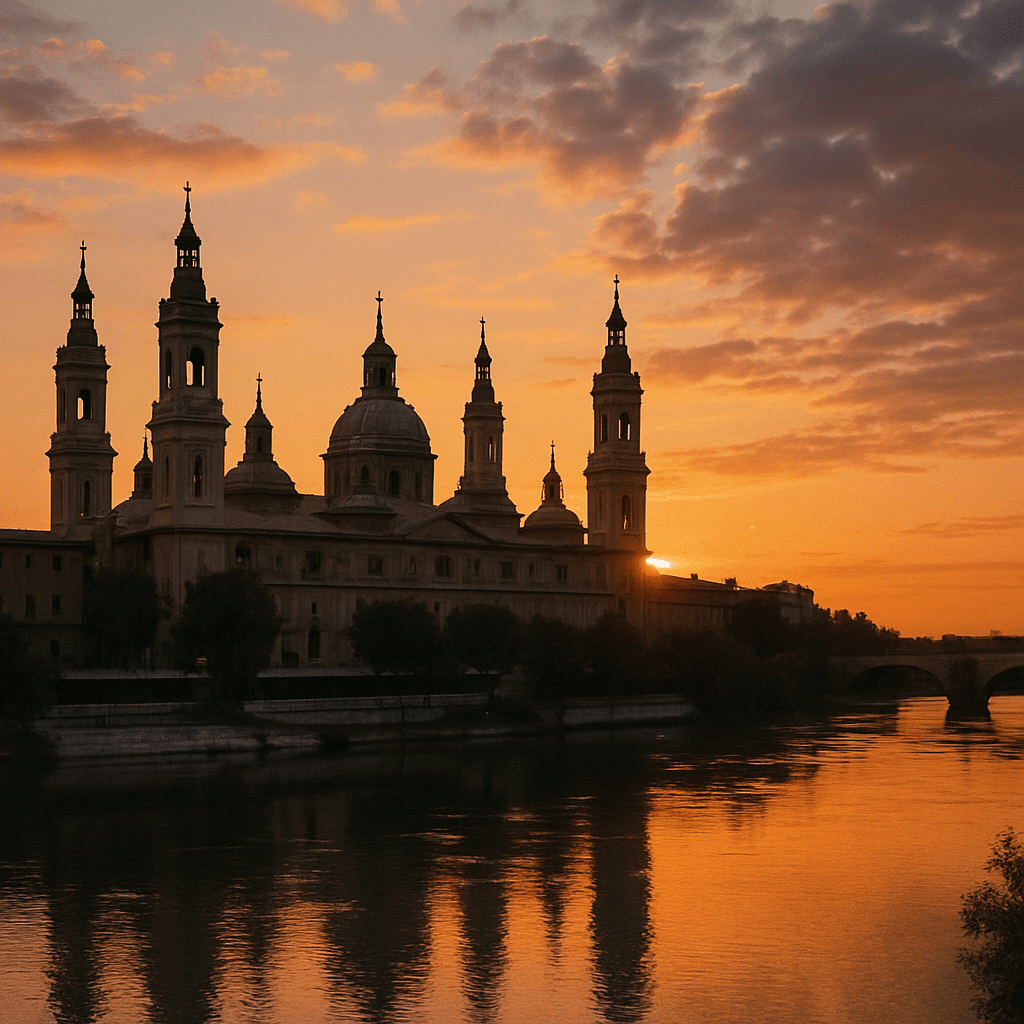
The significance of this Spanish basilica extends beyond religious aspects. It stands as a symbol of Spain's cultural and historical identity. From its architecture and artworks to its history, the basilica is a living museum that reflects Spain's rich tradition. Its construction, which combines Baroque and Neoclassical elements, testifies to the Spanish people's ability to harmoniously blend different artistic influences.
The close connection between the Basilica of Our Lady of the Pillar and the city of Zaragoza is undeniable. As a centerpiece of the city, the Basilica not only attracts tourists but is also of great importance to the residents of Zaragoza. It serves as a meeting point and offers space for cultural events that strengthen the sense of community. This makes it a place that goes far beyond its religious significance and enriches people's daily lives.
Ultimately, the basilica embodies the hope and faith of the people who visit it. It serves as a beacon of steadfast faith and offers a sanctuary in a complex world. The pilgrimage to the basilica is, for many, an expression of the search for inner peace and spiritual renewal. In a constantly changing world, the Basilica of Nuestra Señora del Pilar remains a constant of endurance and faith.
Sights and highlights for visitors
The Basilica of Our Lady of the Pillar is not only a place of faith but also an architectural masterpiece that offers numerous sights. Visitors can look forward to a variety of impressive experiences and cultural discoveries. This Spanish basilica offers more than one might expect at first glance.
One of the most remarkable sights in the basilica is the impressive main dome, adorned with frescoes by the famous painter Francisco de Goya. These frescoes are an exquisite example of 18th-century artistry, bringing Goya's artistic mastery to life. The paintings depict scenes full of expressiveness and rich detail that leave a deep impression on visitors.
In addition to the artistic masterpieces, the statue of the Virgin Mary, known as Nuestra Señora del Pilar, is a central highlight. This small but significant representation of the Madonna is the heart of the basilica and the spiritual center for many believers. The statue is revered by pilgrims and is considered the patron saint of Spain. Its simple beauty and spiritual significance attract people from all over the world.
In addition to its spiritual and artistic richness, the basilica offers a breathtaking panoramic view of the Ebro River. Visitors have the opportunity to climb the basilica's towers for an overwhelming vista of the city and its surroundings. The view from the towers is an unforgettable experience that rewards visitors with a new perspective on Zaragoza.
For those who wish to delve deeper into the history of the basilica and its cultural significance, numerous informational materials and guided tours are available. These offer a comprehensive insight into the past and present of the structure and help to understand the basilica's importance as a historical and religious landmark.
A visit to the Basilica of Our Lady of the Pillar would not be complete without exploring its magnificent chapels and altars. Each chapel tells its own story and is adorned with unique artworks and decorations, reflecting the diversity of religious art in Spain.
Here is a list of the most significant highlights for visitors:
- High altarAn impressive eye-catcher made of marble and gold that surrounds the central statue of the Virgin Mary.
- Goya FrescoesAdmirable on the domes, they are a testament to the art of Baroque.
- Towers with observation decksOffer a spectacular view over Zaragoza and the surrounding countryside.
- Museum of the BasilicaReligious artifacts and historical exhibits are displayed here, telling the story of the basilica.
- Chapels and AltarsEach with its own character, rich in artworks and stories.
- Underground cryptA place of peace, offering pilgrims a special place of worship.
All these sights make a visit to the Basilica of Our Lady of the Pillar an unforgettable experience. Whether for architecture enthusiasts or spiritual seekers, the basilica offers something special for every visitor.
Practical tips for visiting the Basilica
A visit to the Basilica of Our Lady of the Pillar in Zaragoza can be an unforgettable experience if you are well prepared. From the best times to visit to practical information, there are a few things you should know in advance. Here are some tips that can make your visit smoother and more enjoyable.
First, visitors should choose the best time for their visit. The basilica can get particularly crowded on weekends and during religious holidays, such as the feast of Nuestra Señora del Pilar on October 12th. Those who wish to avoid crowds should try to visit the basilica during the week and outside of peak season. Early morning or later in the afternoon are often quieter times that allow for a more relaxed visit.
Wearing comfortable clothing and shoes is also advisable, especially if you plan to climb the towers or spend a long time in the basilica. Although there is no strict dress code, visitors should choose respectful clothing as it is a sacred place. This means that sleeveless tops and very short shorts should be avoided.
To better understand the history and significance of the basilica, a guided tour can be beneficial. Tours are available in several languages and offer not only historical facts but also fascinating anecdotes. Alternatively, audio guides can be rented, which also provide an excellent way to explore the basilica at your own pace.
Here are some more practical tips for your visit:
- Check opening hoursBefore your visit, check the basilica's opening hours as they may vary depending on the season.
- AdmissionAdmission to the basilica is free, but fees may apply for certain attractions such as climbing the tower.
- PhotographyPhotography is permitted in most areas, but please avoid flash photography and tripods. Please respect the privacy of those praying.
- ArrivalUse public transport to reach the city center. The basilica is easily accessible on foot.
- CateringThere are numerous cafes and restaurants nearby, so taking a short break is no problem.
- SouvenirIn the vicinity of the basilica, there are souvenir shops where you can purchase mementos and religious items.
It is especially important to allow enough time to explore the basilica at your leisure. The beauty and grandeur of the architecture and art require time so that you can fully absorb all the details. A planned goal of the visit should not only be to explore the sights, but also to enjoy the spiritual atmosphere that the place offers.
Finally, it is helpful to inform yourself about the current regulations and safety measures, especially concerning health and safety. The Basilica has implemented health and safety protocols to ensure the protection of visitors. Stay informed and plan your visit accordingly to have a relaxed and enriching experience.
The Basilica in the heart of Zaragoza: surroundings and accessibility
The Basilica of Our Lady of the Pillar is located in the vibrant center of Zaragoza, a charming city in northern Spain. With its majestic presence on the banks of the Ebro River, it is a distinctive landmark and easy to find. The city of Zaragoza itself is a lively place that wonderfully blends history and modernity.
Near the basilica, there are many historical and cultural attractions that visitors can easily explore. Directly next to the basilica is the impressive Renaissance building, the Lonja de Zaragoza. This building is often used for art exhibitions and offers another glimpse into the city's rich culture. Plaza del Pilar, a vast public square, is the perfect place to relax and admire the surrounding architecture.
Access to the basilica and Zaragoza is straightforward. The city is well-connected to the national and international rail network, making train travel pleasant. The AVE high-speed train connects Zaragoza with major cities like Madrid and Barcelona in just a few hours. For those traveling by car, there are ample parking options near the city center.
Here are some accessibility and environment tips for the basilica:
- By planeThe nearest airport is Zaragoza Airport, which is about 10 kilometers from the city center.
- By trainThe high-speed trains (AVE) quickly connect the city to Madrid and Barcelona.
- By busThere are a variety of urban and regional bus lines that stop in the center of Zaragoza.
- On footThe basilica is within a pleasant walk from Delicias main train station.
- By bicycleZaragoza is bike-friendly, with numerous bike paths around the city.
Zaragoza is a city that walkers will love. Many of the sights are easily accessible on foot, making a visit to the basilica and its surroundings particularly enjoyable. The wide sidewalks and the picturesque river promenade offer a beautiful backdrop for a relaxed day of exploration.
The neighborhood around the basilica offers a wealth of culinary experiences. Numerous restaurants and tapas bars invite you to enjoy regional cuisine. Traditional dishes like Ternasco de Aragón, a delicious roasted lamb, are especially recommended. Local markets and small shops offer fresh produce and handmade souvenirs to give you a true taste of the local culture.
In summary, the Basilica of Our Lady of the Pillar is not only a significant religious and architectural masterpiece but also a focal point in a vibrant city. Its easy accessibility and the abundance of activities in its surroundings make Zaragoza an ideal destination for travelers seeking to experience rich Spanish culture. Whether interested in history, art, or gastronomy, Zaragoza offers something for every visitor.
Conclusion: A must for every visitor to Spain
The Basilica of Our Lady of the Pillar is far more than just an architectural landmark. It is a living testament to Spanish history and culture. Its unique blend of Baroque and Neoclassical architecture attracts admirers from all over the world. With its central location in Zaragoza, it offers an impressive view of the Ebro River and the surrounding city.
The interior of the basilica impresses with artistic masterpieces, including works by Goya, and offers a deep insight into Spanish religious art. The majestic domes and artfully designed facades tell stories from centuries past, leaving both believers and tourists captivated. The basilica emanates a spiritual atmosphere that creates spaces for peace and reflection.
A visit to the Basilica of Our Lady of the Pillar is essential for any traveler to Spain. It offers not only a journey into the past but also an enrichment of the cultural understanding of Spanish identity. Whether you are a believer, an art lover, or a history enthusiast – the basilica appeals to everyone and remains unforgettable. Its significance extends beyond religion; it is a symbol of faith, hope, and the perseverance of human culture.