

La Seo, or the Cathedral of San Salvador, is an architectural gem in Zaragoza, Spain. This impressive cathedral is a UNESCO World Heritage site. It attracts visitors from all over the world who want to experience its rich history and breathtaking architecture.
The cathedral stands on the remains of a Roman temple complex and a Moorish mosque. This historical layering gives it a unique cultural depth. Construction began in the 12th century and lasted for several centuries, resulting in a fascinating mix of styles.
La Seo is renowned for its impressive tapestries and magnificent altarpiece. These works of art are a testament to Spain's artistic golden age. The cathedral also houses the Museo de Tapices, which displays one of the finest tapestry collections in Europe.
The cathedral's facade is an outstanding example of the Mudéjar style. This style is typical of the Aragon region and reflects the cultural fusion that has shaped Spain. The cathedral's interior is richly decorated with frescoes and sculptures that leave visitors in awe.
La Seo is not only an architectural masterpiece, but also an important place for religious ceremonies and festivals. It plays a central role in the cultural and religious life of Zaragoza. The cathedral's bell tower also offers a breathtaking panoramic view of the city.
La Seo is a popular destination for tourists and pilgrims. The cathedral is a symbol of the city of Zaragoza and its rich history. It is a place where history comes alive and the beauty of Spanish architecture can be admired.
A visit to La Seo is a must for anyone who wants to experience the cultural and architectural diversity of Spain. The cathedral is a place of inspiration and a testament to the resilience and faith of the people of Zaragoza.
The History of La Seo: From its Origins to the Present Day
The history of the La Seo Cathedral is a fascinating chapter of Spanish culture. Its location, in the heart of Zaragoza, tells of diverse eras and influences. Originally intended as a Roman temple, it marks the layers of history embedded in its walls.
In the 8th century, the Roman temple was replaced by a Moorish mosque. This mosque was an important religious center in Al-Andalus. The transformation into a Christian cathedral began after the reconquest, as part of the Reconquista, when Zaragoza was conquered in 1118.
Construction of the cathedral began in the 12th century under the Aragonese kings. However, it took several centuries for the complex structure to be completed. This long building project resulted in an impressive mix of architectural styles, which is what makes the cathedral so unique today.
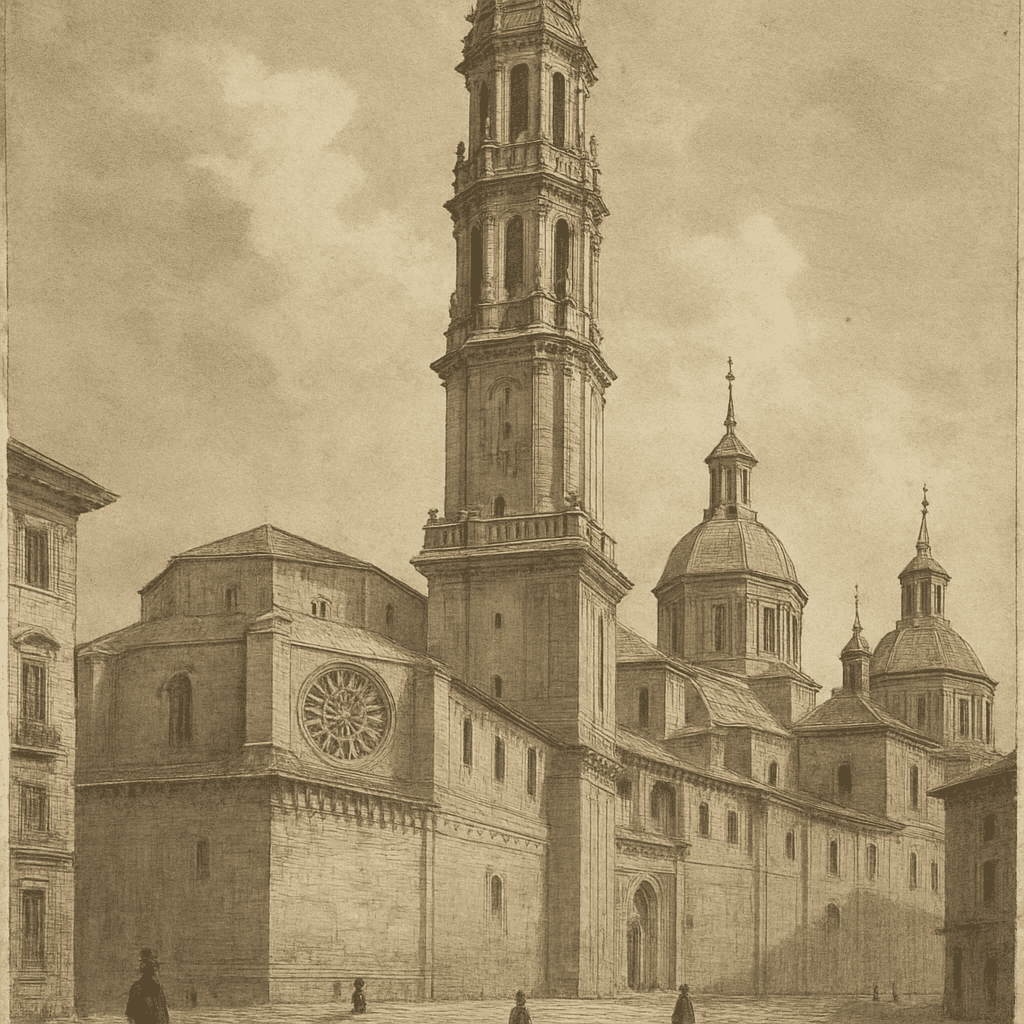
The cathedral underwent several renovations and expansions, shaped by various influences. From the Romanesque style of the early structure to the Gothic elements of the 14th century. Over the centuries, Mudéjar and Baroque elements were added, reflecting Spain's cultural fusion.
La Seo was often a center of political and religious power struggles. It played an important role in the history of Aragon. Royal coronations, synods, and significant religious celebrations took place here. In the 17th century, the cathedral also witnessed military sieges and conflicts.
In the 20th century, an extensive restoration of the cathedral began. This aimed to preserve the historical elements and stabilize the structure. The restoration has revived the grandeur of the cathedral and preserved it for future generations.
Today, La Seo is a vibrant testament to the history of Spain and the Aragon region. It attracts visitors who wish not only to admire its aesthetic but also to discover the historical stories interwoven in its stones. The cathedral remains a symbol of the religious and cultural diversity that has shaped Spain for centuries.
Architecture and Art: Unique Styles and Masterpieces
The architecture of La Seo Cathedral is a unique mosaic of styles. From Romanesque foundations to Baroque spires, it unites different eras. This blend makes it an exceptional example of Spanish architecture.
The cathedral's Romanesque origins are recognizable in its oldest sections. The thick walls and round arches date back to the 12th century. These elements exude a calm strength that brings the past to life.
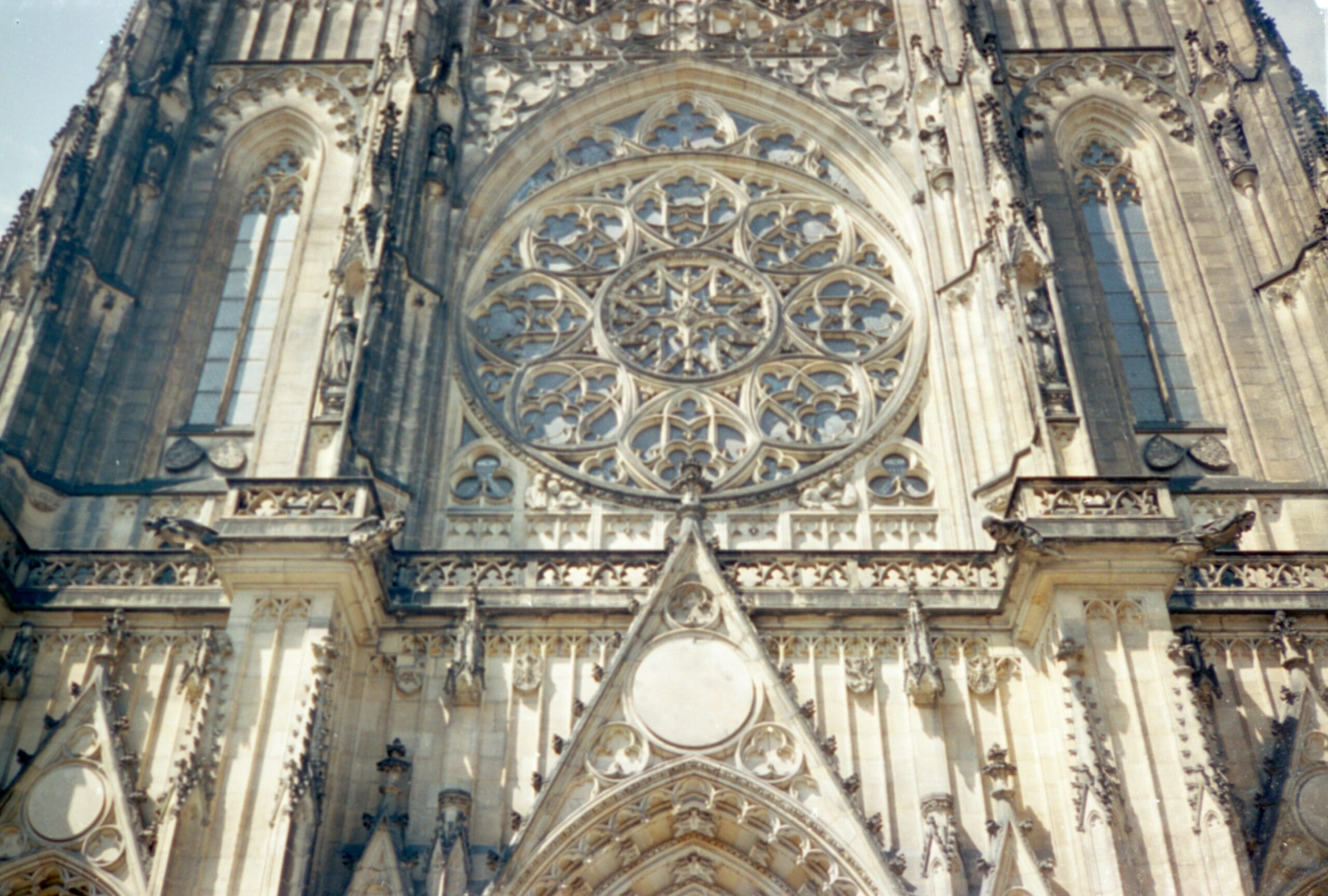
The Gothic influence that was added in the 14th century gave the cathedral a vertical elegance. Pointed arches and intricate windows are typical features of this style. They create a sense of grandeur and openness that enlivens the interior.
The Mudéjar style is a characteristic feature of the cathedral. It reflects Islamic influences in Spanish architecture. It is particularly visible on the eastern exterior facade. Here, geometric patterns and intricate ornamentation merge.
by Annie Spratt (https://unsplash.com/@anniespratt)
In the 18th century, the cathedral received Baroque elements. These magnificent accents can be found in the altars and chapels. They lend the cathedral an opulent radiance that reflects the richness of the Spanish Baroque.
Main features of the architecture of La Seo:
- Romance elementsStrong walls and arches.
- Gothic influencesPointed arches and large windows.
- Mudéjar DesignGeometric patterns and arabesque details.
- Baroque ornamentsOrnate altars and decorative sculptures.
The art in the cathedral is just as remarkable. La Seo houses one of the most important collections of religious art in Spain. Particularly striking is the altarpiece in the main nave, a masterpiece of Gothic art.
The tapestries in the cathedral are also priceless. These artworks from different eras tell biblical stories and historical events. Each tapestry is a testament to the craftsmanship of its time.
The combination of different art styles gives the cathedral a special atmosphere. Frescoes, sculptures, and paintings adorn the walls and ceilings. They create an impressive visual experience that transports visitors to another time.
The La Seo Cathedral is not just an architectural masterpiece. It is also a living gallery of art history. Architectural styles and artistic masterpieces merge into a harmonious whole.
In its diversity, the cathedral shows the cultural and religious influences that have shaped Spain. Here it becomes clear how architecture and art can tell the history of a place. La Seo is a wonderful example of this kind of cultural fusion that makes Spain unique.
The Museum of Tapestries: Europe's Treasure Trove of Wall Hangings
La Seo houses the impressive Museum of Tapestries, considered one of the finest collections in Europe. The museum's tapestries date from the 15th to the 18th centuries and embody both history and craftsmanship. Visitors can admire the vibrant colors and intricate designs of these precious textiles.
Each tapestry tells its own story. The detailed depictions range from biblical scenes to mythological motifs and historical events. These tapestries originally served not only as decoration but were also an expression of the wealth and power of their owners.
A visit to the Museo de Tapices is like a journey through time. The collection offers a fascinating glimpse into the techniques and materials used throughout the centuries. Different weaving techniques show the evolution of European tapestry art and reflect societal changes.
The tapestries are presented in a calm, almost meditative atmosphere. These treasures are displayed in a way that highlights their artistic execution and historical significance. The Museum of Tapestries is not just an addition to La Seo, but a pearl that shines on its own. A visit leaves a lasting impression and offers a valuable cultural experience.
La Seo and the Basilica del Pilar: Two Cathedrals, One City
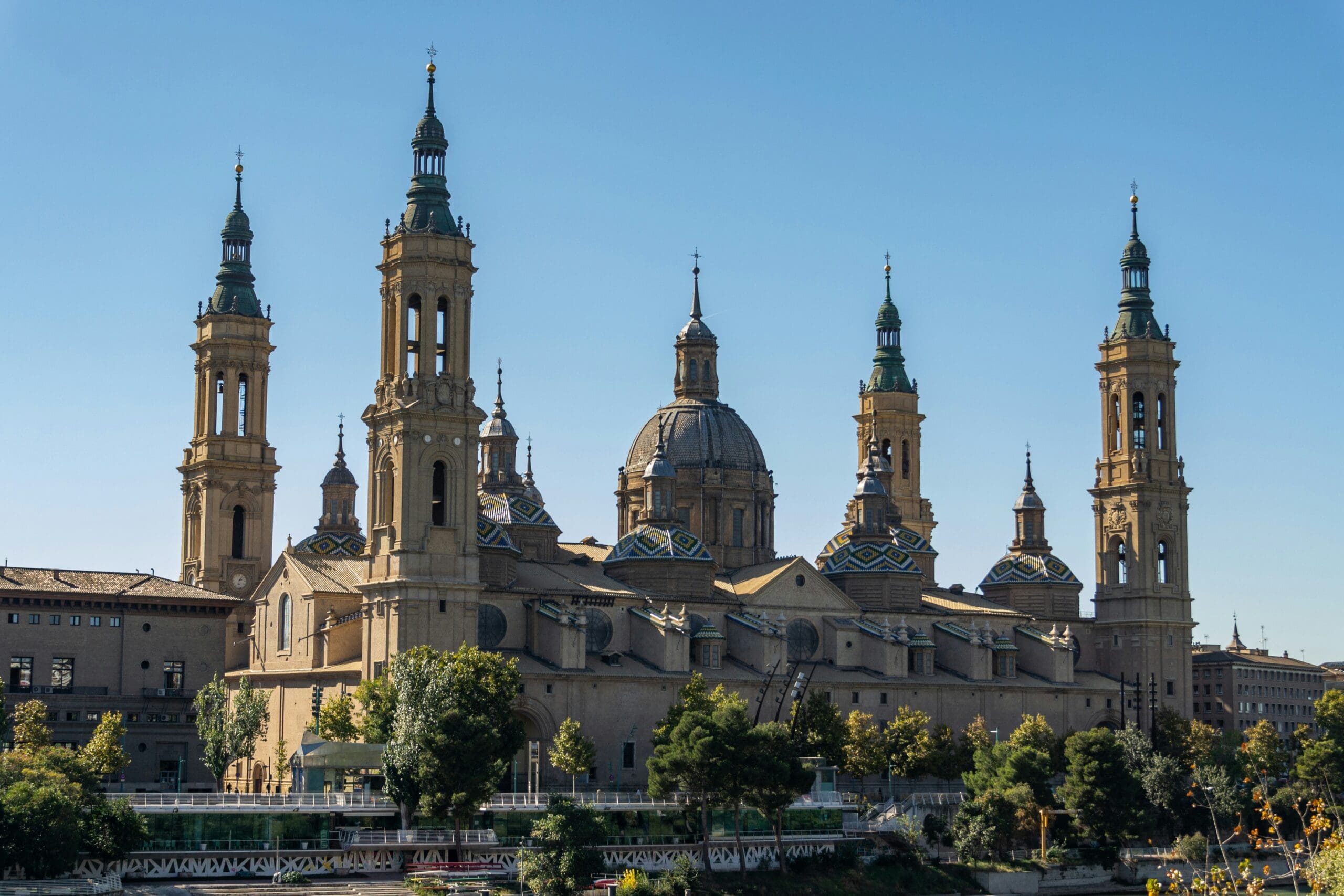
Zaragoza, a city full of history and culture, is home to two extraordinary cathedrals: La Seo and the Basílica del Pilar. Both structures are significant to the religious and cultural life of the city, and each has its own fascinating story.
by David Vives (https://unsplash.com/@davidvives)
The Basilica of Our Lady of the Pillar is particularly renowned for its rich Baroque architecture. Its impressive facade and magnificent domes attract numerous visitors. It is one of the most important Marian shrines in the world and a popular pilgrimage site.
La Seo, on the other hand, impresses with its variety of architectural styles. The mix of Romanesque, Gothic, Mudéjar, and Baroque elements reflects the different eras that have shaped the cathedral. La Seo also offers a deeper connection to the local history of Zaragoza, as it was built on the remains of older religious sites.
Despite their differences, the two cathedrals complement each other perfectly. They offer a complete picture of the city's spiritual and architectural development. Together, La Seo and the Basílica del Pilar symbolize Zaragoza's rich cultural and religious history. Any visitor exploring the city should not miss the opportunity to experience both of these impressive structures.
Cultural and Religious Significance of La Seo
La Seo, also known as the Cathedral of San Salvador, is more than just an architectural masterpiece. It is a deeply ingrained part of Zaragoza's cultural identity. For centuries, it served as the setting for important religious ceremonies and celebrations that shaped the spiritual life of the city.
The cathedral is a living testament to Spain's cultural and religious heritage. It tells the stories of conquests, reigns, and the coexistence of different cultures. Each of these eras left its mark, which can be admired in the cathedral's architecture and artworks.
Some of the most notable religious elements of La Seo are its magnificent altars and chapels. These are richly decorated and bear witness to deep piety and artistic skill. In the sacred atmosphere of the cathedral, many believers find comfort and inspiration.
Last but not least, La Seo is a place where one can experience the harmonious fusion of art and spirituality. Its walls tell of the devotion and craftsmanship of those who created this masterpiece. The cathedral invites visitors to pause in its serene atmosphere and appreciate the beauty of Spanish religion and history.
Cultural and Religious Highlights of La Seo:
- Significant site for religious ceremonies and festivals
- Testament to various cultural influences through architecture
- Place of spiritual retreat and devotion
- Rich collections of religious artworks and altars
- Mirror of the historical development of Zaragoza
Through these aspects, La Seo becomes an indispensable part of the city's vibrant culture and faith. Here, visitors experience not only an architectural jewel but also a deep connection to Spain's past and traditions.
Visiting Tips: Opening Hours, Guided Tours, and Practical Information
A visit to La Seo, or the Cathedral of San Salvador, requires a little planning to make the experience optimal. The cathedral is open year-round, but the opening hours vary depending on the season. Typically, it opens in the morning and closes in the late afternoon. It is advisable to check the exact opening hours before your visit, as they may change.
Admission to the cathedral is subject to a fee, but the price is reasonable considering the cultural and historical treasures to be discovered. It's worth mentioning that there are discounts for seniors, students, and children. Group tours should be organized in advance to benefit from group discounts and avoid waiting times.
Tours are available in both Spanish and English, offering a comprehensive insight into the cathedral's history and architecture. These guided tours are highly recommended as they often provide insights not found in guidebooks. They bring La Seo's rich history to light and explain the captivating details of the artwork.
Visitors should wear comfortable shoes, as touring the cathedral, including exploring its impressive interior and surrounding grounds, will take some time. Photography is usually permitted inside the cathedral, but without flash to protect the delicate artworks.
For those who wish to learn more about the tapestries in La Seo, the Museum of Tapestries offers specialized guided tours. These tours allow visitors to admire the exquisite collection up close and appreciate the craftsmanship that went into each tapestry.
Practical Tips for Visiting La Seo:
- Check the current opening hours online.
- Please note possible discounts on the entrance fee.
- Book tours in advance, especially during peak season.
- Wear comfortable shoes for a pleasant tour.
- Please pay attention to photo and video regulations.
- Plan extra time for the Tapestry Museum if you are an art lover.
La Seo is not just an architectural and cultural experience, but also offers an opportunity for contemplation amidst the bustling Zaragoza.
La Seo as a symbol of Zaragoza and Aragon
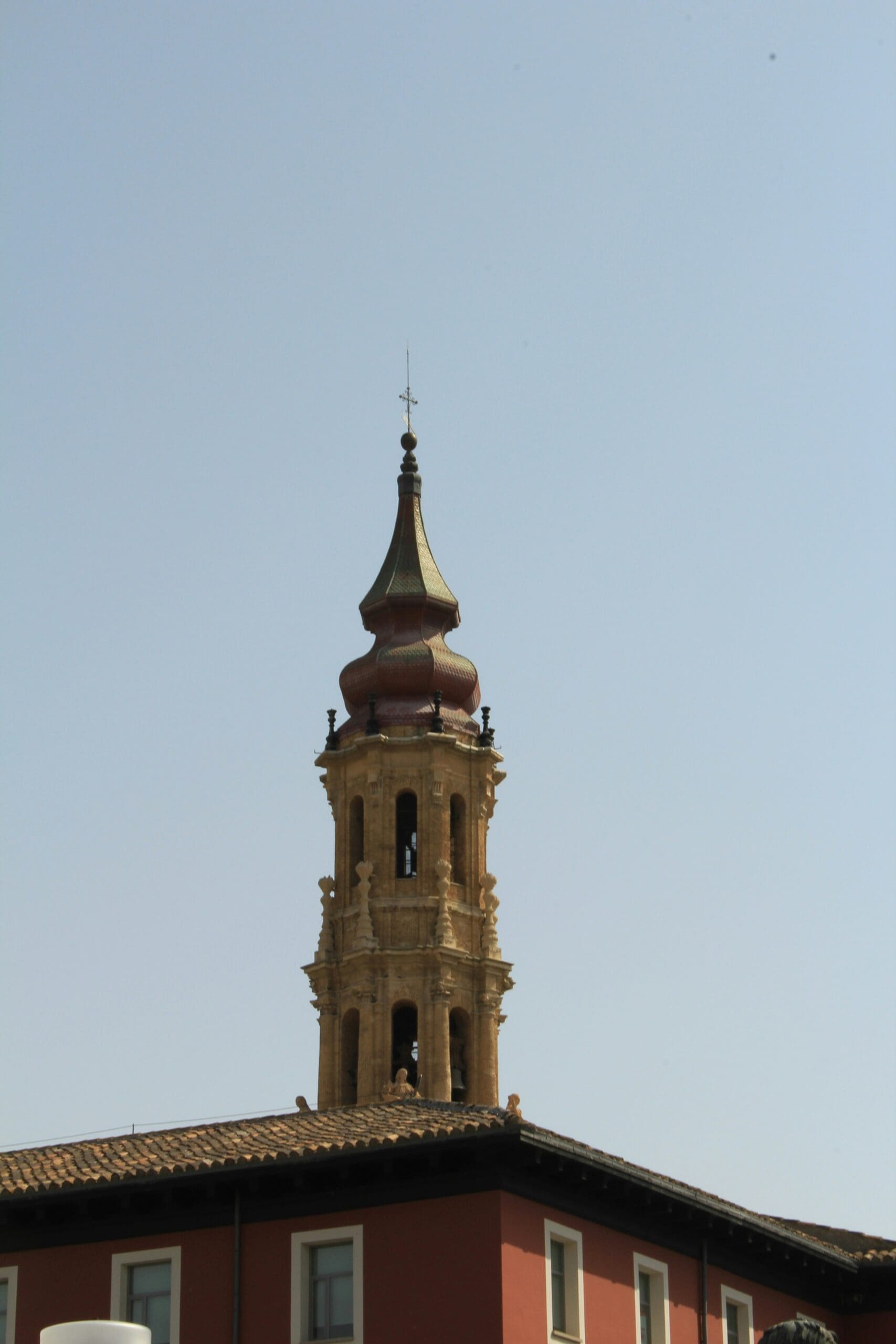
La Seo, or the Cathedral of San Salvador, stands not only in the physical heart of Zaragoza but also in the cultural and historical center of Aragon. This cathedral is a remarkable landmark that reflects the identity of the city and the region. Its majestic appearance represents the diversity of cultural influences that have shaped the city over the centuries.
The cathedral is far more than just an architectural masterpiece. It symbolizes the resilience and faith of the people of Zaragoza. Throughout the centuries, La Seo has been a gathering place for the community, a testament to the perseverance and pride of its inhabitants, who have always been able to overcome the challenges of their time. Even today, La Seo is maintained as a place of reflection and cultural pride.
by Ana Cruz (https://unsplash.com/@anacruzbaeza)
For many locals and tourists alike, La Seo stands as a symbol of Aragon's rich history. The cathedral attracts visitors from all over the world who wish to experience its impressive artifacts and unique atmosphere. As a symbol of the cultural flourishing of this region, La Seo has preserved its significance and continues to remain a proud part of the identity of Zaragoza and Aragon.
Inspiration for art, architecture, and SEO strategies
La Seo Cathedral has inspired numerous artists and architects over the centuries. The fusion of styles such as Romanesque, Gothic, and Mudéjar provides a vivid example of creativity and innovation. This cathedral shows how different cultural elements can merge harmoniously. Such architecture invites artists to explore and reinterpret old techniques.
Not only in art, but also in the realm of SEO strategies, La Seo offers valuable lessons. The ability to integrate multiple styles while maintaining a coherent structure mirrors the best SEO techniques. Flexibility is crucial here as well. Various approaches and tools complement each other to achieve a comprehensive result. Good SEO strategies are like the architecture of La Seo: robust, versatile, and adaptable.
Here are some aspects one can learn from La Seo:
- Cultural IntegrationBringing different elements together.
- InnovationCleverly combining old and new techniques.
- FlexibilityIntegrate different styles purposefully.
- Long-term perspectiveEnsure stability through a solid foundation.
These principles can be applied in various fields. Both in art and digital marketing, these lessons prove to be effective and sustainable. SEO thus remains a source of inspiration, encouraging generations of creatives to break new ground.
Conclusion: Why La Seo is a must-see for every visitor
La Seo, or the Cathedral of San Salvador, is more than just an architectural jewel in Zaragoza. It offers a rare blend of history, art, and cultural diversity that captivates visitors. The unique combination of Romanesque, Gothic, and Mudejar elements makes the cathedral a masterpiece. This artistic diversity provides a deep understanding of Spanish history and culture.
Furthermore, La Seo is a place of deep cultural and religious heritage, indispensable to the cityscape of Zaragoza. For travelers, the cathedral offers not only visual splendor but also a spiritual experience. Whether you are a history buff, an art lover, or simply a curious visitor, La Seo promises to enrich you with its beauty and significance. A visit here is not just a step into the past, but also an inspiration for the present.