

The Zaragoza Merchandise Exchange is a fascinating piece of history. It stands in the heart of Zaragoza, a city with a rich past. This exchange is more than just a building; it is a symbol of the region's trade and culture.
Founded in the 16th century, it was a central hub for merchants. Merchants from all over Europe met here to trade goods. The stock exchange was a place of commerce, innovation, and cultural exchange.
The architecture of the Stock Exchange is impressive. It showcases the splendor of Renaissance building art. The ornate decorations and halls attract visitors from all over the world.
Today, the Silk Exchange is a significant cultural and tourist destination. It offers insights into the trading practices and economy of the 16th century. The exchange is a vivid testament to Spain's commercial history.
As a UNESCO World Heritage Site, it is an important part of the cultural heritage. It has contributed to the economic development of Zaragoza. The Stock Exchange is a symbol of the city's prosperity and trading power.
History of the Zaragoza Produce Exchange
The history of the Zaragoza Commodity Exchange begins in the 16th century. During this period, Europe experienced an economic upswing. The city of Zaragoza took advantage of this boom to strengthen its importance in international trade.
The stock exchange became an important meeting point for merchants. It attracted traders from various parts of Europe. Here, goods such as textiles, spices, and metals were exchanged, which contributed to the diversity of offerings.
Construction of the Stock Exchange began in 1551. It was designed by the Italian architect Juan de Sariñena. The construction took nearly two decades and was completed in 1571. Its magnificent architecture symbolized Zaragoza's prosperity and progressiveness.
Over the years, the stock exchange has played a crucial role in the regional economy. It was a place where trade not only thrived but was also redefined. In doing so, the stock exchange fostered not only material exchange but also cultural exchange.
Although it lost importance over the centuries, the Zaragoza Merchandise Exchange remained a historical monument. Its history is a reminder of the golden ages of trade in Spain. Even today, it stands as a silent witness to a bygone era.
The preservation of the Stock Exchange is of great importance to the cultural identity of Zaragoza. It bears witness to the city's historical trading power and attracts historians, tourists, and architects alike.
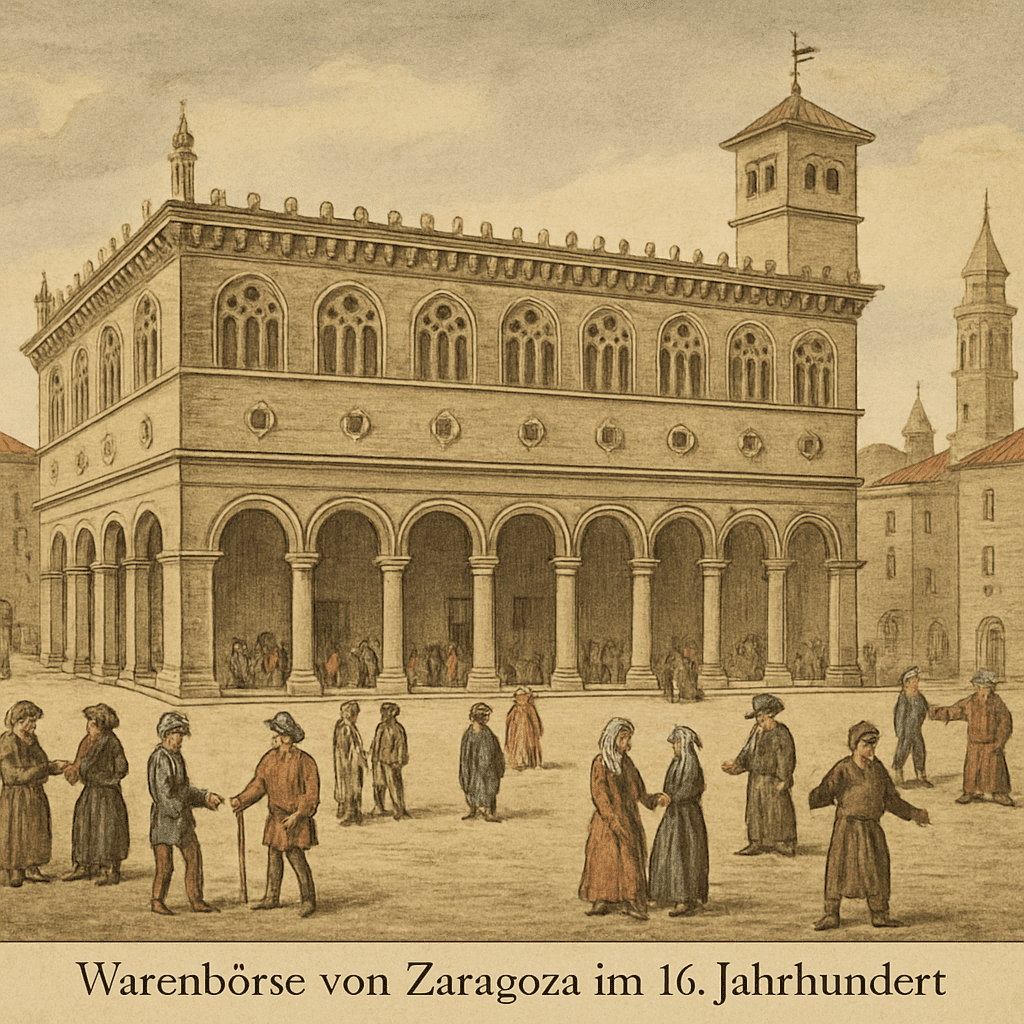
Architecture and the art of building
The architecture of the Zaragoza Stock Exchange is a Renaissance masterpiece. Its design reflects the aesthetic taste and artistic sophistication of the 16th century. The combination of functionality and elegance attracts architecture lovers from all over the world.
The main facade of the stock exchange impresses with its symmetrical design. Magnificent arches and intricate decorations adorn the walls. Particularly striking are the elaborate stonework, which transform the building into a visual highlight.
Inside the stock exchange, the grand halls amaze with their height and acoustics. These rooms once served as bustling trading floors. Today, they allow visitors to feel and experience the special atmosphere of past times.
The magnificent ceiling of the Stock Exchange is another highlight. It features elaborate frescoes depicting historical trading motifs. These artworks are testaments to Zaragoza's rich history and cultural heritage. They impressively complement the architectural splendor of the Stock Exchange.
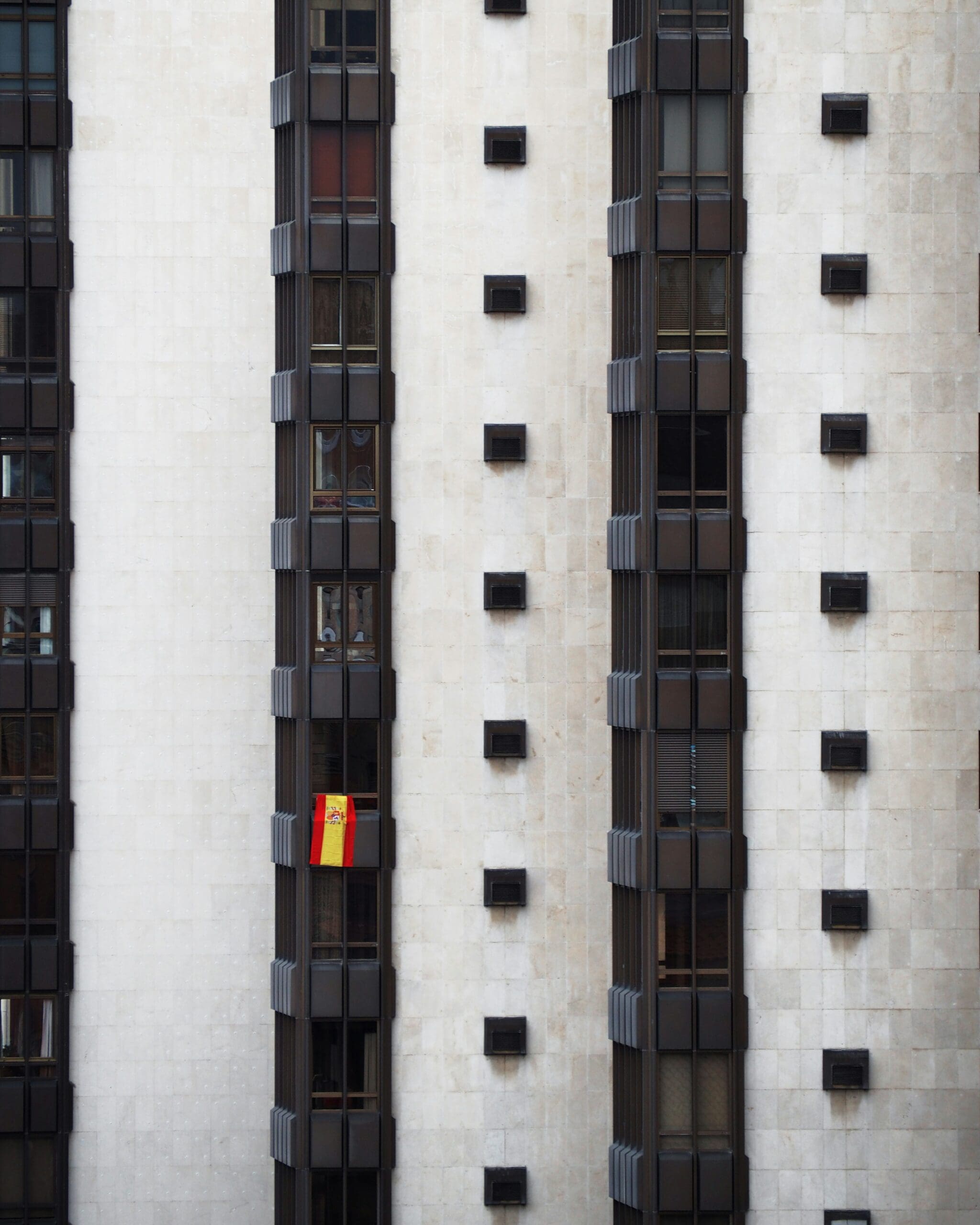
by Marcus Lenk (https://unsplash.com/@marcuslenk)
The Role of Commodity Exchanges in Trade
The Zaragoza Commodity Exchange was a dynamic trading center. Merchants from all over Europe came here to conduct business. This made the exchange an important hub for the exchange and trade of goods.
A central element of the stock exchange was the exchange of information. Traders and merchants used the stock exchange to share trading news and business opportunities. This exchange contributed to the dissemination of innovative trading techniques.
The stock exchange also served as a marketplace for valuable goods. From textiles to spices and metals, a wide variety of products were traded here. This diversity illustrated the global reach of Zaragoza's trade networks.
With the aim of regulating and structuring trade practices, the exchange also established rules and regulations. Such guidelines helped to reduce trading disputes and simplify transactions. They were precursors to modern economic systems.
The stock exchange had the following functions in trading:
- Central platform for financial transactions
- Meeting point for international traders
- Innovation Center for Trade Techniques
- Place of Contract Conclusion and Dispute Resolution
- Promoters of cultural exchange and trade relations
The functions and influence of the commodity exchange made it an irreplaceable component of regional trade during the Renaissance. Today, it remains a valuable symbol of Zaragoza's commercial history and economic development.
Economic significance for Zaragoza and the region
The Zaragoza commodities exchange played a central role in the economic development of the region. As a hub for thriving trade, it contributed significantly to the city's increased prosperity. Zaragoza's strategic location made it an ideal center for European trade.
The intensive exchange of goods created numerous jobs. This creation of employment opportunities was a significant factor in economic growth. The stock exchange was not only a trading venue but also an engine for regional development.
The development of new trade routes also had profound effects. It promoted the networking of Zaragoza with other important trade centers in Spain and beyond. These trade routes expanded Zaragoza's trade reach and strengthened its economic ties.
The economic significance of commodity exchanges can be summarized by:
- Promoting economic growth
- Creation of numerous jobs
- Networking with other trade centers
- Stimulating new trade innovations
- Support for urban infrastructure development
Overall, the stock exchange has helped transform Zaragoza into a thriving center of commerce. This influence can still be felt today in the dynamic economy of the city and its surroundings.
Cultural and social significance
The Zaragoza Merchandise Exchange was not only a commercial center but also a cultural meeting point. It brought together people of diverse origins into a vibrant social community. Merchants and traders used the opportunity to exchange cultures and ideas.
As a hub of cultural exchange, the stock exchange facilitated contact between different traditions. These interactions led to an enrichment of urban culture. Art and trade blended seamlessly, shaping the appearance of the stock exchange.
Furthermore, the Silk Exchange served as a venue for public events and gatherings. These fostered social cohesion and cooperation among the inhabitants. To this day, it remains a symbol of Zaragoza's cultural heritage and social prosperity.
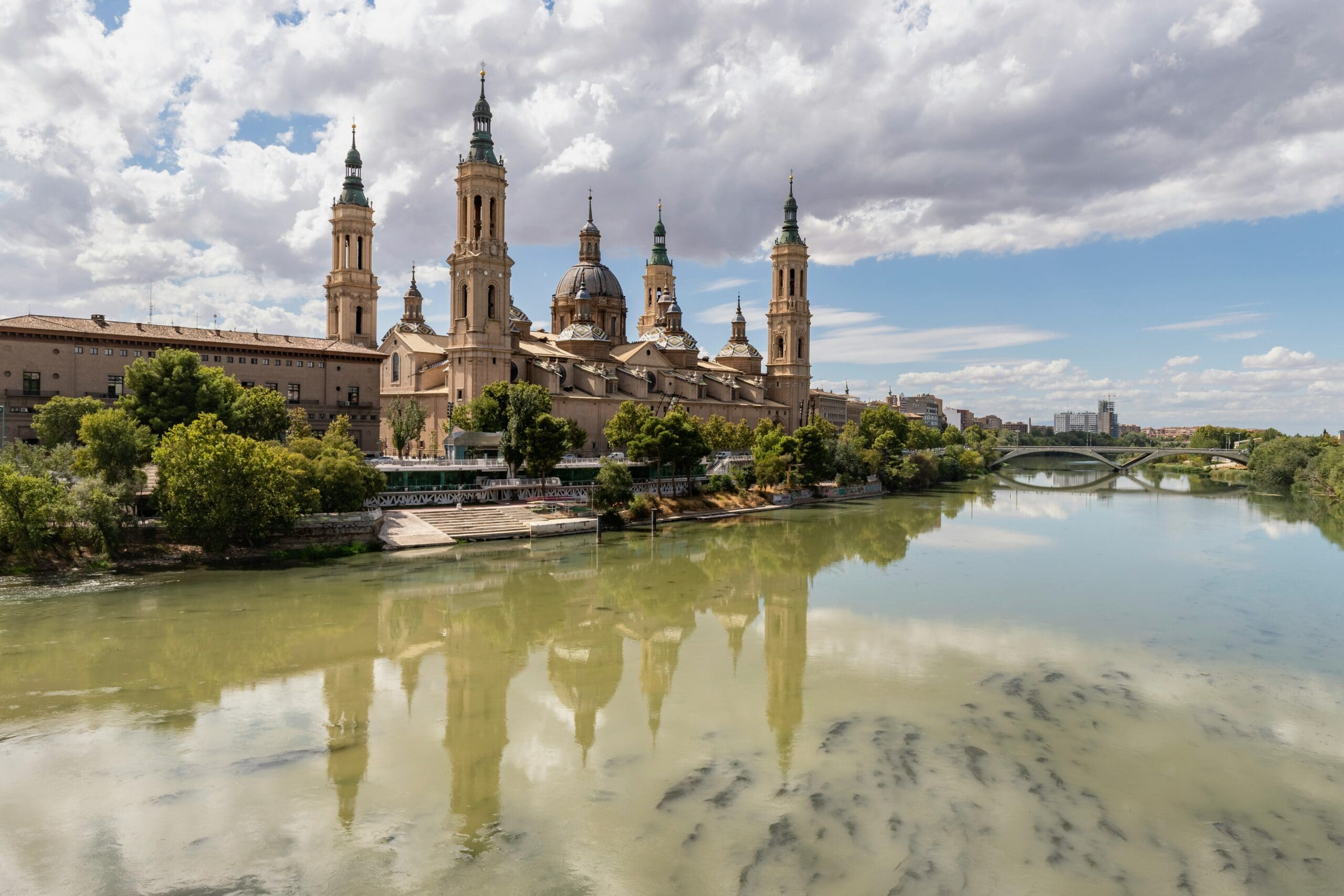
by Jordi Vich Navarro (https://unsplash.com/@jvich)
The commodities exchange today: Usage and tourism
Today, the Zaragoza Merchandise Exchange has lost its function as a commercial center. Nevertheless, it is an important part of city life. Its historical significance attracts numerous visitors from all over the world.
The stock exchange now serves primarily cultural purposes. Exhibitions, concerts, and other events are often held there. These contribute to Zaragoza's vibrant cultural scene.
Tourists appreciate the stock exchange for its architecture and history. Guided tours offer deep insights into 16th-century trading practices. Visitors can admire the ornate decorations and expansive halls.
Activities on the commodities exchange:
- Arts and Crafts Exhibitions
- Historical Tours
- Cultural Events and Festivals
Thanks to its cultural significance, the La Lonja is a popular tourist destination. It is among the most visited attractions in Zaragoza. The combination of history and culture makes it unique.
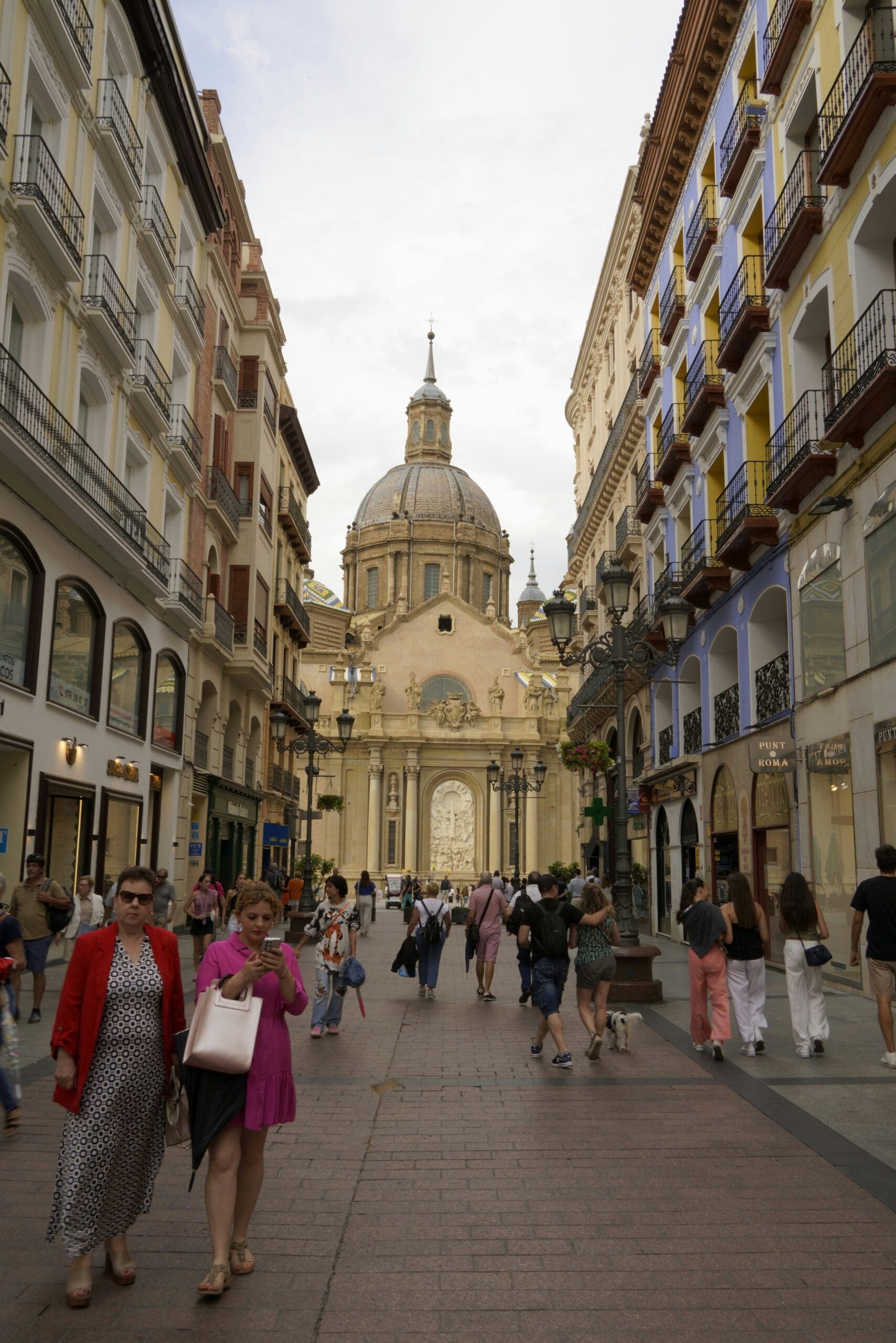
by Hoyoun Lee (https://unsplash.com/@icedcocoa)
The Commodity Exchange as a UNESCO World Heritage Site
The Zaragoza Stock Exchange was declared a UNESCO World Heritage Site in 1991. This recognition honors its historical and architectural significance. The Exchange is an outstanding example of Renaissance architecture.
Admission to the UNESCO list protects the stock exchange and promotes its preservation. This helps to preserve history and cultural heritage for future generations. Support from UNESCO also strengthens awareness of such sites.
The award has increased the stock exchange's international profile. It attracts culture enthusiasts and history buffs from all over the world. The commodity exchange has thus become a global symbol of culture and trade.
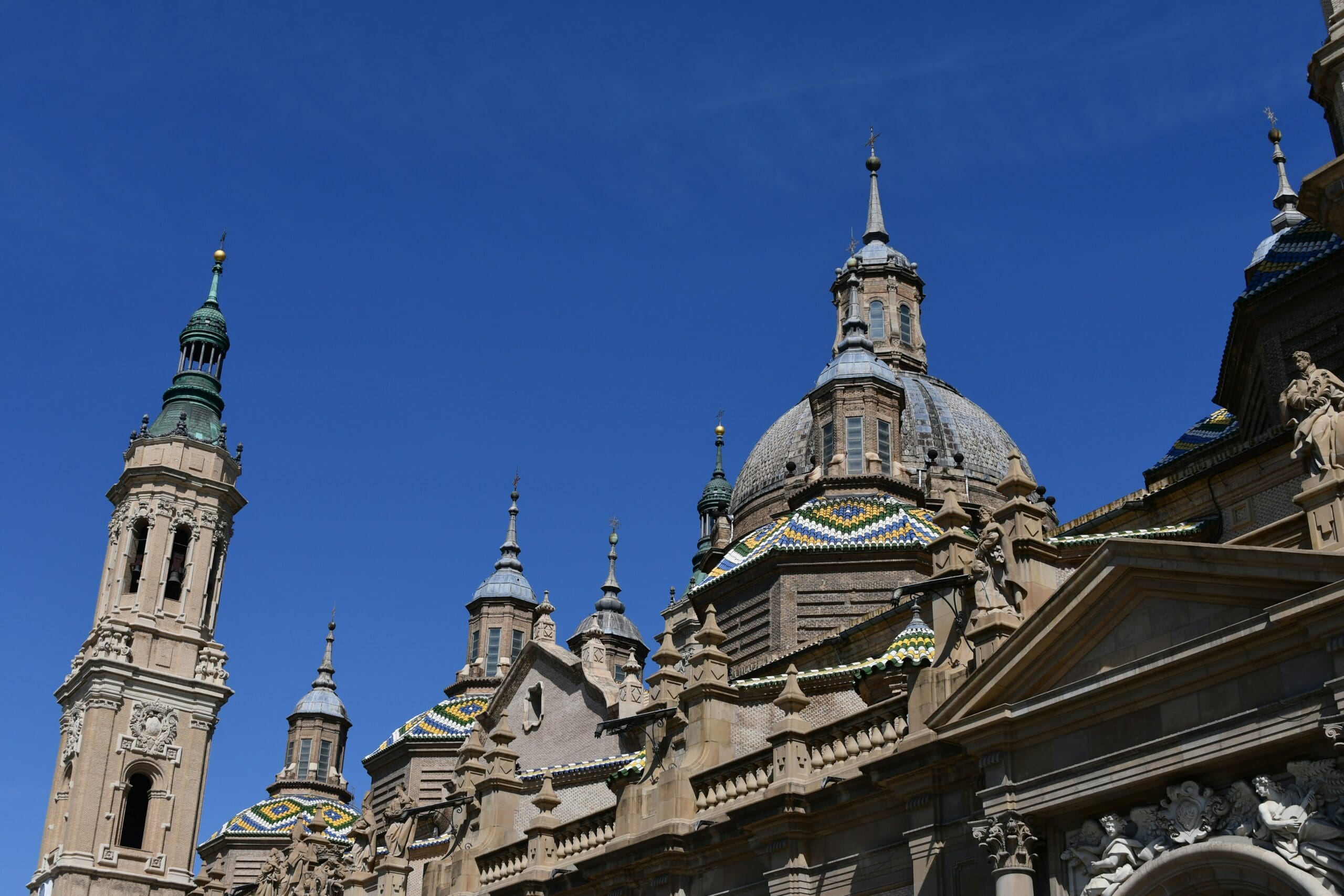
by ALEJANDRO POHLENZ (https://unsplash.com/@apohlenz)
Influence on the development of commercial centers in Spain
The Zaragoza Merchandise Exchange was a model for other trade centers in Spain. Its efficient trading practices and innovative methods were widely adopted. As a result, it left a lasting impact on the country's trading landscape.
Other cities in Spain followed their example and founded similar institutions. These exchanges promoted regional trade and contributed to economic development. Cultural exchange and trade networks grew steadily.
The Zaragoza Stock Exchange helped establish trade relations between Spanish regions. It set standards that inspired other trading centers. Its influence can still be felt today in Spain's modern commercial centers.
Conclusion: The Zaragoza Merchandise Exchange as a Symbol of Trade and Culture
The Zaragoza Merchandise Exchange embodies both the rich commercial history and the cultural heritage of the city. Since its founding in the 16th century, it has been a vibrant testament to trade and human exchange.
Today, it reminds us of the importance of trade centers in an increasingly globalized world. Its architecture and history continue to fascinate visitors and researchers alike. The stock exchange remains a symbol of economic progress and cultural interaction.