

Esterházy Palace in Eisenstadt, Austria, is a jewel of Baroque architecture. It attracts thousands of visitors annually. The history of this magnificent structure is fascinating and rich in cultural significance.
The castle was the main residence of the influential Esterházy family for over 300 years. This family played a central role in Austrian history. Their patronage of the arts and music is still noticeable today.
Originally mentioned in the 13th century, the castle was acquired by the Esterházy family in the 17th century. They transformed it into an impressive Baroque palace. This transformation reflects the splendor and influence of aristocratic families in Austria.
A highlight of the palace is the famous Haydnsaal. It is known for its excellent acoustics and attracts music lovers from all over the world. Joseph Haydn, the renowned composer, was the court conductor here and left a lasting impression.
Today, Esterházy Palace houses a museum and is a popular venue. It offers insights into the life and culture of the 18th and 19th centuries. Visitors can admire the Baroque and Neoclassical architecture and experience Austrian history up close.
The beginnings: From a medieval building to a Baroque palace
Esterházy Castle began its existence in the 13th century. Originally built as a medieval fortress, it witnessed numerous historical events. These early structures formed the basis for later expansions.
With the advent of the Renaissance and Baroque periods, architecture underwent dramatic changes. The Esterházy family, who acquired the castle in the 17th century, recognized the potential of the estate. They began to redesign the castle in the Baroque style to match their status.
During renovations in the 17th and 18th centuries, the castle acquired many of its current features. Soaring facades, elegant interiors, and magnificent gardens were created. These changes gave the castle its unmistakable Baroque splendor.
Special attention was paid to detail. The opulent design and artistic embellishments of the castle demonstrated the power and influence of the Esterházy family. Every element of the castle was carefully planned and adorned with works of art.
Castle Conversion
- Acquisition by the Esterházy family in the 17th century
- Extensive Baroque renovations
- Insert neoclassical elements
- Development of magnificent gardens and interiors
The completion of the renovations turned Esterházy Palace into one of Austria's most magnificent residences. The combination of medieval substance and Baroque style was innovative and impressive. Visitors could and can experience the architectural development over several centuries here. This heritage continues to attract architecture enthusiasts from all over the world. Esterházy Palace is a living monument that preserves both its medieval roots and its Baroque splendor.
The Esterházy family and their significance for Austria
The Esterházy family is one of the most significant noble families in Austria. Their influence extended across politics, art, and culture. From the 17th century onwards, their role in the Habsburg Monarchy became increasingly central.
The Esterházy family's relations with the Habsburgs led to a variety of privileges. These alliances strengthened their power and allowed them to expand their lands. Esterházy Palace became the centerpiece of their power base.
Their wealth and social standing helped to promote cultural projects. The family invested heavily in art and music. This support made Esterházy Castle a vibrant cultural center.
Joseph Haydn, a famous composer, was in their service for a long time. Haydn spent more than three decades as Kapellmeister for the Esterházys. Under their patronage, he composed some of his most well-known works.
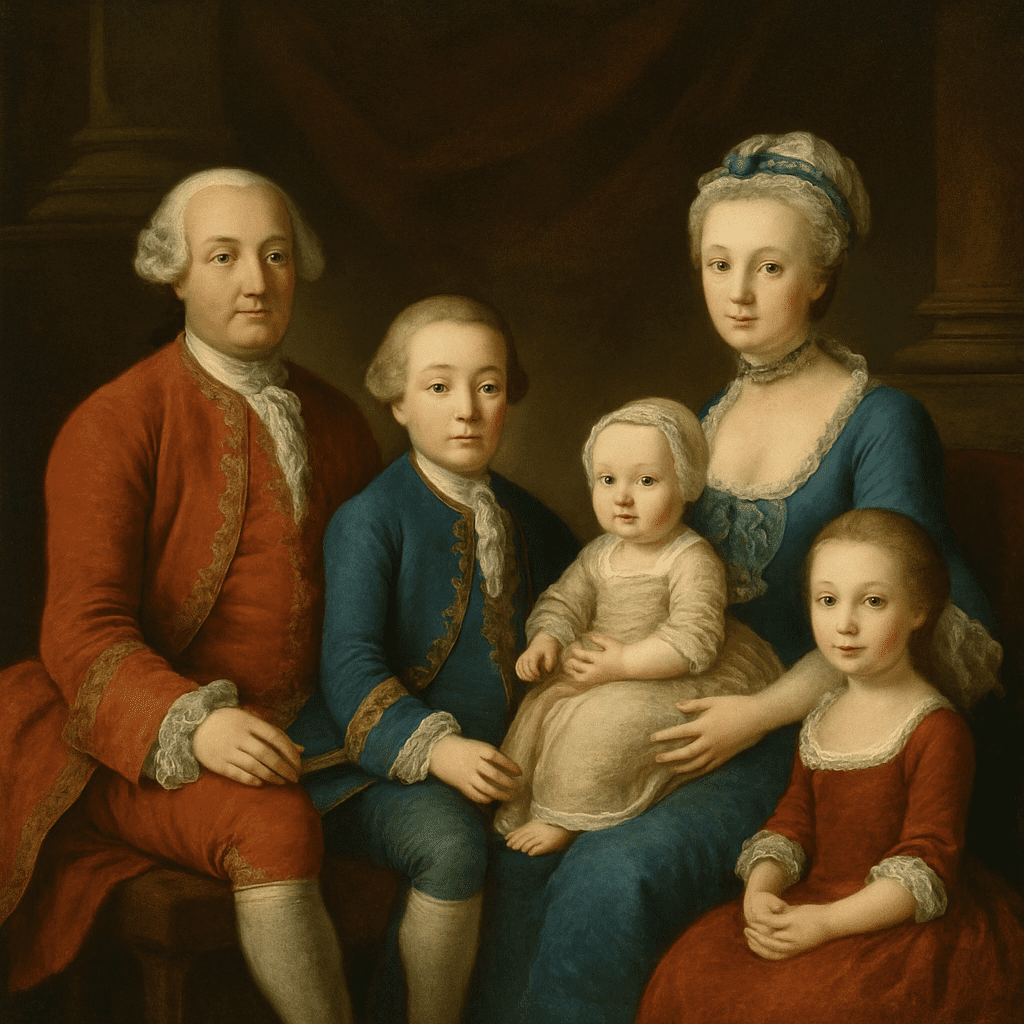
The generous support of the family fostered art and culture. In addition to music, literature and architecture were of importance. The Esterházys left a lasting impression on the Austrian cultural landscape.
In the political arena, they played a key role. Their positions at the emperor's court made them influential players. They influenced decisions that shaped the fate of the country.
However, times changed in the 19th century. With the political upheavals, nobles lost much of their former power. Nevertheless, the Esterházys' importance remained unbroken, especially in the cultural sphere.
The family has been based in Eisenstadt to this day. Esterházy Palace is more than a historical monument. It is a living legacy of their ongoing influence. The Esterházys were and are an integral part of Austrian history.
The preservation of their cultural heritage remains a concern even today. The castle serves as a platform for art and music. Thus, they continue to contribute to Austria's cultural diversity. Their legacy as patrons of the arts remains strong.
Esterházy Palace as a Cultural Center: Music, Art, and Haydn
Esterházy Palace has a long history as a cultural epicenter. The Esterházy family was known for supporting the arts. This support made the palace a magnet for artists and musicians from all over Europe.
Joseph Haydn, one of the most famous composers of the Classical era, is closely associated with the castle. He served as Kapellmeister for the Esterházy family for over 30 years. This was an enormously productive period in Haydn's career, during which many of his symphonies and string quartets were created.
The Esterházys set up the palace for musical events. The famous Haydn Hall is still a highlight for acoustic performances today. The acoustics and elegance of the hall attract music lovers from all over the world.
In addition to music, visual arts also played a significant role. The Esterházy art collections are impressive. They include paintings, sculptures, and other artworks that are exhibited in the palace.
Some of the castle's cultural highlights include:
- Regular concerts in the famous Haydn Hall
- Art exhibitions in the historic rooms
- Festivals and cultural events celebrating Haydn's heritage
Through the influence of the Esterházys, Eisenstadt developed into a cultural center of the 18th century. Artists and musicians from all over Europe flocked here. As a result, Esterházy Palace became a place of vibrant cultural exchange.
Today, the castle continues this tradition with a diverse program of events. It offers visitors deep immersion into cultural history. Guided tours and exhibitions explain the castle's significance in music history.
Cultural events and concerts commemorate the rich past. The Esterházy family's influence on music and art is undeniable. The palace is a living testament to the region's creative golden age.
Through its commitment to the arts, Esterházy Palace remains a vibrant cultural hub. It is not just a historical heritage, but a place where art lives. The connection between past and present is palpable, for both residents and visitors.
The castle's significance as a cultural center remains strong. Music and art are still a core part of activities here today. Thus, it remains an inspiring place that continues the Esterházy tradition.
Architecture and State Rooms: Baroque and Classicist Elements
Esterházy Palace in Eisenstadt, Austria, captivates with its impressive architecture. The building combines Baroque and Neoclassical style elements. This combination lends the palace its unique character and charm.
The baroque style of the castle is characterized by opulent details. Curved forms and elaborate decorations can be found everywhere. Statues and ornaments adorn the facade and interiors, giving the castle a noble aura. This showcases the craftsmanship of the builders who worked for the Esterházys.
The classicist influence is evident in the later design of the rooms. Simple elegance and harmonious proportions take center stage here. These elements reflect the spirit of the times, which gained importance throughout the 18th and 19th centuries. The interior design thus appears more restrained, but by no means less impressive.
Among the castle's notable state rooms are:
- The Haydn HallFamous for its outstanding acoustics and splendid furnishings.
- The Hall of MirrorsKnown for its imposing mirrors and magnificent chandeliers.
- The Empire HallAn example of the castle's Classicist interior design.
- The ChapelA spiritual place that combines Baroque and Classicist influences.
In addition to the state rooms, the exterior architecture also plays an essential role. The building itself is characterized by a symmetrical design. The balance between the individual architectural elements creates a harmonious overall impression. This symmetry is in keeping with the principles of classical architecture.
The magnificent facade and detailed decorations lend the building a majestic appearance. This harmony of Baroque and Classicism is characteristic of the building traditions of that era. As a result, Esterházy Palace is a prime example of architectural history in Austria.
The combination of Baroque and Neoclassical elements demonstrates the evolution of architectural styles. It is a testament to the era in which it was created, reflecting societal and cultural changes. Careful attention and restoration have preserved the palace in all its splendor.
Schloss Esterházy is more than a monument to the past. It is a living example of architectural art that attracts visitors from all over the world. These elements highlight the castle in Eisenstadt as significant architectural heritage. Today, it still stands as a symbol of the artful fusion of tradition and innovation.
The Castle Park and Surroundings: Nature and Recreation
The palace park of Esterházy Castle offers an impressive combination of nature and design. It is idyllically nestled in the picturesque landscape of Eisenstadt. Visitors can experience the symbiosis of architecture and nature here, which underscores the charm of the palace.
The park is designed in an English style, lending a romantic atmosphere to its surroundings. Winding paths lead through spacious lawns and past old trees. Numerous plant species and flower beds provide variety and splashes of color, making the park a vibrant place for recreation.
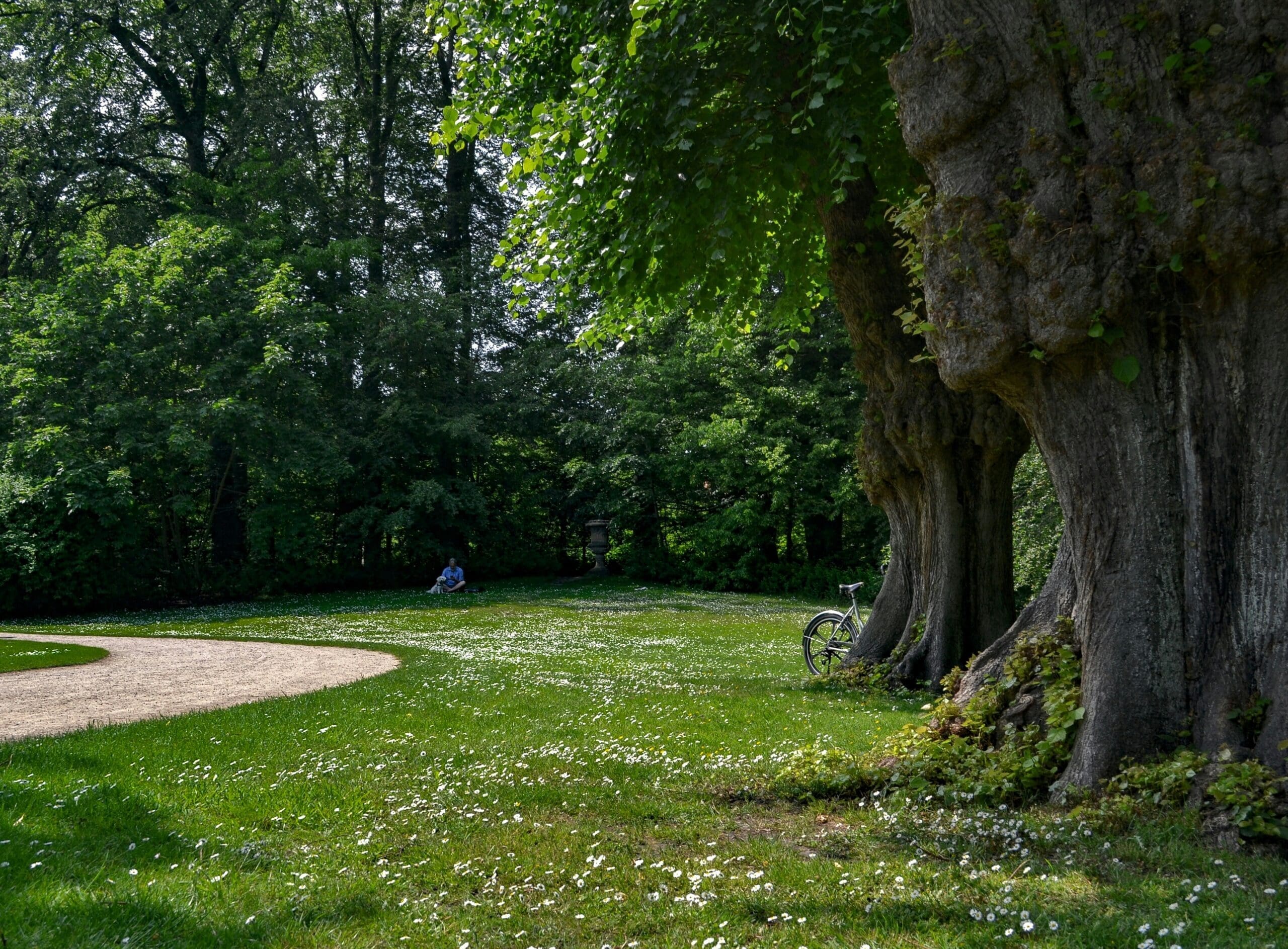
by Abby Rurenko (https://unsplash.com/@walking_abby)
In addition to its botanical diversity, the palace park also offers retreats for relaxation. Small ponds and gazebos create tranquil corners that invite you to linger. These natural oases invite you to escape the hectic everyday life and enjoy the fresh air.
The castle's surroundings are just as charming. Burgenland, known for its gently rolling landscape, offers numerous opportunities for walks and excursions. The proximity to Lake Neusiedl further enriches the recreational offerings. Visitors can spend both relaxing and active days here.
The Esterházy Palace park is a historical gem amidst nature. It offers visitors the opportunity to experience the connection between history and nature up close. A place that holds unforgettable impressions for both culture and nature lovers.
Schloss Esterházy Today: Museum, Events, and Tourism
Esterházy Palace in Eisenstadt is a vibrant center for culture and history today. The building is not only an outstanding example of Baroque architecture but also a versatile cultural destination. It attracts thousands of visitors annually who are interested in its past and its role in modern Austria.
The castle houses an extensive museum that recounts the long history of the Esterházy family. The exhibition showcases valuable artworks and historical documents, offering insights into the life and culture of past centuries. Visitors can admire the family's ornate rooms and experience the splendor of bygone eras.
A significant part of modern castle life is the numerous events that take place there. The famous Haydn Hall is renowned for its acoustics and is regularly used for concerts. Here, visitors experience classical music at the highest level, often as part of festivals and special events. These events attract music lovers from all over the world.
In addition to music, Esterházy Palace also hosts a variety of cultural and artistic events. Theater performances, art exhibitions, and literary readings are part of the regular program. This diversity makes the palace an important attraction for culture enthusiasts and promotes cultural exchange.
Tourists and travelers appreciate Esterházy Palace as an attractive destination. It is one of the tourist highlights of Burgenland and easily accessible from Vienna. The guided tours through the palace are informative and entertaining, led by experts who bring the history of the place to life.
Here are some of the main activities at the castle:
- Visiting the Castle Museum
- Visit to the Haydnsaal and attendance at concerts
- Participation in cultural events and exhibitions
- Exploring the castle gardens and the surrounding area
- Participate in castle tours
Esterházy Palace is a significant piece of Austrian culture and history. It offers visitors the opportunity to delve deep into the past while experiencing the vibrant culture of the present. A visit here is an unforgettable experience that offers both education and entertainment.
Conclusion: Esterházy Palace as a Symbol of Austrian History and Culture
Esterházy Palace is more than just an impressive structure; it is a living symbol of Austrian history and culture. For centuries, it has embodied the fusion of art, music, and architecture, reflecting the significance of the Esterházy noble family. This family has decisively shaped Austria's cultural and political life, a legacy still palpable within the palace's walls today.
Visitors find a unique connection between the past and the present here. The magnificent rooms and the well-preserved condition of the castle bring the rich history of the place to life. Cultural events and concerts show how vibrant and relevant the castle remains today. These traditions contribute to the identity of Eisenstadt and the Burgenland region, while also preserving Austria's cultural heritage.
In a rapidly changing world, Esterházy Palace remains a firm anchor. It serves not only as a historical monument but also as a dynamic cultural center that promotes creativity and cultural exchange. Visitors of all ages and from all over the world are invited to become part of this rich history and discover the beauty and significance of this unique place. It is and will remain a must-see for anyone who wants to appreciate the diversity and depth of Austrian culture.