
The Innsbruck Hofburg is a jewel of Tyrolean history. It attracts visitors from all over the world. Its walls tell stories of power and splendor.
Originally built in the 15th century, it served as the residence of the Tyrolean provincial rulers. Emperors Maximilian I and Maria Theresa significantly shaped its development.
Today, the Hofburg is an important cultural monument. It combines Renaissance and Baroque architecture. The state rooms and the Hofburg Museum Innsbruck are highlights for every visitor.
The Imperial Palace is not just an architectural masterpiece. It is also a symbol of Innsbruck's cultural golden age. A visit is a must for those interested in history and culture.
The beginnings of the Innsbruck Hofburg: Medieval Residence
The history of the Hofburg Innsbruck began in the 15th century. It originally served as the residence of the Tyrolean territorial lords. Its location was strategically important for trade.
The first construction phase was characterized by Gothic elements. These were typical of medieval architecture of that time. The residence reflected the wealth of the territorial princes.
Emperor Maximilian I. recognized the potential of the Hofburg. He had it expanded and developed into a representative residence. His investments laid the foundation for its later splendor.
Over the years, the Hofburg has been remodeled multiple times. Renodelings adapted to the needs of the respective residents. However, its function as a center of power has been maintained.
Today, the Hofburg recalls its medieval origins. Its historical significance can be felt in every corner of the complex. Visitors can re-experience the atmosphere of past eras.

Emperor Maximilian I and the Golden Age of the Hofburg
Emperor Maximilian I. granted the Hofburg Innsbruck its glorious heyday. Under his rule, the Hofburg became the center of imperial life. The rooms were expanded and magnificently designed.
Maximilian loved art and architecture. He commissioned famous artists of that era to design the Hofburg. This transformed the residence into a masterpiece of the Renaissance.
The emperor's presence attracted many prominent figures. The Hofburg experienced a cultural renaissance. Events and festivities were held there regularly.
Maximilian's influence extends far beyond his time. The Hofburg in Innsbruck still bears witness to his vision today. It remains a symbol of his reign and the Habsburgs' influence in Europe.
Renovation and splendor under Maria Theresa
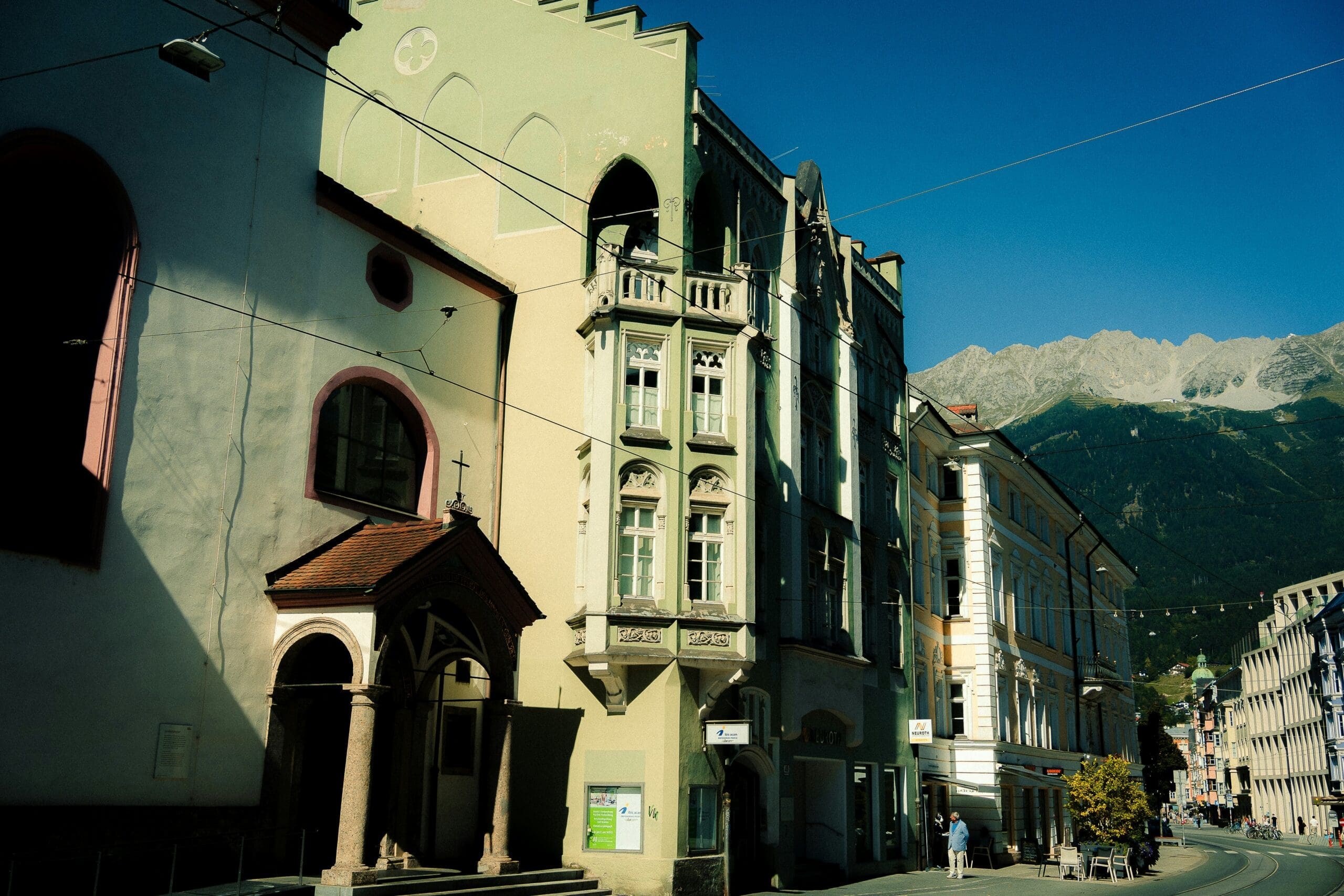
Under the reign of Maria Theresa, the Hofburg in Innsbruck underwent a major renovation. In the 18th century, she had the residence extensively renovated. These renovations gave the Hofburg its current appearance.
Maria Theresa valued luxury and beauty. The construction work included magnificent interiors and impressive facades. These reflect the Baroque style of her time.
The Empress enlarged the Hofburg to make it more representative. Halls were luxuriously decorated to host events. The residence became a symbolic expression of imperial power.
Maria Theresa's renovations went beyond structural changes. She also shaped the cultural atmosphere of the Hofburg. Under her leadership, the residence experienced a new cultural flourishing.
Today, visitors admire the magnificent rooms, attributable to Maria Theresa's vision. Her legacy is alive and palpable in the Hofburg.
by Vladislav Anchuk (https://unsplash.com/@benjirokaneki)
Architecture: Renaissance Meets Baroque
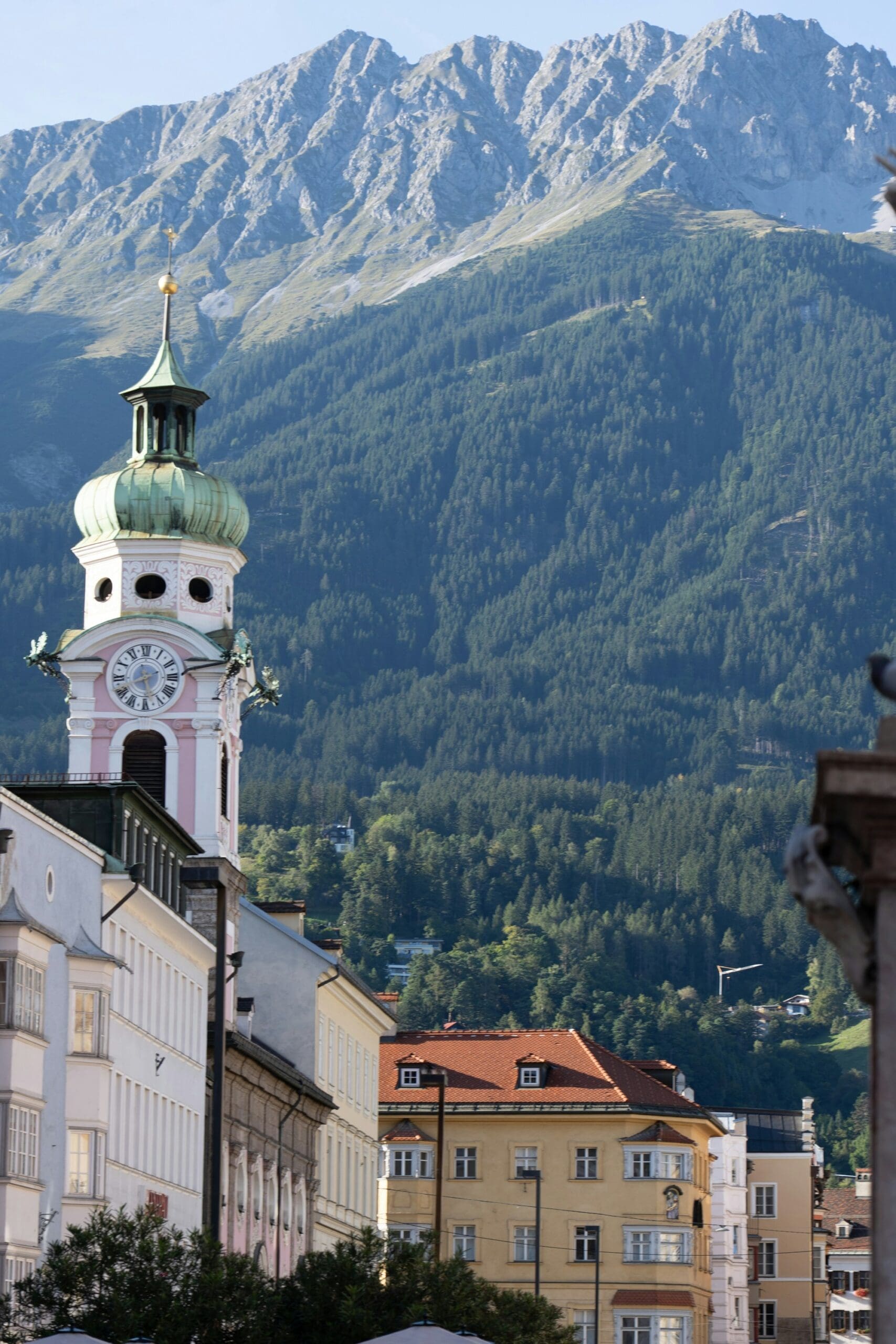
The architecture of the Hofburg Innsbruck combines Renaissance and Baroque styles. This harmonious blend reflects the development of the residence. It showcases both historical and cultural influences from different eras.
The Renaissance elements are recognizable in the elegant lines and clear structures. These features represent the return to classical antiquity at the time. The Renaissance details lend the Hofburg a simple yet impressive elegance.
The Baroque style, on the other hand, emphasizes opulence and splendor. Playful embellishments and magnificent decorations characterize this style. They create an impressive visual impact.
Architectural highlights include:
- Spacious grand rooms with elaborate frescoes
- Elegant stucco work that shows richness of detail
- Representative facades and a magnificent castle gate
This architectural fusion makes the Hofburg a unique testament to the art of building. Visitors can experience the different eras firsthand through the architecture.
by Guillaume Didelet (https://unsplash.com/@mejlivg)
The State Rooms and the Imperial Palace Museum Innsbruck
The Imperial Apartments of the Hofburg Innsbruck are an impressive example of royal luxury. These rooms are richly decorated with magnificent frescoes and gilding. Visitors can clearly see the attention to detail and art.
A special highlight is the Great Hall. It once served as a venue for receptions and celebrations. The hall impresses with its high ceilings and ornate chandeliers, which convey a sense of grandeur.
Today, the Hofburg houses the Hofburg Museum Innsbruck. This museum offers exciting insights into the history of the Austrian monarchy. It particularly highlights the role of the Habsburgs in Tyrol and Austria.
The museum's exhibits include:
- Historical furniture and costumes
- Original artwork and paintings
- Documents from the imperial administration
The visit to the state rooms and the museum is equally worthwhile for history buffs and culture enthusiasts.
by Minh Nguyen (https://unsplash.com/@ngminh8895)
The Court Church and the Tomb of Emperor Maximilian I.
The Court Church is an important structure next to the Imperial Palace in Innsbruck. It was built in the 16th century to honor Emperor Maximilian I. The church is famous for its exceptional architecture and historical treasures.
The centerpiece of the court church is the impressive tomb of Emperor Maximilian I. Although the Emperor is not buried here, the monument is a masterpiece of sculptural art. It features intricate statues depicting the emperor's famous ancestors.
Visitors don't just appreciate the Hofkirche for its historical significance. The atmosphere of the space and the beauty of the tomb leave a lasting impression on everyone.
The Hofburg as a symbol of Innsbruck and a significant sight.
The Hofburg Innsbruck is more than just a building; it is a symbol of the city. Its historic walls tell of the power and reign of the Habsburgs. It represents Innsbruck's role in European history.
The architecture of the Hofburg fascinates visitors from all over the world. It represents a blend of political significance and cultural heritage. As an important landmark in Innsbruck, it holds immeasurable value for tourists.
Highlights include:
- State rooms with magnificent frescoes
- The Impressive Hofburg Museum
- Historical events within the walls
These elements make the Hofburg an indispensable place for every visitor.
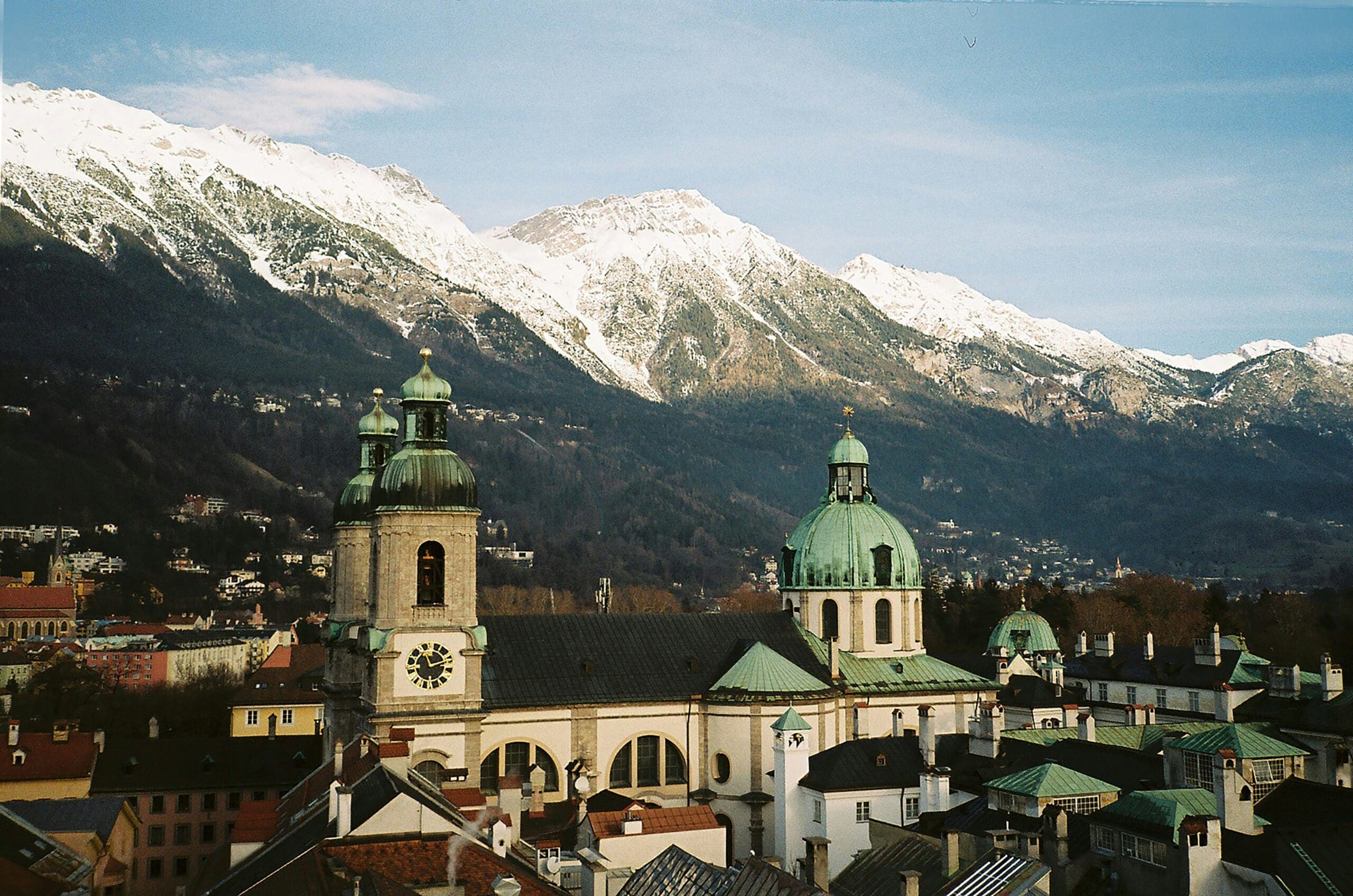
by Raygar He (https://unsplash.com/@raygar)
Visitor Experience: Tours, Highlights, and Tips
A visit to the Hofburg Innsbruck is an unforgettable experience. Guided tours offer deep insights into the rich history of the imperial residence. Visitors can discover the magnificent rooms and experience the cultural heritage up close.
The highlights of the Hofburg are diverse and fascinating. From historical exhibitions to intricate frescoes, there is much to discover. Its central location also makes the Hofburg easily accessible for travelers.
Some practical tips for visitors:
- Early booking of tours
- Comfortable shoes for sightseeing
- Camera for impressive architecture
These tips will ensure that your visit to the Hofburg is an enjoyable experience.

by Minh Nguyen (https://unsplash.com/@ngminh8895)
Conclusion: The Imperial Palace Innsbruck as a Living Cultural Heritage
The Hofburg Innsbruck is more than just a sight. It is a valuable cultural heritage that keeps the history of the Habsburgs and Tyrol alive. Visitors can experience the splendor of past times here and deepen their understanding of European history.
With its impressive architecture and exciting exhibitions, the Hofburg remains a testament to the past. At the same time, it fosters a cultural understanding of the present. A visit to the Hofburg Innsbruck offers a unique opportunity to immerse yourself in its rich history and rediscover its significance today.