
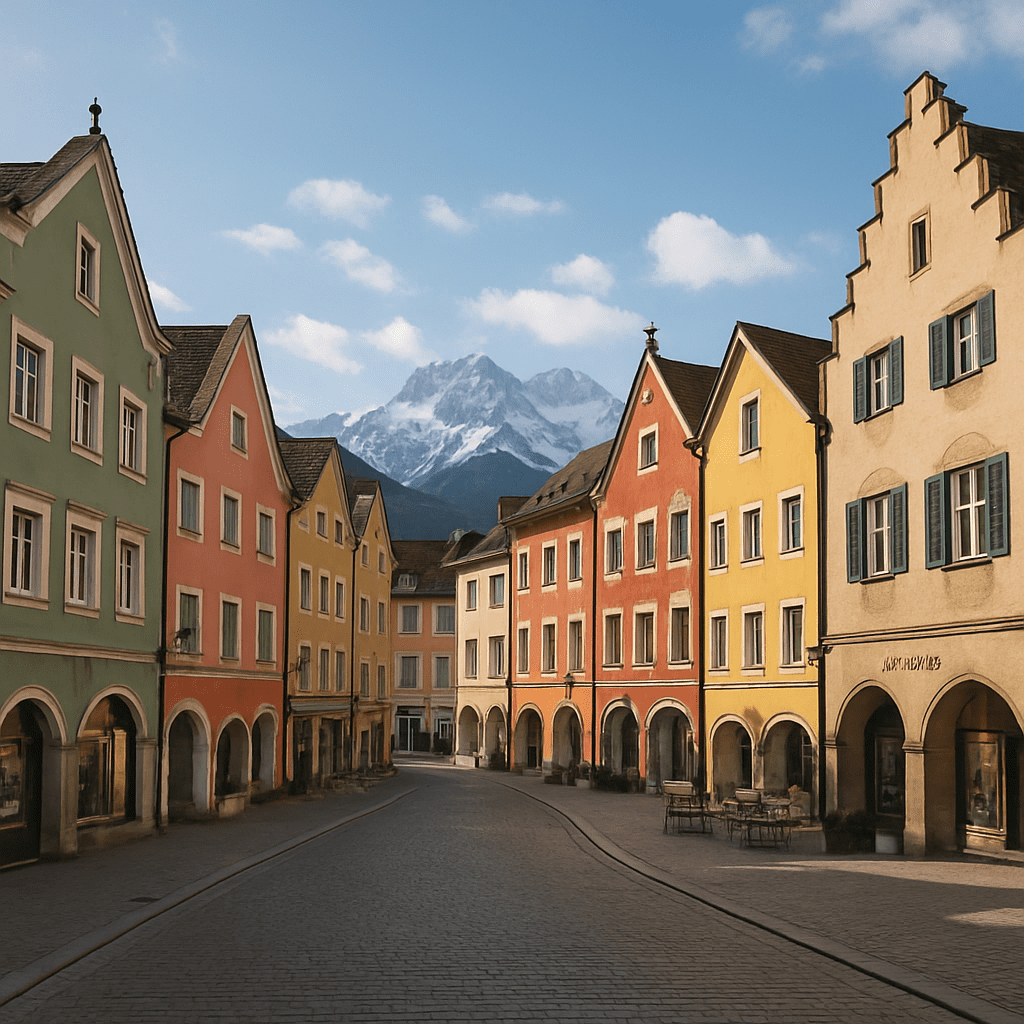
Step off the slopes onto the uneven cobblestones Kitzbühel Old Town, where the clatter of ski boots echoes through centuries of history. While visitors often expect a pristine winter paradise, regional archives reveal a very different origin for this colorful settlement.
The formal granting of town rights in 1271 transformed this alpine outpost into a heavily fortified trading center. According to historians, the merchants in this medieval town center, which Tyrol presents today, financed their defenses through thriving silver mining. This mineral wealth brought about the local nickname that still exists today Gamsstadt hervor – an allusion to the agile mountain goats of these peaks.
A closer look at the thick stone arches and the dense ring of surrounding houses reveals the architectural anchor points of this destination, proving that the historical substance here is just as impressive as the modern luxury resorts.
The Almond-Shaped Fortress: Navigating the Medieval Layout of the Upper and Lower Town
The old town can best be described as a long, narrow almond. Instead of building expensive stone walls, the early founders cleverly arranged rows of robust houses that served as a secondary fortification. This elongated design made defense extremely efficient and today creates a charming, enclosed feeling when walking through the historic chamois town.
Within this shape, two parallel main arteries form the core of the city. Front-end diente als geschäftige Hauptbühne für wohlhabende Silberkaufleute und den Großhandel. Die schmalere Hinterstadt housed the essential artisans and workshops that kept the local medieval economy running.
To protect this wealth, the perimeter was secured by strategic checkpoints. Those parking their vehicles near the medieval city gates, outside the modern center, can easily explore these preserved defensive markers, which are now family-friendly pedestrian zones:
- Jochberger Tor: The robust southern entrance, which once ushered in salt merchants.
- City Hall Historically integrated directly into the heavy defenses of the North Gate.
- Parish Alley A narrow passage that originally served as a heavily controlled, fortified choke point.
Stepping over these ancient thresholds leads directly into a vibrant historical setting. Inside the defensive ring, the gaze inevitably drifts upward to the colorful buildings.
Reading the Facades: 16th-Century ‚Penthouse‘ Windows and Mercantile Wealth
While the world knows the city for winter sports, these vibrant pastel facades are not just modern alpine aesthetics. A massive boom in 15th-century silver and copper mining turned this settlement into a prosperous trading hub. Local merchants wanted to show off their immense success and turned their buildings into colorful medieval billboards.
The walls above the shops provide the first clues. Brilliant ochre and emerald colors were incredibly expensive to produce in the Middle Ages, making the vibrant hues an immediate status symbol. Owners further displayed their wealth through elaborate fresco decorations – hand-painted religious scenes and family crests applied directly to the exterior plaster.
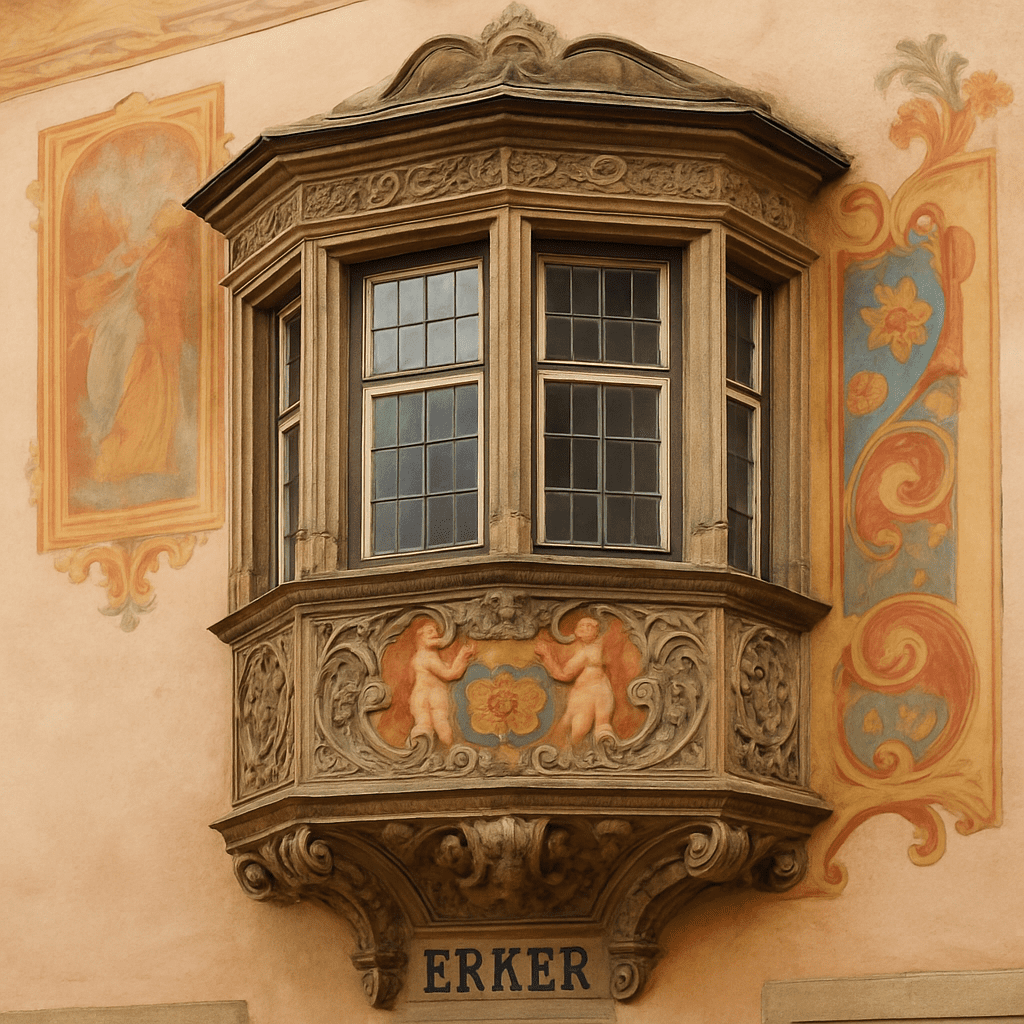
However, the ultimate expression of commercial wealth was structural rather than painted. Proudly jutting out from the flat walls, the ornate Bay window the traditional Tyrolean architecture. These enclosed balconies functioned as the 16th-century equivalent of a modern penthouse. They allowed wealthy owners to look down upon the bustling street while simultaneously showcasing their elaborate Tyrolean Gothic design.
Recognizing these architectural clues transforms a simple walk past Kitzbühel's top sights into a journey through its medieval economy. This underground wealth not only shaped the townhouses but also funded the magnificent local altars.
From the Mines to the Altars: The Silver Heritage of St. Catherine's Church
The wealth generated by silver reaches its zenith in St. Catherine’s Church. Built during the mining boom, this structure stands as a breathtaking example of the patronage of the mine owners. Wealthy copper barons channeled their profits into soaring stone arches and pointed windows—classic features of the High Gothic style designed to draw the eye upward toward the heavens.
Inside St. Catherine's Church, specific medieval innovations can be found:
- The tall tower Long before modern maps, this towering summit served as a vital beacon, guiding weary merchants safely through the valley.
- The altarpiece A wooden masterpiece that opens like a giant book to reveal brilliant, gold-leafed religious scenes.
- The Mechanical Watch: Specifically installed to regulate the grueling shifts of the local miners who financed the sanctuary.
The city was built by hard-working hands and local industry, not just aristocratic money. This understanding lends historical monuments a completely new depth.
The Insider Tour: Hidden Alleys and Authentic Crafts Between Luxury Boutiques
Upon leaving St. Catherine's Church, the gleam of modern shop windows immediately catches the eye. However, those who spend a day in the historic district will find the true magic in a simple, 45-minute walking tour. Wandering through the narrow passages connecting the front and back towns offers a peaceful, authentic escape from the bustling luxury center.
A closer look reveals specific local highlights:
- Best Photo Spots in the Historic Old Town: For deserted memory photos, shots through the medieval arch of the Jochberger Tor, the quiet Sparkassenhof, or the colorful passages branching off the main avenue are suitable.
- Local Tyrolean Crafts: Beyond generic souvenirs, you'll find authentic hand-forged ironware, delicate wood carvings, and durable Loden wool, hidden in small workshops between the designer boutiques.
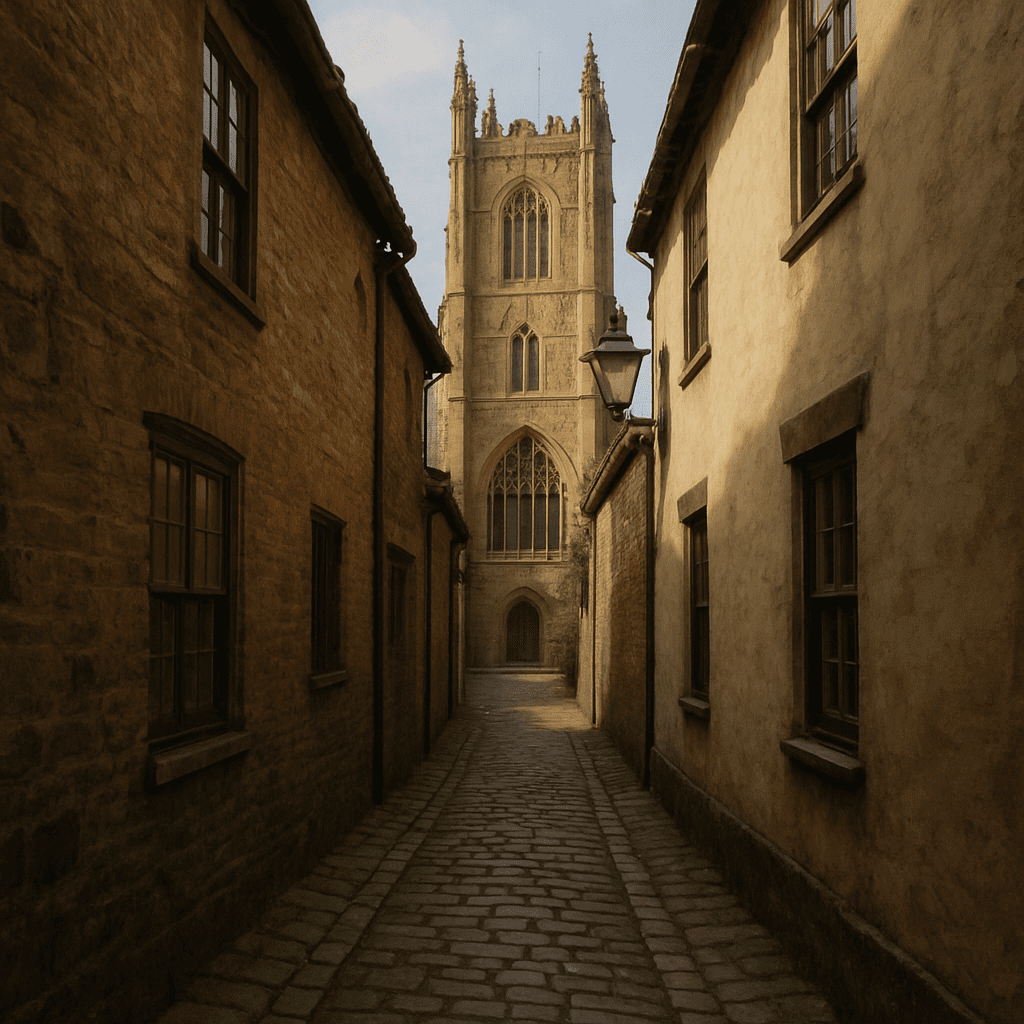
The uneven cobblestones eventually lead back into the city's vibrant modern rhythm.
A Perfect Day in the Chamois Town: The Fusion of Alpine History and Modern Elegance
Behind the picturesque backdrop of pastel boutiques, the multifaceted heritage of a medieval fortress, a thriving silver mining center, and a world-class resort reveals itself. With this knowledge, the hidden coatsof arms and ancient merchant oriels, often otherwise overlooked, can be easily discovered.
A guided evening walk through the historic alleys offers an ideal opportunity to admire these details calmly. As shadows lengthen, the luminous winter atmosphere in the Alpine village center reveals its centuries-old soul – a perfect end to a day off the slopes.