
The parish church of St. Andrew in Austria is an impressive example of religious architecture. It attracts visitors with its rich history and intricate design. This church is not only a place of worship but also a cultural gem.
The church is dedicated to Saint Andrew, one of Jesus's twelve apostles. Its origins date back to the Middle Ages, making it a significant historical monument. Over the centuries, it has been renovated and expanded multiple times.
The architecture of the church combines Gothic and Baroque elements. This mixture gives it a unique aesthetic that delights art lovers. The altar and the stained glass windows are particularly worth seeing.
The parish church is an active place of worship and community activities. It offers regular tours that provide insights into its history and significance. Visitors can find peace and reflection here.
As part of Austria's cultural heritage, the church is a protected monument. It is a popular destination for tourists and pilgrims who wish to experience its spiritual and cultural atmosphere.
History of the Parish Church of St. Andrew
The origins of the parish church of St. Andrew are deeply rooted in Austrian history. Its construction dates back to the Middle Ages, showcasing the enduring legacy of that era. The church was built on a sacred site that has been considered holy for centuries.
In the beginning, the church was a small house of worship, which later took on expanded dimensions. Gothic architecture dominated the original construction. From the 13th century onwards, a phase of intensive construction began, developing the building into what we see today.
Over the centuries, the church underwent several renovations. Each structural modification contributed to its present form. Significant additions, which shaped the church, were made, particularly during the Baroque period. These improvements encompassed both the interior and exterior.
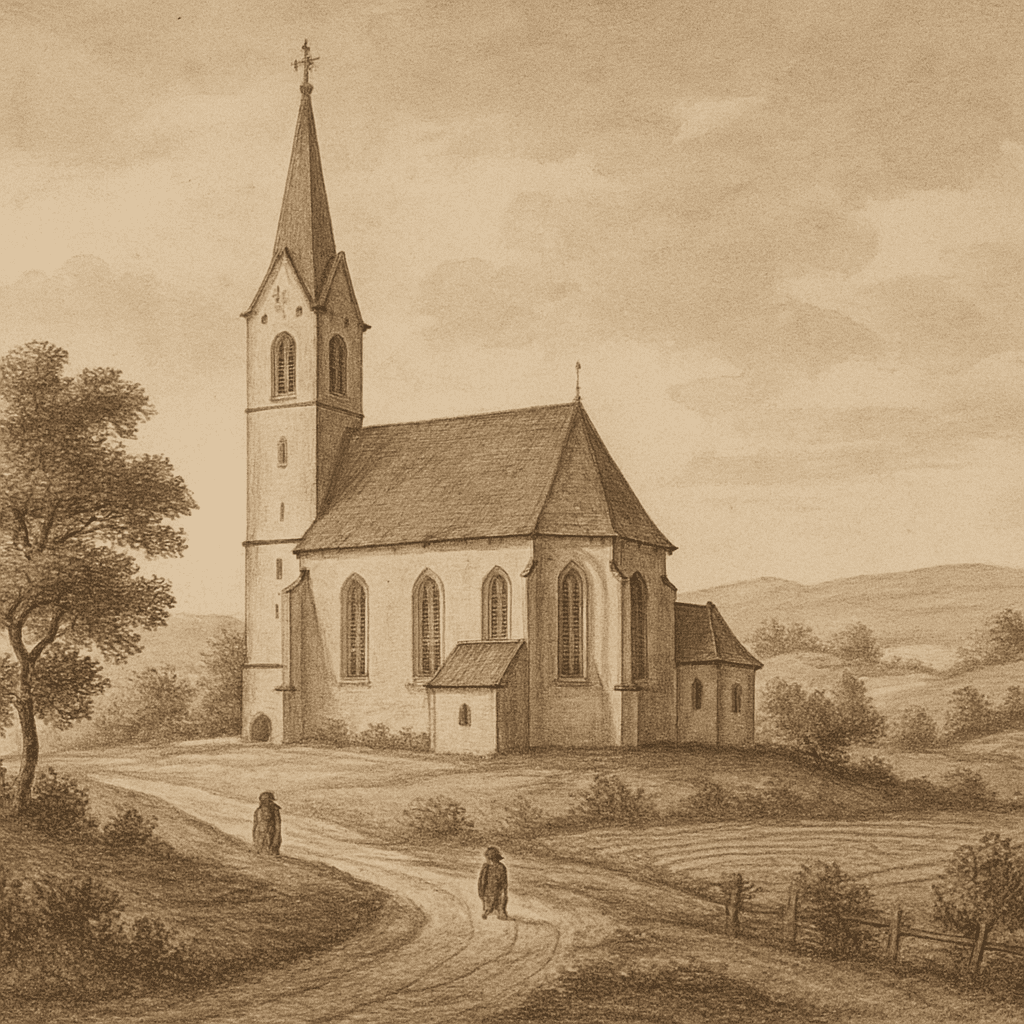
Each generation has contributed to the preservation and beautification of the church. The sanctuary has been redesigned multiple times to accommodate different liturgical requirements. These adjustments reflect changes in religious and cultural life.
Throughout its long history, the parish church has endured numerous challenges. Wars and natural disasters could not diminish its existence or significance. It has always remained a focal point for faith and community.
Today, the church stands as a silent witness to the history and changes in the region. It evokes past times while simultaneously encouraging spiritual renewal. The church is more than a structure; it is a living testament to Austria's faith traditions.
Architecture and Works of Art
The architecture of the Parish Church of St. Andrew combines Gothic austerity with Baroque opulence. This fusion is the result of centuries of expansion. Gothic structures shape the basic form of the church. Tall pointed arch windows and pointed towers are characteristic of this style.
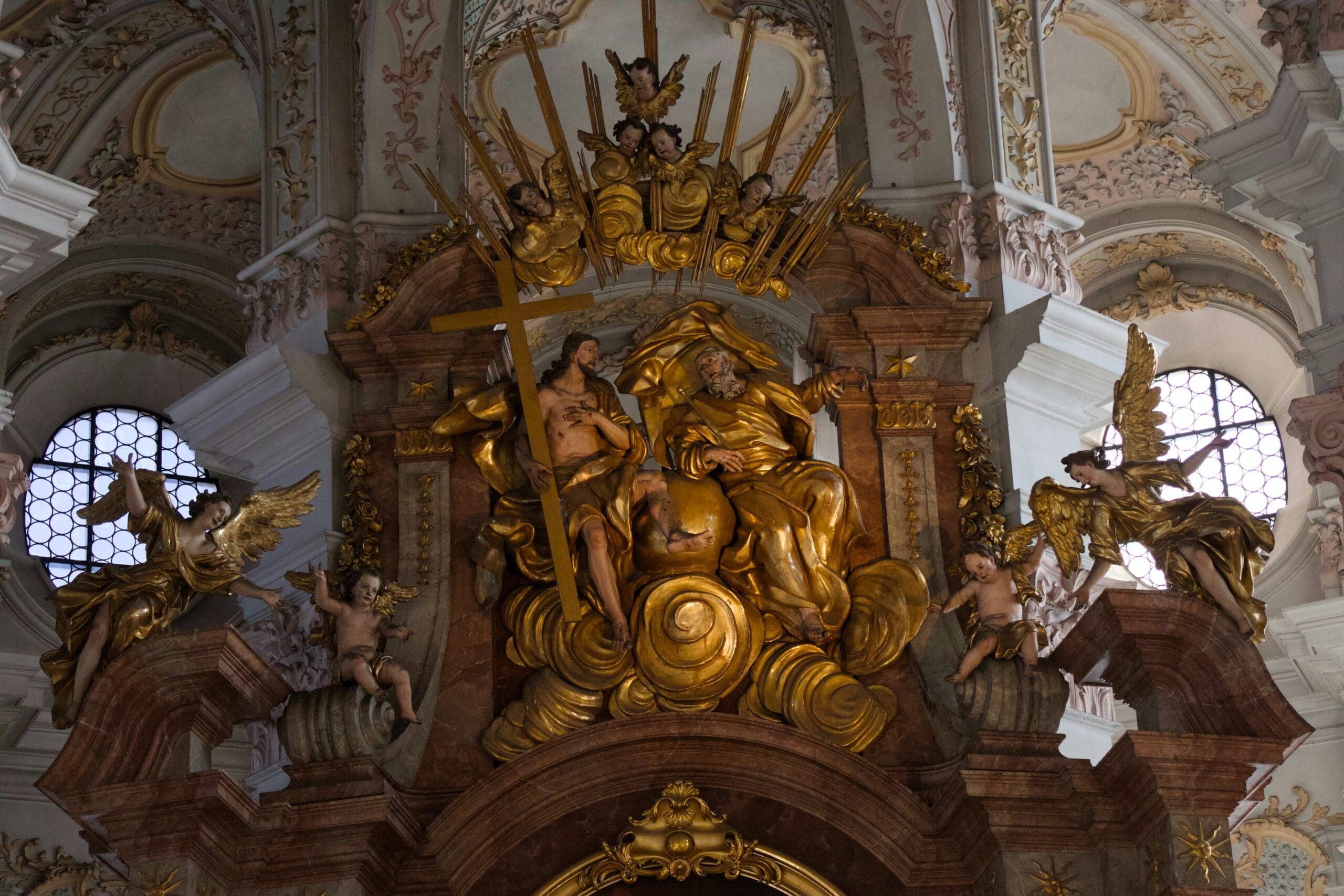
Baroque elements were added in the 17th century. These additions gave the church a more welcoming atmosphere. The richly decorated interior testifies to the Baroque penchant for opulent ornamentation. Ceiling paintings and stucco work immediately capture the attention of visitors.
An impressive highlight is the main altar. It is a masterpiece of Baroque art and attracts many tourists. With its gilded carvings and intricate details, it is a feast for the eyes. The altar is dedicated to Saint Andrew and tells biblical stories in breathtaking form.
The church also houses exquisite frescoes. These works of art date from various periods and depict scenes from the lives of Christ and the saints. They impress with their splendor of color and artistic refinement. The frescoes enrich the sacred ambiance of the church.
by Dima (https://unsplash.com/@dsk1306)
A list of notable artworks in the church includes:
- The stained glass windowsOffers a fireworks display of colors and biblical motifs.
- The pulpitAn 18th-century artwork, richly decorated and symbolic.
- The organAn instrument of majestic sound, often used in concerts.
Each of these works of art tells its own story, enhancing the spiritual experience of visitors. The integration of art and architecture makes the Parish Church of St. Andrew a unique place of devotion and inspiration. This successful symbiosis is not only of religious significance but also of cultural importance.
The careful preservation of the artworks and architecture is of great importance to the community. Regular restoration work ensures that these treasures remain accessible to future generations. The church is a living museum of art and architectural history, reflecting the diversity and richness of Austrian culture.
Saint Andrew and his significance
Saint Andrew, to whom the parish church is dedicated, was one of Jesus' twelve apostles. He plays a prominent role in Christian tradition. As the brother of the apostle Peter, he is considered the first disciple of Jesus to recognize and follow him. In Christian symbolism, Andrew is often depicted with an X-shaped cross, on which, according to tradition, he suffered martyrdom.
The significance of Saint Andrew extends beyond his martyrdom. He is venerated as the patron saint of several countries and is a symbol of faith and steadfastness. Legend has it that he widely spread his missionary work, thereby having a significant impact on the early Church. His veneration is deeply rooted, particularly in Orthodox and Catholic communities.
The parish church dedicated to Saint Andrew honors this apostle not only in name. It also preserves numerous works of art dedicated to him. Statues and frescoes depicting his life and work foster the spiritual connection of the faithful to their history and tradition. These representations make the church a place of contemplation and inspiration for all visitors.
The Church as a Living Place of Community
The parish church of St. Andrew is more than just an architectural gem. Above all, it is an active center of the community. Services and masses are regularly held here, which are an essential part of spiritual life for many. The church also serves as a meeting place and offers space for community activities and gatherings.
An important aspect of the church community is the many events that are organized here. These include concerts, exhibitions, and religious celebrations, among others. These events bring together people from different backgrounds and promote community exchange.
In addition to worship services and events, the church also plays a central role in the education and support of the community. It offers programs and courses that impart both spiritual and practical knowledge. These include Bible study groups, lectures, and social initiatives to support those in need.
Here is a list of the regular activities at the parish church:
- Sunday services and masses
- Community festivals and holiday celebrations
- Concerts and musical performances
- Educational and Discussion Forums
- Utilities and charitable projects
The parish church of St. Andrew is therefore far more than a historical site. It is a living and vibrant part of the community. People come here to experience community, find inspiration, and draw new strength. It remains a place that keeps faith and traditions alive.
Cultural and spiritual significance
The parish church of St. Andrew is a significant cultural and spiritual attraction. With its artful stained-glass windows and magnificent interior, it bears witness to the rich history of religious art in Austria. The church is a testament to the interplay between art, history, and faith.
Spiritually speaking, the parish church is a place of peace and meditation. Visitors find a space for contemplation here, far from the hustle and bustle of everyday life. The church offers a quiet environment, ideal for prayer and personal reflection. This special atmosphere attracts not only believers but also people seeking inner peace.
Furthermore, the church is a center for spiritual pilgrimages. It is often the destination for pilgrimages and attracts pilgrims from near and far. The church enriches the region's religious heritage and supports the community through diverse spiritual offerings. These activities promote community understanding and connection between people.
The cultural dimension of the church is also evident in the many events that take place here. From classical concerts to modern art installations, the church is a vibrant place of cultural exchange. Such events open the doors of the church to a wide variety of visitors, thereby enlivening the cultural life of the region.
Visit and practical information
The parish church of St. Andrew attracts numerous visitors annually. Thanks to its central location, it is easily accessible. Visitors are fascinated by the picturesque surroundings of the church. Whether as a tourist or a pilgrim, the church offers an unforgettable experience.
For those interested, guided tours are regularly offered. These provide deep insights into the history and architecture of the church. They also emphasize the importance of the artworks preserved here. The tours are suitable for both individuals and groups.
Practical Information:
- Operating hoursOpen daily from 9:00 AM to 6:00 PM
- Admission PricesFree admission, donations are welcome
- ToursMonday to Friday at 11:00 AM and 3:00 PM
- AccessibilityWheelchair accessible
In addition to regular tours, the church is also accessible for religious services. These take place regularly and offer visitors a unique opportunity to participate. The atmosphere during these ceremonies is solemn and impressive.
It is advisable to plan your church visit in advance. Especially on holidays and weekends, it can get very busy. An early visit allows you to enjoy the atmosphere in peace. Information about tours and events is available on the official website.
The parish church in the context of churches in Austria
The parish church of St. Andrew is a significant example of the diversity of churches in Austria. Amidst a large number of historical churches, it attracts attention through its unique architecture and history. Its Gothic and Baroque elements reflect the developmental stages of Austrian church architecture.
Austria is known for its rich church traditions and magnificent sacred buildings. St. Andrew's Church seamlessly blends into this cultural heritage. It showcases the deep-rooted connection between religion and culture in the region. Many churches in Austria share similar historical and artistic elements, but each possesses its own unique charm.
The parish church is not only a place of prayer but also a symbol of Austria's religious and cultural identity. It is a protected monument and is carefully preserved as a valuable cultural asset. Through its various functions, it demonstrates the vibrant role that churches have played and continue to play in Austrian society, remaining significant over centuries.
Conclusion: A place of inspiration and history
The parish church of St. Andrew is far more than just a historical monument. It is a living testament to Austria's rich religious traditions and cultural diversity. Its impressive architecture and valuable art attract visitors from all over the world, who appreciate both the beauty and the history of this church.
Through its active role in the community, the church remains a place of inspiration and contemplation. It offers not only space for spiritual experiences but also for cultural and artistic events. As a treasure trove of history, St. Andrew's Church continues to be at the heart of the Austrian cultural landscape.