

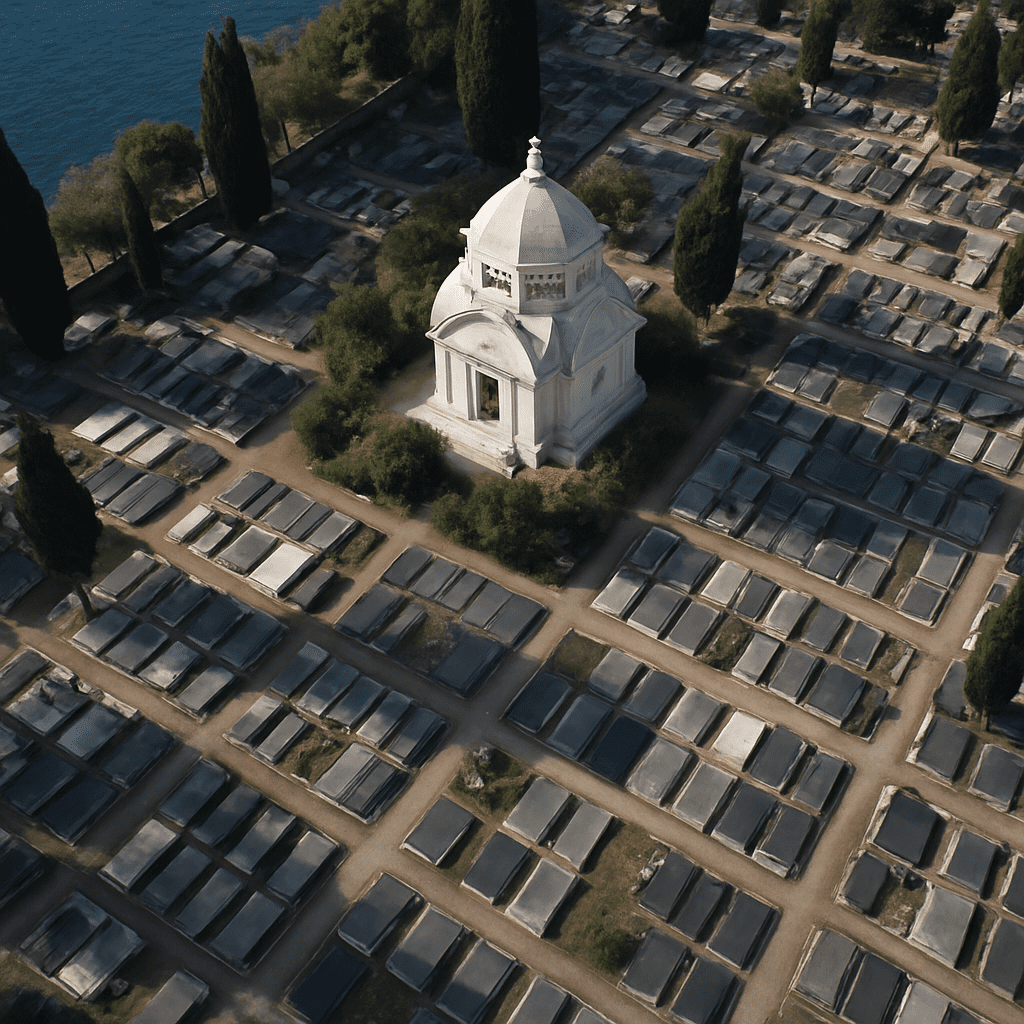
The Racic Mausoleum (St. Roko) in Cavtat is a fascinating example of Croatian architecture. It is located in the picturesque town of Cavtat, not far from Dubrovnik. This sight attracts numerous visitors annually.
The mausoleum is dedicated to the wealthy Racic family. It was designed in 1921 by the famous Croatian sculptor Ivan Meštrović. Its architecture combines Art Nouveau and Byzantine elements.
The location on a hill offers a breathtaking view of the Adriatic Sea. Visitors can enjoy the tranquility and contemplation of the place. The cemetery of Cavtat, where the mausoleum is located, is also of historical interest.
The building is made of white stone from the Dalmatian region. Inside, sculptures and reliefs impress. The dome is crowned with a cross, symbolizing the family's Christian faith.
Ivan Meštrović is one of the most significant sculptors from Croatia. His works are recognized worldwide. The mausoleum is a testament to his artistic vision.
A visit to the Racic Mausoleum offers insights into Croatian history and culture. It is a place of peace and reflection. Art lovers and history enthusiasts alike will be inspired.
Overview: The Racic Mausoleum and its Location
The Racic Mausoleum in Cavtat is an outstanding example of the fusion of art and architecture. In a quiet location within the local cemetery, it presides over the town from a hilltop. This elevated position affords spectacular views of the surrounding coastline and the endless blue of the Adriatic Sea.
Cavtat itself, a charming Dalmatian town, is known for its rich history and natural beauty. Its proximity to Dubrovnik makes it an ideal destination for day trips. The mausoleum is just a short walk from the town center and is well-signposted.
Reasons to visit the Racic Mausoleum:
- Architectural uniqueness and artistic appeal
- Breathtaking views of the Adriatic coast
- Historical Significance and Connection to the Racic Family
The terrain around the mausoleum is surrounded by lush Mediterranean vegetation. Visitors can enjoy nature while exploring the significance of the site. The cemetery offers a peaceful atmosphere away from the hustle and bustle.
The mausoleum attracts not only art lovers but also history enthusiasts. It offers not only insights into the past but also inspiration through its harmonious blend of nature and architecture.
The History of the Racic Family and the Mausoleum
The Racic family was an influential shipping family in Cavtat. In the late 19th and early 20th centuries, they gained prosperity and recognition. Their success was based on their flourishing shipping line in the Adriatic Sea.
With her status came a desire to leave a legacy. The construction of the mausoleum was an expression of this ambition. It was intended as a final resting place and a monument to her family's achievements.
In 1921, the Racics commissioned the renowned sculptor Ivan Meštrović to build it. His charge was clear: to create a work that was both grand and intimate. Meštrović's vision proved to be perfect for this meaningful location.
Key points about the Racic family and mausoleum:
- Prominent shipping family in the early 20th century
- Prosperity achieved through trade and seafaring
- Commissioning the renowned sculptor Ivan Meštrović for the mausoleum
The choice to build the mausoleum in Cavtat was not accidental. It permanently connected the family with their hometown. At the same time, it reflected their deep bond with Adriatic culture.
The mausoleum tells stories of love, loss, and respect. Every detail embodies the history and values of the family that shaped it.
Ivan Meštrović: The Creator of the Mausoleum
Ivan Meštrović is a key figure in Croatian art history. He was born in 1883 in a small village in Croatia. He showed an exceptional talent for sculpture from an early age.
After his studies, his fame spread far beyond Croatia. Meštrović's works can be found in museums and public spaces worldwide. His unique style combines traditional Croatian motifs with modern influences.
The design of the Racic Mausoleum was one of his masterpieces. It masterfully combines art, architecture, and symbolism. Meštrović created a monument that is both imposing and emotional.
His participation in this project was of particular importance. The task of working for a prominent family was prestigious. It offered him the opportunity to express his artistic vision in new ways.
Architecture and artistic features
The Racic Mausoleum in Cavtat is an architectural masterpiece. It combines Art Nouveau and Byzantine influences. This unique blend makes it an outstanding example of Croatian architecture.
The mausoleum is made of white Dalmatian stone. This choice emphasizes its simple yet powerful elegance. The stone gives the structure a timeless character.
A distinctive dome with a cross crowns the building. It symbolizes the Christian faith of the Racic family. These elements merge into a harmonious unit that radiates strength and spirituality.
Inside, intricate sculptures and reliefs impress. These works showcase Meštrović's artistic genius. They tell the story and faith of the Račić family in an impressive way.
A central altar forms the centerpiece of the room. It is surrounded by artfully designed windows. These allow natural light to stream in in warm tones.
Here are some of the special features of the mausoleum:
- Dome with cross
- Using Dalmatian Stone
- Impressive sculptures and reliefs
- Artistic windows for natural light
- Central altar
The interplay of architecture and art shows masterful harmony. Each aspect of the mausoleum complements the other. This makes it a fascinating place for both art lovers and historians.
Symbolism and Meaning of the Mausoleum
The Racic Mausoleum is rich in symbolism. The architecture and artistic details tell of deep meaning. They reflect the values and beliefs of the Racic family.
A central symbol is the cross on the dome. It embodies the Christian faith and the unwavering spirit of the family. The dome itself represents heaven, as the ultimate goal of life.
The interior design is equally meaningful. Sculptures and reliefs depict images of life and impermanence. They invite visitors to reflect on their own existence.
The mausoleum's location enhances its significance. Situated on a hill, it offers a striking view of the Adriatic Sea. This natural beauty complements and amplifies the spiritual atmosphere of the site.
Together, architecture, art, and nature form a harmonious whole. The mausoleum is a place of contemplation and inspiration. It invites visitors to reflect on life, death, and beyond.
The Cavtat Cemetery: A Place of Peace and History
Cavtat Cemetery is more than just the site of the Racic Mausoleum. It is a historical place that tells many stories. Its location on a hill offers a beautiful view that delights visitors.
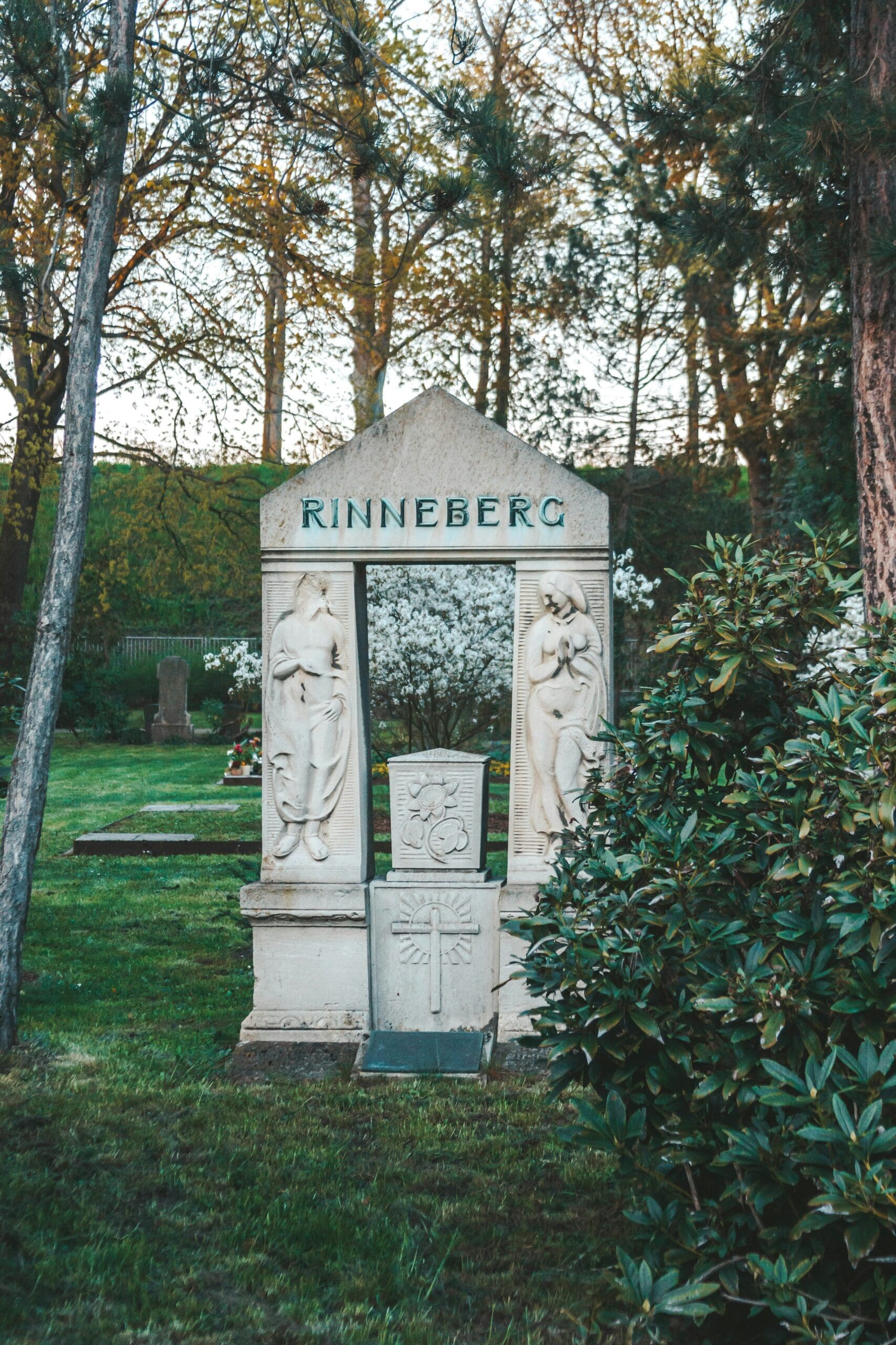
Many important personalities of the region are buried here. Gravestones and monuments bear witness to Croatia's rich history and cultural diversity. The peaceful atmosphere invites a quiet walk.
The surrounding nature complements the feeling of peace and contemplation. Olive trees, cypresses, and the gentle sea breeze create a special atmosphere. The cemetery is a place of contemplation, ideal for history enthusiasts and nature lovers alike.
The Mausoleum as a Tourist Attraction: Tips for Visitors
The Racic Mausoleum (St. Roko) in Cavtat is a highlight for travelers visiting Dubrovnik. It is easily accessible and offers a profound cultural experience. Many visitors combine their visit with an exploration of the charming town of Cavtat.
When planning your visit, choosing the right time is important. Early mornings or late afternoons offer a calmer atmosphere, ideal for moments of reflection. The soft light enhances the beauty of the architecture and surroundings.
When visiting, here are some helpful tips to keep in mind:
- Sturdy shoesFor the walk through the cemetery.
- CameraTo capture the breathtaking views.
- Travel guideFor a deeper insight into the history.
by Anastasiia Mitiushova (https://unsplash.com/@mitiushova)
Don't forget to check the opening hours for the mausoleum, as it has seasonal hours. A visit can be culturally enriching and encourage personal reflection. It is definitely one of the most significant sights near Dubrovnik and a must-see for anyone interested in culture.
Cavtat and surroundings: Other highlights nearby
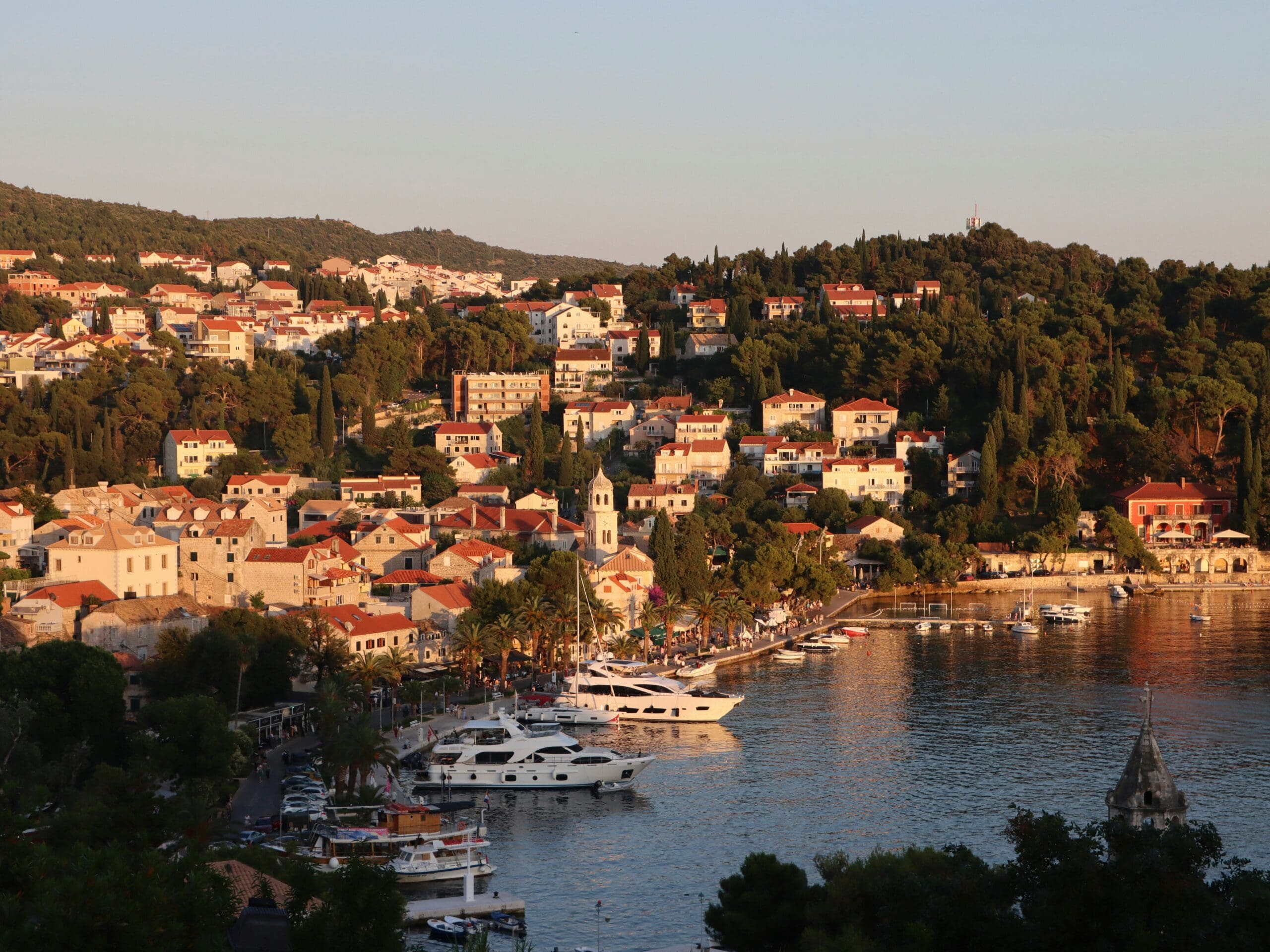
Cavtat is not only home to the impressive Racic Mausoleum. The picturesque town offers a variety of other sights and activities for interested visitors. The coastal town is known for its rich history and beautiful location on the Adriatic coast.
Some of the notable highlights you can experience in Cavtat include:
- Old Town of CavtatExplore the charming alleys and historic buildings.
- House and Studio of Vlaho BukovacDiscover the museum of the famous Croatian painter.
- Coastal promenadeEnjoy a relaxing walk with a dreamy sea view.
by Hongbin (https://unsplash.com/@hbsun2013)
These attractions make Cavtat an unforgettable destination. Whether you're an art lover, history buff, or nature enthusiast, the city offers something special for every traveler. Be sure to spend enough time exploring the many facets of this enchanting area. Cavtat is undoubtedly a hidden gem on the Croatian coast.
Conclusion: Why the Racic Mausoleum is a must-see
The Račić Mausoleum in Cavtat is much more than just an architectural masterpiece. It is an impressive place that unites art, history, and spirituality. The artistic design by Ivan Meštrović and the rich history of the Račić family make it a significant cultural heritage of Croatia.
A visit to this unique mausoleum offers you the opportunity to delve into the cultural roots of Dalmatia. The breathtaking views of the Adriatic Sea and the peaceful atmosphere invite you to linger and reflect. For anyone traveling to Dubrovnik, the Racic Mausoleum should be an indispensable stop on the itinerary. It is an unforgettable place that touches the soul.