
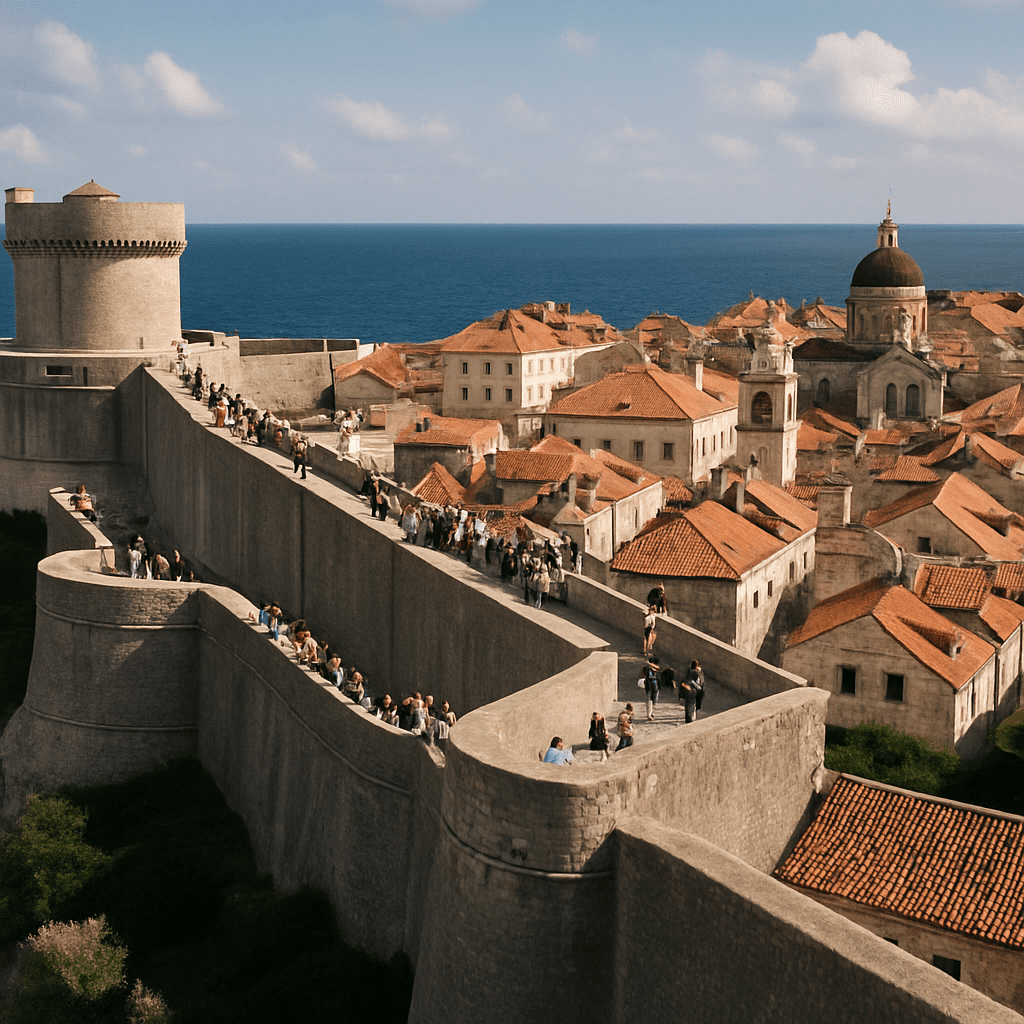
The city walls and fortifications of Dubrovnik are an impressive testament to medieval architecture. They surround the Old Town and offer a fascinating glimpse into the region's history. These mighty walls are a symbol of the city's strength and independence.
Built in the 13th century, they were expanded and reinforced over the centuries. Today, they are one of the best-preserved fortifications in Europe. The city walls stretch for two kilometers and reach a height of 25 meters in some places.
A walk along the wall offers breathtaking views of the Old Town and the Adriatic Sea. Visitors can admire the impressive architecture and the strategic planning of the fortifications. The city walls are a must-see for any visitor to Dubrovnik.
Dubrovnik's Old Town, surrounded by these historic walls, is a UNESCO World Heritage Site. The fortifications are an important part of Croatia's cultural heritage. They attract thousands of tourists annually.
The city walls are not only an architectural masterpiece but also a popular spot for photographers. The spectacular views and historical significance make them one of the top attractions in Dubrovnik. Discover the fascinating history and impressive architecture of these unique fortifications.
The History of the City Wall and Fortifications
The city walls of Dubrovnik were first built in the 13th century. They served to protect the flourishing trading city and were continuously expanded. For centuries, Dubrovnik was a significant maritime power that needed to defend itself.
In the 14th and 15th centuries, the city experienced a golden age. This led to the expansion of its defenses. During this time, the fortifications were repeatedly strengthened and modernized. The strategic importance of these walls was invaluable.
The influence of different architectural styles is recognizable in the design of the fortifications. Gothic and Renaissance styles left their mark on various sections of the walls. This interplay of styles reflects Dubrovnik's eventful history.
Some important events that contributed to the development of the city wall are:
- 13th centuryConstruction of the first walls.
- 14th-15th CenturyExtensions and Modernizations.
- 17th centuryProtection from Ottoman Expansion.
During the siege of Dubrovnik in the 20th century, the wall once again played a role. Despite damage during the Croatian War of Independence, the fortifications were carefully restored.

Architecture and Structure of the City Wall
The city walls of Dubrovnik stretch for two kilometers around the Old Town. In some places, they reach an impressive height of up to 25 meters. These massive limestone walls showcase the architectural prowess of the engineers of that time.
The wall is equipped with several towers, bastions, and fortresses. The strategic architecture ensured protection against possible attacks. Minceta Fortress, the highest point of the city walls, offers a comprehensive panoramic view. This was of considerable advantage in defending the city.
A notable architectural feature is the double ring of walls, which provides added security at vulnerable points. The intelligently designed battlements and defensive towers offered excellent opportunities for defense. The smooth surfaces also helped to prevent climbing.
Important elements of the city wall include:
- TowersHistoric observation and defense points.
- BastionsReinforcements for additional defense.
- FortificationsProtection and housing for soldiers.
The preservation of the wall is a triumph of medieval engineering and bears witness to the strategic foresight of its builders.
The most important fortresses and towers
Dubrovnik's city walls are lined with several impressive fortresses and towers. Each one has its own fascinating history and significance. These structures are essential parts of the defensive system.
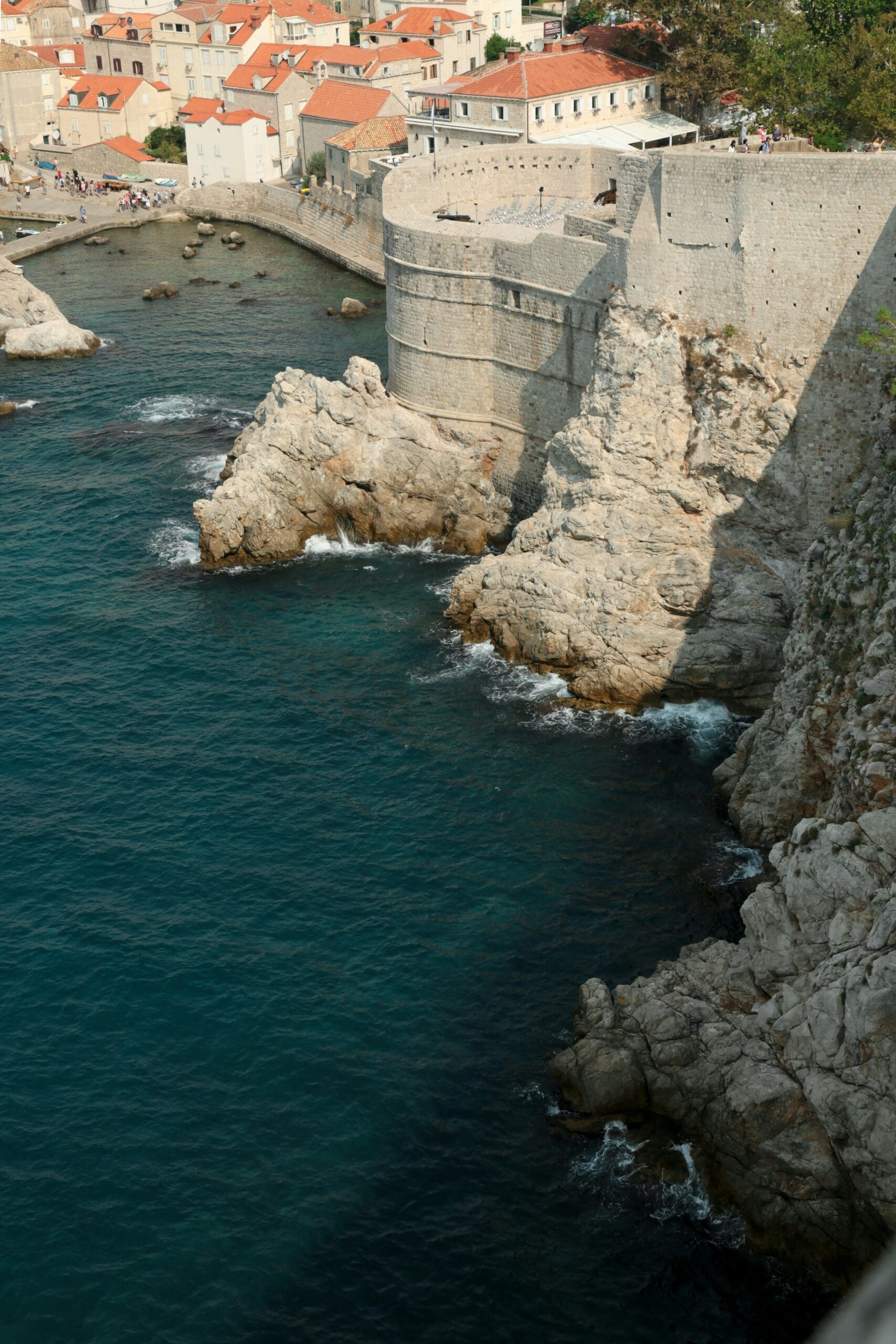
Fort Lovrijenac is perhaps the most famous. It dramatically rises from a 37-meter high rock west of the Old Town. This independent fortress is often called „Dubrovnik's Gibraltar“ and played a key role in repelling earlier attacks.
by Salya T (https://unsplash.com/@salyastone)
Another prominent tower is Fort Minceta. It stands at the highest point of the city walls and offers a breathtaking panoramic view. Minceta is a symbol of Dubrovnik's freedom and impresses with its powerful, round structure.
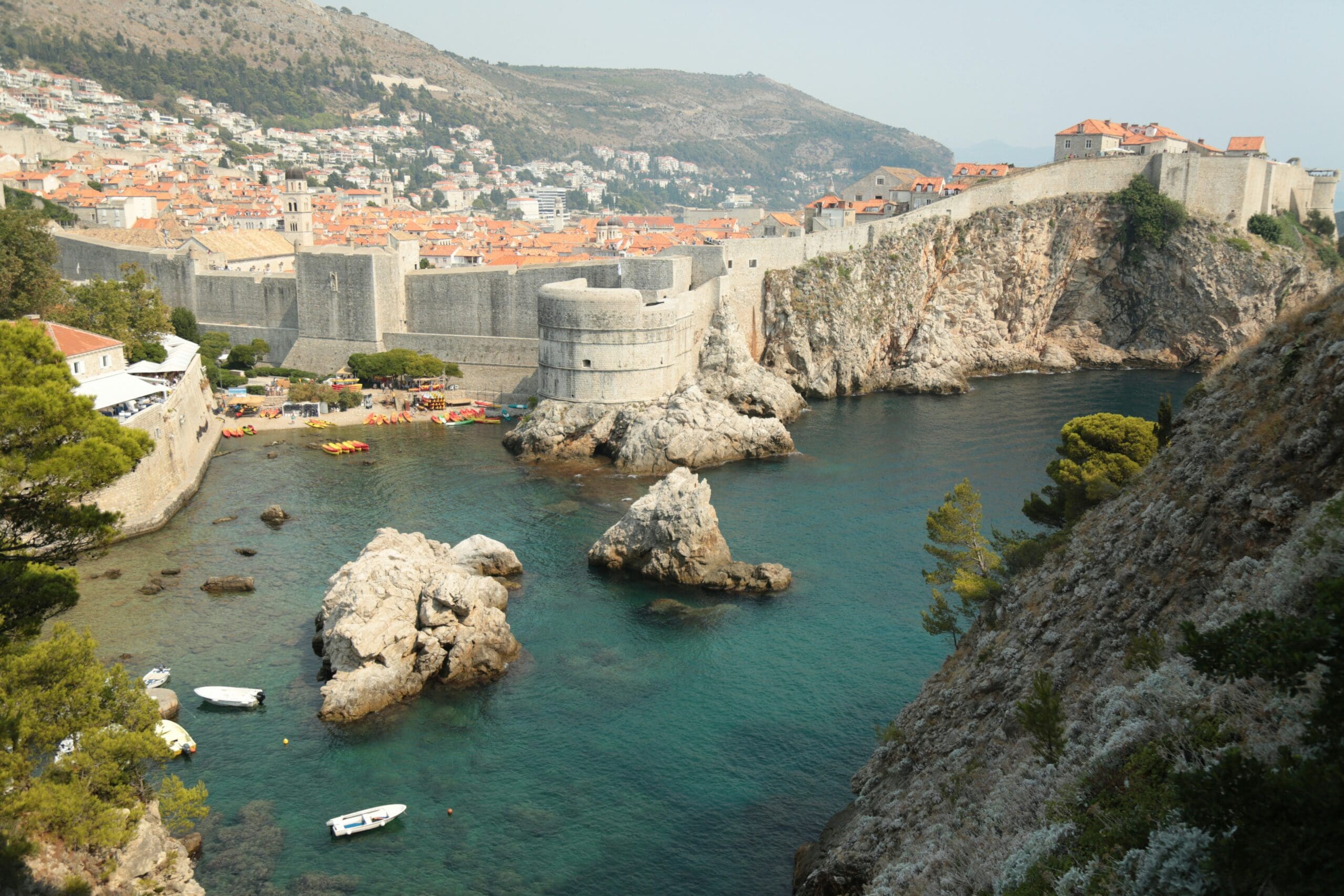
The Bokar Fortress is also significant. It is considered one of the oldest surviving structures of its kind in Europe. Originally built to protect the Pile Gate, Bokar is an important part of the city's defenses.
Besides these fortresses, there are several watchtowers scattered along the wall:
- Minceta TowerHighest point with panoramic view.
- Fort LovrijenacLocated outside the main wall.
- Fortress BokarProtects the pile gate.
The combination of these forts and towers made the city virtually impregnable. Each structure contributed specifically to the complex defensive strategy and tells stories of heroic defense.
The City Wall as a UNESCO World Heritage Site
The city walls of Dubrovnik are more than just an impressive example of medieval architecture. Since 1979, the entire Old Town, including its mighty walls, has been a UNESCO World Heritage site. This recognition underscores the exceptional cultural and historical significance of the complex.
As a UNESCO World Heritage site, the city walls are also an important part of Croatia's cultural heritage. Their preservation and protection are of international interest in order to safeguard history for future generations. Thanks to this recognition, conservation efforts and restoration projects are at the forefront.
The World Heritage status attracts countless tourists annually. They explore the impressive structure and learn about the city's interesting history. The city walls are a living testament to Dubrovnik's resilience and history.
by Ergi Pane (https://unsplash.com/@ergiphotography_)
The City Walls as a Dubrovnik Sightseeing Attraction: Visits, Tickets & Opening Hours
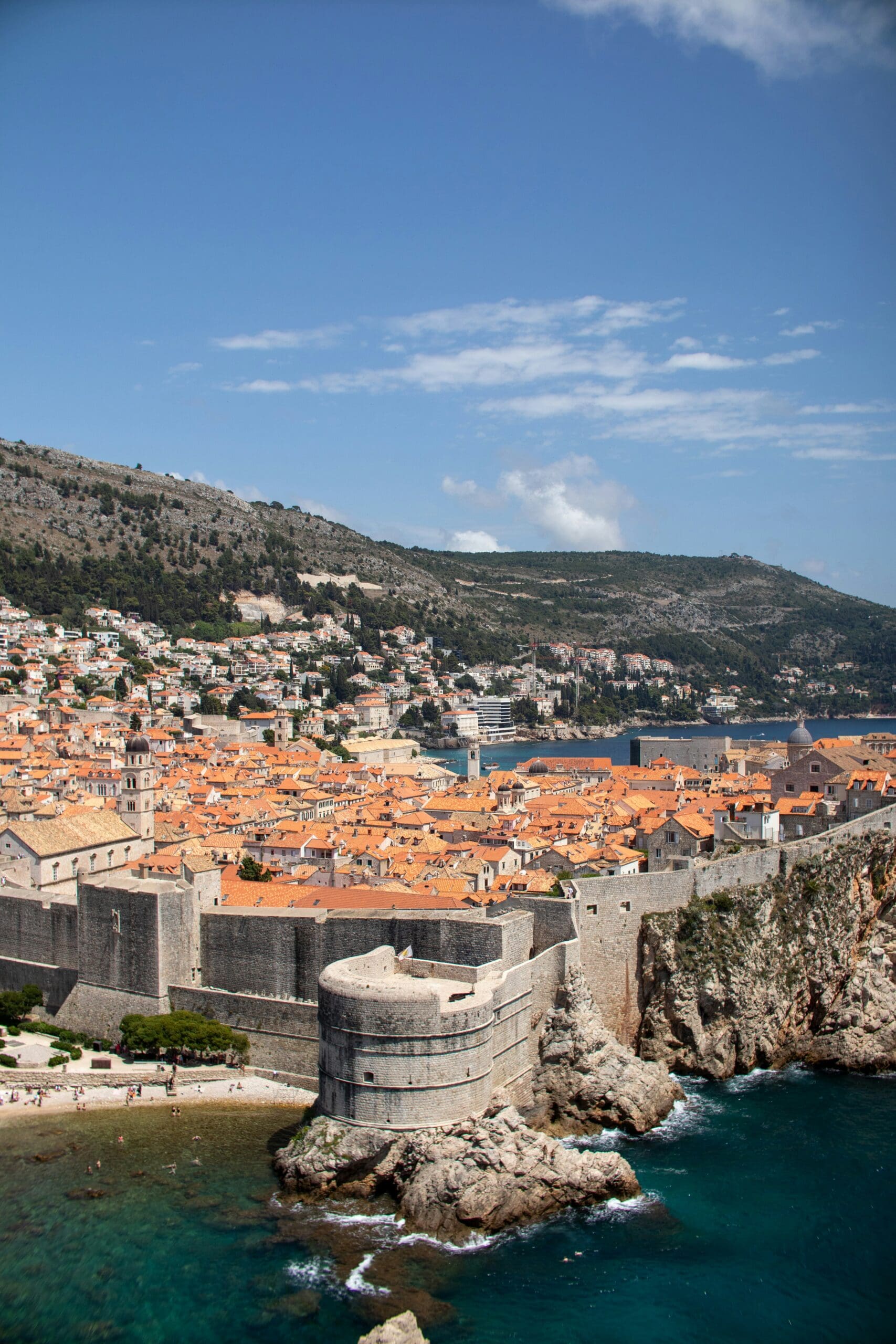
The city walls of Dubrovnik are one of the most outstanding sights in the city. They attract thousands of tourists annually who wish to walk along their ancient ramparts. From the top, an unforgettable panoramic view of the Old Town and the azure Adriatic Sea unfolds.
Access to the city walls is subject to a fee. Tickets can be purchased both online and at the entrances. It is advisable to book in advance to avoid long queues. In addition to the walls themselves, combination tickets are also available that include access to other cultural institutions in Dubrovnik.
City Wall Opening Hours
- April to October: 8:00 AM to 7:30 PM
- November to March: 9:00 AM to 3:00 PM
During the summer months, opening hours are extended. This allows visitors to experience the city wall early in the morning or late in the afternoon to avoid the midday heat. Visitors should allow approximately 1-2 hours for the tour.
Plan your visit well to fully enjoy the breathtaking views and exciting history of Dubrovnik.
by Max Shturma (https://unsplash.com/@nimfardo)
Practical tips for walking the city walls
When visiting the city walls in Dubrovnik, good preparation is crucial. The wall is about two kilometers long and offers numerous viewpoints. Therefore, comfortable shoes are a must for the tour.
Sun protection is essential, especially in the summer. The stone walls reflect light strongly, and temperatures can rise high. In addition to sunscreen, headwear is advisable to protect yourself from the intense sun.
Another tip is to visit the wall either early in the morning or late in the afternoon. This way, you can avoid the crowds and enjoy the view in a quieter environment. It's also helpful to bring a bottle of water to stay hydrated during your tour.
Checklist for visiting the city wall:
- Comfortable shoes
- Sunscreen and hat
- Bottle of water
- Camera for breathtaking views
The views from the city walls are spectacular and offer unique photo opportunities. This will make your visit to Dubrovnik an unforgettable experience.
The best viewpoints and photo spots
Dubrovnik's city walls offer incredible views of the city and the sparkling Adriatic Sea. For photographers, these vantage points are a true delight. Every spot along the wall provides a unique perspective.
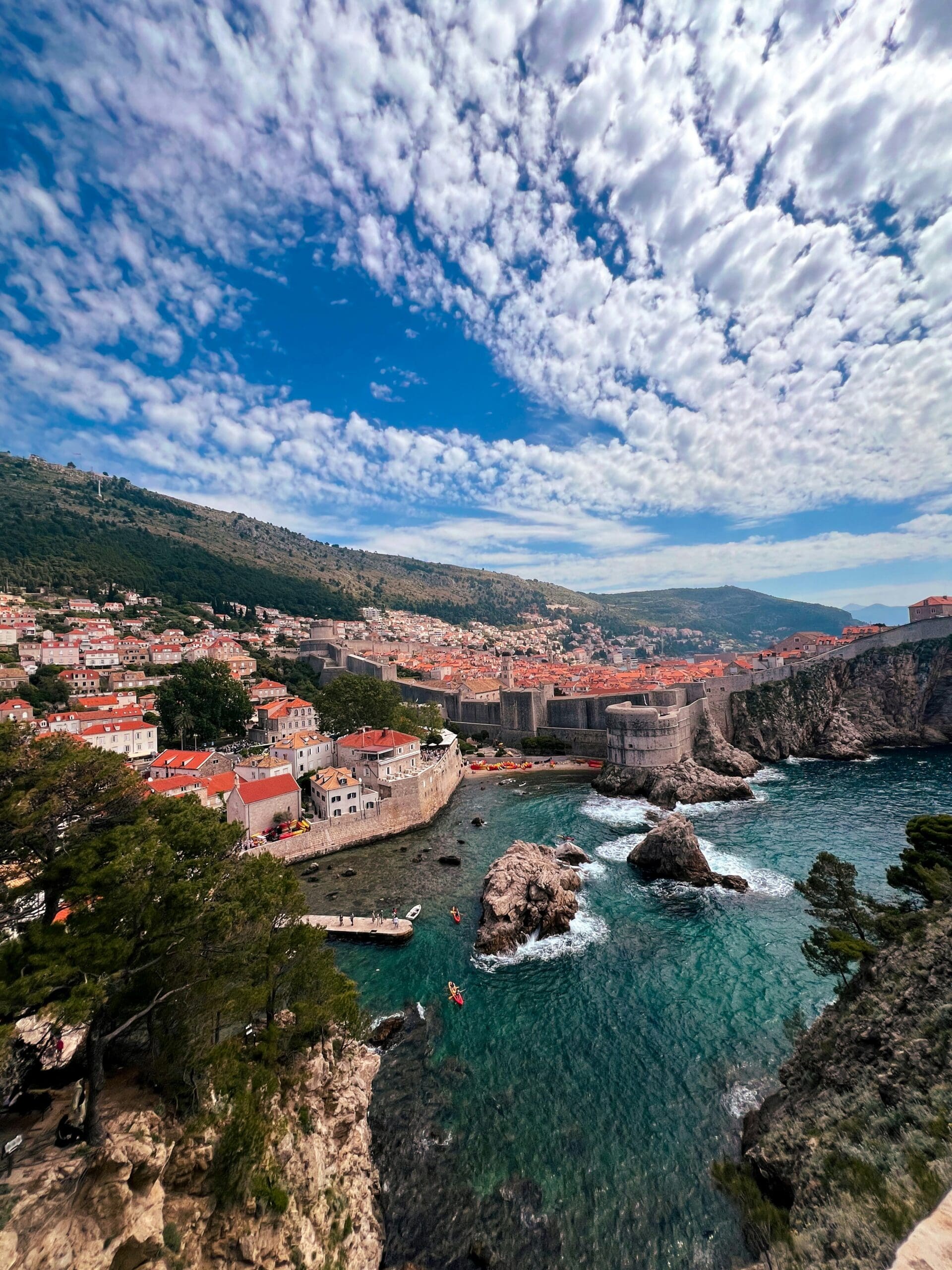
A particularly breathtaking photo spot is Minceta Fortress. From here, visitors have an unparalleled panoramic view of the Old Town and the surrounding islands. Another fantastic viewpoint is located near Bokar Fortress, where the turquoise waters of the bay beckon.
It is advisable to photograph at sunrise or sunset. The warm colors of the sky create a magical backdrop. Don't forget to also capture the hidden details of the city, such as small alleys and charming rooftops.
Recommended Photo Spots
- Fort Minceta
- Fort Bokar
- Gate to the Old Town
The beauty of these views is truly remarkable and a highlight of any Dubrovnik visit.
The City Wall in Pop Culture: Game of Thrones & More
The city walls of Dubrovnik are known worldwide as one of the most impressive backdrops in the television series „Game of Thrones.“ They served as the setting for the legendary city of King's Landing. The iconic sight of the mighty walls has delighted fans from all over the world and made Dubrovnik a popular travel destination for series fans.
Besides „Game of Thrones,“ Dubrovnik's fortifications have also inspired other film and television productions. Their imposing structure and historical aura are perfect for epic narratives. Visitors can explore the real-life locations and find themselves amidst famous filming sites.
by Salya T (https://unsplash.com/@salyastone)
Accessibility, Access & Notes for Families
The city walls of Dubrovnik offer many access points, but accessibility is limited. The historical character of the walls involves numerous stairs and uneven surfaces. Therefore, strollers are difficult to use for families with small children.
For the family visit, there are a few important things to keep in mind. It is advisable to bring comfortable clothing and sunscreen, especially in the summer. The wall is quite high and does not always have railings.
Here are some practical tips:
- Children should always be accompanied.
- Backpacks or carriers are recommended for toddlers.
- Ergonomic shoes are essential for visiting.
Conclusion: Why the Dubrovnik City Walls are a Must-See
The city walls of Dubrovnik are more than just a historical structure; they are a living symbol of resilience and ingenuity. Their impressive architecture not only offers visitors insights into the past but also provides breathtaking views of the Old Town and the blue Adriatic Sea. The carefully preserved walls tell stories of past battles and the cultural flourishing of the Republic of Ragusa.
Visitors experience both the impressive engineering of the past and the beauty of nature here. The walls are a unique place of history and a highlight of any trip to Dubrovnik. Whether for history buffs, architecture enthusiasts, or nature lovers, the city walls offer something for everyone and remain an unforgettable experience.
No visit to Dubrovnik would be complete without walking upon these fortified walls. They are an indispensable part of the travel experience and leave lasting impressions. The city walls impressively connect the past and present and remain an undisputed highlight of the city.