
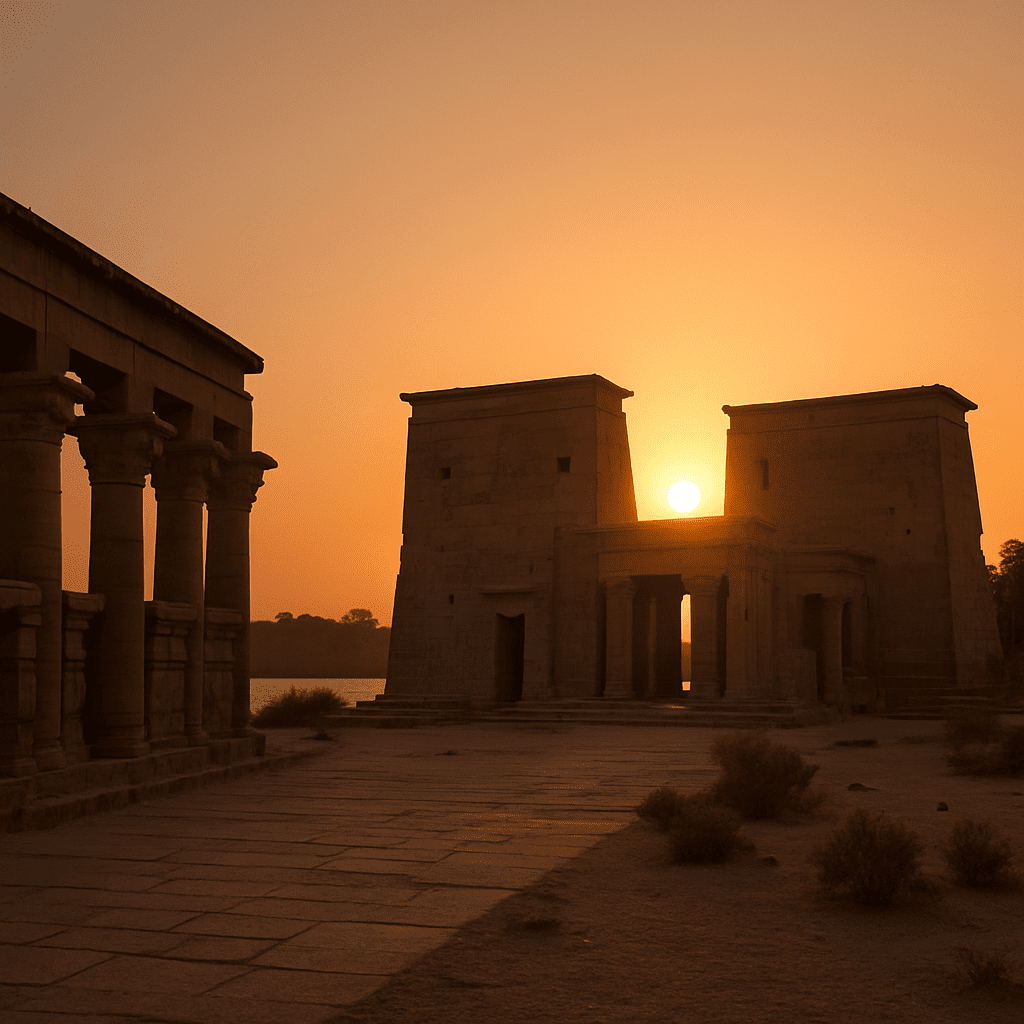
The Philae Temple in Aswan is a fascinating testament to ancient Egyptian culture. It is dedicated to the goddess Isis and attracts thousands of visitors annually. The temple complex, which originally stood on the island of Philae, was built during the Ptolemaic Dynasty.
The history of the Temple of Philae is closely linked to that of the Nile. Due to the construction of the Aswan Dam, the temple threatened to be flooded. To save it, it was relocated to the nearby island of Agilkia as part of an international project.
Today, the Philae Temple is a UNESCO World Heritage Site. It is an impressive example of the fusion of Greek and Egyptian architecture. The well-preserved reliefs and hieroglyphs tell stories from Egyptian mythology.
The temple was an important religious center until the 6th century AD. It offers insights into the religious practices of ancient Egypt. The temple reveals its full splendor, especially at sunset.
The Philae Temple is only accessible by boat. This makes it a popular destination for tourists taking a Nile cruise. The journey to the temple is an unforgettable experience.
The temple is not only an architectural masterpiece but also a place of spiritual significance. It symbolizes rebirth and protection and is a place of peace and contemplation. Photographers and artists find inspiration here.
The Philae Temple is an important part of the Egyptian tourism industry. It is a place of cultural exchange and international recognition. Visitors can feel the connection between the past and the present here.
The History of the Temple of Philae
The origin of the Philae Temple dates back to the deep centuries of ancient Egypt. Construction began in the Ptolemaic era, when the goddess Isis was worshipped. This epoch was marked by the expansion of existing traditions under Greek influence.
Philae was a significant religious center in ancient Egypt. The island of Philae was considered a sacred place, associated with many legends. The worship of Isis, one of the central figures in Egyptian mythology, lent complexity and importance to the temple complex.
The temple's location was strategically chosen in the early years of Egyptian history. Its proximity to the Nile's trade routes made it a cultural center. Philae was also a place of pilgrimage for followers of the Isis worship.
The temple's construction history is closely intertwined with the pharaohs and Ptolemies. Numerous rulers left their mark on the temple walls through inscriptions and extensions. These displays of power and religiosity are still visible today.
The Philae Temple was actively used until the Christian era. Its function only changed in the 6th century with the arrival of Christianity. The adaptation and rededication into a church demonstrate the continuous transformation the temple underwent.
The Relocation of the Temple: Saving a World Heritage Site
The construction of the Aswan High Dam in the 1960s posed a serious threat to the Temple of Philae. The rising water level of the Nile would have completely submerged the temple. This imminent loss of a heritage site made urgent action indispensable.
To save the temple from destruction, UNESCO initiated an unprecedented international rescue project. Between 1972 and 1980, the temple complex was carefully relocated to the higher neighboring island of Agilkia. This move required accurate planning and engineering to preserve the ancient structure in its original form.

by Lucas Schmidt (https://unsplash.com/@lucasschmidt)
The relocation of the Temple of Philae was a milestone in cultural preservation. Engineers and archaeologists worked hand in hand to dismantle and rebuild the temple stone by stone. The successful implementation of this project is considered an example of effective international cooperation in the field of cultural heritage protection.
Today, the Philae Temple on Agilkia stands not only as a historical monument but also as a symbol of rebirth and the conscious preservation of humanity's cultural heritage. The temple is not only a testament to ancient Egyptian architecture but also a monument to the challenges associated with protecting cultural heritage sites.
Architecture and Structure of the Temple Complex
The Philae Temple complex is an impressive example of the fusion of Egyptian and Greek architecture. Built during the Ptolemaic dynasty, the temple reflects the influence of Hellenistic construction. At the same time, it preserves traditional Egyptian temple architecture, which is tied to the religious and cultural practices of ancient Egypt.
The main temple dedicated to the goddess Isis forms the centerpiece of the complex. Nearby, smaller temples and shrines dedicated to other deities and mythological figures are located. The arrangement of the buildings follows a harmonious plan that serves both aesthetic and spiritual functions. The architecture is characterized by precise, symmetrical structures designed down to the smallest detail.

by Ricardo Gomez Angel (https://unsplash.com/@rgaleriacom)
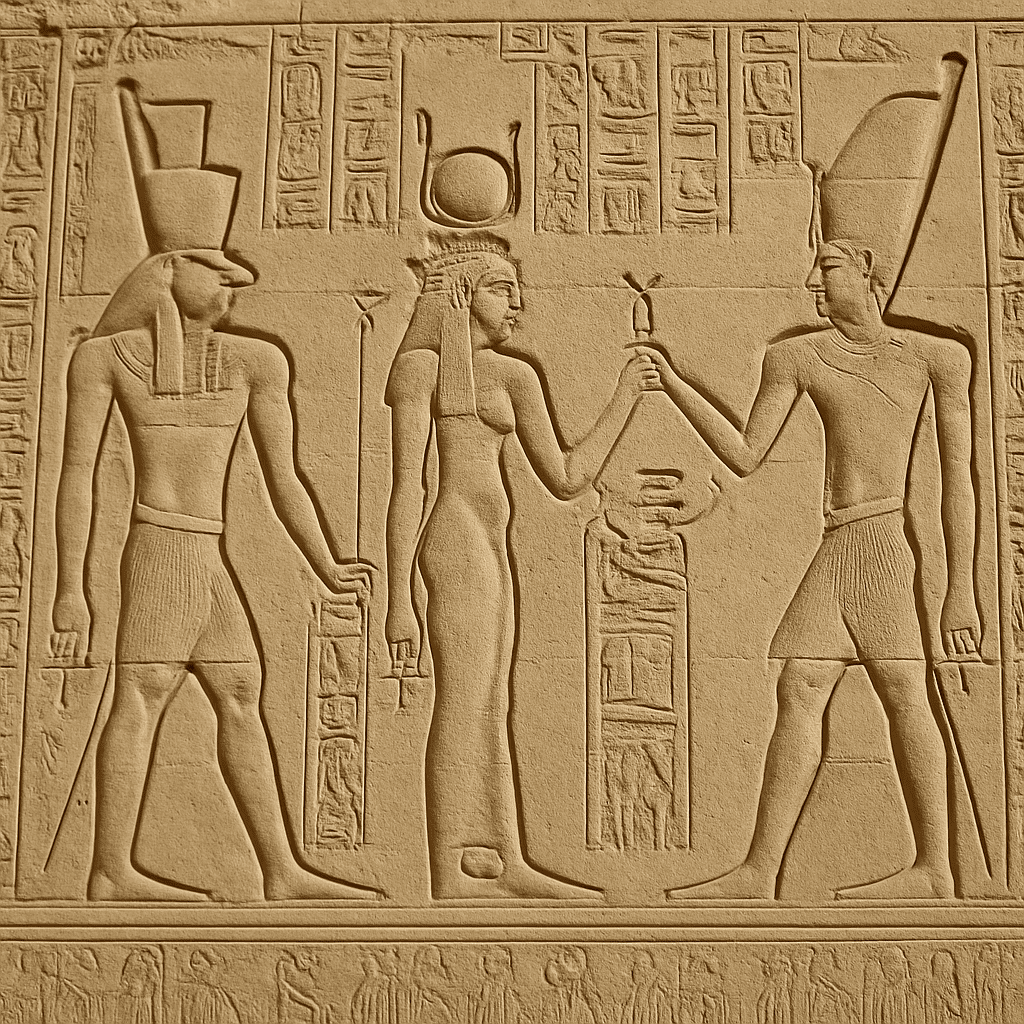
The temple's reliefs and inscriptions are exceptionally well-preserved. The intricate hieroglyphs offer valuable insights into the religious rites and myths of ancient Egypt. Particularly noteworthy are the depictions of Isis, who plays a central role in the mythological canon. These inscriptions are among the last known hieroglyphs from ancient Egypt, making the temple particularly significant for historians and archaeologists.
Among the notable elements of the temple are:
- Generous colonnades adorned with intricate ornaments
- Reliefs depicting scenes from mythology
- Shrines to various Egyptian gods
- Courtyards that offered space for religious ceremonies
- Doors marking the transition between sacred and profane realms
The construction of the temple complex was carried out with impressive technical finesse. The temple's positioning on the island allows for optimal use of the sun's course for light and shadow effects in the interior spaces. These architectural refinements make the Philae Temple an outstanding example of Egyptian architecture.
With its graceful combination of Egyptian and Greek influences, the Philae Temple complex remains an inspiring destination for tourists, architects, and historians alike. It not only reveals the artistry of its builders but also the deep cultural significance that once resided within the temple. The temple is and remains an essential part of Egypt's cultural landscape.
The significance of the goddess Isis and the religious role of the temple
The goddess Isis, to whom the Philae Temple is dedicated, is among the most significant deities of ancient Egypt. Isis was revered as the mother of Horus and the wife of Osiris. Her role in Egyptian mythology is multifaceted, as she represents both birth and rebirth, as well as protection and magic. These universal themes found expression in the Philae Temple, attracting pilgrims from across the ancient world.
The Temple of Philae was a significant religious center where rituals and ceremonies were held in honor of Isis. These ceremonies symbolized Isis's mythical search for the body parts of Osiris, reflecting the cycle of life, death, and rebirth. The temple's priesthood was responsible for conducting these sacred rites, which brought spiritual guidance and blessings to the devotees.
The symbolic meaning of Isis was powerfully depicted in the Philae Temple. Hieroglyphs and reliefs within the temple showed the goddess in various aspects, often with Horus on her lap or in her role as protector of the pharaohs. These depictions were not only religious symbols but also instruments of power, underscoring the legitimacy and protection of rulers through divine approval.
For devotees, a visit to the Philae Temple meant immersing themselves in the mysteries of Isis and benefiting from her power and wisdom. The temple was not only a place of worship but also a center for spiritual renewal and cultural identity. Even after the introduction of Christianity, the cult of Isis persisted, underscoring the deeply rooted spiritual significance and influence of the goddess throughout the centuries. Thus, the Philae Temple serves as a reminder of the timeless allure of Isis and her distinctive role within Egyptian and global history.
The Temple of Philae as a UNESCO World Heritage Site
The Temple of Philae is not only an architectural masterpiece but also a significant cultural heritage of humanity. In 1979, it was declared a UNESCO World Heritage site. This recognition honors the temple as a cultural and historical asset of immeasurable value. Its inscription on the UNESCO list underscores the importance of preserving this extraordinary site for future generations.
UNESCO's decision to protect the Philae Temple as a World Heritage site was closely linked to the spectacular rescue operation. In the 1960s, the temple was moved from its original island of Philae to the higher island of Agilkia to protect it from the rising waters of the Aswan Dam. This international collaboration was a milestone in cultural preservation and an example of global responsibility to protect our heritage.
As a UNESCO World Heritage site, the Temple of Philae attracts numerous visitors from around the world every year. It offers a unique opportunity to immerse oneself in the history and myths of ancient Egypt. The temple's presence within the UNESCO framework not only strengthens cultural tourism but also emphasizes the importance of cultural diversity and intercultural dialogue. Amidst the impressive landscape of the Nile, the Temple of Philae remains an iconic site that unites past and present.
Philae Temple and Nile Cruise: A Highlight for Travelers
The Temple of Philae is a must-see stop on any Nile cruise. The temple's majestic location on Agilkia Island can only be reached by boat. This journey enhances the sense of adventure and discovery. Many cruise operators include the Temple of Philae as a fixed part of their routes, as it is one of the most impressive sites along the Nile.
A Nile cruise offers the opportunity to enjoy the impressive Egyptian landscape. The tranquility and splendor of the Nile contribute to the extraordinary experience. The Temple of Philae complements this setting with its historical and cultural depth. This combination of picturesque surroundings and rich history makes the visit an unforgettable experience.
A Nile cruise that includes the Temple of Philae offers travelers some clear advantages:
- Cultural DiscoveriesImmerse yourself in Egyptian history.
- Convenient journeyComfortable arrival by ship.
- Breathtaking landscapesEnjoy the view of the Nile.
- Unique photo motifCapture unforgettable moments.
Visiting the temple at sunset is especially recommended. At this time of day, a enchanting atmosphere unfolds, making the ancient walls glow in a warm light. This magical mood, combined with the silent majesty of the Nile, creates an ideal backdrop for photographers and history buffs alike. The Temple of Philae is a must-see for anyone wishing to explore Egypt's rich cultural landscape, and it makes an impressive highlight on any Nile cruise.
Practical Tips for Visitors
A visit to the Temple of Philae in Aswan requires some planning. It is only accessible by boat, so it is important to check the times in advance. The boats depart regularly from a nearby pier. It is recommended to go early in the morning or late in the afternoon to avoid the crowds and enjoy the best lighting conditions.
Admission to the temple is not free. It is advisable to pay in local currency, as credit card acceptance is limited. Many visitors opt for a guided tour. An experienced guide can offer deeper insights into the history and significance of the temple complex, which might be easily overlooked without explanations.
Plan your visit to allow ample time to explore the temple's details at a leisurely pace. The well-preserved reliefs and hieroglyphs, in particular, are worth a close look. Binoculars can be useful for viewing inscriptions located higher up. Photography is permitted, but tripods may be restricted – check this in advance if you're planning more professional shots.
Here are some useful tips for visiting the Philae Temple:
- Wear comfortable clothes.Light fabrics are ideal for Egyptian heat.
- Bring enough waterIt can be hot and dry.
- Use sunscreenProtect yourself from the intense sun exposure.
- Don't forget the cameraFor the amazing photo opportunities.
- Respect the siteFollow your guide's instructions.
Finally, it's important to allow enough time for your visit. Half a day can be enough to fully soak in the atmosphere. Try to engage in conversations with other travelers and locals. These encounters can offer valuable insights and recommendations. The Temple of Philae is more than just a tourist attraction; it's a window into the fascinating history and culture of Egypt.
Conclusion: A place between myth, history, and modernity
The Philae Temple in Aswan is a fascinating interplay of myth, history, and modernity. This impressive structure combines ancient Egyptian culture with Greek influences. The successful relocation of the temple to Agilkia Island is a testament to international cooperation and engineering skill.
For modern travelers, the Temple of Philae offers an unforgettable experience. It invites you to immerse yourself in the rich history of Egypt and discover the beauty and significance of past eras. In addition to a fascinating architectural experience, you also get an insight into the spiritual richness of past times. A visit leaves a lasting impression and reminds us of the eternal importance of history for the present and future.