
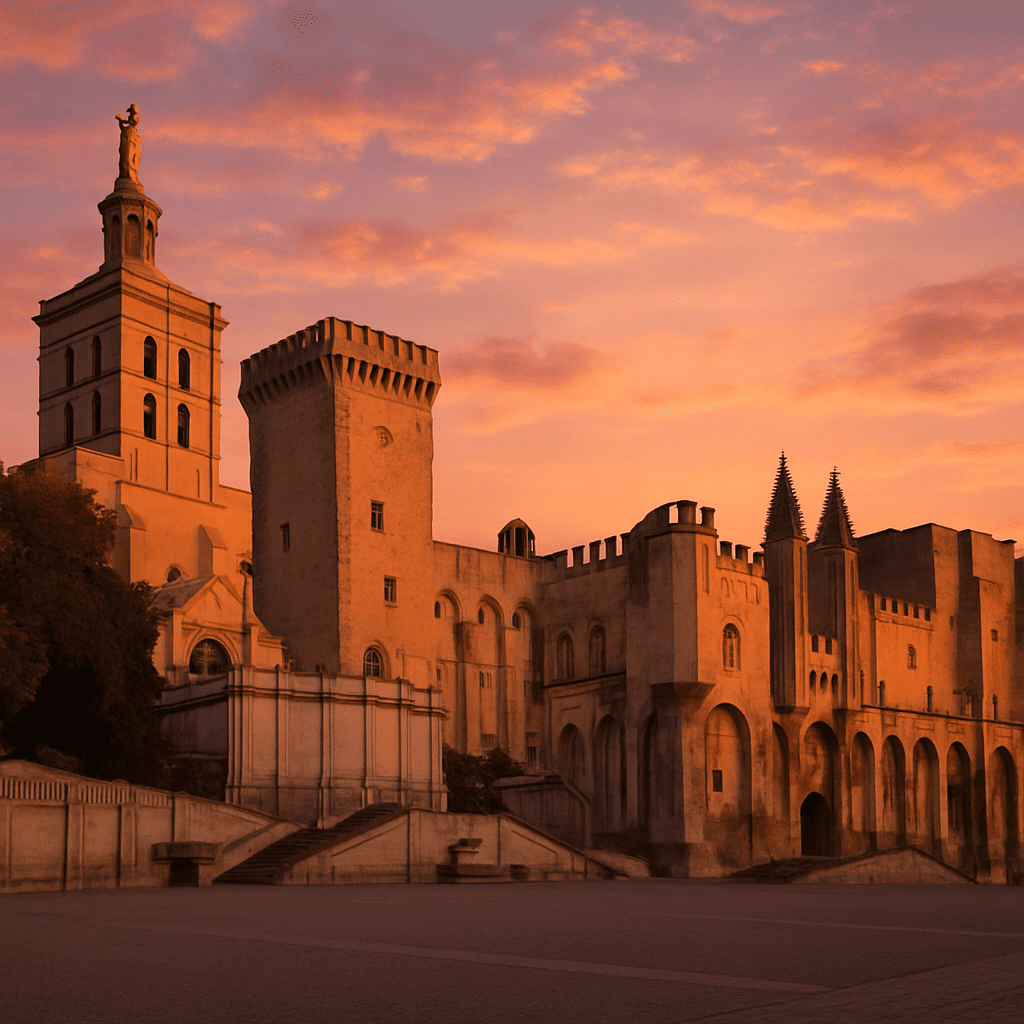
The Palace of the Popes in Avignon is an impressive testament to medieval architecture. It stands majestically above the city and attracts millions of visitors annually. As one of the largest Gothic structures in Europe, it is a must-see for anyone interested in history and culture.
Built in the 14th century, the palace served as the residence for the popes during the Avignon Papacy. This era was characterized by power struggles and political intrigue. The palace reflects the religious and secular power of the Church.
Today, the Papal Palace is a UNESCO World Heritage Site. It offers fascinating insights into the history and architecture of the Middle Ages. Visitors can admire the impressive frescoes and Gothic architecture.
The palace is not just a historical monument, but also a vibrant cultural hub. Events and festivals are regularly held here, attracting visitors from all over the world.
The History of the Papal Palace in Avignon
The Palace of the Popes in Avignon has a rich and varied history. In 1309, Pope Clement V moved his seat from Rome to Avignon. This move marked the beginning of the Avignon Papacy.
The construction of the palace began in 1335 under Pope Benedict XII. He wanted to create a powerful residence that embodied the power of the Church. The palace was further expanded and completed under Pope Clement VI.
The palace served not only religious purposes but also as a political center. Important decisions were made and diplomatic meetings were held here. The following list summarizes the most significant historical aspects:
- 1335: Construction began under Pope Benedict XII.
- 1348: Completion under Pope Clement VI.
- 1309-1377: Seat of the Papacy in Avignon
- 1789-1799: Damage and repurposing during the French Revolution

After the papacy's return to Rome in 1377, the palace lost its significance. During the French Revolution, it was damaged and later used as barracks. In the 20th century, a comprehensive restoration began to preserve this architectural gem. Today, the Papal Palace serves as a reminder of a formative era in church history and remains a remarkable part of Avignon's cultural heritage.
Architecture and Structure: Gothic Splendor in the Middle Ages
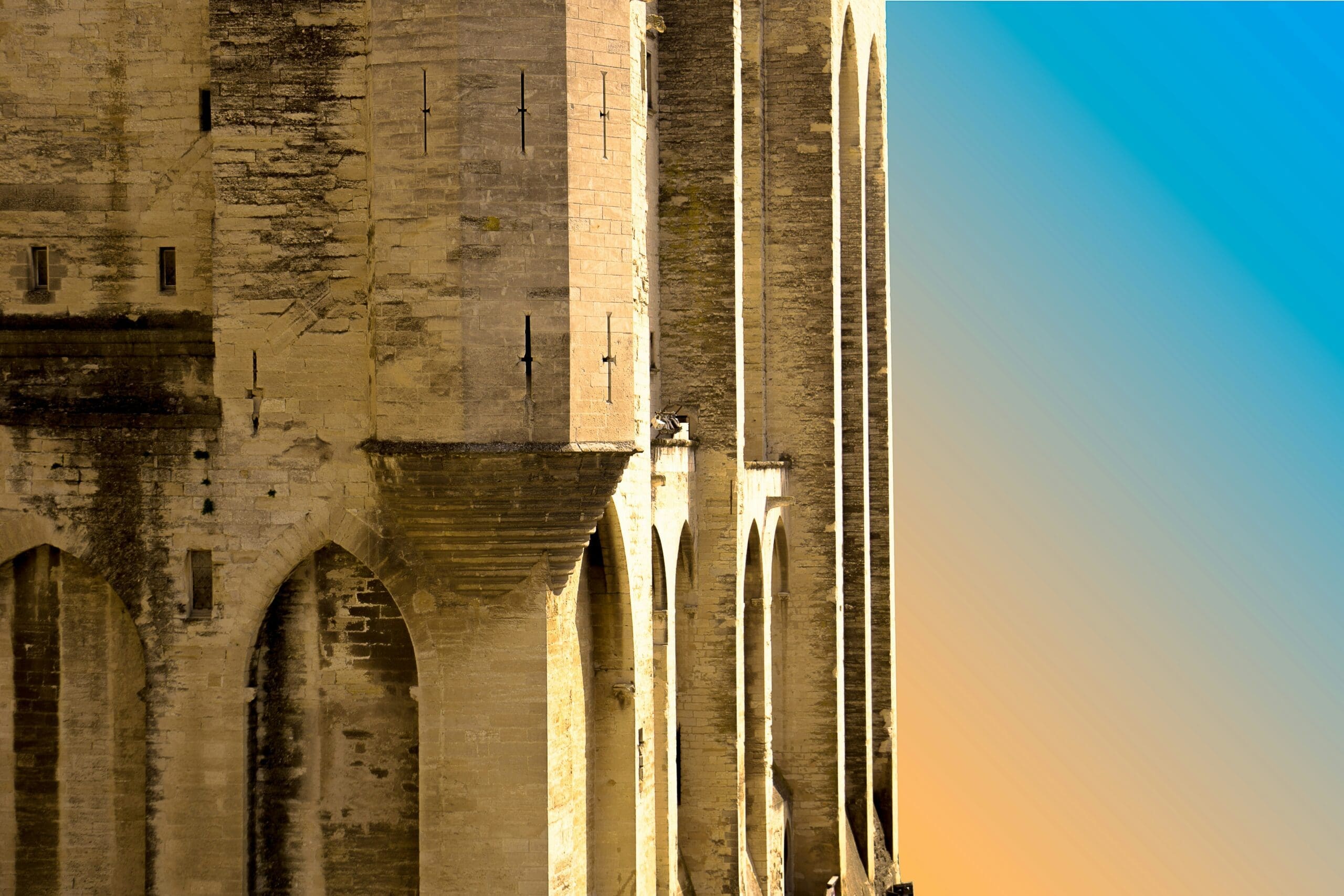
The Palace of the Popes in Avignon is considered an outstanding example of Gothic architecture. It presents itself as a massive structure that reflects the power and influence of the papacy in the 14th century. Its massive walls and high towers give it the appearance of an impregnable fortress.
The construction of the palace is divided into two main parts: the Old Palace (Palais Vieux) and the New Palace (Palais Neuf). This structure gives the palace its unique architectural diversity. The use of pointed arches, ribbed vaults, and intricate stonework are typical features of Gothic architecture.
Inside, the palace impresses with a variety of rooms, including chapels, audience halls, and the papal apartments. The chapels, particularly St. Martin's Chapel and St. John's Chapel, are special architectural highlights. The list of the most important architectural features includes:
- Pointed arches and cross-ribbed vaults
- Functional and representative halls
- Filigree Gothic stonework
- Integrated defense structures
by Benjamin Patin (https://unsplash.com/@benjp)
The architecture of the Pope's Palace is characterized by French and Italian influences. This stylistic blend makes the palace an outstanding example of medieval architecture. Special details such as the artistically designed facades and rose windows add extra charm to the palace. These architectural elements invite visitors to discover and appreciate the beauty and complexity of Gothic architecture.
The Popes of Avignon: Power, Politics, and Religion
In the 14th century, Avignon was the center of the Catholic world. This era, known as the Avignon Papacy, began in 1309 when Pope Clement V moved his seat to Avignon. This decision was influenced by political instability in Rome and led to a significant shift in the church's power structure.
Eight popes resided in Avignon and guided the fortunes of Christendom from there. Their decisions and political entanglements shaped the era. The magnificent ceremonies and luxurious lifestyle of the popes in Avignon were often subject to criticism, yet they also reflected the influence and authority of the Church.
The Palace of the Popes in Avignon served as the setting for important ecclesiastical and political events. Within these walls, crucial decisions were made that were not only religious but also secular in nature. The Avignon Popes pursued ambitious projects to expand their influence.
However, the role of the popes was not without controversy and conflict. Their absence from Rome led to a schism within the Church, which caused tension for decades. Nevertheless, the influence of the Avignon popes remained a formative force in Europe.
The Avignon Popes left behind an impressive legacy, both culturally and architecturally. Their work significantly shaped the history of Avignon and the Catholic Church, leaving a lasting impact on the image of medieval Europe. The connection of power, politics, and religion in the Palace of the Popes remains a fascinating chapter in history.
Art and Frescoes: Masterpieces in the Pope's Palace
The Palace of the Popes in Avignon is not only an architectural masterpiece but also a gallery of significant artworks. Particularly noteworthy are the frescoes that adorn numerous rooms of the palace. These artworks offer insights into the life and values of medieval society.
The frescoes were created by talented artists, including the renowned Matteo Giovannetti. Giovannetti, an Italian painter, was instrumental in decorating the chapels and private chambers. His works are characterized by vibrant colors and detailed depictions.
Inside the palace, visitors can admire frescoes with biblical themes and allegorical representations. These artworks are an expression of the cultural and spiritual heritage of that era. The frescoes reflect not only religious motifs but also secular aspects and courtly life.
Some of the most significant frescoes in the Papal Palace are:
- The Chapel of St. Jean: With scenes from the life of John the Baptist.
- The Great HallImpressive depictions of prophets and angels.
- The private roomsAllegories of Virtue and Vice.
These frescoes are excellently preserved today and draw art lovers from all over the world. They not only represent a significant artistic heritage but also reveal the connection between art and power in the Middle Ages. The frescoes of the Popes' Palace remain a vivid testament to the artistic skill and religious zeal of that era.
The Palace of the Popes as a UNESCO World Heritage Site
The Palace of the Popes in Avignon was granted UNESCO World Heritage status in 1995. This recognition highlights its significant role as a cultural and historical monument in Europe. The palace is an outstanding example of Gothic architecture and medieval construction.
UNESCO recognizes the Palace of the Popes as a unique testament to the power and influence of the papacy in the 14th century. Its magnificent architecture and ornate interior make it an indispensable part of the World Heritage. The restorations carried out help preserve this heritage for future generations.
The status as a World Heritage Site makes the palace a magnet for tourists and history enthusiasts worldwide. Visitors can experience the impressive aspects of its history and admire the well-preserved medieval architecture. The palace contributes significantly to the cultural richness and tourist appeal of the region.
The Pope's Palace Today: Museum, Events, and Festivals
Today, the Palace of the Popes in Avignon is a vibrant center for culture and history. It attracts numerous visitors annually who wish to experience the fascinating history and architecture of the Middle Ages. The palace houses a museum that offers valuable insights into the lives of the popes and the history of the church.
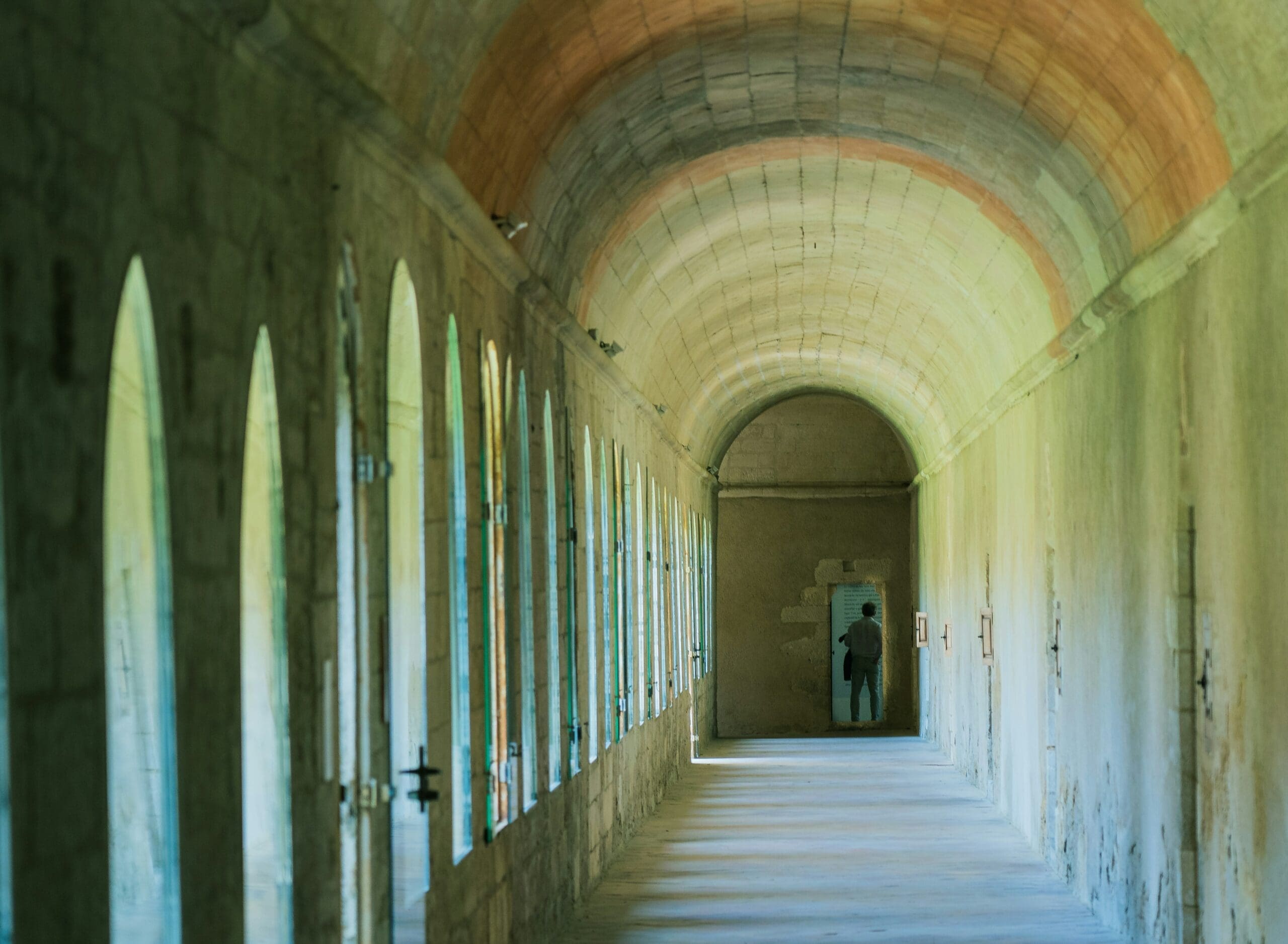
Visitors can explore the impressive rooms and halls where important ecclesiastical and political decisions were once made. Guided tours offer in-depth information about the palace's past and its intricate details.
The Palais des Papes is also the venue for numerous cultural events and festivals. The famous Festival d'Avignon uses its impressive backdrops to present striking theater productions. Additionally, concerts, exhibitions, and other cultural events take place here, breathing extra life into the city of Avignon.
List of the most important current features of the Pabst Palace:
- Museum of Medieval History
- Venue for cultural events
- Scenery for the Festival d'Avignon
The Palace offers a fascinating blend of past and present. It is a place of education and entertainment, celebrating the richness of Avignon's culture and history.
Practical Tips for Visitors
A visit to the Palais des papes (Pope's Palace) in Avignon is an unforgettable experience. Here are some practical tips to make the most of your visit.
First, you should check the palace's opening hours in advance. These vary depending on the season. Especially during peak season, it is advisable to be there early to avoid long queues.
Recommended items to bring:
- Comfortable shoes for walking long distances
- A camera or a smartphone for photos
- A bottle of water to stay hydrated
Consider purchasing a combi-ticket that also grants access to other attractions in Avignon. This way, you can see more while saving money. Guided tours are also an excellent way to learn more about the palace's history and architecture.
Plan these activities:
- Participate in a guided tour
- Enjoy a picnic in the palace gardens
- Visit one of the temporary exhibitions
Public transport is very convenient for getting there, as parking spaces nearby can be limited. After your visit, a walk through the historic center of Avignon is highly recommended.
by Diego Guzmán (https://unsplash.com/@entrycube)
The Palace of the Popes and the City of Avignon: An Inseparable Heritage
The Palace of the Popes is not only a monumental structure but an integral part of Avignon's identity. The city served as the seat of the papacy in the 14th century, making the palace a politically and religiously significant site. This connection has cemented Avignon in history.
Besides the palace, numerous other historical treasures can be found in the heart of Avignon. The entire historical city center is a UNESCO World Heritage site. The close relationship between the palace and the city is reflected in the architecture and urban development.
Today, Avignon attracts visitors from all over the world who want to experience its rich history and culture. The Papal Palace stands as a symbol of the enduring connection between the past and the present. Its imposing silhouette shapes the city's skyline and continues to fascinate time and time again.
Conclusion: Why the Papal Palace in Avignon is a must-see
The Palais des Papes in Avignon is an impressive example of medieval architecture and history. It offers fascinating insights into the power politics and art of the 14th century.
A visit reveals the significance of the papacy and its deep connection to the city. As a UNESCO World Heritage site, the palace attracts culture enthusiasts from all over the world and is a highlight of any trip to Avignon.