
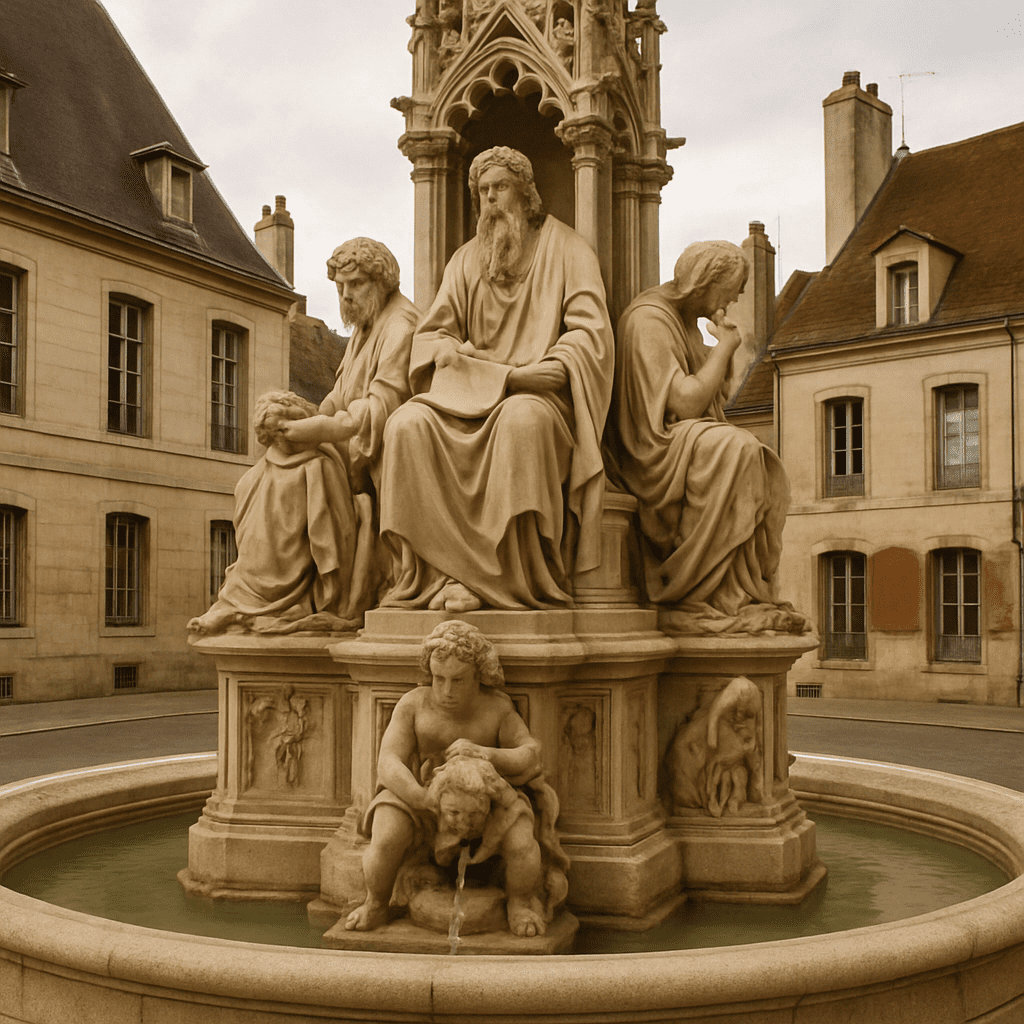
The Moses Fountain in Dijon is a fascinating example of Gothic art. It attracts numerous visitors annually. Its impressive sculpture and historical significance make it a must-see for art lovers.
This well was created between 1395 and 1405 by Claus Sluter. Sluter was a Dutch sculptor known for his realistic figures. The well is located in the cloister of the former Champmol Charterhouse.
The Moses Fountain is not only a work of art but also a historical relic. Originally, it served as a water source for the monks of the Carthusian monastery. Today, it is an important example of Burgundian art.
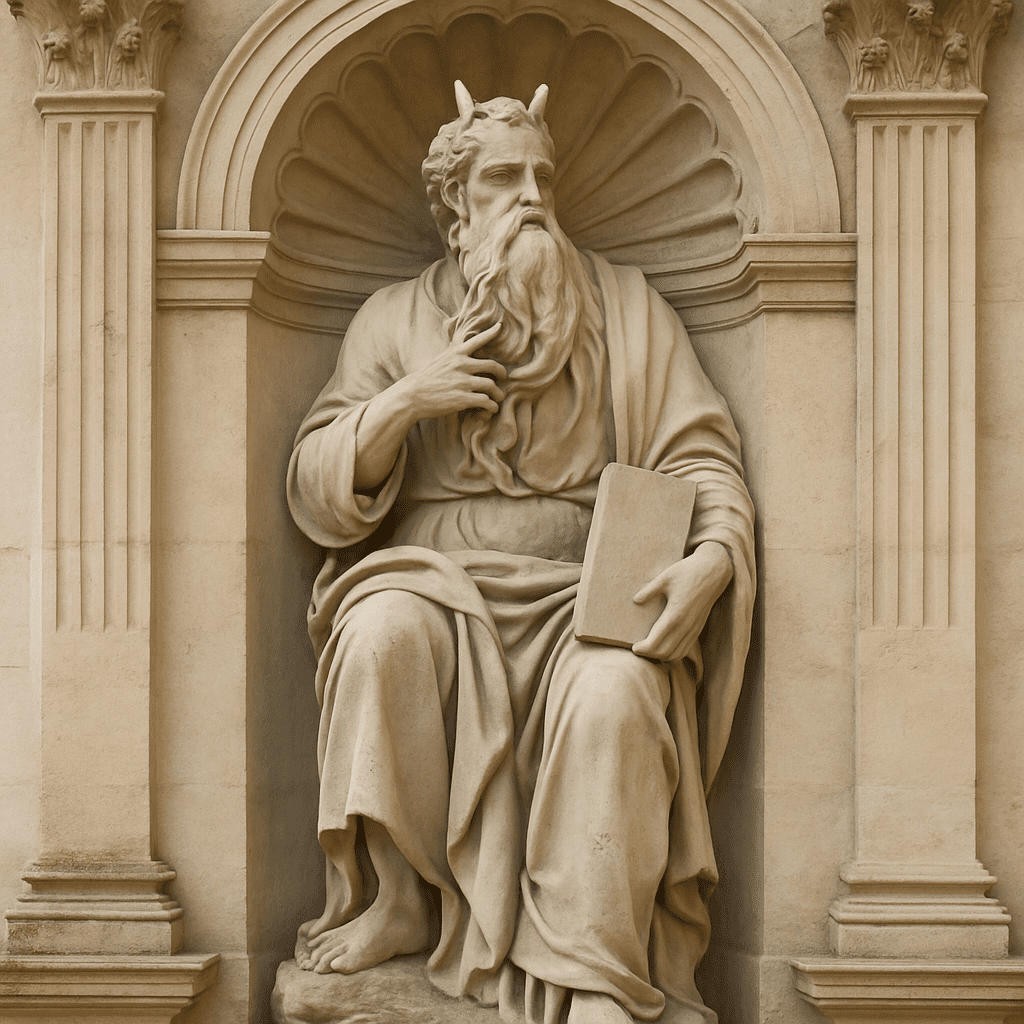
The sculptures of the fountain depict biblical prophets. Figures like Moses, David, and Isaiah are shown in life-size. Their expressive faces and dynamic poses are remarkable.
The well symbolizes the connection between heaven and earth. It is a masterpiece of Gothic sculpture and a testament to Burgundian power. The Chartreuse de Champmol was once an important religious center.
The Moses Fountain is a UNESCO World Heritage site. Its restoration in the 19th century restored its original splendor. Today, it is an important part of Dijon's cultural identity.
Visitors can admire the high craftsmanship and artistic innovation of the Middle Ages. The Moses Fountain is a symbol of spiritual renewal and the power of the Dukes of Burgundy. It remains a highlight among Dijon's attractions.
The History of the Moses Fountain in Dijon
The history of the Moses Fountain in Dijon is deeply rooted in Burgundy's past. The fountain was created during a time of cultural and religious change. Duke Philip the Bold of Burgundy commissioned its construction.
Construction began in 1395 under the direction of Claus Sluter. Sluter was a master sculptor whose work had far-reaching influence. His ability to create realistic and dynamic figures was extraordinary.
The well should not only serve the water supply but also glorify the fame of the House of Burgundy. Sluter's sculptures depict a variety of biblical prophets. These figures convey spiritual messages and theological teachings.
The Charterhouse of Champmol, where the fountain is located, was an important spiritual center. It held great significance in the Middle Ages and represented the religious center of power in Burgundy. The Well of Moses played a central role in this complex.
Over the centuries, the Moses Well has undergone many changes. During the French Revolution, the Carthusian monastery was largely destroyed. However, the well survived as a testament to Dijon's history and cultural heritage. Today, it attracts visitors from all over the world and represents the artistic and historical significance of Burgundian art.
The Commission and Origin: Philip the Bold and Claus Sluter
The Moses Fountain is closely associated with Philip the Bold and Claus Sluter. Duke Philip, known for his patronage of the arts, wanted to strengthen his political and spiritual influence. He commissioned Sluter to create a fountain that reflected the spiritual depth of the Monastery of Champmol.
Claus Sluter was a Dutch sculptor known for his innovative sculptural art. He began working on the well in 1395. His unique ability to immortalize lifelikeness and emotionality in stone made him the perfect choice for this monumental project.
The construction of the well lasted until around 1405. In these years, Sluter developed sculptures of exceptional detail. Each figure displays distinctive facial features and poses that capture life and emotion. This was an amazing achievement for the time and demonstrates Sluter's mastery.
Philip the Bold wanted to consolidate both the religious significance and the political power of his duchy with this work. The Moses Fountain is not only a work of art but also a depiction of the connection between heaven and earth. This combination of artistic mastery and symbolic meaning made the fountain a masterpiece that endures in history.
Architecture and artistic features of the Moses Fountain
The Moses Fountain in Dijon is a prime example of Gothic sculpture. The architecture combines intricate details and spiritual symbolism in an impressive ensemble. The fountain is made of limestone, which gives it a natural grace and highlights the delicate sculptures.
A central aspect of the Moses Fountain are the life-sized prophet figures. These figures are arranged on an octagonal base and surround the central column of the fountain. The precision and liveliness with which the faces and postures of the prophets are depicted underscore Sluter's craftsmanship.
Another notable feature is the integration of functionality and aesthetics. The fountain not only served as a work of art but also as a source of water for the monks of the Chartreuse de Champmol. This connection between art and utility made the fountain a significant structure of its time.
The artistic characteristics include:
- Expressive faces: Every face is unique, full of emotions and vitality.
- Elaborately decorated robes The garments of the figures are intricately folded and show masterful creation of fabric and movement.
- Symbolic gestures: The hand gestures and body movements contribute to the characters' narration.
The prophets, in their dynamism and conciseness, symbolize profound religious concepts. The connection of architecture and sculpture creates an atmospheric aura that continues to captivate visitors today. The fountain is a living testament to the innovative spirit and artistic aspirations of the Middle Ages.
The unique harmonic integration of sculpture into architecture embodies the values of Burgundian art. This blend of spirituality, artistic mastery, and functionality elevates the Moses Fountain to one of the most captivating sights in Dijon. These features make it a lasting icon of 14th-century Gothic art.
The Prophet Figures: Symbolism and Meaning
The prophet figures of the Moses Fountain are full of deep symbolism and impressive details. Each figure tells a unique story and contributes to the overall depiction of the religious theme. The sculptures combine realistic features and complex symbolic meanings that are fundamental to understanding Gothic art.
The fountain depicts well-known biblical figures such as Moses, David, and Isaiah. These figures were carefully chosen to represent both the spiritual and political power of the Burgundian court. The presence of these prophets symbolizes wisdom and divine guidance, which were highly valued at the time.
Interestingly, the prophets are not just sculptures, but also symbols of Burgundian power. Their imposing appearances and ornate robes indicate the influence and wealth of the region during the Middle Ages. The expressiveness in their faces and body postures illustrates the emotional depth and craftsmanship of Claus Sluter.
Important Symbolism of the Characters Includes:
- Moses with the tablets of the law: Symbol for divine laws and guidance.
- David with the Harp Embodiment of Royalty and Music as a Divine Gift.
- Isaiah with a scroll: Admonition and proclamation of divine messages.
These symbolic representations go beyond the purely aesthetic level. They communicate religious and political themes that were central to late medieval Burgundy. The figures attract visitors with their human vitality and philosophical depth.
Through this fusion of symbolism and realistic depiction, the Moses Fountain is perceived not only as a work of art but as a narrative of history and faith. The fountain's figures offer a fascinating glimpse into the spiritual and cultural world of the 14th century, making the fountain an unforgettable experience in Dijon.
The Moses Fountain as a masterpiece of Gothic sculpture
The Moses Fountain in Dijon is an extraordinary example of Gothic sculpture. This art form was characterized by realistic depictions and the finest detail work. The fountain encompasses all of this and stands out for its craftsmanship excellence.

by Beth Chobanova (https://unsplash.com/@bethchobanova)
Claus Sluter, the Dutch sculptor, created a unique work of art with this fountain. His understanding of human anatomy and expressiveness is reflected in the lifelike depiction of the figures. Each sculpture displays dynamic poses and expressive faces that bring the emotions of the depicted prophets to life.
Another remarkable aspect of the Moses Fountain is how it combines art and functionality. Originally, the fountain served as a water source for the monks of the Charterhouse of Champmol. Despite this practical use, its artistic value remained untouched. Sluter's attention to detail and his ability to immortalize human figures in stone make the fountain a highlight of Burgundian art.
The Moses Fountain is also an innovative work in the development of Gothic sculpture. It integrated sculpture into architecture in a way that was unprecedented until then. The fountain shows the cultural golden age of Burgundy and remains an enduring symbol of this era. In art history, the Moses Fountain is considered a masterpiece that illustrates the transitions between art styles and revolutionized Gothic sculpture.
The Charterhouse of Champmol: Religious Center and Cultural Heritage
The Chartreuse de Champmol was once an influential religious center in Burgundy. Founded in the late 14th century, it served as the burial place of the Dukes of Burgundy. This monastic complex was a significant site for prayer and meditation. Its importance extended to art and culture, as it housed numerous outstanding works of art.
Within the walls of the Carthusian monastery, the Moses Fountain was the centerpiece of the cloister. The fountain was an integral part of monastic life. It symbolized spiritual renewal and was at the same time a testament to the wealth and power of the Dukes of Burgundy. The Carthusian monastery itself was a reflection of the cultural and religious importance of Burgundy in the Middle Ages.
The Moses Fountain is today one of the few surviving elements of this once magnificent complex. During the French Revolution, the Charterhouse suffered severe damage and was partially destroyed. Nevertheless, it remains a symbol of the region's cultural heritage and history. The remains of the Charterhouse continue to bear witness to a time when art and religion merged in a unique way. The Moses Fountain thus contributes significantly to the cultural identity and historical awareness of Dijon.
Restoration and Preservation of the Moses Fountain
Over the centuries, the Moses Fountain in Dijon has felt the ravages of time. Exposure to the elements necessitated several restorations. The first major restoration occurred in the 19th century to protect the figures from further erosion. Modern techniques have helped restore the sculptures to their original splendor, with a focus on preserving the intricate details.
Experts are currently relying on advanced conservation methods to ensure the long-term preservation of the Moses Fountain. These efforts are crucial to safeguard the masterpiece for future generations. Restorers are working closely with historians to respect the historical context and original materials. The successful preservation of the fountain serves as a prime example of using science to protect cultural heritage and history. It ensures that the Moses Fountain will continue to be an attraction for visitors and a symbol of Dijon's rich culture.
The Moses Fountain Today: A Sightseeing Attraction and Tourist Significance
The Moses Fountain has established itself as a significant attraction for travelers from all over the world. Its artistic design and rich history draw thousands of visitors each year. Its location in the former Chartreuse de Champmol monastery makes it a fascinating stop on any tour of Dijon. Visitors appreciate not only the beauty of the sculptures but also the tranquil atmosphere of the monastery.
Dijon itself is a vibrant testament to French history and culture. The Moses Fountain is an important element of the tourist route, which is combined with other famous sights. Tourists appreciate the diversity of the city, which ranges from culinary delights to architectural wonders.
Visitors in Dijon have the opportunity to enjoy the following activities:
- A tour of the old Chartreuse de Champmol
- Admiring the detailed sculptures of the Moses Fountain
- Participation in themed city tours of Dijon
- Discovering the more local cuisine in the city
- Participation in cultural events related to art and history
Such activities make the Mosesbrunnen an indispensable stop for history and art lovers. It remains a vibrant symbol of the region's cultural and religious significance, offering a captivating glimpse into Burgundy's past.
Conclusion: The Moses Fountain as a symbol of Dijon and Burgundy
The Moses Fountain in Dijon stands as a majestic heritage of Burgundian art and history. It embodies the artistic excellence of the Middle Ages and bears witness to the skill of Claus Sluter. This fountain is not only an architectural masterpiece but also a symbol of the spiritual and cultural significance of that era.
Dijon continues to benefit from this impressive structure, deeply rooted in regional identity. The Moses Fountain is a point of attraction that represents the historical development of Dijon and the power of the Dukes of Burgundy. As an integral part of the cultural heritage, it inspires new generations of artists and history enthusiasts, solidifying its role as a central feature of the city and its rich traditions.