
Anyone standing in the pulsating heart of the French capital and gazing over the gigantic roundabout surrounding the Arc de Triomphe finds themselves in one of Europe's most historically significant places. The General de Gaulle Square (historically known as Place de l'Étoile) is far more than just a traffic hub and one of the most famous Paris Attractions. From this star-shaped square, not only twelve grand avenues radiate, but the entire French History.
If we mentally walk the streets of this metropolis, we embark on a fascinating journey through time. From early kings to revolutionaries to the architects of modern democracy – let us dive together into the eras that have left a lasting mark on France and the world.
From Humble Beginnings to Absolute Power
To understand modern France, we need to look far into the past. The foundations of the nation were laid in the Middle Ages, before culminating in the glorious era of the kings.
Saints, Warriors, and Early Dynasties
A well-founded Overview of the Capetians The dynasty, which ascended the throne in 987 with Hugh Capet, shows us how a fragmented feudal kingdom gradually became a centralized state. These kings skillfully expanded their territory and consolidated the monarchy.
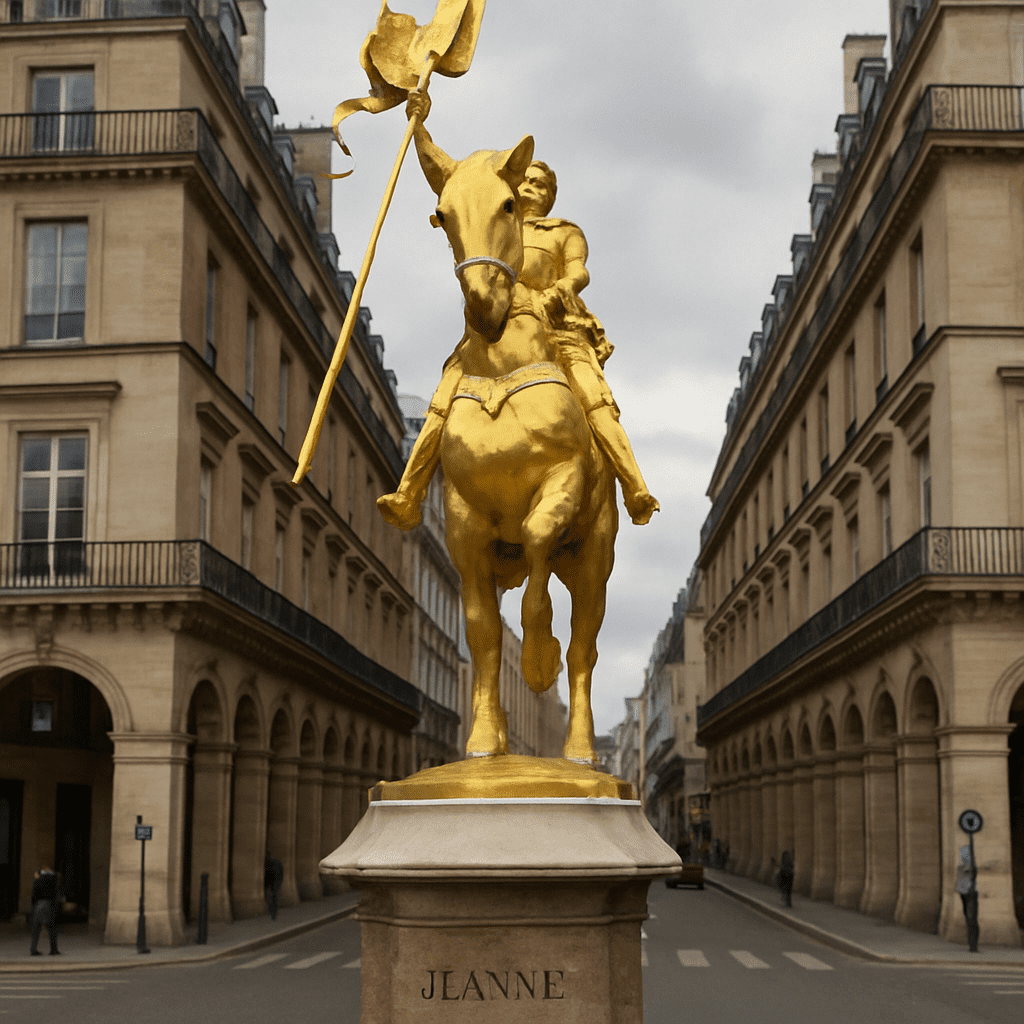
But the Middle Ages were also marked by existential crises, particularly the Hundred Years' War against England. In this dark hour, many history enthusiasts ask themselves: Who was Joan of Arc? The simple peasant girl who invoked divine visions became a national heroine. She led the French troops in the liberation of Orléans (1429) and turned the tide of the war before tragically meeting her end at the stake. Her myth greatly strengthened French national consciousness.
The pinnacle of monarchy
The consolidation of power reached its absolute zenith centuries later. Absolutism under Louis XIV., the famous „Sun King,“ completely redefined the state in the 17th century. With his motto „L’État, c’est moi“ (I am the state), he centralized all political power at the Palace of Versailles. He promoted the arts and sciences, but also waged costly wars that placed a massive strain on the state treasury—a circumstance that would come to cost later generations dearly.
The Turning Point: Enlightenment and Revolution
In the 18th century, the foundation of the monarchy began to crumble. Intellectual renewal and material hardship formed an explosive mixture.
The Path to Revolution
The Herbs of the Enlightenment was crucial for the coming change. Thinkers like Voltaire, Rousseau, and Montesquieu questioned the divine right of kings and called for reason, freedom, and the separation of powers.
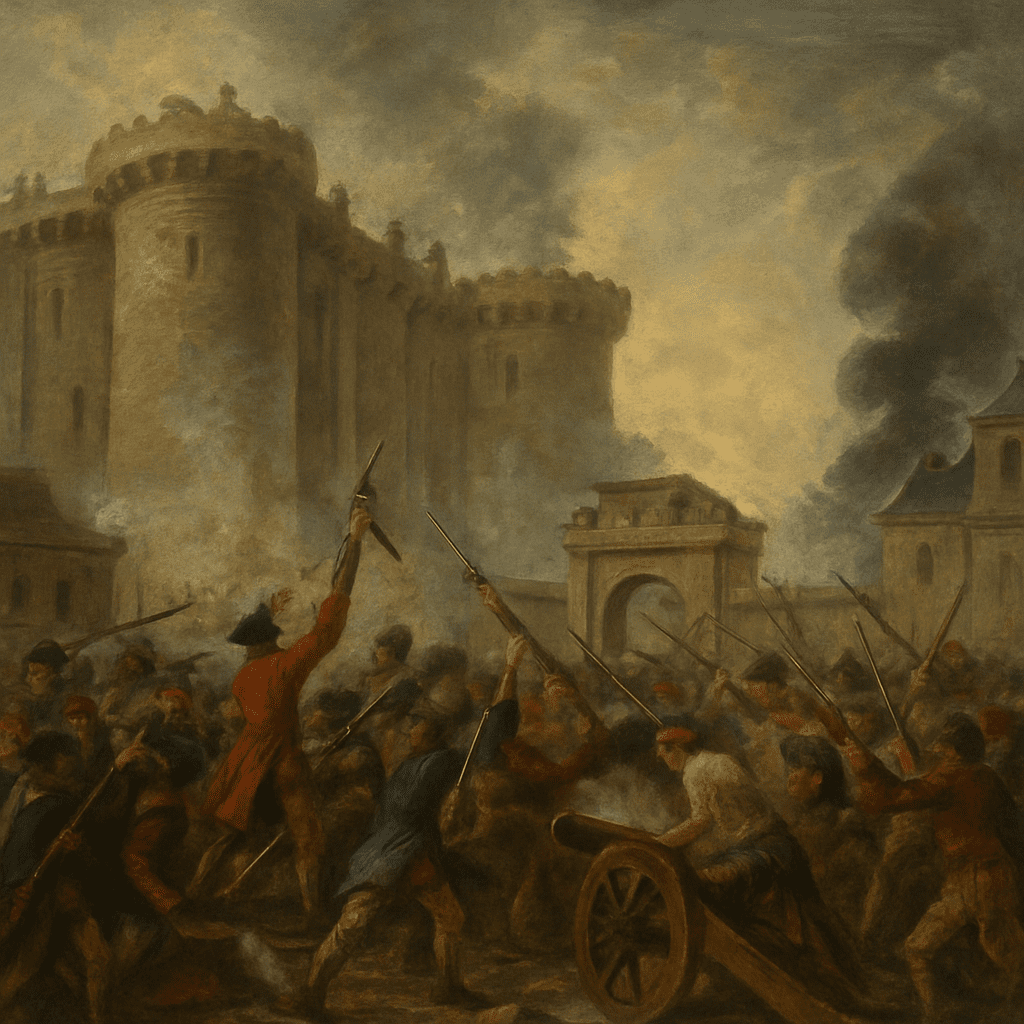
This intellectual revolution met a tangible economic catastrophe. The enormous state debts and unjust tax systems led to the Crisis of the Estates-General 1789. When King Louis XVI convened the representatives of the nobility, clergy, and the Third Estate (bourgeoisie and peasants) to pass new taxes, the situation escalated. This was the spark and one of the primary Causes of the French Revolution.
A new society is emerging
The conflict could be described as a fight Ancien Régime vs. Modern summarize: old privileges versus new civil rights. A historic milestone was the Meaning of Human Rights 1789. With the „Declaration of the Rights of Man and of the Citizen,“ fundamental principles such as liberty, property, and resistance to oppression were enshrined in writing for the first time.
But the revolution was not unified. Jacobins vs. Girondins Comparison shows the deep political division of that time:
- Girondins The moderate Republicans, who primarily represented the wealthy bourgeoisie and advocated for war to spread the revolution.
- Jacobins Under Robespierre's leadership, these radicals demanded a strong central government, social equality, and did not shy away from extreme terror (the „Reign of Terror“) against perceived enemies of the revolution.
Kaiserreich, Restoration, and Global Expansion
From the chaos of the revolution emerged a figure who would reshape not only France, but all of Europe.
The Eagle of Europe
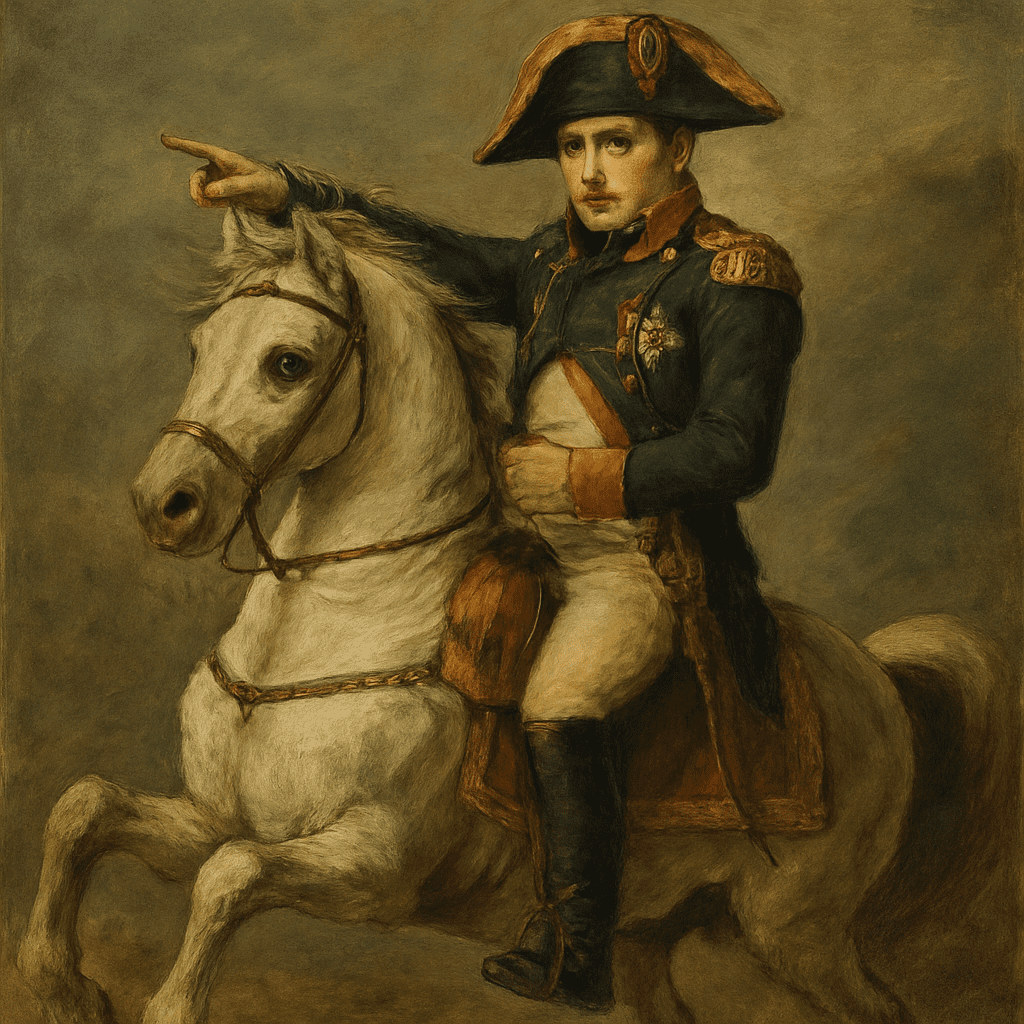
The The Rise and Fall of Napoleon reads like a dramatic novel. From a brilliant artillery officer, Napoleon Bonaparte crowned himself Emperor of the French in 1804. He conquered large parts of Europe, modernized through the Civil Code the legal system, but ultimately failed due to his disastrous Russian campaign and at the Battle of Waterloo in 1815. The Arc de Triomphe, which proudly stands on the Place du Général de Gaulle today, was incidentally commissioned by Napoleon to celebrate his military victories.
The New World Order
Following Napoleon's exile, the far-reaching Effects of the Congress of Vienna (1814/15). The victorious powers of Europe attempted to turn back the clock. Old dynasties were restored and borders redrawn to create a balance of power. Nevertheless, the ideas of the Revolution – liberty and civil rights – could no longer be suppressed permanently.
At the same time, France increasingly looked outward in the 19th and early 20th centuries. The Development of the Colonial Empire gained rapid momentum. Above all in Africa and Southeast Asia (Indochina), France conquered vast territories. The exploitation of resources and the often brutal rule over the local population continue to cast a shadow on French history to this day and massively influence the demographic and cultural structure of modern France.
The 20th Century: Resistance and Renewal
The last century was marked by global conflicts and the search for political stability. This brings us back to the man who today lends his name to the most famous square in Paris.
The fight for freedom
During World War II, France was occupied by Nazi Germany. In this time of extreme crisis, the immense Role of the Resistance. This multi-faceted resistance movement sabotaged the occupiers, helped Jewish citizens, and provided the Allies with important intelligence.
From his London exile, General Charles de Gaulle became the voice of Free France. He called on his compatriots to resist via radio and led the Free French Forces. As a thank you and a reminder of his immense historical significance, the Place de l’Étoile was renamed Place du Général de Gaulle in 1970, shortly after his death.
The modern form of government
After the war, France initially went through turbulent times. But How did the Fifth Republic come about? In 1958, the country was on the brink of civil war due to the Algerian War. Charles de Gaulle was recalled from retirement. He called for a significant change to the constitution. The new constitution massively strengthened the power of the president and weakened the parliament to guarantee political stability. This Fifth Republic, shaped by de Gaulle, is still the political system of France today.
Practical Tips for History Enthusiasts in Paris
If you want to experience French history firsthand, there's much more to do than just rushing through museums. Here are some concrete tips for your trip planning:
- Create a timeline: Before you travel to Paris, sketch yourself a small Timeline of French Eras. This way, you can perfectly place buildings like the Gothic Louvre (Middle Ages), the Palace of Versailles (Absolutism), and the Panthéon (Revolution/Enlightenment) in their historical context.
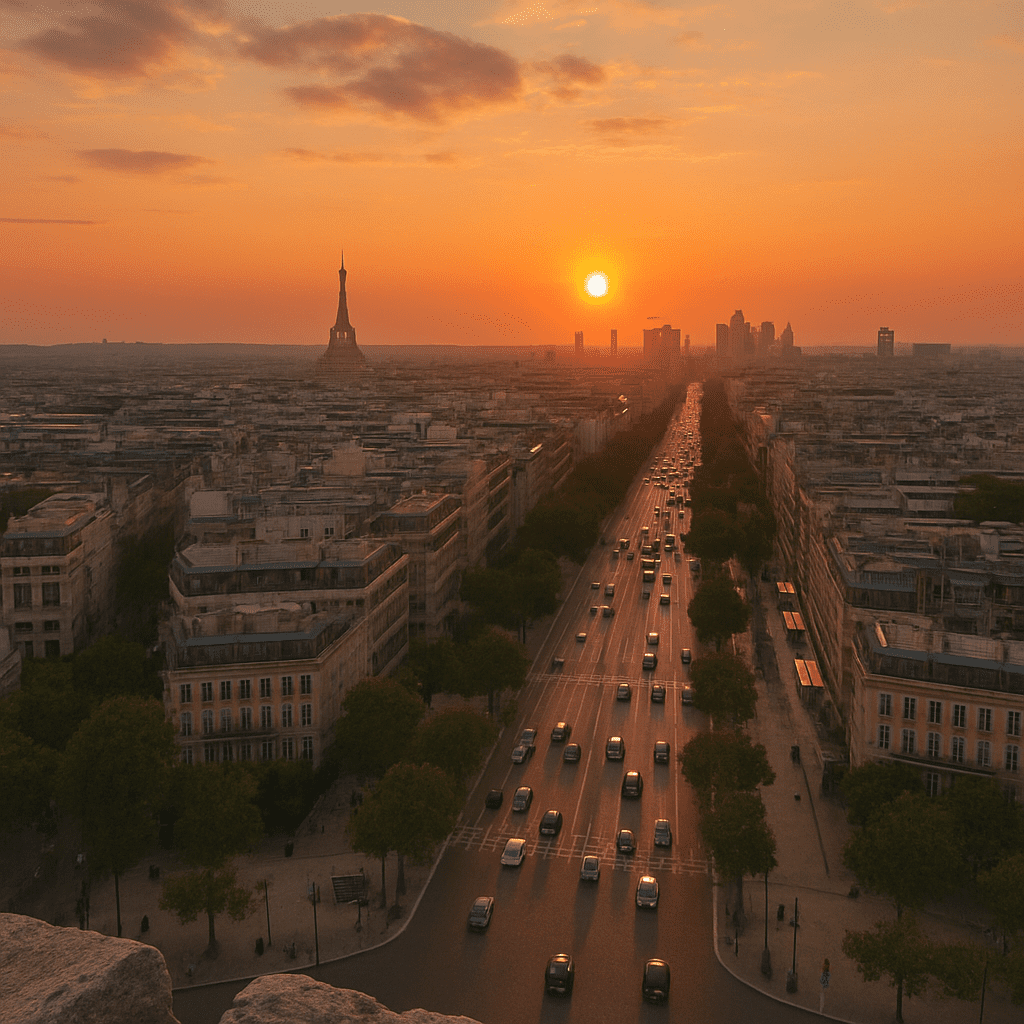
- View with a history: Visit the Arc de Triomphe on the Place du Général de Gaulle in the late afternoon. From the top, you will not only have the best view of the Champs-Élysées, but you can also perfectly understand how urban planner Haussmann created modern Paris in the 19th century.
- On the Trail of the Revolution: Take a guided tour of the Marais district or around the Place de la Bastille. Here, the contrast between old aristocratic palaces and revolutionary upheaval is particularly palpable.
- The Invalides Dome Ticket Be sure to combine your visit to Napoleon's tomb in Les Invalides with the Musée de l'Armée there. This provides the perfect context for the country's military triumphs and defeats.
Conclusion: The story lives on
The history of France is not a dusty book in a library. It is a living drama that continues to be reflected in the country's streets, squares, and institutions to this day. Standing at the Place du Général de Gaulle, one feels the vibrations of countless eras: the pride of Napoleon's imperial troops, the spirit of the Enlightenment that fueled the Revolution, and the unwavering steadfastness of the Resistance in the 20th century.
Those who know the history from absolutism to the fight for fundamental human rights, all the way to the modern Fifth Republic, don't just travel to France as tourists. They travel as witnesses to a centuries-long development that has sustainably shaped our modern, democratic world. Take advantage of this knowledge on your next trip – it will forever change your perspective on Paris and all of France.