
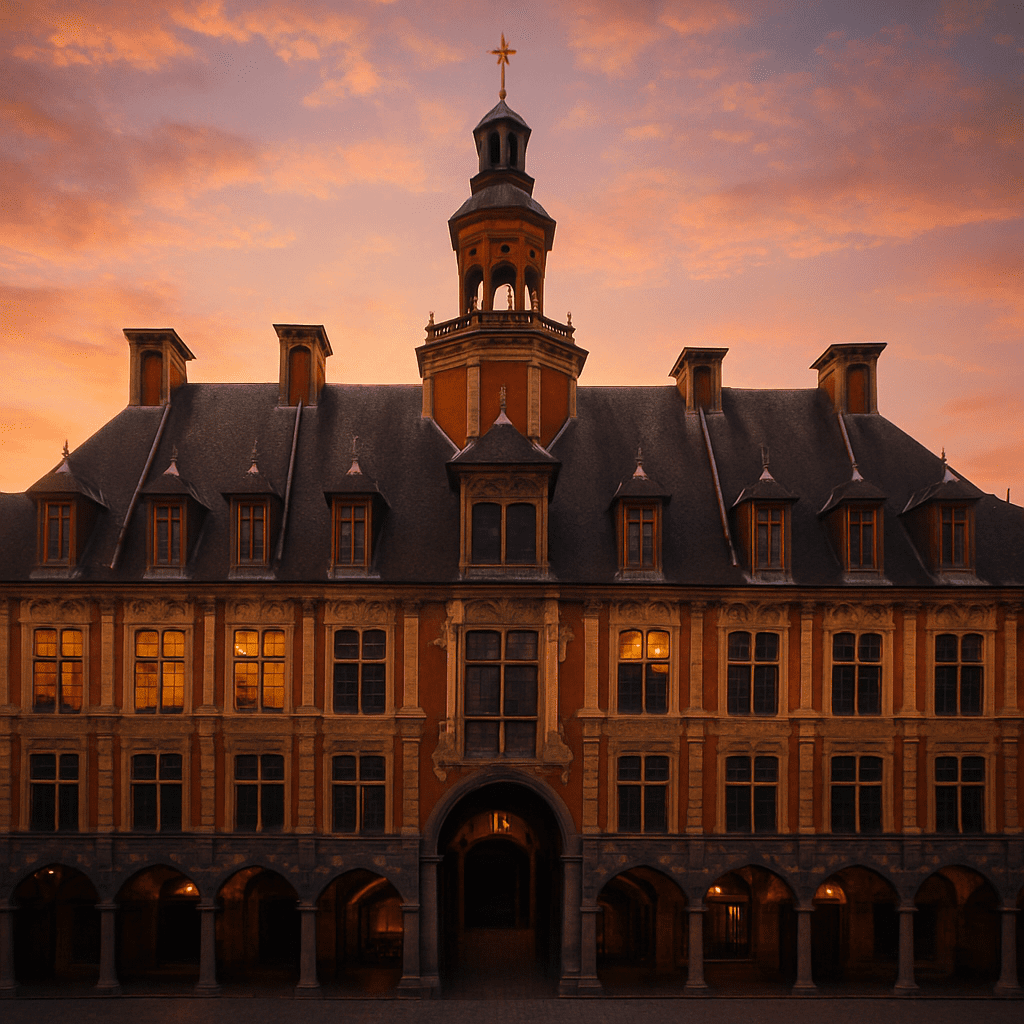
The Old Stock Exchange of Lille is an architectural gem in the heart of the city. It attracts visitors from all over the world. Its history is as fascinating as its architecture.
Built between 1652 and 1653, it is a masterpiece of the Flemish Renaissance. The Old Stock Exchange consists of 24 identical houses. These surround a picturesque courtyard.
It originally served as a marketplace for merchants. Today, it is a vibrant landmark of Lille. The Old Stock Exchange is a symbol of the region's economic prosperity.
The facade is richly decorated with sculptures and ornaments. These details reflect the prosperity of Lille in the 17th century. Visitors can admire the intricate details.
Book markets and chess games are regularly held in the courtyard. This makes the Old Stock Exchange a popular meeting place. Locals and tourists alike enjoy the lively atmosphere.
The Old Stock Exchange was classified as a historical monument in 1921. It is an important part of Lille's cultural heritage, and its significance extends beyond its architecture.
A visit to the Old Stock Exchange is a must for any traveler to Lille. It offers an insight into the city's history and culture. The Old Stock Exchange is a place where history comes alive.
The Old Stock Exchange is more than just a building. It's a vibrant testament to Flemish architecture. A place where past and present converge.
The Origin of the Old Stock Exchange of Lille
In the 17th century, Lille experienced an economic boom. The city was strategically located and benefited from its trade network. Merchants from all over Europe came to offer their goods. It was the need for a suitable trading place that led to the construction of the Old Stock Exchange.
In 1651, the construction of the Old Stock Exchange was decided upon. Architect Julien Destrée was commissioned with the design. His plan reflected the city's growing prosperity. Construction began the following year. Within a year, the Old Stock Exchange stood in the heart of Lille.
The architecture of the Old Stock Exchange is impressive. It consists of 24 symmetrical houses surrounding an inner courtyard. This was originally designed as a marketplace. The symmetrical arrangement of the buildings allowed for efficient trading. Traders could easily meet and conduct their business.
A characteristic of the Old Stock Exchange is its richly decorated facade. It is adorned with numerous sculptures and ornaments. Every detail points to the wealth and cultural heritage of Lille. The facades are decorated with the coat of arms of Lille and other ornaments. These details give the Stock Exchange its very own character.

The construction of the Old Stock Exchange marked a turning point for Lille. It quickly became the center of trade and commerce. Due to its central location, it attracted many merchants. They came to benefit from the bustling economic activity. The Old Stock Exchange was more than just a marketplace; it symbolized the city's economic rise in the 17th century.
Architecture and Building Arts: A Masterpiece of the Flemish Renaissance
The Old Stock Exchange of Lille stands as an exemplary work of Flemish Renaissance architecture. This unique architectural style combines ornate details with functional design. The love of detail is evident in the magnificent facades. Sculptures, reliefs, and decorative ornaments shape its appearance.
Julien Destrée, the architect, focused on symmetry and elegance. His signature style is evident in the artistic design. Each of the 24 house facades is individually designed. Yet, they are harmoniously coordinated with each other. This creates an impressive visual unity.
When looking at the facade, the decorations catch the eye. These are rich in symbolism and meaning. For example, lion heads and grotesque masks adorn the facades. Floral elements and mythical figures can also be found. These decorations are signs of the artistic aspirations of that time.
The architecture of the Old Stock Exchange is not just decorative; it also fulfills practical requirements. The symmetrical structure allows for effective crowd management. This enabled traders and customers to interact without difficulty. The large inner courtyard served as a meeting point and trading floor.
Inside the Old Stock Exchange, the Flemish Renaissance can be felt. Special characteristics of Flemish architecture are clearly visible. These include:
- Generous window openings with muntins
- Using red bricks with limestone accents
- The characteristic use of volutes and gables
- Rich symbolic ornamentation on the facades
These elements contribute to the impressive overall impression. They reflect the city's pride and economic success. The Old Stock Exchange of Lille is more than a building. It is a living testament to a glorious era.
The interiors of the stock exchange are just as impressive. Groined vaults and elaborate stucco decorations adorn the ceilings. These artisan masterpieces showcase the skill of the craftsmen of that time. They lend the premises a unique atmosphere.
In summary, the Old Stock Exchange of Lille embodies the wealth of the Flemish Renaissance. It is a masterpiece of architecture and a symbol of past splendor. The interplay of form and function demonstrates the sophistication of this era. For visitors, the Old Stock Exchange is a place of inspiration and admiration.
The historical role of the Old Stock Exchange
The Old Stock Exchange of Lille has played a crucial role throughout history. Its construction in the 17th century aimed to create a central marketplace for the city. Through the stock exchange, Lille developed into a significant trading center. Merchants and traders from various regions gathered here. The exchange of goods and services fostered the city's economic boom.
The courtyard of the Old Stock Exchange served as a bustling marketplace. Business negotiations and trade transactions took place here. Merchants displayed their goods and forged trade relationships. As a result, the stock exchange developed into a place of economic exchange. The significance of the Old Stock Exchange for trade in Lille was immense.
In the 19th century, the function of the stock exchange changed. It was no longer used exclusively for trading. Instead, it also became a social meeting point for the population. People gathered to exchange news and experience local culture. The courtyard became the scene of cultural events and celebrations.
The building had strategic importance during the World Wars. It remained a symbol of resilience and reconstruction. Even in times of crisis, the Old Stock Exchange remained a place of cohesion. People used it to strengthen their community and look forward.
Today, the Old Stock Exchange in Lille bears witness to a rich history. It recalls Lille's economic boom in the 17th century. At the same time, it represents the city's transformation over the centuries. From a trading center to a cultural meeting place, the stock exchange has adapted. It remains an important part of the city to this day. Visitors can experience the vibrant history of Lille firsthand here.
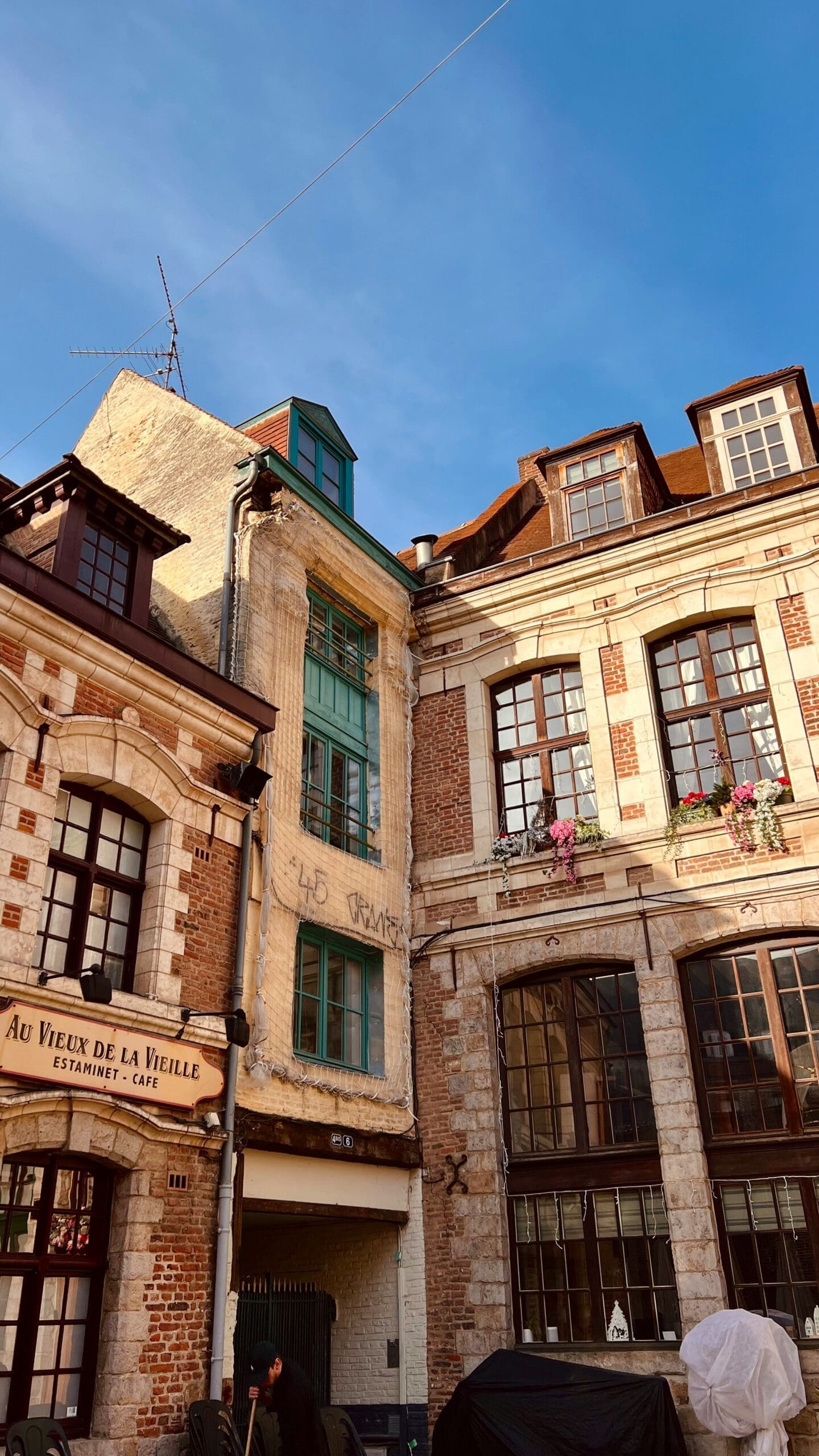
by Rhayane Daibert (https://unsplash.com/@rhaaaaaaaay)
Change and Use Through the Centuries
The Old Stock Exchange of Lille has undergone many transformations over the years. Originally conceived as a marketplace, its uses changed over the centuries. In the 17th century, it was the heart of commerce, a meeting place for merchants and traders. However, its importance as an economic center could not last forever.
In the 18th and 19th centuries, the Old Stock Exchange underwent changes to adapt to modern times. During industrialization, the focus shifted from local trade to industrial products. As a result, the stock exchange lost some of its original trading function. However, it remained a symbol of the city's wealth and trading traditions.
In the 20th century, the Old Stock Exchange took on new functions. During the World Wars, it served as a place of refuge and solidarity. After the wars, it transformed further. The city's population was now looking more for social and cultural meeting places. The courtyard was therefore regularly used for cultural events. Book markets and chess games were held here. This gave the Stock Exchange a new identity.
Today, the Old Stock Exchange is primarily a cultural landmark. Tourists and locals appreciate its architectural beauty. They enjoy lingering in the courtyard to soak up the historic atmosphere. Furthermore, the Old Stock Exchange is a popular venue for events and markets. It represents the successful blend of tradition and modern use. The diverse history of the Old Stock Exchange shows how a building can adapt to societal changes without losing its identity.
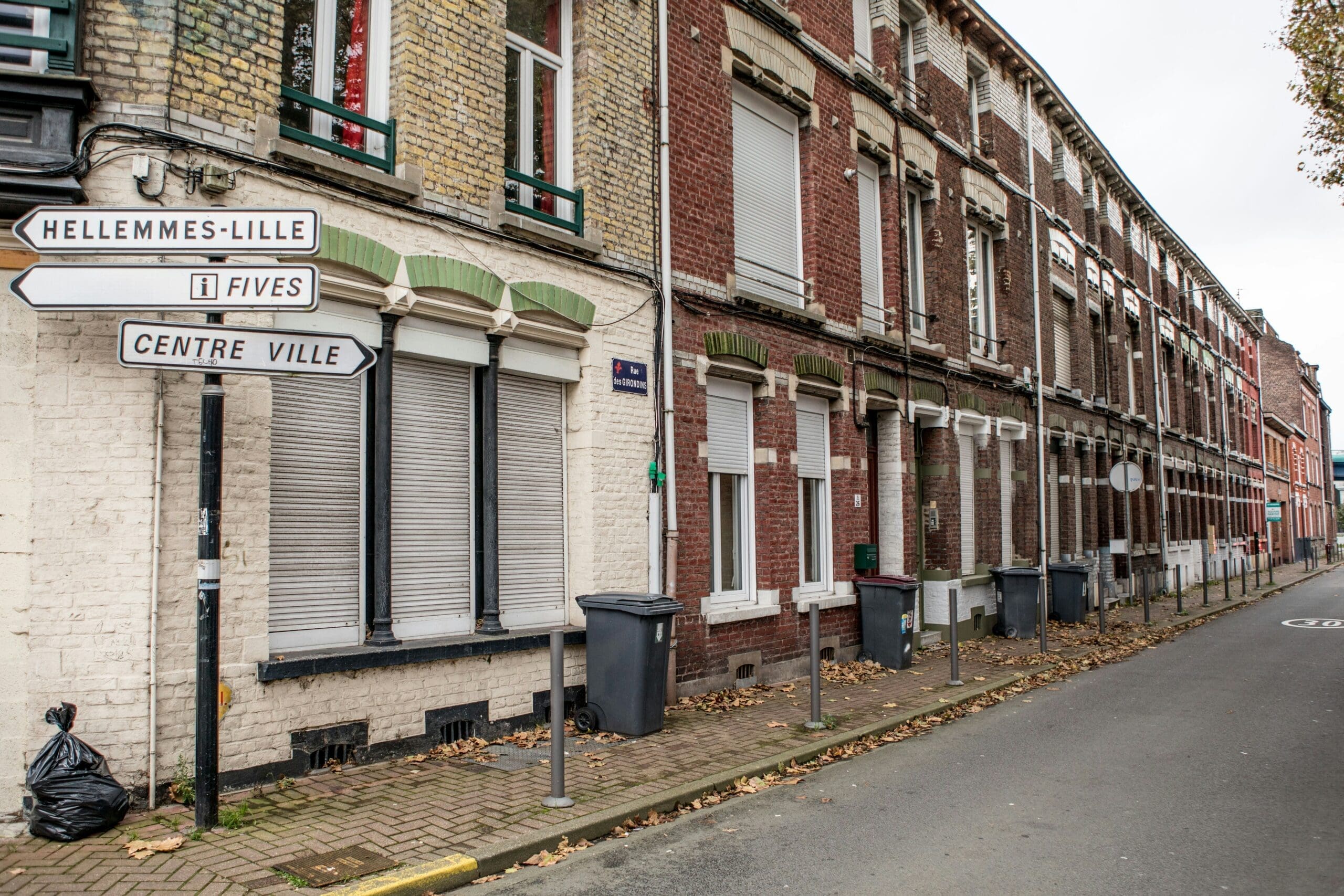
by Yanick Folly (https://unsplash.com/@yanick_folly_229)
The Old Stock Exchange Today: A Living Landmark of Lille
Today, the Old Stock Exchange of Lille is more than just a historic building. It stands at the heart of the old town, attracting visitors from all over the world. The mix of history and vibrant present makes it unique. A walk through the courtyard feels like a journey through time. The facade tells stories from bygone centuries.
The inner courtyard of the Old Stock Exchange is a vibrant center today. Locals and tourists meet here to enjoy the special atmosphere. The book and antique markets are particularly popular. They create a connection between the old and the new, between tradition and modern culture. Chess players often play exciting games, much to the delight of the spectators.
Besides its cultural use, the Old Stock Exchange is also an important meeting place. Events and exhibitions are held regularly. These skillfully utilize the impressive backdrop of Renaissance architecture. Visitors can admire the artful details while participating in these events. The architecture is inspiring and invites you to linger.
A list of regular activities and events at the Old Stock Exchange includes:
- Book markets for literature enthusiasts
- Flea markets with historical treasures
- Chess games for strategic thinkers
- Art and cultural exhibitions
- Musical events and concerts
The significance of the Old Stock Exchange as a landmark remains unbroken. It is a place of encounters and cultural exchange in Lille. Its architecture continues to fascinate and inspire numerous visitors. It is a place where past and present harmoniously blend. Lille's Old Stock Exchange embodies the city's living heritage and keeps its traditions alive. A visit is worthwhile to experience a piece of Lille's rich history firsthand.
The Old Stock Exchange as a Tourist Attraction: Tips for Visitors
When you visit Lille, the Old Stock Exchange should be at the top of your list. It's not only an architectural masterpiece but also a lively meeting place. To make the most of your visit, it's best to plan for a morning. This will allow you to explore the courtyard at your leisure and soak in the atmosphere.
A visit to the Old Stock Exchange is particularly rewarding when a market is taking place concurrently. The mix of old books and crafts is impressive. Find out about current events before your visit. This way, you won't miss anything and can plan your experiences optimally.
For photography enthusiasts, the Old Stock Exchange offers numerous subjects. The richly decorated facade and the charming inner courtyard are ideal for impressive pictures. Don't forget to capture the architectural details as well. They reflect the artistry of the Flemish Renaissance and are a highlight for every visitor.
Here are a few tips to make your visit unforgettable:
- Visit the book markets for unique finds.
- Take a guided tour to learn more about the history.
- Enjoy a nearby cafe to relive the atmosphere.
- Keep the camera ready for breathtaking shots.
- Also plan a detour to the nearby Grand Place.
A walk to the Old Stock Exchange is like a journey through time. Don't forget to enjoy the small details along the way. Every corner tells a story of history and culture. Your visit to Lille would be incomplete without a detour to this gem.
The surroundings: Grand Place and the heart of Lille
The Grand Place, also known as Place du Général-de-Gaulle, is the vibrant heart of Lille. From here, the charming streets of the old town spread out. The square is surrounded by impressive architecture, blending history and modernity. It is bustling at all hours of the day and offers a true feast for the senses.

by Diane Picchiottino (https://unsplash.com/@diane_soko)
Located near the Old Stock Exchange, the Grand Place invites you for a relaxing stroll. The atmosphere is incomparable, especially on sunny days. Street musicians and artists add a vibrant touch to the place, attracting locals and tourists alike. The square is an ideal spot to feel the soul of Lille.
A special highlight is the view of the Old Stock Exchange from the center of the Grand Place. It offers a unique contrast between historical buildings and urban life. A visit here allows you to experience the city from different perspectives. Enjoy the moment and observe the hustle and bustle around you while immersing yourself in the past.
Conclusion: The Old Stock Exchange of Lille as a Symbol of the City
The Old Stock Exchange of Lille is far more than just an architectural masterpiece. It is a living symbol of the city's rich history and cultural diversity. As one of Lille's most outstanding sights, it attracts numerous visitors year after year. Its impressive facade and lively courtyard tell stories from past times while enriching the present.
With its unique Flemish Renaissance architecture, the Old Stock Exchange embodies the prosperity and economic success that Lille once enjoyed. It is a meeting place, connecting the past and the present. A visit not only immerses visitors in the city's history but also offers the opportunity to experience and enjoy modern life in Lille.
As an integral part of Lille's identity, the Old Stock Exchange will continue to play a central role in urban and cultural life in the future. It remains a must-see for every visitor and a place of inspiration for everyone who appreciates its beauty and significance. The Old Stock Exchange of Lille is a living heritage that captures and reflects the soul of the city. Here, amidst history and vibrant culture, you can feel what truly makes the city.