
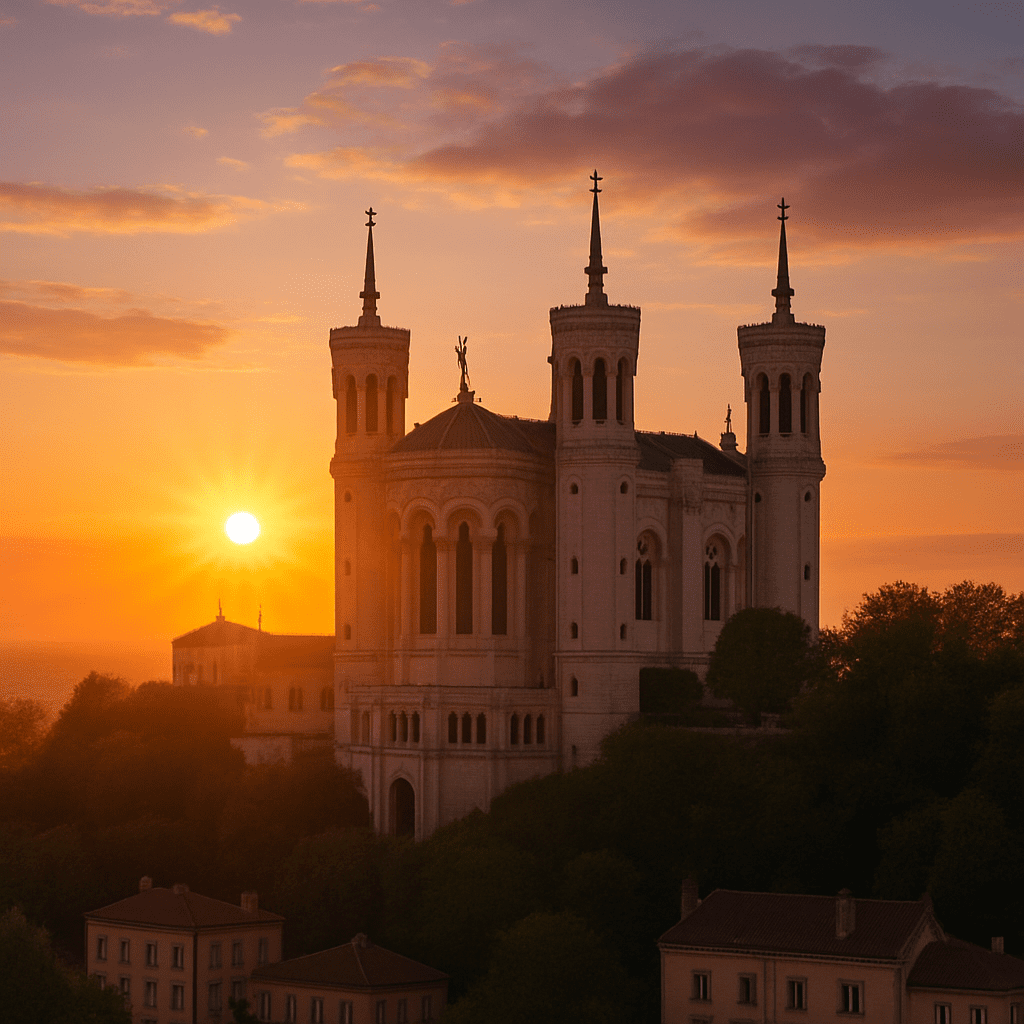
The Basilica of Notre-Dame de Fourvière is an architectural gem in Lyon. It sits majestically atop the Fourvière hill, offering breathtaking views of the city. This impressive basilica attracts millions of visitors annually.
Built between 1872 and 1884, the basilica is a masterpiece of architecture. It combines Byzantine and Romanesque style elements designed by Pierre Bossan. The basilica is dedicated to the Virgin Mary, the patron saint of Lyon.
The basilica is not only a religious center but also a significant landmark of Lyon. It is part of the UNESCO World Heritage Site and a symbol of faith and hope. Its four towers and the golden statue of Mary are visible from afar.
Inside the basilica, visitors can expect magnificent mosaics and stained-glass windows. These works of art tell stories and lend the space a special atmosphere. The basilica is a place of peace and contemplation.
A visit to the Basilica of Notre-Dame de Fourvière is a must for every visitor to Lyon. It offers not only spiritual experiences but also cultural and historical insights. Discover the beauty and grandeur of this unique structure.
The Basilica of Notre-Dame de Fourvière: A Landmark of Lyon
Located on Fourvière Hill, the Basilica of Notre-Dame de Fourvière is one of Lyon's most famous landmarks. It not only attracts tourists but is also of great importance to the city's residents. This architectural masterpiece symbolizes Lyon's faith and history.
The basilica was built after the Franco-Prussian War. The citizens of Lyon financed it with their donations. They wanted to erect a symbol of gratitude and hope. This structure was intended to express their thanks for being spared destruction.
Pierre Bossan, the architect of the basilica, created a unique design. His vision combined Byzantine and Romanesque architectural styles. The basilica stands out and is distinct from other religious buildings in France.
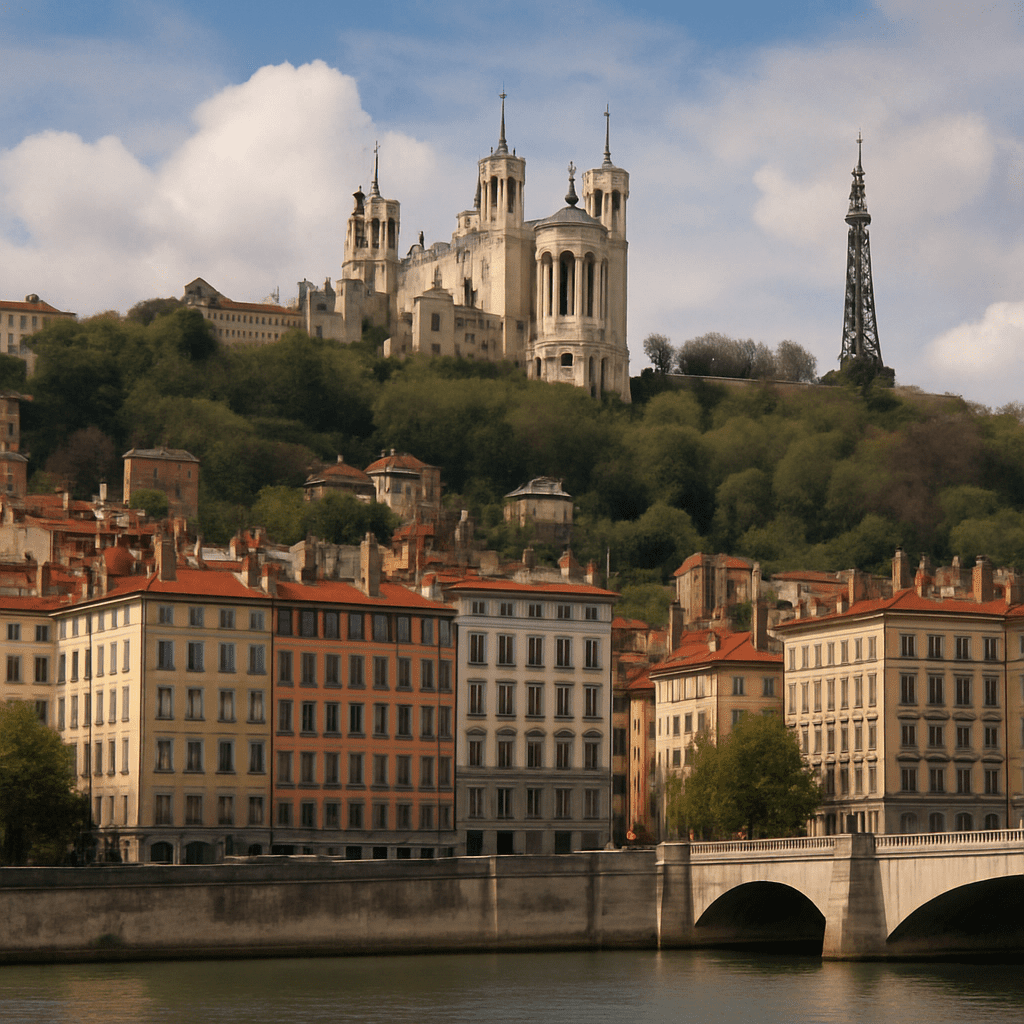
The four towers of the basilica and the golden statue of the Virgin Mary are widely visible. They dominate the Lyon skyline and offer a magnificent sight. These architectural elements contribute to the striking silhouette of the structure.
The Basilica of Notre-Dame de Fourvière is not just an architectural highlight. It is also a cultural and spiritual meeting point. Its significance for the city and its people is deeply rooted. Every year, pilgrims and tourists flock here to experience the beauty and history of this landmark. Combined with its majestic location on the hill, the basilica is an indispensable part of any visit to Lyon.
History of the Basilica of Notre-Dame de Fourvière
The Basilica of Notre-Dame de Fourvière has a rich and significant history. Its construction began in 1872, after Lyon had survived the Prussian siege almost unscathed. This deliverance was considered a miracle, which motivated the construction of the basilica.
Funded by the citizens of Lyon, the construction was a true community project. The willingness to donate reflected the deep faith and gratitude of the population. The citizens saw the basilica as an opportunity to thank their patron saint, the Virgin Mary.
Pierre Bossan, the visionary architect, led the project. Bossan combined traditional elements with innovative approaches. This gave the basilica its unique architectural language and made it a masterpiece.
by Peter Burdon (https://unsplash.com/@peterburdon)
Construction dragged on for over a decade. The basilica was finally completed in 1884. However, the patient and meticulous work was necessary to do justice to the ambitious design.
In the following years, the Basilica quickly became an important pilgrimage site. It attracted believers from all over France and beyond. Thousands of pilgrims made their way to pray in the awe-inspiring presence of the structure.
Besides its religious significance, the basilica also played a role in political times. During moments of crisis, it became a symbol of resistance and hope for the citizens of Lyon. This connection enhanced its importance in the city's collective memory.
Today, the basilica is more than just a religious building. It is part of the UNESCO World Heritage and a living example of Lyon's cultural heritage. The history of the structure thus extends beyond the boundaries of spirituality and becomes an integral part of the city's history and identity.
Architecture and Artistic Highlights
The Basilica of Notre-Dame de Fourvière is a masterpiece of architecture. Its design combines Byzantine and Romanesque elements into a harmonious whole. This combination of styles distinguishes it from other religious structures in France.
Pierre Bossan's visionary concept is recognizable in every corner of the basilica. Bossan drew inspiration from different cultural circles and artfully integrated these impressions into the structure. The result is a unique fusion of different architectural styles.
Particularly impressive are the four towers that characterize the basilica. They are arranged symmetrically and lend the structure stability and expressiveness. A golden statue of the Virgin Mary, venerated as the patron saint of Lyon, is enthroned on one of the towers.
The interior of the basilica captivates with magnificent mosaics and stained-glass windows. These artful details tell biblical stories and lend the space a sacred atmosphere. The colors and interplay of light from the windows contribute to the spiritual grandeur of the site.
Another artistic highlight is the crypt dedicated to Saint Joseph. It displays a calmer side of the basilica and offers a space for reflection and prayer. The crypt is an inviting place of retreat, away from the bustling city.
The interior design of the basilica includes numerous impressive works and details that make a visit worthwhile:
- Sumptuous mosaics with vibrant colors
- Finely crafted stained glass windows that refract light
- Elegant frescoes adorning the ceilings
- Artistic carvings on altars and chapels
- Stonework showing Byzantine and Romanesque influences
Not to be forgotten is the basilica's choir. It is richly decorated and provides a space for moving musical performances during liturgical celebrations. The acoustics of the space enhance the experience, making every service an unforgettable event.
In summary, the architecture of the Basilica of Notre-Dame de Fourvière demonstrates how art and religion can unite. The combination of historical design, spiritual symbolism, and aesthetic beauty makes the basilica a unique structure that attracts architecture enthusiasts from all over the world. Visitors can experience the diversity and richness of religious art here, making a stay in Lyon an unforgettable experience.
The spiritual and cultural significance
The Basilica of Notre-Dame de Fourvière is not only an architectural masterpiece but also a spiritual center of great importance. It attracts believers from Lyon and far beyond, who gather here to nurture and renew their faith traditions.
Historically, the basilica is a symbol of resistance and hope. After the Prussian siege in 1870, the citizens of Lyon vowed to build the current church if their city was spared. The basilica therefore represents the faith and devotion of the Lyonnaise community.
Annually, on December 8th, the famous Festival of Lights (Fête des Lumières) takes place. This event revives the tradition of gratitude towards the Virgin Mary, who is revered as the city's patron saint. During the festival, the entire basilica shines with spectacular light effects, attracting thousands of visitors.
Inside the basilica, there are numerous religious artworks that underscore its spiritual significance. Mosaics and frescoes depict important events in Christian history. These artistic works highlight the sacred building's cultural and religious role and invite contemplation.
The basilica also serves as a venue for cultural encounters. Concerts, exhibitions, and events are held here, showcasing the richness of French culture. This makes the basilica a vibrant symbol of the connection between spiritual and cultural life in Lyon.

by Anna Ess (https://unsplash.com/@anna_esss)
The Basilica as a Viewing Point: Panoramic Views over Lyon
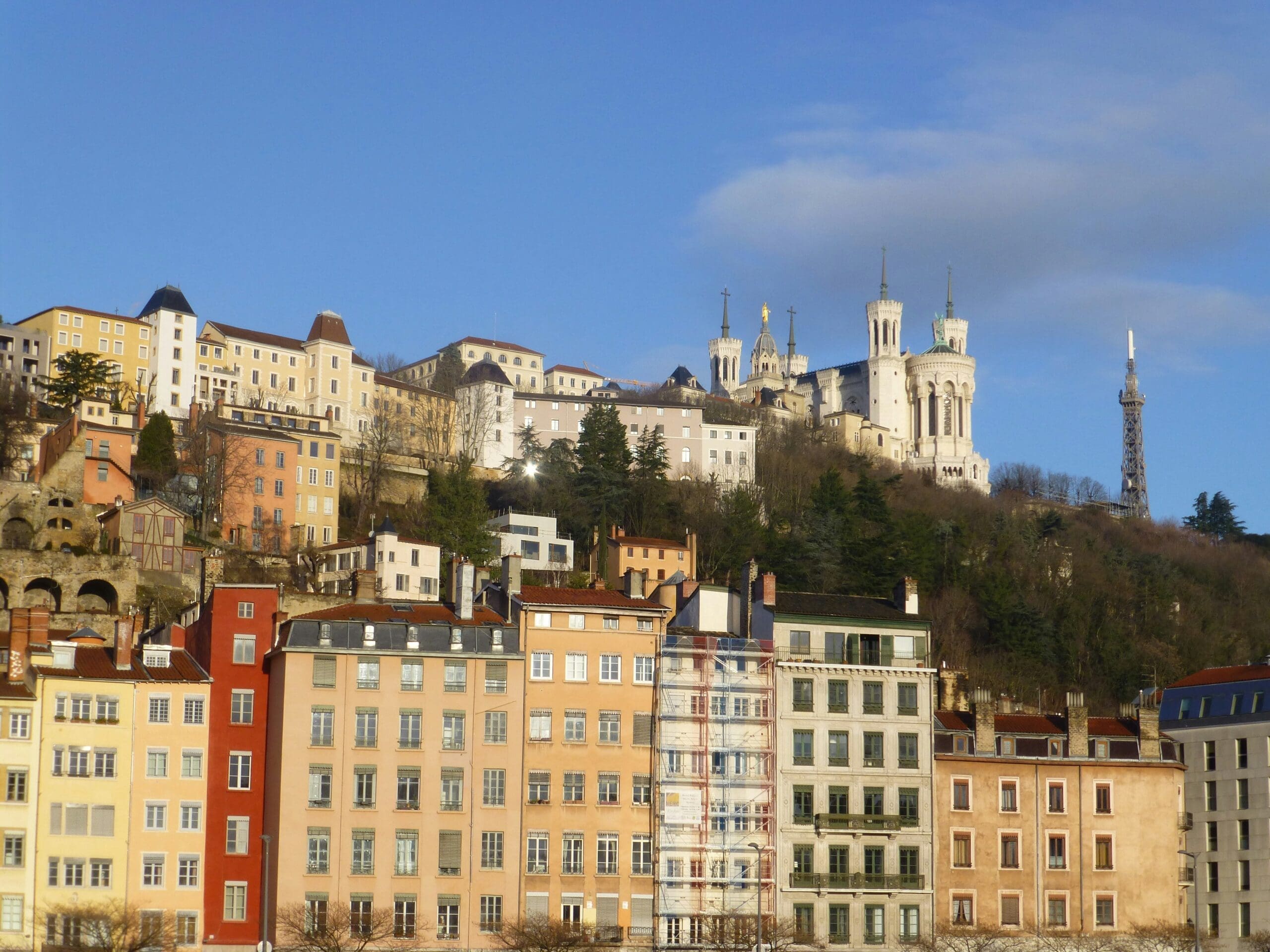
The Basilica of Notre-Dame de Fourvière offers one of the most impressive views in Lyon. Located on Fourvière Hill, it rises majestically above the city, offering visitors breathtaking panoramic views. On a clear day, you can see as far as the Alps, making a visit an unforgettable experience.
A special highlight is the opportunity to climb the towers of the basilica. From there, an even wider view opens up over the rooftops of Lyon and the surrounding landscape. This perspective attracts photographers and view enthusiasts alike. Many enjoy capturing this moment in photos.
The view of the city landscape is particularly spectacular during sunset. The setting sun bathes the city in a warm, golden light. Visitors rave about this peaceful setting, which offers a wonderful backdrop for reflection and relaxation.
Although the basilica itself offers a variety of attractions, the panoramic view is an essential part of any sightseeing tour. It complements the rich historical and cultural heritage of the building, making the basilica a must-see for any visitor to Lyon. Those who enjoy the view understand why the basilica is a permanent fixture on every Lyon itinerary.
by La coccinelle (https://unsplash.com/@wisi)
Practical Information for Visitors
A visit to the Basilica of Notre-Dame de Fourvière is a highlight of any trip to Lyon. To help you plan your visit, here is some useful information. The basilica is open daily and admission is free, making it particularly accessible for everyone.
The ideal time to visit depends on your preferences. Early mornings offer tranquility and fewer crowds. Those planning a visit at sunset can enjoy a spectacular play of light. However, keep in mind that the towers may close in the early evening hours.
To fully enjoy the mosaics, stained glass windows, and other artworks in the basilica, guided tours are highly recommended. These offer deep insights into the history and architecture of the basilica. They can be booked directly on-site or in advance online.
Regarding travel, the basilica is easily accessible by public transport. The funicular railway from the old town takes you conveniently right to the doorstep. There are also parking options on the hill for drivers, although they are often limited.
For a relaxed visit, comfortable shoes are recommended as some areas are paved and uneven. A camera is a must to capture the unforgettable views and interior shots.
Here are some useful tips at a glance:
- Opening hours: Daily from 7:00 AM to 7:00 PM
- Admission: Free admission
- Best times to visit: Early morning or sunset
- Access: Reachable by funicular
- Tours: Guided tours available
- Dress code: Respectful attire requested
A well-planned visit to the Basilica of Notre-Dame de Fourvière is sure to be an unforgettable experience in Lyon.
Tips for visiting the Basilica of Notre-Dame de Fourvière
Planning your visit to the Basilica of Notre-Dame de Fourvière can significantly enhance your experience. Start your day early to enjoy the basilica without the crowds. In the morning, the atmosphere is quieter, offering more time and space for contemplation.
Seize the opportunity to admire the fascinating architectural details up close. Pay attention to the fine mosaics and the impressive stained glass. For a more comprehensive overview, a guided tour could be valuable, offering special insights into the history and significance.
On the basilica grounds, there are also cafés where you can take a break. It's worth setting aside some time to explore the surroundings and enjoy the local cuisine. Dining with a view of the city is a true delight.
A walk around the Fourvière hill can also be an unforgettable part of your visit. The nature trails and gardens around the basilica offer a soothing respite. Don't miss the opportunity to photograph the magnificent scenery and views.
Here are some useful tips for your visit:
- Wear comfortable shoes for rough trails.
- Please observe sun protection measures when spending a long time outdoors.
- Take your time for a guided tour.
- Keep your camera ready, especially at sunset.
- Plan a short stop at one of the local cafes.
With these tips, your visit to the Basilica of Notre-Dame de Fourvière will be both pleasant and inspiring.
Events and the Festival of Lights (Fête des Lumières)
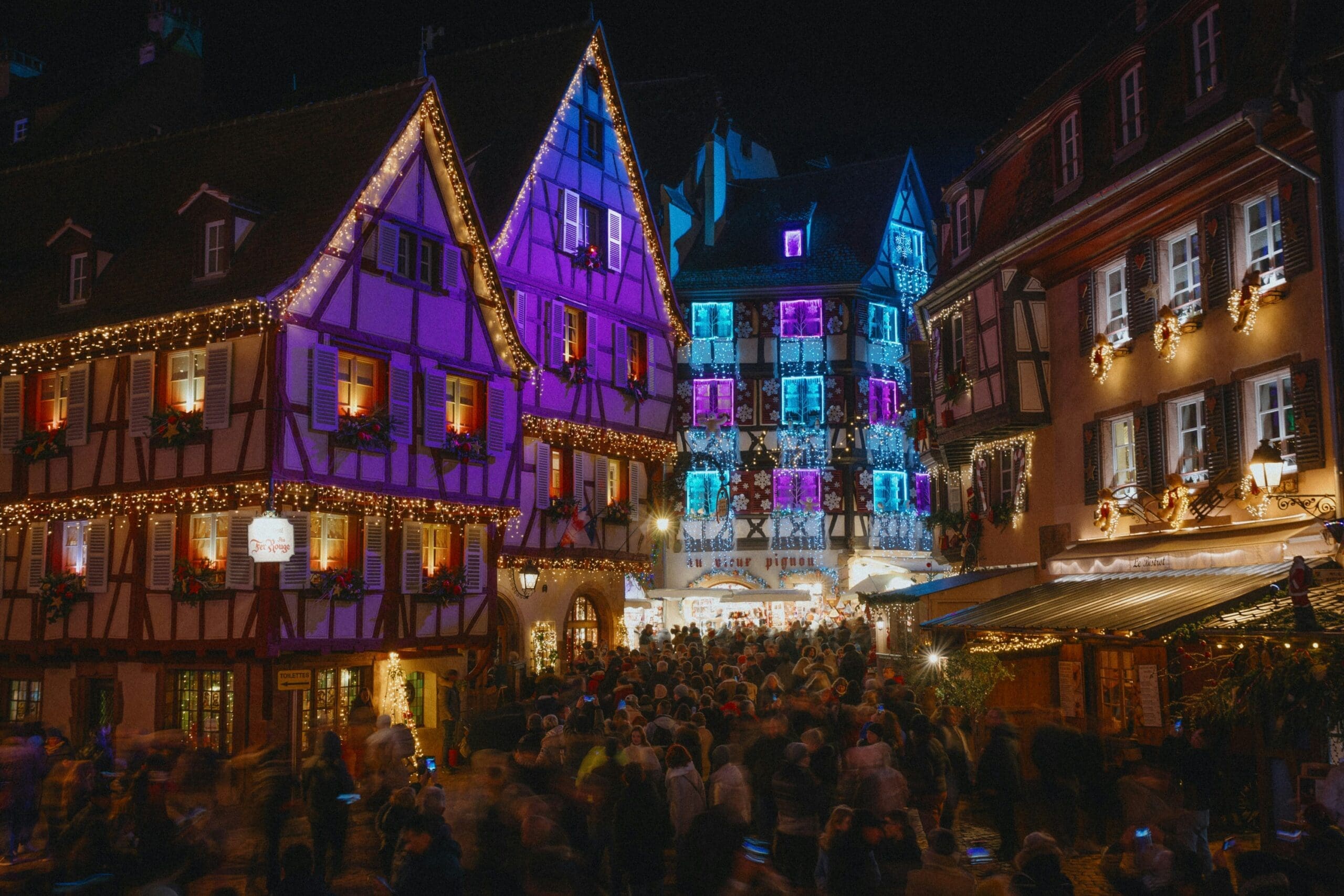
The Basilica of Notre-Dame de Fourvière is not only an architectural masterpiece but also the venue for significant events. One of the most spectacular is the annual festival of lights, known as the Fête des Lumières. This event attracts millions of visitors from all over the world.
by Cedric Letsch (https://unsplash.com/@cedricletsch)
The Festival of Lights takes place every year at the beginning of December. It was originally established in honor of the Virgin Mary. Today, it has evolved into a major city event that delights both locals and tourists. The basilica shines with impressive light installations, creating a magical atmosphere.
The festival typically lasts four days and includes numerous activities throughout Lyon. The basilica itself is prominently illuminated, making it an essential highlight of the festival. The interplay of light and architecture creates an unforgettable experience.
In addition to the impressive lighting, there are also musical and artistic performances. These add an extra cultural depth to the event. Those who visit the Festival of Lights will experience the Basilica Notre-Dame de Fourvière in a new, luminous light and will better understand why it is a centerpiece of Lyon.
Getting there: How to reach the Basilica
The Basilica of Notre-Dame de Fourvière stands majestically on Fourvière Hill, a location that is easily accessible. For visitors, there are several convenient options to reach this historic site.
Perhaps the most popular way to visit the basilica is by funicular. This connects the old town with Fourvière hill and offers a charming yet practical way to get there. During the ride, you can already enjoy magnificent views of Lyon.
Alternatively, for the active ones among you, there's also the option to reach the basilica on foot. A walk through the picturesque streets of Lyon up to the hill is an experience in itself. The effort is rewarded with a breathtaking view.
Here are some transportation options
- FunicularFrom Old Lyon to the Basilica
- BusesVarious lines serving nearby stops
- WalkPicturesque hikes through the old town to the top of the hill
Regardless of how you choose to reach your destination, the ascent to the Notre-Dame de Fourvière Basilica is always worth the trip.
Conclusion: Why the Basilica of Notre-Dame de Fourvière is among the top Lyon attractions
The Basilica of Notre-Dame de Fourvière is more than just an architectural marvel. It is a symbol of Lyon's cultural and spiritual identity. No visit to this city would be complete without a trip to this impressive site. It attracts visitors with its rich history and majestic beauty.
The breathtaking architecture, the artful mosaics, and stained-glass windows offer an unforgettable sight. Visitors are often fascinated by the harmony of the stylistic elements, which are characterized by Byzantine and Romanesque influences. The basilica also offers a unique view of the city, which is stunning both day and night.
One highlight is the annual Festival of Lights, which bathes the basilica in a magical glow. This event and the spiritual aura of the place make the Basilica of Notre-Dame de Fourvière a must-see for anyone visiting Lyon. Its harmonious blend of past and present is the true charm of this famous landmark.