

La Petite France in Strasbourg is a true gem in the heart of Europe. This historic district attracts visitors with its unique charm and rich history. It is a place where the past comes alive and the present inspires.
Strasbourg, the capital of Alsace, is known for its cultural diversity. La Petite France is a prime example of this. The mix of French and German culture is reflected in the architecture and traditions. Visitors can experience the harmonious blend of history and modernity here.
The district is located on the Grande Île, which is a UNESCO World Heritage site. This central location makes it an ideal starting point for exploration. The well-preserved half-timbered houses and picturesque canals are characteristic of La Petite France. They provide a backdrop that delights photographers and history buffs alike.
La Petite France was once the district of tanners, millers, and fishermen. These crafts shaped the neighborhood for centuries. Today, it is a vibrant example of Strasbourg's cultural and historical significance. The district's history dates back to the Middle Ages and is closely linked to the city's industrial development.
Visitors can discover the small details of the architecture and the cityscape. The mix of Gothic and Renaissance styles is impressive. The Ponts Couverts, a series of covered bridges, are a well-known landmark. They bear witness to the craftsmanship of past centuries and are a must-see for every visitor.
La Petite France is particularly popular during the Christmas season. The Strasbourg Christmas Market attracts people from all over the world. The festive atmosphere and the illuminated streets create a magical mood. It is a time when the neighborhood shines with a special glow.
The proximity to other European cities makes Strasbourg an ideal starting point for further travel. The city is an important European hub and seat of the European Parliament. This central location offers travelers many opportunities to explore the region.
La Petite France is a place where history comes alive. Visitors can immerse themselves in past times and experience the cultural diversity of Alsace. The preservation of historic buildings is an important aspect of Strasbourg's cityscape. It is an example of sustainable tourism and urban development.
History and Origin of La Petite France
La Petite France in Strasbourg has a fascinating history deeply rooted in the city's past. The neighborhood was once known as the city's artisan quarter, where tanners, millers, and fishermen worked. These professions shaped the daily lives and landscape of the quarter for many centuries.
In the Middle Ages, La Petite France developed into an important trading post. The canals offered a vital transportation artery that facilitated trade. Merchant ships brought goods, and the thriving economy attracted people from the surrounding area. This dynamic connection of waterways and roads made the district a vibrant commercial zone.
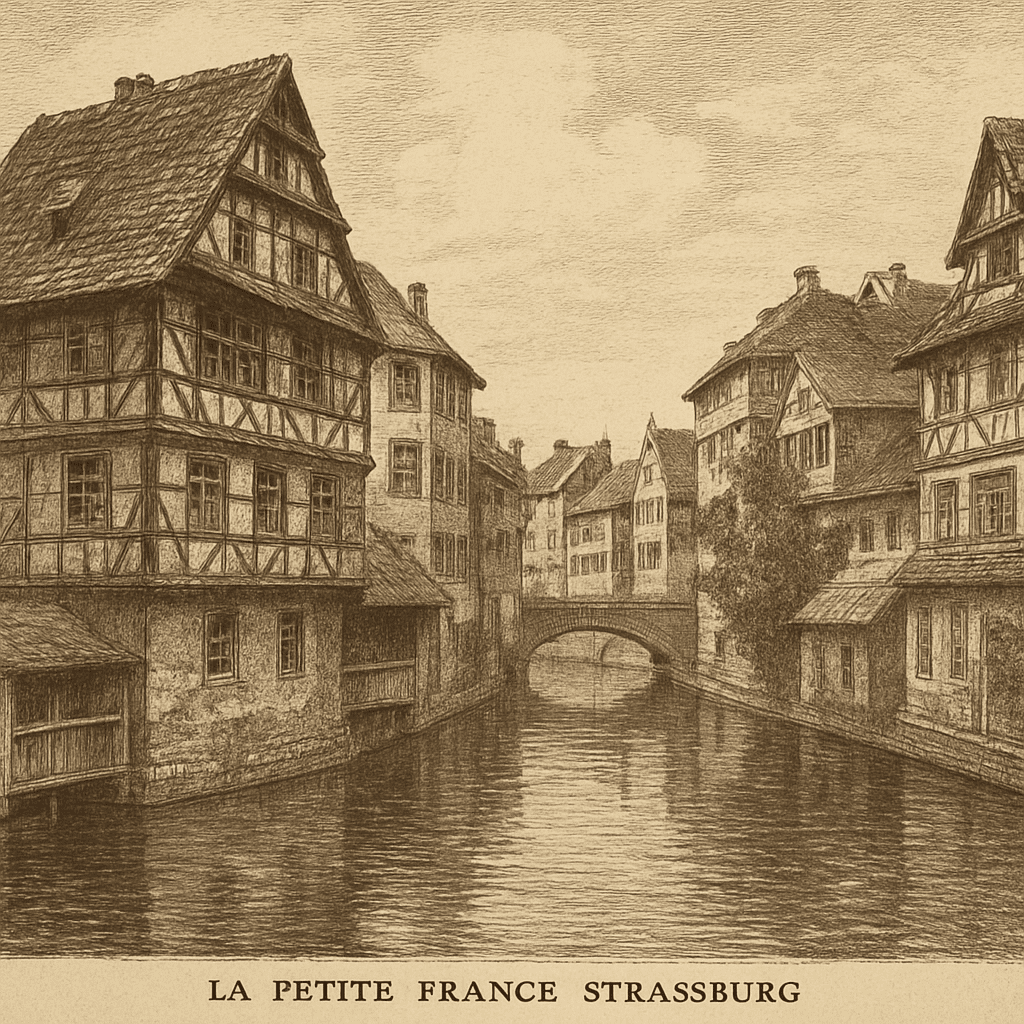
However, the name La Petite France has a grim past. Originally, the neighborhood was also known as the Tartars„ Quarter. In the 16th century, a hospital for treating syphilis, which was then called the “French disease," was located here. This connection shaped the name, although today the district is more appreciated for its beauty and history.
The architecture of La Petite France reflects the eventful times the quarter has experienced. From Gothic influence to Renaissance architecture, the buildings tell stories from past centuries. This architectural diversity is not only a visual highlight but also a testament to the cultural diversity of Alsace.
During the Industrial Revolution, La Petite France underwent significant changes. The development of industry left its mark on the cityscape and also transformed social structures. Despite this, the neighborhood retained its unique character and held onto its traditions. The combination of old craftsmanship and new technology shaped the modern image of the district.
Today, La Petite France is a symbol of Strasbourg's history and identity. The preservation of historical buildings is a priority in urban development. Through successful restorations, Strasbourg has managed to make the district attractive to both residents and tourists. These efforts were recognized in 1988 when the Grande Île was designated a UNESCO World Heritage site.
The eventful history of La Petite France is a reflection of Alsace's own changeable past. This region experienced many political and cultural shifts over the centuries. La Petite France, however, always remained a place that preserved the cultural identity and heritage of Alsace. Today, visitors can feel the vibrant past of the neighborhood and be inspired by its historical significance.
Architecture and Cityscape: Half-Timbered Houses, Canals, and Bridges
The architecture of La Petite France in Strasbourg is a fascinating interplay of history and aesthetics. The well-preserved half-timbered houses are the heart of the district and give it its distinctive charm. These traditional buildings made of wood and white plaster are not only photogenic but also a testament to centuries of craftsmanship.
These half-timbered houses mostly date from the 16th and 17th centuries and are adorned with elaborate carvings. Their crooked roofs and colorful facades attract tourists and locals alike. Strollers can admire the delicate details and appreciate the uniqueness of these buildings. The use of regional materials emphasizes the historical context and regional identity.
In addition to the half-timbered houses, the picturesque canals are another central feature of the district. They wind through the streets and give La Petite France its special flair. Historically, the canals served as transportation routes and were vital for trade and transport. Today, they invite visitors to enjoy relaxing boat trips, allowing them to discover the district from a different perspective.
A striking feature is the many bridges that cross these canals. Especially the Ponts Couverts, a series of covered bridges, are a famous landmark of Strasbourg. Originally from the Middle Ages, they now offer a magnificent view of the cityscape and the surrounding landscape. They not only connect the banks but also tell the story of a strategically important trading city.
The harmonious integration of nature and architecture makes La Petite France unique. The cityscape reflects the close connection between bustling streets and tranquil waterways. The green banks of the canals offer relaxing spots to unwind and enjoy the surroundings. These places are perfect meeting points for strolls, photo stops, and lingering in one of the charming cafes.
A tour of La Petite France's architecture reveals a diversity of styles and influences. The following architectural features are noteworthy:
- Gothic elementsThese are reflected in the windows and portals of some older buildings.
- Renaissance styleThese are characterized by their attention to detail and rich ornamentation.
- Regional MaterialsWood, sandstone, and brick are the primary building materials that shape the regional architecture.
- Ornaments and carvingsThese are typical features of the half-timbered houses and tell of the region's craftsmanship.
- Sloping roofs and colorful facadesThese offer a charming sight and contribute to the picturesque character of the neighborhood.
Together, this architecture paints a vivid picture of Alsace and its history. La Petite France offers visitors the opportunity to immerse themselves in a bygone era and experience the grandeur of the old world. At the same time, the district remains vibrant and inviting for all who wish to discover its historical beauty.
The main attractions in La Petite France
La Petite France in Strasbourg is a paradise for explorers and lovers of historical sights. This district offers a variety of cultural and architectural highlights that reflect the charm of the region. At any time of day, it attracts visitors with its picturesque streets and historical landmarks.
A visit to the Ponts Couverts (Covered Bridges) is an absolute must. These iconic covered bridges date back to the Middle Ages and are part of the old city fortifications. Although the wooden roofs no longer exist, the towers and stone bridges have been preserved. They offer not only historical insights but also magnificent views of the Ill River and the surrounding old town of Strasbourg.
Another highlight is the Maison des Tanneurs, a well-known half-timbered building in the heart of the quarter. Originally built in the 16th century, it was once a center for tanning. Today, it houses a famous restaurant serving traditional Alsatian cuisine. The authentic atmosphere and historical furnishings make a visit an unforgettable experience.
List of attractions in La Petite France:
- Covered BridgesMedieval towers and bridges with fantastic views.
- Tanners' HouseHistoric half-timbered house with traditional Alsatian cuisine.
- Place Benjamin ZixPopular place with cafes and shops, ideal for relaxing.
- Church of Saint-ThomasGothic church with Baroque elements and an impressive organ.
- Museum of Modern and Contemporary ArtMuseum near the modern art district.
- Mill QuayRomantic promenade along the old mills.
- Plant Bath StreetPicturesque street with colorful half-timbered houses.
- Small Alsatian MuseumsNumerous small museums showcasing local history and culture.
Place Benjamin Zix is a central meeting point surrounded by charming cafes and boutiques. It is located amidst historic half-timbered architecture and offers visitors the opportunity to relax and soak in the atmosphere. The nearby Eglise Saint-Thomas is another significant landmark. This imposing church combines Gothic and Baroque architectural elements and houses an impressive Silbermann organ.
Not far away is the Musée d’Art Moderne et Contemporain de Strasbourg. Although technically outside of La Petite France, it is in close proximity and definitely worth a visit. The museum houses an extensive collection of contemporary artworks. It offers an interesting contrast to the historic surroundings of La Petite France, demonstrating how the past and the modern can harmonize.
The Quai des Moulins is an idyllic riverside promenade, ideal for leisurely strolls. Originally lined with mills, this place evokes a sense of peace and nostalgia. The pretty buildings along the quay are perfect examples of the harmonious relationship between people and water in the city.
Anyone strolling down Rue du Bain-aux-Plantes will be enthralled by the colorful half-timbered houses. This street is one of Strasbourg's most famous photo opportunities and captivates with its vibrant atmosphere. The nearby small museums offer exciting insights into the local history and traditions of Alsace.
La Petite France is a place where history comes alive. Every corner tells stories of the past and invites you to explore its cultural diversity. These sights are more than just tourist attractions; they are testaments to the rich history of Strasbourg and Alsace. A visit to La Petite France guarantees unforgettable impressions and a journey through the history of this impressive city.
Activities and Experiences: What to Do in La Petite France
La Petite France in Strasbourg offers a variety of activities that make every visit unforgettable. It's a place that has something to offer both those seeking relaxation and the adventurous. With its picturesque streets and rich cultural history, the district attracts countless travelers every year.
One of the best ways to discover La Petite France is on foot. The narrow alleys and charming squares invite leisurely strolls. This is not only the best way to admire the architecture, but also to discover hidden gems and local shops. Every turn offers new sights and perspectives that contribute to the neighborhood's appeal.
La Petite France: Activity List
- Walks through the alleywaysEnjoy the half-timbered houses and picturesque streets.
- Boat tours on the canalsDiscover the city from a new perspective.
- PhotographingThe architecture and landscape offer countless photographic subjects.
- Visiting Art GalleriesDiscover local artists and collections.
- Participation in guided toursLearn more about the history and culture of the neighborhood.
- Shopping in boutiquesFind unique souvenirs and handmade products.
- Relaxing at Quai des MoulinsEnjoy the peace and quiet and watch the activity on the riverbank.
A boat tour on the canals of La Petite France is a wonderful way to explore the neighborhood from a unique perspective. The ride not only offers insights into the impressive architecture but also into the history of the city. From the water, the half-timbered houses appear even more impressive, and you can literally see the city in a different light.
For photography enthusiasts, La Petite France offers countless opportunities. The color combinations of the half-timbered houses and the reflections on the water create breathtaking scenes that are perfect for photo opportunities. Whether in daylight or at dusk, the lighting and atmosphere of the district always inspire new shots.
La Petite France is also a center for art lovers. Numerous small galleries invite you to discover the works of local artists. These galleries offer insights into the artistic soul of Alsace and are an excellent opportunity to acquire unique artworks. This way, visitors can take a piece of Strasbourg's culture home with them.
Guided tours are ideal for those who want to learn more about the history and secrets of the neighborhood. Experienced guides offer fascinating stories and interesting facts about La Petite France. They allow for a deeper connection to the region and provide context to the impressive sights.
Shopping fans will find what they're looking for in the stylish boutiques of La Petite France. Here you'll find a wide range of handmade products and unique souvenirs. Each shop has its own character and reflects the creative diversity of the region. Visitors have the opportunity to purchase lovingly crafted products that will always remind them of their time in Strasbourg.
After a day of discoveries, it's a great idea to relax on the Quai des Moulins. The peaceful atmosphere and the gentle lapping of the water invite you to escape the hustle and bustle of the city. Here you can watch the world go by and calmly process all the impressions of La Petite France.
Culinary Delights and Enjoyment: Restaurants, Cafes, and Alsatian Specialties
La Petite France in Strasbourg is not only a feast for the eyes but also for the palate. The culinary offerings in this historic district are diverse and reflect the rich culture of Alsace. From traditional Alsatian cuisine to innovative gourmet experiences, there is something to discover for every taste.
One of the most distinctive features of Alsatian cuisine is its hearty flavors and the combination of French and German influences. This blend is ubiquitous in the many restaurants of La Petite France. The neighborhood is known for its savory specialties that are sure to delight any foodie.
Highlights of Alsatian Cuisine:
- Tarte FlambéeFlammkuchen, a savory specialty with a thin crust.
- Sauerkraut with meatSauerkraut, usually served with various types of meat.
- BaeckeoffeA traditional stew with meat and potatoes.
- KougelhopfA bundt cake that's perfect with coffee.
- Foie GrasThe Alsatian variant of this delicacy is particularly tender.
Restaurants like Maison des Tanneurs offer these delicious dishes in a historic setting. Located in a magnificent half-timbered house, Maison des Tanneurs is an ideal place to savor the flavors of Alsace. The elegant decor and warm service ensure an unforgettable culinary experience.
Besides the restaurants, the cafés and wine bars of La Petite France are also worth a visit. Here, visitors can sample the famous Alsatian wines. Riesling and Gewürztraminer are just a few of the varieties this region has to offer. An afternoon can be wonderfully spent in one of the cozy cafés with a glass of wine or a cup of coffee.
Another treat is the Alsatian baked goods and desserts. Many local bakeries offer delicious Tarte Flambée and Kougelhopf, traditionally refined with raisins and almonds. These delights are a must for more than just those with a sweet tooth. They are the perfect sweet ending to a day of exploring La Petite France.
For those interested in an authentic experience, some establishments offer cooking classes. Here, visitors have the opportunity to learn how to prepare typical Alsatian dishes. These events offer not only culinary insights but also a perfect opportunity to immerse oneself in the region's culture.
Overall, the culinary scene in La Petite France embodies both tradition and innovation. From cozy cafes to fine dining restaurants, the culinary offerings are as diverse as the neighborhood's architecture and history. Every bite tells a story and is part of the cultural journey through the heart of Alsace.
Visitor Tips: Best Time to Visit, Getting There, and Accommodation
La Petite France in Strasbourg is a charming place at any time of year, but some months offer particularly special allure. The best time to visit depends on individual preferences. Many visitors prefer the spring and autumn months. Mild weather and fewer crowds make this time ideal for exploration.
Those who visit La Petite France in winter are rewarded with a special atmosphere. The famous Strasbourg Christmas market is known worldwide. In the glow of the lights, the quarter looks like something out of a fairytale book. The winter cold lends the historic ambiance a unique magic.
Getting to Strasbourg:
- By trainStrasbourg is well connected to the European rail network. The TGV conveniently brings travelers from France, Germany, and beyond.
- By carThe highway networks in France and Germany allow for easy travel. Parking is available, but limited near La Petite France.
- By planeStrasbourg Airport offers domestic and international flights. A short train ride connects the airport to the city center.
La Petite France offers accommodation options to suit all tastes and budgets, from luxurious hotels to charming guesthouses. Some accommodations are located in historic buildings, offering an authentic atmosphere that makes a stay in Strasbourg a true journey back in time.
For travelers who want to be in the heart of the action, a hotel in La Petite France is ideal. This central location makes it easy to explore the district and its attractions on foot. Additionally, many other Strasbourg sights are just a short walk away.
Hostels and guesthouses in the area are a good option for budget-conscious travelers. They often offer cozy rooms at affordable prices. These accommodations are a wonderful opportunity to experience the region's hospitality and connect with other travelers.
It is especially advisable to book early during the summer and the Christmas season. These times are particularly popular with tourists, and hotels fill up quickly. Planning ahead ensures the best rooms at fair prices.
Strasbourg's proximity to other European destinations makes the city an ideal starting point for further exploration. German cities like Freiburg or Karlsruhe are not far away. This offers visitors the opportunity to take cross-border trips.
Overall, La Petite France in Strasbourg is a versatile destination. Both the cultural highlights and the many opportunities for recreation and relaxation make the neighborhood a must-see for travelers. Whether you're interested in history, culinary experiences, or simply the Alsatian atmosphere—there's an endless amount to discover.
La Petite France in Transition: Preservation, Culture, and Modernity
La Petite France in Strasbourg is a vibrant example of the transformation and preservation of culture and history. The neighborhood has changed significantly over the centuries. Originally known as a center for tanners, millers, and fishermen, the function of La Petite France has evolved. Today, it is a charming district that attracts visitors from all over the world.
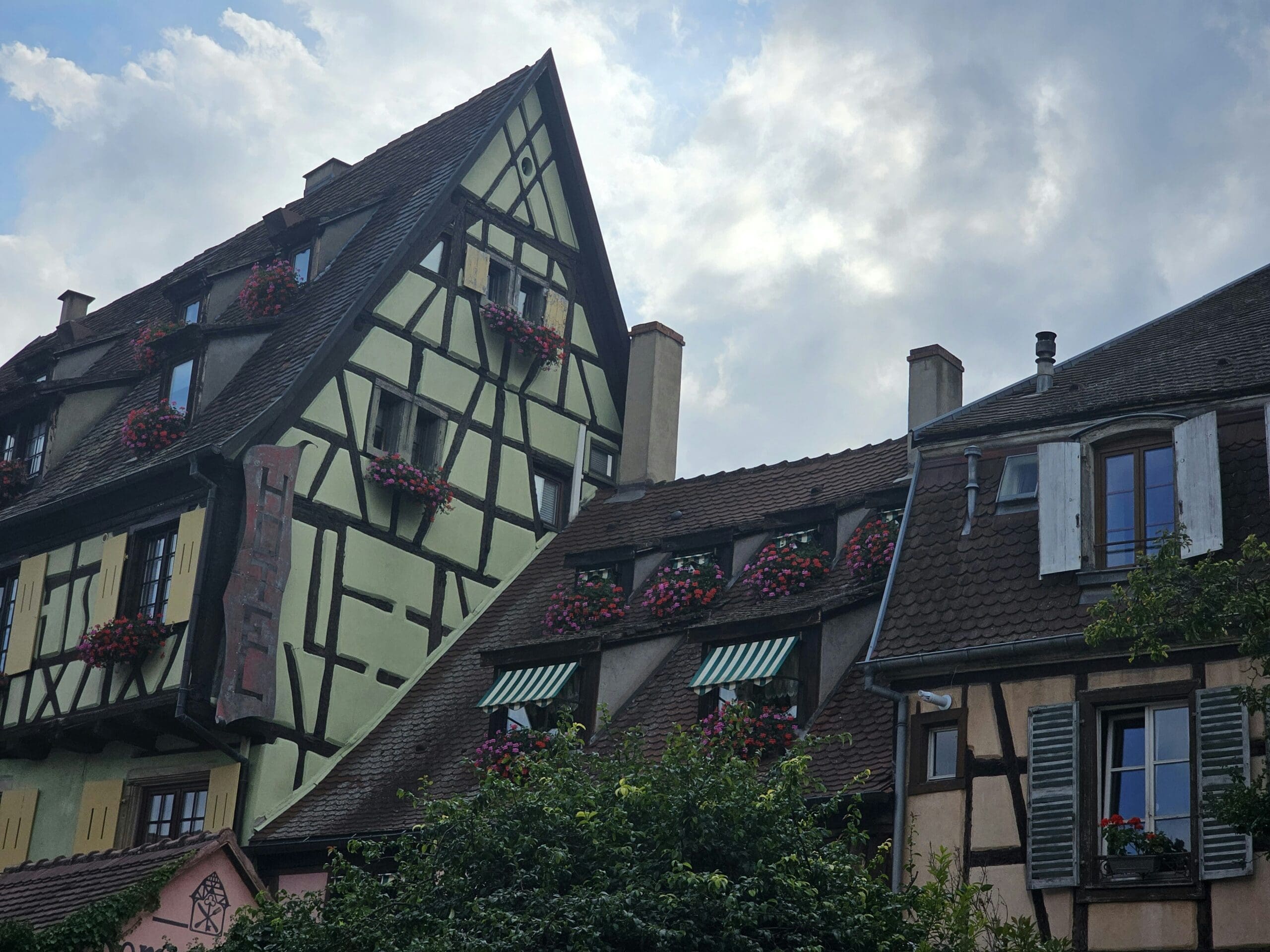
by Fleuriiie (https://unsplash.com/@baboou)
The preservation of historic buildings is an essential part of La Petite France's cityscape. Careful restoration has been carried out to maintain the authentic character of the half-timbered houses. The local population plays a crucial role in this. Their commitment and pride in the cultural heritage of their neighborhood contribute significantly to successful preservation.
In addition to architectural preservation, the cultural life in La Petite France has also continued to evolve. The district offers a variety of cultural events and festivals throughout the year. These events are not only attractions for tourists but also a sign of the vibrant cultural life the city offers. Artists and musicians are drawn to the inspiring atmosphere and contribute to the dynamic culture.
Modern elements are also an integral part of La Petite France today. Boutiques, galleries, and gastronomic establishments attract younger generations. The combination of tradition and modernity creates a unique atmosphere that appeals to both locals and visitors. This harmonious coexistence of old and new culture is part of what makes La Petite France so special.
The challenges of modernity have forced La Petite France to adapt to new realities. Sustainable tourism and urban development are the focus of the city administration. These efforts aim to ensure that La Petite France is preserved as a cultural heritage for future generations. The balance between preservation and renewal is a continuous process that further enhances the attractiveness of the district.
Conclusion: Why La Petite France is a must-visit in Strasbourg
La Petite France is an essential part of any trip to Strasbourg. The historic district offers an impressive mix of culture, history, and beauty. The picturesque half-timbered houses and winding alleys make every walk an experience. Visitors can immerse themselves in the past while experiencing the rich history of Alsace up close.
The unique architecture and romantic canals give La Petite France its special charm. Anyone visiting Strasbourg shouldn't miss the chance to walk in the footsteps of fishermen, millers, and tanners. The area is not only a feast for the eyes but also a place that appeals to the senses. From the beautiful bridges to the flower-adorned balconies, La Petite France is a true gem.
For travelers, the district offers countless opportunities for relaxation and enjoyment. Whether with a delicious Alsatian dish in one of the traditional restaurants or during a visit to the many boutiques and galleries – boredom never sets in here. La Petite France embodies the charm and fascination of Strasbourg and remains unforgettable for every visitor. A visit to this district promises impressive memories and exciting discoveries.