
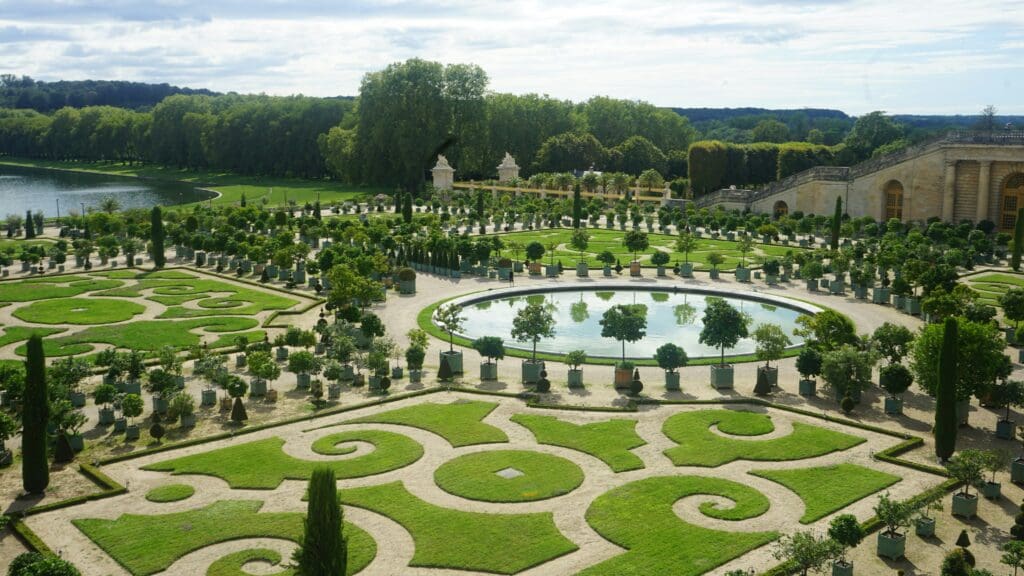
The Gardens of Versailles are a masterpiece of landscape architecture. They cover an impressive 800 hectares. These gardens are a symbol of the splendor of the French monarchy.
They were laid out in the 17th century under the reign of Louis XIV. André Le Nôtre, a master of garden design, was the architect. His vision shaped the geometric and symmetrical design.
The gardens are known for their baroque perfection. They offer a variety of fountains and water features. These are operated by a complex hydraulic system.
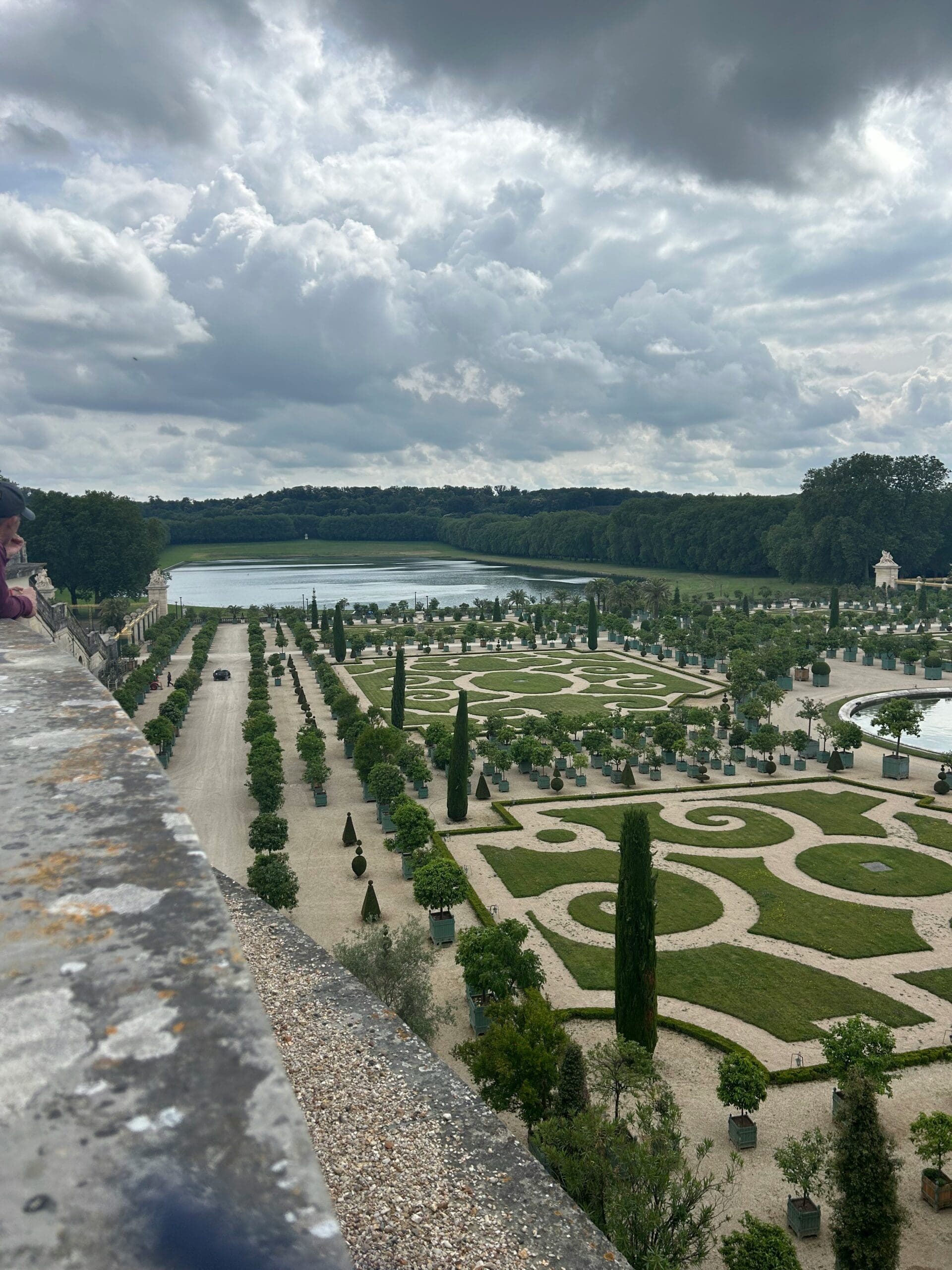
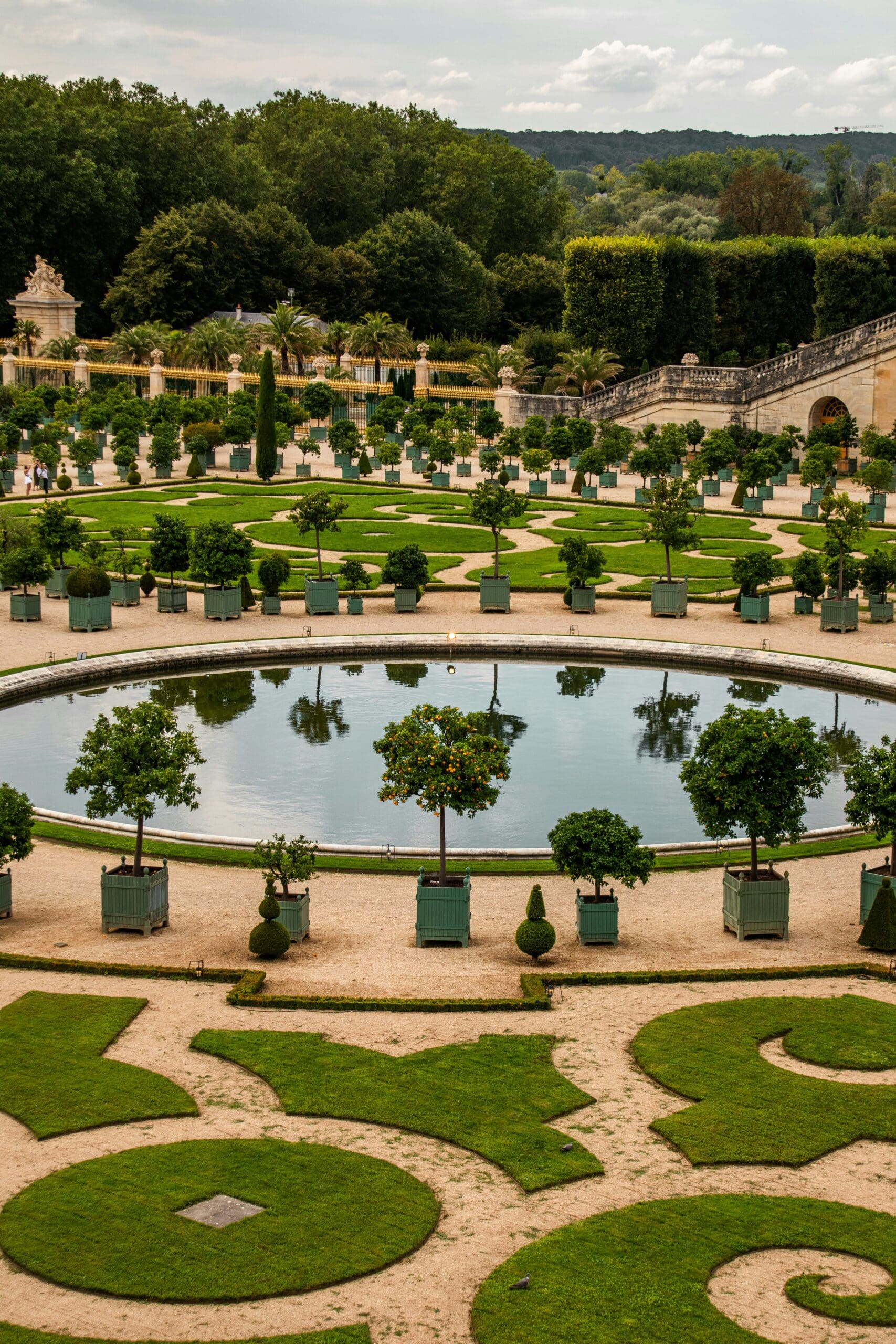
The Grand Canal is a central element of the gardens. It offers breathtaking views and is a popular spot for walks. The orangery houses exotic plants and trees.
The Gardens of Versailles are a UNESCO World Heritage site. They attract tourists from all over the world. Their beauty and history fascinate visitors of all ages.
These gardens are not just a place for relaxation. They are also a place of inspiration and creativity. Artists and writers find new ideas here.
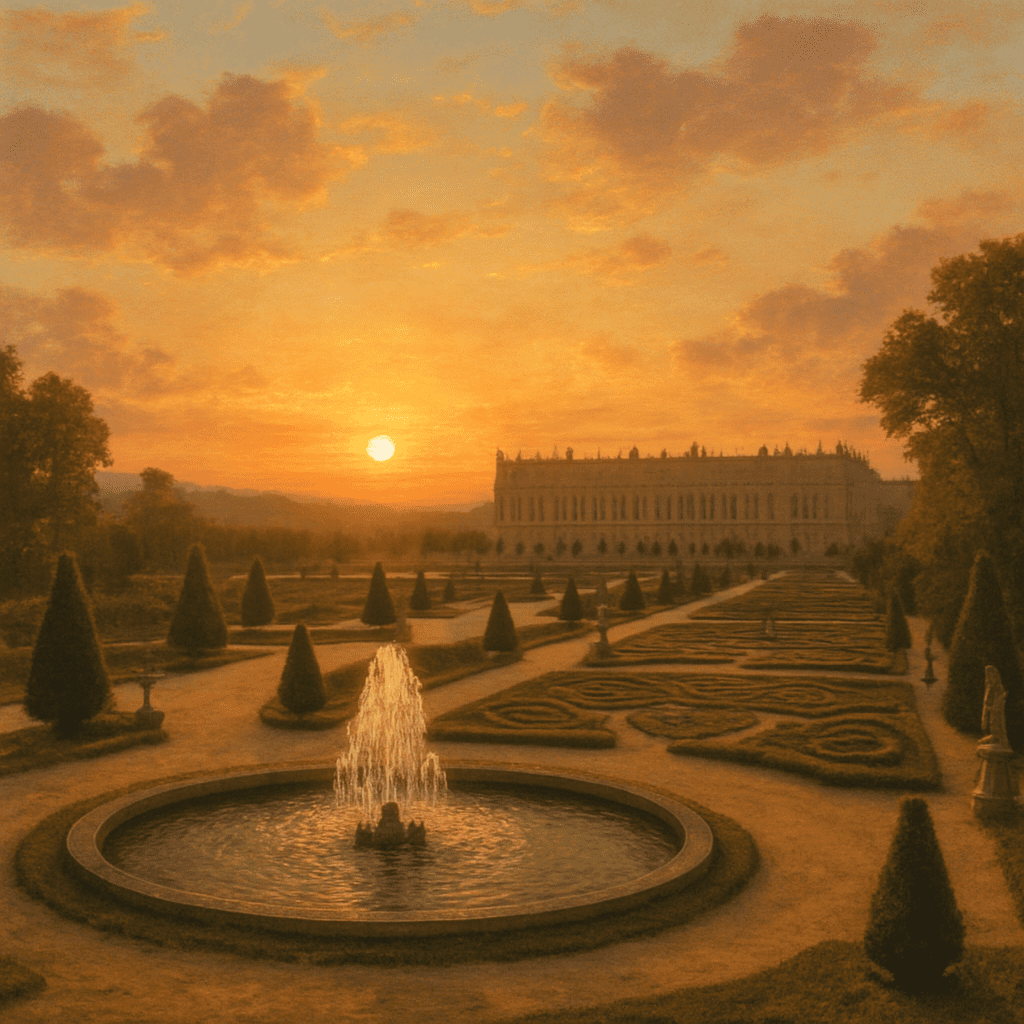
The Creation of the Gardens of Versailles: A Royal Project
The creation of the Gardens of Versailles was a monumental royal project. Louis XIV had a vision of a magnificent palace with equally impressive gardens. The realization of this vision began in 1661.
The Sun King commissioned André Le Nôtre to design these gardens. Le Nôtre was known for his exceptional skills in garden art. Under his direction, the marshlands were transformed into a majestic landscape.
The gardens were not created solely for their beauty. They were also intended to symbolize the power and influence of Louis XIV. Every element of the design reflects this ambition.
Some of the notable features of the gardens include:
- Geometric patterns and symmetrical designs
- Numerous fountains and water features
- The vast Grand Canal
- A variety of exotic plants and trees in the orangery
The construction of the gardens was a great challenge. Thousands of workers and engineers were involved in the project. It took several decades to complete the work.
André Le Nôtre and the Art of French Garden Architecture
André Le Nôtre was a central figure in Baroque garden architecture. Born in 1613, he revolutionized the art of horticulture throughout Europe. His works influenced generations of garden architects.
Le Nôtre made a name for himself with his groundbreaking designs. He combined geometry and art in an innovative way. The Gardens of Versailles are his most significant work.
His design principles were based on precision and symmetry. He created clearly defined lines and axes that guided the eye. His gardens were a harmony of nature and human intervention.
Some of Le Nôtre's key techniques included:
- Use of large open spaces and perspectives
- Integration of water features for reflective effects
- Regular arrangement of plants in geometric patterns
- Application of optical illusions to enhance size perception
His influence extended far beyond France. Many European gardens adopted his style. To this day, Le Nôtre is celebrated as a master of garden architecture.

from Boston Public Library (https://unsplash.com/@bostonpubliclibrary)
The Design: Symmetry, Geometry, and Baroque Perfection
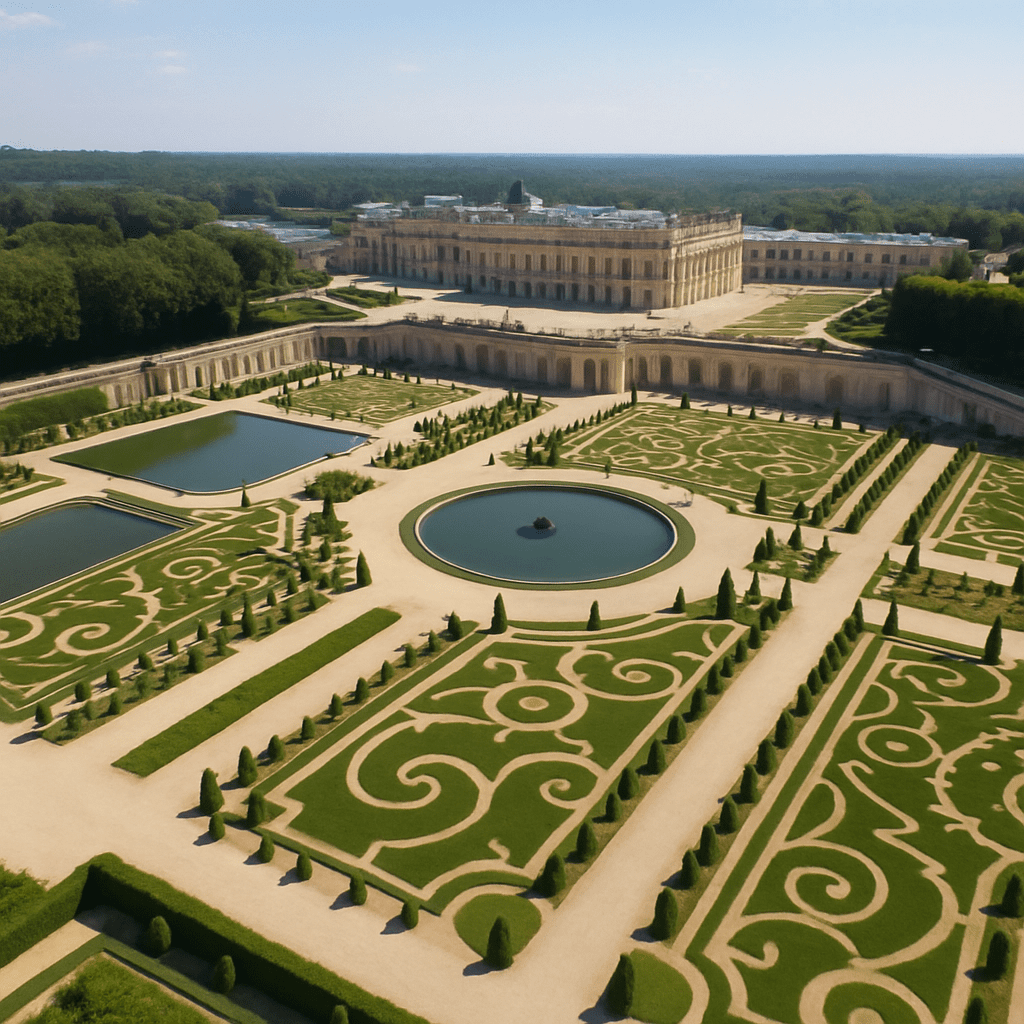
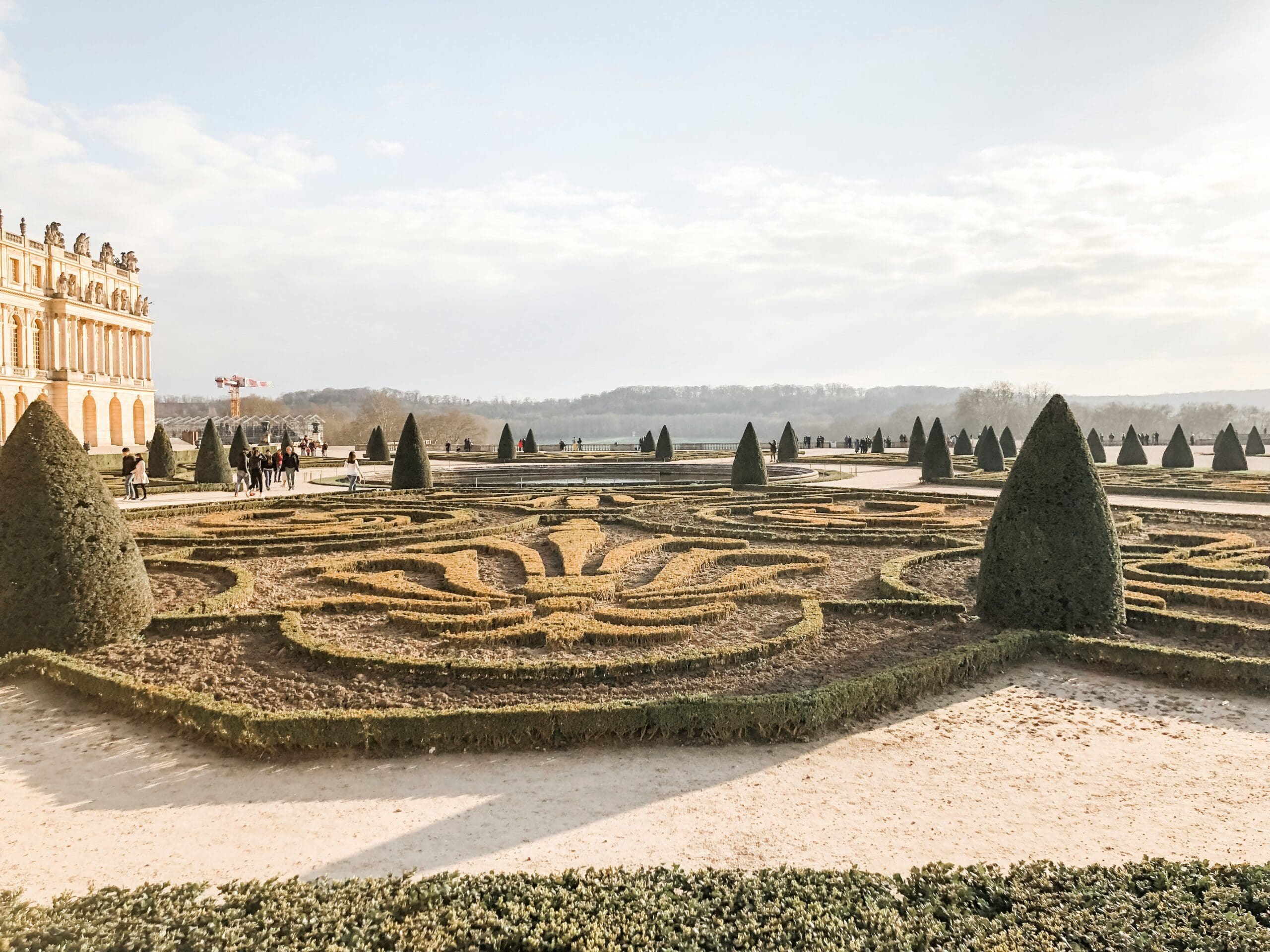
The Gardens of Versailles are a masterpiece of symmetry. They symbolize order and control over nature. Each area is designed with precise intention.
Geometry played a key role in the design. The gardens consist of perfectly aligned lines and shapes. This structure conveys a sense of infinity.
Baroque perfection is characterized by opulent details. Sculptures, fountains, and terraces are integrated into the designs. They embody the luxury and splendor of the royal court.
The garden's layout follows strictly symmetrical patterns. The main elements consist of:
- Linear tree-lined avenues that guide the visitor
- Square and Round Flower Beds
- Balanced water surfaces for reflections
- Identical chains to emphasize symmetry
Each section of the gardens has its own function. This variety makes every walk exciting. The harmonious design attracts visitors from all over the world.
Baroque principles elevated gardens to a living work of art. They reflected the power of Louis XIV. His vision was to tame and cultivate nature.

by Theo (https://unsplash.com/@tdponcet)
The Water Features of Versailles: Technology and Magic
The water features in the Gardens of Versailles are an impressive blend of technology and aesthetics. These hydraulic masterpieces were developed in the 17th century. They symbolize the technological sophistication of the era.
The intricate water supply system was ahead of its time. It used pumps and channels to move the water. The fountains sprayed water with impressive precision and symmetry.
The visual effect of the water features is magical. Water bubbles rhythmically, bringing the gardens to life. The interplay of water, light, and movement fascinates visitors.
The most important water features include:
- The famous Neptune Fountain with imposing sculptures
- The Latona Fountain, which depicts ancient mythology
- The Basin of Apollo, surrounded by golden figures
These water features are more than just decorations. They are an essential part of garden architecture. Their majestic beauty attracts millions of visitors annually.

by Yizack Rangel (https://unsplash.com/@yizack)
The Grand Canal and the Orangery: Centerpieces of the Gardens of Versailles
The Grand Canal is a defining feature of the Gardens of Versailles. It stretches over 1.6 kilometers and symbolizes the vastness and splendor of the Baroque style. Originally, it served as a venue for elaborate courtly nautical festivals.
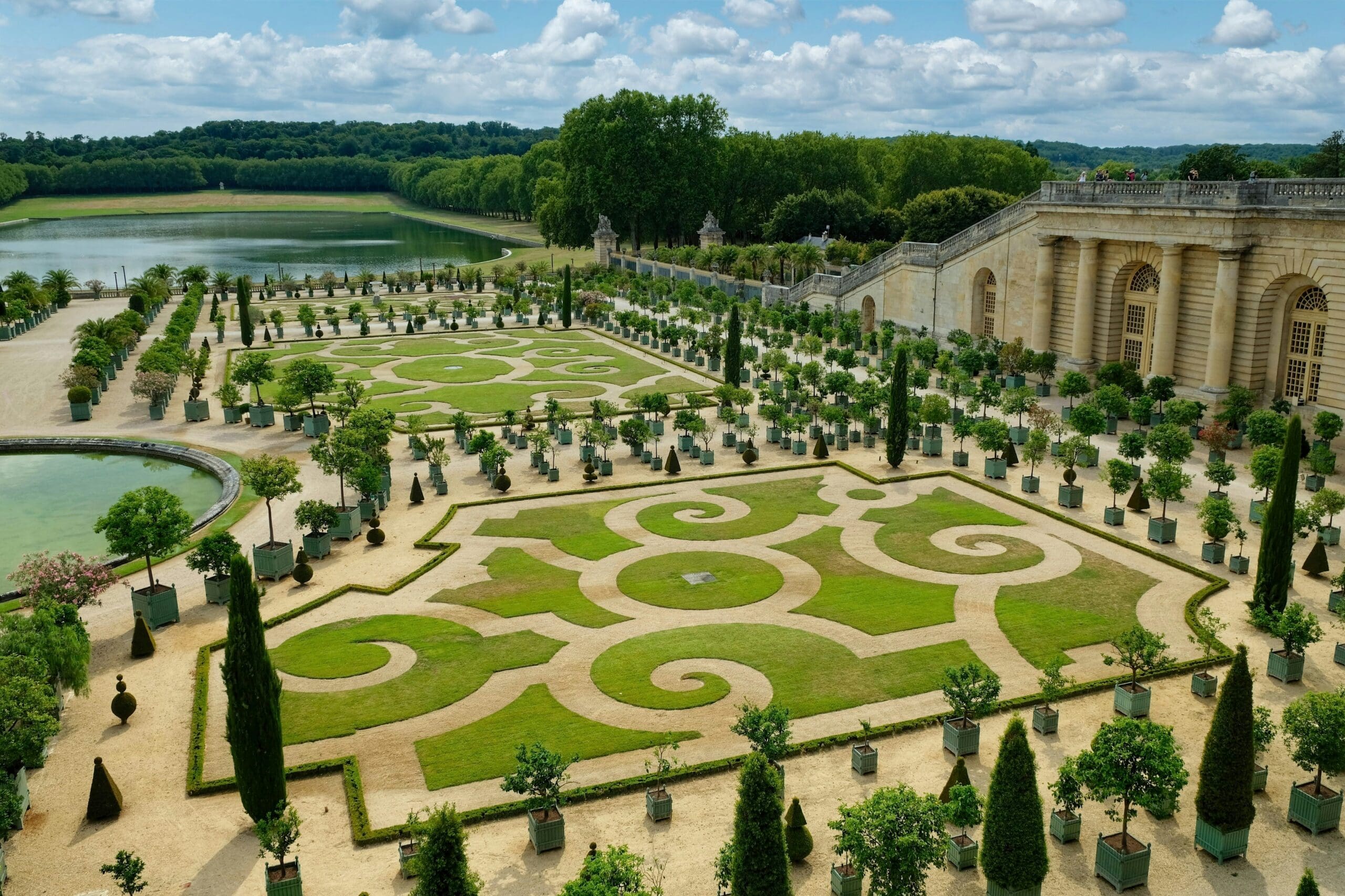
In addition to the Grand Canal, the orangery is another highlight of the garden. It houses a variety of exotic plants and trees. During the colder months, the orangery provides these plants with protection from harsh weather conditions.
These areas of the gardens are not just botanical treasures. They also showcase the close relationship between art and nature. The canal reflects the architecture of the sky, while the orangery emphasizes the beauty of flora.
Visitors to the Gardens of Versailles experience a harmonious fusion of nature and art. It is a testament to the visionary planning and opulent aesthetic of Louis XIV.
by Howard Walsh (https://unsplash.com/@hswalsh)
Sculptures, groves, and secret places: discovering hidden treasures
The Gardens of Versailles are not just known for their size. Many artistic treasures can also be found here. Over 200 artful sculptures adorn the garden grounds. These works by famous Baroque artists bring the mythical past to life.
Boskets, small woods in gardens, offer a different kind of discovery. These secluded corners invite you to linger. In the quiet of these green chambers, visitors can enjoy the beauty of nature.
Besides the official attractions, there are hidden paths in the gardens. These secret places are often unknown and far from the main routes. They offer an opportunity to experience the charm of Versailles in peace.
Some of the hidden gems you can discover include:
- The Bosquet de la Colonnade with its impressive architecture.
- The hidden water features that suddenly come to life.
- Small sculptures that tell stories and legends.
The search for these treasures makes every visit to Versailles unique.
The Gardens of Versailles in Film: A Setting for History and Legends
The Gardens of Versailles are a popular filming location for movies. Their majestic setting is perfect for historical narratives. They bring stories of nobility and power to life.
Several well-known productions use these gardens as a picturesque backdrop. Films such as „Marie Antoinette“ and „The King Dances“ were shot here. They showcase the magnificent scenery and reflect the glamorous life of past times.
Filmmakers choose the gardens for their beauty and history. The baroque designs and water features offer impressive scenes. The gardens help to enhance cinematic narratives.
Some famous films shot in the Gardens of Versailles include:
- „Marie Antoinette“
- „The King Dances“
- „A Little Chaos“
The gardens lend every film a distinctive historical atmosphere.
by Brandy Willetts (https://unsplash.com/@brandywilletts)
Visitor Experience: Tours, Events, and Tips for the Perfect Day
A visit to the Gardens of Versailles is an unforgettable experience. Visitors can discover the history of the gardens through special guided tours. These tours offer insights into the creation and secrets of the grounds.
Events in the gardens attract people from all over the world. Music festivals and water features are highlights on the events calendar. Every visit promises a unique atmosphere and unforgettable impressions.
To get the most out of a visit to the Gardens of Versailles, good planning is essential. The following tips will help:
- Visit early in the morning to avoid crowds.
- Use the audio guides for a self-guided tour.
- Explore the lesser-known groves for quiet moments.
- Don't miss the spectacular water features.
A well-prepared visit offers not only historical insights but also relaxation and inspiration.
The gardens offer diverse experiences for visitors of all ages. They are a place of history, but also of the present.
by Ridhi Tamirasa (https://unsplash.com/@rtamirasa)
The Significance of Gardens Today: UNESCO World Heritage and Inspiration for the World
The Gardens of Versailles are more than just historical sites. They are a living heritage that preserves the splendor of the French monarchy. Their inscription as a UNESCO World Heritage site underscores their global significance and cultural value.
As a masterpiece of landscape architecture, the gardens continue to inspire modern garden architects and artists. They embody the connection between power and natural beauty. The harmonious design serves as a model for many gardens worldwide.
Furthermore, the gardens attract millions of visitors annually who wish to experience their impressive beauty. They offer a place of reflection and inspiration. The heritage of Versailles sets a benchmark for cultural heritage and nature in perfect harmony.
by Jimmy Woo (https://unsplash.com/@woomantsing)
Conclusion: The timeless fascination of the Gardens of Versailles
The Gardens of Versailles are a unique testament to Baroque garden art. They illustrate the splendor and power of the French monarchy. Their impressive design and rich history captivate people worldwide.
Whether as a place of tranquility or a source of inspiration, gardens have a timeless appeal. They are a valuable part of the global cultural heritage. Versailles harmoniously connects the past and the present. A visit remains unforgettable and moving.