
The Brandenburg Gate is an iconic landmark of Berlin. It stands on Pariser Platz and attracts millions of visitors annually.
This impressive structure was built between 1788 and 1791. The architect Carl Gotthard Langhans designed it in the Neoclassical style.
Originally, the gate was part of the Berlin Customs Wall. Today, it symbolizes peace and unity.
The Quadriga, a sculpture on the gate, depicts the goddess of victory, Victoria. It was created by Johann Gottfried Schadow.
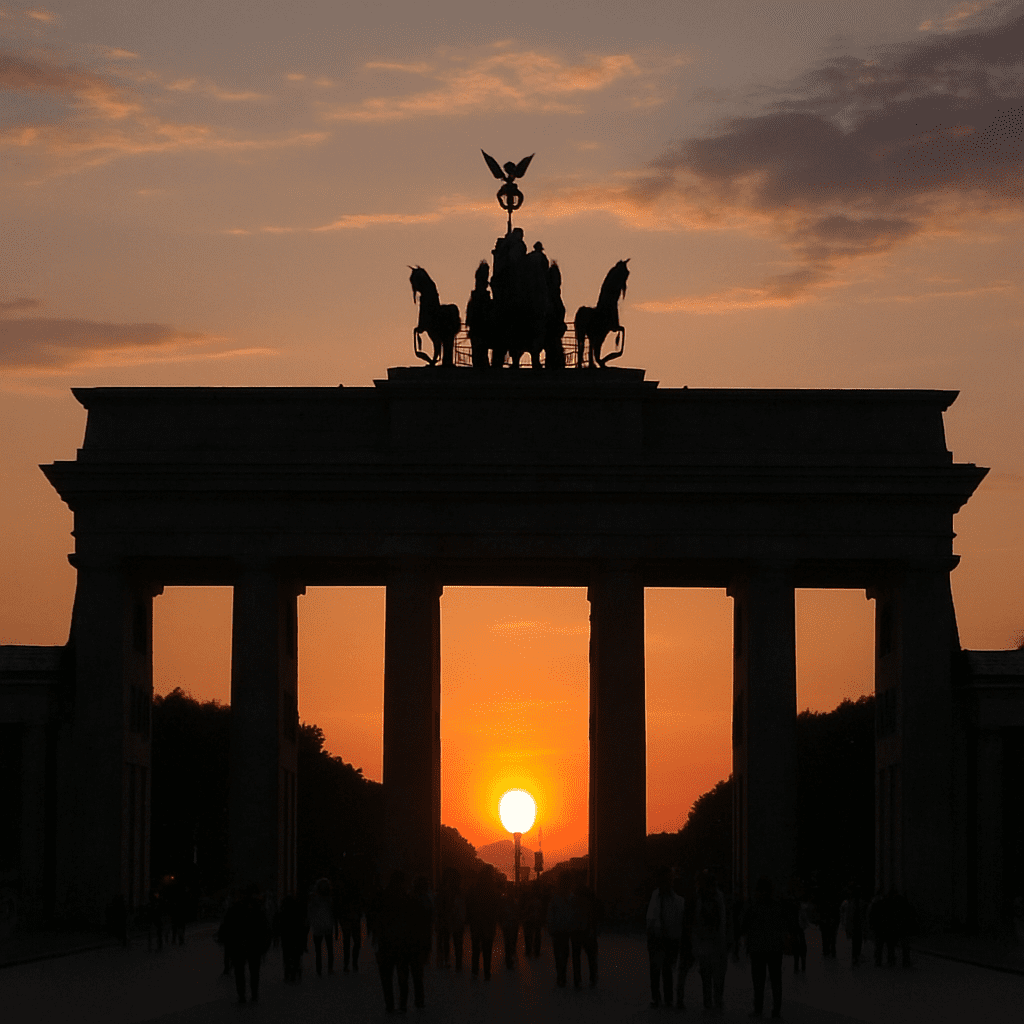
The Brandenburg Gate has witnessed many historical events. It was a symbol of Prussian power and glory.
During the Cold War, it was part of the Berlin Wall. In 1989, it became a symbol of German reunification.
Today the Brandenburg Gate is a popular meeting place. It is a venue for political rallies and cultural events.
The gate is a symbol of Berlin's strength and resilience. It stands for the hope for a peaceful future.
The Brandenburg Gate's Origin
The idea to build the Brandenburg Gate arose in the late 18th century. Prussia's King Frederick William II wanted a grand monument to be erected. It was meant to symbolize the strength and peace of his kingdom.
Carl Gotthard Langhans was commissioned to design this monument. Construction began in 1788. Langhans was inspired by ancient Greece. He chose the neoclassical style for the gate.
The Brandenburg Gate was designed in the tradition of triumphal structures. It is reminiscent of the Propylaea of the Acropolis in Athens. In total, the gate has twelve Doric columns.
The main passage for the royal carriage followed. Two smaller passages flanked the central aisle. This enhanced the majestic impression of the structure.
Some outstanding features of its origin:
- Built between 1788 and 1791
- Designed by Carl Gotthard Langhans
- Neoclassical style with antique influence
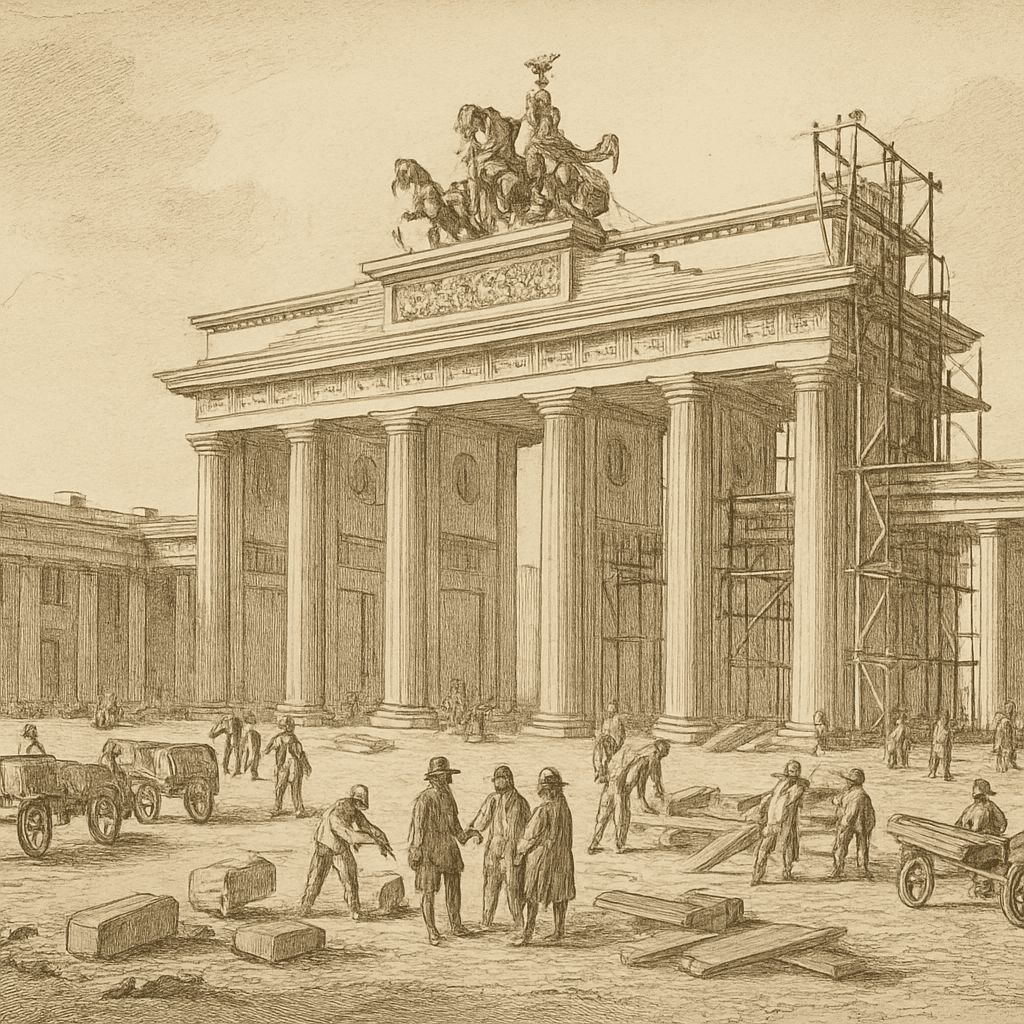
The structure was erected on Pariser Platz. This location was chosen for its strategic advantages and symbolic significance.
Today, the Brandenburg Gate is one of the most famous landmarks in the world. It attracts people from all corners of the globe.
Architecture and Symbolism
The Brandenburg Gate is a masterful example of Neoclassical architecture. Its structure appears both imposing and elegant. The use of Doric columns shows its connection to antiquity.
The twelve columns support a heavy entablature. A total of five passageways not only provide access but are also visually impressive. The central passageway was once reserved for the royal family.
Above the gate sits the famous Quadriga. This sculpture depicts the goddess of victory, Victoria, in a four-horse chariot. It was created by Johann Gottfried Schadow and reinforces the symbolism of victory and peace.
Some symbolic aspects of the gate are:
- Expression of Prussian power
- Symbol of peace and unity
- Connection between past and present
The building exudes calm and permanence through its clear, geometric forms. The symbolic meaning of the gate has changed throughout history. Today, it is considered a symbol of unity and reconciliation.
The Quadriga: Artwork and Symbol
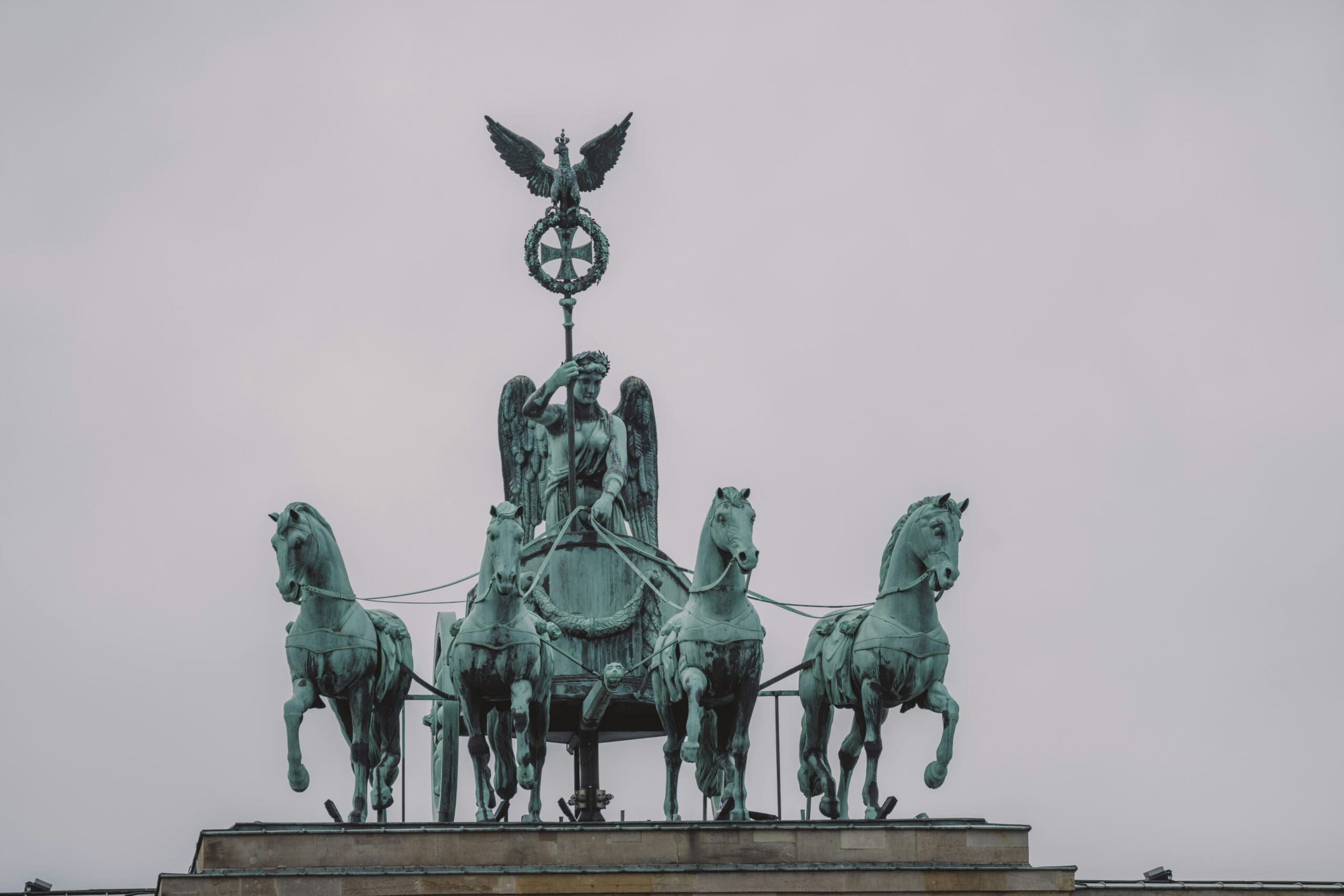
The Quadriga on the Brandenburg Gate is more than just a sculpture. It is an impressive symbol of victory and hope. Created by Johann Gottfried Schadow, it majestically presides over the gate.
Napoleon captured the Quadriga in 1806 and brought it to Paris. However, it was returned to Berlin as early as 1814. This strengthened the image of the Quadriga as a symbol of return and triumph.
The goddess of victory, Victoria, leads the four-horse chariot. Her presence lends an additional dimension of significance to the structure. She represents peace and symbolizes victory over adversity.
Every detail of the quadriga is intentionally designed. From the horses to the chariot, the subtleties reveal pride and elegance.
by Fionn Große (https://unsplash.com/@fionngrosse)
The Quadriga remains an important element of the Brandenburg Gate today. It is a reminder of past battles and triumphant victories.
The Brandenburg Gate Through the Ages
The Brandenburg Gate has a turbulent history. It has been used as a symbolic structure in times of peace and crisis. From its construction to the present day, it has undergone many changes.
During Prussian rule, it was a powerful symbol. It represented strength and architecture of the highest class. However, World War II brought destruction.
After the war, the Brandenburg Gate was heavily damaged. In the 1950s, it underwent its first comprehensive restoration. These measures kept the historical heritage alive.
Key Historical Milestones:
- 1788-1791: Construction
- 1806: Napoleon Steals the Quadriga
- 1814: Repatriation of the Quadriga
- World War II: Heavy Damage
- 1950s: First Restoration
The gate became a symbol of division during the Cold War. With the Berlin Wall, it transformed into a divisive structure. But this was to change again.
The Wall fell in 1989. The gate became a central symbol of reunification. It stood for a new beginning and the overcoming of barriers.
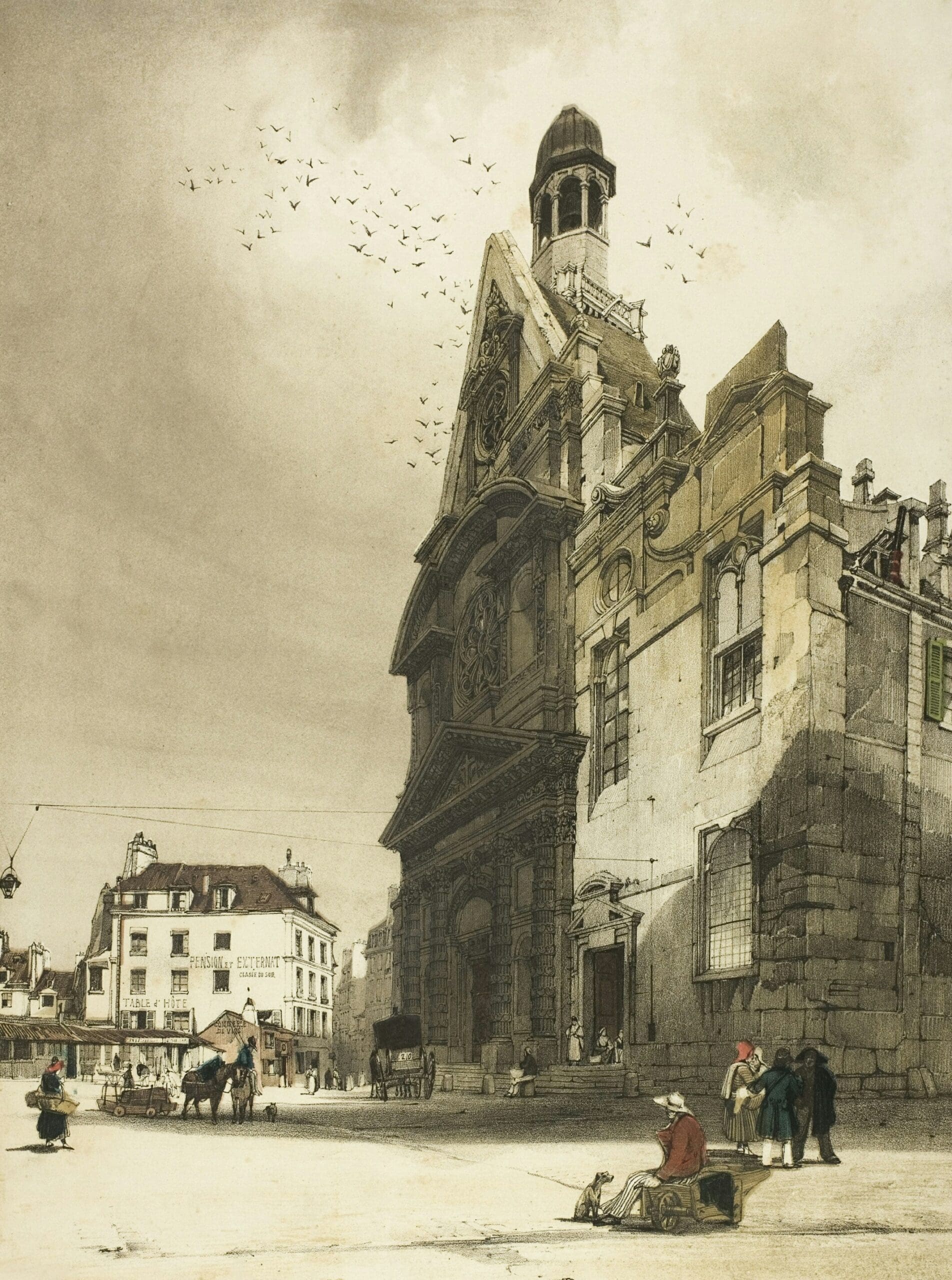
from Art Institute of Chicago (https://unsplash.com/@artchicago)
The Brandenburg Gate during the division of Berlin
The Brandenburg Gate was at the heart of the Cold War. With the construction of the Berlin Wall in 1961, it became a symbol of division. It stood in the restricted zone and was inaccessible to East and West Berliners.
The Wall cut all of Berlin in two. The Gate was watched by the world. The East side was only visible to people in the West from a distance.
Barbed wire and armed guards characterized the image of the border. It was a symbol of the division of Germany and Europe. The atmosphere was tense and full of uncertainty.
West Berliners and tourists looked out for the iconic structure. But they could only get close to it from a distance. The Brandenburg Gate was a monument to freedom.
Despite the wall, the gate remained a hope for the future. It stood for the firm wish for reunification. Its presence reminded everyone of the yearning for unity.
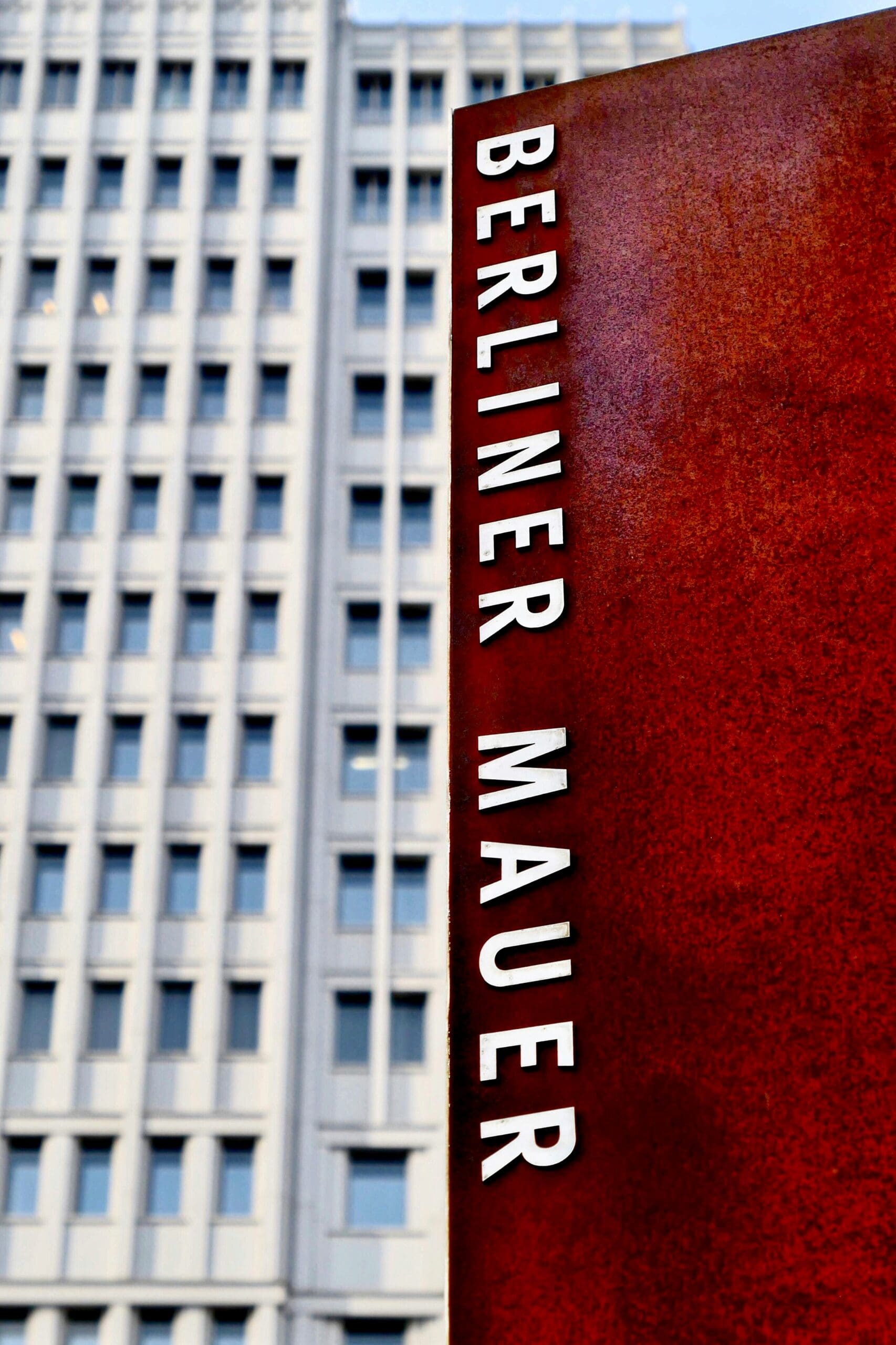
by Massimo Virgilio (https://unsplash.com/@massimovirgilio)
Symbol of reunification and freedom
After the fall of the Berlin Wall on November 9, 1989, the Brandenburg Gate took on new meaning. It became a shining symbol of freedom and unity. Berliners flocked to the gate in droves to cross the border.
On December 22, 1989, the gate was solemnly reopened. It was a historic moment that garnered worldwide attention. Politicians, including Helmut Kohl, came together to celebrate the reunification of Germany.
The gate embodied the hope for a new, united Europe. It stood for the peaceful transition to a future without walls. Numerous people experienced the moving scenes live and in the media.
- Peace symbol
- Unity of Europe
- Hope for freedom
Even today, the Brandenburg Gate continues to captivate people. It is a reminder of turbulent times and the power of reconciliation.
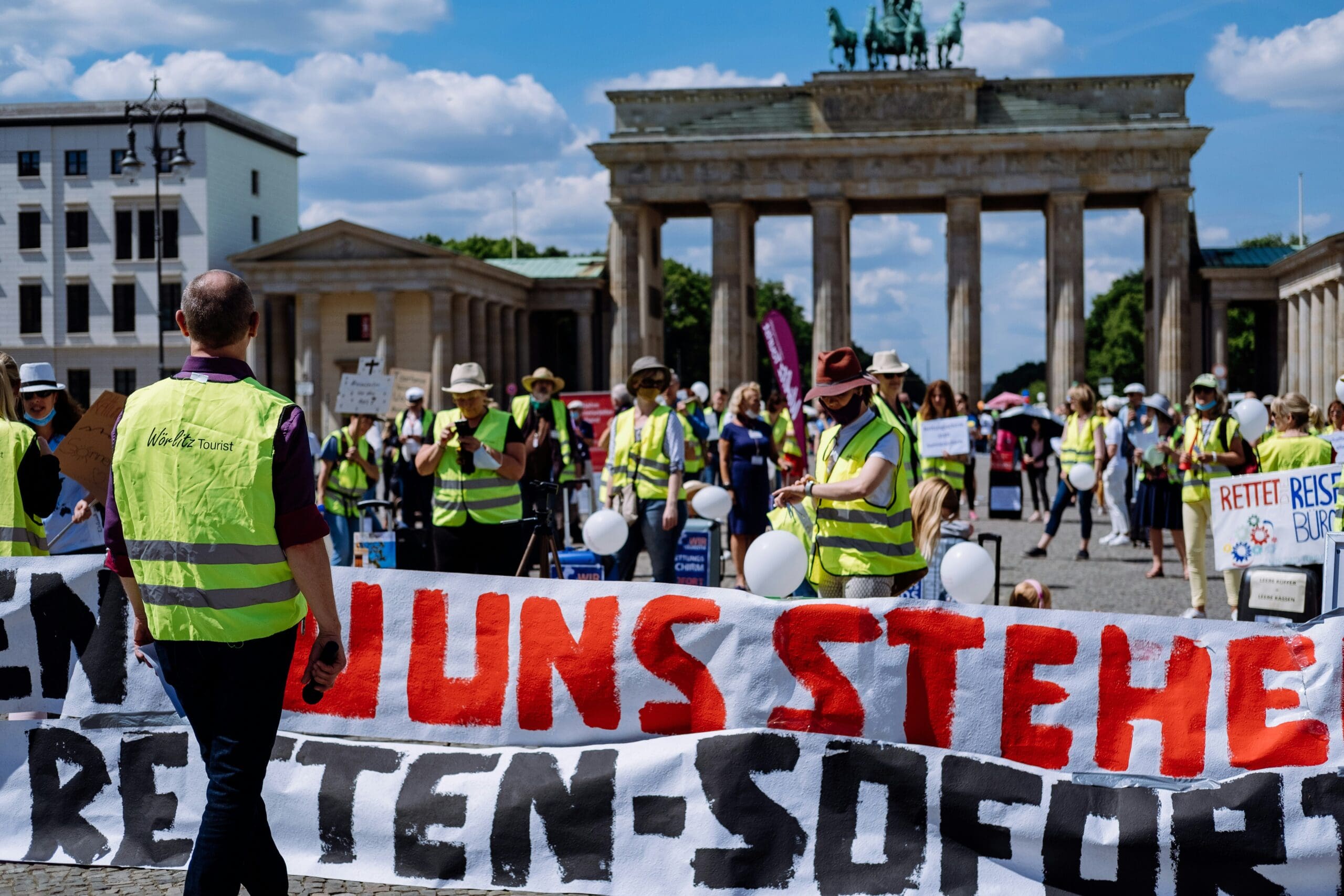
by Miikka Luotio (https://unsplash.com/@mluotio83)
Restoration and preservation of the structure
The Brandenburg Gate has been restored multiple times to preserve its majestic appearance. After World War II, the gate was severely damaged. A comprehensive restoration was carried out in the 1950s.
Another renovation took place between 2000 and 2002. This measure included a thorough cleaning and structural stabilization. The goal was to protect the gate from environmental influences.
Thanks to modern technology, the structure remains in good condition. Regular maintenance ensures that the gate will be preserved for future generations. These efforts emphasize its importance as a national monument.
Today, the Brandenburg Gate stands not only for history. It stands for the commitment to preserve cultural heritage. This keeps it a proud landmark of Berlin.

by Song (https://unsplash.com/@21songless)
The Brandenburg Gate Today: Meeting Point and Venue
The Brandenburg Gate is a bustling gathering place in Berlin. It attracts numerous visitors every day. Tourists and locals alike appreciate its central location.
Many events are held at the gate. Cultural festivals and political rallies are common here. The large New Year's Eve celebrations are particularly impressive.
Visitors enjoy a wide variety of events at the Brandenburg Gate:
- Cultural Festivals
- Political rallies
- Musical performances
- New Year's Eve celebrations
The New Year's Eve celebration at the gate is legendary. Every year, thousands of people come to ring in the New Year. A spectacular fireworks display caps off the event.
The Brandenburg Gate is a meeting place. It reflects Berlin's diversity. Both large events and intimate moments enrich this historic landmark.
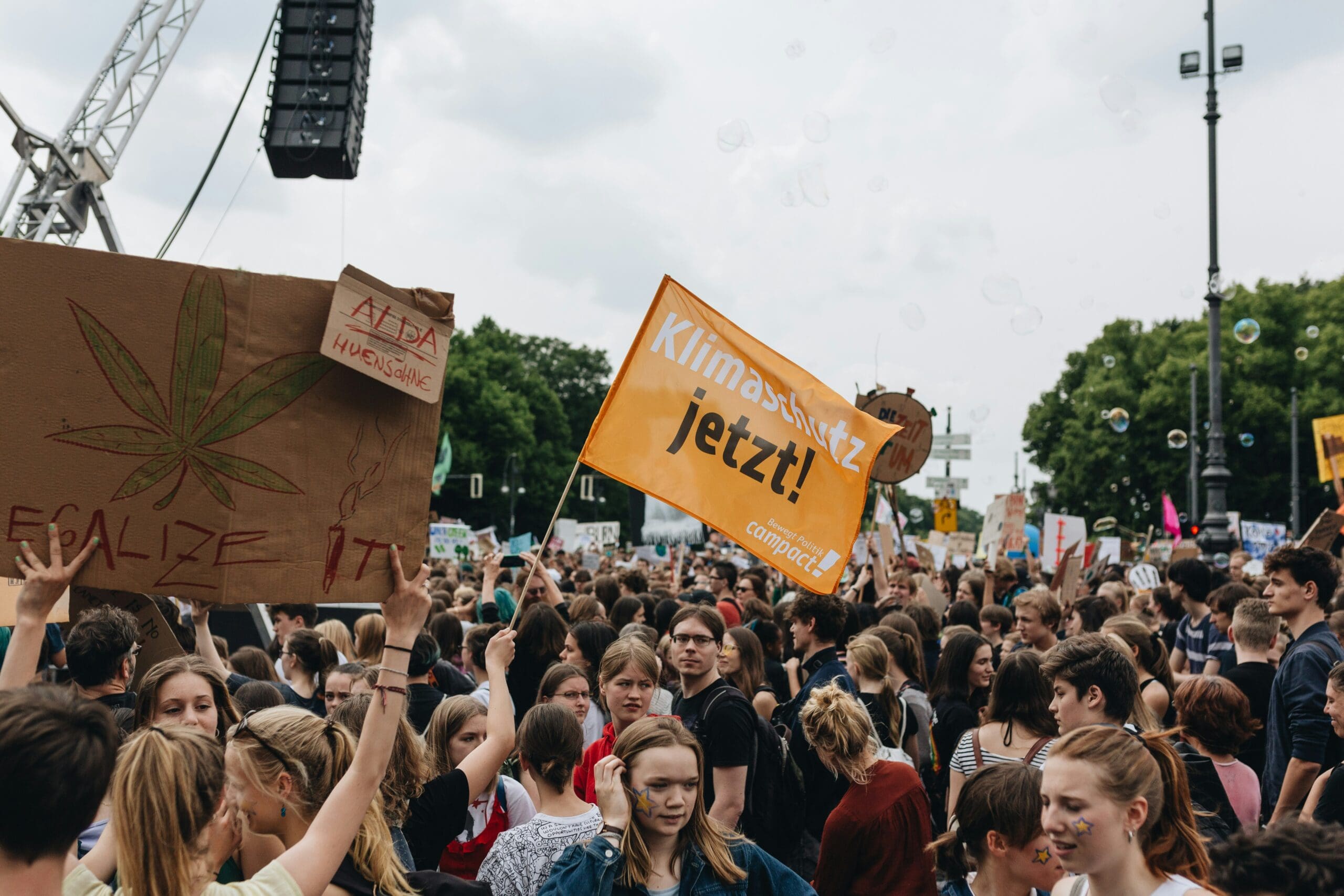
by Nico Roicke (https://unsplash.com/@muskelberg)
New Year's Eve at the Brandenburg Gate in 2025 and other events
New Year's Eve 2025 will once again see the Brandenburg Gate in the spotlight. It is the centerpiece of the celebrations in Berlin. Visitors from all over the world are expected.
The atmosphere is electrifying and festive. The fireworks at midnight thrill the crowds. Live music and stage performances complete the experience.
In addition to New Year's Eve, there are numerous other events:
- Concerts
- Art installations
- Light Festivals
- Sporting events
The venue exudes diversity. It offers various experiences throughout the year. Its historical setting lends a special charm to every event.
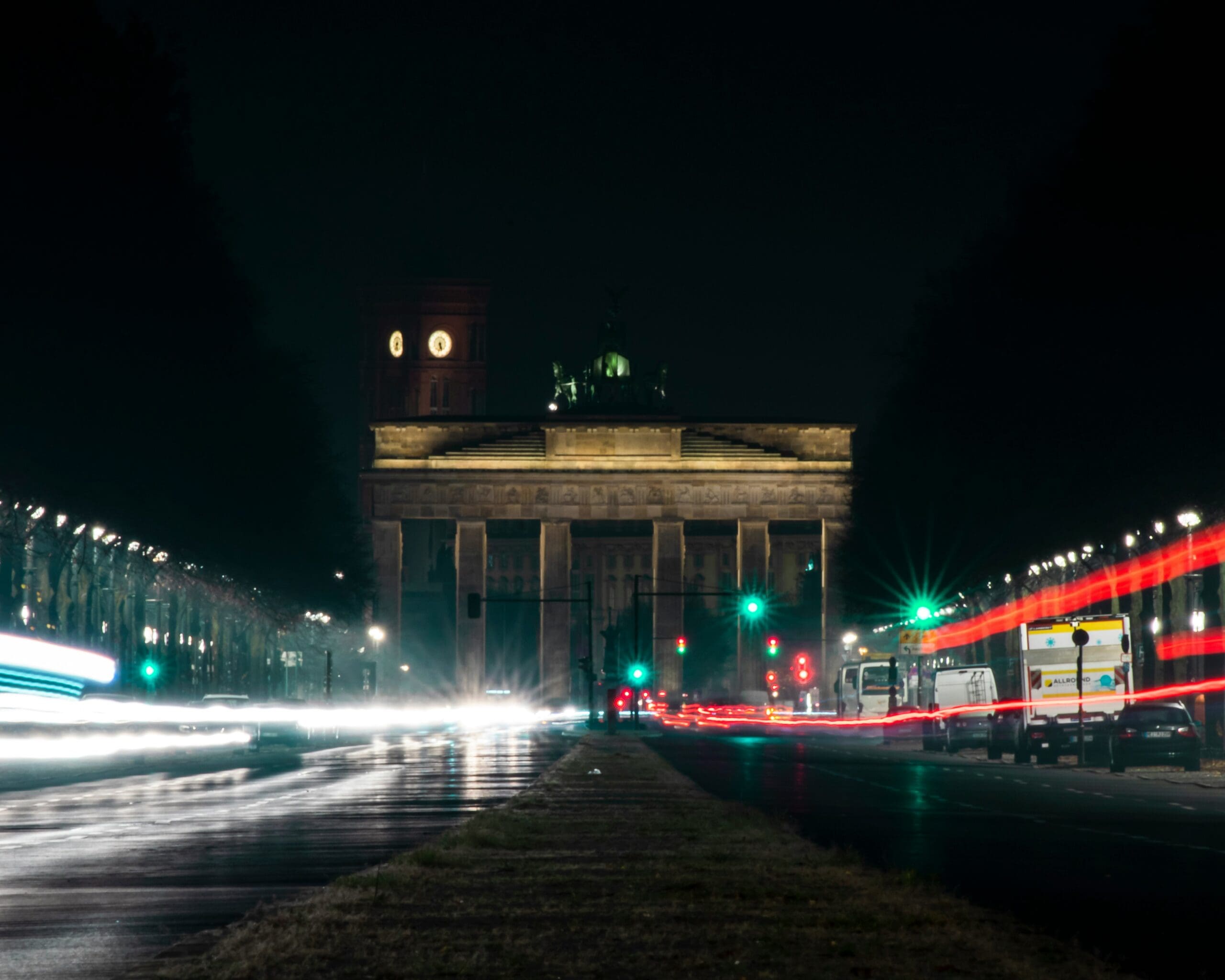
by Matthieu Rochette (https://unsplash.com/@matthieur68)
The Brandenburg Gate as a landmark of Berlin and Germany
The Brandenburg Gate stands in the heart of Berlin and embodies the city's history. It is one of Germany's most famous landmarks. Its imposing presence magically attracts tourists.
With its neoclassical architecture, it fascinates millions of visitors annually. Many come to feel its historical significance. It is a symbol of German unity and reunification.
Over the years, it has become synonymous with peace and hope. It inspires art, literature, and music. The Brandenburg Gate remains an indispensable symbol of German identity.

by Isa Kn (https://unsplash.com/@isa_kn)
Tips for Visitors: Pariser Platz and the Surrounding Area
Pariser Platz is the gateway to Berlin's historical sights. Surrounded by magnificent architecture, it offers a first glimpse into the city's history.
Visitors should allow plenty of time to explore the surroundings. The proximity to the Reichstag and the street Unter den Linden make this location the perfect starting point.
Here are some tips for your exploration:
- Start your tour early in the morning to avoid large crowds.
- Enjoy a coffee at one of the many nearby cafes.
- Visit the nearby Holocaust Memorial.
Pariser Platz offers both cultural and culinary highlights. It is a place that connects history with modern Berlin life.
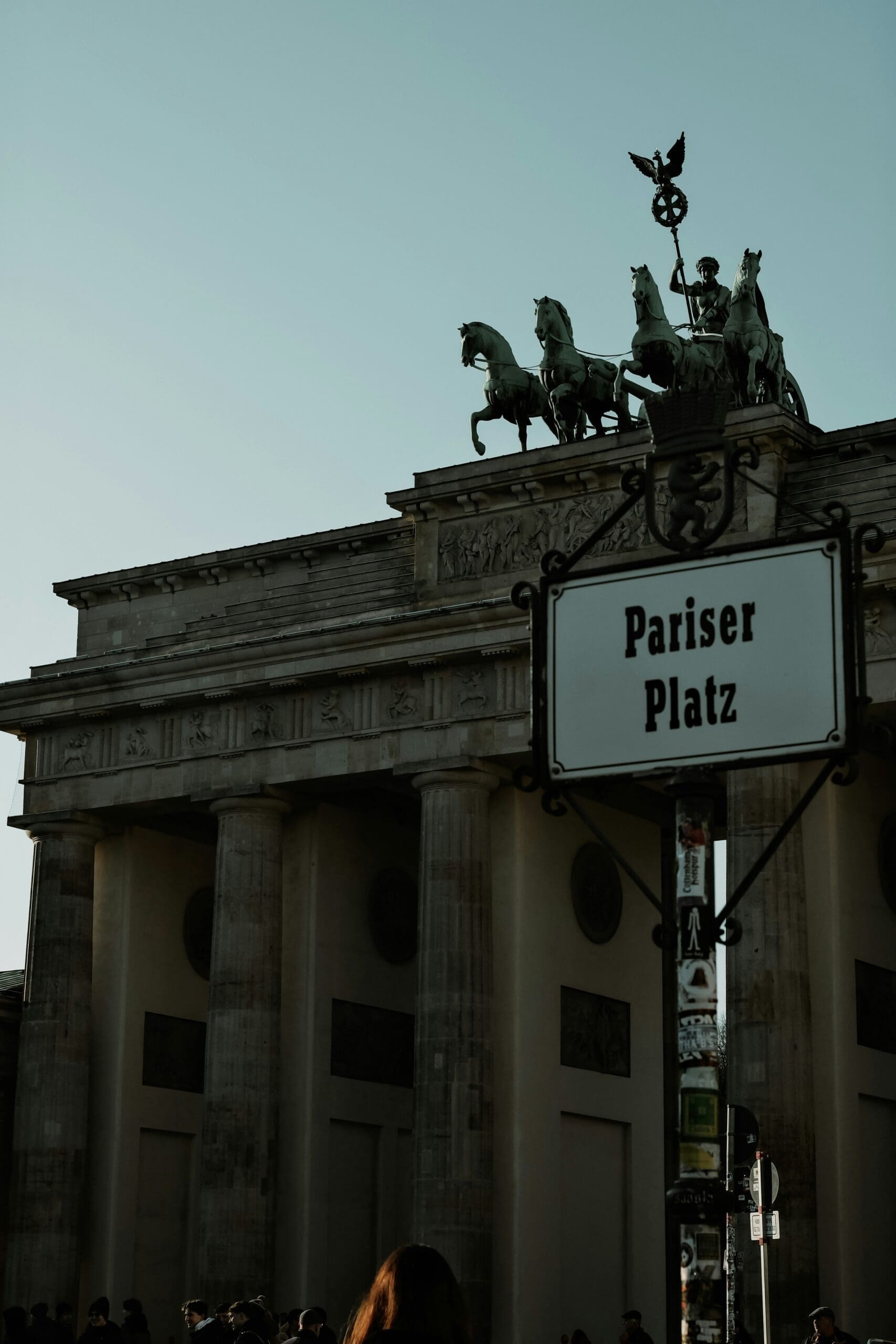
by Maria Molnarova (https://unsplash.com/@molnarmariaa)
Conclusion: A symbol of the past, present, and future
The Brandenburg Gate stands as an impressive testament to Berlin's history. Its walls tell stories of centuries of change, of conflict and reconciliation.
Today, it is an inspiring meeting place for people from all over the world. It combines the fascination with old architecture with the dynamic energy of a modern metropolis.
It remains a strong symbol of peace and hope. As a German landmark, the Gate connects the past, present, and the vision of a shared future.