
The Signal Iduna Park in Dortmund is more than just a stadium. It is a symbol of football passion and community. Originally known as the Westfalenstadion, it opened its doors in 1974.
The stadium was built for the 1974 FIFA World Cup. Since then, it has become one of the most famous stadiums in the world. With a capacity of over 81,000 spectators, it is the largest stadium in Germany.
The name „Signal Iduna Park“ comes from a sponsorship deal. In 2005, the name was changed from Westfalenstadion. The impressive South Stand, known as the „Yellow Wall,“ is the largest standing terrace in Europe.
The Signal Iduna Park is the home stadium of Borussia Dortmund. It is a central location for BVB games and a symbol of the city of Dortmund. The atmosphere in the stadium is unique and is appreciated by fans and players alike.
The stadium has a rich history of legendary matches. It is a place where football history is made. The Signal Iduna Park is a living monument to Borussia Dortmund's successes.
The Beginnings: Construction and Opening of the Westfalenstadion
The construction of the original Westfalenstadion in Dortmund began in the early 1970s. It was conceived as a response to the need for a modern football stadium in Germany. The city of Dortmund and the club Borussia Dortmund worked closely together to realize this project.
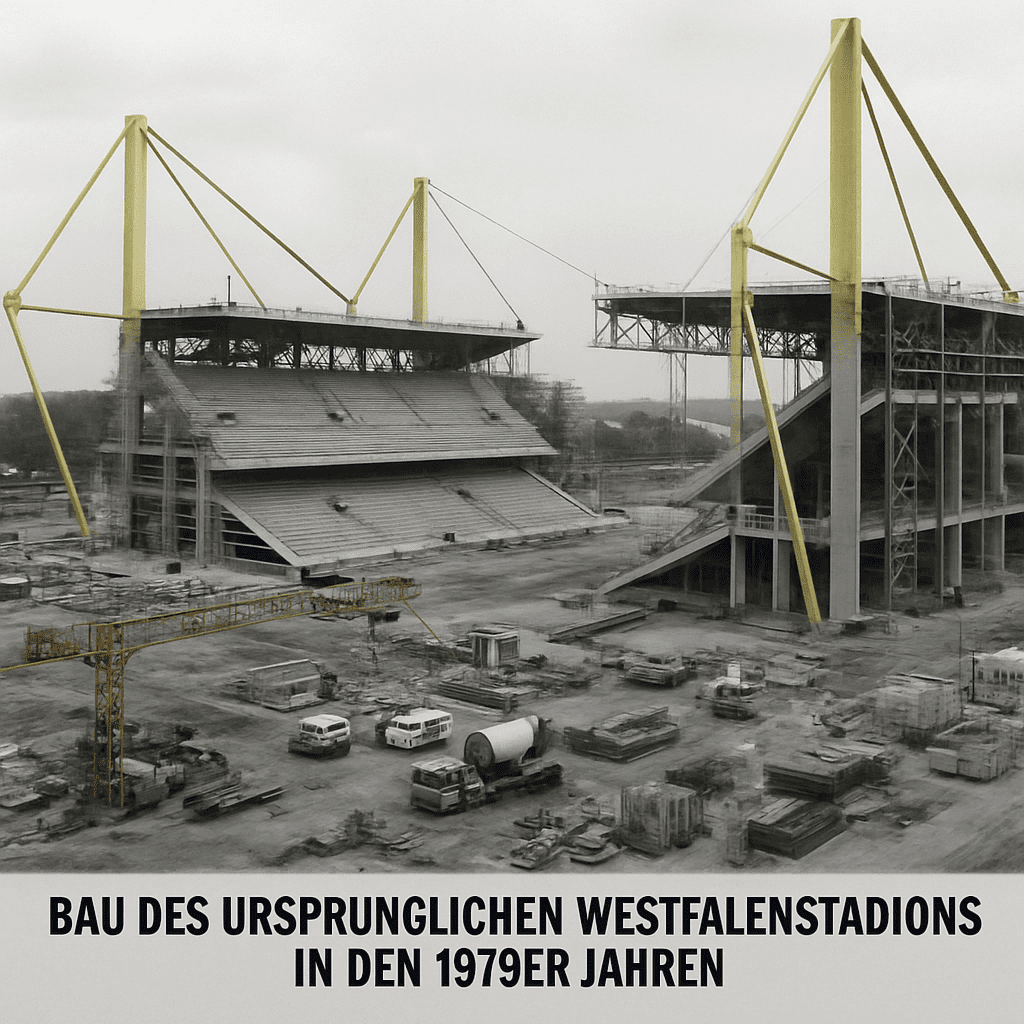
The stadium was officially opened in 1974, just in time for the World Cup. With an initial capacity of around 54,000 spectators, the Westfalenstadion was one of the largest of its kind in Germany. Its modern design and capacity set new standards for European stadiums.
In its early years, the stadium served as an important home for Borussia Dortmund. In addition to national league games, numerous international matches also took place there. The stadium's opening was a milestone for Dortmund and German football.
Some features of the Westfalenstadion at its opening:
- Built for the 1974 World Cup
- Original capacity of 54,000 seats
- Modern design for its time
The stadium's creation was a turning point for the city. It quickly developed into an important cultural and social center. Fans and visitors from all over the world flocked to be part of this new era of football. The construction of the Westfalenstadion laid the foundation for the Signal Iduna Park's significance today.
Walk to Signal Iduna Park: Name Change and Modernization
In 2005, the stadium got a new name due to a sponsorship agreement with the Signal Iduna Group. The Westfalenstadion became the Signal Iduna Park. This renaming marked the beginning of a new era. The partnership with the Signal Iduna Group enabled extensive modernizations and expansions.
With the new financial resources, many improvements were implemented. The stadium underwent several renovations, which increased both spectator safety and comfort. The expansion of capacity was another essential aspect of the modernization. The capacity increased from an original 54,000 seats to over 81,000.
Important modernization measures for the Signal Iduna Park:
- Expansion of capacity to over 81,000 seats
- Improved infrastructure and security measures
- Installation of modern seating and amenities
These changes strengthened the stadium's position as one of Europe's leading football venues. Today, the Signal Iduna Park embodies a successful synthesis of tradition and modernity. The modernizations ensured that the venue remained attractive to fans and players from all over the world. It is an icon that carries the rich heritage of the Westfalenstadion into the future.
Architecture and Capacity: A Stadium of Superlatives
The Signal Iduna Park in Dortmund is impressive in its size and construction. As Germany's largest stadium, it majestically stretches across the Dortmund skyline. Its architecture combines functionality and aesthetics in perfect harmony. The clean lines and modern construction set new standards.
The stadium's capacity is a highlight in itself. With over 81,000 seats, it is one of the largest in Europe. This capacity allows many fans to experience exciting BVB matches up close simultaneously. Thanks to continuous expansions, the stadium remains one of the most iconic football arenas worldwide.
Key Features of Architecture and Capacity:
- Total capacity of over 81,000 spectators
- Modern design with clean lines
- Combination of functionality and beauty
These outstanding architectural and capacity features make the Signal Iduna Park an icon of football architecture. The stadium is not just a building, but a living monument. It reflects the passion and dedication of the fans who make every BVB matchday an experience.
The South Stand: The legendary „Yellow Wall“
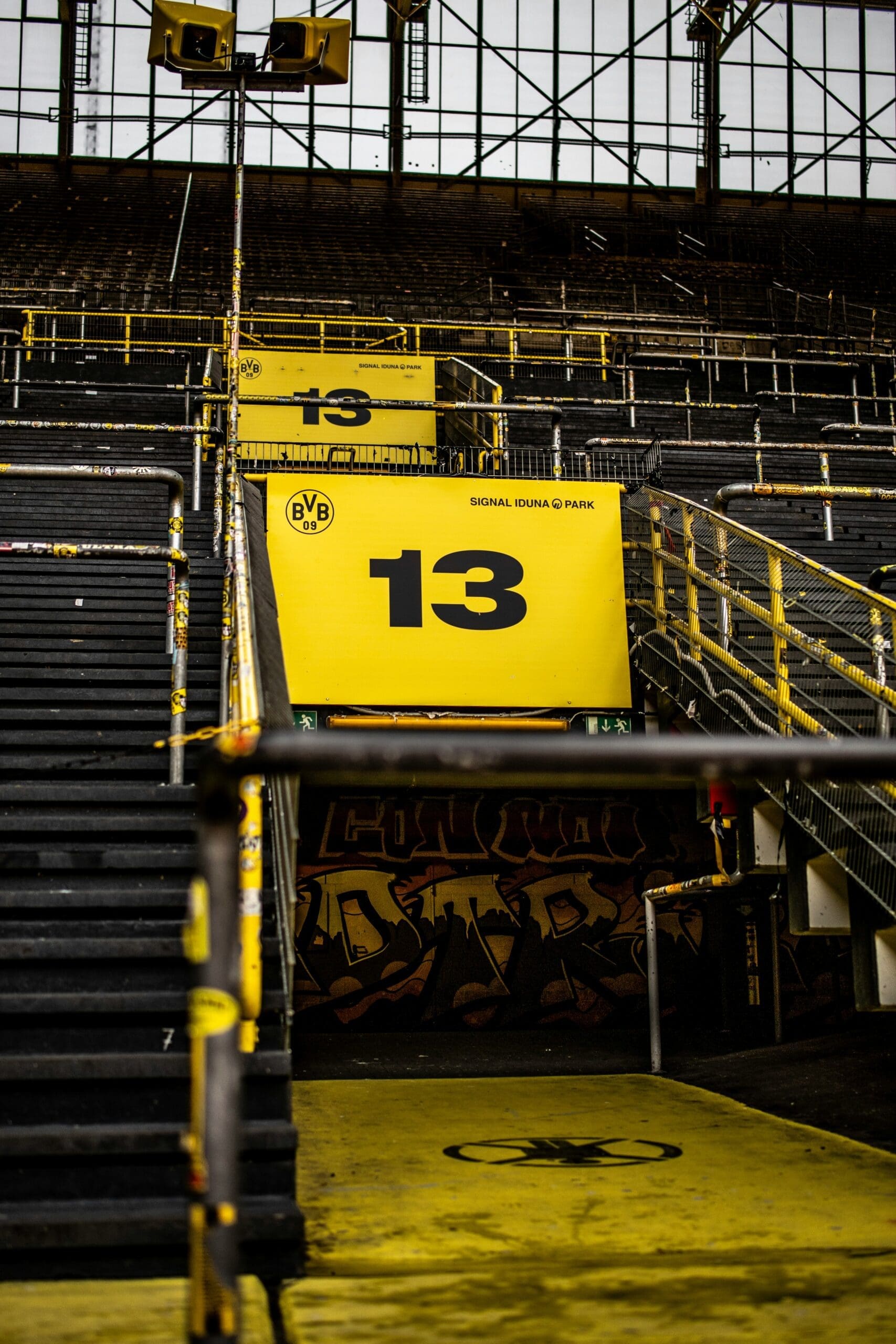
The South Stand of the Signal Iduna Park is a spectacular feature that excites fans worldwide. Known as the „Yellow Wall,“ it is the largest standing terrace in Europe. With space for over 25,000 passionate fans, it sets standards for stadium atmosphere.
The sight of the „Yellow Wall“ is captivating. When the fans in black and yellow cheer, an almost magical atmosphere is created. This grandstand symbolizes the unwavering support of BVB fans and creates a unique team spirit at BVB games.
Special characteristics of the „Yellow Wall“:
- Europe's largest standing-room terrace
- Capacity of over 25,000 fans
- Passion and loyalty
The „Yellow Wall“ is more than just a stand. It is a symbol of the unity and strength of Borussia Dortmund supporters. With its impressive presence, it contributes decisively to the unmistakable atmosphere in the Signal Iduna Park, which deeply touches both players and visitors.
Signal Iduna Park and BVB Games: Emotions and Highlights
The Signal Iduna Park is the legendary home of Borussia Dortmund's matches. Here, fans experience unforgettable moments full of excitement and passion. At every game, the stadium transforms into a sea of black and yellow, reflecting the energy and enthusiasm of the loyal supporters.
The games at Signal Iduna Park are known for their thrilling atmosphere. Whether it's fierce derbies or decisive title clashes, the stadium always offers an electrifying backdrop. The passionate cheers of the fans are not only acoustically impressive but also motivate the players to perform at their best.
Some unforgettable highlights and emotions from Signal Iduna Park:
- Spectacular derby victories against arch-rivals Schalke 04
- Dramatic Champions League nights
- Unforgettable goal celebrations in front of the „Yellow Wall“
The stadium is a place where football history is made. Historic matches that evoked deep emotions in fans were played here. The unique atmosphere makes Signal Iduna Park an unmistakable experience for any football enthusiast lucky enough to witness a game live.
International Significance: World Championships and Major Tournaments
The Signal Iduna Park is not just an important venue for national football matches. Its role in international tournaments has earned it worldwide recognition. The stadium served as a venue for the 1974 and 2006 FIFA World Cups. During these tournaments, it provided an impressive stage for some of football's most memorable matches.
by Chris Hahn (https://unsplash.com/@chrishahn)
Besides World Cups, the Signal Iduna Park has also hosted many other significant international tournaments and matches. These events have made the stadium a hub of international football enthusiasm. The following highlights underscore its global importance:
- West Germany
- 2006 FIFA World Cup Matches
- International Friendlies and Tournaments
The Signal Iduna Park remains a symbol of the power and appeal of football. It attracts passionate fans and teams from all over the world.
Stadium tours and experiences for visitors
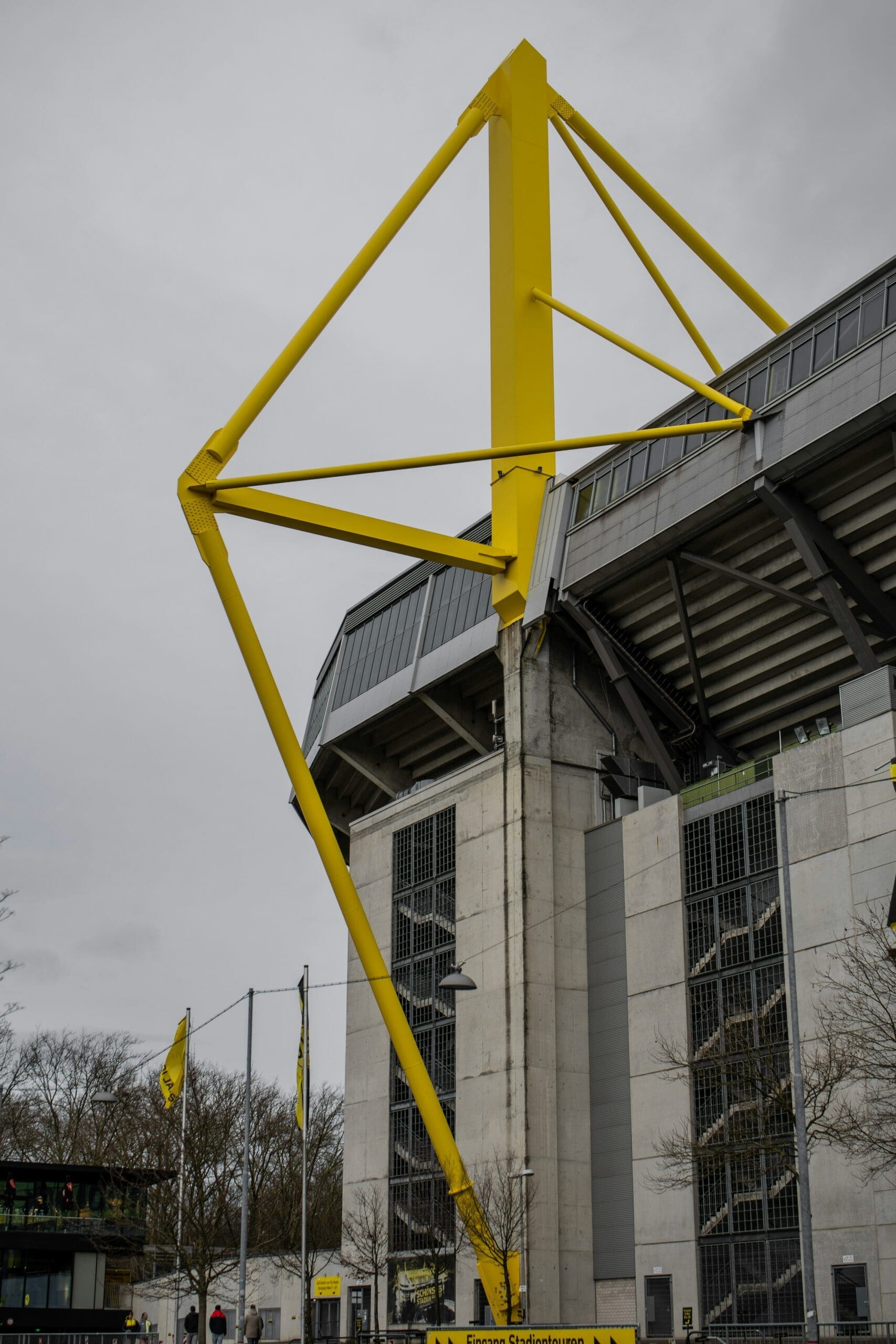
The Signal Iduna Park attracts numerous visitors not only on match days. There's also plenty to experience on other days. Guided stadium tours offer interested parties a fascinating glimpse behind the scenes of the stadium. These tours provide an opportunity to explore areas that are otherwise only accessible to players and officials.
by Chris Hahn (https://unsplash.com/@chrishahn)
Visitors can experience the following highlights:
- The impressive south stand up close
- The players' locker rooms
- The press area and the mixed zone
These tours are an experience for both football fans and families. They turn a visit to the Signal Iduna Park into an unforgettable event that offers insights into the world of professional football.
Economic and cultural significance for Dortmund
The Signal Iduna Park is more than just a soccer stadium – it's an economic engine for Dortmund. It significantly boosts the local economy on and around match days. Hotels, restaurants, and retail benefit from the numerous visitors.
In addition to its economic significance, the Signal Iduna Park also plays an important cultural role in the region. It is a central place for cohesion and community. Fans from diverse backgrounds come together to cheer on their team.
Cultural and economic influences:
- Supporter of regional tourism
- Job engine for the local population
- Venue for cultural events outside of football
The Signal Iduna Park is an integral part of urban life in Dortmund. Its significance extends far beyond the stadium experience. It brings people together and attracts guests from all over the world who want to experience its unique atmosphere.
Signal Iduna Park as a symbol of community and identity
The Signal Iduna Park is a clear symbol of the collective identity of the Dortmund population. It is far more than a stadium—it is a living expression of the city's pride and traditions.
The Signal Iduna Park brings people from different walks of life together. Many find an emotional home in its community. These moments, when the city comes together, are crucial for collective identity.
The stadium's significance for identity:
- Embodies the city's fighting spirit
- Strengthens the sense of community
- is a place for intercultural encounters and exchange
The Signal Iduna Park impressively shows how a stadium can gain significance beyond sports. It is a symbol of unity in diversity.
Conclusion: A living monument to football
The Signal Iduna Park in Dortmund remains inextricably linked to the heartbeat of football. Its history tells of impressive moments and boundless passion. It is more than just a structure of steel and concrete – it is a stage where historic victories and moving defeats are celebrated alike.
Through its impressive size and vibrant atmosphere, the Signal Iduna Park embodies the soul of football. It is a place of gathering, where fans of different generations experience and rewrite history. This stadium will undoubtedly continue to inspire and serve as a living monument to football across generations.